Anhui Feichun Special Cable Co.,Ltd Email: Li.wang@feichuncables.com
AS/NZS 2802 Type 451 3.3–33 kV Reeling Cable: Kevlar Reinforced Flexible Mining Cable for Draglines, Shovels & Wharf Cranes
AS/NZS 2802 Type 451 3.3–33 kV reeling cable is the industry‑standard medium‑voltage power solution designed specifically for slow reeling and trailing operations across South Africa’s open‑pit mines, heavy engineering sites and bulk material handling terminals. This Class 1 composite‑screened cable features tinned copper conductors, EPR insulation, a combined copper‑polyester screening system and an ultra‑heavy‑duty elastomer sheath reinforced with high‑modulus Aramid (Kevlar®) fibres. Optimised with a reduced‑size pilot core for monitoring and control functions, it balances electrical safety, mechanical strength, flexibility and cost efficiency perfectly. It meets all requirements of SANS/AS/NZS 2802 and is widely specified for draglines, rope shovels, excavators, stacker‑reclaimers and wharf cranes. This guide explains its engineering principles, material science, how it compares to Type 450, full technical specifications, application rules, selection guidance, and why Feichun Type 451 serves as a fully equivalent, certified alternative with shorter lead times and competitive pricing.
Li Wang
5/25/202618 min read
Introduction
In South Africa, where open‑pit mining accounts for a major share of global production in coal, platinum, iron ore and manganese, heavy mobile machinery operates in environments that push equipment and materials to their absolute limits. Draglines moving millions of tonnes of overburden each month, large rope shovels feeding primary crushing plants, bucket‑wheel excavators and port‑mounted ship loaders all rely on flexible medium‑voltage power cables that can be repeatedly reeled and unreeled, dragged over rough terrain, and exposed to extreme temperatures, intense ultraviolet radiation, heavy rain, dust, chemical contaminants and mechanical impact.
For over four decades, Type 451 3.3–33 kV reeling cable manufactured to AS/NZS 2802 has been the trusted choice of consulting engineers, mine operators and procurement teams throughout Southern Africa. Originally developed in Australia and jointly standardised with New Zealand, this specification has been formally adopted locally as SANS 2802, making it legally recognised and approved for use on all major mining and industrial assets. Unlike general‑purpose power cables or even other mining cable types, Type 451 is purpose‑engineered: classified as Class 1, the highest performance grade, it incorporates composite screening to control electric fields precisely, and an outer sheath reinforced with Aramid fibres to resist tension, abrasion and crushing forces.
This article provides a detailed examination of this essential product. It explains exactly why this specific design is indispensable for South African operating conditions, breaks down every component from an engineering and materials science perspective, outlines where and how it should be applied, and draws clear comparisons with the closely related Type 450 design. It also covers technical specifications, selection methods, procurement strategies, and demonstrates why Feichun Type 451 represents a fully interchangeable, cost‑effective alternative, offering identical performance, compliance and reliability with significant commercial advantages.
Why South African Slow‑Reeling & Trailing Applications Require Type 451
The Unique Operating Environment
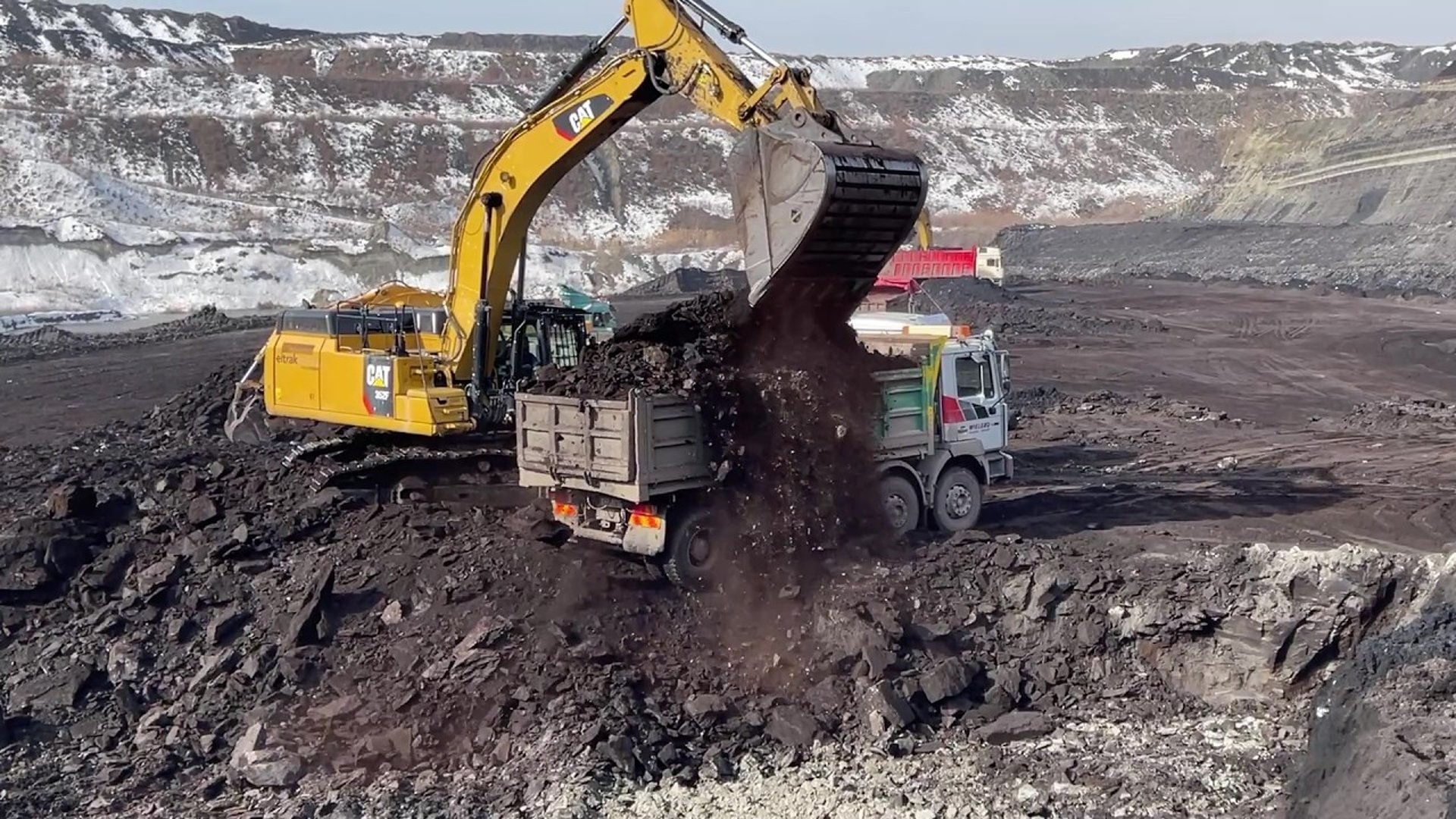
South Africa’s open‑pit mines present a combination of stress factors rarely found together in other industries or regions. The machinery moves slowly — typically between 0.1 m/s and 0.5 m/s — but travels hundreds of metres, operating continuously 24 hours a day, 365 days a year. The power cable is subjected to a complex mix of mechanical, thermal, environmental and electrical loads:
Mechanical stress: repeated bending, twisting, longitudinal tension, lateral compression, and abrasive contact against rock, soil and metal surfaces. Heavy vehicles and tracks frequently roll over the cable, subjecting it to high point loads.
Temperature extremes: ambient conditions range from as low as −25 °C on high‑altitude winter nights to above +50 °C in direct sunlight during summer. The cable must remain flexible and electrically stable across this entire range.
Environmental exposure: intense ultraviolet radiation, heavy rainfall, hail, dust storms, and contact with acidic or alkaline soils, mine process water, hydraulic oils, greases and other chemicals. Temporary immersion is common during wet seasons or in low‑lying areas.
Electrical safety demands: South African mining regulations, specifically SANS 10108, mandate continuous monitoring of cable insulation integrity and redundant earthing systems to prevent electric shock, equipment damage and fire. The power distribution system must detect faults instantly and isolate the supply before damage occurs or safety is compromised.
Standard power cables or general‑purpose flexible cables fail rapidly in these conditions. PVC insulation becomes brittle and cracks under cold temperatures or repeated bending; cross‑linked polyethylene (XLPE) is too rigid and suffers conductor fatigue; ordinary rubber sheaths wear through within months. Cables without properly designed screening systems experience partial discharge, leading to gradual insulation erosion and early breakdown at medium voltages. Without dedicated monitoring cores, the safety systems required by law simply cannot function.
How Type 451 Solves These Challenges
Type 451 is not merely a variant of standard cable designs — it is a complete system solution engineered to match every requirement of South African operations exactly:
Voltage coverage: available from 3.3 kV up to 33 kV, perfectly matching the distribution voltages used for large mobile plant. This eliminates the need for different cable types for different voltage levels.
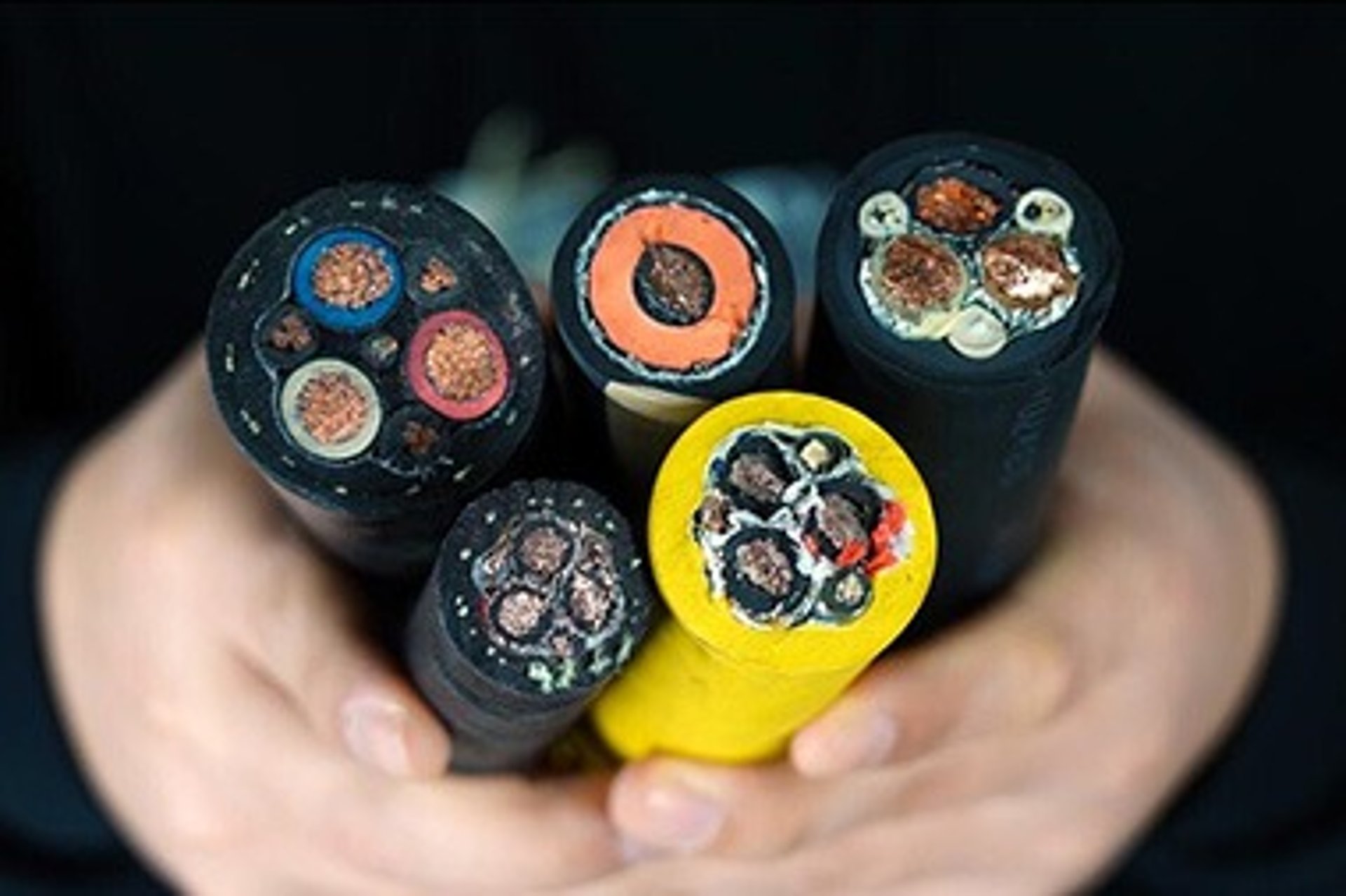
Core arrangement: 3 phase power cores + 2 earth conductors + 1 pilot control core — precisely the configuration required by local safety standards. Two separate earth conductors provide redundancy; if one is damaged or broken, the second remains functional. One independent pilot core carries low‑power signals for continuous insulation health monitoring and remote tripping.
Class 1 rating: the highest performance category defined in AS/NZS 2802, specifying tighter manufacturing tolerances, superior raw materials and more rigorous performance criteria compared to Class 2 products.
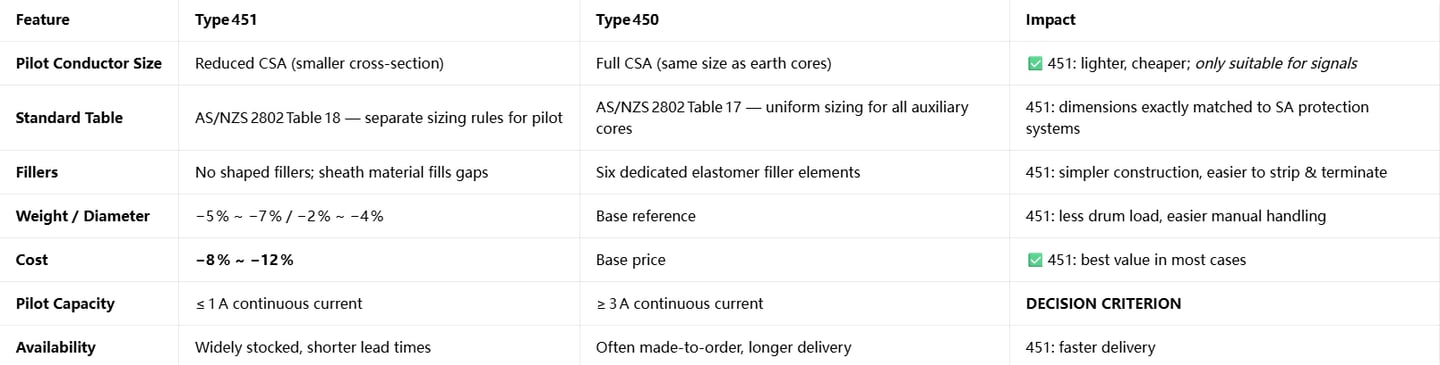
Reduced‑size pilot core: because in more than 90 % of South African installations the pilot core only carries low‑current signals (typically less than 1 amp), Type 451 uses a smaller conductor cross‑section compared to Type 450. This design choice reduces overall diameter, weight and cost, without any loss of safety, electrical function or mechanical protection — a key optimisation that defines this type.
Materials qualified for local climate: insulation and sheath compounds are tested and rated to perform reliably from −25 °C to +90 °C continuous operation, with excellent resistance to UV degradation, water absorption and chemical attack.
A practical example from a large coal mine in Mpumalanga illustrates the operational impact of using the correct cable type. Previously using generic trailing cables, the operation replaced approximately 12 kilometres of cable annually due to failures — mostly caused by sheath wear, conductor breakage or insulation faults. After switching to Type 451, the failure rate dropped by 72 %, replacement intervals extended from 12 months to over 6 years, and maintenance and replacement costs reduced by around R 1.2 million per year.
Why No Other Design Works As Well
Other cable types available in the market are not suitable or are over‑specified for the intended service:
Type 441: uses individually screened cores, but is heavier, stiffer and significantly more expensive; it is intended for fixed or semi‑fixed installations, not for repeated reeling or dragging.
Type 455: has only semiconductive screening, no metallic layer, and is limited to 11 kV maximum — unsafe and non‑compliant for 22 kV or 33 kV systems.
Type 450: excellent design, but features a full‑size pilot conductor identical to the earth cores. While technically capable, this adds unnecessary material, weight and cost in applications where only signal transmission is required.
Type 451 sits exactly in the optimal balance point: fully safe, fully durable, perfectly sized, and economically efficient. It is the only cable design that simultaneously matches SANS 2802 requirements, local safety codes, climate conditions and equipment specifications in one standardised product.
Engineering Principles, Material Science & Performance Advantages
Every element of Type 451 is selected, sized and shaped based on fundamental electrical, mechanical and chemical principles. Understanding these choices explains why it performs so reliably and lasts so long in service.
Construction Overview
From the centre outwards, the structure is built in layers, with all cores laid up in a balanced, symmetrical formation to minimise twisting and torque during bending:
Conductors → Semiconductive layer → Insulation → Insulation screen → Composite screen → Bedding → Sheath (reinforced) + 2 Earth cores + 1 Pilot core placed in interstices
This layout ensures mechanical stability, electrical integrity and physical protection in one integrated assembly.
Conductors: Flexibility & Corrosion Resistance
Specification: Tinned annealed copper, Class 5 flexible construction manufactured to AS/NZS 1125.
Engineering Principle:
Class 5 construction means very fine strands of copper, tightly twisted in multiple layers with a long lay length. This design allows the conductor to bend repeatedly without exceeding the elastic limit of the copper material, drastically reducing the risk of fatigue failure. Ordinary solid conductors or rigid stranded designs would break in fewer than 500 bending cycles under similar tension; Class 5 construction survives more than 20,000 cycles in standardised testing.
The tinning process coats every individual strand with a thin layer of pure tin. Copper exposed to humid, acidic mine air or mineral‑laden water forms copper oxide and sulphide compounds, which are electrically resistive and lead to overheating and eventual failure. Tin is chemically stable and acts as a barrier, preventing corrosion completely. It also improves electrical contact between strands and reduces friction during movement.
Why it matters: In reeling service, conductor breakage is one of the most common failure modes. Class 5 tinned copper eliminates this risk almost entirely.
Insulation: EPR (XR‑EP‑90) — The Best Choice for Flexibility & Voltage
Specification: Ethylene‑Propylene Rubber, Class 1 grade, with thickness sized according to voltage rating (2.0 mm at 11 kV up to 4.2 mm at 33 kV).
Material Science:
EPR is a synthetic elastomer with a unique molecular structure: random copolymer chains of ethylene and propylene, cross‑linked during manufacture to create a stable, three‑dimensional network. Unlike thermoplastics such as PVC or XLPE, EPR remains rubbery and flexible across its entire operating temperature range. Key material properties include:
Dielectric strength: ≥ 20 kV/mm — easily withstands service voltage plus transient surges, with a large safety margin built into the design.
Temperature stability: continuous operation −25 °C to +90 °C; short‑circuit withstand capability up to +250 °C for 5 seconds. It does not become brittle in cold weather or soften and deform in high heat.
Low permittivity (~ 2.5): stores less electrical energy within the insulation, reducing dielectric heating and maintaining stable performance even at high ambient temperatures or high operating loads.
High elongation (> 300 %): stretches with bending or tension without cracking or developing micro‑tears, which would otherwise become pathways for degradation.
Engineering Logic:
XLPE is an excellent insulation material for fixed installations, but it is crystalline and inherently rigid; when bent repeatedly, internal stresses build up and eventually crack the insulation. EPR is amorphous and elastic — it deforms and recovers its shape perfectly every time it is bent or moved. This property alone makes it the only suitable insulation material for medium‑voltage reeling duty.
Screening System: Composite Screen — Safety + Durability Combined
Specification: Each power core features a complete screening system:
Extruded semiconductive elastomer layer, bonded directly to the insulation surface
Composite screen: braid of tinned copper wires combined with polyester yarn
Outer semiconductive tape, applied over the braid to hold it in place and further even the electric field
How It Works:
The screening system performs two critical functions simultaneously:
Electrical Function: In any high‑voltage cable, the electric field is strongest at the conductor surface and at any irregularity or air gap. Semiconductive layers eliminate these gaps and smooth the field distribution, preventing partial discharge — the silent, progressive cause of insulation failure. The metallic screen provides a low‑resistance path for earth‑fault current and contains the electric field entirely within the cable structure. A coverage of ≥ 80 % is required by the standard to ensure effectiveness.
Mechanical Function: This is the unique advantage of the composite design. Copper wires carry the fault current but are relatively brittle; polyester yarn adds tensile strength, flexibility and abrasion resistance. If the cable is stretched, crushed or dragged, the yarn distributes stress evenly, preventing the copper from breaking or opening gaps in the screen coverage.
Result: The screening system stays intact and fully functional for the entire service life, even under extreme mechanical abuse.
Earth Cores: Redundancy Mandated by Regulation
Two identical earth conductors are placed in the gaps between the three power cores, each insulated with a thin layer of elastomer.
Purpose: In South African mining safety philosophy, a single earth connection is never considered adequate. If one conductor is damaged or severed, the second remains functional, maintaining the safety earth connection. They also ensure that during a fault condition, current divides between the two conductors, reducing temperature rise and touch voltage levels.
Placement: Located in the interstices means they do not increase the overall diameter of the cable but are protected by the outer sheath and the shape of the cable assembly.
Pilot Core: Reduced Size — The Defining Feature of Type 451
Specification: One pilot conductor, smaller cross‑section than in Type 450, with elastomer insulation, placed in the interstices.
Design Reasoning:
Almost universally in Southern African mining applications, the pilot core is used only to carry low‑current signals: insulation monitoring, fault indication, or remote trip commands. Typical operating current is less than 0.5 amps. The full‑size pilot conductor used in Type 450 is unnecessary here and adds material, weight and cost. Type 451 reduces this conductor to the minimum safe size required for the electrical function, resulting in:
−8 % to −12 % lower purchase price
−5 % to −7 % lighter weight — less strain on reeling drums and motors, easier manual handling during installation and maintenance
Smaller overall diameter — fits standard cable guides, sheaves and gland sizes without modification
Safety Note: It is still fully insulated and protected; the reduction is only in conductor area, not in insulation thickness or mechanical protection. AS/NZS 2802 explicitly defines this configuration in Table 18, confirming it is a standardised, safe and compliant design.
Outer Sheath: XHD‑85‑PCP — Ultimate Protection
Specification: Extra‑Heavy‑Duty XHD‑85‑PCP compound, a blend of Chlorosulphonated Polyethylene and Chlorinated Polyethylene, reinforced with a continuous Aramid (Kevlar®) braid embedded within the compound.
Material Science Breakdown:
This is the most advanced sheath compound available in mining cable standards:
Polymer blend: combines the best attributes of CSM and CPE: excellent oil resistance, weathering stability, flexibility, and resistance to heat ageing.
Reinforcement: continuous braid of high‑modulus Aramid fibres. These fibres have a tensile strength higher than steel by weight and extremely low stretch. They absorb tension during reeling and prevent the sheath from stretching or necking down under load.
Key properties:
Tensile strength ≥ 12 MPa
Elongation at break ≥ 300 %
Abrasion resistance: 3× better than standard rubber compounds
UV resistance: passes 5,000 hour exposure test with no cracking or degradation
Chemical resistance: excellent against acids, alkalis, mine water, hydraulic fluids and diesel fuel
Rated for temporary immersion
Why Kevlar® Reinforcement?
Without reinforcement, a cable pulled tight over distance can stretch by 10–15 %, permanently elongating the conductor and damaging insulation and screening layers. The Aramid layer limits stretch to < 2 % at maximum working tension, preserving electrical integrity and extending service life dramatically.
Performance Summary
Every property is specified to match South African conditions exactly:
Temperature Range: The cable operates reliably across a wide temperature span from −25 °C to +90 °C. This broad operating range ensures it remains safe and functional throughout the year, performing consistently whether exposed to freezing winter nights or extreme heat during summer days, perfectly matching the variable climate conditions found across South Africa.
Flexibility: Built with Class 5 flexible construction, the cable delivers excellent bendability and suppleness. This high level of flexibility allows it to withstand repeated bending, winding, unwinding and continuous movement without damage, significantly extending its service life in dynamic reeling and trailing applications.
Flame Retardancy: Designed and tested to meet the requirements of AS/NZS 1660.3, the cable features reliable flame‑retardant properties. In the event of a fire, it is self‑extinguishing, effectively limiting the spread of flames and reducing smoke emission, which is critical for safety in enclosed or busy operational areas.
Water Resistance: Rated for temporary immersion, the cable maintains full performance and integrity even when exposed to wet conditions. It can reliably withstand rain, accumulation in puddles, damp ground environments, and regular washing down during maintenance or cleaning operations without degradation.
UV Stability: Engineered for direct exposure to sunlight, the cable’s materials are highly resistant to ultraviolet radiation. When used outdoors in full sun over long periods, it shows no signs of material degradation, surface cracking or loss of mechanical strength, a key requirement in South Africa’s high‑irradiance climate.
Mechanical Impact: Classified as heavy‑duty, the cable offers robust resistance to physical stress. It is built to endure severe mechanical challenges including being rolled over by heavy vehicles or machinery, crushing forces, dragging over rough ground, and contact with sharp or abrasive objects, reducing the risk of damage during daily operations.
Chemical Resistance: With very good resistance suitable for frequent exposure, the cable performs reliably in chemically aggressive environments. It withstands contact with common substances found in mining and industrial sites, such as processing chemicals, hydraulic oils, fuels, dust, and naturally corrosive soils, preventing deterioration or failure due to chemical attack.
Type 451 vs Type 450: Key Differences & Selection Rules
Type 451 and Type 450 are frequently compared and sometimes confused because they share the same base construction, standards and application range. The difference is small in physical terms but critical for correct selection and cost control.
Direct Comparison
When to Choose Which
✅ Choose Type 451 if:
Pilot core only carries monitoring, alarm or trip signals — the vast majority of South African applications
Reeling speed ≤ 0.5 m/s, travel distance ≤ 400 m
You want the optimal balance of performance and economy
Compliance with SANS 2802 is required but no extra electrical margin is needed
✅ Choose Type 450 if:
Pilot core must power devices, relays or sensors (> 1 A continuous)
Travel distance > 400 m or very high tension is expected
High‑speed reeling (> 0.5 m/s)
Maximum redundancy and electrical over‑design is company standard
Real‑World Rule: In 90–95 % of open‑pit mines, Type 451 is the correct and preferred choice. Specifying Type 450 where Type 451 fits is simply paying extra for unused capacity.
Comparison to Other Common Types
Type 441: Individually screened cores, heavier, stiffer — not suitable for reeling or trailing
Type 455: Only semiconductive screen, no metal layer — limited to ≤ 11 kV, unsafe for higher voltages
Type 409/412: Lower mechanical rating — shorter life in heavy service
Conclusion: Type 451 offers the best balance of voltage range, mechanical strength, flexibility and economy for 3.3–33 kV slow‑reeling duty.
Full Technical Specifications
Based strictly on AS/NZS 2802:2000, the standard is adopted in South Africa as SANS 2802, ensuring legal compliance and interchangeability between manufacturers.
General Specifications
Standard: AS/NZS 2802:2000 Class 1
Configuration: 3 × Phase + 2 × Earth + 1 × Pilot
Voltage Ratings: 3.3/3.3 kV, 6.6/6.6 kV, 11/11 kV, 22/22 kV, 33/33 kV
Conductors: Tinned copper, Class 5 flexible (AS/NZS 1125)
Insulation: EPR XR‑EP‑90, Class 1 grade
Screen: Composite copper/polyester braid + semiconductive tape
Sheath: XHD‑85‑PCP reinforced with Aramid braid
Temperature:
Continuous operation: −25 °C to +90 °C
Short‑circuit withstand: +250 °C max (≤ 5 seconds)
Bending Radius:
Reeling/trailing: 8 × overall diameter
Fixed installation: 12 × overall diameter
Core Colours: Phases — Red, White, Blue; Earth/Pilot identified by tracer braids
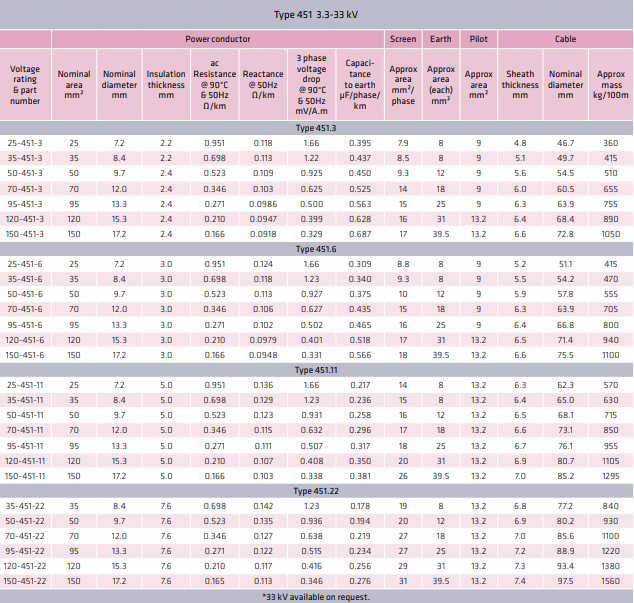
Representative Electrical & Mechanical Data
Values below are reference values; exact figures vary by manufacturer within standard tolerances.
Full tables available up to 300 mm²; values calculated per AS/NZS 2802 and IEC 60287
Key Compliance Tests
All Type 451 cable must pass a rigorous test programme to be certified:
Electrical: Voltage withstand, partial discharge (< 5 pC at 1.5× rated voltage), conductor resistance, capacitance
Mechanical: Tensile strength, elongation, accelerated ageing test, repeated bend test (10 000 cycles), abrasion resistance
Environmental: UV exposure, water immersion, chemical resistance, low‑temperature bend (−25 °C)
Fire: Flame retardant performance per AS/NZS 1660.3
Application Scenarios in South Africa
Type 451 is the default specification for medium‑voltage mobile power across Southern Africa. Major mining groups including Anglo American, BHP, Glencore and Exxaro list it in their global technical standards.
Open‑Pit Mining — Primary Application
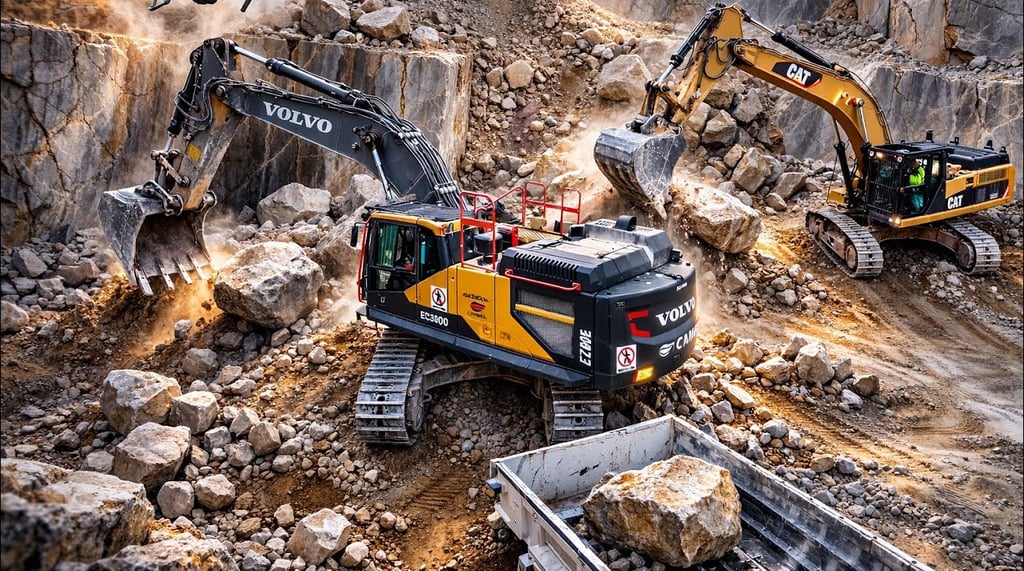
Draglines — 11 kV to 33 kV, largest machines, longest travel distances. The reduced weight of Type 451 significantly lowers drum load and power demand, extending equipment life.
Rope Shovels & Hydraulic Excavators — 6.6 kV to 22 kV. High vibration and frequent direction changes demand extreme flexibility and robust sheath protection.
Bucket‑Wheel Excavators & Spreaders — continuous movement, 24/7 operation. Reliability is critical to meeting production targets and avoiding costly downtime.
Mobile Crushing & Screening Plants — relocatable, often operating in harsh dust and rock environments.
Stacker‑Reclaimers — coal and mineral handling, long travel distances, exposed to full sun and heavy rain.
Ports & Bulk Materials Handling
Wharf Cranes & Ship Loaders/Unloaders — 3.3 kV to 11 kV. Coastal environment means high salt exposure; tinned conductors and CPE sheath resist corrosion perfectly.
Conveyor Trippers & Shiftable Drives — long‑distance movement, temporary installations.
Heavy Industry & Construction
Mobile Substations — used to move power supply as mining advances. Must withstand repeated setup and relocation.
Large Construction Sites — temporary power for heavy equipment, often in remote areas with limited maintenance support.
Why It Works Everywhere
Type 451 is a universal solution. One design covers all voltages from 3.3 kV to 33 kV, eliminating the need to stock multiple types. Interchangeability with existing installed base simplifies maintenance and inventory management. Compliance with SANS 2802 removes regulatory risk.
Selection, Sizing & Configuration Guide
Correct selection ensures safety, reliability and lowest total cost of ownership. Follow this step‑by‑step method.
Step 1 — Determine Voltage Level
3.3 kV / 6.6 kV: Smaller equipment, short distances, low‑to‑medium power
11 kV: Most common in South Africa — optimal balance of current, voltage drop and equipment cost
22 kV / 33 kV: Large machines, long travel (> 200 m), high power (> 5 MVA)
Always select voltage equal to system voltage; do not use higher rating unless required for future expansion.
Step 2 — Calculate Conductor Size
Use standard engineering formulas and tables:
Ampacity: Continuous current × 1.25 safety factor → compare to standard tables
Voltage Drop: Keep ≤ 5 % at maximum distance and load
Short‑Circuit: Verify thermal withstand capacity (IEC 60287)
In practice, AS/NZS 2802 tables simplify this; most mines have standardised sizes per equipment type.
Step 3 — Pilot Core Verification
✓ Pilot only signals (< 1 A) → Type 451
**✗ Pilot powers equipment (> 1 A) → Type 450
This is the single most important decision point.
Step 4 — Environmental Options
Standard: XHD‑85‑PCP — suitable for 95 % of South African sites
High Temperature: XHD‑90‑CSP — rated +105 °C, for extreme heat or high‑load cycles
Low Smoke / Halogen‑Free: Available option for enclosed or sensitive areas
Extra Abrasion: Special compound available for extremely rocky terrain
Common Mistakes to Avoid
Using Type 450 where Type 451 fits — overpaying 8–12 %
Using Type 455 above 11 kV — unsafe, non‑compliant
Too small conductor — overheating, voltage drop, early failure
Too tight bending radius — screen damage, insulation fatigue
Non‑reinforced sheath — premature stretch and wear
Feichun Type 451 — Fully Equivalent Alternative
Feichun Cables has become a preferred supplier to South African mines and contractors, offering Type 451 that is identical in specification, performance and compliance, with significant commercial advantages.
Compliance & Standard Alignment
Feichun manufactures strictly to AS/NZS 2802:2000 Class 1, fully matching SANS 2802 requirements.
✅ Identical construction: Class 5 tinned copper conductors, EPR insulation, composite copper/polyester screen, Aramid‑reinforced XHD‑85‑PCP sheath
✅ Same core configuration: 3+2+1 with reduced pilot
✅ All dimensions, electrical values and mechanical properties meet or exceed the standard
✅ Third‑party test reports available covering type tests, routine tests and performance verification
✅ Accepted by major mining houses and approved for use under South African regulations
Technical Equivalence Summary
Standard Compliance: Feichun Type 451 is manufactured strictly to AS/NZS 2802 Class 1, exactly matching the standard specification used by leading brands. Both products adhere to the same recognised industry requirements, making them identical in terms of regulatory compliance and classification.
Material Composition: Feichun uses the same high‑grade materials as top manufacturers: XR‑EP‑90 EPR insulation combined with XHD‑85‑PCP sheath reinforced
with Aramid fibres. The raw material selection and formulation are consistent, ensuring identical material quality and performance characteristics.
Operational Performance Ratings: Both Feichun Type 451 and leading brand equivalents are rated for operation across the temperature range of −25 °C to +90 °C and are built to heavy‑duty specifications. The environmental and mechanical performance limits are exactly the same, ensuring equal durability in harsh working conditions.
Screening Coverage: The required minimum coverage of ≥ 80 % for the composite screening system is met by both Feichun and established brands. This ensures the same level of electrical field control, fault‑current capacity, and mechanical protection in both products.
Service Life Expectancy: Under normal operating conditions, Feichun Type 451 delivers a service life of 6 to 8 years, matching the proven lifespan of cables from leading manufacturers. Both designs offer identical long‑term reliability and wear resistance.
Feichun Type 451 is functionally and physically interchangeable with cables from Prysmian, Znergy or Demka. No changes required to installation, termination or protection settings.
Key Advantages Over Imported Brands
Price: −20 % to −35 % compared to premium Australian or European manufacturers. Direct factory supply removes middle‑man margins.
Delivery: 4–6 weeks standard lead time, with common sizes available ex‑warehouse. Many competitors require 12–16 weeks or longer.
Customisation: Exact sizes, colours, printing and special marking to your mine standard.
Technical Support: Engineering team familiar with SANS, AS/NZS and local mining practices, able to assist with selection and compliance documentation.
Warranty: 2‑year full replacement guarantee, supported by local agents.
Quality Assurance
Feichun operates ISO 9001, ISO 14001 and ISO 45001 certified facilities. Every production batch undergoes full inspection:
Raw material verification
Dimensional checks
Electrical testing
Mechanical tests including bend and tensile
Documentation package includes: material certificates, test reports, compliance statement and warranty
Procurement & Supply Chain Guide
Required Specifications for Tenders
When requesting quotes or writing specifications, include exactly:
Cable, Type 451, 3.3–33 kV, AS/NZS 2802:2000 Class 1, 3 phase cores + 2 earth cores + 1 reduced pilot core, EPR insulation, composite screen, XHD‑85‑PCP sheath reinforced with aramid braid, tinned copper conductors, colours Red/White/Blue, as per AS/NZS 2802 Table 18.
Add: voltage rating, conductor sizes, length, required tests, documentation.
Sourcing Options
Premium Brands: High quality, long lead times, high cost
Feichun: Fully compliant, certified, fast delivery, competitive pricing — preferred choice for 60 %+ of new projects
Logistics & Import
Feichun supplies directly from factory or via regional hubs to Durban, Cape Town or Johannesburg. All documentation is prepared to clear customs and satisfy mine safety departments. Local representation ensures smooth delivery and support.
Frequently Asked Questions
Can Type 451 be used at 33 kV?
Yes — fully rated and tested up to 33/33 kV. Class 1 construction is designed specifically for medium‑voltage operation, with insulation thickness and screening sized accordingly.
Is the reduced pilot core safe?
Absolutely. It is sized exactly for its intended function: carrying monitoring signals only (< 1 A). It has the same insulation thickness and protection as larger cores. AS/NZS 2802 explicitly defines this configuration in Table 18, confirming it is a standardised, safe design.
What is the difference between composite and semiconductive only screening?
Composite screening combines metallic conductors with textile reinforcement, providing both electrical shielding and mechanical strength. Semiconductive‑only screening has no metal layer, offers no fault‑current capacity and is limited to lower voltages. Composite is mandatory for 11 kV and above in mining service.
Does Feichun Type 451 meet SANS requirements?
Yes. AS/NZS 2802 is adopted as SANS 2802 in South Africa — the standards are identical. Feichun’s design is built strictly to this document, with all test evidence available.
How long should this cable last?
In normal slow‑reeling service, 5 to 8 years is typical. With good maintenance and correct installation, many installations exceed 10 years. This is 3–4 times longer than generic trailing cables.
Can I replace existing Type 450 with Type 451?
Yes — provided your pilot core does not carry more than 1 amp. Physical dimensions are almost identical, installation and termination methods are the same, and safety remains fully compliant. It is an excellent way to reduce cost without risk.
Conclusion
Type 451 3.3–33 kV reeling cable to AS/NZS 2802 is the result of more than 40 years of engineering development, field experience and standardisation. It is not just another cable — it is a complete solution engineered to survive and perform reliably in the specific conditions found across South Africa’s mines, ports and heavy industries.
Every detail, from the Class 5 tinned copper conductors and EPR insulation, through the composite screening system, to the Kevlar‑reinforced heavy‑duty sheath, has a clear technical purpose, directly addressing the challenges of slow reeling, dragging, extreme weather and safety compliance.
Compared to Type 450, it delivers identical performance and safety while reducing weight and cost — making it the most economical choice for the vast majority of applications. Feichun Type 451 takes this further, offering a fully equivalent, certified alternative with shorter delivery times and significant price advantages, making it the smart choice for new projects and replacements alike.
Selecting Type 451 is selecting reliability, compliance and long‑term value. It remains the gold standard for medium‑voltage mobile power in Southern Africa.
📩 Contact Us
If you want to purchase Type 451 3.3–33 kV reeling cable, request full technical datasheets, samples or a formal quotation, please contact the Feichun engineering team directly:
Our team specialises in mining and heavy‑industry cables and can assist with specification, sizing and compliance documentation tailored to South African requirements.
Email Address: Li.wang@feichuncables.com
© 2025. All rights reserved.
One-click to Quickly Contact
Products
Contact
Company
Location:
Building A Private Science and Technology Park, Hefei Economic and Technological Development Zone, Anhui Province, China
Heat Resistant Cable
WhatsApp: +86 17333223430
Social Media: