Anhui Feichun Special Cable Co.,Ltd Email: Li.wang@feichuncables.com
BS 6708 Type 20 & 21 Mining Cables: South Africa’s Heavy-Duty Power Solution
Discover the BS 6708 Type 20 & 21 cables, their structure, specifications, and applications in South Africa’s mining industry. Learn about installation, safety, and real-world case studies.
Li Wang
12/9/20255 min read

Introduction
In the heart of South Africa’s mining and quarrying industry, where machinery moves tons of ore daily, the reliability of power supply can make or break operational efficiency. Flexible trailing cables are the unsung heroes of these operations, transmitting electricity to heavy-duty equipment under harsh conditions—dust, moisture, abrasion, and constant mechanical stress.
Enter BS 6708 Type 20 and Type 21 cables, British Standard-designed trailing cables optimized for the rigorous demands of South African mines. Known for their flexibility, durability, and compliance with local regulatory frameworks, these cables form the backbone of underground gold mines in Gauteng and platinum operations in Rustenburg.
This article dives deep into BS 6708, exploring the differences between Type 20 and Type 21 cables, their technical specifications, applications, and real-world performance in South African mining conditions.
Understanding BS 6708: The Standard for Flexible Mining Cables
BS 6708 is a British Standard that specifies the design, testing, and performance requirements for flexible trailing cables used in mining and quarrying applications. Its primary goal is to ensure electrical safety, mechanical durability, and operational reliability under extreme conditions.
Historical Context:
Originally developed for the UK mining sector, BS 6708 quickly gained international recognition for its comprehensive approach to cable safety. In South Africa, mines adopted the standard to reduce operational downtime and ensure compliance with the National Regulator for Compulsory Specifications (NRCS).
Key Requirements Under BS 6708:
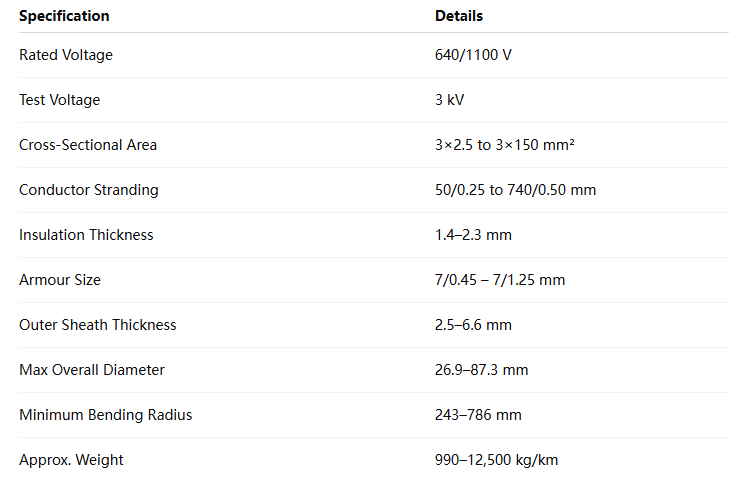
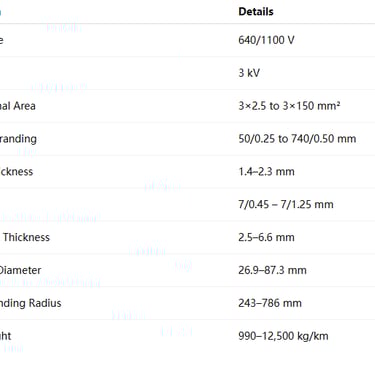
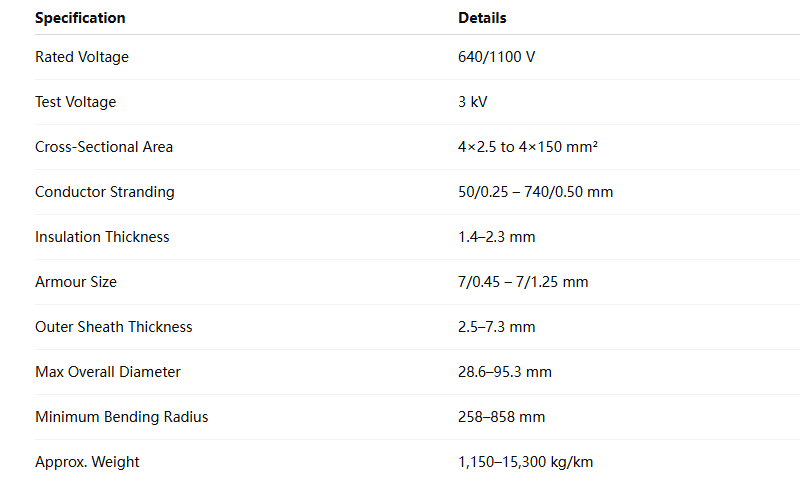
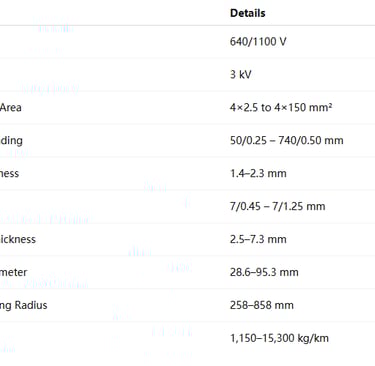
Voltage Rating: Typically 640/1100V for heavy-duty machinery.
Mechanical Flexibility: Ability to bend and withstand repeated movement without damage.
Durability: Resistance to abrasion, oil, chemicals, and environmental stress.
Insulation Standards: Use of EPR (Ethylene Propylene Rubber) or equivalent materials for reliable performance.
Cables Under BS 6708:
Type 20: 3-core heavy-duty cable.
Type 21: 4-core heavy-duty cable including a neutral conductor.
Other Trailing Cables: Designed for various voltages and applications.
The significance of BS 6708 in mining operations cannot be overstated—it ensures equipment uptime, worker safety, and compliance with South African regulations.
BS 6708 Type 20 Cable
Applications
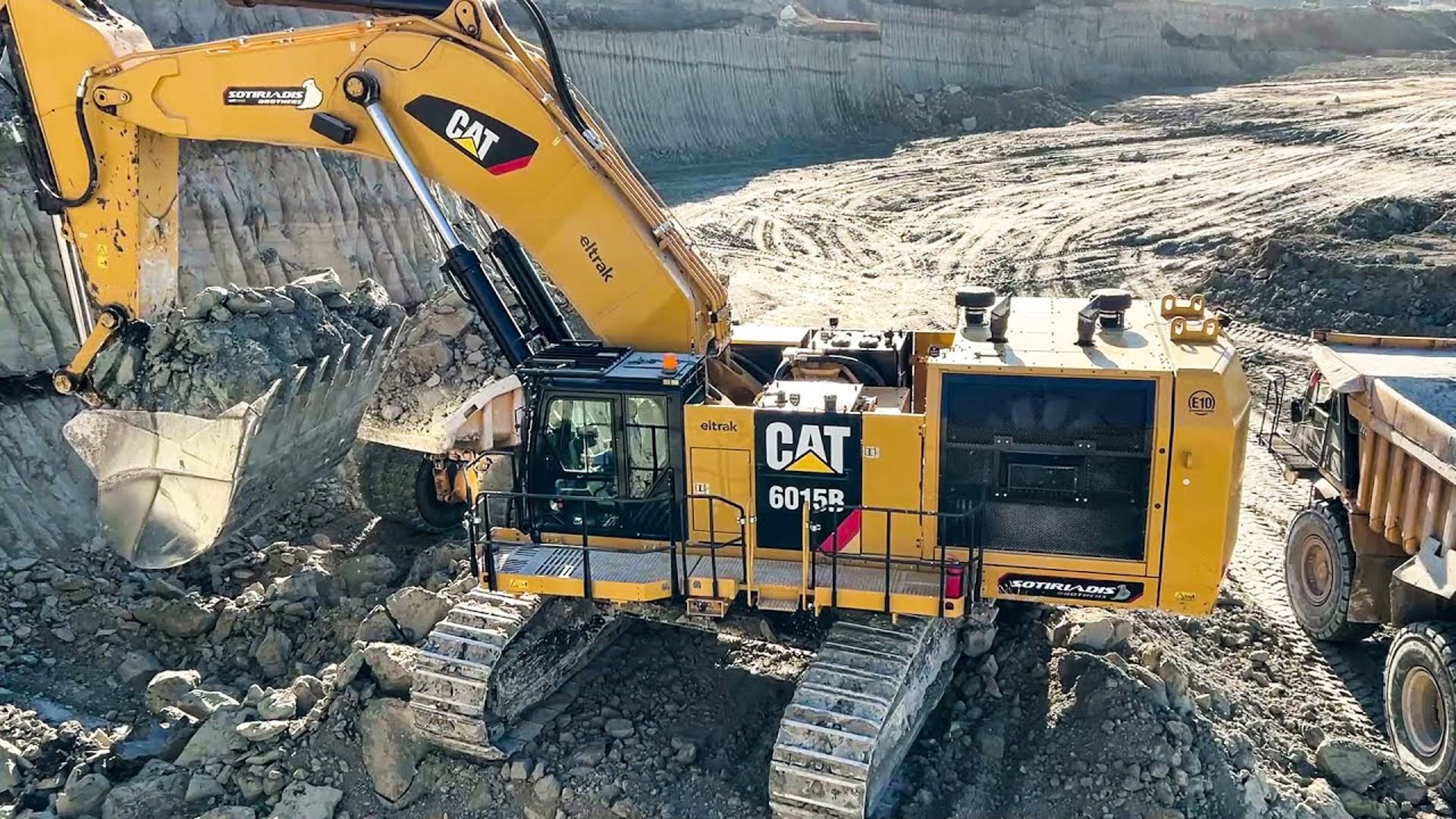
Type 20 cables are typically deployed for heavy-duty 3-core machinery, such as:
Excavators
Crushers
Conveyor belts
South African Case Study:
At a gold mine in Gauteng, Type 20 cables supply power to underground crushers operating in dusty, high-abrasion conditions. Their flexibility allows rapid relocation as mining faces shift, reducing downtime and maintenance costs.
Advantages:
Excellent resistance to mechanical wear
Ideal for mobile machinery
Handles high abrasion environments efficiently
Construction & Materials
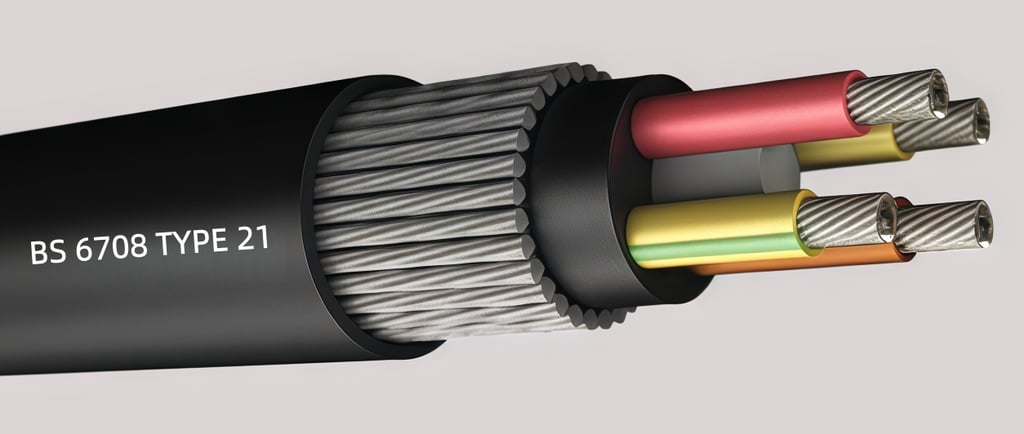
The construction of Type 20 cables reflects its rugged design:
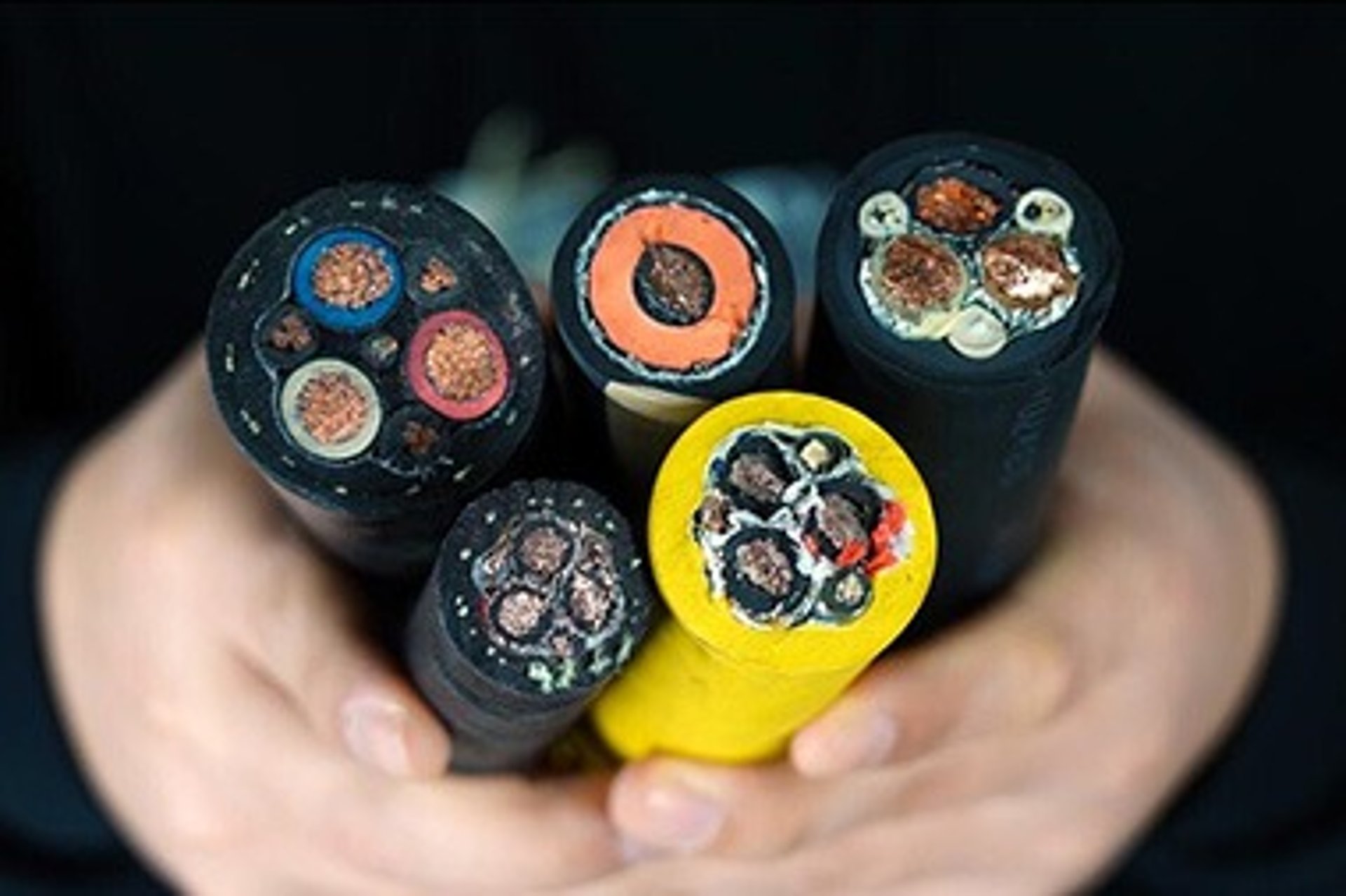
Conductor: Electrolytic, stranded, tinned copper wire (IEC 60228 Class 5).
Insulation: EPR (Ethylene Propylene Rubber) for thermal stability and chemical resistance.
Layup: Cores laid over a cradle without contacting each other, minimizing electrical interference.
Bedding: Rubber-based for shock absorption.
Armour: Pliable galvanized steel to withstand crushing and abrasion.
Outer Sheath: Heavy-duty chloroprene for environmental protection.
Diagram Suggestion: A cross-sectional schematic highlighting the conductor, insulation, bedding, armour, and outer sheath layers.
Technical Specifications
Electrical Performance
Type 20 cables are designed to handle continuous heavy loads:
Current Rating: 28–320 A at 25°C ambient
DC Resistance: Phase conductors 0.132–8.21 Ω/km, armour 0.45–4.6 Ω/km
Real-World Performance:
In the Gauteng gold mine, Type 20 cables sustained continuous operation for 18 months under high-load conditions, showing minimal insulation degradation and zero unplanned downtime.
Key Advantages & Limitations
Advantages:
High mechanical and chemical resistance
Flexible in dynamic operations
Long service life under extreme conditions
Limitations:
Heavier and larger diameters reduce portability
Requires careful installation to avoid bending stress
BS 6708 Type 21 Cable
Applications
Type 21 is a 4-core cable, including a neutral conductor, used for:
Multi-phase heavy machinery
Conveyor systems
Equipment requiring balanced power supply
South African Case Study:
At a Rustenburg platinum mine, Type 21 cables power multi-phase conveyor belts. The neutral conductor ensures even load distribution and prevents phase imbalance, reducing downtime and extending equipment life.
Advantages:
Suitable for complex power systems
Reliable neutral distribution
Enhanced operational safety
Construction & Materials
Type 21 shares similar construction to Type 20, with the key difference being the inclusion of a neutral conductor:
Conductor: Stranded tinned copper, IEC 60228 Class 5
Insulation: EPR
Layup: Cores laid without contacting each other
Bedding: Rubber
Armour: Pliable galvanized steel
Outer Sheath: Chloroprene
Technical Specifications
Electrical Performance
Current Rating: 28–320 A at 25°C
DC Resistance: Phase conductors 0.132–8.21 Ω/km, armour 0.41–4.2 Ω/km
Field Performance:
Rustenburg conveyor systems using Type 21 experienced improved load balance, reducing electrical faults by 15% compared to previous non-compliant trailing cables.
Advantages & Limitations
Advantages:
Reliable for complex machinery
Neutral conductor prevents imbalance
Durable under harsh mining conditions
Limitations:
Slightly heavier than Type 20
Requires more storage space and careful handling
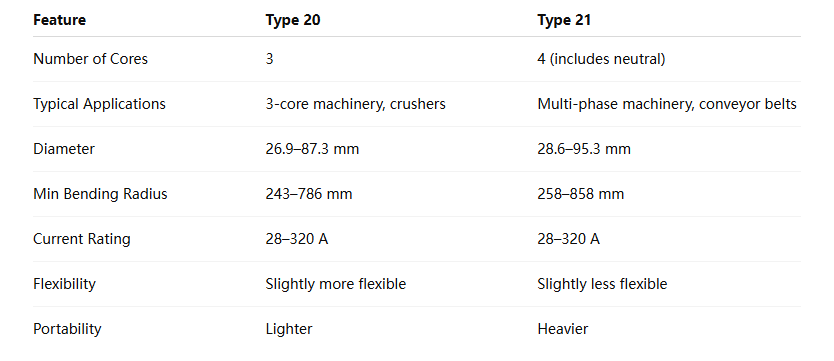
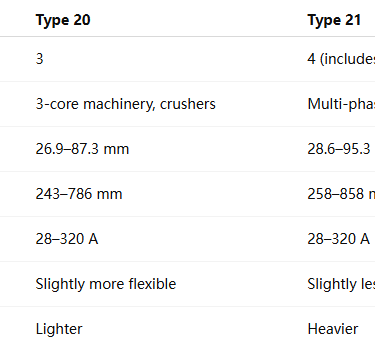
Comparative Analysis: Type 20 vs Type 21
Case Recommendation:
For a new underground copper mine, where machinery requires a neutral for balanced load, Type 21 is preferred. Type 20 is ideal for simpler 3-core equipment.
Installation Guidelines & Handling Tips
Always respect the minimum bending radius.
Store cables on clean, dry reels; avoid sharp edges.
Uncoil gradually to prevent kinks.
Protect from chemical spills and abrasion.
Regularly inspect for cuts, cracks, or armour damage.
Consider South African climate: underground humidity and seasonal temperature variations can affect insulation longevity.
Safety Considerations & Compliance
BS 6708-compliant cables ensure:
Mechanical robustness
Insulation integrity
Fire resistance
NRCS Compliance:
South African regulations require certified trailing cables. Non-compliant cables risk fines, downtime, and safety hazards.
Electrical Safety Practices:
Proper earthing
Overload protection
Emergency response planning
Common Issues & FAQs
Q1: Can Type 20/21 cables be spliced underground?
A: Not recommended—splicing compromises mechanical integrity and compliance.
Q2: Lifespan in high-abrasion environments?
A: Typically 5–8 years, depending on load cycles and maintenance.
Q3: How to detect insulation or armour damage?
A: Regular visual inspection and insulation resistance testing.
Q4: Electrical testing frequency?
A: At least annually, more frequently in heavy-duty operations.
Q5: Can Type 21 replace Type 20?
A: Yes, but may be heavier and less flexible.
South African Incidents:
A Gauteng mine reported downtime due to improper Type 20 splicing—reinforcing the importance of adhering to installation standards.
Real-World South African Case Studies
Gauteng Gold Mine (Type 20):
Application: Underground crushers
Outcome: Increased operational efficiency, minimal cable failures over 18 months
Rustenburg Platinum Mine (Type 21):
Application: Conveyor systems
Outcome: Reduced downtime, improved safety, better load balance
Lessons Learned:
Correct cable specification is critical
Adherence to installation and maintenance practices ensures longevity
Future Trends & Innovations
LSZH Alternatives: Safer cables with low smoke and halogen-free properties.
Smart Trailing Cables: Embedded sensors for temperature, current, and real-time fault detection.
Energy Efficiency: Materials and design improvements reduce power losses.
Mining Modernization: Smart cables enable predictive maintenance, reducing downtime and costs.
Conclusion
BS 6708 Type 20 and Type 21 cables remain the gold standard for heavy-duty mining power supply in South Africa. Their robust construction, compliance with safety standards, and proven field performance ensure operational efficiency in harsh mining conditions.
Choosing the right cable type, following proper installation, and performing regular maintenance are not just best practices—they are essential for safe and productive mining operations. South African mines that prioritize these principles benefit from reduced downtime, enhanced safety, and improved long-term profitability.
BS 6708 Type 20 and Type 21 cables: power reliability you can count on, underground or above.
Contact Anhui Feichun Special Cable Co., Ltd.
For comprehensive technical specifications and quotations, please contact our specialized mining cable engineering team:
Technical Engineering Support:
Sales Engineering Department:
WhatsApp Contact:
Manufacturer: Anhui Feichun Special Cable Co., Ltd. (安徽飞纯特种电缆有限公司)
Manufacturing Headquarters: Building A, Private Science and Technology Park, Hefei Economic and Technological Development Zone, Anhui Province, People’s Republic of China
+86 17333223430
Email Address: Li.wang@feichuncables.com
© 2025. All rights reserved.
One-click to Quickly Contact
Products
Contact
Company
Location:
Building A Private Science and Technology Park, Hefei Economic and Technological Development Zone, Anhui Province, China
Heat Resistant Cable
WhatsApp: +86 17333223430
Social Media: