Anhui Feichun Special Cable Co.,Ltd Email: Li.wang@feichuncables.com
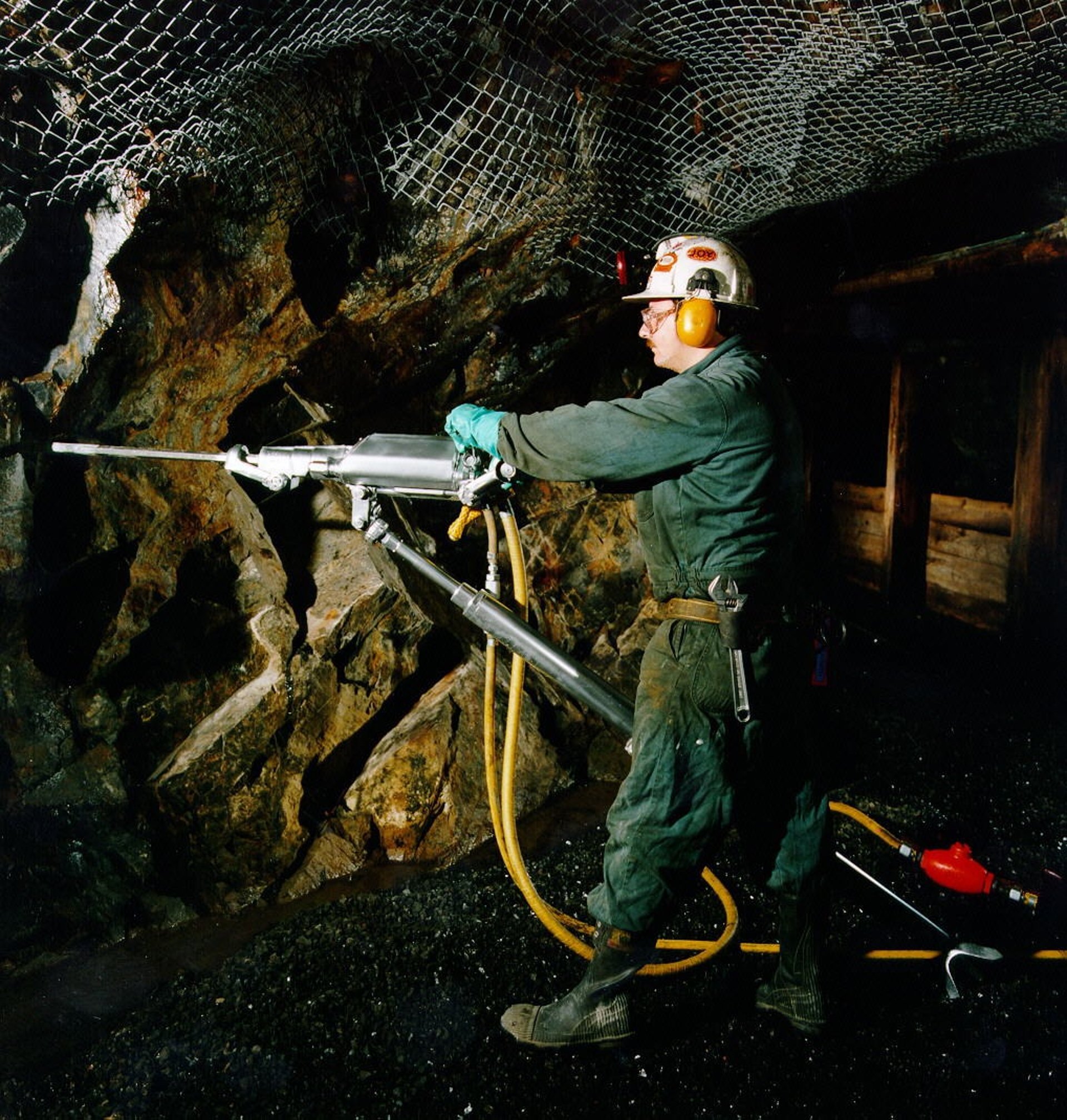
BS 6708 Type 44 Mining Cable: The Ultimate Guide for Hand-Held Drilling in South African Mines
Discover everything about BS 6708 Type 44 mining cable used in South African underground mines. Explore design, construction, electrical specs, applications, maintenance tips, and real-life case studies for hand-held drilling operations.
Li Wang
12/19/20255 min read
Why BS 6708 Type 44 Cables Matter in South African Mining
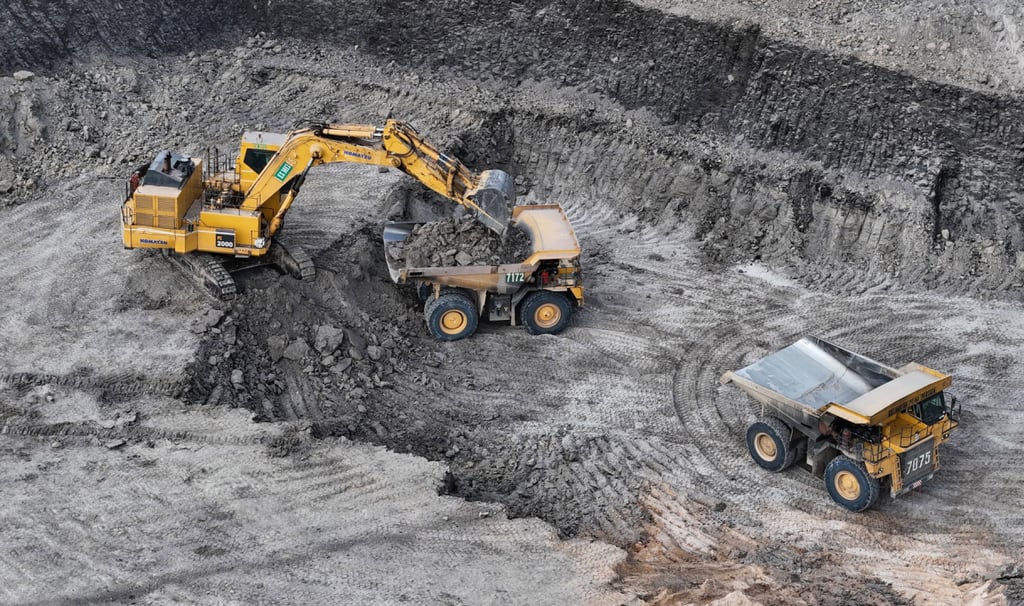
Underground mining in South Africa is among the most challenging operational environments worldwide. With extensive gold, platinum, and chrome mining activities concentrated in narrow reefs, confined stopes, and development headings, miners face high vibration, mechanical wear, and the constant risk of electrical hazards.
Hand-held drilling machines are essential in these operations, supplying precise drilling in tight spaces. This makes the power supply system—specifically low-voltage flexible mining cables—critical for operational efficiency and safety.
BS 6708 Type 44 cables are purpose-built for these scenarios. They offer the flexibility, robustness, and electrical reliability required to withstand the harsh conditions of South African mines. Understanding the technical aspects, advantages, and best practices for these cables is essential for mine engineers, electricians, and safety officers alike.
What Is BS 6708 Type 44 Mining Cable?
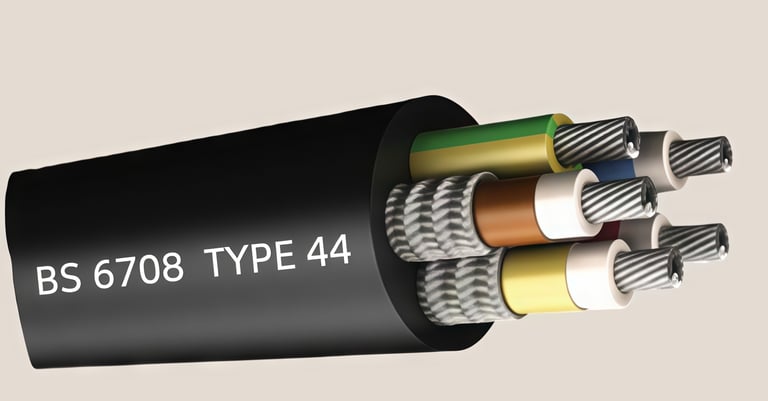
BS 6708 Type 44 is a flexible low-voltage cable specifically designed for supplying hand-held drilling machines in underground mining operations. Its design focuses on reliability under mechanical stress, repetitive bending, and the vibration associated with manual drilling equipment.
Typical environments include:
Stopes and narrow-reef workings
Development ends in underground shafts
Areas requiring temporary or mobile power supply
Within the BS 6708 family, Type 44 occupies a position as a specialized hand-held drilling cable, distinct from trailing or fixed power cables (Types 21, 24, 33) that serve higher voltages or larger machines. Its purpose is very focused: deliver dependable power safely, even in the most confined underground conditions.
Applicable Standards and Compliance
BS 6708 provides the baseline design and performance requirements for flexible mining cables in harsh environments. For South African mines, compliance with BS 6708 ensures that cables meet mechanical, electrical, and safety benchmarks.
Key points regarding compliance in the South African context:
Alignment with SANS 1520-1: While South Africa primarily references SANS standards, BS 6708 Type 44 cables are widely accepted because they meet or exceed the mechanical and electrical requirements specified.
Mine Safety Approval: Using certified cables reduces the risk of rejection during site inspections or procurement audits.
Procurement and Maintenance: Ensuring that cables meet BS 6708 reduces downtime, improves operator safety, and aligns with statutory obligations.
In practice, BS 6708 Type 44 is often specified alongside mine-specific requirements for mechanical toughness, chemical resistance, and electrical performance.
Cable Construction Overview
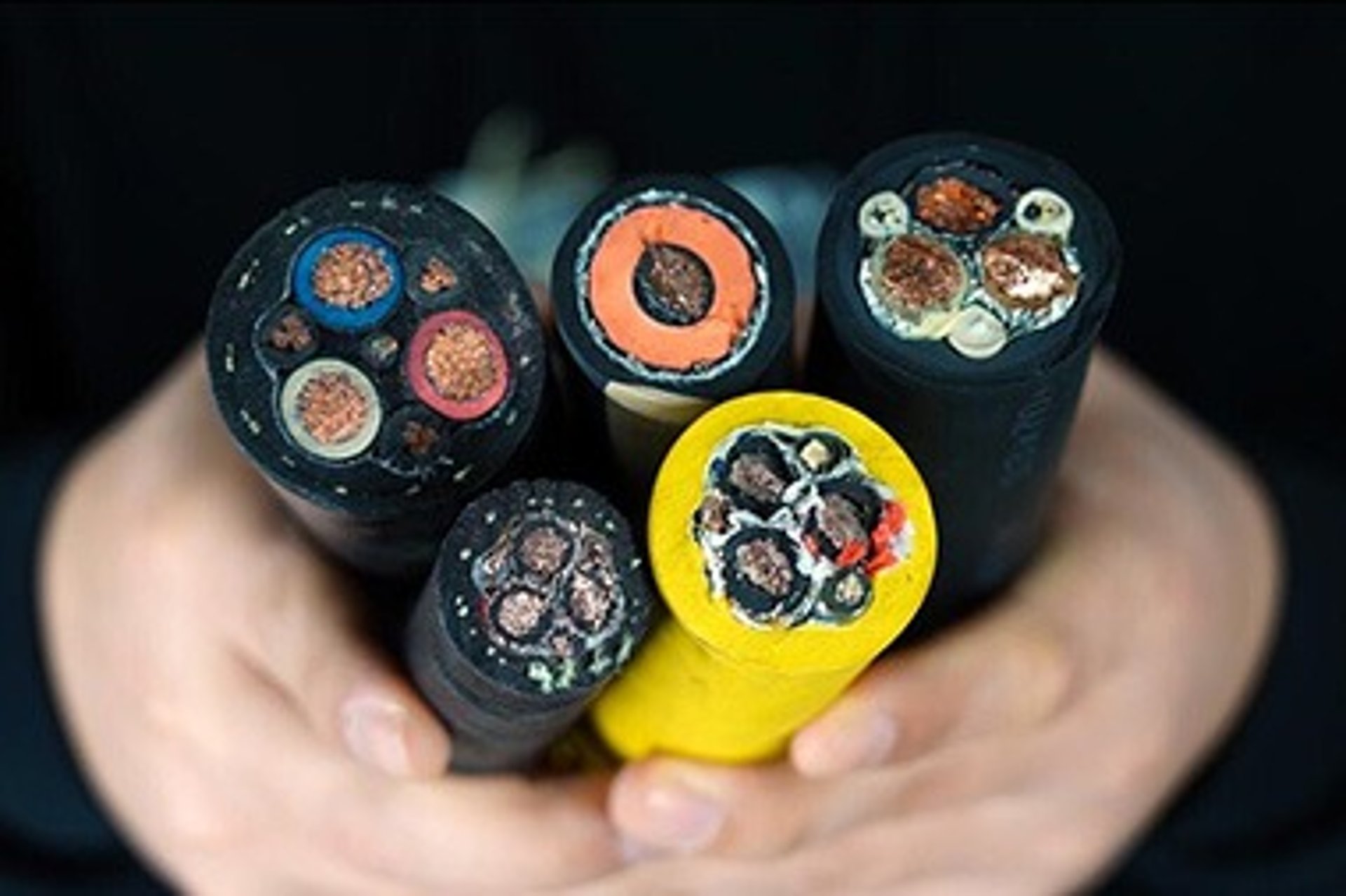
The reliability of Type 44 stems from its meticulous engineering. Each component is designed to handle the stresses of underground drilling.
Conductor Design
Electrolytic, stranded, tinned copper conductors
IEC 60228 Class 5 flexibility for easy bending
Fine stranding improves flexibility for hand-held drills
Insulation System
Ethylene Propylene Rubber (EPR) insulation
High electrical stability under load
Heat-resistant and flexible, suitable for repetitive bending
Core Identification and Separation
Coloured textile tape separates cores
Simplifies maintenance and termination in dimly lit stopes
Screening Arrangement
Tinned copper/nylon braided screens over phase cores
Reduces electromagnetic interference (EMI)
Earth and pilot conductors remain unscreened, optimizing flexibility
Lay-Up and Bedding
All cores laid up in contact for compact design
Rubber-based bedding absorbs impact and protects cores
Outer Sheath
Heavy-duty chloroprene rubber (CR) sheath
Resistant to abrasion, oils, moisture, and common mine chemicals
Enhances durability and safety under mechanical stress
Electrical and Technical Specifications
Type 44 cables are designed to deliver reliable power under varying load conditions in underground mines.
Voltage Ratings
Rated Voltage: 125/72 V
Test Voltage: 1.5 kV
Suitable for low-voltage hand-held drilling operations
Conductor Configuration
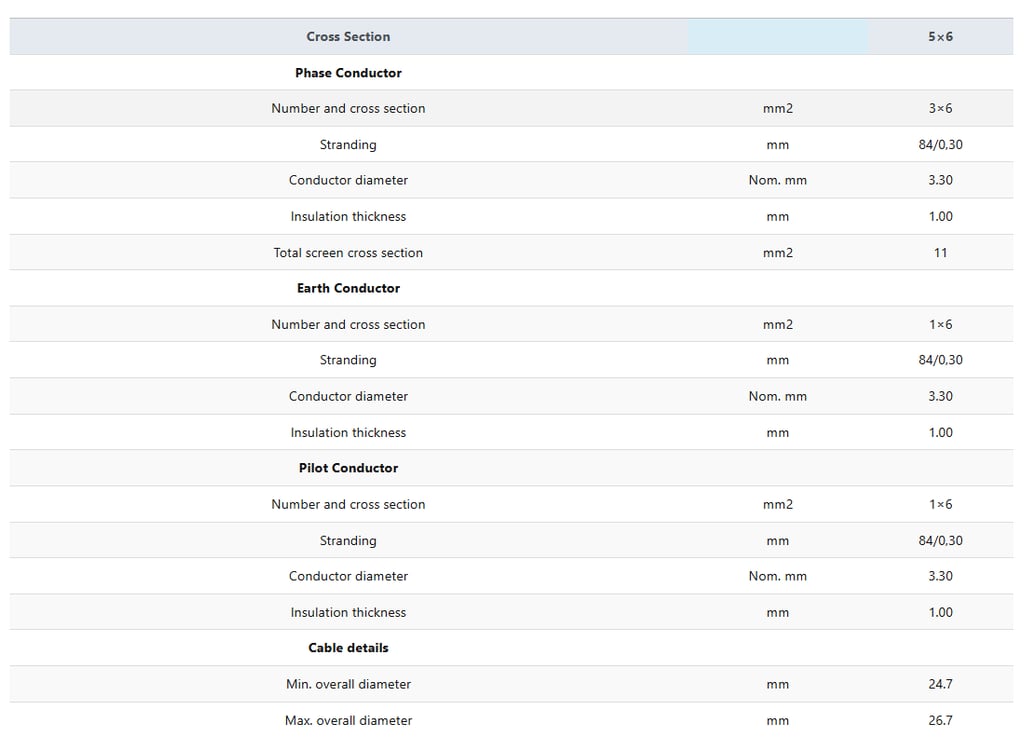
5 × 6 mm² overall design: 3 phase conductors, 1 earth, 1 pilot
Fine stranding: 84 strands × 0.30 mm for maximum flexibility
Current-Carrying Capacity
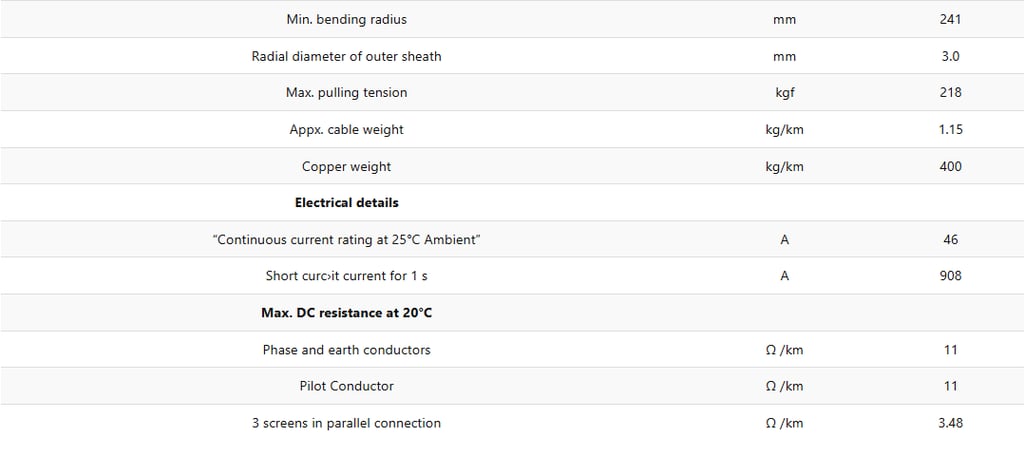
Continuous current at 25°C: 46 A
Short-circuit current (1 s): 908 A
Resistance and Screening Values
Phase and earth DC resistance: 11 Ω/km at 20°C
Pilot conductor: 11 Ω/km
Three screens in parallel: 3.48 Ω/km
These parameters ensure safe and reliable power delivery to hand-held drills without voltage drop or overheating.
Mechanical Performance Characteristics
Type 44 cables are engineered to survive the daily abuse of underground mining:
Overall diameter: 24.7 – 26.7 mm
Minimum bending radius: 241 mm
Maximum pulling tension: 218 kgf
Approximate weight: 1.15 kg/m
Copper content: 400 kg/km
Such specifications make Type 44 cables flexible enough for hand-held operation while providing mechanical protection against abrasion and crushing.
Typical Applications in South African Mines
BS 6708 Type 44 cables are used extensively for:
Hand-held pneumatic and electric drilling machines
Short-distance power distribution in development headings
Temporary power in stopes for drilling operations
Mine types include:
Gold mines (e.g., Gauteng and Free State regions)
Platinum group metal (PGM) mines (e.g., North West and Rustenburg)
Narrow-reef operations requiring compact, flexible cables
Key Advantages of BS 6708 Type 44 Mining Cable
Flexibility and Handling
Fine-stranded conductors enable easy movement in confined spaces
Mechanical Protection
Chloroprene sheath resists abrasion, oils, and moisture
Electrical Performance
Stable under continuous load and short-circuit conditions
Screened phase conductors reduce EMI
Proven Performance
Widely used in South African underground mines with excellent reliability
Reduced downtime due to mechanical or electrical failure
Installation and Handling Best Practices
Proper handling prolongs cable life and ensures safety:
Maintain correct bending radius during installation
Avoid excessive pulling force that may damage conductors or insulation
Route away from sharp edges or abrasive surfaces
Use strain relief at terminations to prevent mechanical stress
Maintenance and Inspection Recommendations
Routine maintenance is critical:
Visual inspections for sheath cuts or abrasions
Verify screen continuity and earth conductor integrity
Identify insulation degradation before failure
Replace cables in high-use areas as per recommended intervals
These practices prevent accidents and improve operational efficiency.
South African Case Study: BS 6708 Type 44 in Action
Mine: Gold mine, Gauteng
Application: Power supply to hand-held drills in narrow stopes
Challenges:
Frequent flexing and abrasion against rock surfaces
Limited space for cable routing
Solution:
Adoption of BS 6708 Type 44 with heavy-duty chloroprene sheath
Results:
Significant reduction in cable failures
Improved operator safety
Lower maintenance downtime
This real-world example demonstrates the suitability of Type 44 cables for demanding South African underground mining conditions.
FAQ
Q1: What makes Type 44 suitable for hand-held drilling machines?
A: Fine-stranded conductors, flexible EPR insulation, and compact diameter make it easy to handle in confined spaces.
Q2: Can Type 44 cables be used in wet underground conditions?
A: Yes, the chloroprene sheath provides excellent moisture resistance, making it safe for damp stopes.
Q3: How does the chloroprene sheath perform compared to PVC?
A: Chloroprene is more resistant to abrasion, oils, chemicals, and mechanical wear, making it superior in harsh underground conditions.
Q4: Why are only the phase cores screened?
A: Screening the phase conductors reduces EMI without compromising flexibility, while the pilot and earth remain unscreened for ease of handling.
Q5: What is the expected service life in South African mines?
A: With proper installation and maintenance, Type 44 cables can last 3–5 years in high-use areas.
Q6: Is BS 6708 Type 44 acceptable as an alternative to SANS-specified cables?
A: Yes, it meets or exceeds SANS 1520-1 requirements for mechanical and electrical performance, and is widely accepted in local mines.
Conclusion
BS 6708 Type 44 mining cable offers a unique combination of flexibility, mechanical strength, and electrical reliability tailored to hand-held drilling in South African underground mines. Proper selection, installation, and maintenance ensure safe and efficient operations.
For mines facing confined spaces, high vibration, and mechanical abrasion, Type 44 remains a trusted solution, backed by decades of performance in gold, platinum, and chrome mines across South Africa. Choosing the right cable is not just a technical decision—it is a matter of operational safety, efficiency, and long-term reliability.
Contact Anhui Feichun Special Cable Co., Ltd.
For comprehensive technical specifications and quotations, please contact our specialized mining cable engineering team:
Technical Engineering Support:
Sales Engineering Department:
WhatsApp Contact:
Manufacturer: Anhui Feichun Special Cable Co., Ltd. (安徽飞纯特种电缆有限公司)
Manufacturing Headquarters: Building A, Private Science and Technology Park, Hefei Economic and Technological Development Zone, Anhui Province, People’s Republic of China
+86 17333223430
Email Address: Li.wang@feichuncables.com
© 2025. All rights reserved.
One-click to Quickly Contact
Products
Contact
Company
Location:
Building A Private Science and Technology Park, Hefei Economic and Technological Development Zone, Anhui Province, China
Heat Resistant Cable
WhatsApp: +86 17333223430
Social Media: