Anhui Feichun Special Cable Co.,Ltd Email: Li.wang@feichuncables.com
BS 6708 Type 70 & Type 71 Cables Explained: Heavy-Duty Power Solutions for South African Mining Operations
Explore the engineering, performance, and South African mining applications of BS 6708 Type 70 & Type 71 cables. Learn why these heavy-duty power cables remain essential for reliable low-voltage supply, safety, and operational efficiency in coal and hard-rock mines.
Li Wang
12/15/20255 min read
Why BS 6708 Type 70 & Type 71 Cables Matter in South African Mines
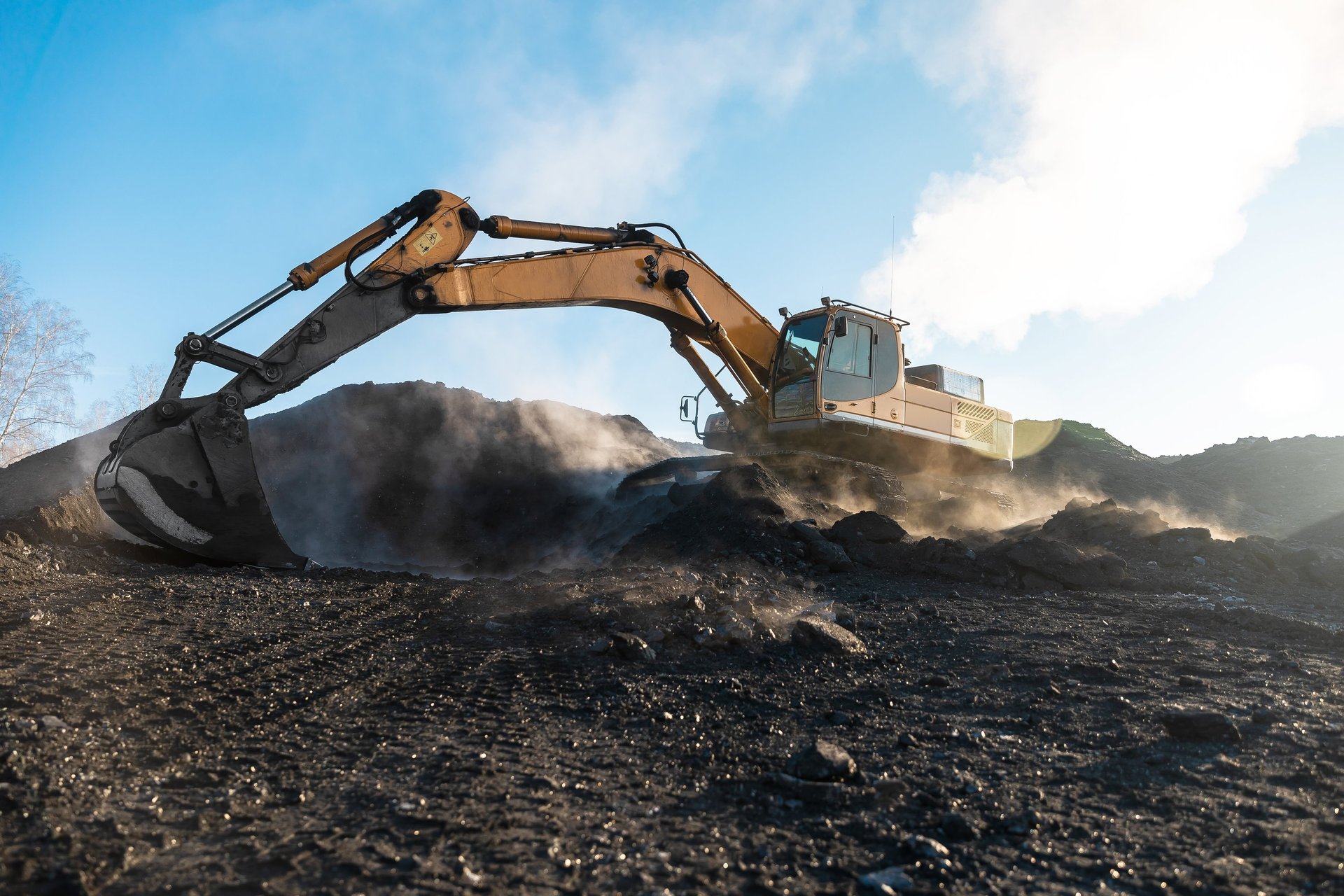
South Africa is one of the world’s leading mining nations, with extensive coal, platinum, and gold operations concentrated in regions like Mpumalanga, Limpopo, and the Witwatersrand. Mining in these areas involves harsh conditions: underground tunnels, high mechanical stress zones, dust, heat, moisture, and constant vibration from heavy machinery.
In such environments, electrical power supply is critical. Excavators, crushers, conveyor systems, and coalface lighting depend on reliable, durable cabling. Flexible armoured cables compliant with BS 6708 standards—particularly Type 70 and Type 71—have proven indispensable in delivering safe and continuous power.
These cables ensure uninterrupted operations, reduce downtime, and meet rigorous safety standards. While newer SANS-compliant designs exist, Type 70 and 71 continue to play a vital role in legacy and hybrid systems across South African mines.
Understanding BS 6708 as a Cable Standard
BS 6708 is a British Standard that specifies flexible, low-voltage, armoured power cables suitable for industrial and mining applications. Adopted widely in South Africa, it complements local standards like SANS 1520 for flexible mining cables, providing additional guidance on mechanical strength, flexibility, and environmental resilience.
In mining, BS 6708 cables are often integrated with SANS-approved equipment, ensuring both compliance and compatibility. Their design anticipates the demanding South African mining environment, including frequent handling, exposure to moisture, heat, oils, and abrasive surfaces.
Where Type 70 and Type 71 Cables Are Used
Primary Applications
Excavating Machinery: Powering face shovels, continuous miners, and draglines.
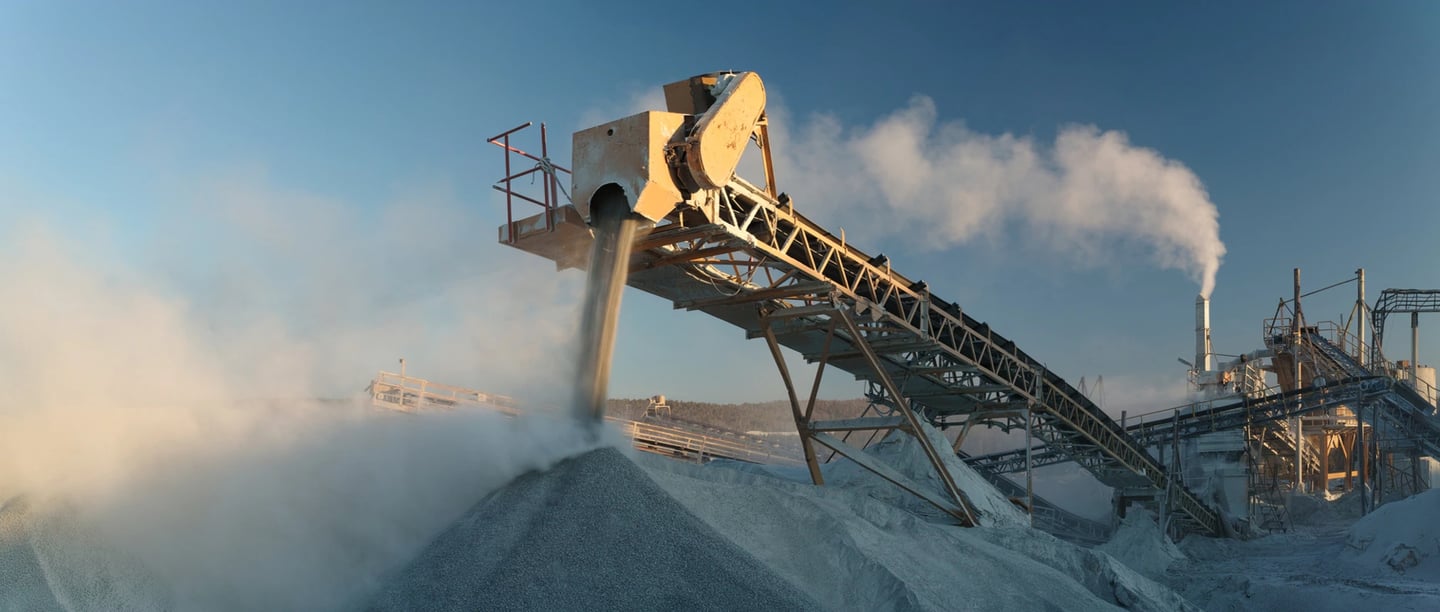
Crushing and Screening Equipment: Feeding crushers, hoppers, and vibrating screens.
Coalface Lighting Systems: Ensuring reliable illumination for underground workfaces.
Auxiliary Power Supply: Temporary and semi-mobile equipment, often relocated within the mine.
Typical Installation Environments
BS 6708 Type 70 and 71 cables excel in areas with:
High mechanical stress and vibration
Abrasion from conveyor belts and rock contact
Oil or chemical exposure
Temporary installations for equipment rotation or maintenance
In South African mines, these cables often navigate confined underground headings or rugged surface mining terrains, demanding both flexibility and toughness.
Cable Construction and Design Philosophy
Understanding the engineering behind Type 70 and 71 cables highlights why they perform reliably in extreme mining conditions.
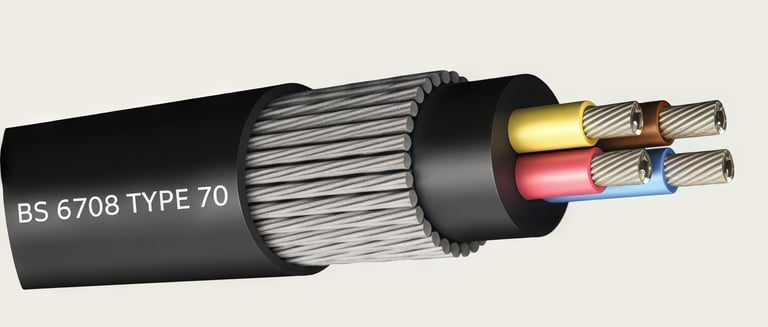
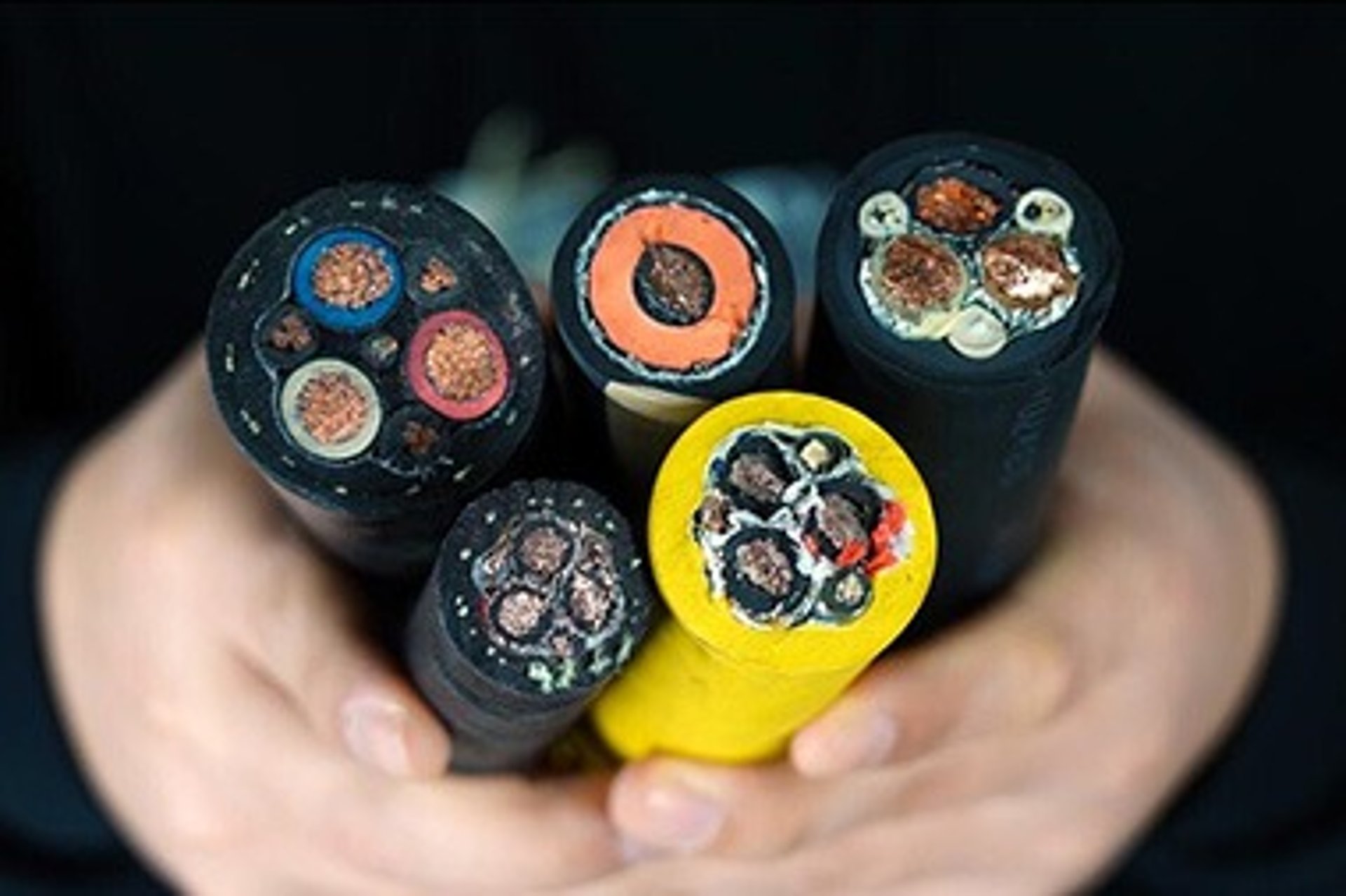
Conductor Design
Electrolytic, stranded, tinned copper ensures excellent conductivity and corrosion resistance.
IEC 60228 Class 5 provides high flexibility, making cables suitable for frequent bending and repositioning.
Tinned copper resists corrosion in humid, moist, or chemically aggressive mine environments.
Insulation System: EPR
Ethylene Propylene Rubber (EPR) is chosen for its thermal stability, elasticity, and electrical insulation properties.
EPR resists heat, moisture ingress, and ageing, ensuring long service life even under continuous operation.
Core Lay-Up Configuration
Cores are laid up in contact, creating mechanical balance, compact design, and improved bending performance.
This design reduces internal stress on conductors during repeated flexing.
Bedding Layer
Rubber-based bedding separates insulation from the steel armour, protecting against crushing and mechanical damage.
Armour System
Galvanised steel pliable armour offers robust mechanical protection.
Armour contributes to earthing continuity, critical for mine safety.
Outer Sheath
Heavy-duty chloroprene (CR) outer sheath resists oil, abrasion, flame spread, and weathering.
Ideal for South Africa’s harsh underground and surface mining conditions.
Key Technical Specifications Explained
Voltage Ratings
Rated at 320/550 V with a test voltage of 1.5 kV, suitable for low-voltage power distribution in mines.
Conductor Configurations
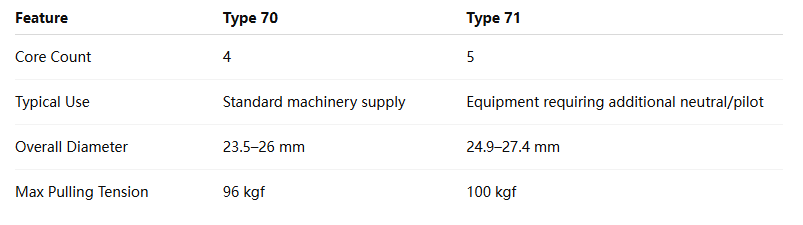
Type 70: 4 × 4 mm²
Type 71: 5 × 4 mm²
The additional core in Type 71 allows for neutral or pilot functions.
Dimensional Characteristics
Insulation thickness: 1 mm
Bedding: 2 mm
Outer sheath: 2.5 mm
Overall diameter: Type 70 (23.5–26 mm), Type 71 (24.9–27.4 mm)
Impact on routing, bending, and termination is significant; proper planning ensures long cable life.
Mechanical Performance
Minimum bending radius: Type 70 (234 mm), Type 71 (247 mm)
Maximum pulling tension: 96–100 kgf
Suitable for frequent handling and temporary relocations.
Weight Considerations
Type 70: ~1.1 kg/m, Copper: 154 kg/km
Type 71: ~1.23 kg/m, Copper: 192 kg/km
Weight affects transport, installation, and cost planning.
Electrical Performance and Current-Carrying Capacity
Continuous current rating at 25°C ambient: 28 A
DC resistance of phase conductors: 5.09 Ω/km
Armour resistance ensures reliable earthing: 4.63–5.07 Ω/km
Stable performance under continuous load prevents overheating and enhances operational safety.
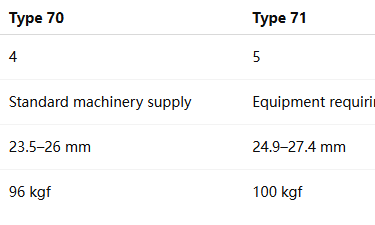
Type 70 vs Type 71: What’s the Difference?
Type 71 is preferred when auxiliary control or neutral functions are necessary, while Type 70 remains ideal for standard four-core machinery connections.
Installation Best Practices in South African Mining Sites
Handling and Storage: Avoid dragging over abrasive surfaces; coil properly.
Bending Radius Compliance: Ensure minimum radius is respected, especially in underground tunnels.
Armour Earthing: Proper termination prevents electrical faults.
Glands and Accessories: Use SA-standard cable glands compatible with BS 6708 armour and sheathing.
Safety and Compliance Considerations
BS 6708 cables are flame-retardant and mechanically robust, reducing fire and accident risks.
Correct cable selection contributes to passing mine safety audits.
Integration with mine electrical safety management systems is crucial for operational compliance.
Coalface Lighting and Crusher Power Supply
Project Background
A coal mine in Mpumalanga required reliable low-voltage supply for both underground lighting and surface crushing stations. Harsh conditions included dust, vibration, moisture, and frequent equipment relocation.
Cable Selection Rationale
BS 6708 Type 70 supplied four-core power to crushers.
BS 6708 Type 71 delivered five-core connections to lighting circuits requiring neutral/pilot control.
Flexibility, mechanical robustness, and EPR insulation provided reliable long-term service.
Operational Outcomes
Reduced unplanned downtime due to cable failure
Enhanced safety in coalface lighting
Improved maintenance efficiency and cable longevity under abrasive conditions
Common Problems and How BS 6708 Type 70 & 71 Address Them
Mechanical Damage: Steel armour and flexible design resist crushing.
Insulation Ageing: EPR resists heat, oil, and environmental stress.
Earthing Issues: Armour ensures continuous grounding.
Frequent Replacement: Robust construction extends service life, reducing operational cost.
Frequently Asked Questions (FAQ)
Q1: What is the difference between BS 6708 and SANS mining cables?
A1: BS 6708 focuses on industrial flexible armoured cables, while SANS standards tailor cables specifically for mining environments. They are often used together for compliance and reliability.
Q2: Can Type 70 and Type 71 cables be used underground?
A2: Yes, they are designed for both surface and underground installations, handling mechanical and environmental stress.
Q3: Are these cables suitable for continuous flexing?
A3: EPR insulation and Class 5 stranded conductors allow frequent flexing, ideal for movable equipment.
Q4: How long do these cables last in mining conditions?
A4: With proper handling, Type 70/71 cables can last 10–15 years in moderate mining conditions, longer in well-maintained installations.
Q5: Can these cables be customised for South African mines?
A5: Yes, core counts, lengths, sheathing, and testing can be tailored to site-specific requirements.
Are BS 6708 Cables Still Relevant in Modern Mines?
While modern mines increasingly use SANS-compliant or smart monitoring cables, BS 6708 remains relevant for:
Legacy systems in older installations
Retrofit projects where flexible armoured cables are required
Maintenance operations in hybrid mining setups
Their proven durability, ease of handling, and compliance with electrical safety practices ensure continued demand in South Africa.
Choosing the Right BS 6708 Cable for Reliable Mining Operations
BS 6708 Type 70 and Type 71 cables offer:
Robust mechanical protection and flexibility
Reliable low-voltage power delivery
Compliance with safety and operational standards
Proven performance in South African coal and hard-rock mines
For mine operators and electrical engineers, selecting the correct type and ensuring proper installation are keys to maximizing uptime, safety, and long-term durability. These cables are not just power conduits—they are a critical backbone for mining efficiency and safety.
Contact Anhui Feichun Special Cable Co., Ltd.
For comprehensive technical specifications and quotations, please contact our specialized mining cable engineering team:
Technical Engineering Support:
Sales Engineering Department:
WhatsApp Contact:
Manufacturer: Anhui Feichun Special Cable Co., Ltd. (安徽飞纯特种电缆有限公司)
Manufacturing Headquarters: Building A, Private Science and Technology Park, Hefei Economic and Technological Development Zone, Anhui Province, People’s Republic of China
+86 17333223430
Email Address: Li.wang@feichuncables.com
© 2025. All rights reserved.
One-click to Quickly Contact
Products
Contact
Company
Location:
Building A Private Science and Technology Park, Hefei Economic and Technological Development Zone, Anhui Province, China
Heat Resistant Cable
WhatsApp: +86 17333223430
Social Media: