Anhui Feichun Special Cable Co.,Ltd Email: Li.wang@feichuncables.com
Built to Survive Anything: Why CORDAFLEX (N)SHTOEU Might Be South Africa’s Toughest Low-Voltage Reeling Cable
Discover why CORDAFLEX (SMK) (N)SHTOEU low-voltage reeling cables are revolutionising South Africa’s mining, port, and heavy industries. Learn about structure, specs, applications, and real-life case studies in extreme environments.
Li. Wang
12/1/20256 min read

Why Reeling Cables Matter in South Africa’s Toughest Environments
South Africa’s mining, port, and heavy industries operate in some of the most challenging conditions on the planet. From the dusty, abrasive surfaces of platinum and chrome mines to the salty air at Durban and Saldanha Bay ports, equipment faces constant mechanical and environmental stress. At the heart of these high-stress operations is an often-overlooked hero: the low-voltage reeling cable.
Reeling cables are not ordinary electrical conductors. They power equipment that moves continuously — cranes, stacker-reclaimers, shuttle cars, electric shovels, and automated loaders — while enduring constant bending, torsion, and abrasion. South African operations, with their unique combination of heavy machinery and harsh environmental conditions, demand cables that survive and perform under extreme mechanical stress.
Enter CORDAFLEX (SMK) (N)SHTOEU, a premium low-voltage reeling cable engineered according to DIN VDE 0250-814 standards, globally recognised and tested for extreme performance. It combines flexibility, mechanical robustness, chemical resistance, and long-term reliability — qualities essential for South African mining and industrial operations.
Understanding What Makes a Reeling Cable “High-Performance”
Not all cables are created equal. Understanding why a reeling cable is considered “high-performance” requires looking at its function, mechanical demands, and environment.
Reeling vs Trailing vs Festoon Cables
Trailing cables are dragged behind moving equipment but do not undergo continuous reeling or torsion.
Festoon cables slide or hang in loops along cranes and gantries.
Reeling cables, like CORDAFLEX (N)SHTOEU, are wound and unwound continuously on drums, requiring extreme flexibility, torsion resistance, and mechanical strength.
Core Mechanical Requirements
A high-performance low-voltage reeling cable must withstand:
High mechanical endurance – to survive thousands of bends, twists, and abrasion cycles.
Torsion resistance – essential when equipment rotates or changes direction, especially in South African surface mines with long reeling paths.
Impact resistance – protection against stones, sharp edges, and moving machinery.
Stable electrical behaviour under movement – voltage drops or signal loss must be minimal, even at high speeds.
South African Operational Challenges
South African mines and ports present unique challenges:
High dust and abrasive materials – e.g., Rustenburg platinum mines or Kathu iron ore operations.
Long travel lengths – stacker-reclaimers or gantry cranes covering hundreds of meters.
Extreme outdoor conditions – high UV exposure, temperature swings from −35°C to +50°C in some regions.
Automation integration – modern mines require data and control signals alongside power, demanding advanced shielding and optional fibre optics.
CORDAFLEX (N)SHTOEU addresses all these needs with engineered precision.
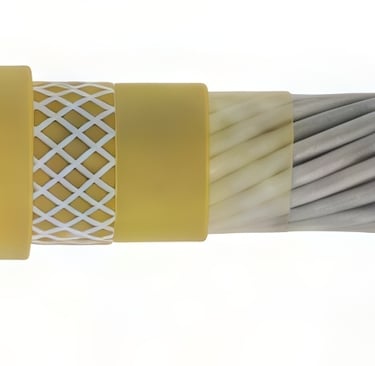
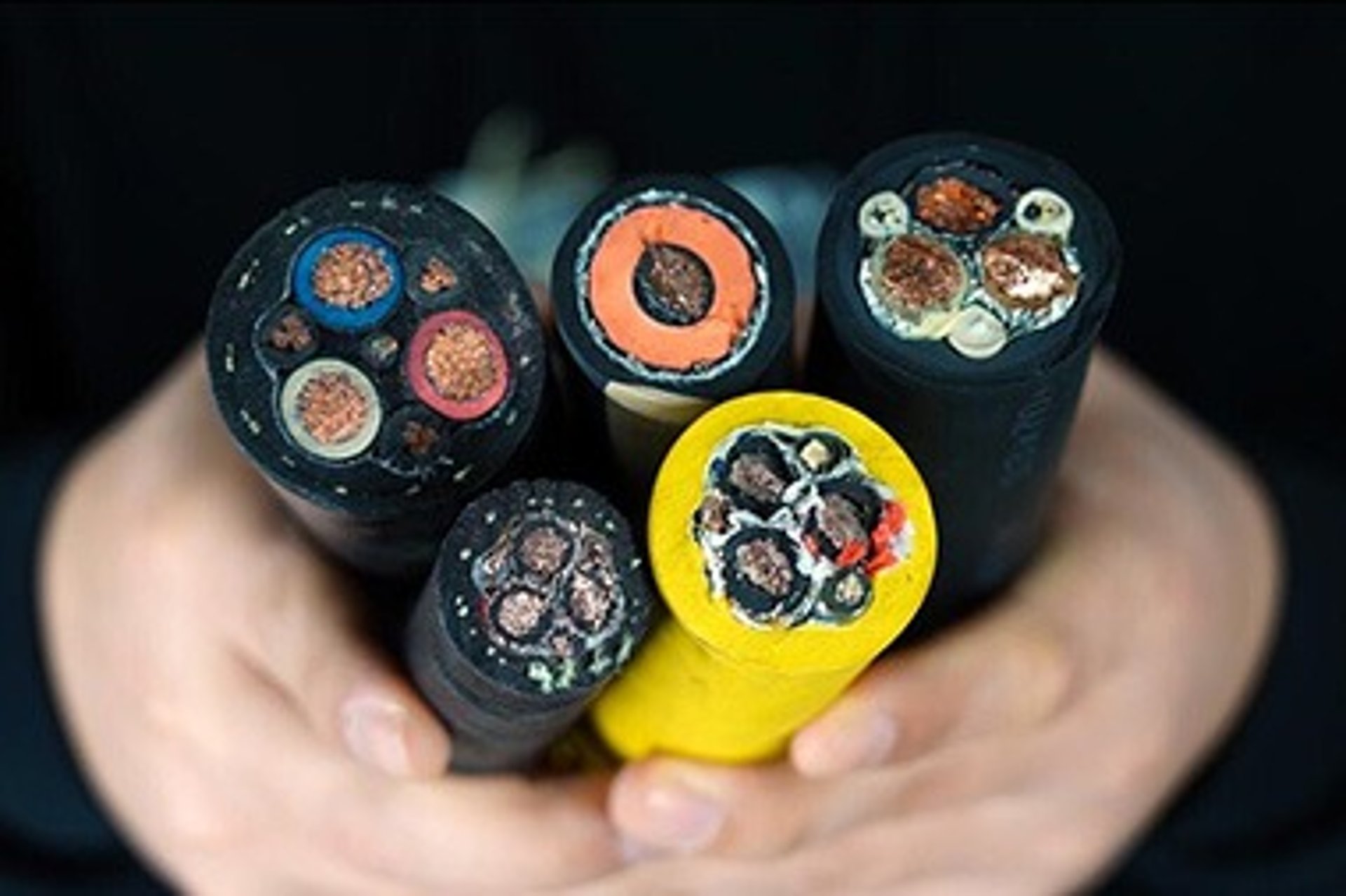
Construction Overview of CORDAFLEX (SMK) (N)SHTOEU
The cable’s design is a culmination of decades of engineering expertise, specifically tailored for extreme industrial use.
Conductor System
Material: Tinned electrolytic copper.
Stranding: Very finely stranded, Class FS for maximum flexibility.
Benefits:
Corrosion resistance in humid or salty environments (e.g., Durban port, Saldanha Bay).
Reduced conductor fatigue during repeated bending and reeling.
Insulation Layer – PROTOLON MS (EPR-Based)
Compound: High-quality EPR (minimum 3GI3).
Properties:
High mechanical, thermal, and electrical stability.
Light-coloured for easy maintenance and core identification.
South African relevance: Ensures safety and quick troubleshooting in underground tunnels and surface operations with limited visibility.
Individual Screen Options
Type: Tinned copper braid, transfer impedance optimised at 30 MHz.
Variants: Shielded, twisted-pair, or fibre-optic integrated cores.
Applications:
Automated loaders and conveyor systems requiring high signal fidelity.
Industrial Ethernet and CAN-Bus connectivity for smart mining.
Core Arrangement
Layering: Up to three layers.
Advantages:
Even stress distribution, reducing localized fatigue.
Stable performance during high-speed reeling (up to 240 m/min).
Multi-Layer Sheath System – PROTOFIRM Special
Inner Sheath (PCP-Based)
High-grade PCP compound; bright yellow for visibility underground.
Anti-Torsion Braid
Polyester-reinforced braid vulcanised between sheaths.
Maintains cable stability during multidirectional movement.
Crucial for long surface reeling operations prone to twisting.
Outer Sheath (PCP-Based Rubber)
Abrasion- and tear-resistant.
Designed for stones, sand, and harsh weather.
Marking System
Standard marking for traceability.
VDE approval ensures import compliance and easy NRCS inspection in South Africa.
Technical Specifications and Electrical Parameters
Voltage Ratings
Rated: 0.6/1kV
Max permissible AC: 0.7/1.2 kV
Max permissible DC: 0.9/1.8 kV
AC Test Voltage: 3.5 kV for 5 minutes
Conductor Temperature and Thermal Limits
Continuous: 90°C
Short-circuit: 250°C
Operating temperature ranges:
Fixed: −50°C to +80°C
Flexible: −35°C to +80°C
Vital for South Africa’s varying climates, from Mpumalanga coal belt to Northern Cape deserts.
Mechanical Properties
Max tensile load: 30 N/mm²
Torsional stress: ±50°/m
Minimum bending radius: per DIN VDE 0298-3
Suitable for high-speed gantry and festoon operations.
Chemical & Environmental Resistance
Oil, ozone, UV, and moisture resistant
Long-term water resistance confirmed
Ideal for dusty, corrosive areas such as Rustenburg, Kathu, or Richards Bay.
Size Range and Variants Available
Power Cable Variants
3-core (split earth), 4-core, 5-core
Cross-sections from 4 mm² to 300 mm²
Current-carrying capacity, bending radius, and short-circuit ratings tailored for heavy-duty mining.
Control Cable Variants
Multi-core (1.5 mm² and 2.5 mm²)
Maintains high signal integrity for control circuits.
Bus Cable Versions
ASI-Bus, CAN-Bus, Profibus, Industrial Ethernet
Variants: 6x(2x0.5), 3x(2x1), 9x(2x1), etc.
Fibre-Optic Integrated Versions
FO combinations: 50/125, 62.5/125, E9 fibres
Essential for smart mining and digital automation in South Africa.
Applications in South Africa
Surface Mining
Reeling systems on electric shovels, stacker-reclaimers, cone crushers
Case example: A North West chrome mine replaced conventional trailing cables with CORDAFLEX (N)SHTOEU, reducing downtime from sheath tearing and torsion failures.
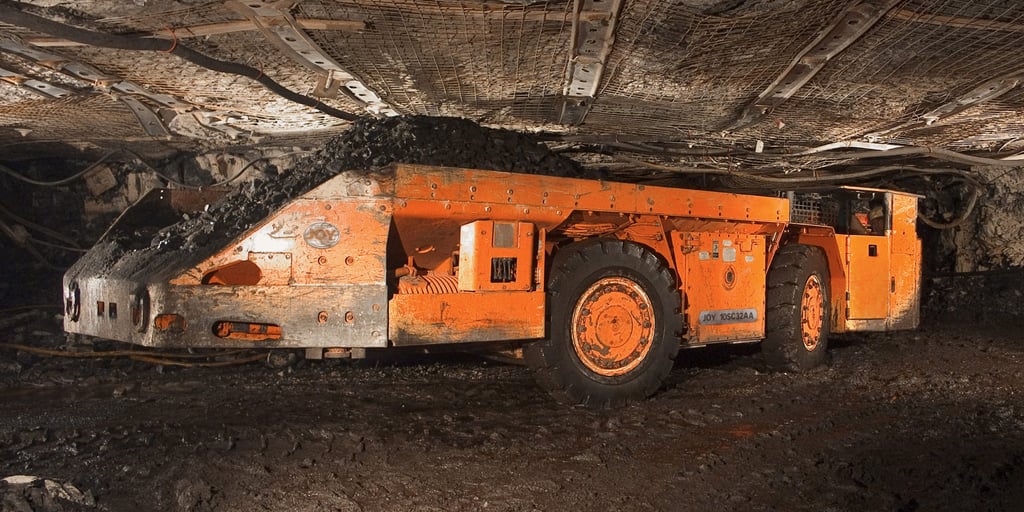
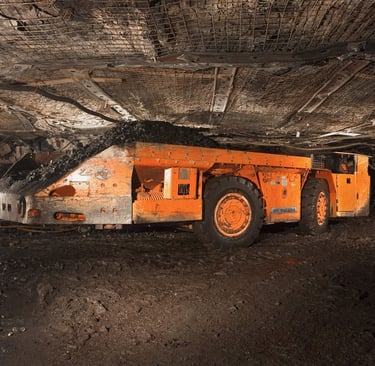
Underground Mining
Harsh bending cycles in tunnels
Suitable for winches, shuttle cars, and mobile substations.
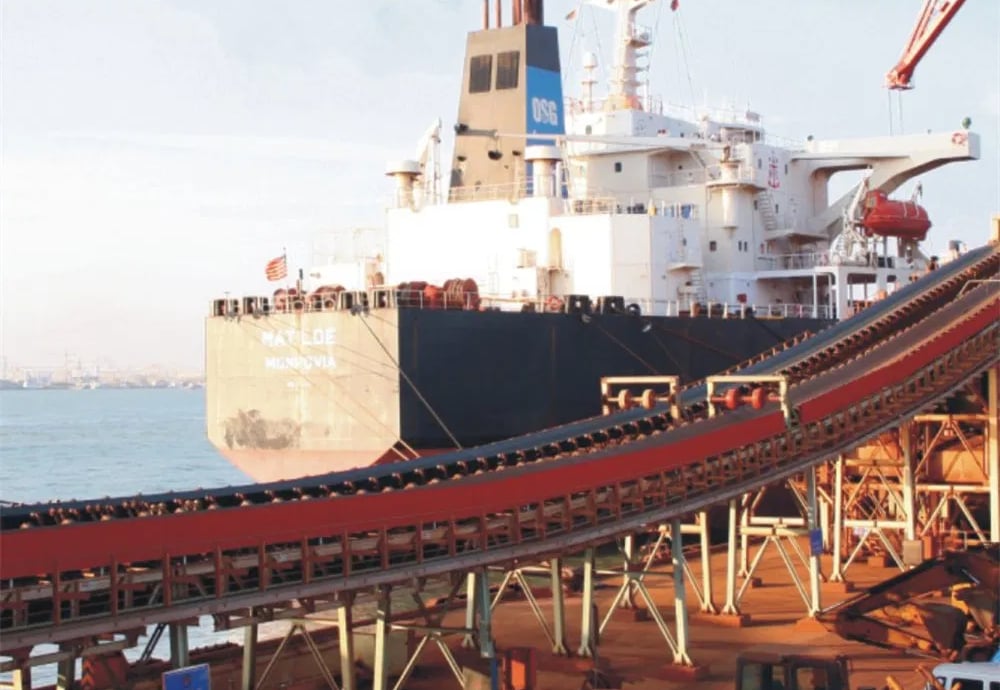
Ports and Bulk Handling
Durban, Richards Bay, and Saldanha Bay port machinery:
Ship loaders, bulk conveyors, RTG & RMG cranes
Enhanced cable durability reduces maintenance interruptions and enhances safety.
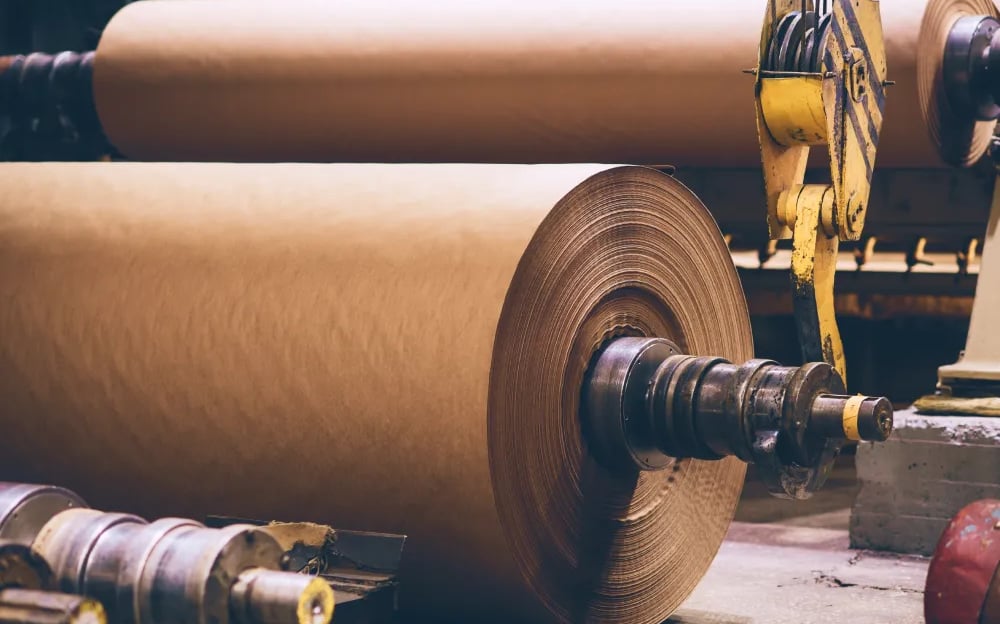
Industrial Machinery
Steel mills, automotive plants, and paper mills
Continuous motion and oil exposure require resilient reeling cables.
Automation & Smart Mining Integration
Integrated FO and bus systems enable real-time monitoring
Supports Industry 4.0 and predictive maintenance in South African mining operations.
South African Case Study: Improved Reliability & Reduced Failure Rates
Background: Frequent cable breakage due to torsion and abrasion caused significant downtime.
CORDAFLEX Implementation:
40% reduction in cable downtime
Enhanced signal quality for automated equipment
Lower total cost of ownership
Site: Northern Cape manganese operation (fictionalised for confidentiality).
Result: Demonstrated superior performance and extended service life under harsh South African conditions.
Advantages of CORDAFLEX (SMK) (N)SHTOEU for South African Users
Extreme mechanical stress resistance
High flexibility without sacrificing robustness
Climatic and chemical resistance tailored for South African conditions
Supports long travel lengths and high reeling speeds
Versatile: available in power, control, bus, and FO configurations
VDE compliance aligns with NRCS and import regulations
How to Select the Right (N)SHTOEU Cable
Key factors for South African users:
Voltage class – 0.6/1 kV standard, confirm operational needs.
Cross-section – depends on current-carrying requirements.
Number of cores – power, control, or combined systems.
Shielding/FO requirements – for automation or high-signal fidelity.
Reeling speed and bending radius – for gantries, stacker-reclaimers, or underground.
Environmental factors – dust, humidity, ambient temperature, mechanical load.
Installation & Maintenance Guide (South-Africa-Friendly Tips)
Proper drum winding and reeling direction
Respect minimum bending radius
Inspect regularly for cuts, torsion marks, or conductor pull-out
Optimise guide rollers and lubrication
Prevent premature sheath damage in mines with sharp rock formations
Frequently Asked Questions (FAQ)
What makes (N)SHTOEU different from regular rubber reeling cables?
Special sheath system, anti-torsion braid, and high-quality EPR insulation for extreme durability.
Is CORDAFLEX suitable for underground mines in South Africa?
Yes, tested for harsh bending cycles and tight tunnels.
How does the anti-torsion braid improve lifespan?
Reduces twisting and mechanical stress on conductors, extending cable life.
Can these cables carry data (bus or fibre-optic)?
Yes, optional FO and bus variants support automation and Industry 4.0 systems.
What is the maximum safe reeling speed?
Up to 240 m/min standard; consult manufacturer beyond that.
Can (N)SHTOEU cables handle oil-contaminated environments?
Yes, fully oil-resistant according to DIN standards.
How do I choose between standard and FO-combined versions?
Depends on power vs data requirements in your automation setup.
What certifications apply to import and testing?
VDE, GOST-R, aligned with South African NRCS approval.
What is the expected lifespan under heavy-duty operation?
Significantly longer than conventional trailing cables; site-specific results available.
Are customised designs available for unique South African mining setups?
Yes, CORDAFLEX can be tailored to operational requirements.
Conclusion
In South Africa’s demanding mining, port, and industrial environments, CORDAFLEX (SMK) (N)SHTOEU stands out as a high-performance, reliable low-voltage reeling cable. Its robust construction, extreme mechanical endurance, and versatile electrical capabilities make it suitable for power, control, and smart mining systems.
By reducing downtime, supporting high-speed reeling, and enabling digital automation, CORDAFLEX proves that durability, flexibility, and intelligence can coexist in one cable — a true hero in the harshest South African operations.
Email Address: Li.wang@feichuncables.com
© 2025. All rights reserved.
One-click to Quickly Contact
Products
Contact
Company
Location:
Building A Private Science and Technology Park, Hefei Economic and Technological Development Zone, Anhui Province, China
Heat Resistant Cable
WhatsApp: +86 17333223430
Social Media: