Anhui Feichun Special Cable Co.,Ltd Email: Li.wang@feichuncables.com
Demystifying H1Z2Z2-K Solar Cables for South Africa's Renewable Revolution
Dive into the world of H1Z2Z2-K cable, the premier DC PV cable for photovoltaic systems. This comprehensive guide explores its features, durability, applications in South African solar projects, and answers common questions on solar cables to optimise your PV installations.
Li.wang
10/22/20256 min read
Introduction
In the realm of renewable energy, solar cables serve as the vital arteries that channel the power harnessed from the sun into usable electricity. These specialised conduits are indispensable in photovoltaic (PV) systems, ensuring efficient transmission of direct current (DC) from solar panels to inverters and beyond. As South Africa accelerates its transition to sustainable energy—driven by initiatives like the Renewable Energy Independent Power Producer Procurement Programme (REIPPPP)—the choice of cable becomes paramount. Amidst a backdrop of load-shedding challenges and abundant sunshine, reliable solar infrastructure is key to unlocking the nation's potential for clean power.
Enter the H1Z2Z2-K cable, a specialised DC PV cable engineered for the demands of modern solar installations. This single-core cable, with its tinned copper conductor and double insulation, represents a pinnacle of innovation in solar wiring. It is designed to withstand the rigours of outdoor exposure, making it ideal for South Africa's varied climates, from the arid Karoo to the humid coastal regions.
The purpose of this article is to provide a thorough analysis of the H1Z2Z2-K cable from multiple angles: its composition, features, durability, sizing considerations, compliance, applications, and common queries. By delving into these aspects, we aim to equip homeowners, installers, and engineers with the knowledge to make informed decisions. We'll also touch on real-world examples from South African projects, highlighting how such cables contribute to the country's solar ambitions. Whether you're planning a rooftop array in Johannesburg or a large-scale farm in the Northern Cape, understanding H1Z2Z2-K cables can enhance system efficiency, safety, and longevity.
Overview of H1Z2Z2-K Cable
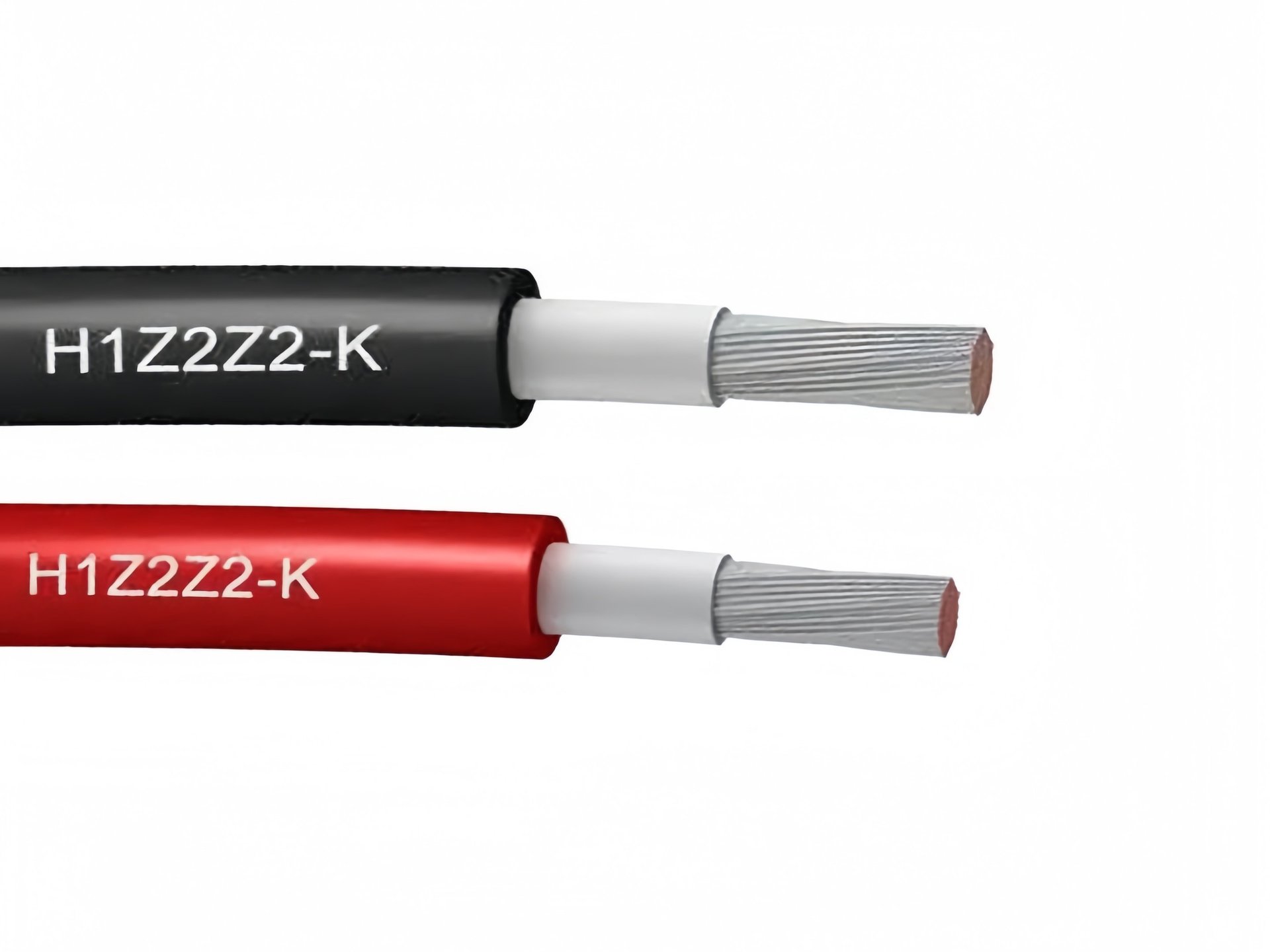
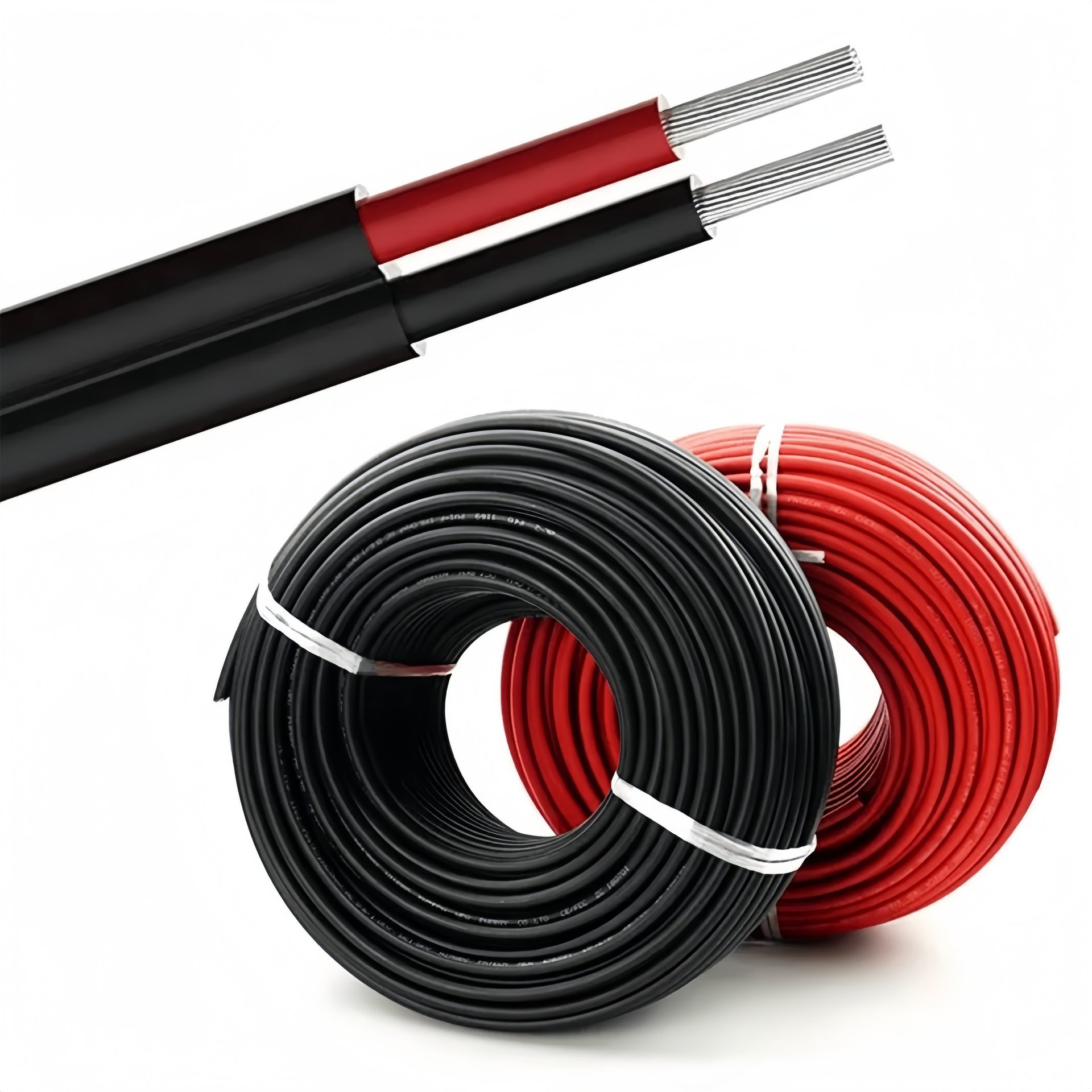
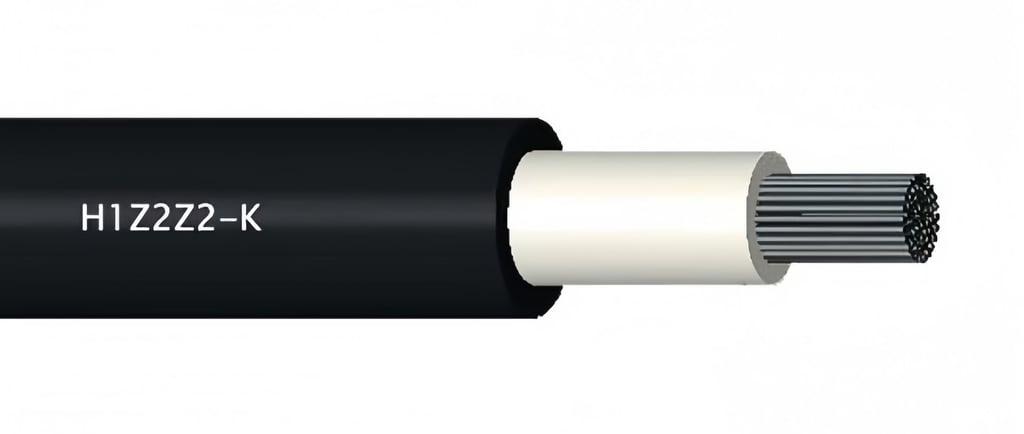
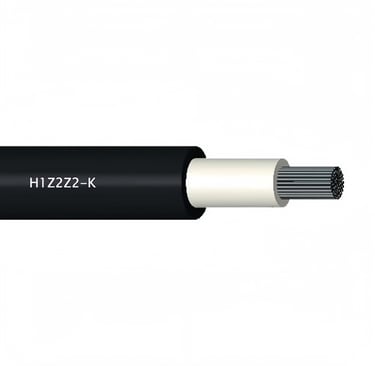
The H1Z2Z2-K cable is defined as a halogen-free, cross-linked solar power cable specifically for DC applications in PV systems. At its core, it features a single-core design with a flexible tinned copper conductor, surrounded by a halogen-free cross-linked insulation layer and an outer sheath of similar material. This 'double-insulation' structure provides enhanced protection against electrical faults and environmental stressors.
Historically, the H1Z2Z2-K evolved from earlier standards like the PV1-F cable, which was TÜV-approved under designations such as 2PfG 1169. The shift to EN 50618 in Europe marked a significant upgrade, incorporating thicker sheathing and improved resistance properties. This harmonised standard, adopted widely including in South Africa through alignment with international norms, superseded PV1-F to address modern PV demands for higher voltages and durability. In South Africa, where solar adoption has surged since the REIPPPP's inception in 2011, this evolution ensures cables meet the needs of expanding grids.
When compared to other solar cable types, the H1Z2Z2-K stands out. General PV wires, such as basic module cables, often lack the robust sheathing for external use. In contrast, H1Z2Z2-K offers superior UV and water resistance, making it suitable for direct burial or exposed installations. For instance, while string cables connect panels internally, H1Z2Z2-K excels in interconnecting arrays over longer distances, with its tinned copper reducing corrosion—a critical factor in South Africa's corrosive coastal areas like Durban.
Key Features and Technical Specifications
The H1Z2Z2-K cable's material composition is a cornerstone of its performance. The conductor is made from Class 5 flexible tinned copper wire, available in cross-sections from 2.5 mm² to 16 mm². Tinning enhances conductivity while preventing oxidation, ensuring low-resistance power flow. The insulation and sheath use halogen-free cross-linked compounds, which are flame-retardant and emit minimal smoke in fires.
Electrically, the cable boasts impressive ratings: AC voltage of 0.6/1 kV and DC up to 900/1800 V, with nominal DC capabilities reaching 1.5 kV between conductors. This allows it to handle high-voltage PV strings efficiently, minimising energy losses. Conductivity is optimised through the tinned copper, achieving low resistivity for better current transmission.
Physically, its flexibility—stemming from the stranded conductor—facilitates easy bending during installation, even in confined spaces like rooftop arrays. Common sizes include 4 mm² for extension cables, balancing ampacity with manageability. Installation ease is further aided by its lightweight design and compatibility with standard connectors.
Performance metrics underscore its reliability: an operating temperature range of -40°C to +90°C suits South Africa's extremes, from frosty Free State winters to scorching Northern Cape summers. It tolerates short-circuit temperatures up to 250°C for brief periods, preventing meltdown during faults. These specs make H1Z2Z2-K a go-to for demanding setups, as seen in projects like the Volkswagen South Africa solar installation in Uitenhage, where durable cabling supports rooftop PV arrays amid industrial heat.
Durability and Environmental Resistance
Durability is non-negotiable for solar cables exposed to the elements, and the H1Z2Z2-K excels here. It resists UV radiation through specialised cross-linked polymers, preventing degradation over decades of sun exposure—crucial in South Africa's high-insolation zones. Ozone resistance, per EN 50396, guards against atmospheric cracking.
Weather tolerance is robust: the cable handles temperature fluctuations without excessive expansion or contraction, maintaining integrity. Its AD8 water resistance rating allows submersion, ideal for rainy KwaZulu-Natal or direct burial in sandy soils. In extreme climates, like the Kalahari's heat, it performs without efficiency drops.
Protective features include self-extinguishing insulation compliant with IEC 60332-1, halting fire spread. The halogen-free design reduces toxic emissions, enhancing safety in populated areas. Tinned copper combats corrosion from humidity or salt, as in coastal projects.
Longevity is projected at 25-30 years at 90°C, thanks to these elements. In South Africa, the REISA solar plant in the Northern Cape—a 75 MW PV facility—illustrates this: while specific cables aren't detailed, analogous H1Z2Z2-K types ensure long-term operation in dusty, UV-intense environments, minimising maintenance and downtime.
Sizing, Ratings, and Selection Criteria
Selecting the right H1Z2Z2-K size involves calculating current carrying capacity and voltage drop. Capacity is determined by dividing system power by voltage; for a 5 kW residential setup at 600 V, this yields about 8.3 A, suiting a 4 mm² cable rated for 55 A in free air.
Voltage drop should stay below 3% to avoid losses: use formulas like Drop = (2 Length Current * Resistivity) / Area. Longer runs demand larger cross-sections, like 6 mm² for 50 m distances.
Ratings include ampacity (maximum safe current) and voltage (matching system needs). Always exceed requirements for safety margins.
Factors like power output, length, and efficiency guide choices. In South Africa, 4 mm² is common for residential extensions, while 10-16 mm² suits commercial farms. A case from the iShack project in informal settlements near Cape Town shows how proper sizing in off-grid solar kits prevents overheating, ensuring reliable lighting for underserved communities.
Compliance with Safety and Industry Standards
Compliance ensures H1Z2Z2-K cables meet rigorous benchmarks. Key certifications include EN 50618 for overall design, IEC 61215-2:2021 for PV module compatibility, and TÜV approvals transitioning from 2PfG 1169 to current standards.
LSZH properties, per IEC/EN 60754-1/2 and 61034-1/2, minimise smoke and halogens in fires, vital for indoor or urban installations. Flame retardancy follows IEC/EN 60332-1-2.
Importance lies in safety: reducing electrical failures and fire risks. Reliability stems from tested endurance against stresses, while compliance aids insurance and warranties. In South Africa, aligning with SANS standards (harmonised with IEC) is essential; non-compliance led to issues in early REIPPPP projects, underscoring the need for certified cables like H1Z2Z2-K.
Applications and Suitability
H1Z2Z2-K cables interconnect PV panels in solar farms, suit fixed internal/external setups, and allow direct burial. In residential systems, like Johannesburg rooftops, their flexibility aids compact installations. Commercial scales, such as the Kathu Solar Park—a 100 MW CSP project in the Northern Cape—benefit from high-current handling in vast arrays, where extreme heat demands robust tolerance.
Off-grid setups in rural Limpopo rely on their reliability for independent power, while grid-tied systems in urban areas use them for efficient grid connections.
Specialised environments include coastal zones, where tinned copper resists salt corrosion, or high-temperature regions like the Kalahari. The Solar & Storage Live Africa 2025 event highlighted JZD Cable's H1Z2Z2-K solutions for climate-adapted projects, reflecting South Africa's push for resilient solar infrastructure.
Common Questions and Answers (FAQ)
What is H1Z2Z2-K cable and how does it differ from standard PV cables?
H1Z2Z2-K is a DC PV solar cable with tinned copper and double halogen-free insulation, per EN 50618. It differs from standard PV wires by offering thicker sheathing, higher voltage ratings (up to 1.5 kV DC), and superior environmental resistance, making it more durable for external use.
How do I choose the right size for my solar system?
Calculate based on current (power/voltage) and limit voltage drop to <3%. For a 10 kW system at 800 V, aim for 12.5 A; a 6 mm² cable suits short runs. Consult SANS guidelines or professionals for South African conditions.
Is H1Z2Z2-K cable suitable for outdoor or buried installations?
Yes, its AD8 rating and UV/ozone resistance make it ideal for outdoor exposure and direct burial, as in South African solar farms.
What are the main safety features and why are they important?
Features include self-extinguishing insulation, LSZH compounds, and double insulation. They prevent fire spread and toxic smoke, crucial in densely populated areas to safeguard lives and property.
How long does H1Z2Z2-K cable typically last, and what maintenance is required?
It lasts 25-30 years with minimal maintenance—periodic visual checks for damage. In South Africa, avoid abrasive cleaning in dusty regions.
Can it handle extreme weather, and what are its limitations?
It tolerates -40°C to +90°C and UV, but limitations include avoiding prolonged submersion beyond AD8 specs or mechanical abuse. In cyclones-prone areas, secure installations.
Where can I buy H1Z2Z2-K cable, and what should I look for in a supplier?
Purchase from suppliers like PHD Power or Pntech in South Africa. Look for TÜV/EN 50618 certification, warranties, and local stock for quick delivery.
Conclusion
The H1Z2Z2-K cable embodies reliability, with its advanced materials, robust ratings, and compliance ensuring optimal PV performance. Its durability against South Africa's harsh elements makes it a cornerstone for sustainable energy.
For informed choices, prioritise certified products and consult experts. As solar technology advances—potentially with smarter, integrated cables—the H1Z2Z2-K paves the way for a greener future, reducing carbon footprints and bolstering energy security in South Africa.
Email Address: Li.wang@feichuncables.com
© 2025. All rights reserved.
One-click to Quickly Contact
Products
Contact
Company
Location:
Building A Private Science and Technology Park, Hefei Economic and Technological Development Zone, Anhui Province, China
Heat Resistant Cable
WhatsApp: +86 17333223430
Social Media: