Anhui Feichun Special Cable Co.,Ltd Email: Li.wang@feichuncables.com
Dragged Through Rock, Dust, and Danger: Why BS 6708 TYPE 321 Trailing Cables Keep South African Mines Powered Safely
Discover why BS 6708 TYPE 321 Flexible Trailing Cable is trusted in South African mining and quarry operations. Learn its structure, technical specifications, electrical performance, applications, and safety advantages in harsh underground environments.
Li Wang
12/16/20256 min read
Introduction: Power on the Move in South African Mines
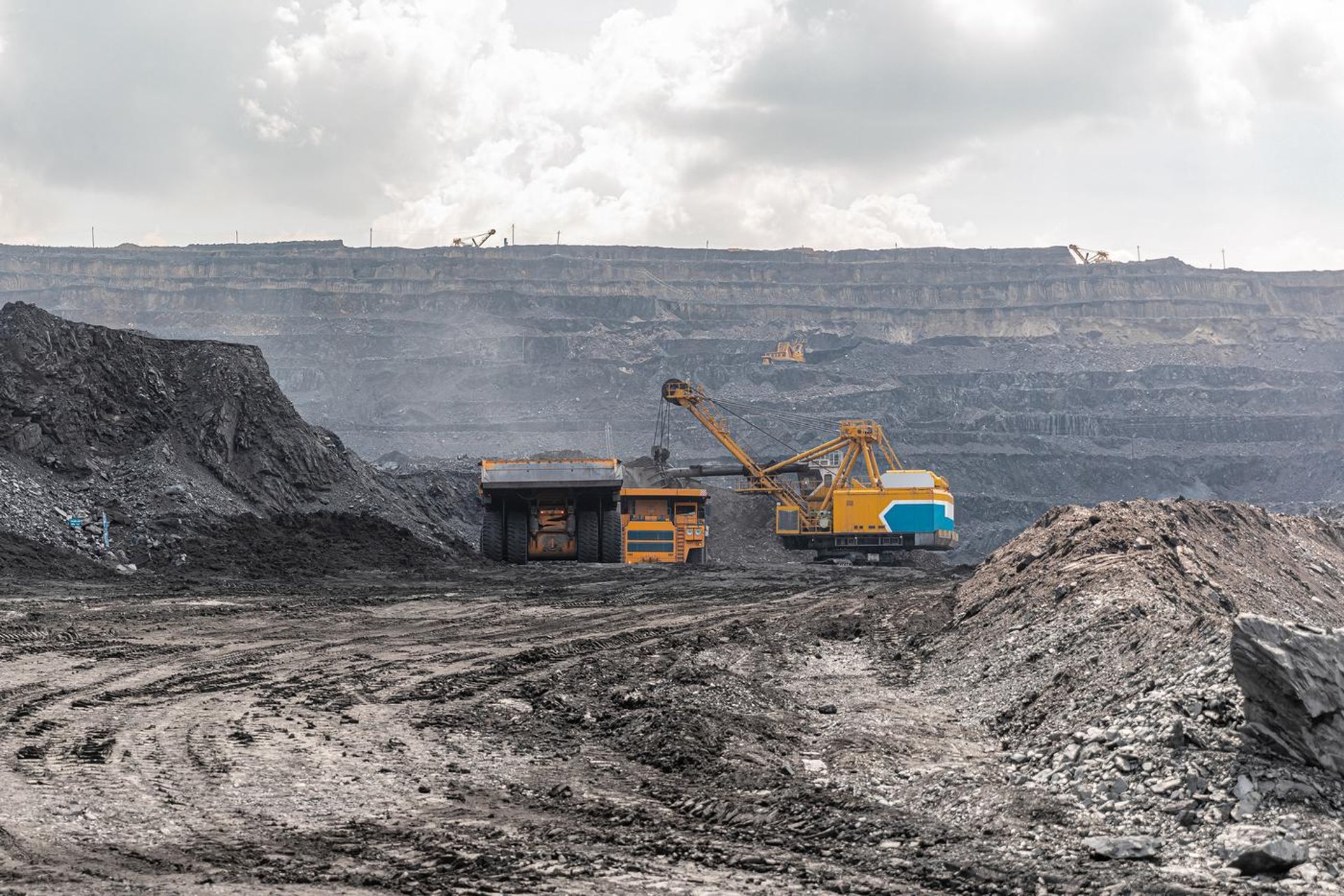
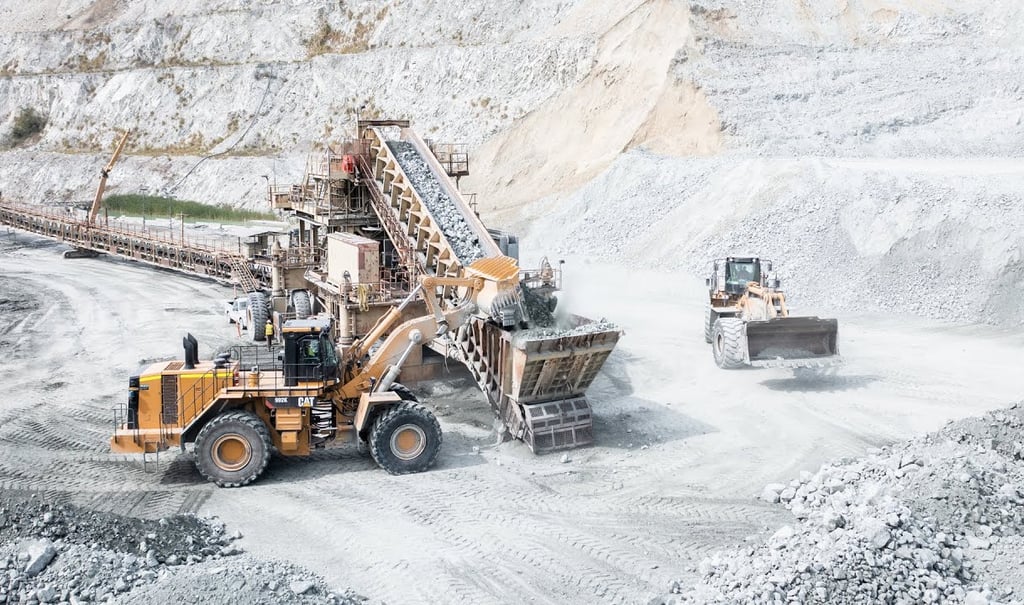
In South Africa’s mining industry, power is never static. From deep-level gold mines in Gauteng to platinum operations in the Bushveld Complex and open quarries across Mpumalanga and Limpopo, electricity must travel with machines that are constantly moving, turning, dragging, and operating under extreme mechanical stress.
This is where flexible trailing cables play a critical role.
Unlike fixed power cables, trailing cables are designed to follow mobile equipment—excavators, crushers, coal face lighting systems, and roadway extension panels—often dragged across uneven rock surfaces, exposed to dust, moisture, vibration, and impact. Failure is not merely an inconvenience; it can lead to production downtime, safety incidents, or regulatory non-compliance.
Among the cables engineered for such demanding conditions, BS 6708 TYPE 321 Flexible Trailing Cable has earned a solid reputation for reliability, mechanical strength, and long-term performance. Widely used in mining roadways, quarries, and coal face lighting, TYPE 321 cables combine flexibility with robust steel wire armouring—an essential balance for South African mining operations.
This article provides a deep technical and practical exploration of BS 6708 TYPE 321 cables, explaining how they are built, why they work, and where they deliver the greatest value in the South African mining context.
What Is a BS 6708 TYPE 321 Flexible Trailing Cable?
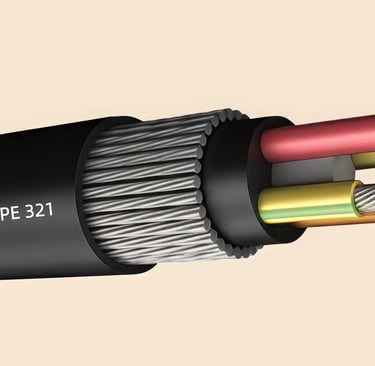
A BS 6708 TYPE 321 cable is a heavy-duty, flexible, armoured trailing cable designed for use where power must be supplied to mobile or semi-mobile equipment in harsh industrial environments.
It is specifically intended for:
Mine roadway extension cables
Mechanically protected cables in quarries
Coal face lighting systems
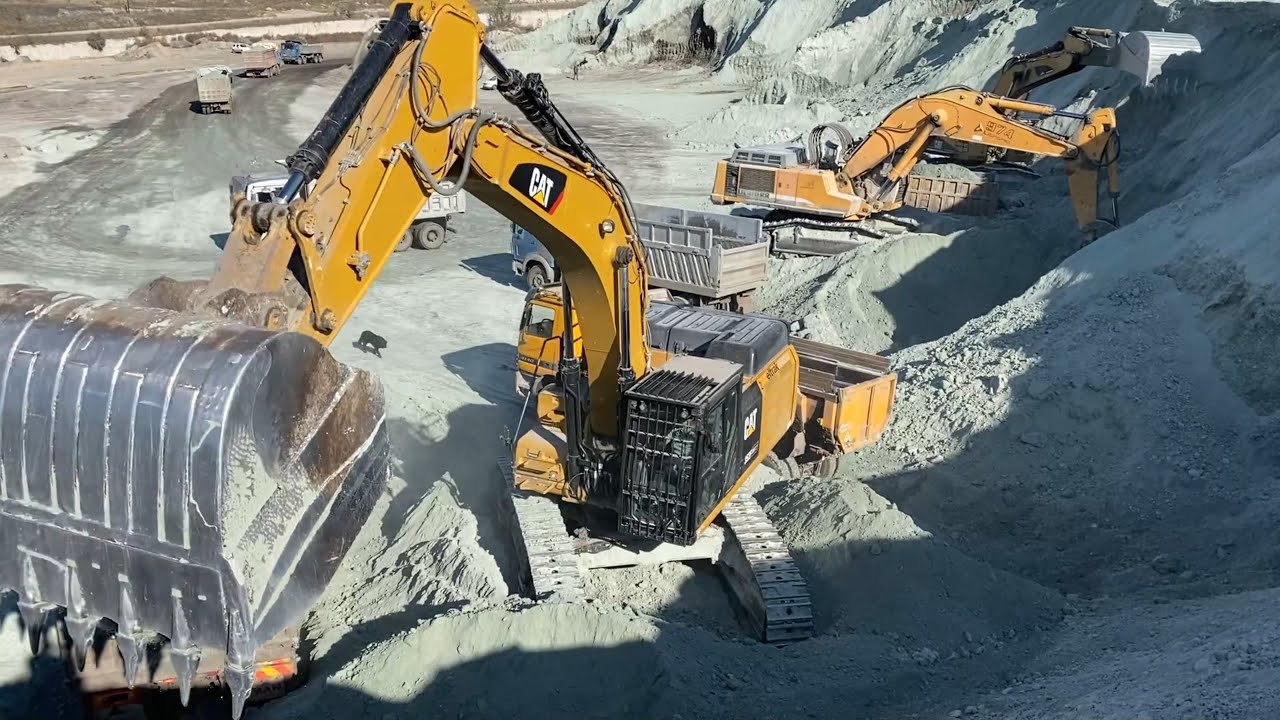
Power supply to excavating, crushing, and processing equipment
The defining characteristic of TYPE 321 is its pliable galvanised steel wire armour, which offers mechanical protection without sacrificing flexibility—an essential requirement for trailing applications.
BS 6708: A Proven British Standard with Global Relevance
BS 6708 originates from British engineering standards but has long been accepted and applied in Commonwealth mining jurisdictions, including South Africa. While South African mines often work under SANS and Mine Health and Safety Act requirements, BS 6708 cables remain widely specified due to their engineering robustness and conservative safety margins.
In practice, many South African mining projects reference BS 6708 cables alongside local electrical codes, particularly where mechanical protection and trailing performance are critical.
Cable Structure: Engineered Layer by Layer for Mining Abuse
The durability of a BS 6708 TYPE 321 cable is not accidental. It is the result of carefully selected materials and a proven structural design optimised for mechanical stress.
Conductor: Fine-Stranded Tinned Copper (IEC 60228 Class 5)
At the core of the cable lies an electrolytic, stranded, tinned copper conductor, compliant with IEC 60228 Class 5.
Why this matters in South African mines:
High flexibility: Fine stranding allows repeated bending without conductor fatigue.
Tinned copper protection: Tin coating significantly improves resistance to corrosion, especially in humid underground conditions.
Stable electrical performance: Ensures consistent current-carrying capacity under continuous load.
This conductor design is particularly valuable in deep-level gold and platinum mines, where humidity, water ingress, and chemical exposure are common.
Insulation: Ethylene Propylene Rubber (EPR)
Each conductor is insulated with EPR (Ethylene Propylene Rubber), a material widely recognised for its performance in mining cables.
Key benefits:
Excellent thermal stability
High dielectric strength
Resistance to moisture, oils, and chemicals
Maintains flexibility across a wide temperature range
In South African mining environments—where cables may operate continuously near equipment generating heat—EPR insulation provides reliable electrical safety margins.
Core Lay-Up: All Cores in Contact
The insulated cores are laid up in contact with each other, forming a compact and balanced cable geometry.
Advantages include:
Improved flexibility during bending and dragging
Reduced internal movement under dynamic load
Stable electrical symmetry
This construction is especially beneficial for roadway extension cables, which are frequently repositioned as mining faces advance.
Bedding: Rubber-Based Cushioning Layer
Surrounding the laid-up cores is a rubber-based bedding compound.
Its role is critical:
Cushions the cores against armour movement
Distributes mechanical stress evenly
Enhances overall cable flexibility
Without effective bedding, steel armour could damage insulation during repeated bending—an unacceptable risk in mining operations.
Armour: Pliable Galvanised Steel Wire Armour
The defining feature of TYPE 321 cables is the pliable galvanised steel wire armour.
Unlike rigid armour used in fixed installations, this armour is designed to:
Withstand impact, crushing, and abrasion
Remain flexible during trailing and dragging
Provide mechanical protection in rough mining roadways
This makes TYPE 321 particularly suitable for:
Coal mines with uneven floor conditions
Hard-rock gold and platinum operations
Quarries where cables are exposed on the surface
Outer Sheath: Heavy-Duty Chloroprene
The final layer is a heavy-duty chloroprene (CR) outer sheath.
Key properties:
Excellent abrasion resistance
Resistance to UV, oils, chemicals, and ozone
Tough yet flexible under repeated mechanical stress
For South African surface quarries and semi-underground applications, chloroprene sheathing ensures long service life even under sunlight and harsh weather conditions.
Materials and Properties: Designed for South African Conditions
South African mines present a unique combination of challenges:
High humidity underground
Abrasive dust and sharp rock
Mechanical dragging and crushing risk
Chemical exposure from processing environments
BS 6708 TYPE 321 cables are engineered to handle these stresses by combining:
Flexible Class 5 tinned copper conductors
EPR insulation for thermal and electrical reliability
Steel wire armour for mechanical protection
Chloroprene sheath for environmental resistance
This combination results in a cable that is robust, flexible, and dependable over long operational cycles.
Technical Specifications: Understanding the Numbers
BS 6708 TYPE 321 cables are available in multiple cross-sections to match different power requirements.
Available Sizes
4 × 35 mm²
4 × 50 mm²
4 × 70 mm²
4 × 95 mm²
4 × 120 mm²
Each size is engineered with specific conductor stranding, insulation thickness, armour dimensions, and sheath thickness.
For example:
4 × 70 mm²
Conductor diameter: 11.90 mm
Minimum bending radius: 888 mm
Approximate weight: 10.38 kg/km
Copper content: 2,688 kg/km
Such detailed specification allows engineers to match cable performance precisely to equipment load and installation constraints.
Electrical Parameters and Performance
Electrical performance is critical in mining, where voltage drop and overheating can lead to equipment failure.
Continuous Current Ratings at 25°C
4 × 35 mm²: 135 A
4 × 50 mm²: 170 A
4 × 70 mm²: 205 A
4 × 95 mm²: 250 A
4 × 120 mm²: 295 A
These ratings reflect continuous-duty operation, typical of mining equipment running long shifts.
DC Resistance at 20°C
Low DC resistance ensures:
Reduced energy loss
Stable voltage supply
Improved efficiency over long cable lengths
This is particularly important in deep underground mines, where cable runs can be extensive.
Applications in South African Mining and Quarrying
Mining Roadway Extension Cables
TYPE 321 cables are commonly used to extend power as mine roadways advance, supplying:
Distribution boards
Lighting circuits
Mobile equipment
Coal Face Lighting
In coal mining operations, reliable lighting is a safety-critical requirement. The mechanical protection and flexibility of TYPE 321 cables make them ideal for trailing lighting systems at the coal face.
Heavy Equipment Supply
Excavators, crushers, and processing equipment benefit from:
High current capacity
Robust armour protection
Resistance to dragging damage
South African Case Insight
In several Bushveld platinum operations, trailing cables with steel wire armour are preferred for roadway and auxiliary power supply due to frequent equipment relocation and harsh floor conditions. TYPE 321-style cables are often specified for these roles because they balance durability and flexibility, reducing replacement frequency and downtime.
Installation Considerations
Correct installation is essential to achieve full service life.
Key points include:
Respecting minimum bending radius
Avoiding sharp edges and pinch points
Ensuring proper earthing of the steel armour
Using compatible connectors and reels
Poor handling can negate even the best cable design.
Maintenance and Safety
Routine inspection should focus on:
Outer sheath abrasion
Armour exposure
Localised flattening or crushing
Overheating signs near terminations
In South Africa, compliance with mine safety regulations requires proactive cable maintenance to prevent electrical and fire hazards.
Common Problems and FAQs
Can BS 6708 TYPE 321 be used outdoors in South African quarries?
Yes. The chloroprene sheath and galvanised steel armour provide excellent outdoor durability.
What causes most cable failures in mining?
Mechanical damage from dragging, improper bending, and abrasion remain the leading causes.
Is repair recommended?
In high-stress mining environments, full replacement is generally safer and more reliable.
Key Advantages of BS 6708 TYPE 321
Exceptional balance of flexibility and protection
Proven performance in harsh mining environments
Long service life reduces downtime
Recognised standard with international credibility
Conclusion
In South Africa’s demanding mining and quarry sectors, BS 6708 TYPE 321 Flexible Trailing Cable stands out as a trusted solution for mobile power delivery. Its carefully engineered structure, robust materials, and proven electrical performance make it well suited to the realities of underground and surface mining.
Choosing the right trailing cable is not just a technical decision—it is an investment in safety, productivity, and operational continuity. For applications where power must move with the machine, TYPE 321 continues to prove its value, shift after shift, mine after mine.

Contact Anhui Feichun Special Cable Co., Ltd.
For comprehensive technical specifications and quotations, please contact our specialized mining cable engineering team:
Technical Engineering Support:
Sales Engineering Department:
WhatsApp Contact:
Manufacturer: Anhui Feichun Special Cable Co., Ltd. (安徽飞纯特种电缆有限公司)
Manufacturing Headquarters: Building A, Private Science and Technology Park, Hefei Economic and Technological Development Zone, Anhui Province, People’s Republic of China
+86 17333223430
Email Address: Li.wang@feichuncables.com
© 2025. All rights reserved.
One-click to Quickly Contact
Products
Contact
Company
Location:
Building A Private Science and Technology Park, Hefei Economic and Technological Development Zone, Anhui Province, China
Heat Resistant Cable
WhatsApp: +86 17333223430
Social Media: