Anhui Feichun Special Cable Co.,Ltd Email: Li.wang@feichuncables.com

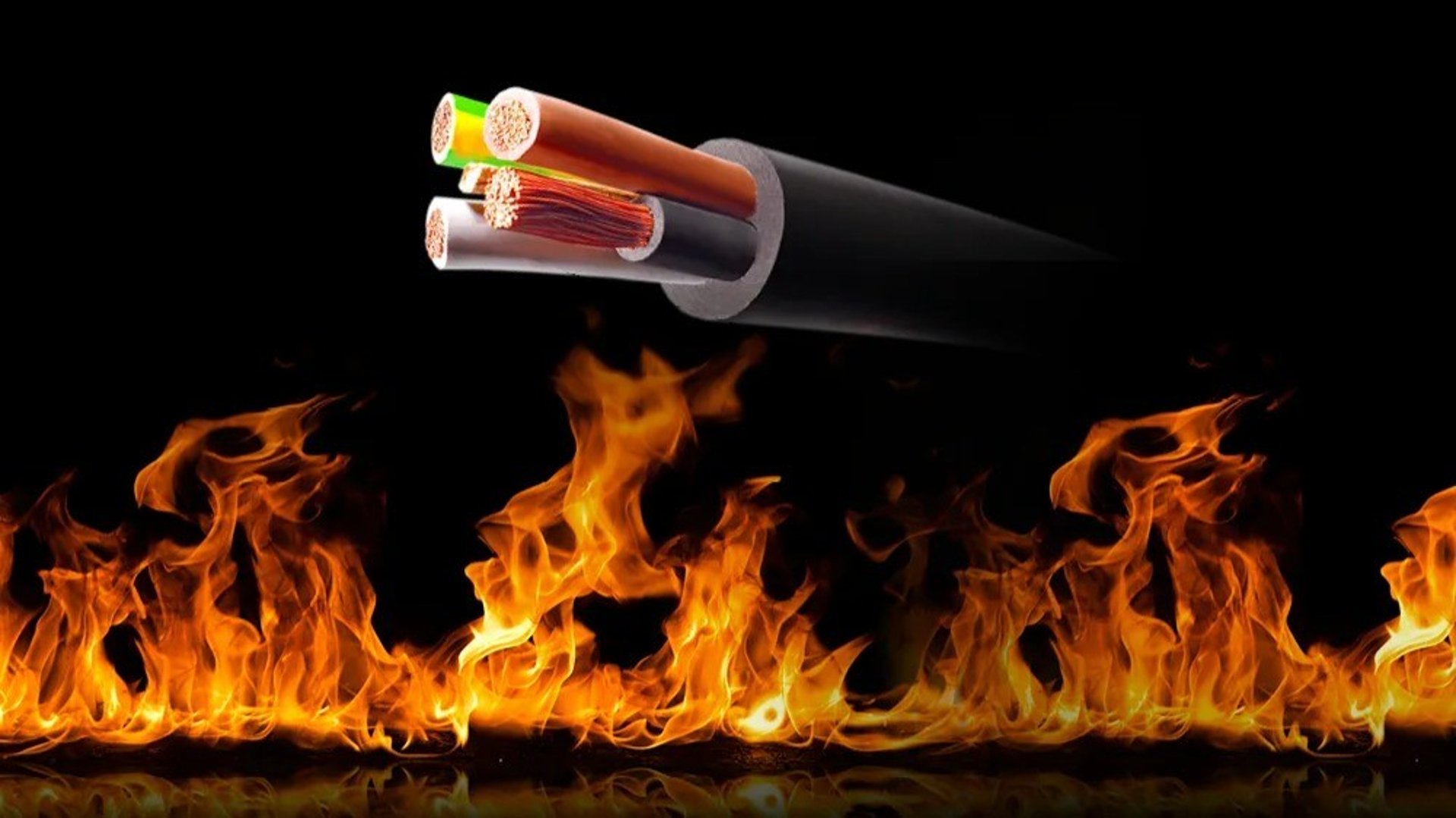
Halogen Free Flame Retardant (HFFR) Materials: Revolutionising Cable Safety in South Africa and Beyond
Discover the science behind Halogen Free Flame Retardant (HFFR) materials, their eco-friendly benefits, and applications in cables across industries like construction, transportation, and mining. Learn how HFFR cables enhance fire safety in South African contexts, complying with SABS standards for a sustainable future.
Li. Wang
11/25/20259 min read
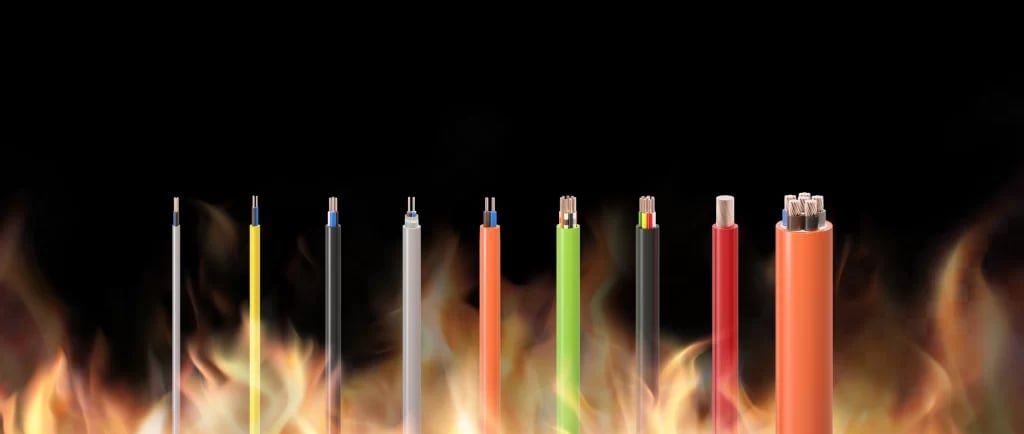
Introduction
In the bustling urban landscapes of South African cities like Johannesburg and Cape Town, where high-rise buildings tower over densely populated areas and infrastructure hums with activity, fire safety has never been more critical. Picture a scenario where a minor electrical fault escalates into a blazing inferno – the consequences could be devastating, not just in terms of property loss but human lives. This is where Halogen Free Flame Retardant (HFFR) materials step in as a game-changer for cable insulation and sheathing.
HFFR refers to advanced, eco-friendly compounds used in cables that resist flame spread without relying on halogenated elements like chlorine or bromine. Unlike traditional halogenated materials, such as those in PVC cables, HFFR alternatives prevent the release of toxic, corrosive gases during fires, making them a safer choice for modern infrastructure. In South Africa, with its rapid urbanisation and emphasis on sustainable development, HFFR cables are gaining traction as an essential component in reducing fire risks while aligning with environmental goals.
This article aims to provide a comprehensive科普 on HFFR materials, delving into their science, composition, manufacturing processes, advantages, and diverse applications across industries. We'll also explore their relevance to South African contexts, including adherence to regulatory standards from the South African Bureau of Standards (SABS), such as SANS 1507 for electrical cables and SANS 1339 for flame retardancy. By the end, readers will understand why HFFR cables are not just a technical innovation but a vital tool for safeguarding lives and the environment in a country prone to electrical fires due to ageing infrastructure and load shedding challenges.
What is HFFR?
At its core, Halogen Free Flame Retardant (HFFR) is a class of polymeric compounds engineered specifically for cable insulation and sheathing to inhibit flame propagation and minimise hazardous emissions during combustion. These materials are "halogen-free," meaning they exclude elements from the halogen group (fluorine, chlorine, bromine, iodine) that are common in legacy flame retardants. Instead, HFFR relies on alternative mechanisms to achieve fire resistance, ensuring that cables do not become conduits for fire spread in critical installations.
To appreciate HFFR's value, it's essential to contrast it with traditional materials like polyvinyl chloride (PVC) or halogenated polyolefins. PVC cables, while cost-effective and flexible, contain chlorine, which, when burned, releases hydrogen chloride (HCl) gas – a corrosive, toxic substance that can cause respiratory distress and damage electronic equipment. In confined spaces, such as underground mines or high-rise buildings, this can turn a manageable fire into a lethal trap. HFFR cables, on the other hand, produce minimal smoke and no corrosive acids, allowing for better visibility and safer evacuation. This low smoke zero halogen (LSZH) characteristic is a hallmark of HFFR, making it synonymous with enhanced human safety.
Compliance with standards is a cornerstone of HFFR's reliability. Internationally, HFFR cables adhere to norms like IEC 60332 for flame retardancy tests, which assess vertical flame propagation on single cables or bundles. For smoke density, IEC 61034 measures the transmittance of light through smoke, ensuring low obscuration. Halogen content is verified via IEC 60754, which tests for acidity and conductivity of gases evolved during combustion. In South Africa, these align with SABS equivalents, such as SANS 1507, which specifies requirements for extruded solid dielectric insulated cables for fixed installations up to 3.3 kV. SABS also enforces LSZH properties under broader electrical safety codes, promoting HFFR adoption in public infrastructure to mitigate risks in a nation where fire incidents claim hundreds of lives annually.
In essence, HFFR represents a shift towards sustainable fire safety in cabling, prioritising health, environmental protection, and performance without compromising on functionality.
Composition of HFFR Cable Compounds
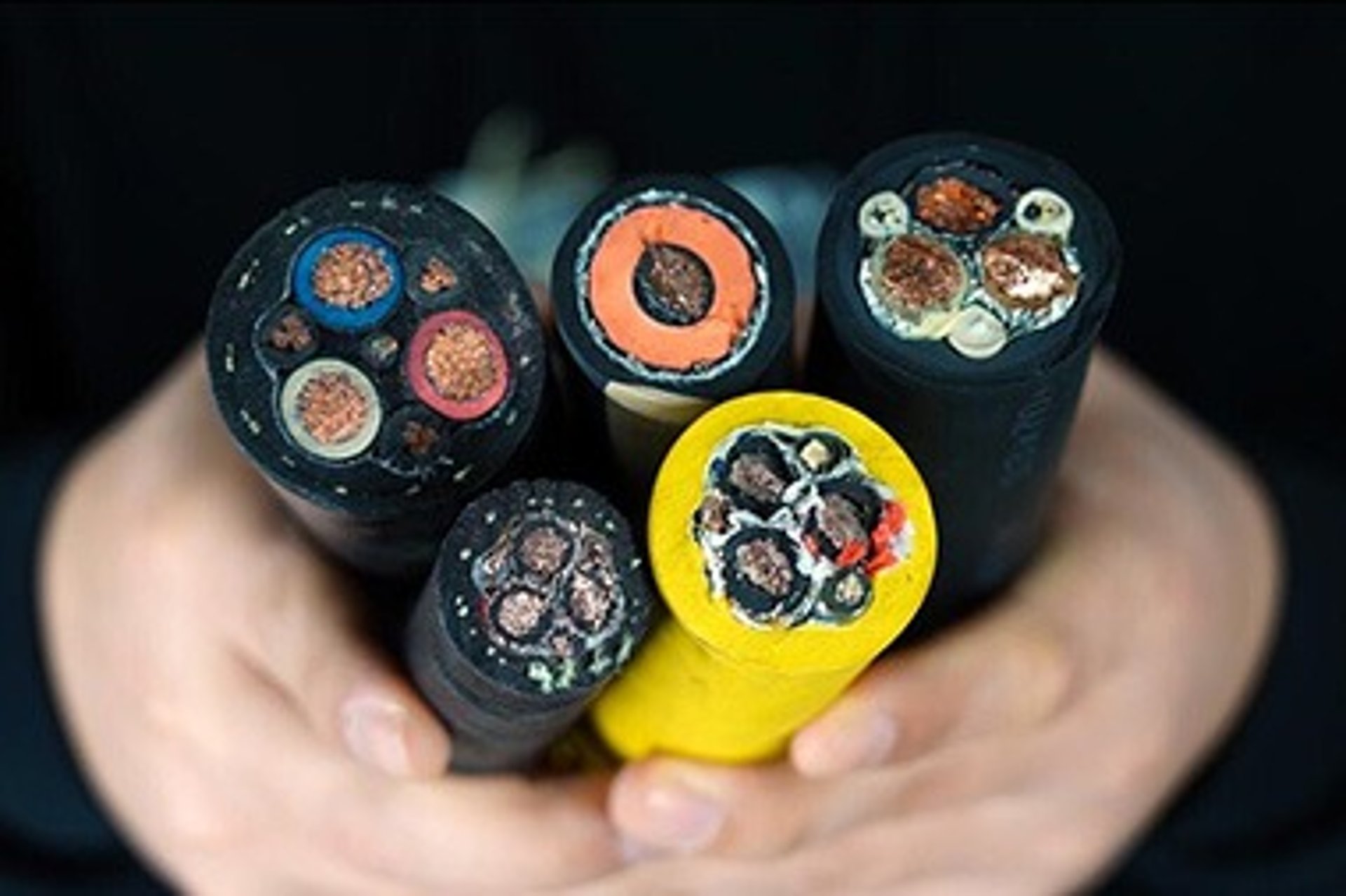
The efficacy of Halogen Free Flame Retardant (HFFR) cables stems from their meticulously engineered composition, blending base polymers with specialised fillers and additives to achieve optimal flame retardancy, mechanical strength, and processability.
Base polymers form the foundation of HFFR compounds. Common choices include ethylene-vinyl acetate (EVA), which offers excellent flexibility and adhesion; polypropylene (PP), valued for its high melting point and chemical resistance; and polyethylene (PE), particularly low-density variants (LDPE) or cross-linked polyethylene (XLPE), for superior electrical insulation and durability in cable jacketing. These thermoplastics are selected for their compatibility with high filler loadings, ensuring the compound remains extrudable while maintaining tensile strength and elongation at break.
The star players in flame retardancy are the mineral fillers, typically comprising over 60% of the formulation by weight. Aluminium trihydroxide (ATH) and magnesium dihydroxide (MDH) are predominant. ATH decomposes endothermically at around 200°C, releasing water vapour that cools the material and dilutes flammable gases, thus interrupting the combustion cycle. MDH operates similarly but at higher temperatures (around 300°C), making it suitable for polymers with elevated processing needs. These fillers are often surface-treated with silanes or stearates to improve dispersion and reduce viscosity, preventing agglomeration that could weaken the cable's integrity.
Additives enhance the overall performance. Synergists like zinc borate or ammonium polyphosphate amplify flame retardancy by promoting char formation – a carbon-rich barrier that insulates the underlying material from heat and oxygen. Antioxidants, such as hindered phenols, protect against oxidative degradation during extrusion and service life. Cross-linking agents, including peroxides for XLPE variants, improve thermal stability and resistance to deformation under load. In some formulations, nanofillers like montmorillonite clay are incorporated for enhanced barrier properties, though these are emerging in advanced HFFR grades.
This high-filler approach demands precise formulation to balance flame retardancy with mechanical properties, ensuring HFFR cables meet standards for oxygen index (typically >30%) and limiting oxygen index (LOI) tests. In South African contexts, where cables must endure humid coastal climates or arid interiors, these compositions are tailored for UV resistance and moisture barrier qualities, aligning with local manufacturing practices that blend imported fillers with domestically produced polymers.
Manufacturing Process of HFFR Compounds
Producing Halogen Free Flame Retardant (HFFR) cable compounds is a sophisticated process that emphasises uniform dispersion, temperature control, and quality assurance to preserve the materials' fire-resistant properties.
The process begins with compounding, where base polymers (EVA, PP, or PE) are mixed with fillers (ATH or MDH) and additives in specialised equipment like co-kneaders or twin-screw extruders. Co-kneaders are particularly favoured for HFFR due to their mild shear features, which prevent overheating of temperature-sensitive fillers. The modular design allows for staged addition: polymers are melted first at 150-200°C, followed by fillers introduced via side feeders to achieve high loadings (>60%) without degrading the endothermic properties. This results in excellent distribution and dispersion, crucial for consistent flame retardancy.
Extrusion follows compounding, where the molten compound is forced through a die to form insulation or sheathing around conductors. For multi-layer cables, tandem extrusion lines apply inner insulation (e.g., XLPE) and outer HFFR sheath sequentially. Temperature control is paramount – exceeding 220°C can decompose ATH prematurely, reducing efficacy. Advanced systems use infrared sensors and cooling zones to maintain profiles, ensuring low smoke zero halogen (LSZH) integrity.
Quality control is rigorous, involving in-line and post-production tests. Shear-sensitive mixing is verified through melt flow index measurements, while mechanical properties like tensile strength (>10 MPa) and elongation at break (>150%) are assessed per IEC 60811. Flame tests (IEC 60332) and smoke density evaluations confirm compliance. In South Africa, manufacturers adapt processes to local conditions, often importing high-purity fillers while leveraging domestic polymer production. This hybrid approach supports exports to the African market, meeting SABS standards and reducing costs through efficient, low-energy extrusion techniques. Innovations like continuous monitoring via IoT sensors are emerging to optimise yields and minimise defects.
Advantages of HFFR Cables
Halogen Free Flame Retardant (HFFR) cables offer a multifaceted array of benefits that extend beyond mere fire resistance, making them indispensable in safety-critical applications.
Foremost is enhanced fire safety. HFFR cables limit flame spread through endothermic reactions and char formation, significantly reducing propagation risks in bundled installations. Low smoke emission ensures visibility during evacuations, while the absence of toxic gases like HCl prevents respiratory hazards and corrosion of escape routes or equipment. In scenarios like building fires, this can extend safe egress times by minutes – a lifesaver in densely populated South African urban areas.
Environmental and health benefits are equally compelling. Being halogen-free, lead-free, and non-toxic, HFFR cables align with global regulations like the EU's REACH and South Africa's National Environmental Management Act, minimising ecological impact. Their recyclability supports circular economy initiatives, reducing landfill waste compared to halogenated alternatives.
Performance-wise, HFFR cables excel in harsh environments. They provide high visibility with vibrant, non-fading sheaths for easy identification in emergencies. Temperature control during manufacturing yields superior insulation, offering energy efficiency through lower resistive losses. In South Africa's variable climates – from humid KwaZulu-Natal to dry Gauteng – UV-stabilised formulations ensure longevity, resisting cracking or degradation.
Economically, while initial costs may be 10-20% higher than PVC, HFFR cables deliver savings via reduced fire damage, lower insurance premiums, and extended service life (up to 30 years). For instance, in industrial settings, they minimise downtime from fire-related failures, translating to substantial ROI. Overall, HFFR's blend of safety, sustainability, and efficiency positions it as a forward-thinking choice for South African industries striving for resilience amid energy challenges.
Applications of HFFR Cables in Various Industries
Halogen Free Flame Retardant (HFFR) cables are versatile, finding deployment across sectors where fire safety intersects with operational reliability.
In building and construction, HFFR cables are staples for power distribution, lighting, and wiring in high-rise buildings, shopping centres, and offices. Their LSZH properties mitigate risks in escape corridors, as seen in Johannesburg's skyscrapers, where dense occupancy demands rapid evacuation. Sheaths and insulation prevent flame creep, complying with CPR (Construction Products Regulation) equivalents in South Africa.
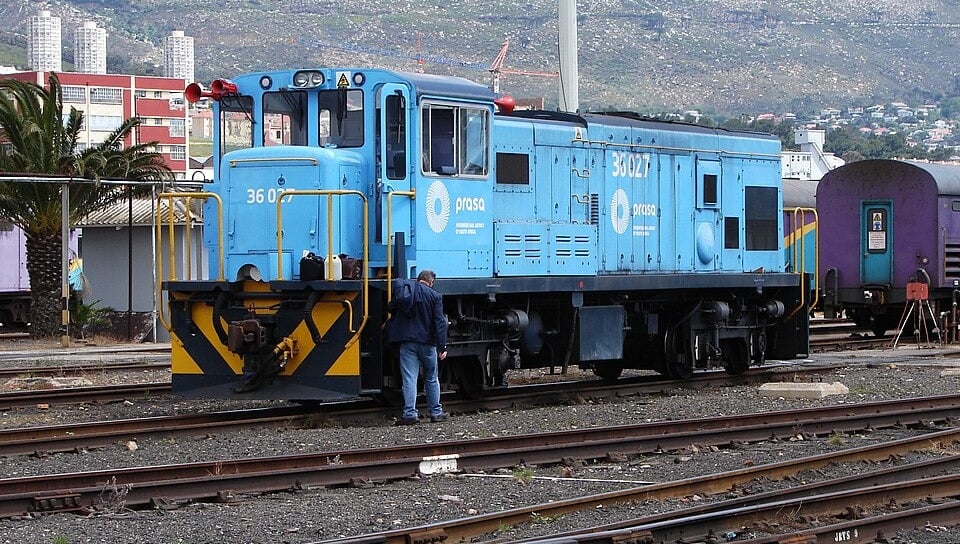
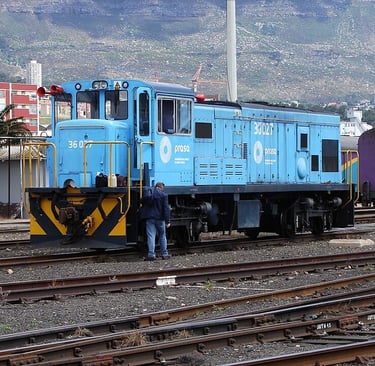
Transportation leverages HFFR for railways, airports, subways, and marine applications. In confined spaces like trains or ships, low smoke ensures passenger safety. South Africa's Passenger Rail Agency of South Africa (PRASA) systems benefit from HFFR in signalling and control cables, reducing hazards in tunnels. Airports like OR Tambo use them for runway lighting and communication, where fire could disrupt operations.
Healthcare and education facilities prioritise HFFR for control cables, equipment power cords, and medical device wiring. In hospitals, non-toxic emissions protect vulnerable patients; schools in Cape Town employ them for safe electrical infrastructure, aligning with child safety protocols.
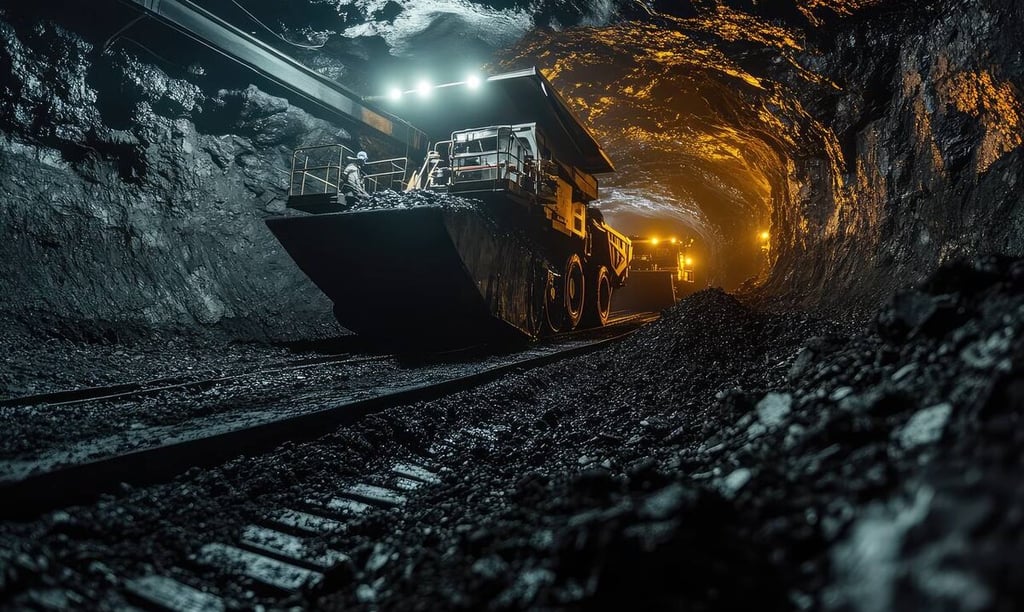
Industrial and mining sectors, pivotal to South Africa's economy, rely on HFFR for motor wires, instrumentation, and power transmission in abrasive environments. In power plants and chemical facilities, they withstand chemicals and heat; in mines, HFFR's durability combats dust and moisture. A notable case study involves N2XBH cables in South African mining operations, where HFFR insulation enhances fire resistance in underground power distribution. These cables endure mechanical stress and moisture, reducing fire risks in confined shafts. Post-implementation reviews highlight improved safety, with no reported fire propagations, complying with SABS standards and boosting productivity by minimising outages.
Data and telecommunications use HFFR in LAN cables and data centres to prevent fire-induced downtime. In South Africa's growing IT hubs, they safeguard servers and networks, ensuring data integrity amid power fluctuations.
For a South African-specific example, consider the Gautrain rapid rail link, though direct HFFR documentation is limited, analogous projects like PRASA upgrades incorporate HFFR in tunnels and stations for enhanced fire safety. In mining, as per studies, HFFR has reduced smoke hazards, improving emergency response times by 20-30% in simulated incidents, underscoring its role in national infrastructure.
Future Developments and Innovations in HFFR Technology
The horizon for Halogen Free Flame Retardant (HFFR) technology is bright, with innovations poised to elevate performance and sustainability.
Emerging materials include nanofillers like graphene or clay nanocomposites, which enhance flame retardancy at lower loadings, improving mechanical strength without viscosity issues. Bio-based polymers, derived from renewable sources, are gaining ground for greener formulations, reducing fossil fuel dependency.
Technological advances encompass hybrid compounds blending ATH with phosphorus-based synergists for superior LOI values (>40%). Smart integration, such as IoT sensors embedded in cables for real-time health monitoring, could predict failures and enhance predictive maintenance. Improved extrusion processes, like supercritical fluid-assisted mixing, allow higher filler loads while maintaining processability.
From a South African perspective, local R&D is burgeoning. Collaborations with institutions like the University of Pretoria focus on HFFR tailored to African climates, incorporating UV-resistant additives for arid conditions. Under the Industrial Policy Action Plan, green manufacturing initiatives promote ATO-free alternatives, as seen in global trends towards PFAS phase-outs. This could spur domestic production, creating jobs and exporting expertise to the continent, aligning with sustainability goals.
Frequently Asked Questions (FAQ)
What makes HFFR cables safer than PVC ones?
HFFR cables don't release toxic gases or corrosive acids during fires, unlike PVC, which produces HCl. This maintains visibility and breathable air, crucial for evacuations in South African buildings.
Are HFFR cables more expensive?
Initial costs are higher due to specialised materials, but long-term savings arise from durability, reduced fire risks, and lower maintenance, often offsetting premiums in insurance and lifecycle assessments.
How do HFFR cables perform in South Africa's hot and dry conditions?
With UV-resistant and thermal-stable formulations, they excel in arid environments like the Karoo or mining sites, maintaining integrity against heat and dust, as evidenced in local mining applications.
Can HFFR be used in outdoor cables?
Yes, with weatherproofing additives for UV and moisture resistance, though they're primarily optimised for indoor or protected settings like conduits.
What regulations apply in South Africa?
HFFR cables must meet SABS standards, including SANS 0198 for flame retardancy and LSZH requirements, ensuring compliance in public and industrial installations.
Is recycling HFFR materials possible?
Absolutely; their halogen-free composition facilitates easier recycling, supporting South Africa's circular economy under environmental policies.
Conclusion
In summary, Halogen Free Flame Retardant (HFFR) materials are transforming cable safety by offering robust flame resistance, environmental benefits, and versatile applications across construction, transportation, healthcare, industry, and more. In South Africa, they address unique challenges like urban fires and mining hazards, complying with SABS standards for a resilient future.
We urge South African industries to embrace HFFR cables, not just for compliance but to foster a safer, sustainable society. As innovations unfold, HFFR will play a pivotal role in building a greener tomorrow.
Feichun technical engineers have vast experience of designing, manufacturing and testing halogen free flame retardant cable, and our cables are Quality Assured through testing in our Cable Laboratory to confirm they are capable of meeting the performance demands of installations and applications.
Email Address: Li.wang@feichuncables.com
© 2025. All rights reserved.


One-click to Quickly Contact
Products
Contact
Company
Location:
Building A Private Science and Technology Park, Hefei Economic and Technological Development Zone, Anhui Province, China
Heat Resistant Cable
WhatsApp: +86 17333223430
Social Media: