Anhui Feichun Special Cable Co.,Ltd Email: Li.wang@feichuncables.com
Heavy-Duty Mining Power: Exploring BS 6708 Type 630 & 631 Cables in South Africa
Discover why BS 6708 Type 630 and Type 631 medium-voltage mining cables are the backbone of South African mining operations. Learn about their construction, electrical performance, applications, and expert selection tips for heavy-duty equipment.
Li Wang
12/18/20256 min read
Why BS 6708 Type 630 & 631 Matter in Modern Mining
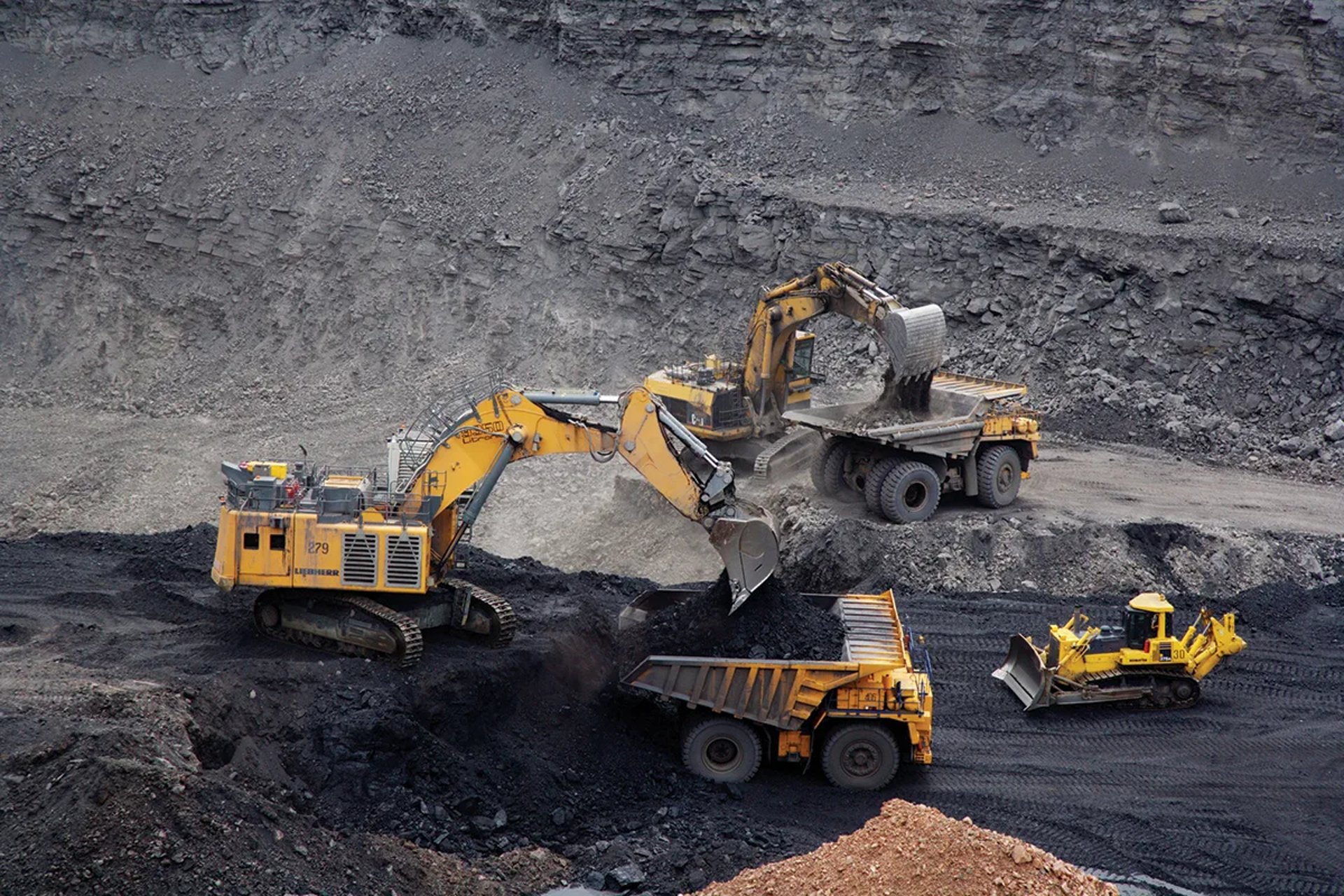
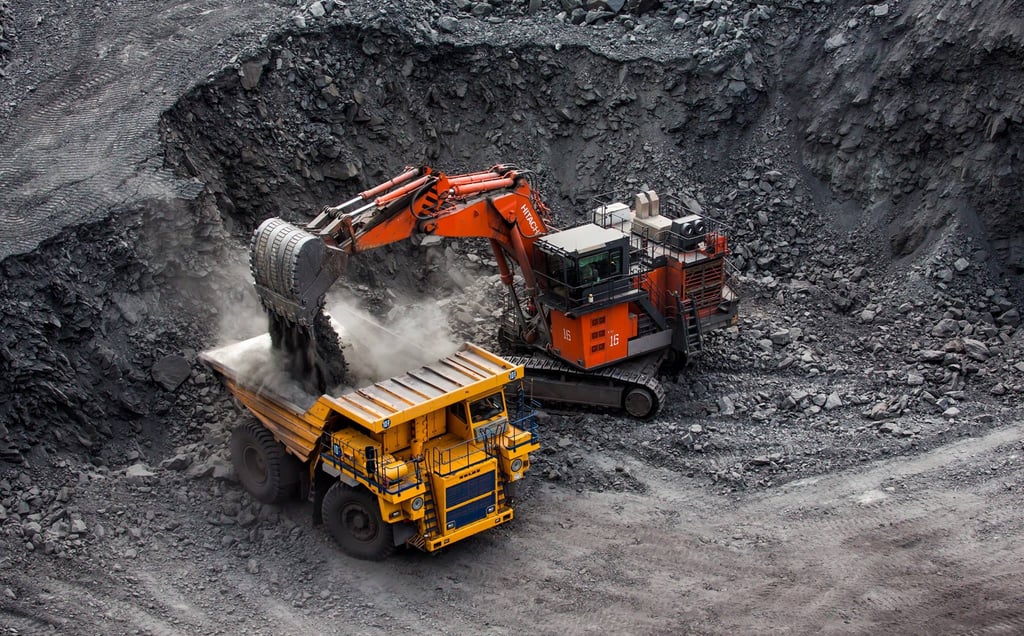
South Africa’s mining industry is a powerhouse of mineral production, encompassing gold, platinum, iron ore, and coal. These operations demand reliable and durable power distribution systems capable of withstanding extreme conditions. In the realm of medium-voltage mobile equipment, the BS 6708 Type 630 and Type 631 cables have emerged as indispensable components.
Operating environments vary from deep, confined underground tunnels in gold mines to expansive opencast pits for iron ore and copper. Heavy-duty equipment such as excavators, crushers, mobile processing units, and loaders rely on robust power supply lines. Here, the importance of cables that can endure mechanical stress, moisture, vibration, and chemical exposure cannot be overstated.
Despite the widespread adoption of SANS-aligned specifications, BS 6708 remains a relevant and respected standard, particularly for mining sites seeking flexible yet mechanically robust medium-voltage cables. Type 630 and 631 are regarded as the workhorses of heavy-duty mobile equipment—trusted, field-proven, and engineered to meet South Africa’s unique mining challenges.
Understanding BS 6708 as a Mining Cable Standard
The British Standard BS 6708 has long been recognized as a benchmark for flexible, armoured mining cables. Its scope encompasses medium-voltage cables designed to tolerate continuous movement, bending, torsion, and harsh environmental conditions typical of mining operations.
Key attributes of BS 6708 cables include:
Voltage Class: Medium-voltage operation, typically 3.8/6.6 kV, sufficient for mobile mining equipment.
Mechanical Performance: Cables are designed to resist crushing, impact, and abrasion, with high tensile strength to withstand frequent movement.
Flexibility: Electrolytic copper conductors and EPR insulation provide the flexibility necessary for trailing and reeling applications.
In South African mines, BS 6708 cables are widely accepted, often complementing local SANS 1520 standards. Their adoption is particularly prevalent in heavy-duty mobile equipment, where the combination of flexibility, mechanical protection, and electrical reliability is critical.
Type 630 vs Type 631: Key Design Differences at a Glance
While both Type 630 and 631 share a common design philosophy, the key distinction lies in their screening configuration:
Type 630: Features a fully screened earth (ground) conductor.
Type 631: Does not screen the ground conductor, relying instead on alternative protection and monitoring arrangements.
This difference has practical implications:
Fault Detection: Screening allows for improved earth fault detection, which is critical for operational safety.
Electromagnetic Interference (EMI): A screened earth reduces EMI, ensuring more accurate monitoring and minimal interference with sensitive equipment.
Equipment Selection: Mines with heavy-duty, high-vibration equipment and stringent fault monitoring often prefer Type 631 for its design suited to enhanced operational reliability.
In practice, South African engineers often choose based on a combination of equipment type, fault detection requirements, and maintenance strategy.
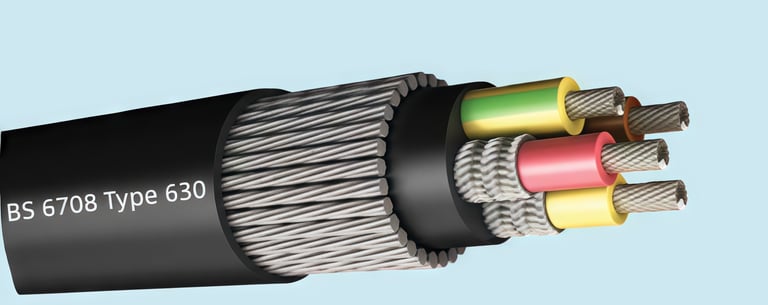
Cable Construction Breakdown: Built Layer by Layer for Harsh Conditions
Understanding the construction of these cables helps explain their durability and reliability.
Conductor Design
The conductors in both Type 630 and 631 are electrolytic, stranded, tinned copper, meeting IEC 60228 Class 5 requirements for flexibility.
Stranding: Fine strands allow repeated bending without breaking.
Tinning: Protects against corrosion in humid or chemically aggressive mine environments, common in South African platinum and gold mines.
Flexibility: Ensures smooth operation in trailing or reeling systems.
Insulation System
The insulation is EPR (Ethylene Propylene Rubber):
Electrical Stability: Maintains dielectric integrity under high voltage.
Thermal Endurance: Performs reliably under continuous load and heat generated by heavy-duty equipment.
Flexibility: Allows for frequent bending and reeling without cracking or degradation.
Insulation thickness is consistent across conductor sizes, ensuring uniform electrical performance.
Screening System
Phase cores are covered with a tinned copper or nylon braided screen.
Functionality: Detects earth faults, minimizes EMI, and stabilizes voltage distribution.
Type 630 vs Type 631: The ground core is screened in Type 630 but not in Type 631, influencing protection strategies and monitoring arrangements.
Core Assembly and Lay-Up
All cores are laid in contact, achieving:
Compact Design: Reduces overall cable diameter.
Mechanical Balance: Improves performance under bending, torsion, and repetitive movement.
Bedding and Armouring
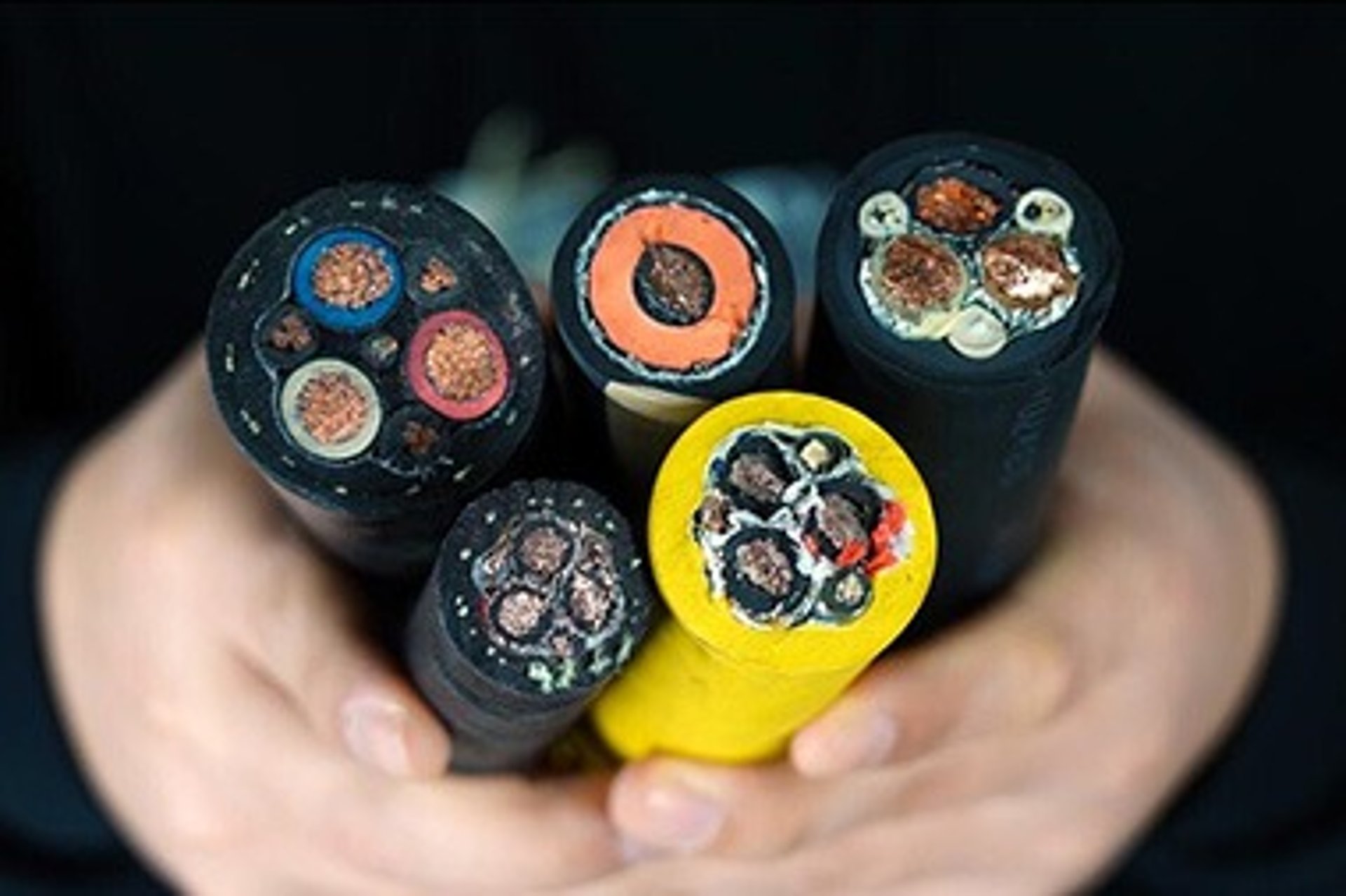
The cables include rubber-based bedding and galvanised steel pliable armour:
Bedding: Cushions cores and prevents internal movement.
Armour: Provides resistance against impact, crushing, and tensile stress.
Practical Benefit: Enables operation in environments such as opencast crushing plants or underground drifts where mechanical damage risk is high.
Outer Sheath
The chloroprene (CR) outer sheath adds:
Oil, Grease, and Abrasion Resistance: Protects against chemical exposure from mining equipment.
Weather and Ozone Resistance: Suitable for surface applications, exposed to sunlight and harsh weather.
Durability: Ideal for both underground and open-cast operations.
Electrical Characteristics and Performance Parameters
Rated and Test Voltages
Rated Voltage: 3.8/6.6 kV
Test Voltage: Up to 15 kV for safety margins
Mining Implication: Ensures reliability under electrical surges and temporary overvoltages.
Current Carrying Capacity
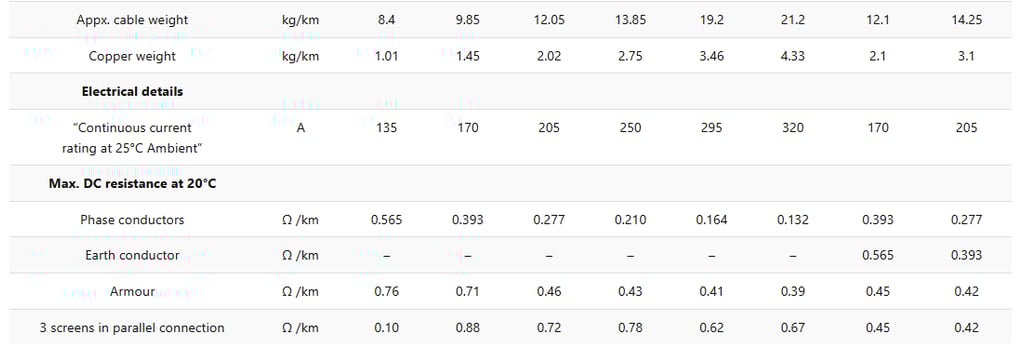
Continuous current ratings at 25°C ambient vary according to conductor size, for example:
3×35 mm²: 135 A
3×150 mm²: 320 A
Derating Factors: In South African climates, ambient temperatures may necessitate derating to ensure safe operation and prevent insulation degradation.
DC Resistance and Losses
Phase Conductors: Low resistance to minimize voltage drop.
Earth Conductor (Type 631): Essential for grounding and safety.
Armour and Screens: Provide additional parallel earth paths, influencing fault detection and protective relay coordination.
Dimensional and Mechanical Considerations
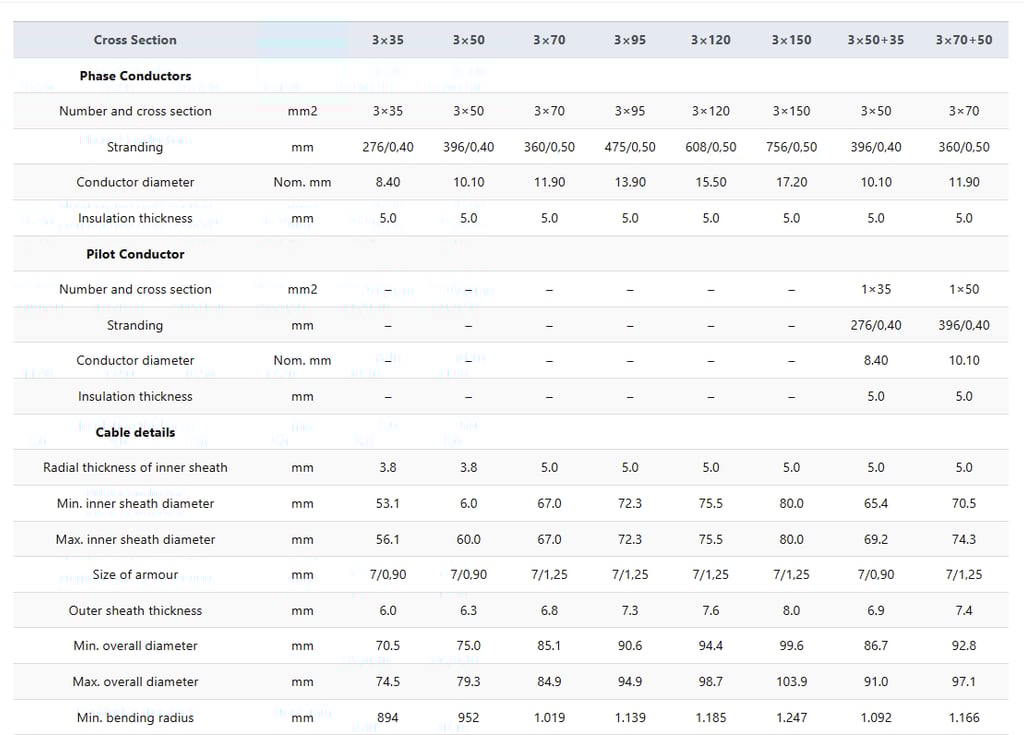
Diameter Range: 70–104 mm depending on size
Weight: 8–21 kg/m, impacting handling and installation
Bending Radius: Minimum 894–1247 mm, essential for routing around equipment and reeling applications
Proper consideration ensures smooth installation and reduced mechanical stress, critical in confined mine tunnels or mobile equipment layouts.
Typical Applications in South African Mining Operations
BS 6708 Type 630 and 631 cables power:
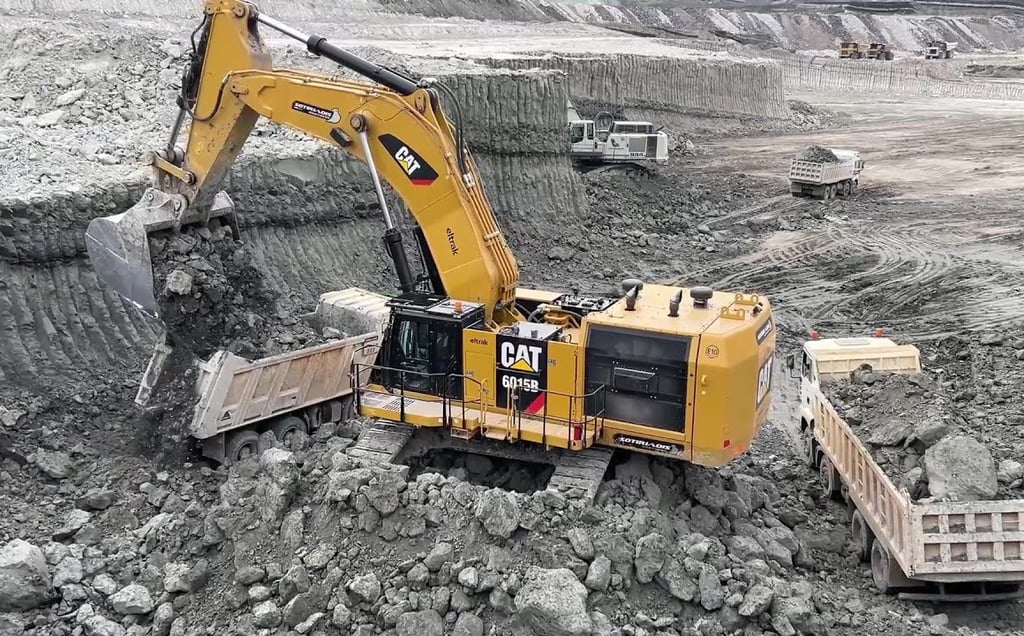
Excavators and Loaders: Trailing power supply for continuous operation
Crushers and Screens: Heavy-duty mobile units requiring robust cables
Mobile Processing Plants: Flexibility for constant movement and vibration
These applications span both surface and underground mines, including platinum operations in Limpopo and iron ore mines in the Northern Cape.
Installation, Handling, and Operational Best Practices
Storage: Avoid sharp bends and maintain proper drum support.
Installation: Monitor tension and bending during unspooling.
Termination: Correctly connect and earth cables to ensure full safety compliance.
Inspection: Regularly monitor for abrasion, insulation wear, and armouring integrity.
Proper handling reduces premature failures, ensuring long-term reliability in challenging South African mining environments.
Compliance, Safety, and Engineering Considerations
Type 630 and 631 cables integrate seamlessly with:
Protection Relays: Earth fault and overcurrent detection systems
Mine Safety Regulations: SANS 10087 and site-specific risk assessments
Operational Risk Reduction: Screening enhances detection and fault isolation, critical in preventing equipment damage or operational interruptions
Screened cables, such as Type 630, mitigate electromagnetic interference, essential in mines with sensitive monitoring or automation equipment.
Frequently Asked Questions (FAQ)
Q1: What is the main difference between Type 630 and Type 631 cables?
Answer: Type 630 has a screened earth conductor, improving fault detection and EMI suppression, whereas Type 631 does not, focusing on mechanical endurance.
Q2: Are BS 6708 Type 630/631 cables suitable for South African mines?
Answer: Yes. Both types are widely used and compatible with local engineering and safety standards.
Q3: Can these cables handle continuous movement and vibration?
Answer: Absolutely. Class 5 conductors, EPR insulation, and pliable armour make them ideal for mobile mining equipment.
Q4: Why is EPR insulation preferred for 6.6 kV mining applications?
Answer: EPR provides thermal stability, resistance to ageing, and high dielectric strength, ensuring reliable medium-voltage performance.
Q5: How does armour resistance affect earth fault performance?
Answer: Armour can provide a parallel earth path. Understanding its resistance helps calibrate protection systems and ensure timely fault clearance.
Selection Guide: Choosing Between Type 630 and Type 631
Considerations for proper selection:
Equipment Type: Reeling or trailing, heavy vibration vs stationary units
Fault Detection: Enhanced monitoring may favor Type 630
Mine Safety Policy: Regulatory compliance and risk assessments
Maintenance and Lifecycle Costs: Type 631 may reduce inspection complexity, Type 630 may lower fault-related downtime
Engineering judgment combined with operational data ensures the best choice for the mine’s specific conditions.
Conclusion
BS 6708 Type 630 and 631 cables exemplify reliability, flexibility, and mechanical resilience. Whether supplying mobile crushers in Limpopo or underground loaders in the Northern Cape, these cables withstand vibration, mechanical stress, and environmental exposure.
By understanding their construction, electrical performance, and practical applications, mining engineers can make informed decisions that enhance operational safety, reduce downtime, and maximize lifecycle value.
In South African mining, selecting the correct cable type, coupled with proper installation and maintenance, transforms medium-voltage cables from passive components into vital enablers of productivity and safety.
Contact Anhui Feichun Special Cable Co., Ltd.
For comprehensive technical specifications and quotations, please contact our specialized mining cable engineering team:
Technical Engineering Support:
Sales Engineering Department:
WhatsApp Contact:
Manufacturer: Anhui Feichun Special Cable Co., Ltd. (安徽飞纯特种电缆有限公司)
Manufacturing Headquarters: Building A, Private Science and Technology Park, Hefei Economic and Technological Development Zone, Anhui Province, People’s Republic of China
+86 17333223430
Email Address: Li.wang@feichuncables.com
© 2025. All rights reserved.

One-click to Quickly Contact
Products
Contact
Company
Location:
Building A Private Science and Technology Park, Hefei Economic and Technological Development Zone, Anhui Province, China
Heat Resistant Cable
WhatsApp: +86 17333223430
Social Media: