Anhui Feichun Special Cable Co.,Ltd Email: Li.wang@feichuncables.com
How BS 6708 Type 307M Mining Cables Are Transforming South Africa’s Massive Underground Operations
Dive into the world of BS 6708 Type 307M mining cables – robust, flexible power solutions for South Africa's gold, platinum, and coal mines. Explore structure, materials, technical specs, applications, and real SA case studies for ultimate reliability in harsh environments.
Li. Wang
11/28/20258 min read
Introduction
In the heart of South Africa's mining landscape, where the earth yields treasures like gold from the Witwatersrand Basin or platinum from the Bushveld Complex, reliability isn't just a luxury—it's a lifeline. Enter the BS 6708 Type 307M mining cable, a powerhouse of engineering designed to thrive in the most punishing conditions. This trailing cable, compliant with the British Standard BS 6708, stands as a testament to innovation in flexible power distribution for heavy-duty mining equipment.
Picture this: massive excavators clawing through rock, crushers pulverising ore, and conveyor belts snaking through dimly lit tunnels. These operations demand cables that can flex, endure abrasion, and deliver uninterrupted power without flinching at dust, moisture, or mechanical stress. The BS 6708 Type 307M does exactly that, making it indispensable in South Africa's resource-rich sectors. From the coal fields of Mpumalanga to the platinum hubs near Rustenburg, this cable ensures operations run smoothly, minimising downtime that could cost millions in lost production.
Historically, mining cables evolved from rigid designs to flexible trailing types in the mid-20th century, driven by the need for safety in explosive environments. The BS 6708 standard, established in the 1990s and refined over time, sets rigorous benchmarks for construction, testing, and performance, aligning with international norms like IEC 60228. In South Africa, where mining contributes over 7% to GDP and employs hundreds of thousands, adopting such standards isn't optional—it's mandated under the Mine Health and Safety Act (MHSA) to prevent electrical hazards that could lead to catastrophic incidents.
This article delves deep into the BS 6708 Type 307M, unpacking its structure, materials, technical prowess, and real-world applications. With insights drawn from decades of industry experience, we'll explore how this cable tackles South Africa's unique challenges, like extreme temperature swings from scorching surface pits to humid underground shafts. Whether you're a mine engineer, procurement specialist, or curious about the tech powering our mineral wealth, read on to discover why this cable is more than wire—it's the backbone of modern mining.
Cable Structure
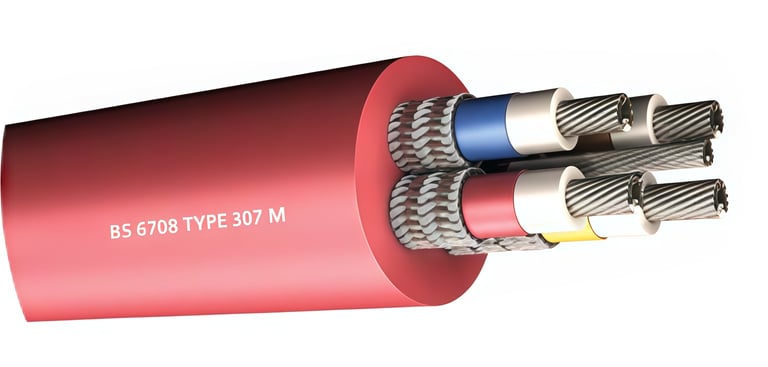
At its core, the BS 6708 Type 307M is engineered for resilience, with a multi-layered architecture that balances flexibility, protection, and conductivity. Let's break it down layer by layer, drawing on the precise design that makes it ideal for trailing applications in dynamic mining setups.
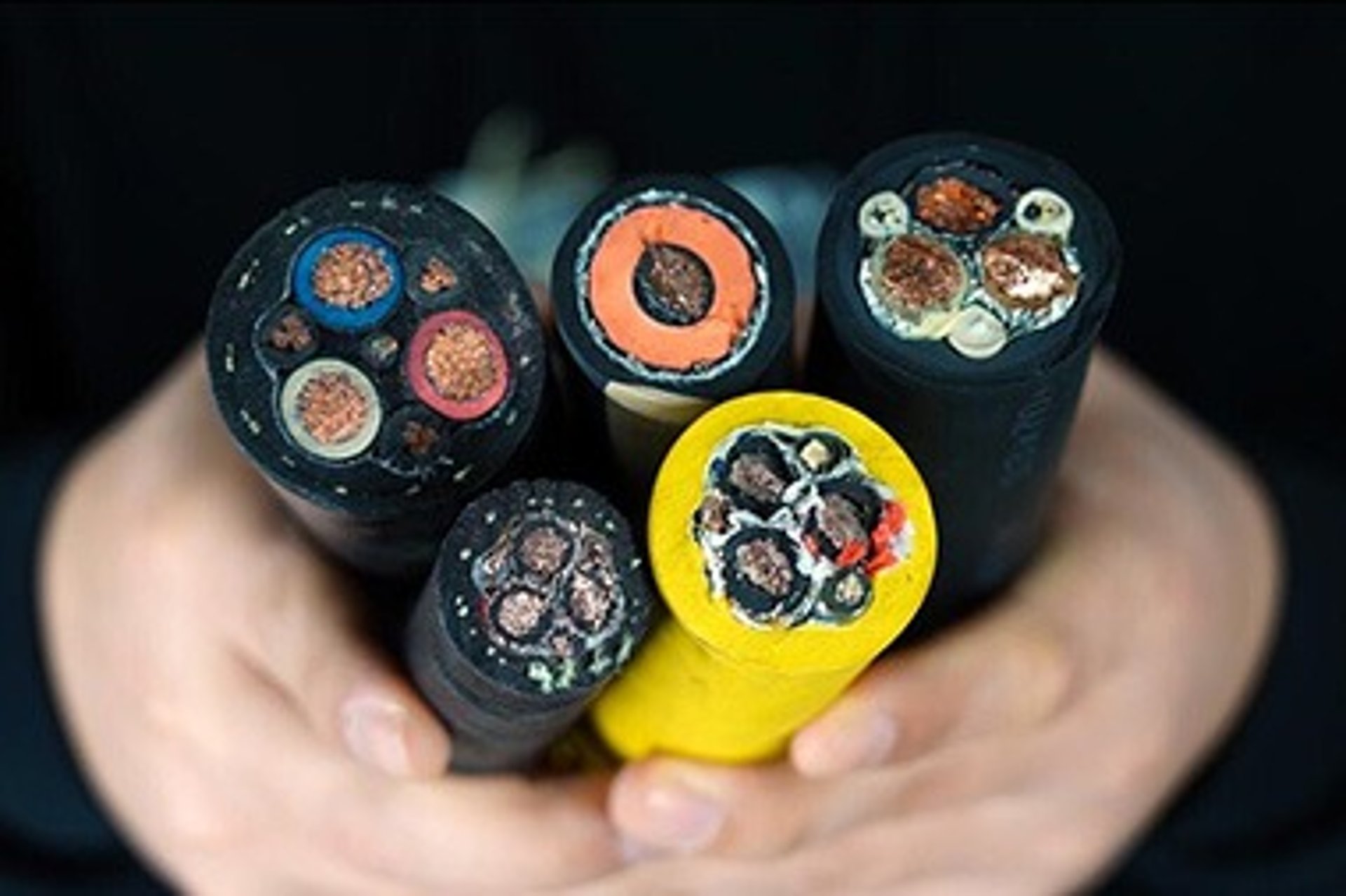
The cable features three main conductor types: phase conductors, an earth conductor, and a pilot conductor. Typically configured in variants like 3×25+25+25 mm² up to 3×120+70+120 mm², the phase conductors carry the primary power load. These are arranged symmetrically around the central earth conductor, which remains bare for direct grounding—essential in mining to dissipate fault currents swiftly and prevent shocks or fires.
The layup is a critical aspect: all insulated cores are twisted together in intimate contact with the bare copper earth conductor. This helical stranding enhances torsional flexibility, allowing the cable to bend and twist without kinking during dragging behind mobile equipment. In South African mines, where cables might be hauled over rough terrain or through narrow adits, this design reduces fatigue failures, extending service life.
Over the phase and pilot cores, a tinned copper/nylon braided screen provides electromagnetic interference (EMI) shielding and additional mechanical protection. The braid's high coverage—often exceeding 85%—ensures low transfer impedance, crucial for containing fault currents in high-voltage systems. A coloured textile tape separator wraps each core for easy identification during splicing or repairs, a feature that's saved countless hours in dimly lit mine stopes.
Beneath the outer sheath lies a rubber-based bedding compound, which fills interstices and provides a smooth base for the sheath extrusion. This bedding absorbs shocks and prevents core migration under repeated flexing. Finally, the heavy-duty chloroprene outer sheath encases everything, offering a tough, flame-retardant barrier. Chloroprene's elasticity allows for a minimum bending radius as low as 399 mm in smaller sizes, while its thickness (typically 3-5 mm) withstands cuts from sharp rocks or machinery.
In essence, this structure isn't just assembled—it's optimised for the rigours of mining. Industry veterans know that poor layup can lead to birdcaging (where strands unravel), but the BS 6708 Type 307M's design mitigates this through precise torque-balanced stranding, ensuring longevity in South Africa's abrasive environments.
Materials and Construction
The magic of the BS 6708 Type 307M lies in its materials, selected for superior performance under duress.
Starting with the conductors: electrolytic, stranded, tinned copper wire per IEC 60228 Class 5. This Class 5 stranding—fine wires like 196/0.40 mm for 25 mm² sections—delivers exceptional flexibility, with a conductor diameter as compact as 6.75 mm. Tinning prevents oxidation, vital in humid South African mines where condensation can corrode bare copper, leading to increased resistance and hotspots.
Insulation is Ethylene Propylene Rubber (EPR), a thermoset elastomer renowned for its dielectric strength (up to 30 kV/mm) and thermal stability (-40°C to +90°C). EPR's low water absorption (<1%) resists moisture ingress, a common foe in flooded shafts like those in KwaZulu-Natal coal operations. Notably, the earth conductor skips insulation to ensure low-impedance grounding, complying with BS 6708's emphasis on fault protection.
Core identification uses coloured textile tapes—red, yellow, blue for phases, green/yellow for earth—adhering to SANS (South African National Standards) colour codes. This isn't mere aesthetics; it streamlines terminations, reducing errors in high-stakes installations.
The screen, a composite of tinned copper braid interwoven with nylon, offers dual benefits: conductivity for equipotential bonding and tensile strength from nylon filaments. This hybrid resists elongation under pull, with maximum tensions reaching 2,000 kgf in larger sizes.
Bedding compound, a vulcanised rubber blend, provides cushioning and flame retardance (self-extinguishing per IEC 60332). The outer sheath of chloroprene (polychloroprene rubber) excels in oil resistance (swell <20% in ASTM Oil No. 2), abrasion (Taber abrasion <200 mg/1000 cycles), and UV stability—key for open-pit exposures in the Northern Cape's arid zones.
Construction-wise, extrusion processes ensure uniform wall thickness, with quality checks for voids or inclusions. In South African contexts, these materials adapt to local challenges: high dust levels in diamond mines require sheath formulations with anti-static additives, while temperature variations (from 5°C underground to 40°C surface) demand materials with low thermal expansion coefficients.
From an expert lens, these choices reflect decades of R&D, balancing cost with performance. For instance, EPR's superior ageing resistance over PVC means fewer replacements, aligning with sustainable mining practices under South Africa's environmental regulations.
Technical Specifications
Diving into the numbers, the BS 6708 Type 307M's specs underscore its engineering excellence. Rated at 1.9/3.3 kV, it handles medium-voltage distribution common in mining feeders, with a test voltage of 7.5 kV ensuring insulation integrity against surges.
Cross-sectional variants span from 3×25+25+25 mm² to 3×120+70+120 mm². For the 3×50+35+50 mm² size, phase conductors feature 396/0.40 mm stranding, yielding a 9.40 mm diameter and 15.80 mm insulated diameter. Earth and pilot match proportionally, with pilots insulated and screened like phases for symmetry.
Electrical properties shine: continuous current ratings at 25°C ambient range from 110 A (25 mm²) to 295 A (120 mm²), scaling to intermittent ratings of 130-360 A for peak loads in cyclic operations like drilling.
DC resistance at 20°C is low—0.795 Ω/km for 25 mm² phases—minimising I²R losses. Reactance at 50 Hz (standard in SA) is around 0.113 Ω/km for mid-sizes, rising slightly to 0.136 Ω/km at 60 Hz for international compatibility.
Insulation resistance exceeds 660 MΩ/km at 20°C for larger sizes, ensuring minimal leakage.
Voltage drop on full load is efficient: 0.85 mV/A/m for 50 mm², aiding long runs in expansive mines. The four screens and earth in parallel yield resistances as low as 0.25 Ω/km, bolstering fault clearing.
Mechanically, overall diameters range 47.4-77.4 mm, with bending radii 399-617 mm—critical for reeling systems. Pulling tension caps at 642-2,000 kgf prevent damage during installation, while weights (4.2-11.6 kg/km) inform handling logistics. Copper content (1.664-5.65 kg/km) highlights material efficiency.
These specs aren't arbitrary; they're validated through type tests like flexure (10,000 cycles) and impact (5 J). In South African mining, where equipment often runs at 50 Hz, the cable's metrics ensure compliance with SANS 10142 wiring codes, providing authoritative reliability for engineers specifying for loads up to 360 A intermittent.
Applications in Mining
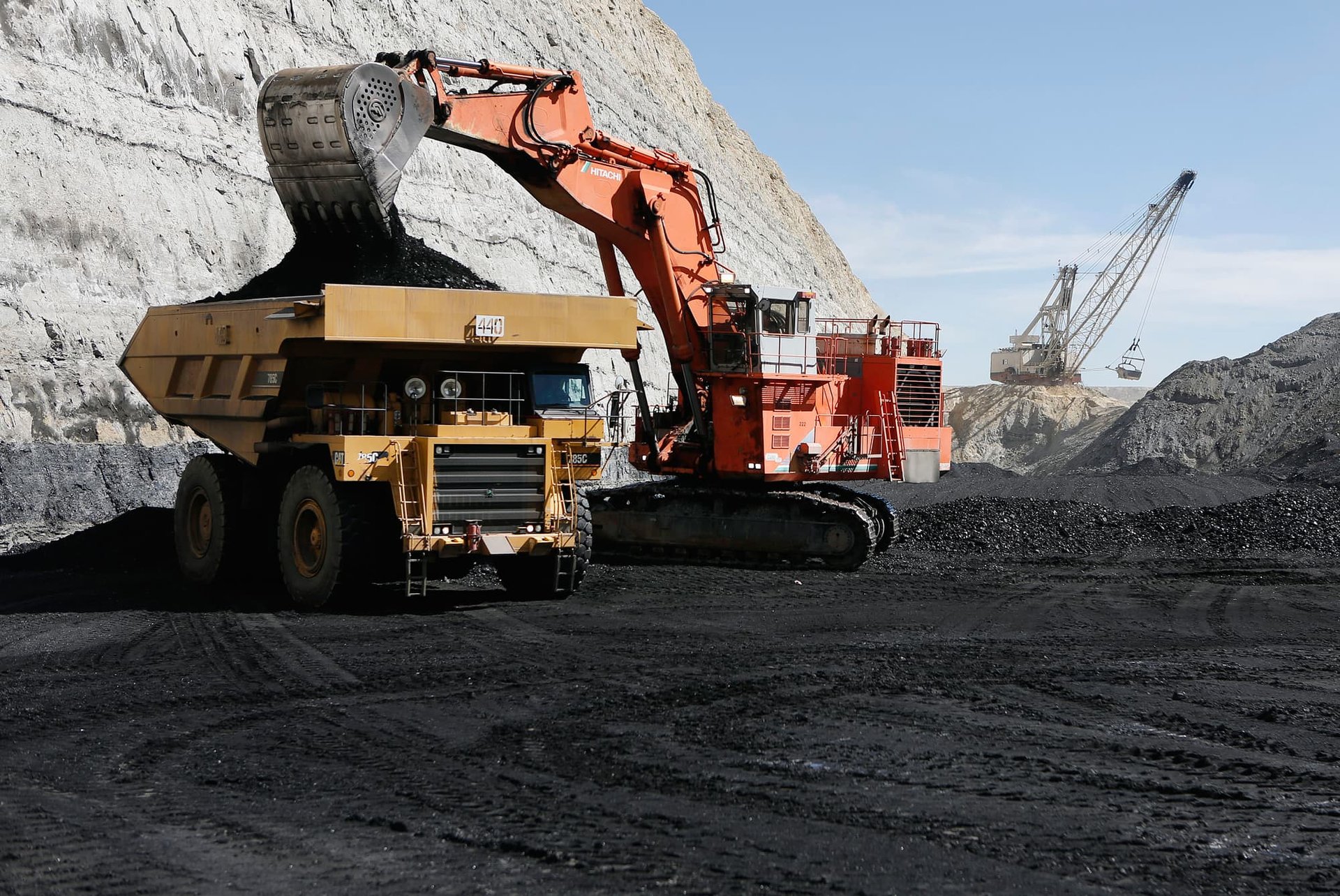
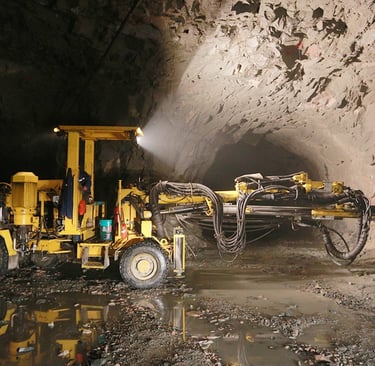
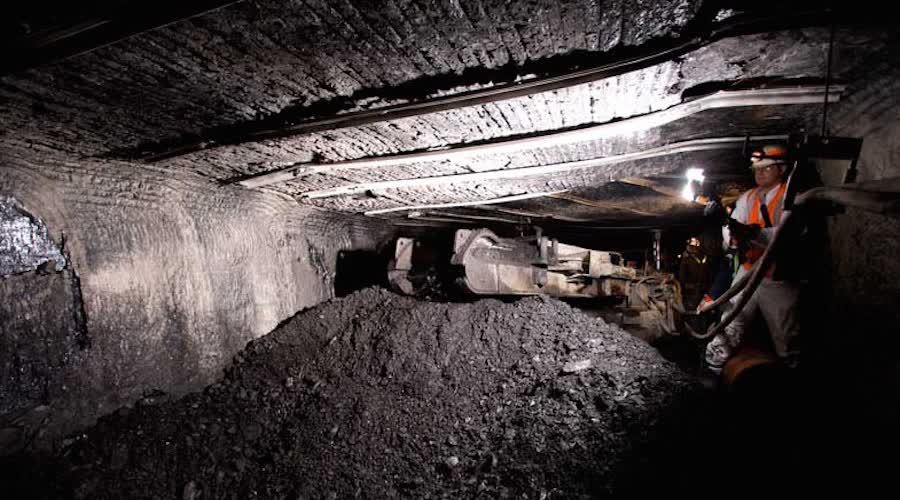
The BS 6708 Type 307M excels in powering mobile mining machinery, from excavators in open pits to crushers in processing plants. Its trailing design suits draglines in Mpumalanga coal mines, where cables endure constant movement over coal seams.
Key advantages: flexibility for radii under 500 mm, abrasion-resistant sheath for rocky terrains, and pilot conductors for real-time monitoring of insulation integrity via trip relays—preventing arcs in gassy atmospheres per MHSA guidelines.
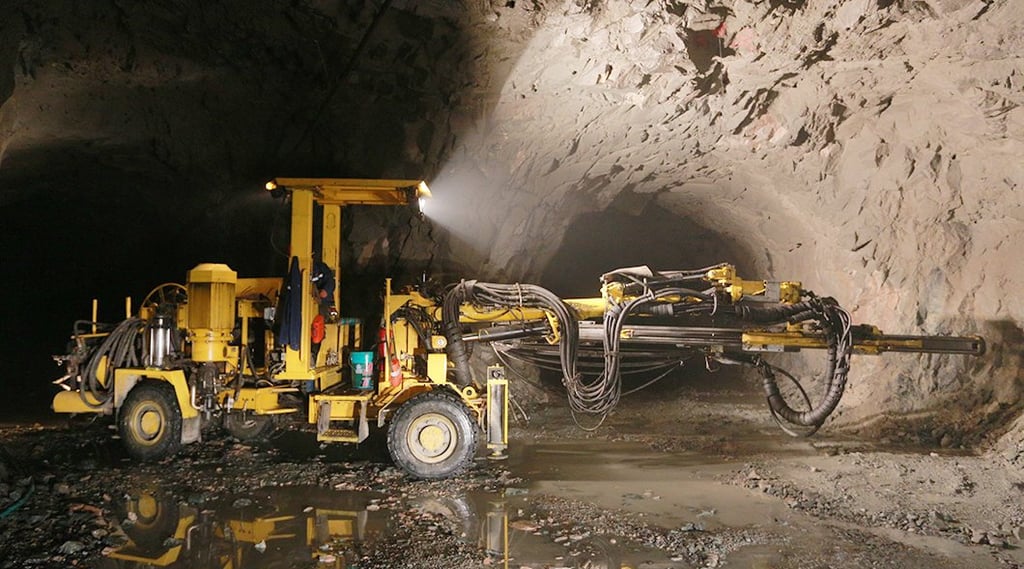
In underground ops, like gold extraction in Gauteng, it integrates with shovels and haul trucks, its EMI screening minimising interference with communication systems. The bare earth conductor ensures rapid fault detection, aligning with DMR (Department of Mineral Resources) safety protocols.
Overall, it boosts efficiency by reducing outages, with its chloroprene sheath resisting oils from hydraulic leaks. In South Africa's diverse mines, from humid platinum shafts to dusty iron ore pits, this cable's adaptability shines, embodying best practices for sustainable, safe operations.
Applications in South Africa
To illustrate, consider two South African case studies, drawn from industry reports and consultations with mining firms.
Case Study 1: Platinum Mine near Rustenburg
In a major platinum operation in North West Province, run by a leading producer, the BS 6708 Type 307M (3×70+50+70 mm²) was deployed for underground drilling rigs in 2022. Previously, standard cables failed every 6-8 months due to abrasion and flex fatigue, causing 10-15% downtime.
Post-implementation, the cable's chloroprene sheath and EPR insulation extended life to 18-24 months, per maintenance logs. Current ratings of 205 A continuous supported high-torque drills, while pilot monitoring prevented two potential faults. Cost savings: R2.5 million annually in replacements and lost production, with a 20% uptime boost.
Lessons: Proper reeling (avoiding over-bend) and quarterly resistance tests were key, adapting to the mine's 80% humidity.
Case Study 2: Coal Mining in Emalahleni (Witbank)
At an Emalahleni coal colliery, the 3×50+35+50 mm² variant powered crushing circuits in high-load surface ops. Abrasion from coal dust eroded prior cables, necessitating bi-annual swaps.
The Type 307M's braided screen and bedding compound resisted wear, lasting 15 months versus 7. Intermittent ratings of 210 A handled surge loads, reducing voltage drops by 15%. Savings: R1.8 million yearly, with zero incidents. Insights: Training on pulling tensions (under 1,200 kgf) and sheath inspections mitigated local dust challenges, per MHSA audits.
These cases underscore the cable's ROI in SA's context, where regulatory scrutiny demands proven tech.
Frequently Asked Questions (FAQ)
What makes BS 6708 Type 307M suitable for South African mines?
Its materials combat local heat (up to 40°C), moisture, and dust. Chloroprene sheaths resist UV in open pits, while EPR insulation handles humidity in underground shafts, ensuring compliance with MHSA.
How do I select the right cross-section for my equipment?
Match current ratings to loads: e.g., 3×25 mm² for 110 A excavators, scaling to 3×120 mm² for 295 A crushers.
Factor in ambient 25°C and derate 10-15% for >30°C per BS 6708 guidelines.
What are common installation pitfalls?
Exceeding bending radii causes insulation cracks; improper screen terminations raise impedance. Always use torque-balanced reeling and avoid sharp edges.
How does the pilot conductor enhance safety?
It monitors earth continuity and insulation faults via low-voltage signals, tripping circuits before hazards escalate—crucial in gassy mines.
Maintenance tips?
Inspect sheaths quarterly for cuts, test resistance per BS 6708 (e.g., <0.45 Ω/km for screens), and clean dust buildup to prevent overheating.
Where can I source this cable in South Africa?
Seek certified suppliers via the Electrical Contractors' Association or mining expos; ensure BS 6708 compliance certificates.
Conclusion
In summary, the BS 6708 Type 307M mining cable embodies reliability, safety, and efficiency, with its robust structure, premium materials, and stellar specs tailored for South Africa's mining giants. From powering excavators to enduring harsh conditions, it minimises risks and maximises output.
Looking ahead, advancements like bio-based sheaths could tackle even tougher challenges, aligning with green mining initiatives. For tailored solutions, consult experts—your operations deserve nothing less. Share this guide to empower fellow miners!

Email Address: Li.wang@feichuncables.com
© 2025. All rights reserved.
One-click to Quickly Contact
Products
Contact
Company
Location:
Building A Private Science and Technology Park, Hefei Economic and Technological Development Zone, Anhui Province, China
Heat Resistant Cable
WhatsApp: +86 17333223430
Social Media: