Anhui Feichun Special Cable Co.,Ltd Email: Li.wang@feichuncables.com
How FLEXIFESTOON® (N)GRDGCGÖU-J Flexible Festoon Cable Solves VFD Interference, Fatigue Failure & Extreme Weather Challenges in South African Industry
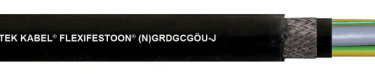
FLEXIFESTOON® (N)GRDGCGÖU‑J is a heavy‑duty flexible screened round festoon cable engineered to DIN VDE and IEC standards, designed to overcome the three most common problems facing operators in South Africa’s mining, port, and heavy engineering sectors: electromagnetic interference from variable frequency drives, mechanical fatigue and breakage, and rapid degradation caused by extreme heat, cold, UV radiation, and moisture. This guide explains its construction, material science, engineering principles, and why Feichun’s fully equivalent version offers identical performance with faster delivery and better value for projects across Southern Africa.
Li Wang
5/29/202618 min read
Introduction
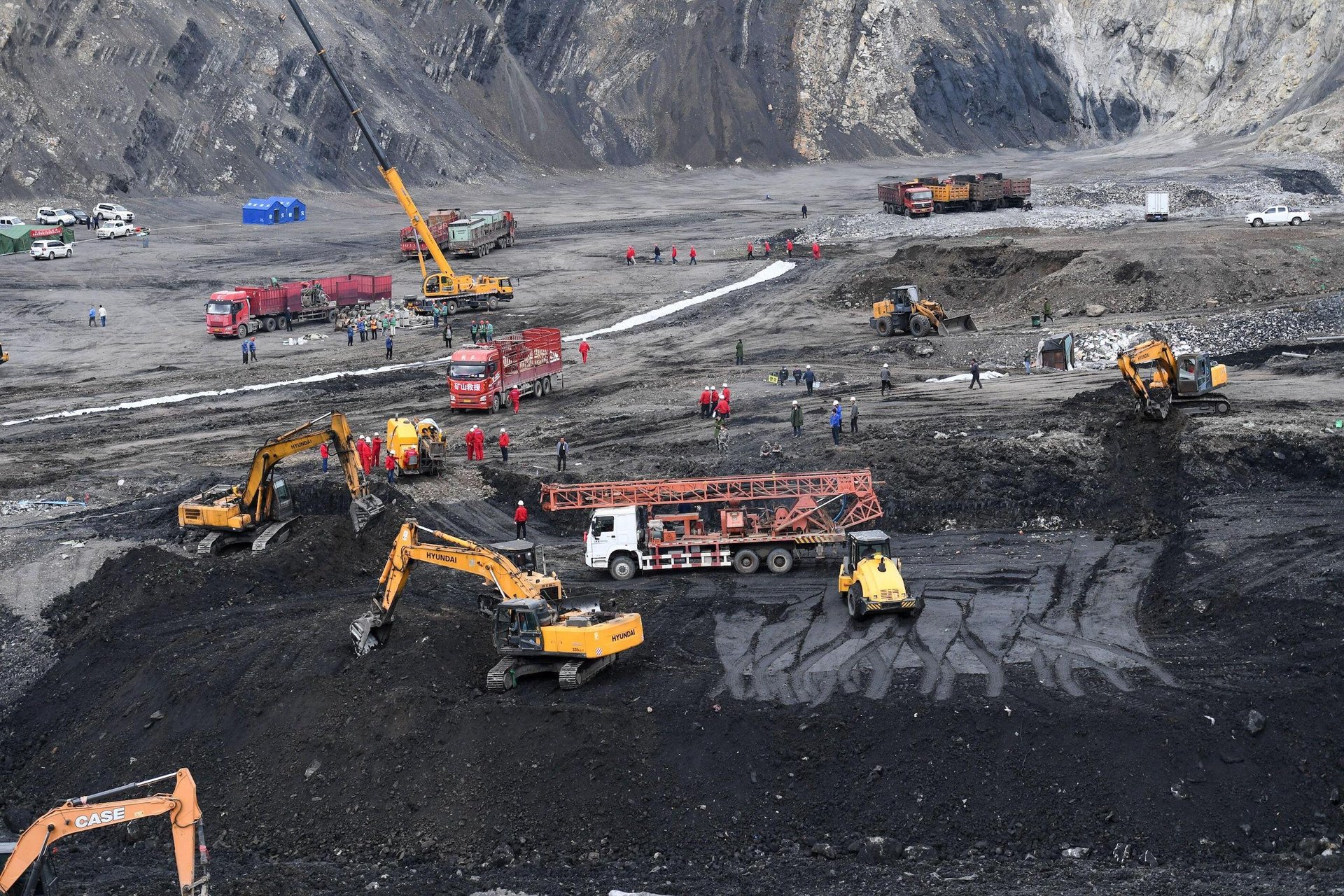
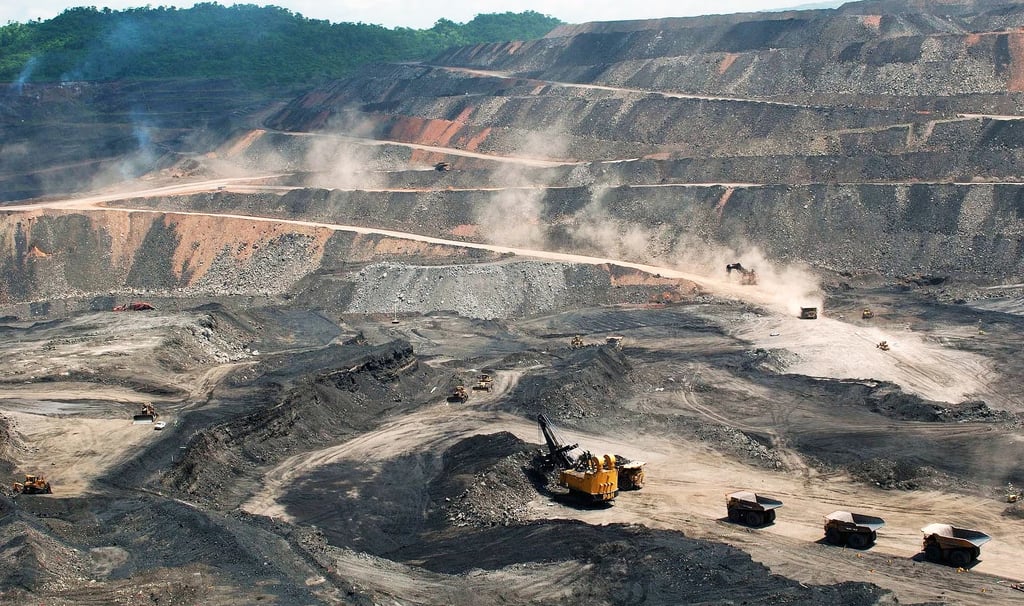
In South Africa, industrial operations take place in some of the harshest environments on the continent. From the arid, high‑altitude mines of Limpopo and Mpumalanga to the humid, salt‑laden atmosphere of Durban and Cape Town harbours, and the temperature extremes of the Highveld, equipment is subjected to conditions that far exceed the limits of standard industrial products. Nowhere is this truer than with festoon cables — the vital link that supplies power and control signals to moving machinery such as overhead cranes, container gantries, stacker‑reclaimers, and ship loaders.
For decades, maintenance and engineering teams have faced three persistent problems that lead to downtime, safety risks, and high replacement costs. First, the widespread use of variable frequency drives (VFDs) for speed control has introduced high levels of electromagnetic interference, causing erratic operation, signal loss, and even equipment damage. Second, the continuous bending, twisting, tension, and acceleration that festoon cables undergo leads to conductor breakage, insulation wear, and jacket cracking — often within 12 to 18 months. Third, exposure to intense sunlight, ozone, rain, and wide temperature swings causes ordinary cables to harden, become brittle, or swell, rendering them unsafe and unreliable.
FLEXIFESTOON® (N)GRDGCGÖU‑J was developed specifically to address these exact challenges. It is not a modified standard cable, but a purpose‑built solution designed from the conductor outwards to deliver reliable performance over a long service life, even under the most severe operating conditions found in Southern Africa. In this article, we will examine the engineering behind the design, the science of the materials used, how it compares to conventional alternatives, and why Feichun’s equivalent version has become the preferred choice for procurement managers and engineers seeking both quality and cost efficiency.
Understanding the Core Challenges in Southern African Industry
Before exploring how this cable solves these problems, it is important to understand exactly what causes them and why ordinary cables fail so quickly in this region.
VFD Interference and Signal Instability
Modern industrial machinery relies heavily on VFDs to control motor speed and torque, improving efficiency and precision. However, VFDs generate high‑frequency electrical noise that travels along power cables and radiates into the surrounding environment. In festoon systems, where power and control cables often run side‑by‑side or are combined in a single cable, this interference can disrupt low‑voltage control signals, sensor data, and communication lines.
In South African ports, for example, a container crane may stop unexpectedly or move erratically due to signal distortion, leading to delays in vessel turnaround times that cost operators thousands of Rands per hour. In mining operations, interference can cause incorrect positioning of stacker‑reclaimers, leading to material spillage and increased maintenance. Standard cables, which have no or only basic screening, are unable to block this noise. The result is unstable operation, frequent fault alarms, and in severe cases, damage to sensitive electronic components.
Mechanical Fatigue and Premature Breakage
Festoon cables operate under dynamic load. Unlike fixed wiring, they are constantly moving, bending around small radii, twisting as the machinery travels, and supporting their own weight as they hang in loops. Every time the cable bends, the copper conductors are stretched and compressed. In ordinary cables, which use solid or semi‑flexible conductors and rigid insulation materials, this repeated stress causes metal fatigue. Over time, the conductors become brittle and break, leading to open circuits or intermittent power supply.
In a coal mine near Witbank, for instance, standard rubber festoon cables traditionally needed replacement every 9 to 12 months due to broken cores. Additionally, the internal structure of ordinary cables is often loose, allowing cores to rub against each other or against the outer jacket during movement. This abrasion eventually wears through the insulation, causing short circuits and earth faults. The problem is made worse by high travel speeds — up to 240 metres per minute on modern equipment — which increases the forces acting on the cable significantly.
Degradation Due to Extreme Weather and Environmental Exposure
South Africa’s climate presents a unique combination of environmental stressors. Coastal areas experience high humidity, salt spray, and strong UV radiation. Inland regions face hot, dry summers with temperatures exceeding 40 °C, and freezing winters where temperatures drop below ‑10 °C. In addition, industrial sites are often dusty, oily, or exposed to chemical splashes.
Standard cables typically use PVC insulation and sheathing or basic rubber compounds. PVC becomes hard and brittle in cold weather and softens or melts in high heat. It offers no resistance to oil or chemicals and degrades rapidly under UV light — a cable that might last 10 years in Europe can fail in less than 2 years in the South African sun. Ordinary rubber compounds are attacked by ozone, which is present in higher concentrations in sunny climates, leading to surface cracking that allows moisture and contaminants to enter, accelerating corrosion and electrical failure.
Technical Specifications and Compliance Standards
FLEXIFESTOON® (N)GRDGCGÖU‑J is designed and tested to meet the strictest international standards, ensuring it is fit for purpose in every aspect of its performance. These specifications are the foundation of its ability to solve the challenges described above.
Electrical Parameters
The cable is rated for a nominal voltage of 0.6/1 kV, making it suitable for most medium‑voltage industrial applications. The maximum operating voltage is 0.7/1.2 kV for AC systems and 0.9/1.8 kV for DC systems, providing a safety margin for fluctuating supply conditions common in remote areas. Every length undergoes a factory AC voltage test at 3.5 kV to ensure insulation integrity.
Thermally, it is designed to operate continuously with a conductor temperature of up to +90 °C, allowing it to handle high current loads without overheating. Under short‑circuit conditions, it can withstand temperatures up to +250 °C for up to 5 seconds, meeting global safety requirements.
Temperature and Mechanical Ratings
One of the most important specifications for Southern Africa is the wide operating temperature range. For fixed installation, it performs reliably from ‑50 °C to +80 °C. When in dynamic use — moving and bending — it remains flexible and robust from ‑35 °C to +80 °C. This means it will not become stiff or crack in winter, nor will it soften or deform in summer.
Mechanically, the cable is engineered for movement. It has a static tensile strength of 15 N/mm² and a dynamic tensile strength of 30 N/mm² — twice that of standard cables — ensuring it can support its own weight and resist stretching or breaking under acceleration. It is rated for travel speeds up to 240 m/min, making it suitable for the fastest port and mining machinery. The minimum bending radius is 6 times the outer diameter when fixed and 10 times when moving, allowing installation in compact systems without damage.
Standards and Certifications
Every layer and material is specified according to recognised standards:
Conductors comply with IEC 60228 and DIN VDE 0295, specifying Class 5 flexible copper.
Insulation and sheathing materials meet DIN VDE 0207 and DIN VDE 0207‑21.
Flame retardancy is tested to DIN VDE 0482‑265‑2‑1, EN 50265‑2‑1, and IEC 60332‑1‑2, confirming it is self‑extinguishing and will not propagate fire — a critical safety requirement in mines and enclosed areas.
Oil resistance is certified to DIN VDE 0473‑811‑2‑1 and IEC 60811‑2‑1.
Weather and UV resistance meets DIN VDE 0250‑814, the industrial standard for permanent outdoor use.
Core colours follow DIN VDE 0293‑308 and HD 308 S2 for clear identification and safety.
The cable carries CE and RoHS marks, and additional certifications such as UL 600 V, MSHA for mining, GOST‑R, and WUG are available on request. These standards align fully with SABS requirements, ensuring acceptance by local authorities and engineering consultants across Southern Africa.
Available Configurations
The range includes a wide selection of core counts and cross‑sections to suit every application. Common variants include:
4‑core designs such as 4G4, 4G6, and 4G10 mm² for general‑purpose use.
5‑core versions like 5G10 and 5G16 mm² for combined power and control.
The specialised 3+3 construction: 3 power cores plus 3 earth cores, available from 3×16+3G2.5 up to 3×120+3G16 mm². This balanced design is unique to high‑performance festoon cables and is particularly effective in long‑travel applications.
Each size has defined outer diameter, weight, and breaking load, allowing engineers to select exactly the right cable for the mechanical and electrical load of their specific installation.
Construction, Material Science, and Engineering Principles
The true advantage of FLEXIFESTOON® (N)GRDGCGÖU‑J lies in its construction. Every layer is selected and designed based on material science and mechanical engineering principles to counter the failure modes found in standard cables. Below is a detailed breakdown from the inside out, explaining exactly how each component works and why it solves a specific problem.
Conductor: Class 5 Flexible Copper
At the heart of the cable is the conductor, made from high‑purity electrolytic copper conforming to IEC 60228 Class 5. Unlike Class 2 or 3 conductors used in ordinary cables, which consist of fewer, thicker strands, Class 5 is made of a large number of very fine wires stranded together with a short lay length.
From a material science perspective, this design distributes bending stress evenly across the entire cross‑section. When a cable bends, the outer edge stretches and the inner edge compresses. With fine strands, the strain on each individual wire remains well below the fatigue limit of copper, even after hundreds of thousands of bending cycles. In simple terms, this prevents the metal from becoming work‑hardened and breaking.
For environments where corrosion is a risk — such as coastal ports or underground mines — the copper can be tinned. Tin plating creates a protective barrier that prevents oxidation and chemical attack, maintaining low electrical resistance and mechanical integrity over decades. This directly solves the problem of conductor breakage, which is the most common reason for cable replacement in the region.
Insulation: Ethylene Propylene Rubber (EPR) Type 3G13
Surrounding each conductor is an insulation layer made from EPR rubber, specified as Type 3G13 according to DIN VDE 0207. EPR is a synthetic elastomer chosen specifically for its combination of electrical, thermal, and mechanical properties — properties that PVC and natural rubber simply cannot match.
Electrically, EPR has a high dielectric strength of over 20 kV/mm and very low capacitance and dielectric loss. This means it can handle high voltages and high‑frequency power from VFDs without heating up or breaking down, and it does not store electrical energy that can contribute to interference.
Thermally, EPR remains stable and elastic across a wide temperature range. It does not become brittle at low temperatures or soften at high temperatures. Its chemical structure is saturated, meaning it has no double bonds between carbon atoms. This makes it inert to ozone, UV radiation, oxygen, and most chemicals. In South Africa’s harsh climate, this is the difference between a cable that degrades in two years and one that lasts 10 or more.
Mechanically, EPR is highly elastic and tear‑resistant. It stretches and recovers without damage, absorbing the forces of movement and preventing cracks from forming. This insulation solves the problem of electrical breakdown caused by environmental degradation and mechanical wear.
Core Arrangement and Balanced Design
The way the cores are arranged inside the cable is another example of engineering solving a real‑world problem. Cores are coloured according to international standards: brown, black, grey, and green‑yellow for the protective earth, ensuring safe and consistent installation.
In the unique 3+3 configuration, three power cores and three earth cores are laid up together, with the earth cores placed in the interstices — the gaps between the larger power conductors. This creates a perfectly circular cross‑section and balances the weight and tension evenly around the centre axis.
This balanced construction follows the principle of symmetry in mechanical design. When the cable twists or bends, forces are distributed equally, eliminating the “corkscrew” or spiralling effect that causes tangling and premature wear in unbalanced cables. The short lay length used in stranding further increases flexibility and reduces torsion. This design is essential for long‑travel systems where cables must run smoothly over many metres without twisting.
Inner Sheath: EPR Type GM1b
Beneath the outer protection lies an inner sheath made from EPR rubber Type GM1b. This layer is often missing in standard cables, but it plays three vital roles.
First, it binds all the insulated cores together into a single, stable unit, preventing them from shifting, rubbing against each other, or becoming misaligned during movement. Internal abrasion is a major cause of insulation failure, and the inner sheath eliminates it entirely.
Second, it acts as a barrier between the cores and the metallic screen. Without this layer, the individual wires of the braid could pierce the insulation when the cable is compressed or bent, leading to short circuits.
Third, it maintains the round geometry of the cable under tension. A round cable moves more smoothly through festoon trolleys and clamps, reducing friction and wear on both the cable and the hardware.
Screening Layer: Tinned Copper Braid
This is the component that solves the problem of VFD interference. FLEXIFESTOON® (N)GRDGCGÖU‑J features a high‑coverage tinned copper braid screen, with coverage of at least 85 %.
In electrical engineering terms, this creates a Faraday cage around the conductors. A Faraday cage works on the principle that electrical charges and electromagnetic fields reside on the surface of a conductive enclosure. The screen reflects or absorbs external interference signals from VFDs, radios, or other equipment, preventing them from entering the cable and distorting the power or control signals inside. Equally importantly, it contains the noise generated inside the cable, preventing it from radiating out and affecting nearby sensitive equipment.
The use of tinned copper ensures the screen itself does not corrode, even in humid or salty environments, maintaining its shielding effectiveness for the life of the cable. Mechanically, the braid adds significant tensile strength and provides a continuous path for earth fault currents, enhancing safety. This screening performance meets EMC requirements essential for modern automated systems.
Outer Sheath: Chlorinated Polyethylene (PCP) Type 5GM3
Material science makes PCP the ideal choice. It is produced by chlorinating polyethylene, which modifies its structure to give it unique properties:
Oil and chemical resistance: It is virtually impervious to mineral oils, greases, diesel, hydraulic fluids, and most acids and alkalis. This is essential in workshops, mines, and steel mills where spills are common.
Weather and UV resistance: The material includes stabilisers that block UV radiation and inhibit ozone attack. It passes the 1,000‑hour UV exposure test without cracking or discolouration, unlike PVC which degrades rapidly.
Flame retardancy: It is self‑extinguishing. If exposed to fire, it will not continue to burn once the flame source is removed, complying with IEC 60332‑1‑2 and meeting strict mining safety regulations.
Mechanical toughness: It has high tensile strength, excellent tear resistance, and low abrasion loss. It resists cutting, crushing, and dragging damage.
PCP remains flexible and elastic from ‑50 °C to +80 °C. It does not harden in winter or soften in summer. This outer sheath directly addresses the problem of premature ageing and environmental degradation, drastically extending service life.
Performance Comparison: FLEXIFESTOON® vs Standard Cables
To fully understand the value of this cable, it is useful to compare it directly with the standard cables often used in festoon systems. The differences are not minor; they represent a fundamental shift in design philosophy from “fixed wiring” to “dynamic power transmission”.
Mechanical Performance
Standard cables typically use Class 2 or 3 conductors and rigid insulation. They are rated for perhaps 10,000 to 20,000 bending cycles before failure. FLEXIFESTOON® uses Class 5 conductors and elastic materials, achieving over 500,000 bending cycles — a 25‑fold increase in life expectancy.
Tensile strength is another key difference. Standard cables offer 5 to 8 N/mm², meaning they stretch significantly under load and can permanently elongate or break. With 15 N/mm² static and 30 N/mm² dynamic strength, this cable is engineered to carry its own weight and handle acceleration forces without damage. This eliminates the common maintenance task of shortening cables that have stretched and sagged.
Environmental Resistance
In side‑by‑side testing, standard PVC‑sheathed cables show significant cracking and loss of flexibility after 1,000 hours of UV exposure. Standard rubber compounds develop deep cracks due to ozone attack. FLEXIFESTOON® shows no visible change and retains its physical properties.
When immersed in oil, PVC swells and dissolves, while ordinary rubber absorbs oil and becomes soft and sticky. PCP sheathing shows negligible change in weight or dimensions, maintaining its integrity. In temperature testing, standard cables become brittle enough to snap by hand at ‑20 °C and deform under light pressure at +70 °C. This cable remains operational well beyond those limits.
Electrical and EMC Performance
Standard cables have no screen or only a thin aluminium foil layer that breaks easily during movement. Shielding effectiveness is poor or non‑existent. The tinned copper braid in this model provides over 60 dB of attenuation across the frequency range relevant to VFDs, effectively eliminating interference.
Insulation resistance is also higher and more stable with EPR compared to PVC, which absorbs moisture over time, leading to reduced resistance and increased risk of earth faults.
Service Life and Total Cost
The most important comparison for procurement and finance teams is service life. In Southern African conditions, a standard festoon cable typically lasts between 12 and 18 months. FLEXIFESTOON® routinely lasts between 5 and 10 years — a 4‑ to 6‑fold improvement.
While the initial purchase price is higher than a basic cable, the total cost of ownership is significantly lower. When factoring in the cost of the cable itself, labour for replacement, downtime costs, and production losses, the premium‑grade cable pays for itself many times over. In a port operation where downtime costs R50,000 per hour, avoiding just one unplanned replacement per year results in massive savings.
Feichun Equivalent: The Smart Alternative
For many years, industry professionals had to choose between paying a premium for European‑branded high‑performance cables or settling for inferior quality. Feichun Special Cable has changed this by developing a fully equivalent version of FLEXIFESTOON® (N)GRDGCGÖU‑J that matches the original specification in every technical detail while offering significant commercial advantages.
Technical Equivalence
Feichun manufactures its version of (N)GRDGCGÖU‑J strictly according to the same international standards: DIN VDE 0207, 0250, 0295, and IEC specifications. Every material grade is identical: Class 5 copper conductors, EPR Type 3G13 insulation, EPR Type GM1b inner sheath, high‑coverage tinned copper braid, and PCP Type 5GM3 outer sheath.
Electrical ratings, temperature ranges, mechanical strengths, and dimensions are identical. It undergoes the same rigorous testing: 3.5 kV voltage test, tensile testing, bending cycles, flame resistance, oil immersion, and UV exposure. It carries CE and RoHS marks, and SABS‑approved test reports are available for project tenders.
This means the Feichun version is a direct replacement. There is no need to change designs, drawings, or installation procedures. It performs exactly the same way in the field and meets the same safety and quality requirements demanded by mines, ports, and engineering houses in South Africa.
Key Advantages of Feichun
Competitive Pricing
Because Feichun is a direct manufacturer without the overheads and brand premiums of European suppliers, the equivalent cable is available at 20 % to 35 % lower cost. This represents a significant saving on large projects or fleet upgrades, without any compromise in quality.
Short Lead Times
One of the biggest frustrations for project managers in Southern Africa is long delivery times. European brands typically quote lead times of 12 to 16 weeks, plus shipping, which can delay critical path activities. Feichun offers standard lead times of 4 to 6 weeks ex‑works, with fast shipping options available. This speed is often the deciding factor in keeping projects on schedule or reducing downtime during emergency replacements.
Flexibility and Support
Feichun offers greater flexibility in production. Custom sizes, special core configurations, specific colours, or custom markings can be produced efficiently. The company provides full technical support, including datasheets, material certificates, installation guidelines, and engineering assistance in selecting the correct cable for specific operating conditions. With years of experience supplying heavy industry across Southern Africa, the team understands the local challenges and requirements.
Proven Track Record
Feichun cables have been successfully installed in mines in Limpopo and the North West, container terminals in Durban and Ngqura, and steel plants in Gauteng since 2008. Field data confirms that service life and reliability match the original specification, making it a trusted choice for consulting engineers and procurement managers.
Applications in Southern Africa
The design features of FLEXIFESTOON® (N)GRDGCGÖU‑J translate directly into solutions for real‑world applications found throughout the region.
Mining Industry
In coal, platinum, and iron ore mines, stacker‑reclaimers and conveyor systems operate continuously in dusty, high‑temperature environments. They travel long distances at speed and are exposed to intense sun and occasional heavy rain. Standard cables fail rapidly due to UV damage and conductor fatigue.
At a coal mine in Mpumalanga, operations switched to Feichun’s equivalent (N)GRDGCGÖU‑J cable after experiencing failures every 9 months. The new cable has been in service for over 7 years with no signs of wear or degradation. The balanced construction prevents twisting, and the robust outer sheath resists abrasion from dust. The screening ensures that VFDs used to control conveyor speed do not interfere with weightometers and sensors, ensuring accurate production data.
Ports and Logistics
Container terminals in Durban and Cape Town represent the most demanding environment for festoon cables: high travel speeds, heavy loads, salt‑laden air, and high humidity. Corrosion is a major risk, and signal stability is critical for automated stacking cranes.
By using this cable, operators benefit from tinned copper conductors and screens that resist corrosion. The PCP sheath is unaffected by salt spray and prevents water ingress. The high‑performance screening guarantees stable communication between the crane control room and the ground, preventing costly shutdowns. The ability to operate at speeds up to 240 m/min supports high‑efficiency terminal operations.
Steel and Heavy Engineering
In steel mills, ladle cranes and furnace charging equipment operate near high heat sources and are exposed to oil, grease, and chemical splashes. Temperature fluctuations are extreme.
Here, the wide temperature range and oil resistance are the key benefits. The EPR insulation maintains its properties even when subjected to radiant heat, and the PCP sheath does not swell or degrade when in contact with hydraulic oils. The mechanical strength ensures reliable lifting operations for years.
Selection, Installation, and Maintenance Guide
To get the maximum service life and performance from FLEXIFESTOON® (N)GRDGCGÖU‑J, correct selection, installation, and maintenance are essential.
Selection Process
Step 1 – Electrical Requirements
Calculate the full‑load current of the equipment and select a cross‑section that limits voltage drop to a maximum of 3 %. Always use the 0.6/1 kV rating, which is standard for this type of equipment.
Step 2 – Mechanical Requirements
Determine the travel length, maximum speed, and total suspended weight. For travel lengths over 50 metres or speeds over 180 m/min, the 3+3 balanced construction is highly recommended to ensure stability. Ensure the breaking load of the cable is at least 5 times the suspended weight.
Step 3 – Environment
For coastal or high‑humidity areas, specify tinned copper conductors and screens. For heavy oil or chemical exposure, confirm the PCP sheath is suitable — it is already standard on this model. For extreme cold or heat, verify the temperature range covers the site conditions.
Installation Best Practices
Proper installation is as important as the cable itself.
Bend Radius: Never install with a bend radius smaller than 10 times the outer diameter when moving. Tight bends are the primary cause of conductor fatigue.
Tension: Keep loops loose enough to allow free movement but not so loose that the cable drags on the ground or tangles. Avoid excessive tension which will stretch the conductors.
Clamping: Use rounded, smooth saddles and clamps designed for festoon cables. Never use sharp‑edged clamps that can cut the sheath. Ensure strain relief is fitted at both ends — most failures occur at termination points.
Spacing: Position trolleys at correct intervals to prevent excessive sag and rubbing between cables.
Maintenance Tips
This cable is designed for low maintenance, but regular checks will ensure maximum life.
Visual Inspection: Look for signs of wear, cuts, or swelling in the outer sheath. Check for twisting or spiralling, which may indicate incorrect trolley spacing.
Electrical Testing: Measure insulation resistance annually. Values should remain above 100 MΩ. Any drop may indicate moisture ingress or damage.
Movement Check: Listen for unusual noises during operation and ensure the cable runs smoothly through the system without binding.
When installed and maintained correctly, a service life of 8 to 12 years is typical, representing a significant improvement over standard alternatives.
Frequently Asked Questions
Is this cable suitable for permanent outdoor use?
Yes. It is designed specifically for outdoor installation and meets DIN VDE 0250‑814, the strictest standard for weather resistance. It performs reliably in high UV, heavy rain, and salt spray, making it ideal for all regions of South Africa.
Can it handle high‑speed cranes?
Absolutely. It is rated for continuous travel speeds up to 240 m/min, which covers the requirements of the fastest container cranes and stacker‑reclaimers currently in operation. The mechanical design ensures stability even at these speeds.
Will oil damage the cable?
No. The outer sheath is made from PCP rubber, which is inherently resistant to mineral oils, greases, diesel, and hydraulic fluids. It passes the 72‑hour oil immersion test per IEC 60811‑2‑1 without significant change in weight or properties.
Does it remain flexible in winter?
Yes. Unlike standard cables that become stiff or brittle below ‑15 °C, this model remains flexible and easy to handle down to ‑35 °C during operation and ‑50 °C when fixed. It will not crack or fracture even in the coldest highveld winters.
Is the screening really necessary?
For modern equipment with VFDs, PLCs, and sensors, screening is essential. Without it, you will experience signal noise, erratic movements, and frequent faults. The high‑coverage braid in this model provides complete protection and ensures compliance with EMC regulations.
Is Feichun’s version really identical to the original brand?
Yes. It is manufactured to exactly the same standards, uses the same material grades, and undergoes the same testing. It is technically interchangeable and accepted by major engineering firms and mining houses across Southern Africa.
How long does delivery take to South Africa?
Standard delivery is 4 to 6 weeks ex‑works plus shipping. For urgent requirements, air freight options are available to reduce lead times significantly.
What is the typical service life?
In heavy‑duty applications, a life of 5 to 8 years is typical. In less demanding or protected environments, service life can exceed 10 years. This is 4 to 6 times longer than standard festoon cables.
Get a Quote and Technical Support
FLEXIFESTOON® (N)GRDGCGÖU‑J represents a complete engineering solution designed to solve the three biggest challenges facing moving equipment in Southern Africa: electromagnetic interference, mechanical fatigue, and environmental degradation. It is not just a cable, but a system component engineered for reliability, safety, and long life.
Feichun Special Cable offers a fully equivalent version that matches the original specification in every detail, while providing faster delivery, competitive pricing, and expert local support. Whether you are designing a new project, upgrading existing equipment, or looking to reduce maintenance costs and downtime, this cable is the proven choice.
If you need reliable, long‑lasting festoon cable or require technical assistance in selecting the right size and configuration for your application, please contact the Feichun engineering team at Li.wang@feichuncables.com. We provide full datasheets, material certificates, SABS‑compliant test reports, installation guidance, and competitive pricing for projects throughout South Africa and the region.
Conclusion
The challenges of operating in South Africa’s industrial environment are unique and severe. Standard cables, designed for milder climates and static applications, are simply not capable of delivering the performance and reliability required. They fail because they are not engineered to handle VFD interference, continuous dynamic loading, or the aggressive effects of UV, ozone, and temperature extremes.
FLEXIFESTOON® (N)GRDGCGÖU‑J solves these problems through a combination of advanced material science and intelligent mechanical design. Every element, from the fine‑stranded Class 5 conductors and EPR insulation to the balanced core arrangement, copper screening, and PCP outer sheath, has a specific purpose. Together, they create a product that is flexible yet strong, resistant yet durable, and capable of performing reliably for a decade or more.
Feichun’s equivalent version brings this world‑class technology within reach of more projects, offering identical quality with the commercial benefits of lower cost and shorter delivery times. For engineers and procurement professionals, the choice is clear: invest in a solution that eliminates downtime and reduces total cost of ownership, rather than repeatedly replacing inferior products. In the demanding world of Southern African heavy industry, FLEXIFESTOON® (N)GRDGCGÖU‑J is the standard by which all other festoon cables are measured.

Email Address: Li.wang@feichuncables.com
© 2025. All rights reserved.
One-click to Quickly Contact
Products
Contact
Company
Location:
Building A Private Science and Technology Park, Hefei Economic and Technological Development Zone, Anhui Province, China
Heat Resistant Cable
WhatsApp: +86 17333223430
Social Media: