Anhui Feichun Special Cable Co.,Ltd Email: Li.wang@feichuncables.com
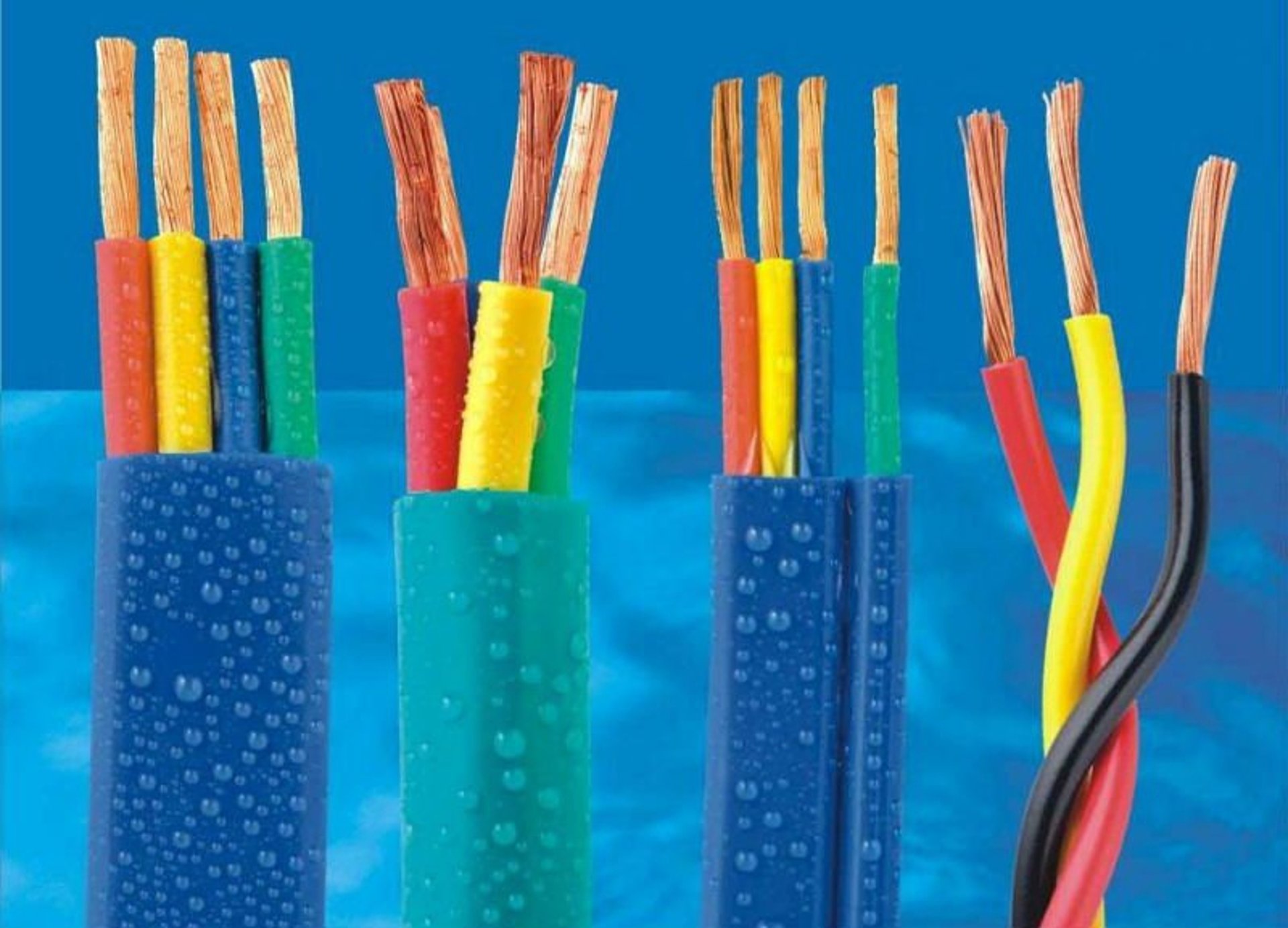
How (N)TSCGECEWÖU 8.7/15 kV and 12/20 kV Submersible Cables Keep South Africa’s Pumps and Ports Flowing
Discover why (N)TSCGECEWÖU 8.7/15 kV and 12/20 kV submersible cables are the backbone of South Africa’s mining, marine, and water management operations. Learn about their structure, materials, technical specifications, real-world applications, and key case studies.
Li. Wang
11/28/20255 min read

Why Submersible MV Cables Matter in South Africa
South Africa’s industrial sectors are increasingly dependent on submersible equipment. From deep-shaft mining dewatering pumps to municipal water treatment systems and dynamic port facilities, the need for reliable medium-voltage (MV) submersible cables has never been greater.
The environment in which these cables operate is harsh: salty or brackish water, constant vibration, thermal cycling, and mechanical stresses from reeling and trailing operations. Standard cables quickly fail under such conditions, causing costly downtime, safety hazards, and operational inefficiencies.
Enter the (N)TSCGECEWÖU 8.7/15 kV and 12/20 kV submersible cables. Designed with high flexibility, water-blocking sheaths, and tinned copper conductors, these cables are engineered for long-term immersion in depths of up to 300 metres while maintaining electrical integrity under high mechanical stress. In South African mining, marine, and water infrastructure, they are fast becoming the benchmark for reliability and durability.
Cable Construction: What Makes (N)TSCGECEWÖU Suitable for Extreme Conditions
A cable’s performance underwater is only as good as its design. Let’s dissect the architecture of the (N)TSCGECEWÖU submersible cable.
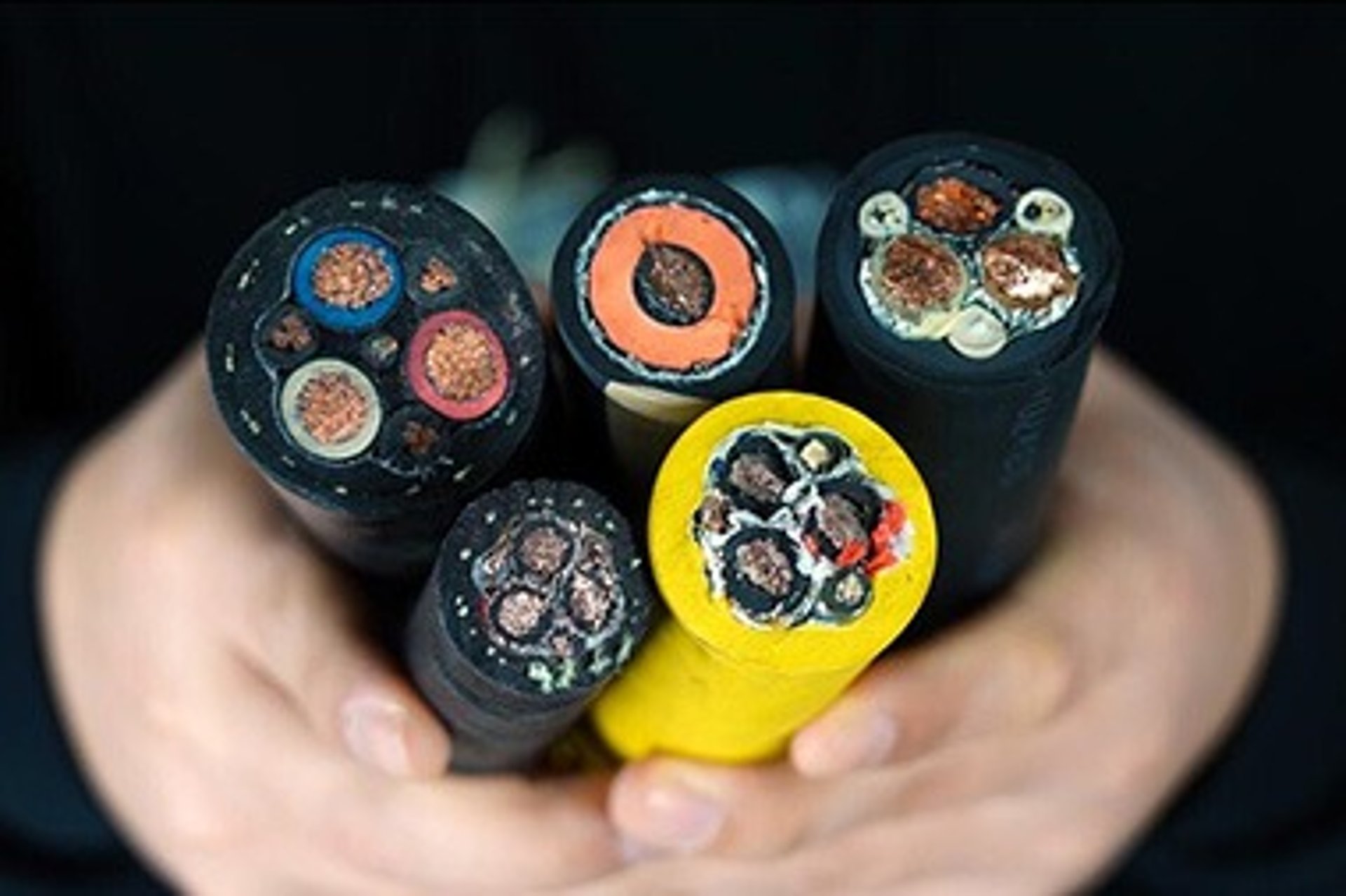
Phase Conductors
The phase conductors use Class 5 tinned copper, offering high flexibility and excellent corrosion resistance in saltwater or brackish water environments. The tinning protects against sulphur, moisture, and marine chemicals, extending service life significantly. Torsional loads from reeling and trailing are handled effortlessly, which is critical for pumps that frequently move during operation.
Rubber Insulation System
The insulation is a high-quality rubber compound capable of withstanding medium voltage stress (8.7/15 kV and 12/20 kV) and thermal cycling. In practice, this ensures cables maintain dielectric strength under both hot, dry mining tunnels and cold, submerged marine conditions. Rubber’s elasticity allows the cable to flex without cracking, a crucial factor for dynamic installations.
Triple Semi-Conductive Layers
A robust triple-layer semi-conductive system—semi-conductive tape over the conductor, plus inner and outer semi-conductive rubber layers—controls electrical stress distribution. The result is enhanced safety and longevity, even under high-voltage operation submerged in water.
Protective Earth (PE) Conductor
The braided copper PE conductor serves as a vital fault-return path, particularly in water-immersed systems where standard earth connections may be compromised. Its design ensures electrical safety, protecting personnel and equipment from potential faults.
Central Filler
The central filler is a rubber compound over polyester textile, maintaining roundness, stability, and uniform stress distribution during reeling and trailing. This prevents deformation under mechanical load and ensures smooth cable handling.
Waterproof Sheathing System
The sheath system comprises an EPR inner layer with water-blocking capabilities and a CM outer layer for abrasion, chemical, UV, microbial, and saltwater resistance. Black CM rubber is preferred in South Africa’s mines and ports for its durability under extreme sunlight and industrial exposure.
Materials and Their Functional Advantages
The selection of materials directly influences cable longevity:
Rubber vs PVC vs PUR: Rubber provides superior flexibility and chemical resistance for submerged mining and port operations.
EPR and CM: These compounds resist abrasion, UV exposure, and marine corrosion. EPR prevents water ingress, while CM protects against mechanical wear.
Tinned Copper: Crucial for anti-sulphur and anti-salt corrosion, especially for coastal mines like Rustenburg Platinum and Durban port facilities.
By combining these materials, the (N)TSCGECEWÖU cables can survive long-term submersion (up to 300 m), mechanical stress, and environmental hazards.
Technical Specifications: Built for Heavy Loads
Voltage Rating
8.7/15 kV – Commonly used in deep mining pump systems.
12/20 kV – Suitable for higher-capacity pump and dredging applications.
Test voltages: 24 kV and 29 kV respectively.
Mechanical and Thermal Conditions
Operating temperatures: Fixed –40°C to +80°C, flexed –25°C to +60°C.
Minimum bending radius: Fixed: 6× OD, Flexed: 10× OD.
Submersion Capability
Permanent immersion rating: 300 m.
Works in salty and brackish water.
Supports trailing and reeling applications without electrical compromise.
Electrical Parameters: Real-World Performance
Conductor Sizes and Dimensions
Available cross-sections: 25, 35, 50, 70, 95, 120 mm².
Outer diameters: 49–72 mm depending on size.
Maximum tensile loads: 1125–5400 N.
Current Carrying Capacity
Floor-laid: 139–371 A depending on cross-section.
Reeled: 31–297 A depending on layers.
De-rating is critical for deep vertical pumps.
Voltage Drop Considerations
Voltage drop tables allow engineers to assess power loss across pump depths. This is vital for deep shaft dewatering where pumps may operate 100–300 m below surface.
Temperature De-rating Factors
Cables in hot regions such as Limpopo or Northern Cape require de-rating, particularly at ambient temperatures above 30°C. Tables provide clear adjustment factors for safe current loading.
Standards and Compliance
International Standards
VDE 0250 Part 813 – MV cable design.
EN 60228 – Conductor classification.
VDE 0295 – Flexible conductors.
IEC/EN 60332-1-2 – Flame retardancy.
South African Compliance
Aligning with SANS and NRCS is critical for imported cables. Mines and municipalities must ensure submersible MV cables meet both international and local safety and quality regulations.
Key Applications in South Africa
Mining Pump Systems
Deep shaft dewatering.
Slurry pumping.
Dynamic vibration resistance critical in mines such as Rustenburg and Mpumalanga coal fields.
Opencast Mining Equipment
Mobile pumping plants.
Dragline trailing applications.
Marine and Port Operations
Floating docks.
Saltwater and tidal stress resilience essential at Durban and Richards Bay ports.
Water Utilities
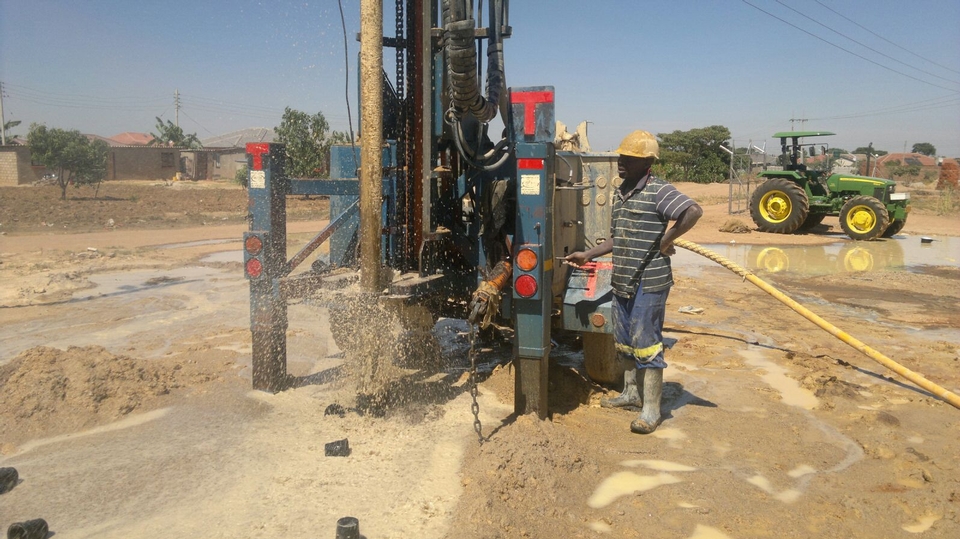
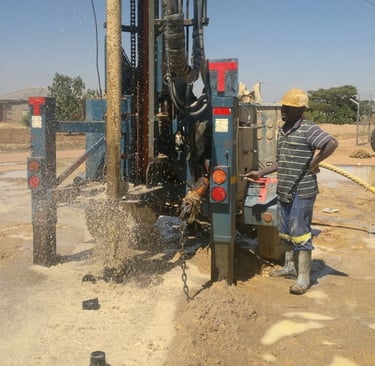
Borehole pumps in KwaZulu-Natal.
Municipal water treatment facilities.
South African Case Studies
Case Study 1: Rustenburg Platinum Mines
Challenge: High-salinity deep water and constant pump movement.
Solution: 95 mm² 12/20 kV (N)TSCGECEWÖU cable.
Outcome: Reduced downtime and extended service life.
Case Study 2: Durban Harbour Floating Docks
Challenge: Corrosion and tidal mechanical stress.
Solution: Tinned copper conductors with CM outer sheath.
Outcome: Superior performance vs standard rubber cables.
Case Study 3: Mpumalanga Coal Mine
Challenge: Mobile reeling for pumping plants under mud and mechanical stress.
Solution: Braided PE conductor improved fault reliability.
Outcome: Enhanced operational safety.
Advantages of (N)TSCGECEWÖU for Harsh SA Environments
High mechanical robustness.
Flexibility for trailing and reeling.
Waterproof and chemical-resistant.
Superior dielectric strength.
Extended service life → reduced OPEX for mines and municipalities.
Installation and Handling Guidelines
Maintain correct bending radius.
Observe ambient temperature limits.
Avoid torsional stress.
Follow proper reeling/unreeling procedures.
Conduct pre-submersion inspection checklist.
Frequently Asked Questions (FAQ)
Can the cable operate continuously at 300 m underwater?
– Yes, designed for permanent immersion.Is it suitable for seawater?
– Yes, tinned copper and CM sheath resist corrosion.Can (N)TSCGECEWÖU be used for reeling?
– Yes, flexing ratings and bending radii support dynamic movement.Difference between 8.7/15 kV and 12/20 kV?
– Voltage rating and test voltage, higher capacity for larger pumps.How does tinned copper improve lifespan?
– Corrosion resistance against sulphur, salt, and moisture.Can it replace SANS-compliant mining cables?
– Yes, when properly certified and tested.De-rating factors in hot climates?
– Use provided tables for ambient temperatures above 30°C.How to choose between 25–120 mm² sizes?
– Based on current load, voltage drop, and mechanical stress.Maintenance for submerged cables?
– Periodic visual inspection, continuity, and insulation testing.Fire resistance?
– Flame retardant according to IEC/EN 60332-1-2.
Conclusion
In South Africa’s challenging industrial environments, (N)TSCGECEWÖU 8.7/15 kV and 12/20 kV submersible cables provide unmatched reliability, flexibility, and safety. From deep mining shafts to bustling ports, these cables are engineered for harsh conditions while complying with international and local standards. For mines, municipalities, and marine operations, adopting (N)TSCGECEWÖU means fewer interruptions, longer service life, and confident operation under extreme conditions.


Email Address: Li.wang@feichuncables.com
© 2025. All rights reserved.
One-click to Quickly Contact
Products
Contact
Company
Location:
Building A Private Science and Technology Park, Hefei Economic and Technological Development Zone, Anhui Province, China
Heat Resistant Cable
WhatsApp: +86 17333223430
Social Media: