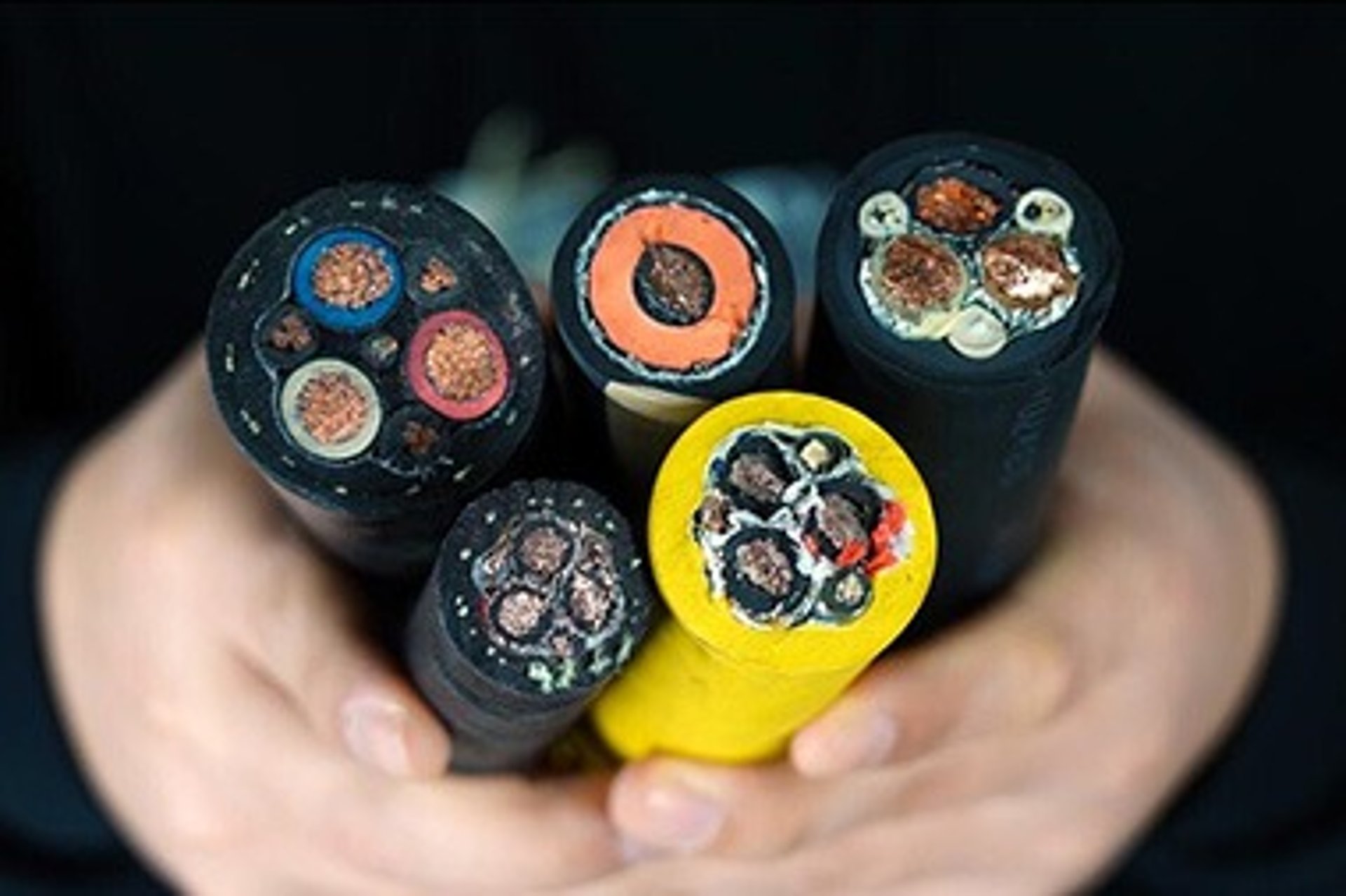

Hydrocarbon resistant XLPE CAM SWA Armoured 1kV Power Cable
Hydrocarbon-Resistant XLPE CAM SWA Armored 1kV Power Cable: An In-Depth Analysis
Hydrocarbon resistant XLPE CAM SWA Armoured 1kV Power Cable
Section | Details |
|---|---|
APPLICATION | These cables are used for electricity supply in low voltage installation systems. They are suitable for installation indoors and outdoors, in cable ducts, underground, in power and switching stations, local energy distributions, industrial plants, and where aliphatic and aromatic hydrocarbons may be present or where chemical and mechanical protections are required. |
CHARACTERISTICS | Voltage Rating (Uo/U): 0.6/1kV Temperature Rating: -20°C to +60°C |
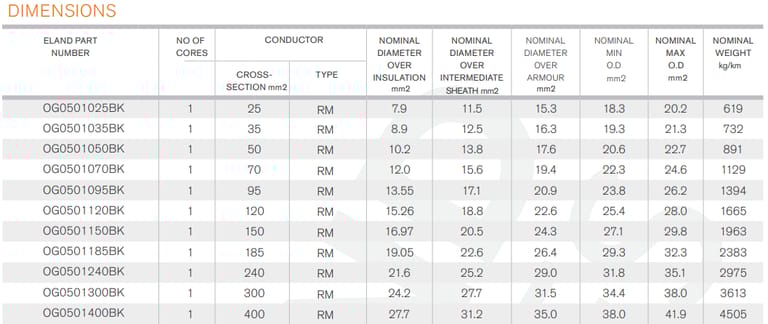
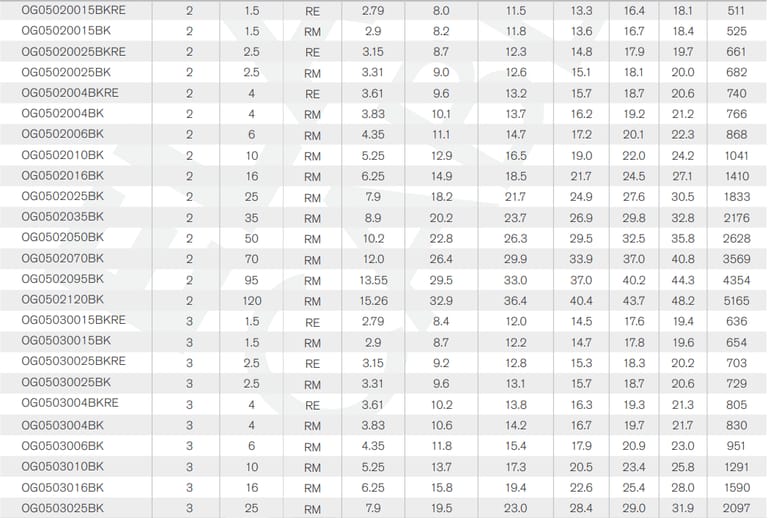
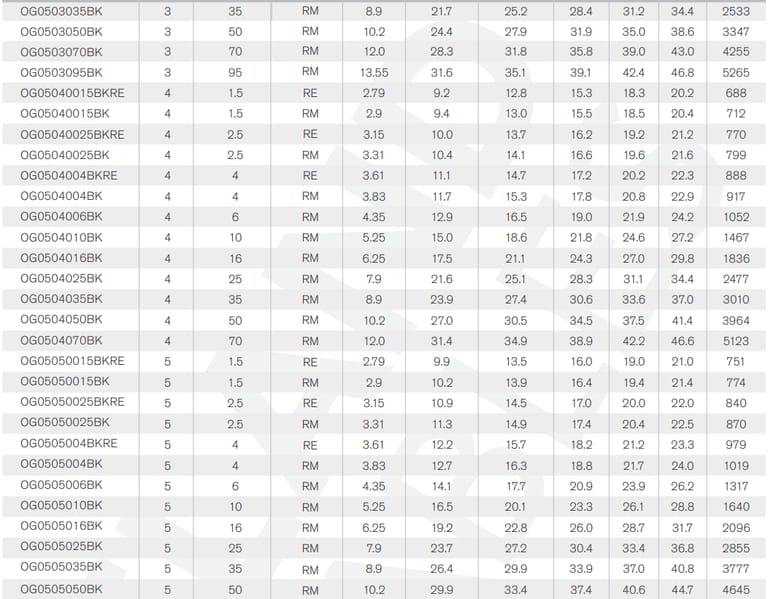
CONSTRUCTION | Conductor: Class 1 Solid (RE) or Class 2 Stranded (RM) Copper Insulation: XLPE (Cross-Linked Polyethylene) Inner Sheath: PVC (Polyvinyl Chloride) Screen: Aluminum/Polyethylene tape Drain Wire: Tinned copper Inner Sheath: HDPE (High Density Polyethylene) Intermediate Sheath: Polyamide Armour: Galvanized steel wires (Single core: aluminum wires) Outer Sheath: Special PVC (Polyvinyl Chloride) |
CORE IDENTIFICATION | 1 Core (choice): Red, Black 2 Cores: Red, Black 3 Cores: Red, Yellow, Blue 4 Cores: Red, Yellow, Blue, Black 5 Cores: Red, Yellow, Blue, Black, Green 7 Cores and Above: Black with White Numbers |
SHEATH COLOUR | Black |
STANDARDS | IEC 60502-1, IEC 60332-3-22 Chemical Resistance: Aliphatic and aromatic hydrocarbons |
What Makes Hydrocarbon-Resistant Cables Unique?
Hydrocarbons—whether aliphatic (straight-chain) or aromatic (ring-structured)—are present in environments such as:
Fuel storage facilities
Petrochemical plants
Mining operations using hydrocarbon-based lubricants
Ports and logistics hubs dealing with fuels
Ordinary PVC or XLPE cables can degrade quickly when exposed to hydrocarbons, leading to insulation cracks, conductivity loss, and safety hazards. Hydrocarbon-resistant cables overcome this limitation through specialized sheath materials and layered protection.
The Hydrocarbon-resistant XLPE CAM SWA Armored 1kV Power Cable combines electrical performance with mechanical robustness and chemical resilience, making it a go-to solution for installations where reliability directly translates into operational safety.
Usage Scenarios
The Hydrocarbon-resistant XLPE CAM SWA Armored 1kV Power Cable is versatile and can be deployed in multiple environments:
1. Mining Industry (South Africa Focus)
South Africa’s platinum belt, gold mines, and coal mining regions rely heavily on electrical infrastructure to power drilling equipment, conveyors, and lighting systems. Mines often use hydrocarbon-based lubricants and fuels, making hydrocarbon-resistant cables indispensable.
2. Petrochemical and Refining Plants
In environments where fuels, oils, and solvents are prevalent, standard cables risk chemical degradation. This specialized cable ensures long-term durability and reduces maintenance costs.
3. Energy Distribution
Used in power stations and local substations, these cables guarantee safe and reliable low-voltage power supply, even in areas where chemical exposure is possible.
4. Industrial Plants and Factories
Applications include conveyor systems, robotics, and automated production lines requiring mechanical protection and chemical resistance.
5. Ports and Harbors
Hydrocarbons are ever-present in shipping hubs. Armored hydrocarbon-resistant cables are often buried underground or placed in ducts to safely distribute power to cranes and dock facilities.
Case: Hydrocarbon-Resistant Cables in South African Mining
In 2024, a major mining company in Rustenburg reported frequent cable failures in underground conveyor systems due to hydrocarbon exposure from hydraulic fluids. Traditional XLPE cables showed cracking after only 18 months of service.
Switching to Hydrocarbon-resistant XLPE CAM SWA Armored 1kV Power Cables extended the service life to over five years, reducing downtime and saving the company an estimated R20 million in maintenance costs.
This case underscores how chemical resistance translates directly into financial savings and safety improvements in the mining sector
Frequently Asked Questions (FAQ)
1. Why is hydrocarbon resistance important in cables?
Because hydrocarbons can chemically attack and degrade standard insulation materials, leading to cracks, short circuits, and fire hazards. Hydrocarbon-resistant cables prevent such degradation.
2. Are these cables suitable for direct burial?
Yes, their armored construction allows direct burial underground, offering both chemical and mechanical protection.
3. What makes XLPE insulation better than PVC?
XLPE offers higher dielectric strength, better thermal performance, and longer lifespan, making it ideal for industrial-grade power cables.
4. Can these cables be used in flame-prone environments?
Yes, they comply with IEC 60332-3-22 fire performance standards, ensuring flame retardancy and safer operations.
The Hydrocarbon-resistant XLPE CAM SWA Armored 1kV Power Cable represents the intersection of chemical resilience, mechanical durability, and electrical performance. For industries in South Africa—especially mining, petrochemicals, and energy—the adoption of these cables ensures operational safety, cost efficiency, and regulatory compliance.