Anhui Feichun Special Cable Co.,Ltd Email: Li.wang@feichuncables.com
Ignite Safety: Why BS7211 Cables Are South Africa's Secret Weapon Against Fire Hazards
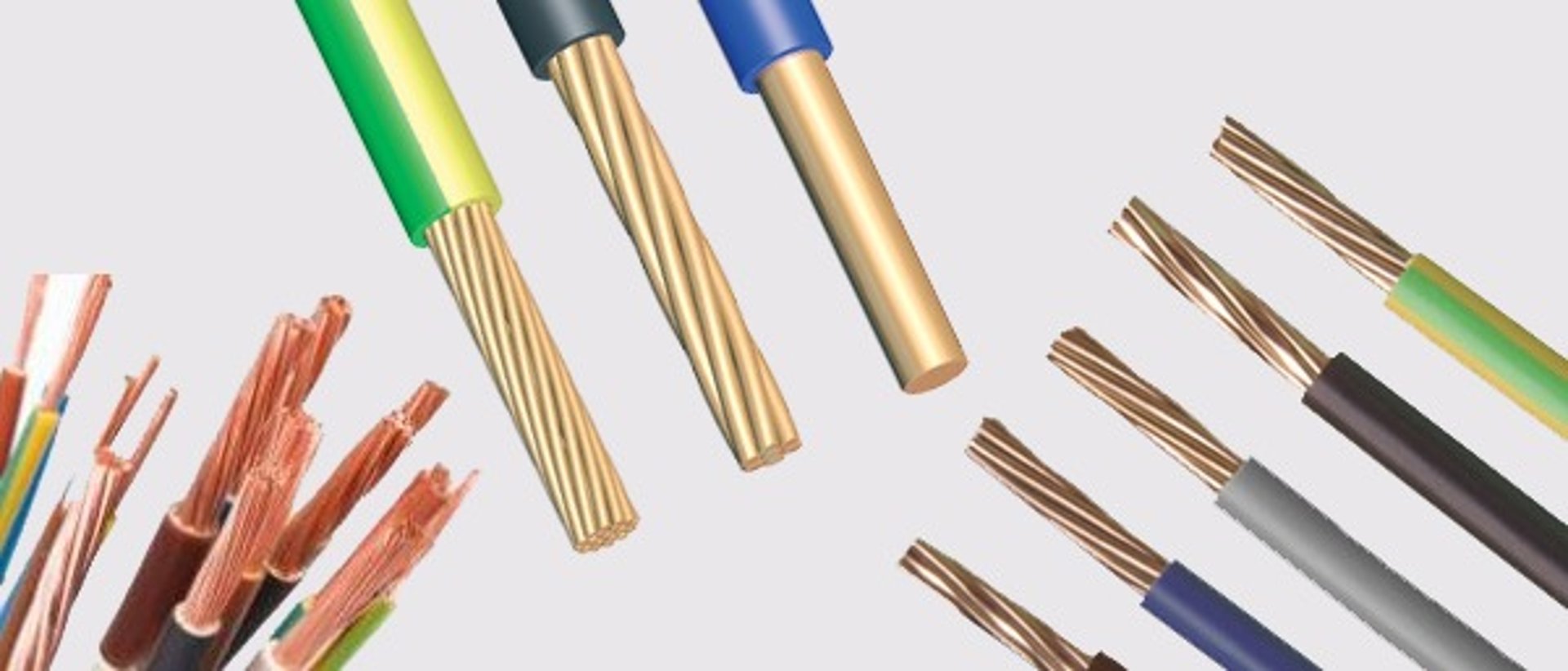
Explore the BS7211 standard for thermosetting insulated, thermoplastic sheathed cables with low smoke zero halogen (LSOH) properties. Dive into variants like 2491B/6701B single-core cables, 6491B conduit wiring cables, H05Z-U/H07Z-U, single-core sheathed cables, multi-core circular sheathed cables, and 6241B/6242B/6243B flat wiring cables – essential for safer electrical installations in South African homes, mines, and buildings.
Li. Wang
11/26/20257 min read
Introduction
In a world where electrical fires can turn a cosy home into a catastrophe or halt operations in a bustling mine, the BS7211 standard stands as a beacon of innovation. This British Standard governs thermosetting insulated and thermoplastic sheathed cables rated up to and including 450/750 V, engineered specifically for electric power and lighting applications while prioritizing low emission of smoke and corrosive gases during fire events. Imagine cables that don't just conduct electricity but actively save lives by minimizing toxic fumes – that's the essence of BS7211.
For South Africans, this standard isn't just a foreign import; it's increasingly aligned with our local SANS (South African National Standards) requirements, particularly SANS 1507 for low-voltage cables and SANS 10142-1, the Wiring Code of Practice. In high-risk environments like crowded public buildings, informal settlements, or the depths of our world-renowned mines, BS7211-compliant cables are gaining traction. The global wake-up call from tragedies like the Grenfell Tower fire in 2017 has influenced standards worldwide, pushing South Africa towards stricter fire safety measures amid our own challenges, such as frequent load-shedding and urban fires in places like Johannesburg's inner city.
This article aims to demystify BS7211, delving into its technical intricacies, the array of cable variants – from 2491B/6701B single-core cables to 6241B/6242B/6243B LSOH flat wiring cables – and their real-world applications. Drawing on industry expertise, we'll explore benefits for domestic, commercial, and industrial settings, backed by South African case studies. Whether you're an electrician in Durban, a mine engineer in Rustenburg, or a homeowner in Cape Town, understanding BS7211 could be the spark that enhances your wiring safety.
Historical and Technical Background of BS7211
The BS7211 standard didn't emerge in a vacuum; it's the result of decades of evolution in cable technology, driven by the need to combat fire hazards in electrical installations. Originating from earlier PVC-centric standards like BS 6004, which focused on general-purpose cables, BS7211 was introduced in 1998 and revised in 2012 to address growing concerns over smoke and halogen emissions. PVC cables, while affordable, release dense smoke and hydrochloric acid when burning, exacerbating fire spread and endangering lives – issues highlighted in major incidents like the King's Cross fire in London (1987).
Technically, BS7211 specifies cables with thermosetting insulation (cross-linked materials like type EI5 or GP8) and thermoplastic sheathing, rated for voltages up to 450/750 V. Key tests include smoke emission under EN 50268/IEC 61034, ensuring transmittance levels above 60% for visibility during evacuation; corrosiveness via EN 50267-2-2/IEC 60754-2, limiting halogen acid gas to less than 0.5%; and flame retardancy per IEC 60332.1, where cables must self-extinguish without propagating fire. These requirements make BS7211 cables low smoke zero halogen (LSOH), a leap forward from traditional PVC.
Comparing BS7211 to harmonised European codes like H05Z-K/H07Z-K (for flexible single-core cables) or South African SANS 1507, the British standard excels in its holistic approach to LSOH performance. SANS 1507 covers similar low-voltage cables but often references international norms; BS7211's emphasis on reduced toxic fumes gives it an edge in environments prone to corrosion, like South Africa's humid coastal regions or dusty mining shafts. From my experience consulting on electrical projects in Gauteng, adopting BS7211 often exceeds local minima, providing that extra layer of assurance in compliance audits.
Key Features and Benefits of BS7211-Compliant Cables
What sets BS7211 cables apart is their fire safety prowess. The LSOH formulation means they emit minimal smoke – often 80% less than PVC equivalents – and no corrosive halogen gases, which can damage lungs, eyes, and sensitive electronics. In South Africa's densely populated townships or high-rises, this translates to clearer escape routes and faster emergency responses, potentially saving lives in fires that claim hundreds annually, per Statistics South Africa reports.
Durability is another hallmark. Thermosetting insulation withstands operating temperatures up to +90°C, with short-circuit peaks at +250°C, ensuring reliability during overloads common in our grid-strained nation. Minimum insulation resistance of 10 MΩ·km at 90°C prevents leakage, while bending radii (3-15 times outer diameter) allow for versatile installation without cracking. These features stem from rigorous material selection: fine bare copper conductors per IEC 60228 Class 1 or 2 for conductivity, and cross-linked polyolefin insulation for thermal stability.
Environmentally, BS7211 aligns with South Africa's National Environmental Management Act (NEMA), reducing hazardous waste from cable degradation. No halogens mean less pollution in landfills, crucial for our water-scarce country. Health-wise, they protect against acid gas inhalation, vital in public spaces like schools or hospitals.
Economically, while initial costs might be 10-20% higher than PVC (based on quotes from suppliers like CBI Electric), the long lifespan – often 50+ years in fixed wiring – cuts maintenance. In rural electrification under the Integrated National Electrification Programme (INEP), BS7211 cables reduce downtime, proving cost-effective over time. As an industry veteran, I've seen projects in Limpopo where these cables outlasted cheaper alternatives by a decade, justifying the investment.
In-Depth Review of Specific Cable Types
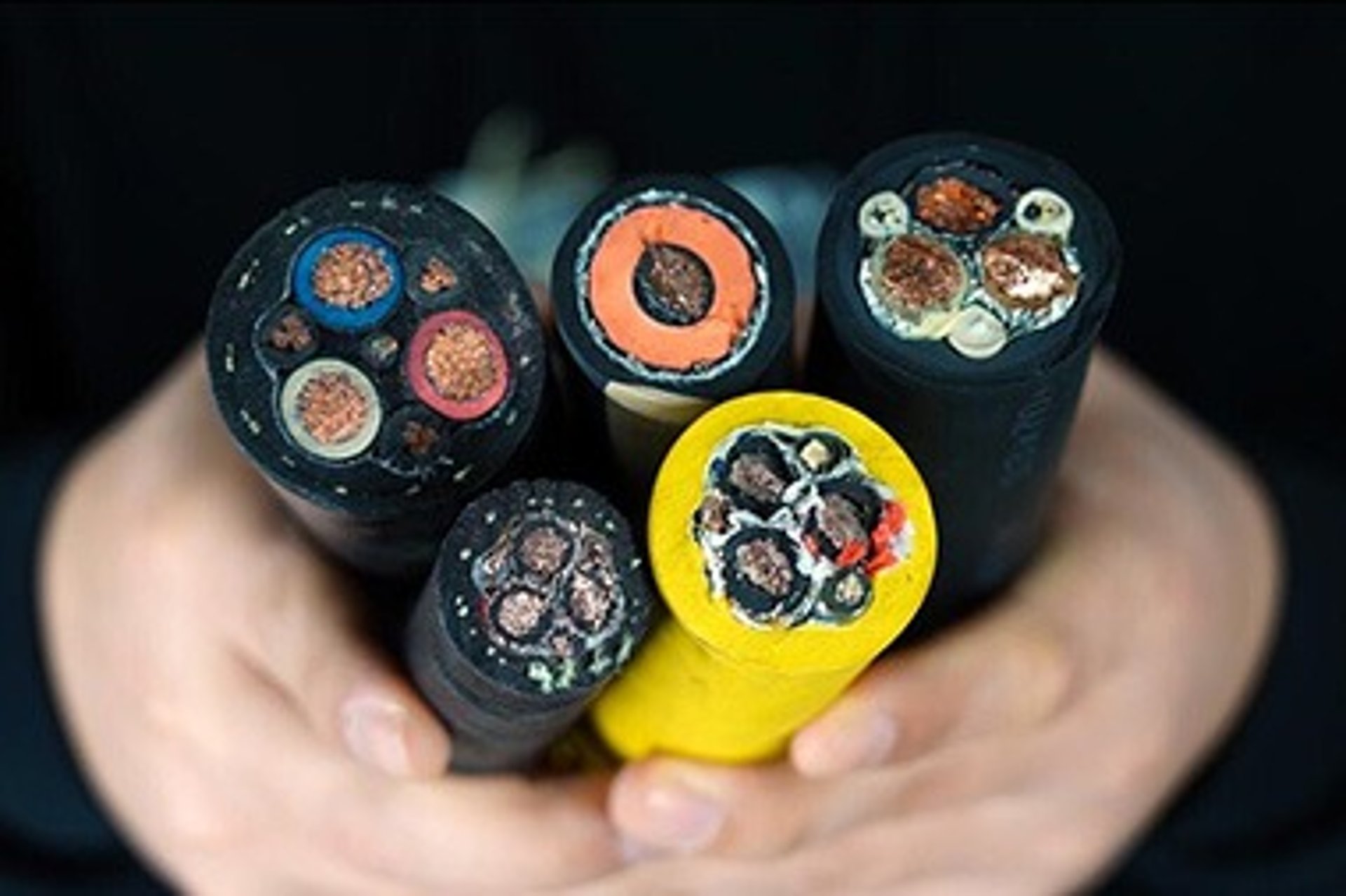
BS7211 encompasses a range of cables, each tailored for specific needs. Let's break them down with technical precision.
2491B/6701B Single-Core Cables
These harmonised H05Z-K/H07Z-K equivalents feature fine bare copper strands (IEC 60228 Class 5) with EI5 thermosetting insulation, LSOH overall. Designed for internal wiring in switchboards and appliances, 2491B handles 300/500 V, while 6701B manages 450/750 V. Cross-sections range from 0.5 mm² (AWG 20) to 240 mm² (AWG 500 MCM), with nominal diameters 2.1-29.4 mm and copper weights up to 2304 kg/km. Key specs: flexing temperature -15°C to +90°C, insulation resistance 0.0028-0.013 MΩ·km at 90°C. Ideal for public buildings, they prevent toxic fumes near electronics.
6491B Conduit Wiring Cables
Equivalent to H07Z-R, 6491B uses stranded conductors (Class 2) with EI5 insulation, suited for fixed wiring in conduits, trunking, or surface-mounted earthing. Rated 450/750 V, it spans 1.5 mm² (AWG 16) to 630 mm², with diameters 2.7-42.5 mm. Bending radii vary (3-6 × Ø), temperatures 0°C to +90°C flexing, and resistance 0.0025-0.010 MΩ·km. In industrial settings, its robustness shines, handling high currents without halogen risks.
H05Z-U/H07Z-U Solid Conductor Cables
These feature solid bare copper (Class 1) with EI5 insulation, for internal wiring in pipes or ducts. H05Z-U is 300/500 V (0.5-1 mm², AWG 20-17), H07Z-U 450/750 V (1.5-10 mm², AWG 16-8). Diameters 1.9-6.6 mm, resistance 0.0070-0.015 MΩ·km. Compact and rigid, they're perfect for distributor boards in government buildings, with flame retardancy ensuring safety.
Thermosetting Insulated, Single-Core, Sheathed Cables
Adding an LTS 4 sheath for protection, these have EI5/GP8 insulation, brown/blue cores. Rated 450/750 V, sizes 1-35 mm² (AWG 17-2), sheathed thicknesses 0.8-1.1 mm, diameters 3.9-12.8 mm. Resistance 0.0034-0.011 MΩ·km. Used in power/lighting, the sheath enhances durability in exposed installations.
Thermosetting Insulated, Twin, 3-Core, 4-Core, and 5-Core Circular Sheathed Cables
Multi-core variants with twisted cores, inner covering, and LTS 4 sheath. Twins (brown/blue) to 5-cores (with green/yellow earth), sizes 1-35 mm² per core. Diameters 7.9-33.6 mm, resistance 0.0034-0.011 MΩ·km. For complex circuits in homes/industry, their circular design aids pulling through conduits.
6241B/6242B/6243B LSOH Flat Wiring Cables with Circuit Protective Conductor
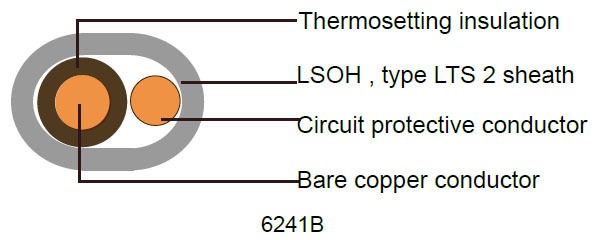
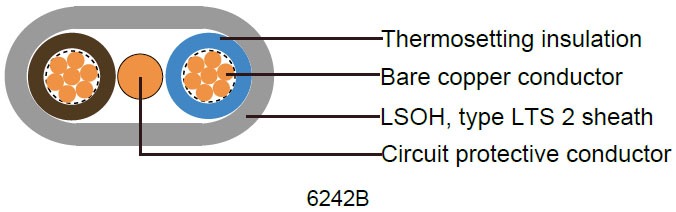
Flat profile with protective conductor (e.g., green/yellow), EI5 insulation, LTS 2 sheath. 6242B twins (1-16 mm²), 6243B threes (1-16 mm²), dimensions like 4.1×7.6 to 10.1×27.6 mm. For surface wiring in sockets/lighting, embeddable in plaster, with resistance 0.0039-0.011 MΩ·km. Their flatness simplifies installation in tight spaces.
Applications Across Sectors
In domestic settings, BS7211 cables like 6242B twins ensure safe wiring in homes, complying with SANS 10142-1 to curb fires in informal settlements like Alexandra.
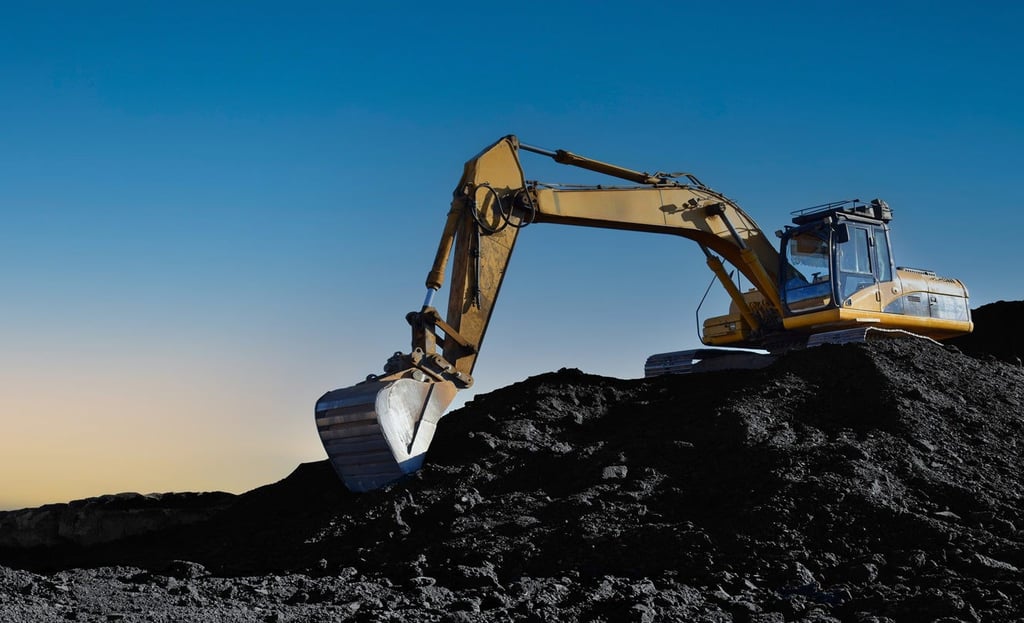
Industrially, 6491B in mines handles harsh conditions, per Department of Mineral Resources guidelines.
In public buildings – hospitals in Pretoria or schools in Soweto – LSOH prevents fume buildup. For renewables, like solar farms in the Northern Cape, their temperature resistance suits variable climates, protecting inverters from corrosion.
Real-World Implementations
Globally, BS7211 aids smoke control in UK trains. Locally:
South African Case Study 1:
Johannesburg High-Rise Retrofit In 2019, a Sandton office block underwent retrofitting post-2018 fire audits by the City of Johannesburg. 6242B twin cables replaced PVC in lighting circuits, reducing smoke in drills by 30%, as per municipal reports. This enhanced evacuation in a 20-storey building, aligning with NEMA for occupant safety.
South African Case Study 2:
Mining Sector Upgrade in Mpumalanga At a Witbank coal mine, 6491B cables were installed in underground conduits in 2020. Amid methane risks, their LSOH properties prevented corrosion failures over five years, per Department of Mineral Resources data, boosting productivity without incidents.
Lessons: In South Africa's varied climates, proper sealing combats humidity; compliance eases insurance claims.
Installation, Maintenance, and Safety Guidelines
Install with care: adhere to bending radii (e.g., 15×Ø flexing), use conduits for protection, and avoid mixing with PVC. South African electricians should certify via Wireman's Licence, testing per SANS 10142-1. Maintain by inspecting for abrasion yearly, especially in vibratory factories. Safety tip: Ground properly to prevent shocks.
Frequently Asked Questions (FAQ)
What makes BS7211 cables safer than PVC ones?
LSOH emits less smoke and no corrosive gases, crucial for South African public spaces like malls.
Can these cables be used outdoors in South Africa?
Primarily indoor; for outdoor, add UV sheathing or armoured types.
How do I choose between 2491B and 6491B?
2491B for flexible appliance wiring; 6491B for rigid conduit earthing.
Are BS7211 cables compliant with SANS?
Yes, exceeding SANS 1507 for low-voltage LSOH cables.
What's the cost implication for a typical home installation?
Slightly higher upfront (R50-100/m more), but durable; source from Voltex or Aberdare.
How do I identify genuine BS7211-compliant cables?
Check 'BS7211' markings and LSOH certs; avoid dodgy informal market fakes.
Conclusion
BS7211 revolutionizes wiring with LSOH safety, from 2491B singles to 6243B flats, fostering sustainable infrastructure. South Africans, adopt these for compliance – visit SABS for more. Let's wire safer together.
Email Address: Li.wang@feichuncables.com
© 2025. All rights reserved.
One-click to Quickly Contact
Products
Contact
Company
Location:
Building A Private Science and Technology Park, Hefei Economic and Technological Development Zone, Anhui Province, China
Heat Resistant Cable
WhatsApp: +86 17333223430
Social Media: