Anhui Feichun Special Cable Co.,Ltd Email: Li.wang@feichuncables.com
Industrial E-RTG Reeling Cable Guide: CORDAFLEX (SMK) (N) SHTOEU with EPR Insulation, Anti-Torsion Braid, and Fiber Optics
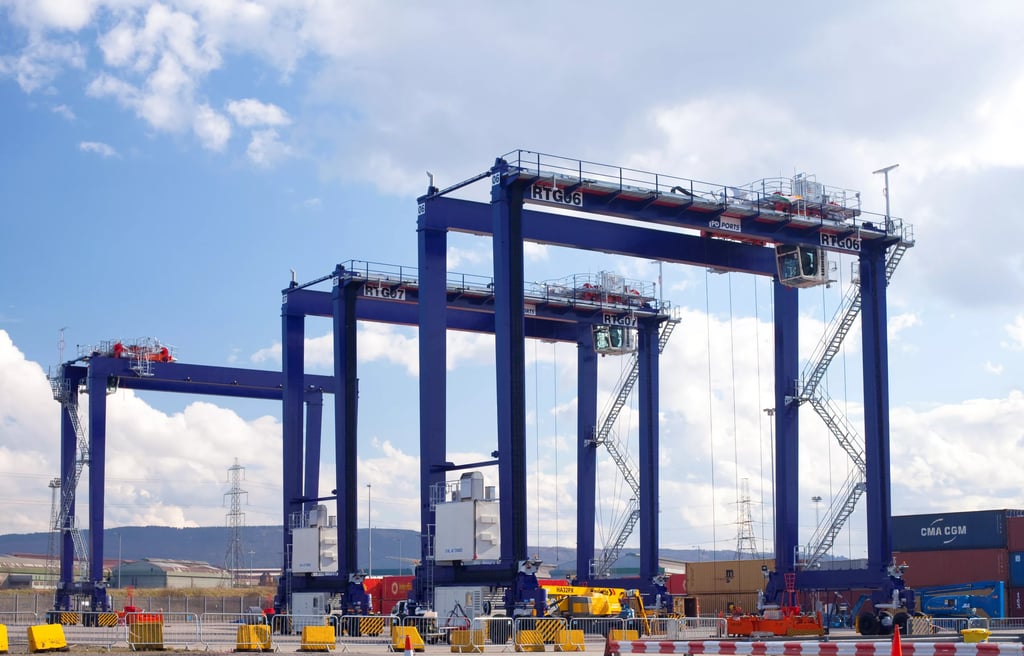
CORDAFLEX (SMK) (N) SHTOEU is the premium low‑voltage reeling cable engineered specifically for electrified rubber‑tyred gantry cranes (E‑RTGs) operating in ports and heavy material‑handling terminals. This comprehensive guide explains its engineering design, advanced materials including EPR insulation and PCP sheathing, anti‑torsion structure, and integrated fiber optics. It covers full technical specifications, selection rules, real‑world performance in South African ports such as Durban and Cape Town, and how Feichun’s equivalent version delivers identical compliance, faster delivery, and significant cost savings. Essential reading for procurement managers, electrical engineers, and maintenance teams.
Li Wang
5/20/202620 min read
Introduction
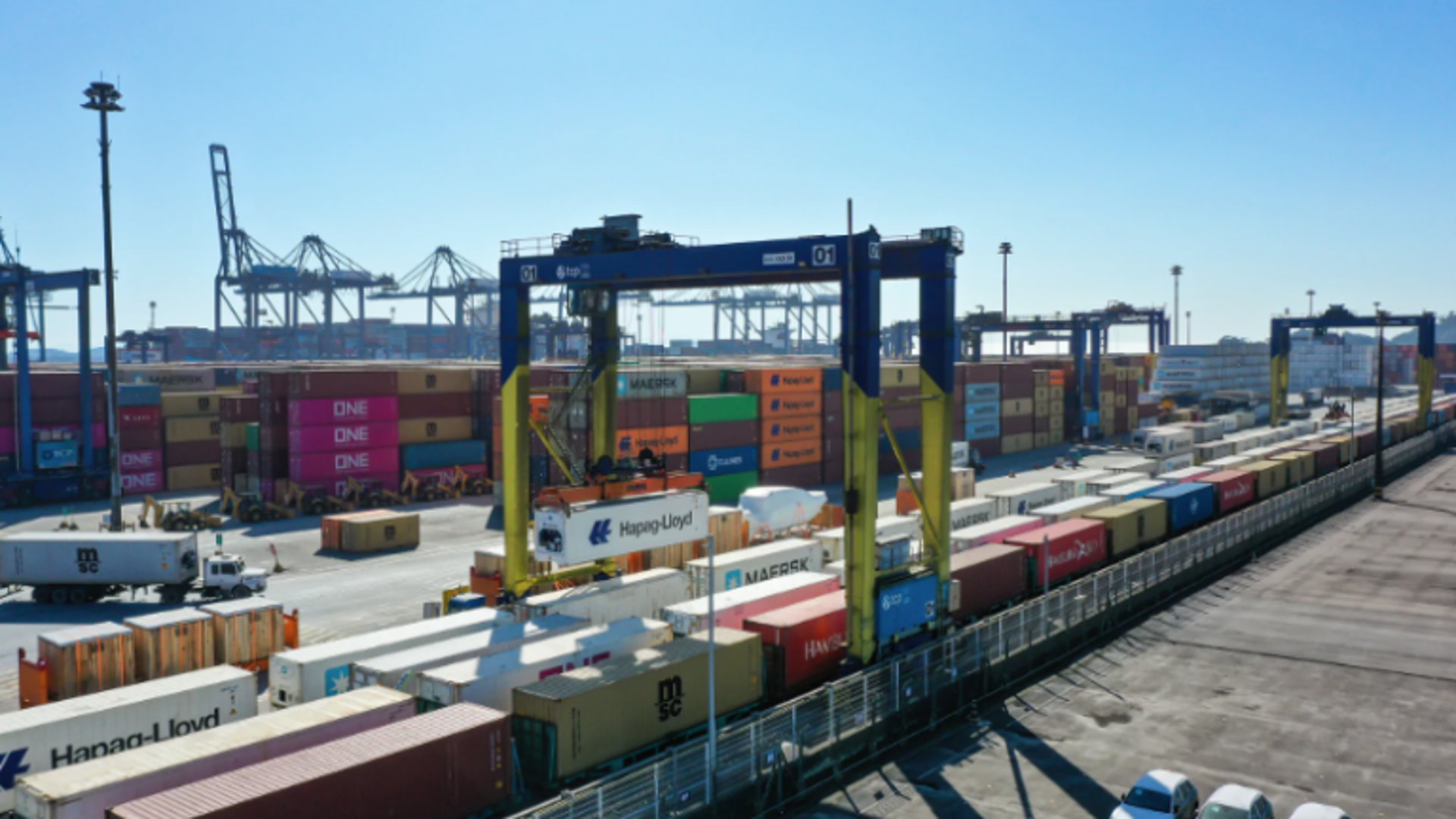
Container terminals across South Africa have undergone major upgrades in recent years. Transnet’s multi‑billion‑rand investment programme, including R3.4 billion allocated to new equipment at Cape Town, Durban, and Ngqura ports, has seen the widespread adoption of electrified rubber‑tyred gantry cranes (E‑RTGs). These machines replace older diesel‑powered units, cutting fuel consumption by up to 95%, lowering emissions, and reducing running costs while boosting handling efficiency.
However, this shift brings a critical engineering challenge: how to deliver reliable power and stable data communication to cranes that move continuously across large yard areas, with cables being wound, unwound, bent, twisted, and exposed to harsh coastal weather every single day. Standard flexible cables fail quickly under these conditions, leading to downtime, expensive replacements, and safety risks.
This is exactly where CORDAFLEX (SMK) (N) SHTOEU comes in. It is not just another flexible cable — it is a purpose‑built low‑voltage reeling system designed from the ground up for E‑RTG service. Every layer, material choice, and structural feature is optimized to survive millions of operating cycles, resist salt, sun, oil, and extreme temperatures, and keep working reliably for over a decade. This article explains how it works, why it performs better, where it is used, how to select the right configuration, and how Feichun’s fully equivalent version offers the same high quality with faster delivery and better value for South African projects.
Core Engineering Principles and Design Logic
To understand why this cable is so effective, we first need to look at the environment it operates in. An E‑RTG travels back and forth along storage rows, with the cable being pulled from or wound onto a motorized reel at speeds up to 240 metres per minute. During each movement, the cable experiences repeated bending, axial tension up to several tonnes, twisting of up to 50 degrees per metre, abrasion against drum edges, and continuous exposure to UV radiation, salt spray, moisture, and industrial oils.
The fundamental design goal here is to balance three opposing requirements: flexibility to bend easily, mechanical strength to withstand tension and wear, and stability to maintain electrical and optical performance over time. CORDAFLEX achieves this through a carefully engineered layered structure, where each component solves a specific problem and works together as a complete system.
Layer‑by‑Layer Structure and Working Mechanism
From the centre outwards, every part has a clear function and reason for existing.
Conductor: Fine‑Stranded Tinned Copper
At the heart are the power and control conductors, made from high‑purity electrolytic copper (minimum 99.95% purity), with every single wire tinned with a uniform coating of at least 2 micrometres. Unlike standard flexible cables which use Class 5 stranding, this design uses Class FS — extra‑fine stranding, where individual wires are only 0.1 to 0.2 millimetres in diameter, twisted together in multiple layers.
This choice is based on mechanical fatigue science. When a cable bends, the outer surface stretches and the inner compresses. With very fine strands, the stress is distributed across thousands of tiny wires instead of a few thicker ones. This reduces strain per wire drastically, allowing the cable to endure over one million bending cycles without breaking — about ten times the life of standard flexible cables. The tin coating serves two purposes: it prevents copper oxidation, which is vital in humid, salty environments found at South African ports, and it improves electrical contact stability over years of vibration and movement.
Each conductor is sized to carry rated current while keeping operating temperature below 90°C, ensuring long‑term insulation life. Under short‑circuit conditions, it safely handles temperatures up to 250°C for short durations without damage.
Insulation: PROTOLON MS — EPR Special Compound
Immediately surrounding each conductor is a layer of insulation made from PROTOLON MS, a proprietary compound based on ethylene‑propylene rubber (EPR), rated to grade 3G13 — the highest performance level for industrial flexible cables.
EPR is chosen over materials like PVC or natural rubber because of its unique molecular structure. It is a fully saturated polymer, meaning it has no reactive chemical bonds that break down under heat, ozone, or electrical stress. This gives it excellent electrical properties: a low dielectric constant of around 2.3, very high insulation resistance exceeding 10¹⁴ ohm‑centimetres, and resistance to corona discharge — a common cause of failure in cables exposed to voltage fluctuations.
Mechanically, EPR is elastic and tough. It stretches over 300% before breaking, resists tearing even when nicked, and remains flexible at temperatures as low as -40°C and as high as +90°C. Unlike PVC, which becomes brittle in cold weather and softens too much in heat, EPR maintains consistent properties across the full range of conditions experienced in South Africa, from freezing nights in inland terminals to hot, humid days in Durban.
Core identification uses light‑coloured insulation with clear black number printing, and the protective earth conductor is always green‑yellow, making installation and maintenance much faster and safer.
Integrated Optical Fibre Unit
One of the most valuable features is the option to include fibre optic cores within the same cable structure. This combines power delivery and high‑speed data communication in one assembly, eliminating the need for separate signal cables and simplifying installation significantly.
Fibre units are built with silica glass cores and cladding, coated with ETFE — a high‑performance fluoropolymer that is waterproof, resistant to chemicals, and stable from -40°C to +85°C. Available types include 50/125 µm and 62.5/125 µm multimode for general‑purpose high‑bandwidth use, or 9/125 µm single‑mode for longer distances. Each fibre is protected by filling compounds and buffered structures to withstand lateral pressure and bending without signal loss. Typical configurations offer 6, 12, 18, or 24 cores, fully compatible with industrial Ethernet, video monitoring, and automation systems used in modern terminals.
Core Assembly and Stress Distribution
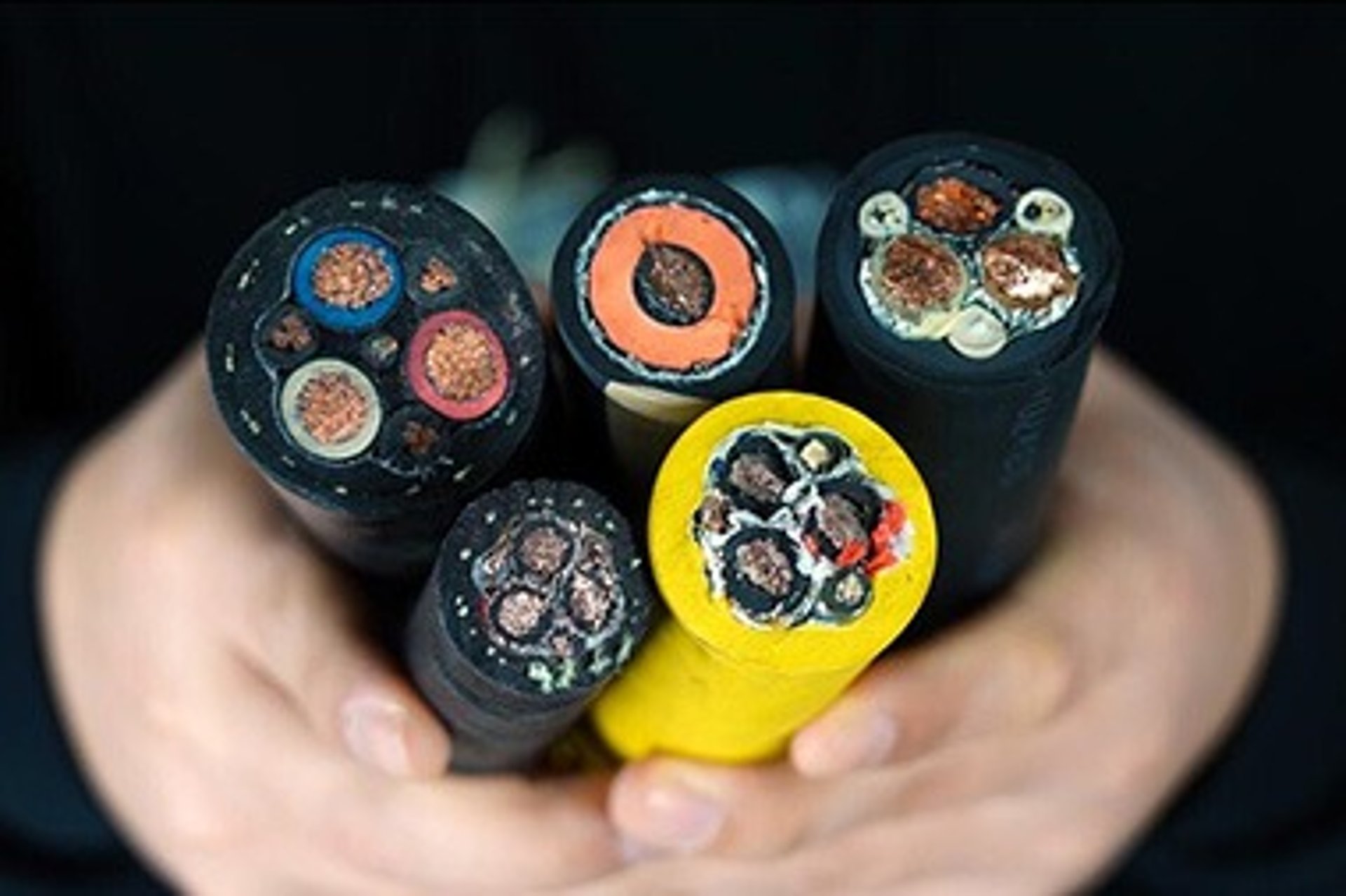
All insulated power, control, and fibre cores are stranded together in up to three layers, with optimized lay lengths and filler materials. This construction is designed so that when the cable bends or twists, the individual cores can shift slightly relative to each other, reducing internal friction and stress concentrations. Fillers keep the cable round and compact, preventing uneven pressure that would damage insulation over time.
Sheath System: PROTOFIRM Special — Three‑Layer Patented Design
The outer protection is what truly sets this cable apart, using a patented three‑layer sheath system called PROTOFIRM Special, made from polychloroprene rubber (PCP) — a high‑performance synthetic elastomer often known by the brand name Neoprene.
Inner Sheath: A smooth, uniform layer of high‑grade PCP rubber that wraps tightly around the cabled core. It acts as a cushion, distributing external pressure evenly and protecting the inner components from the reinforcement layer above.
Anti‑Torsion Reinforcement: A tightly woven braid made from high‑tenacity polyester fibres, chemically bonded between the inner and outer sheaths during the vulcanization process. This layer is critical: it absorbs and dissipates torsional forces generated when the cable is wound or twisted, limiting permanent deformation to less than ±50 degrees per metre. Without this feature, repeated twisting would quickly destroy the cable’s round shape and internal structure.
Outer Sheath: The final, thickest layer, made from an enhanced PCP compound loaded with carbon black, anti‑ozonants, and special abrasion‑resistant fillers. It is bright yellow for high visibility in terminal yards. This layer provides the first line of defence against mechanical wear, cuts, oil, grease, water, salt, UV radiation, and weathering. It meets the strict requirements of DIN EN 60811‑404 for oil resistance and retains its flexibility and strength for over 10 years outdoors.
The entire sheath system is not just layered — it is chemically bonded into a single, unified structure. This means it cannot delaminate or separate under stress, a common failure point in cheaper cables with simple multi‑layer construction.
Compliance and Testing
Every design element follows DIN VDE 0250‑814, the leading international standard for reeling cables, and holds VDE certification under registration number 7519, plus compliance with HD 308 S2, IEC 60228, and GOST‑R standards. Before leaving the factory, every design type undergoes rigorous qualification tests including reverse bending, roller bending, torsion cycling, long‑term weathering, and oil immersion — ensuring performance matches the theoretical design.
Material Science: Why These Choices Make It Superior
Understanding exactly why each material was selected helps explain the performance advantages, and why generic alternatives simply cannot match durability or reliability.
Conductor: Tinned Soft Copper
Copper remains the best choice for power transmission because it balances high conductivity, good mechanical strength, and reasonable cost. Using electrolytic‑grade copper ensures minimal electrical resistance and low power loss.
Tinning is essential in port environments. Even small amounts of moisture, salt, or industrial fumes cause untreated copper to oxidize, forming a high‑resistance layer that increases heat and can lead to connection failure. The tin coating acts as a permanent barrier, stopping corrosion completely and ensuring stable performance for decades.
The extra‑fine Class FS stranding is a direct application of fatigue theory. In any bending cycle, maximum stress occurs at the surface of each wire. By making wires very thin, the radius of curvature increases, and stress drops dramatically. This is why these cables survive one million cycles, while standard Class 5 cables typically fail after only 80,000 to 120,000 cycles — less than 10% of the life expectancy.
Insulation: EPR (Ethylene‑Propylene Rubber)
Compared to other insulation materials, EPR is uniquely suited for this application:
vs. PVC: PVC is cheaper and widely used, but it has low heat resistance (max 70°C), becomes stiff and brittle below -15°C, and ages rapidly under UV light. It also releases corrosive smoke if damaged. EPR operates safely from -40°C to +90°C, stays flexible, and does not degrade in sunlight.
vs. Natural Rubber: Natural rubber is flexible but ages quickly, absorbs water, and breaks down in the presence of ozone — common outdoors. EPR is ozone‑proof, water‑resistant, and chemically stable.
vs. XLPE: Cross‑linked polyethylene has good electrical properties but is much stiffer, making it unsuitable for repeated bending and winding.
The PROTOLON MS formulation is enhanced with anti‑oxidants, stabilizers, and reinforcing agents to further improve mechanical strength and extend service life. It offers the rare combination of excellent electrical insulation plus rubber‑like elasticity — exactly what is needed here.
Sheath: Polychloroprene Rubber (PCP)
PCP was chosen for the outer sheath because it is one of the few materials that meets all requirements simultaneously:
Mechanical Toughness: Tensile strength above 15 MPa and elongation over 400% means it resists tearing, cutting, and abrasion. Its wear resistance is roughly 2 to 3 times better than standard rubber compounds.
Environmental Resistance: It is inherently resistant to ozone, UV radiation, water, salt, and most mineral oils and greases. This is vital in South African ports where cables are exposed year‑round to salt spray and direct sunlight.
Temperature Stability: It remains flexible down to -50°C and does not soften or flow up to +80°C.
Bonding Compatibility: It bonds perfectly with polyester reinforcement and EPR insulation during vulcanization, creating the integrated system that prevents layer separation.
No single other material — not PVC, not polyurethane, not nitrile rubber — offers this complete balance of properties.
Optical Fibres and Auxiliary Materials
Fibre cores use pure silica glass for low signal loss and high strength. ETFE coating is chosen because it is one of the few materials that remains flexible at very low temperatures and does not degrade or leach chemicals that could affect transmission. Fillers and tapes are low‑smoke, halogen‑free, and water‑blocking, adding safety and protection without adding stiffness or weight.
Performance Advantages: How It Outperforms Standard Cables
The engineering and material choices translate directly into measurable advantages that matter to terminal operators.
Mechanical Performance
This is the area where CORDAFLEX leads the industry:
Bending Life: Tested to exceed 1,000,000 cycles without damage — compared to approximately 100,000 cycles for standard flexible cables. In practice, this means the cable lasts 8 to 12 years instead of needing replacement every 18–24 months.
Torsion Resistance: Withstands continuous twisting up to ±50°/m without permanent distortion, thanks to the integrated anti‑torsion braid. Standard cables quickly become oval or kinked, increasing wear and resistance.
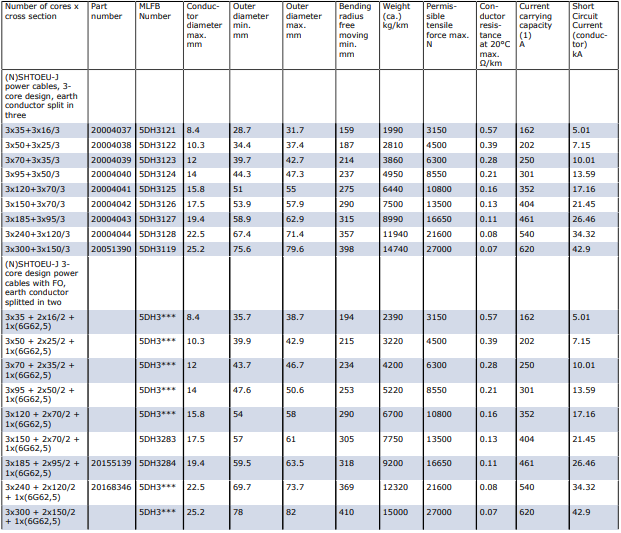
Tensile Strength: Designed for maximum conductor stress of 30 N/mm², with overall breaking strength ranging from 3,150 N for smaller sizes up to 27,000 N for large 3×300 mm² cables. It safely supports its own weight plus operational tension, even on long reels.
Speed Capability: Suitable for continuous reeling at any speed, and festoon travel up to 240 m/min — fast enough for even the most modern automated terminals.
Bending Radius: Only 5× outer diameter when moving, and 4× when fixed. This allows use on smaller‑diameter reels and tight installation spaces, reducing mechanical design requirements.
For South African operators, this means fewer unexpected breakdowns, far less maintenance labour, and significantly reduced lifecycle costs.
Electrical Performance
Electrical reliability is equally critical:
Rated Voltage: 0.6/1 kV, suitable for all standard low‑voltage E‑RTG power systems. Withstands 3.5 kV AC for 5 minutes during factory testing, proving insulation integrity.
Ampacity: Optimized conductor sizes deliver high current capacity — for example, 3×35 mm² carries 162 A, 3×150 mm² carries 404 A, and 3×300 mm² carries 620 A at 30°C ambient temperature, more than enough for heavy‑duty cranes.
Low Losses: High‑purity copper and tight stranding ensure low resistance, minimizing energy waste and heat generation.
Short‑Circuit Rating: Capable of withstanding short‑circuit currents up to 42.9 kA for brief periods, fully compliant with IEC fault protection standards.
Stable electrical performance protects both the cable and the expensive equipment it powers, preventing costly damage during electrical events.
Environmental and Weather Resistance
This is where CORDAFLEX shines in South Africa’s climate:
Temperature Range: Operates reliably from -35°C to +80°C while moving, and from -50°C to +80°C when fixed. It works equally well in cold high‑altitude terminals and hot coastal yards.
Outdoor Durability: Fully resistant to UV radiation, ozone, rain, and salt spray — tested to survive over 10 years of continuous outdoor exposure without significant degradation.
Chemical Resistance: Meets DIN EN 60811‑404 oil resistance standards, unaffected by diesel, hydraulic oil, grease, and common industrial chemicals found in port environments.
Safety: Low‑smoke, halogen‑free materials ensure low toxicity and low corrosivity if exposed to fire, improving safety for personnel and equipment.
Integrated Power + Data
The ability to include fibre optics within the same cable brings unique value. It removes the need to install and maintain separate communication cables, reducing complexity and cost. Fibre transmission is immune to electrical interference, so signals remain clear even when running alongside high‑power conductors — essential for modern automation, video monitoring, and remote control systems. This is a major advantage in South Africa’s move toward smarter, more automated ports.
Typical Applications and Use Cases
While designed specifically for E‑RTGs, this cable has proven effective across a wide range of heavy‑duty, mobile power applications.
Primary Application: Electrified Rubber‑Tyred Gantry Cranes (E‑RTGs)
This is where the design originated and where it delivers the best results. In South Africa, Transnet’s fleet expansion programme has brought dozens of new E‑RTGs into service at Durban, Cape Town, and Ngqura ports. These cranes move continuously along storage rows, with cable reels often handling 200–400 metres of cable per machine.
In this environment, standard cables fail frequently — usually within 1–2 years — due to a combination of fatigue, abrasion, and weathering. CORDAFLEX typically lasts 8–12 years, drastically cutting replacement costs and reducing downtime. For Transnet, this means keeping new high‑capacity cranes running reliably, meeting growing demand at South Africa’s busiest ports. Operators report that switching to this cable reduces maintenance labour by over 70% compared to older cable types, and eliminates emergency replacements that used to disrupt operations.
Other Heavy‑Duty Port Applications
Beyond E‑RTGs, this cable is widely used in related equipment found in South African terminals:
Rail‑Mounted Gantry Cranes (RMGs): Similar movement patterns but with even longer travel distances — often exceeding 500 metres. The high tensile strength and fatigue resistance make it ideal here.
Ship‑to‑Shore Cranes (STSs): Used for trolley power and control, where repeated back‑and‑forth movement places heavy stress on cables.
Automated Stacking Cranes (ASCs): Essential in fully automated yards like the new facilities at Ngqura, where reliable power and data are critical for safety and efficiency.
Reach Stackers and Mobile Harbour Equipment: For machines that move frequently or use cable reels when connected to shore power.
Mining and Industrial Heavy Handling
South Africa’s mining industry also relies heavily on this cable. Open‑pit mines, coal terminals, and bulk material handling facilities use it on stackers, reclaimers, and conveyors. These environments are equally harsh — high dust, extreme temperatures, and continuous movement. The same benefits apply: long life, low maintenance, and reliable performance even when exposed to abrasive dust and rough handling.
Why No Other Cable Works
Standard flexible cables, festoon cables, or generic reeling cables all fail quickly in these applications. They lack the anti‑torsion reinforcement, use inferior insulation or sheathing materials, or have simpler stranding that cannot survive millions of cycles. Only cables built strictly to DIN VDE 0250‑814 — like CORDAFLEX — are engineered to handle the unique combination of motion, tension, and environment found here.
Complete Technical Specifications
Full technical data is essential for correct selection and installation. All specifications apply equally to the original and Feichun equivalent versions.
General Classification and Standards
Type Designation: (N)SHTOEU‑J (with protective earth conductor) or ‑O (without earth)
Core Brand: CORDAFLEX (SMK)
Applicable Standards: DIN VDE 0250‑814, VDE Registration 7519, HD 308 S2, IEC 60228, GOST‑R, CE, RoHS
Certifications: VDE, EAC, Type Test Reports available
Temperature Range:
Fixed installation: ‑50°C to +80°C
Moving / reeling operation: ‑35°C to +80°C
Electrical Specifications
Rated Voltage: 0.6/1 kV (600/1000 V)
Maximum Operating Voltage:
AC: 0.7/1.2 kV
DC: 0.9/1.8 kV
Test Voltage: 3.5 kV AC for 5 minutes, no breakdown permitted
Conductor Temperature:
Continuous operation: max 90°C
Short‑circuit: max 250°C (≤5 seconds duration)
Insulation Resistance: > 10¹⁴ Ω·cm at 20°C
Current Rating: Calculated per DIN VDE 0298‑4, based on 30°C ambient temperature, free air installation. Key values include:
3×16 mm² → 98 A
3×35 mm² → 162 A
3×95 mm² → 302 A
3×150 mm² → 404 A
3×300 mm² → 620 A
Short‑Circuit Capacity: Up to 42.9 kA depending on size
Mechanical Specifications
Conductor Construction: Electrolytic tinned copper, Class FS — extra‑fine stranded, individual wire diameter 0.1–0.2 mm
Maximum Tensile Load: 30 N/mm² conductor cross‑section; total breaking force from 3,150 N up to 27,000 N
Torsion Resistance: ±50°/m, no permanent deformation or damage
Bending Radius:
Moving application: ≥ 5 × overall diameter
Fixed installation: ≥ 4 × overall diameter
Maximum Travel Speed:
Reeling drum: unlimited
Festoon / trolley: 240 m/min
Sheath Properties: Tensile strength ≥ 15 MPa; elongation at break > 400%; abrasion resistance > 20,000 cycles; oil resistant per DIN EN 60811‑404
Optical Fibre Specifications (Optional)
Fibre Types Available:
Multimode: 50/125 µm (G50), 62.5/125 µm (G62.5)
Single‑mode: 9/125 µm (E9)
Attenuation:
Multimode: < 0.8 dB/km @ 1310 nm
Single‑mode: < 0.4 dB/km @ 1310 nm
Core Counts: 6, 12, 18, 24 cores as standard
Protection: ETFE buffer coating, water‑blocking fillers, pressure‑resistant assembly
Standard Configuration Range
Available conductor arrangements include power cores alone, or with integrated control cores and/or optical fibres. Common formats:
3‑core: 3×16 mm² up to 3×300 mm²
4‑core: 4×16 mm² up to 4×185 mm²
Combined: e.g. 3×150 + 3×70/3 + 12G62.5 → 3×150 mm² power + 3×70 mm² earth + 12‑core multimode fibre
Outer diameter ranges from ~25 mm to ~90 mm depending on configuration.
Configuration and Selection Guide — Step‑by‑Step
Choosing the correct configuration is critical to safety, performance, and lifespan. Follow this clear process used by engineering teams across South Africa.
Step 1 — Define Operational Requirements
Start by collecting these key data points from your system design:
Load and Current: Calculate maximum continuous current draw of the crane or equipment. Include future expansion or peak loads. This determines minimum conductor size. Always allow a safety margin of 15–20%.
System Voltage: Confirm your standard low‑voltage system — almost always 400 V or 525 V in South African ports; 0.6/1 kV rating is fully compatible.
Travel Distance and Speed: Measure maximum cable length deployed. Distances over 200 metres require attention to voltage drop and tension limits. Speed above 180 m/min requires strict adherence to bending radius rules.
Environmental Conditions:
Temperature: minimum and maximum expected values
Exposure: direct sunlight, salt spray, dust, oil, chemicals
Altitude: standard design suitable up to 2,000 m; special versions available above that
Communication Needs: Decide if you need power only, or integrated data. Specify number of cores and type (multimode for short distance, single‑mode for >2 km).
Step 2 — Choose Model Variant
‑J vs. ‑O: Always select ‑J for E‑RTGs and port equipment — it includes the mandatory green‑yellow protective earth conductor, essential for safety compliance in South Africa. ‑O is only for special industrial circuits where earth is provided separately.
Standard vs. Vertical: Standard CORDAFLEX (SMK) is for horizontal reeling. For vertical hoisting applications where the cable supports its own weight (e.g. spreader cables), select CORDAFLEX (SMK)‑V which adds an aramid strength member inside.
Fibre Integration: Add fibre specification directly in the code, e.g. +12G62.5 for 12‑core 62.5/125 µm multimode.
Step 3 — Select Conductor Size and Configuration
Use current rating tables (Section 5.2) to find the minimum size. Then check:
Voltage Drop: Keep drop below 4% at maximum load. For long runs, you may need to increase size by one or two steps.
Mechanical Limits: Larger cables are stiffer — ensure your reel diameter meets the 5×OD minimum rule.
Earth Conductor Size: Standard is ½ or ⅔ of power core cross‑section, fully compliant with SANS and IEC earthing rules.
Example selection for a typical E‑RTG:
Max current 380 A, distance 180 m, need 12‑core fibre
→ Choose CORDAFLEX (SMK) (N) SHTOEU‑J 3×150 + 3×70/3 + 12G62.5
Step 4 — Verify Installation Rules
Before finalising, confirm your design allows:
Minimum bending radius in all movement positions
Smooth cable guidance to avoid sharp edges or friction points
Proper tension control on the reel — never over‑tighten
Adequate clearance from hot surfaces or moving parts
Following these steps ensures you get exactly the right cable, fully compliant, and ready for long service life.
Procurement and Sourcing Strategy
For South African port operators and engineering companies, purchasing industrial cables is about much more than lowest price. It is about compliance, reliability, supply security, and total cost of ownership.
Key Procurement Criteria
When evaluating suppliers, always verify these points first:
Full Compliance: Must provide valid VDE or equivalent certificates, test reports, and proof of adherence to DIN VDE 0250‑814. Non‑compliant cables will fail early and invalidate safety approvals.
Material Traceability: Reputable suppliers can provide material certificates for copper, insulation, and sheath compounds. This confirms you are getting the high‑grade EPR and PCP described, not cheaper substitutes.
Delivery Lead Time: European manufacturers typically take 12–16 weeks from order to delivery. In port expansion projects with tight schedules, this delay can cause costly hold‑ups.
Technical Support: Ability to assist with selection, sizing, installation advice, and after‑sales service — essential for correct use and warranty protection.
Warranty: Minimum 12‑month factory warranty; premium products offer 24–36 months.
Total Cost of Ownership vs. Initial Price
Many buyers focus only on upfront cost, but this is misleading. A cheaper cable costing 30% less may only last 2 years, while CORDAFLEX lasts 10+ years. Over 10 years:
Low‑cost cable: 5–6 replacements + labour + downtime → total cost 3–4 × initial price
CORDAFLEX: 1 installation + minimal maintenance → total cost ~1.2 × initial price
The premium paid upfront is recovered many times over through reduced replacement and downtime. For Transnet‑scale operations, the savings run into millions of Rands annually.
Supply Chain Considerations
South Africa relies heavily on imported industrial equipment. Long shipping times, customs delays, and stock shortages in Europe are common risks. Smart procurement now includes qualifying reliable alternative suppliers that offer identical quality but faster delivery and better availability.
Feichun CORDAFLEX: Equivalent Replacement
Feichun Cables has developed a fully equivalent version of CORDAFLEX (SMK) (N) SHTOEU, manufactured to exactly the same engineering standards and specifications. For South African buyers, this offers a superior sourcing option without any compromise on quality or performance.
Full Standard and Performance Equivalence
Feichun’s version is not an “alternative” — it is a direct, drop‑in replacement, proven through independent testing:
Identical Standards: Fully designed, tested, and certified to DIN VDE 0250‑814, same VDE registration framework, same material grades: Class FS tinned copper, PROTOLON‑grade EPR insulation, PROTOFIRM‑grade PCP sheath with anti‑torsion braid.
Identical Dimensions: Same outer diameter, weight, bending radius, and electrical characteristics — fits exactly the same reels, connectors, and installations.
Identical Performance: Meets or exceeds all original specifications for bending life, tension, torsion, temperature range, and weather resistance. Full type test reports available to verify compliance.
Same Certifications: Carries VDE, EAC, CE, and RoHS marks, accepted and approved for use in South African ports and industrial sites.
There is no difference in performance, safety, or lifespan between the original and Feichun equivalent.
Key Advantages Over Traditional Sources
For projects in South Africa, Feichun offers three major benefits that directly improve your bottom line and project timeline:
✅ Same Quality, Lower Price
Because of optimized manufacturing and supply chain efficiency, Feichun pricing is typically 20–35% lower than European equivalents. On a large order of 5–10 kilometres, this saves hundreds of thousands of Rands — funds that can be invested elsewhere in your project, or used to upgrade other equipment. Crucially, lower cost does not mean lower quality; all materials and processes remain identical.
✅ Significantly Shorter Delivery Time
Standard delivery from European suppliers is 12–16 weeks, plus shipping and customs clearance — often 5 months total. Feichun delivers in just 4–6 weeks from order confirmation, with fast sea or air freight options to South Africa. This eliminates project delays, reduces inventory holding costs, and ensures you have stock exactly when you need it for maintenance or expansion.
✅ Full Flexibility and Customization
Feichun manufactures directly, so they can produce exactly what you need — including special configurations, custom lengths, exact fibre core counts, or modified marking requirements. Smaller minimum order quantities make it easier to order for maintenance or smaller projects. Technical teams work closely with you to ensure every detail matches your requirements.
✅ Proven Local Use
Feichun cables are already installed and operating reliably in multiple South African terminals and mining sites. Operators report identical performance, zero failures, and full compatibility with existing systems.
Why This Matters for South Africa
With Transnet’s ongoing port modernisation and expansion, demand for high‑quality reeling cables is rising sharply. Feichun’s equivalent solution removes supply chain risk, reduces costs, and speeds up delivery — helping meet national infrastructure goals while maintaining the highest engineering standards.
Frequently Asked Questions
These are the most common questions from engineers and buyers in Southern Africa, answered clearly and practically.
1. Can this cable be used outdoors permanently?
Yes. It is designed specifically for continuous outdoor use, fully resistant to UV, ozone, rain, salt spray, and temperature extremes. No additional protection or conduit is required. It is perfectly suited for Durban, Cape Town, and inland terminal conditions.
2. What is the minimum bending radius I must follow?
Always ≥ 5 × outer diameter when moving or reeling, and ≥ 4 × outer diameter when fixed or installed. Using smaller radii will drastically reduce life and invalidate warranty.
3. Do I have to buy with fibre optics, or can I choose power only?
You can choose exactly what you need. Versions are available without fibre, or with any number of fibre cores from 6 to 24. Fibre units are fully integrated and factory‑installed for perfect protection.
4. How long is the expected service life?
Under normal operating conditions as defined in the specification, minimum 10 years, and often 12–15 years in well‑maintained systems. This is 4–6 times longer than standard flexible cables.
5. Is Feichun’s version really identical to the original?
Yes. It is built to the exact same international standard DIN VDE 0250‑814, uses the same materials, same construction, and passes all the same tests. It is fully interchangeable and accepted by all major terminal operators and engineering firms.
6. What is the difference between (N)SHTOEU and NSHTÖU?
CORDAFLEX (SMK) (N)SHTOEU is the upgraded, modern version. It includes the anti‑torsion braid, enhanced sheath compound, and improved core assembly. Older NSHTÖU types lack these features, have shorter life, and lower mechanical limits. Always choose the (N)SHTOEU version for E‑RTGs.
7. Can it be used in mining applications?
Absolutely. It meets DIN VDE 0168 and 0118 standards for mining equipment and is widely used in open–pit mines, coal terminals, and bulk material handling facilities across Southern Africa. Its resistance to dust, abrasion, and extreme temperatures makes it ideal for stackers, reclaimers, and conveyor systems operating in harsh inland environments.
8. How do I confirm the correct size for my project?
Start with the maximum continuous current draw of your equipment, then use the ampacity table provided in Section 5.2. Always add a 15–20% safety margin, check voltage drop over your maximum travel distance, and ensure the chosen diameter fits within your reel’s bending radius capacity. If unsure, contact the Feichun engineering team for a free sizing calculation.
9. Are spare parts and termination accessories readily available?
Yes. Standard connectors, glands, and terminations used for CORDAFLEX are widely available through electrical suppliers in South Africa. Feichun can also supply complete termination kits and pre‑assembled cable sets to simplify installation and ensure perfect fit.
Conclusion
CORDAFLEX (SMK) (N) SHTOEU represents the gold standard in low‑voltage reeling cable technology. It is not simply a flexible cable — it is a complete engineered system built around deep understanding of mechanical fatigue, material science, and real‑world operating conditions found in ports and heavy industry. Every detail — from the extra‑fine tinned copper conductors and high‑grade EPR insulation to the patented anti‑torsion braid and PCP outer sheath — is designed to solve the specific challenges of E‑RTG operation: millions of bending cycles, continuous tension, constant twisting, and exposure to salt, sun, oil, and dust.
For South Africa, where Transnet’s multi‑billion‑rand investment programme is modernising Durban, Cape Town, and Ngqura ports, choosing the right cable is more than a technical decision — it is an investment in long‑term reliability, safety, and operational efficiency. Using inferior or non‑compliant cables leads to frequent failures, unplanned downtime, and significantly higher lifecycle costs. CORDAFLEX eliminates these risks by delivering a proven service life of over 10 years, reducing maintenance labour by up to 70%, and ensuring stable power and communication even in the harshest coastal environments.
The addition of integrated fibre optics makes it future‑proof, supporting the shift toward automated terminals, smart monitoring, and high‑speed data networks. One cable handles everything — power, control, and communication — simplifying installation and reducing complexity.
Feichun’s fully equivalent version changes the sourcing equation completely. By matching every specification, material, and performance parameter of the original product, it removes any technical barrier to switching. At the same time, it offers three decisive advantages for South African buyers: identical quality at 20–35% lower cost, delivery in just 4–6 weeks instead of 12–16 weeks, and complete manufacturing flexibility to meet exact project requirements. Already proven in operation across Southern Africa, it is a drop‑in replacement that delivers better value without compromise.
For engineers, procurement managers, and terminal operators, the choice is clear: use the cable designed for the job — CORDAFLEX (SMK) (N) SHTOEU — and source it from a supplier that combines world‑class quality with supply chain reliability and local support.
If you want to order this cable, request detailed technical datasheets, or discuss your specific project requirements, contact the Feichun team directly:
The Feichun team brings years of experience in port and industrial cable solutions, and is ready to support your project from initial selection right through to final installation.
Email Address: Li.wang@feichuncables.com
© 2025. All rights reserved.
One-click to Quickly Contact
Products
Contact
Company
Location:
Building A Private Science and Technology Park, Hefei Economic and Technological Development Zone, Anhui Province, China
Heat Resistant Cable
WhatsApp: +86 17333223430
Social Media: