Anhui Feichun Special Cable Co.,Ltd Email: Li.wang@feichuncables.com
Instrumentation Cable: Why It Keeps Mzansi’s Industries Humming – A Full Technical Rundown for SA Engineers, Techs and Buyers
Discover everything about instrumentation cable in South Africa – from XLPE PiMF SWA constructions to SANS 1507 compliance. Deep dive into EMI shielding, Sasol Secunda case studies, Eskom Kusile fixes, selection checklists and a brutally honest FAQ that answers real bakkie-talk questions on 4–20 mA loops, LSZH mandates and why you must never double-earth the drain wire.
Li.wang
11/3/20258 min read
Why Instrumentation Cable Keeps Mzansi’s Industries Humming
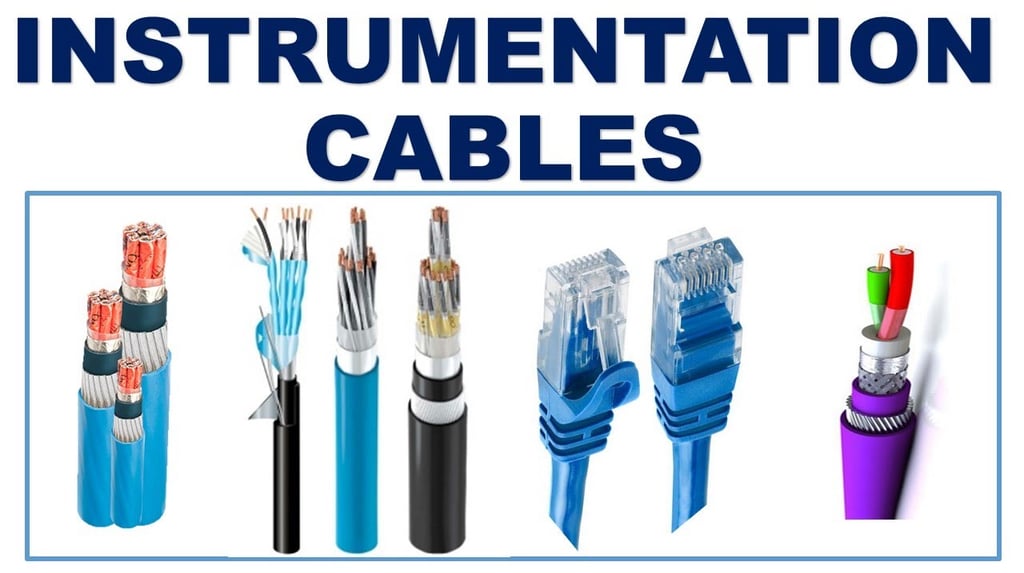
Simply put, instrumentation cable is the low-voltage, screened lifeline that carries precise analog (4–20 mA, thermocouples, RTDs) and digital (HART, Foundation Fieldbus, PROFIBUS PA) signals from field sensors to PLCs, DCS or SCADA systems without electromagnetic interference (EMI) or radio-frequency interference (RFI) distortion. Think of it as the N1 highway for electrons – narrow, fast and ruthlessly protected from potholes.
In Mzansi, these cables are the unsung heroes inside Sasol’s Secunda and Natref refineries, Engen’s Durban tanks, Eskom’s Medupi and Kusile units, Anglo American’s platinum smelters, Glencore’s chrome mines, Rand Water’s Zuikerbosch pump stations and even the MyCiTi bus depots in Cape Town. Without proper instrumentation cable, process control collapses, safety loops fail and downtime costs skyrocket.
This 2,500-plus-word guide gives you the full technical breakdown: layer-by-layer anatomy, type selection, EMI physics, standards, installation war stories, maintenance schedules, Industry 4.0 upgrades and an FAQ that answers the exact questions you shout across the bakkie on a Friday afternoon. Let’s roll.
The Anatomy of an Instrumentation Cable – What’s Inside the Jacket?
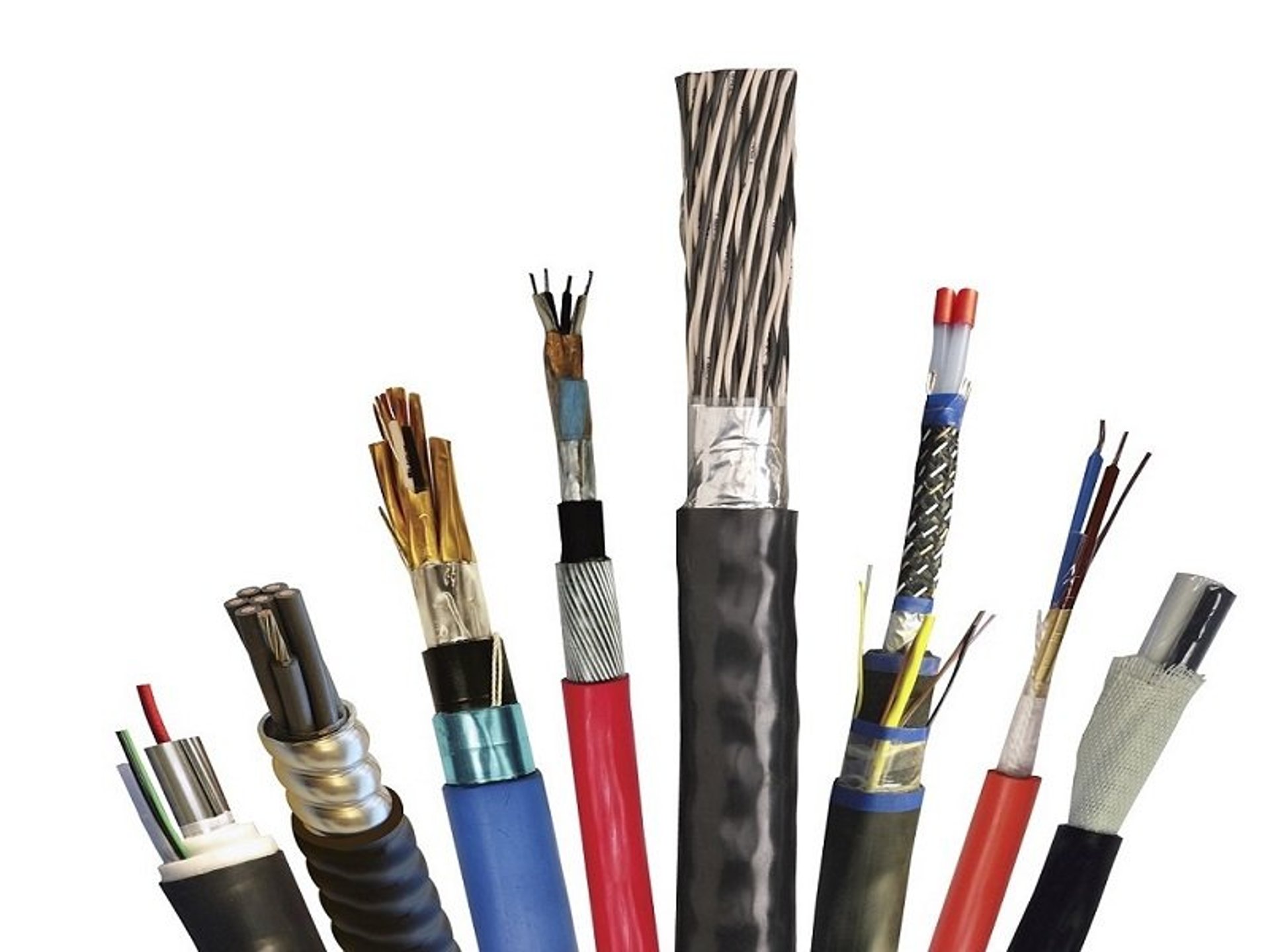
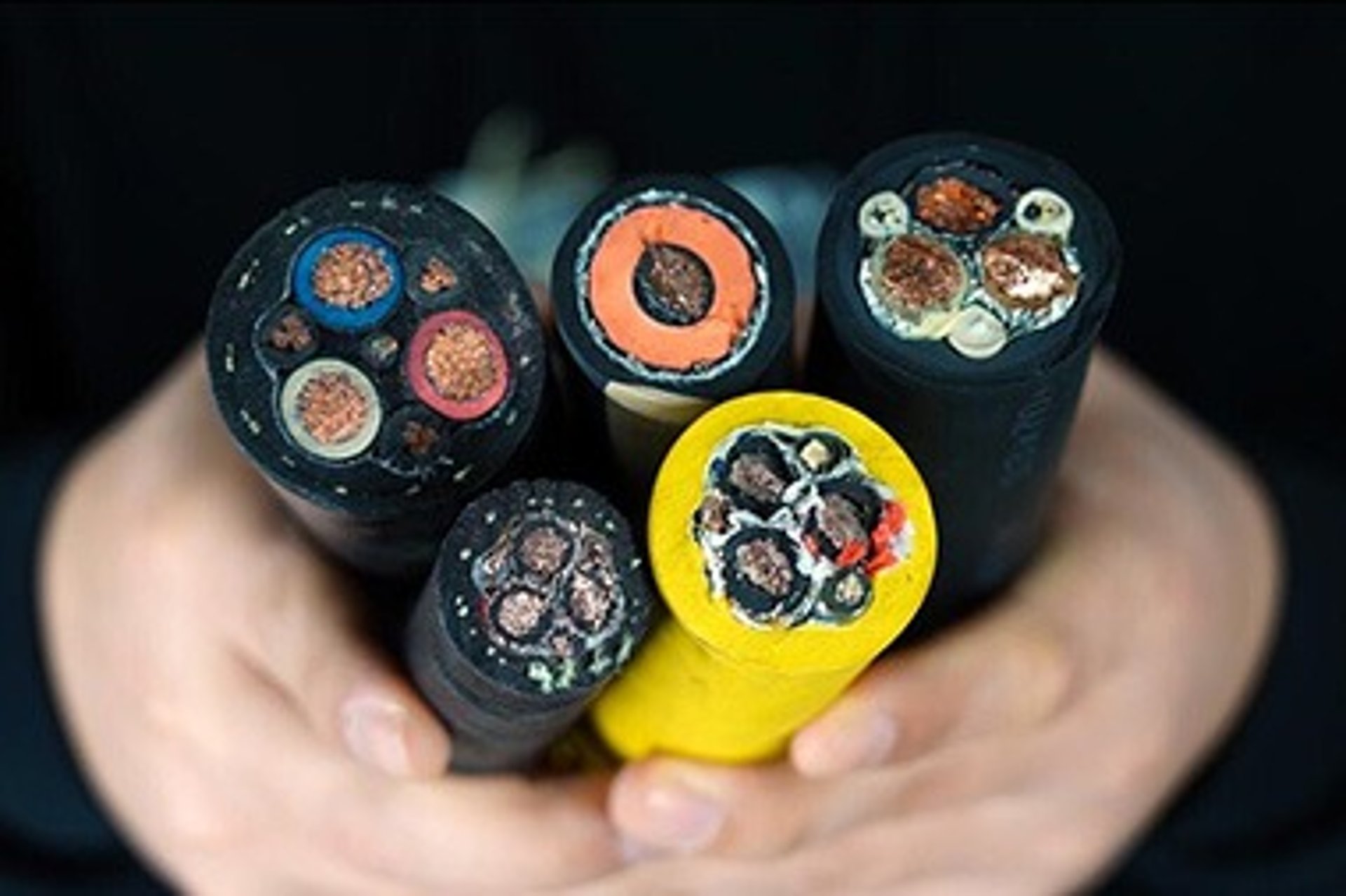
Strip back the outer sheath of a typical RE-2X(St)HSWAH-PiMF cable and you’ll find seven engineered layers working in concert. Think of the conductor as the N1 highway for electrons, insulation as crash barriers, twisting as speed humps that cancel noise, and shielding as a toll gate that bounces interference back to where it came from.
Conductor
At the core sits tinned or plain annealed copper – usually Class 2 (7-strand) for fixed installations or Class 5 (fine-strand flexible) for drag-chain or robotic arms. Standard sizes in SA plants are 0.5 mm², 0.75 mm², 1.0 mm² and 1.5 mm² – roughly 20 AWG to 16 AWG. Tinning prevents oxidation in H₂S-rich Sasol environments; plain copper saves a few rand in indoor panels.
Insulation
Each conductor wears a coloured XLPE (cross-linked polyethylene) skin rated 90 °C continuous, 250 °C short-circuit. XLPE laughs at petrochemical vapours and UV. For budget indoor panels, PVC at 70 °C does the job. Outdoor UV-stressed runs (e.g., solar farms near Upington) demand PE or black MDPE.
Pairing & Twisting
Wires are twisted into pairs (two conductors) or triads (three for RTDs). Typical lay length is 1.3–1.5 twists per centimetre – mathematically calculated to cancel electromagnetic coupling. Longer lay = lower capacitance = longer distance without signal drop.
Screening – The EMI Bodyguard
Overall screen: Al-PET (aluminium-polyester tape) wrapped helically with a tinned copper drain wire (0.5 mm²) for single-point earthing.
Individual pair/triad screen (PiMF = Pair in Metal Foil, TiMF = Triad in Metal Foil) – each bundle gets its own foil cocoon. Mandatory in analyser shelters at Natref where one bad transmitter must not corrupt the whole multi-pair.
Double-screen constructions like RE-2X(St)YSWAY combine overall foil plus tinned copper braid (90 % optical coverage) – standard inside Sasol Synfuels where 400 kV switchyards live next door.
Bedding / Inner Sheath
A flame-retardant halogen-free compound binds the screened cores and cushions them against armour pressure.
Armouring
Galvanised steel wire armour (SWA) – 1.6 mm to 2.5 mm wires for direct burial at Sishen or Medupi.
Steel wire braid (SWB) – lighter, flexible for pump skids that vibrate. No armour on indoor tray runs to save weight and cost.
Outer Sheath
LSZH (low smoke zero halogen) – mandatory in Joburg Metro tunnels, Cape Town MyCiTi depots and Eskom control rooms. Zero toxic smoke under fire.
PVC – indoor general purpose.
SHF-2 mud-resistant for offshore Mossel Bay rigs.
Text comparison of two common SA cables:
RE-2X(St)H = XLPE insulation, overall Al-PET screen, PVC inner, no armour, black PVC outer – perfect for indoor PLC panels.
RE-2X(St)HSWAH-PiMF = XLPE, individual PiMF plus overall braid, halogen-free inner, galvanised SWA, LSZH outer – bulletproof for Kusile boiler instrumentation.
Types of Instrumentation Cable – Picking the Right Tool for the Job
South Africa’s harsh climates and regulatory landscape spawn a rainbow of instrumentation cable flavours. Here’s the lineup you’ll spec on most tenders:
PVC Insulated (BS EN 50288-7, UL 2250)
The budget king. 70 °C, flame-retardant PVC, overall screen. Perfect for indoor MCC rooms at Durban harbour cranes. Pair counts from 1 pair to 50 pairs. Colour code per SANS 1507 (blue/white-blue for pair 1).
XLPE Insulated
90 °C continuous, chemical resistant, low capacitance. Standard at PetroSA’s Mossel Bay gas-to-liquid plant where H₂S and 85 °C ambient rule. Flexible Class 5 conductors allow tight bends in analyser cabinets.
LSZH / HFFR (Halogen-Free Flame Retardant)
Zero halogen, low smoke. Compulsory in Cape Town MyCiTi bus depots, Gautrain tunnels and Sasol emergency shutdown panels. Add 12–18 % to PVC price but save lives when the chips are down.
Armoured SWA / SWB
Galvanised steel wire armour for direct burial at Kumba Sishen or underground 11 kV substations at Eskom Kendal. SWB for vibrating pump skids at Rand Water Vereeniging.
PiMF / TiMF Individually Screened
Each pair or triad wrapped in its own foil. Ultra-low crosstalk for Natref refinery analyser shelters running 12 transmitters in one cable. Prevents one faulty pH probe from spiking the whole loop.
Specialty Cables
Thermocouple extension Type KX – NiCr-NiAl, green/white-green, ±2.5 °C accuracy to furnace PLCs at ArcelorMittal Vanderbijlpark.
PROFIBUS PA – blue sheath, 31.25 kbps over 1.9 km in Ex areas.
Foundation Fieldbus H1 – orange sheath, 1 km segments at Sasol Sigma plant.
How Instrumentation Cable Battles EMI/RFI in Real SA Environments
South Africa throws EMI at you from every angle: VSDs on 1,000 kW conveyor motors at Sishen, 132 kV overhead lines snaking past Glencore Rhovan chrome smelters, two-way radio towers at Durban Container Terminal, and 400 kV switchyards hugging Kusile power station.
The Physics in Plain English
Twisted pair: opposing magnetic fields cancel (Faraday’s law).
Foil shield: reflects electric fields (skin effect).
Drain wire: bleeds induced currents to earth at the DCS end only.
Braid: absorbs residual magnetic noise (90 % optical coverage = –70 dB attenuation at 10 MHz).
Case Study: Eskom Kusile
Pre-2018, boiler drum level transmitters tripped weekly on EMI from adjacent 765 kV yard. Solution: replace old PVC overall-shield with RE-2X(St)HSWAH-PiMF. Result: spurious trips dropped 95 %; plant availability rose 0.8 % – worth R180 million annually.
Text “graph” description: Attenuation curve – unscreened pair loses 40 dB at 1 MHz; PiMF loses <3 dB up to 10 MHz; overall braid + foil combo flatlines noise to –85 dB across 50 kHz–30 MHz.
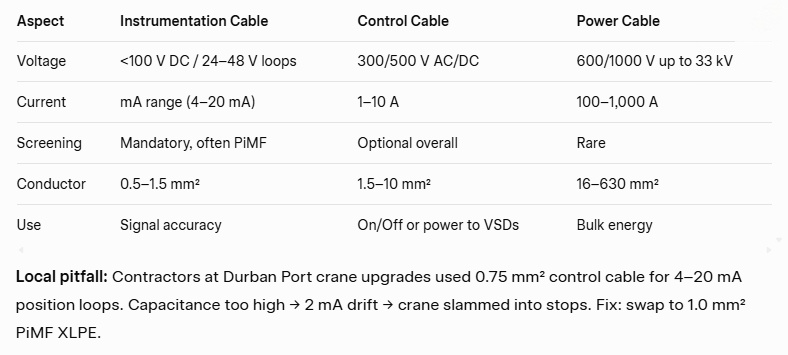
Instrumentation vs Control vs Power Cables – Stop the Mix-Ups
Standards, Certifications & SANS Compliance for the SA Market
Every drum tendered to Eskom, Sasol or Transnet must carry:
SANS 1507 – PVC/XLPE multi-core instrumentation.
SANS 1574 – LSZH variants.
IEC 60332-1 & -3 – flame propagation.
EN 50288-7 – multi-element metallic cables for analogue/digital.
VDE 0815 – German harmonised.
Fire ratings decoded:
FR = flame retardant to IEC 60332-1.
LSZH = low smoke zero halogen to IEC 61034 & 60754.
Cat A = bundle burn for risers.
Marking example: “RE-2X(St)YSWAY 12x2x1.0 PiMF FR-LSZH 90 °C SANS 1507 NRCS/9003/0123” Translation: Instrumentation, XLPE, overall screen, PVC inner, SWA, LSZH outer, 12 pairs, 1 mm², individually foil-screened, flame-retardant LSZH, SANS compliant, NRCS certificate.
Third-party muscle: SABS mark mandatory for Eskom tenders; LOBA tunnel fire test for Gautrain; NRCS random audits can red-tag an entire site.
Selection Checklist – 10 Questions to Ask Before You Buy
Temperature? –20 °C winter nights at Sishen → XLPE 90 °C.
Chemicals? H₂S at Secunda → tinned copper + XLPE.
Mechanical stress? Direct burial → SWA; rodents → add nylon outer.
EMI intensity? Next to 400 kV lines → PiMF + braid.
Fire zone? Tunnels → LSZH mandatory (MyCiTi spec).
Loop length? 4–20 mA max 500 m on 1.0 mm² with 24 V supply (250 Ω load + 50 Ω cable).
Pair count & colour code? Follow SANS 1507 Table 3 – blue/white-blue pair 1.
Lifecycle cost? Cheap PVC fails in 18 months outdoors at Port Elizabeth; XLPE/LSZH lasts 25 years.
Local stock? Aberdare/CBI keep 0.5–1.5 mm² on the floor; Turkish imports = 16-week pain.
NRCS certificate? No cert = site shutdown.
Installation Best Practices – Avoid the Heartache
Segregation: 300 mm air gap from power cables or steel divider (SANS 10142-1 Clause 6.4).
Bending radius: 12 × overall diameter for SWA; 8 × OD for unarmoured.
Glanding: Nickel-plated brass Ex e glands in Zone 1 at Sasol; IP68 compound-filled for coastal KZN.
Earthing: Shield and drain wire earthed only at DCS end; field end taped and floated.
Testing: Continuity <0.1 Ω, insulation >100 MΩ at 500 V DC, TDR to locate water ingress.
Case study: Richards Bay Minerals titanium smelter – double-ended shield grounding caused 50 % loop errors on chlorine sensors. Fix: lift field-end drain, re-terminate with heat-shrink cap. Errors vanished in 20 minutes.
Maintenance, Troubleshooting & Lifecycle
Quarterly visual: Look for jacket cracks (coastal KZN salt), rodent chew on SWA, water in glands.
Megger protocol: 500 V DC phase-to-shield >100 MΩ; record trends.
Common faults:
Water ingress at poorly sealed glands → low IR.
Thermal ageing of PVC → brittle, cracks after 7 years at 80 °C.
VSD harmonic noise → upgrade to PiMF.
Repair vs replace: Splice kits for minor cuts; full drum for >3 faults.
Lifespan: 25 years XLPE/LSZH fixed; 10 years PVC in drag chains; 7 years unarmoured outdoors.
Future-Proofing – Industry 4.0 and Smart Instrumentation Cable
Hybrid cables: 4 pairs 4–20 mA + 2 fibres in one sheath for CCTV + process data.
Ethernet-APL: 10 Mbps full-duplex over 1 km in Ex Zone 1 – piloted at Sasol Sigma.
Smart shields: Embedded micro-conductors detect shield breaks → predictive maintenance alert on DCS.
SA rollout: Pilog’s Smart Cable initiative at Secunda logs temperature, vibration and partial discharge on every drum.
FAQ
Q: What’s the difference between PiMF and overall shield?
A: PiMF wraps each pair in its own foil – one dodgy transmitter can’t corrupt the whole cable. Overall shield is cheaper but shared noise path.
Q: Can I run 4–20 mA and 230 V AC in the same tray?
A: No ways, china. 300 mm separation or steel barrier per SANS 10142-1. Otherwise induction spikes your loop.
Q: Why does my loop read 3.8 mA at zero input?
A: Classic double-earth. Lift the field-end drain wire, tape it, float it. Reading jumps to 4.0 mA.
Q: Is PVC cable okay underground at Sishen mine?
A: Only if ducted and protected. Direct burial needs SWA + LSZH to survive 180 t haul trucks and flash floods.
Q: What does RE-2X(St)HSWAH mean?
A: RE = instrumentation; 2X = XLPE; St = overall screen; H = LSZH inner; SWAH = steel wire armour halogen-free. PiMF is extra.
Q: How long can a 1.0 mm² pair run before signal drop?
A: 1,000 m max on 24 V supply, 250 Ω load, 100 Ω cable resistance. Use HART calculator for precision.
Q: Do I need SABS mark on every drum?
A: Yes for Eskom, Sasol, Transnet tenders. NRCS audits can red-tag the whole site – seen it at Medupi.
Q: Can I use control cable for RTDs?
A: Technically yes, but zero individual screening = 0.5 °C drift near VSDs. Rather spend R8/m extra on PiMF.
Q: What’s the cheapest LSZH option?
A: Local SHF-1 extruded on RE-2X(St)Y – roughly 15 % premium over PVC. Aberdare keeps 1.0 mm² 8-pair in stock.
Q: My supplier quotes 14-week lead time – normal?
A: No. Reputable SA mills (Aberdare, CBI, ETF) stock 0.5–1.5 mm². Turkey/India imports cause pain – spec local.
Conclusion
From the blistering heat of Sishen to the corrosive air of Secunda, instrumentation cable is the silent guardian of South Africa’s industrial heartbeat. Get the construction right, choose PiMF in noisy zones, armour for burial, LSZH for safety, and earth the shield once only – and your plant runs like a well-oiled braai. Skimp on spec and you’ll be the guy explaining a R200-million shutdown to the board.
Keep this guide in the bakkie glovebox, bookmark the selection checklist, and never – ever – double-earth the drain wire. Your loops will thank you, and so will the night-shift electrician who doesn’t have to climb the stack at 2 a.m.
Now go spec that RE-2X(St)HSWAH-PiMF like a pro. Mzansi’s industries are counting on you.
Email Address: Li.wang@feichuncables.com
© 2025. All rights reserved.
One-click to Quickly Contact
Products
Contact
Company
Location:
Building A Private Science and Technology Park, Hefei Economic and Technological Development Zone, Anhui Province, China
Heat Resistant Cable
WhatsApp: +86 17333223430
Social Media: