Anhui Feichun Special Cable Co.,Ltd Email: Li.wang@feichuncables.com

Lifting South Africa: How Gantry Cranes and Gantry Cables Power Our Industrial Might
Discover how gantry cranes and gantry cables revolutionize South Africa’s industrial, mining, and port operations. Learn about types, applications, cable technology, safety standards, and real South African case studies.
Li.Wang
12/3/20256 min read
Introduction
South Africa’s industrial, mining, and port sectors are the backbone of its economy, handling vast amounts of materials daily. From steel mills in Gauteng to container terminals in Durban and Cape Town, efficient material handling is not optional—it is critical. One of the most versatile solutions in this field is the gantry crane, a robust overhead lifting system capable of managing heavy loads in diverse environments. Yet, while many engineers, operators, and managers are familiar with cranes in general, the difference between gantry cranes and bridge cranes is often misunderstood.
A bridge crane spans the width of a building, anchored to the structure itself. Conversely, a gantry crane is supported by freestanding legs, which can run on rails or wheels, making them ideal for outdoor operations or areas without permanent building supports.
Underlying the performance of these systems are gantry cables, which provide both power and communication between the crane and its control systems. Selecting the right combination of crane and cable is not just a matter of operational efficiency—it’s a safety imperative. Incorrect or substandard components can lead to downtime, costly repairs, or even accidents. In this article, we will explore the engineering, applications, and best practices for gantry cranes and gantry cables, highlighting South African examples to provide context and authority.
Understanding Gantry Cranes
Definition and Core Concept
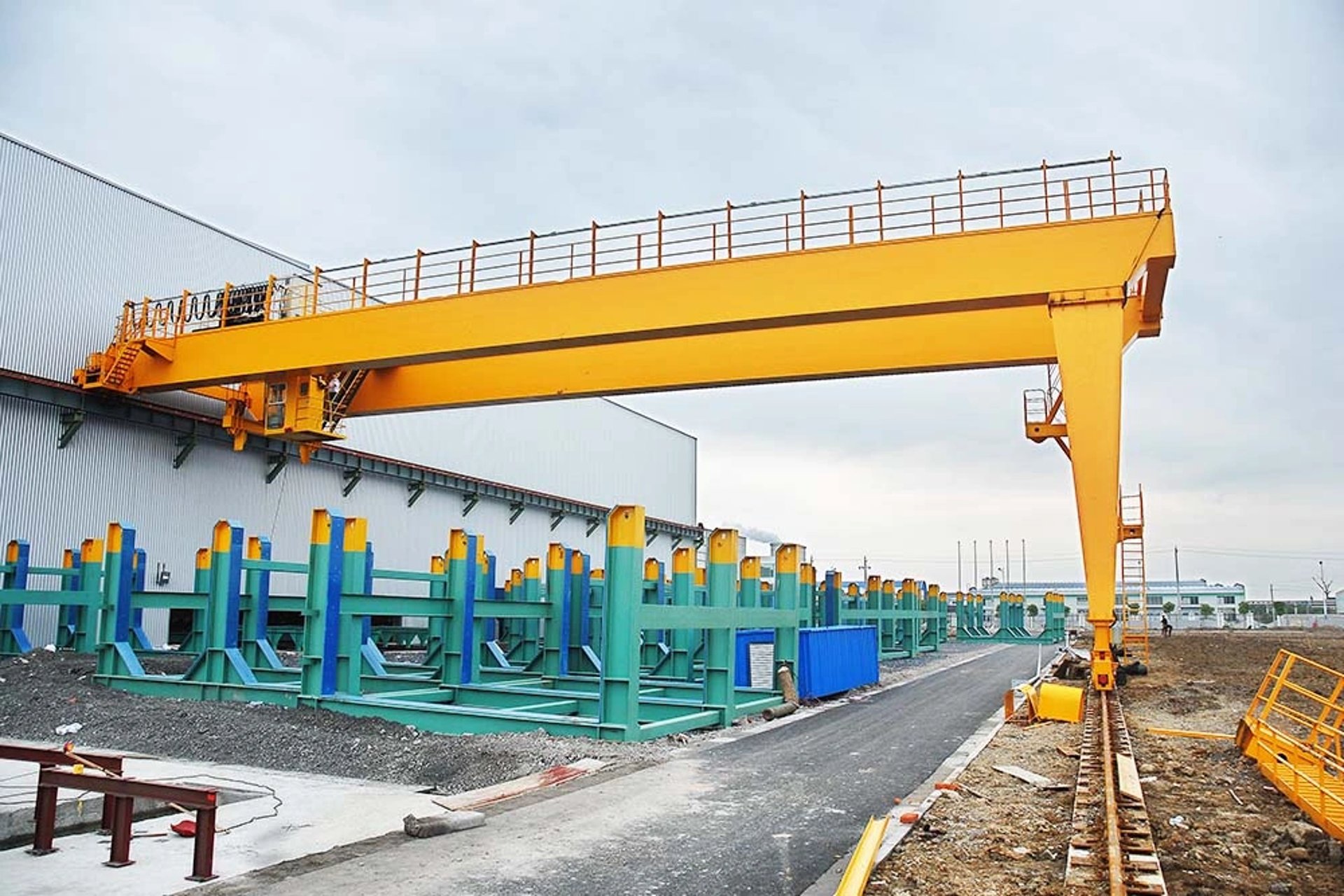
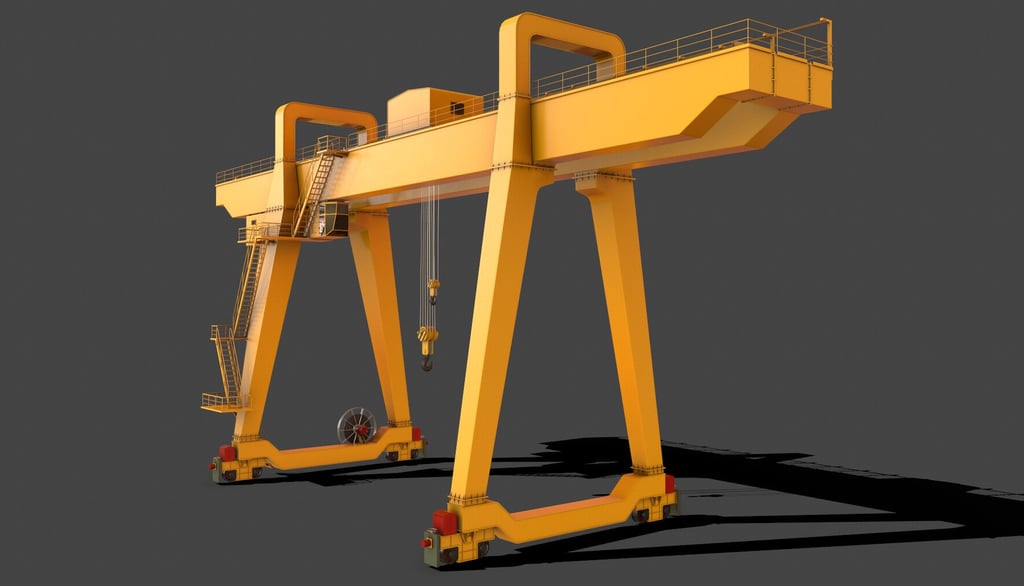
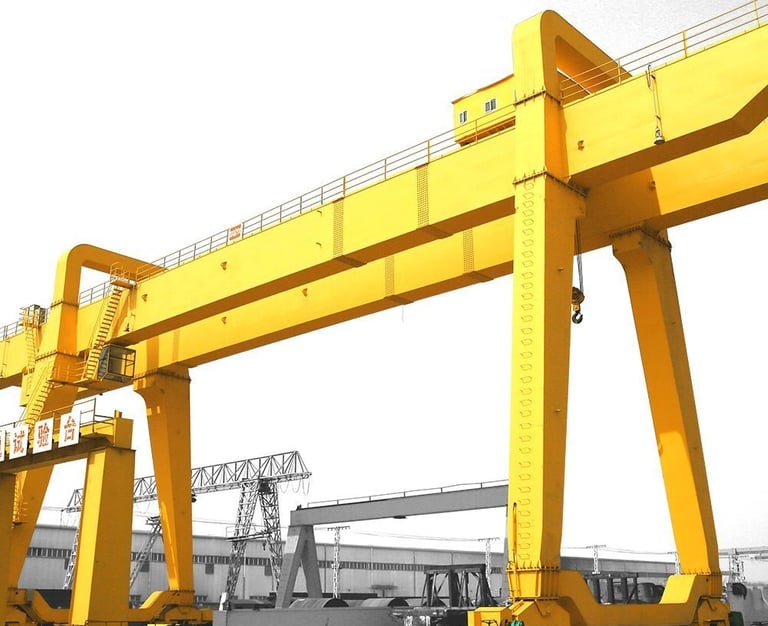
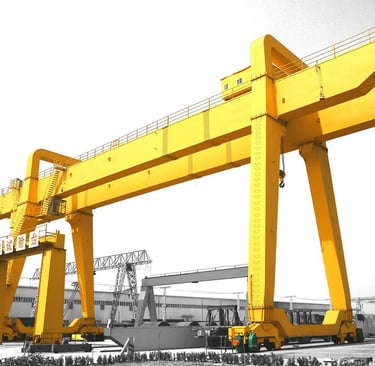
A gantry crane is a type of overhead crane characterized by its freestanding legs, which allow the crane to operate independently of a building’s support structure. Typically, the crane has a single or double girder design, supported by legs that run on wheels or embedded rails.
Unlike bridge cranes, which require runway beams and support columns, gantry cranes offer flexibility in installation. They are ideal for outdoor yards, retrofit projects, or situations where permanent overhead structures are impractical. Their ability to accommodate motorized traffic underneath further enhances operational efficiency in high-density industrial areas.
Types of Gantry Cranes
Gantry cranes come in several configurations, each optimized for specific applications:
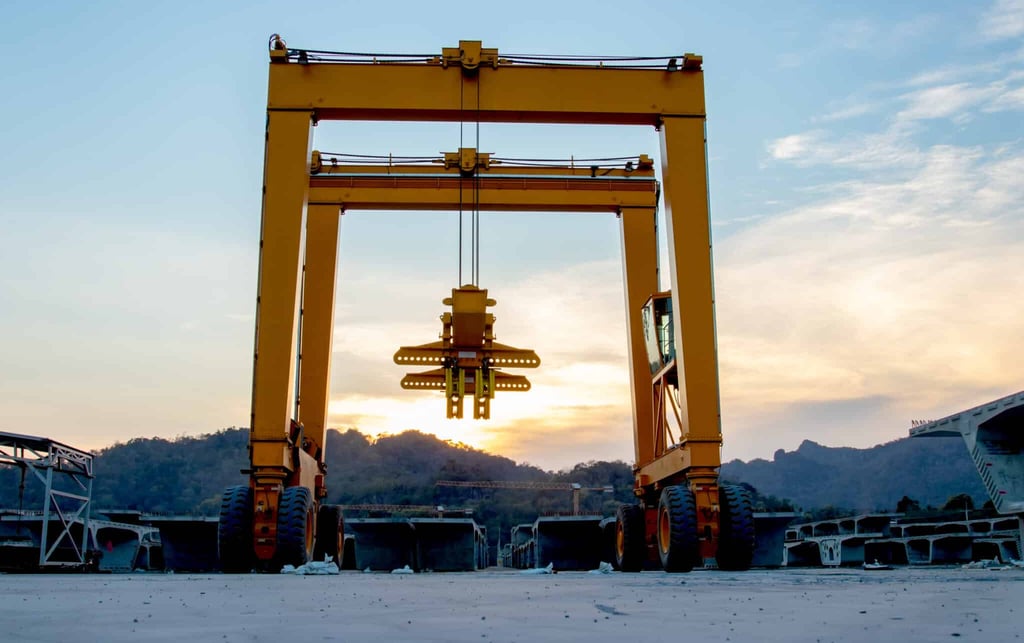
Full Gantry Cranes
These cranes are rail-mounted and designed for heavy-duty outdoor use.
They feature two legs riding on rails embedded flush with the ground, allowing vehicles and forklifts to pass underneath.
Example: Durban Port’s container yard uses full gantry cranes to handle thousands of TEUs (twenty-foot equivalent units) daily, demonstrating durability under high traffic and salt-laden environments.
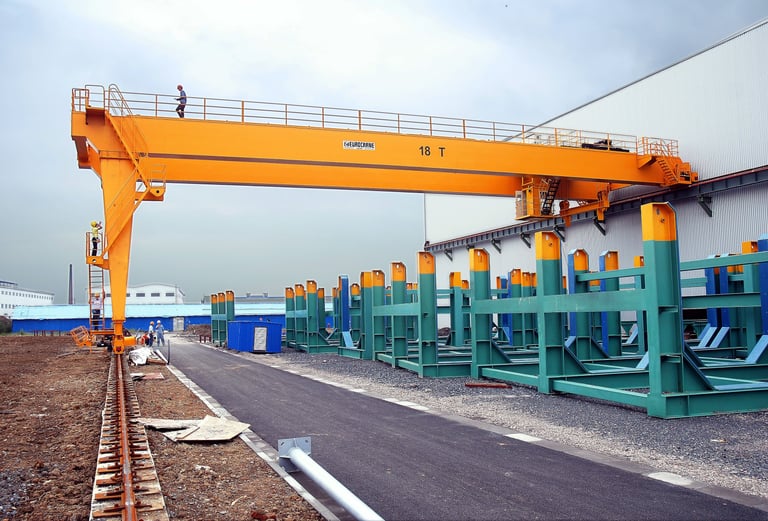
Semi-Gantry Cranes
One leg rests on wheels or rails, while the other is supported by a building runway.
This hybrid design saves floor space and works well in warehouses or light fabrication areas.
South African Case Study: In a Johannesburg steel fabrication yard, a semi-gantry crane increased operational efficiency by 30%, allowing cranes to move over existing infrastructure without extensive modifications.
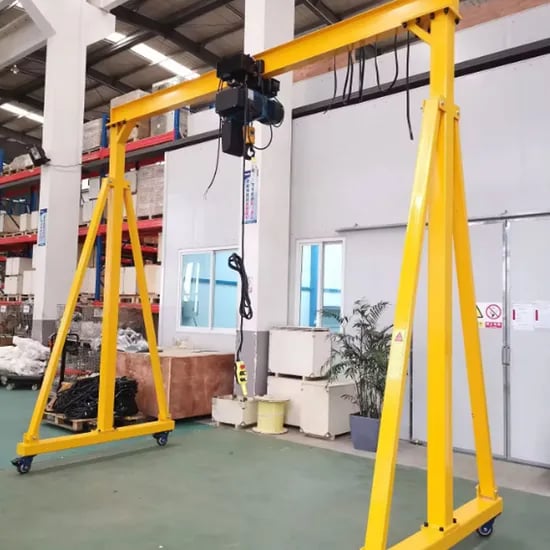
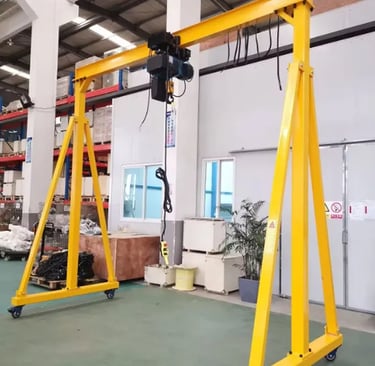
Portable Gantry Cranes
Smaller and more mobile, these run on castors or rubber wheels.
Used for maintenance, assembly, and light fabrication, they provide flexibility in workshops and industrial plants.
Adjustable Gantry Cranes
Designed with variable height and span, allowing for multipurpose operations.
Ideal for facilities with changing material handling requirements or modular layouts.
Applications in South Africa
Gantry cranes are widely used across South African industries:
Mining yards for handling ore, scrap metal, and heavy machinery.
Steel and scrap yards for lifting coils, sheets, and structural components.
Container terminals in Durban, Cape Town, and Richards Bay for handling import and export cargo.
Cement and precast operations, where cranes assist in curing slabs and transporting heavy molds.
Case Study: A semi-gantry crane in Johannesburg improved steel yard throughput by reducing manual handling and allowing forklifts and trucks to move freely underneath, enhancing both safety and productivity.
Design Considerations
Choosing the right gantry crane requires careful planning:
Load capacity must align with operational needs. Overloading risks structural failure.
Span and height should accommodate the workspace and material flow.
Environmental factors such as outdoor exposure, UV radiation, and corrosive agents dictate material selection.
Rails or wheels should be integrated with motorized traffic patterns.
Safety and maintenance must be considered from day one, with clear access for inspections and routine servicing.
Gantry Cables: The Backbone of Gantry Cranes
Introduction to Gantry Cables
While the crane itself provides mechanical lifting power, gantry cables enable reliable power delivery and data transmission, making the crane operational. These cables are critical for:
Energizing hoists, motors, and control systems.
Transmitting control signals for precise load handling.
Ensuring operational reliability under harsh industrial conditions.
A well-engineered gantry cable reduces downtime, improves safety, and enhances industrial productivity.
Structure and Materials
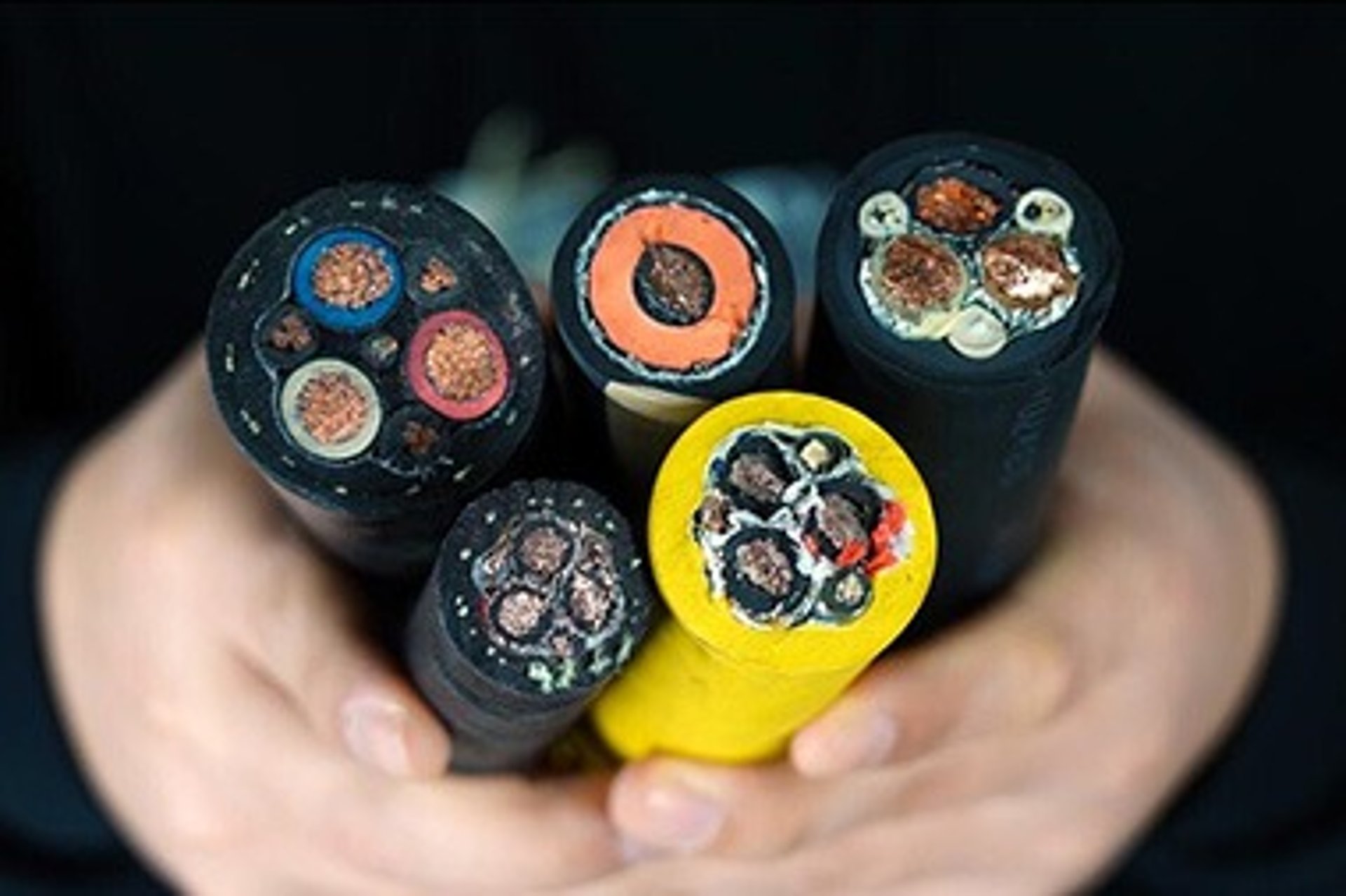
A modern gantry cable is a sophisticated composite:
Conductors: Flexible electrolytic copper (Class 5 or 6), designed for repeated bending and torsion without fatigue.
Insulation: PVC or TPE compounds for thermal, chemical, and moisture resistance.
Outer Sheath: PVC or PUR to protect against abrasion, UV exposure, oils, and chemicals.
This multi-layered construction ensures longevity even under high-stress industrial applications.
Types of Gantry Cables
Flat Cables:
Ideal for festoon systems, where compact and organized installation is essential.
Round Cables:
Preferred for cable reels, offering torsional flexibility and ease of winding.
Composite Cables:
Integrate power and data transmission, including optical fibers for modern automation and remote monitoring.
Performance Characteristics
High-quality gantry cables are engineered to withstand:
Millions of bending cycles, essential for repetitive crane movement.
Chemical exposure, including oils, lubricants, and solvents.
Extreme temperatures, from hot steel mills to cold storage yards.
Tensile stresses, using steel wire or aramid supports in long-span systems.
Standards and Regulatory Compliance
Compliance with standards ensures safety and reliability:
Local Standards: ABNT NBR 7289 (control cables with extruded insulation), NBR 13249 (flexible cables for voltages up to 750V).
International Standards: VDE 0295 (conductor flexibility classification).
Using certified cables reduces risks of electrical failure, fire, and operational downtime.
Gantry Cables in South African
Port Applications
South African ports are challenging environments:
Durban, Cape Town, and Richards Bay are exposed to high salinity, humidity, and UV radiation.
Cables in these conditions often use PUR sheaths and tinned copper for corrosion resistance.
Reliable gantry cables ensure uninterrupted container handling, crucial for import/export efficiency.
Mining and Industrial Applications
Mining yards in Gauteng and North West Province use gantry cranes for heavy ore and equipment handling.
Case Study: A platinum processing plant in Rustenburg implemented high-flexibility composite gantry cables. Benefits included reduced downtime, improved safety compliance, and the ability to integrate sensors for automated material handling.
Cables designed for harsh environments prevent frequent replacements, saving costs and ensuring consistent production.
Installation and Maintenance Best Practices
Correct Installation
Follow manufacturer minimum bend radius to prevent conductor damage.
Avoid twisting, crushing, or sharp bends during installation.
Engage qualified installers familiar with gantry systems and cable handling.
Predictive Maintenance
Conduct regular visual inspections for wear, cracks, or overheating.
Perform periodic insulation testing to detect early degradation.
Benefits: extended cable lifespan, reduced unscheduled shutdowns, and improved operational safety.
Safety Considerations
Substandard or improperly installed cables increase risks: electric shocks, short circuits, and fire hazards.
Using certified, robust gantry cables is a direct investment in workforce safety and asset protection.
Innovations and Future Trends
The industry continues to innovate in gantry cable technology:
Halogen-Free (HF) Materials: Reduce smoke and toxic emissions during fire incidents.
Eco-Friendly Compounds: New insulation and sheathing materials are more durable and sustainable.
Smart Gantry Cables: Sensors embedded for real-time monitoring of load, temperature, and wear, allowing predictive maintenance and improved operational efficiency.
South African operators are increasingly adopting these technologies to meet safety, environmental, and productivity goals.
Common Questions (FAQ)
Can a gantry crane be used indoors?
Yes, semi-gantry or portable gantry cranes are ideal for indoor workshops and warehouses.What factors determine the type of gantry cable needed?
Consider load current, mechanical stress, environmental conditions, and whether data transmission is required.How often should gantry cables be inspected or replaced?
Visual inspections are recommended monthly; insulation testing annually. Replacement depends on wear, environmental exposure, and manufacturer guidelines.What’s the difference between flat and round gantry cables?
Flat cables suit festoon systems with compact arrangements; round cables are better for reels and torsional flexibility.Can portable gantry cranes replace jib cranes?
They can, especially in flexible or expanding operations, offering mobility and floor space efficiency.How do environmental factors like UV or chemicals affect gantry cables?
Exposure to UV, salt, oils, or chemicals can degrade insulation and sheathing, reducing lifespan if the correct cable type isn’t used.Are there South African standards specific to gantry cables?
While there’s no gantry-specific standard, ABNT and NBR regulations for control and flexible cables are commonly referenced.Can gantry cables support both power and data transmission?
Yes, composite gantry cables integrate power lines with optical fibers or shielded signal lines for control automation.
Conclusion
Gantry cranes and gantry cables are essential for South Africa’s industrial, mining, and port operations. Their correct selection, installation, and maintenance directly impact efficiency, safety, and operational longevity.
Gantry cranes provide flexible, high-capacity lifting without requiring permanent building support.
Gantry cables ensure reliable power and data transmission, capable of withstanding harsh environmental and mechanical stresses.
Adhering to standards, implementing predictive maintenance, and using certified components protect both personnel and assets.
As South Africa’s industrial landscape continues to evolve, embracing innovations like halogen-free materials, smart monitoring, and high-flexibility cables will further enhance productivity and safety. For operators and engineers, understanding these systems is not merely technical—it is strategic, ensuring long-term success in the nation’s demanding industrial sectors.
Email Address: Li.wang@feichuncables.com
© 2025. All rights reserved.


One-click to Quickly Contact
Products
Contact
Company
Location:
Building A Private Science and Technology Park, Hefei Economic and Technological Development Zone, Anhui Province, China
Heat Resistant Cable
WhatsApp: +86 17333223430
Social Media: