Anhui Feichun Special Cable Co.,Ltd Email: Li.wang@feichuncables.com
Mastering Underwater High‑Voltage Power: PROTOLON(ST) NTSCGEWOEU 3 kV – 30 kV Medium Voltage Dredging Cables — EPR Rubber Design for 500 m Water Depth in South African Ports
Discover how PROTOLON(ST) NTSCGEWOEU medium‑voltage dredging cables solve the toughest underwater power challenges — operation down to 500 m, continuous submersion in salt, brackish and sewage water, combined with dynamic movement and high electrical stress. This article explains the engineering, materials science, standards, and proven performance in South African ports and mines, and introduces equivalent alternatives for reliable, cost‑effective procurement.
Li.Wang
6/23/20269 min read
Introduction
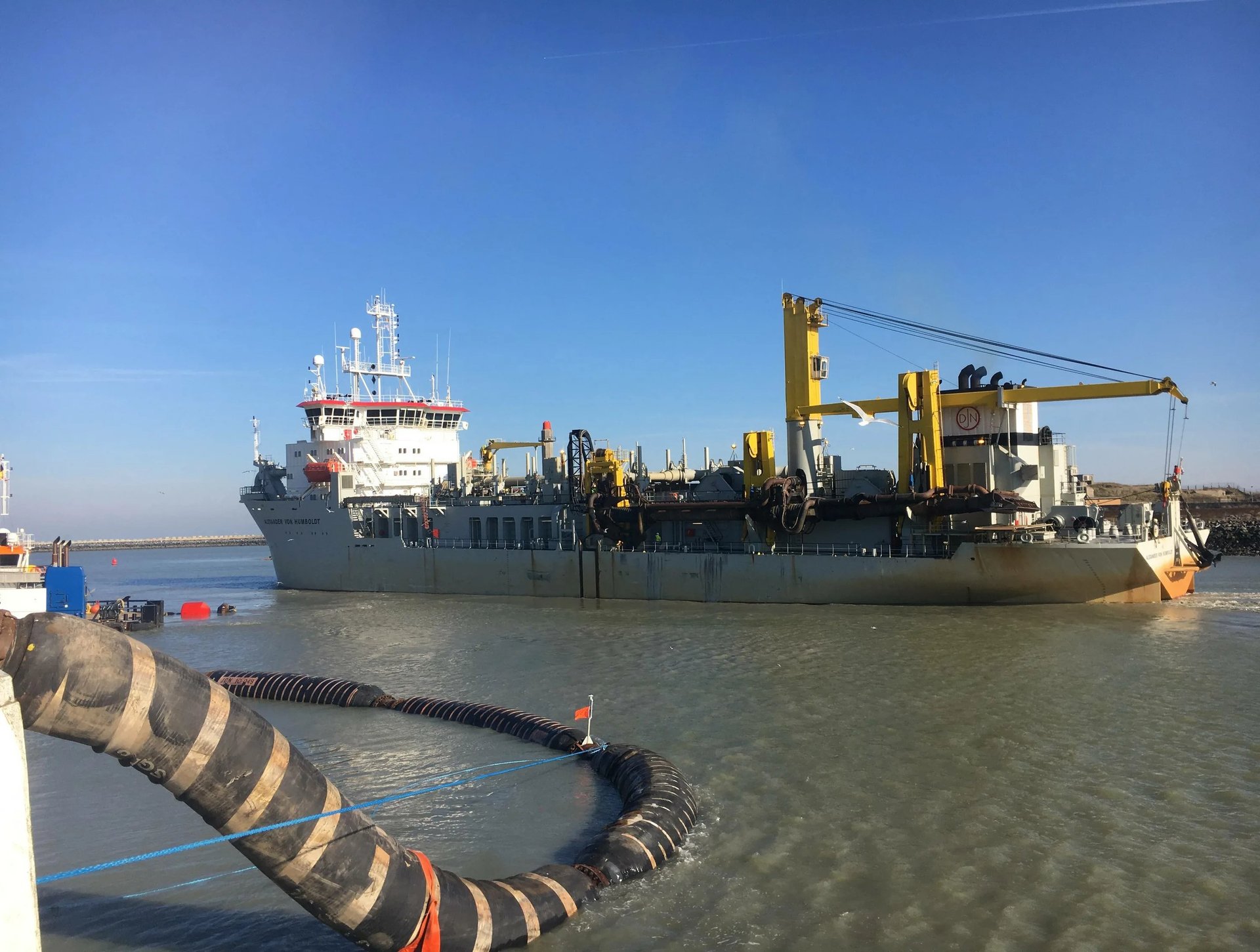
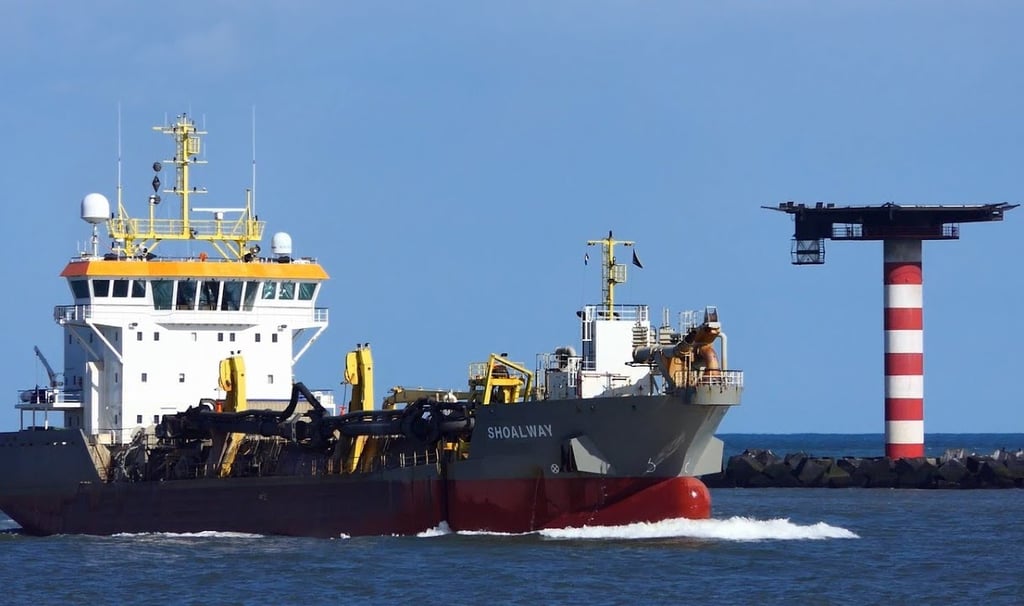
Reliable power delivery beneath the surface is one of the most demanding engineering challenges in marine and mining operations. In South Africa, where coastal ports like Richards Bay, Durban, and Saldanha Bay handle millions of tonnes of bulk cargo annually, and where offshore and inland dredging, tailings management, and diamond mining extend into deep and aggressive waters, standard cables often fail prematurely. The combination of hydrostatic pressure, saltwater corrosion, continuous bending and twisting, and high electrical load creates an environment where conventional designs simply cannot survive.
PROTOLON(ST) NTSCGEWOEU …/3E is not merely a cable rated for underwater use. It is a complete system engineered specifically for dynamic heavy‑duty medium‑voltage service in water up to 500 m deep. It addresses four critical failure modes simultaneously: water ingress, electrical aging, mechanical fatigue, and electrochemical corrosion. This article explores the technical, engineering, economic, and scientific dimensions of the design, compares it to standard alternatives, and presents real‑world operating experience in South Africa.
Basic Information & Technical Specifications
Product Identification and Applicable Standards
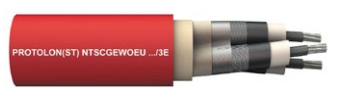
The full designation is PROTOLON(ST) …/3E NTSCGEWOEU, a medium‑voltage flexible screened cable designed for permanent submersion and high mechanical stress. It is manufactured to:
DIN VDE 0250‑813: The German standard for flexible medium‑voltage cables in mining and water applications
VDE 0168: Specific requirement for cables used on dredging equipment
IEC 60228: Conductor dimensions
IEC 60332‑1‑2: Flame retardancy
IEC 60811‑404: Resistance to oil and chemicals
EN 50525‑2‑21: Water‑tightness and immersion performance
Certifications include MSHA P‑189‑4 for mining, Russian GOST‑R/K/B, and independent fire‑safety testing, making it suitable for international and local South African specifications such as SANS 1520.
Voltage and Electrical Ratings
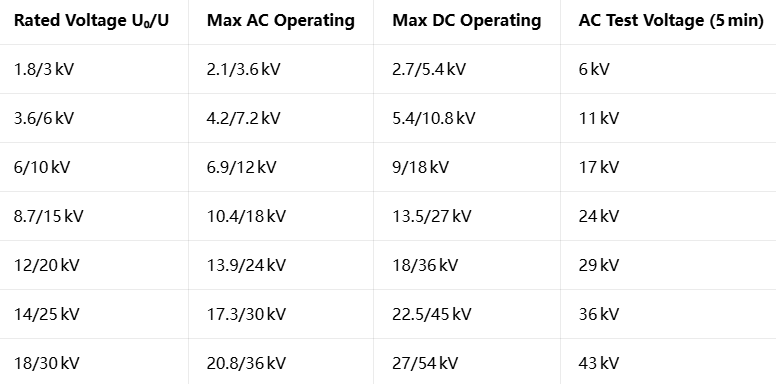
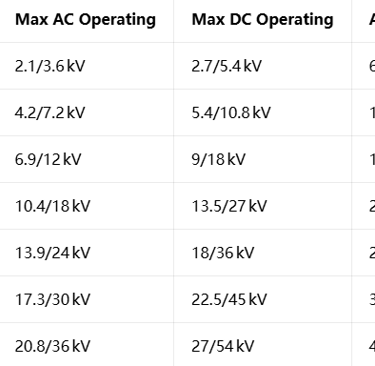
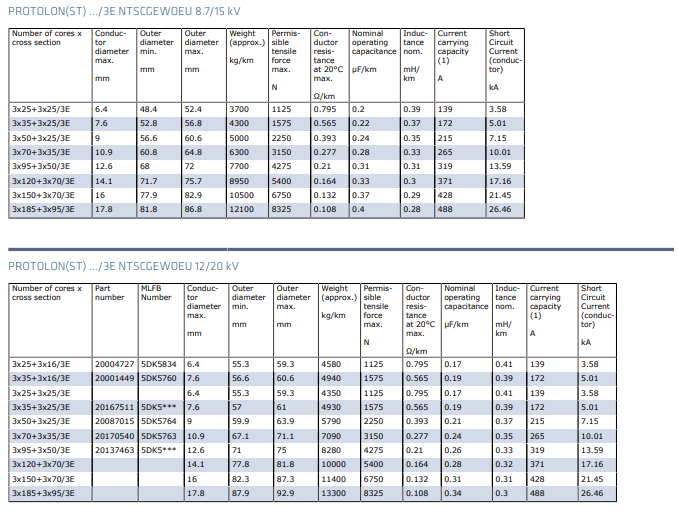
The cable covers a continuous range from 1.8/3 kV up to 18/30 kV, with corresponding maximum operating and test voltages:
Construction and Size Range
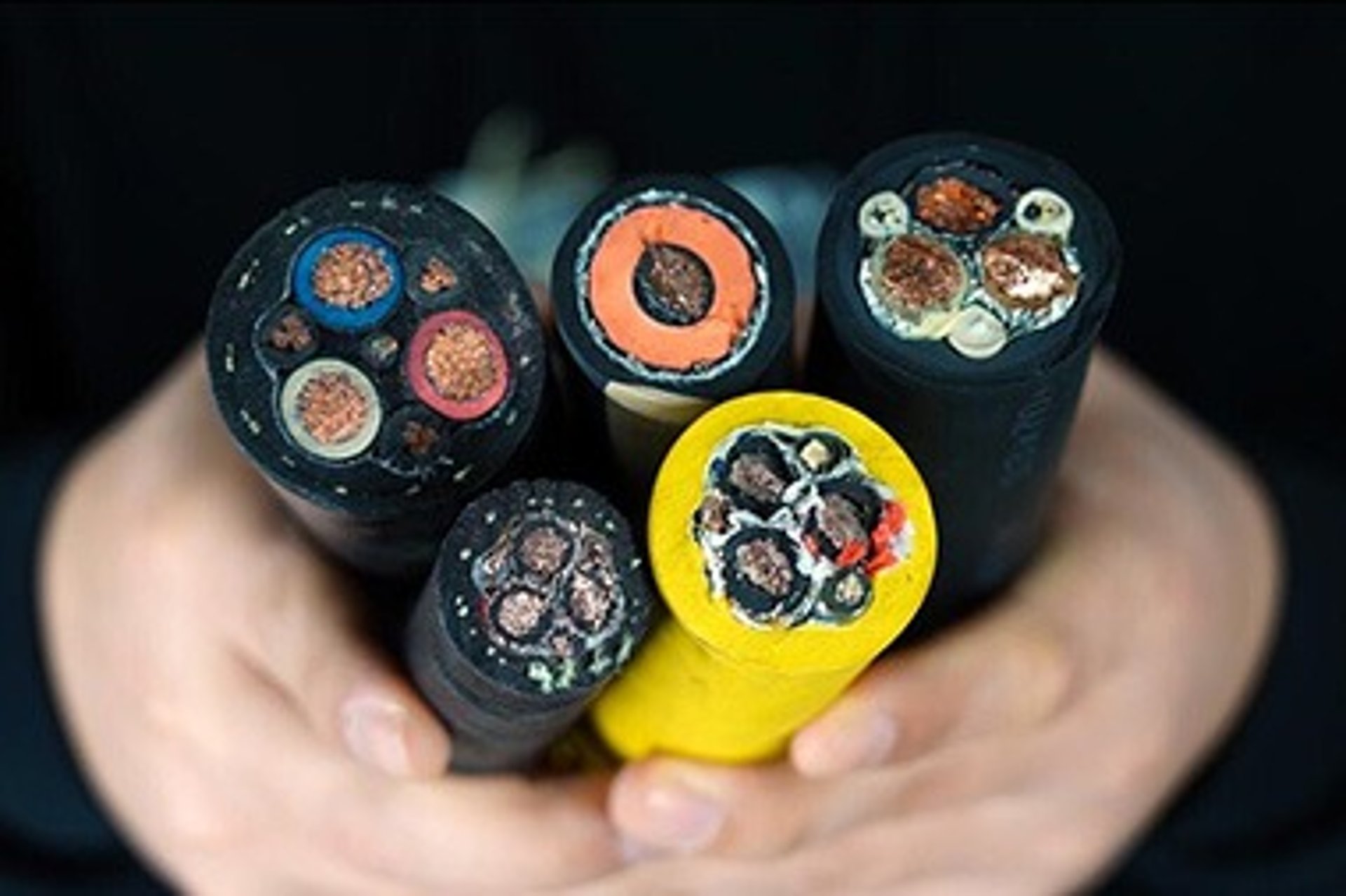
The standard configuration is 3 × main power cores + 3 × distributed protective‑earth cores (/3E). Main conductor sizes run from 16 mm² up to 240 mm², with earth cores matched accordingly from 16 mm² to 120 mm². Each size is defined by:
Conductor resistance at 20 °C: 0.795 Ω/km down to 0.0817 Ω/km
Nominal capacitance: 0.14 – 0.69 µF/km
Inductance: 0.25 – 0.46 mH/km
Current‑carrying capacity: 99 A to 574 A at 30 °C ambient
Short‑circuit current rating: 2.29 kA up to 34.32 kA
Thermal, Mechanical and Environmental Limits
Temperature: Conductor max 90 °C continuous, 250 °C short‑circuit; fixed installation −40 °C to +80 °C; flexible operation −25 °C to +60 °C
Mechanical: Max tensile load 15 N/mm²; torsion ±25°/m to ±100°/m depending on voltage; bending radius per DIN VDE 0298‑3
Depth: Continuous submersion up to 500 m, resisting hydrostatic pressure of approximately 5 bar
Media: Fresh water, salt water, brackish water, sewage, and mildly acidic mine water
Core Characteristics and Competitive Advantages
PROTOLON(ST) NTSCGEWOEU represents a systemic solution rather than a single‑component upgrade. Its advantages can be viewed across four dimensions:
Technical Dimension: Solving Water, Electricity, Mechanics and Corrosion
Waterproofing: Multi‑layer rubber construction prevents water penetration and eliminates water‑tree formation in insulation.
Electrical stability: EPR insulation combined with double semiconductive layers controls the electric field, reducing partial discharge even under high pressure.
Mechanical durability: Fine‑stranded conductors and balanced lay‑up absorb bending, torsion, and tension without fatigue.
Corrosion protection: Tinned copper and chemically inert rubber compounds resist galvanic attack and microbial degradation.
Engineering Dimension: Breaking the Depth and Flexibility Barrier
Standard underwater cables typically have a maximum operating depth between 100 m and 300 m, and many are designed only for fixed installation. This design extends reliable service to 500 m, while maintaining the flexibility required for reeling, towing, and continuous movement at speeds up to 60 m/min. It is the only type in its class approved under VDE 0168 specifically for dredging machinery, where cable movement is constant and unpredictable.
Economic Dimension: Lower Total Cost of Ownership
While the initial purchase price is higher than standard subsea cables, field data shows:
Design life: 15 years or more, compared to 2 – 5 years for conventional alternatives
Reduced downtime: Fewer replacements and repairs
Lower maintenance: No frequent inspections or cathodic protection adjustments
Higher resale and reuse potential: Robust construction allows redeployment across projects
In South African port operations, operators report that the higher upfront cost is fully recovered within 3 – 4 years through avoided downtime and labour costs.
Scientific Dimension: Design Built on Proven Principles
Every material and layer is selected according to well‑established laws of physics and chemistry:
Dielectric physics: EPR provides low permittivity and high insulation resistance, suppressing water‑treeing.
Electrochemistry: Tinning reduces the galvanic potential difference between copper and seawater.
Mechanics of materials: Fine stranding and optimized lay‑length distribute stress evenly.
Polymer science: Cross‑linked rubber compounds resist swelling, hydrolysis, and compression set under high pressure.
Layer‑by‑Layer Construction and Material Science
To understand why this cable performs so reliably, it helps to examine its structure from the inside out and the reasoning behind each choice.
Conductor
Material: Electrolytic copper, tinned, Class 5 finely stranded
Why: Fine stranding improves flexibility and reduces fatigue under cyclic bending. Tinning creates a protective barrier against oxidation and galvanic corrosion when immersed in conductive water, preventing the formation of dissimilar metal cells that would otherwise degrade bare copper rapidly.
Inner Semiconductive Layer
Material: EPR‑based semiconductive rubber compound
Principle: In medium‑voltage cables, sharp edges or air gaps create electric field concentrations that can lead to partial discharge. This layer has the same dielectric constant as the insulation, ensuring a smooth transition and uniform field distribution, eliminating stress points.
Insulation
Material: Ethylene‑Propylene Rubber (EPR), compound 3GI3
Science: Unlike cross‑linked polyethylene (XLPE), EPR has an amorphous molecular structure. It absorbs very little water, and its lack of crystallites prevents the formation of microscopic channels where water could migrate and create conductive “water trees”. Even after decades under pressure and voltage, EPR retains its dielectric strength far better than thermoplastic alternatives.
Outer Semiconductive Layer
Material: Matching semiconductive rubber
Function: Ensures the entire outer surface of the insulation is held at the same electrical potential as the metallic screen. This prevents field distortion at the insulation‑shield interface, a common failure point in cables without double semicon control.
Concentric Metallic Screen
Material: Copper wires or tapes
Role: Provides a path for fault currents, shields against electromagnetic interference, and equalizes potential around each core. This is essential for safety and stable operation in long submersed runs.
Distributed 3E Protective‑Earth System
Arrangement: Three separate earth conductors placed symmetrically around the main cores
Advantage: Unlike a single central earth, this layout balances mechanical stress during twisting and bending, reduces induced circulating currents, and ensures continuous grounding even when the cable is stretched or deformed.
Inner Sheath
Material: EPR compound GM1B, water‑tight formulation
Purpose: Acts as a primary barrier against water penetration, designed to prevent bubble formation and resist the inward compression caused by hydrostatic pressure. It also cushions the cores against friction during movement.
Outer Sheath
Material: Synthetic elastomer, compound 5GM3, red colour
Properties: High‑density, low‑water‑absorption rubber with high tear strength, ozone resistance, UV stability, and excellent resistance to oil, abrasion, and marine organisms. Under hydrostatic pressure, it compresses slightly, creating a self‑sealing effect that further reduces permeability at greater depths.
Why Standard Cables Fail
Common Failure Mechanisms in Subsea Environments
When used in depths up to 500 m and in salt or sewage water, ordinary cables face three major threats:
Water‑Treeing: XLPE or PE insulation allows water molecules to penetrate and form conductive channels under electrical stress. Over time, these channels grow and eventually cause breakdown.
Galvanic Corrosion: Bare copper reacts with dissolved salts, creating a corrosion cell. In South African coastal waters, this process can reduce conductor cross‑section by 15 – 20 % in just two years.
Mechanical Fatigue: Rigid construction concentrates stress at bends, leading to core breakage, screen damage, or sheath cracking when reeled or towed.
Hydrostatic Collapse: Thin or soft sheaths deform under pressure, allowing water to enter and displace insulation layers.
Technical Solutions in PROTOLON(ST) NTSCGEWOEU
Insulation Upgrade: EPR 3GI3 eliminates water‑tree growth entirely, as proven by accelerated aging tests showing no measurable degradation after 10,000 hours under voltage and immersion.
Corrosion‑Resistant System: Tinned copper and non‑polar rubber compounds raise the corrosion threshold, reducing the rate of material loss to less than 0.1 % per year.
Dynamic‑Strength Design: Class 5 stranding, optimized lay‑length, and balanced construction distribute stress evenly, allowing more than 10,000 bending cycles without damage.
Pressure‑Resistant Sheath: The 5GM3 outer sheath has a compressive modulus high enough to withstand 5 bar without permanent deformation, while remaining flexible enough to meet torsion requirements.
Performance in South African Ports and Mines
South Africa presents one of the harshest operating environments for underwater cables. Ports along the Indian and Atlantic Oceans face salinity levels of 35 – 42 g/L, water temperatures from 8 °C to 28 °C, and pH ranging from 2.5 in mine‑affected runoff to 9.0 in coastal basins.
Richards Bay and Durban
Trailing suction hopper dredgers operating in these ports originally used conventional screened cables. Operators reported failures every 2 – 3 years, often due to sheath cracking and insulation degradation. After switching to PROTOLON(ST) NTSCGEWOEU 6/10 kV and 8.7/15 kV, service life extended beyond 12 years, with no unscheduled replacements related to submersion or mechanical stress. Maintenance costs fell by roughly 60 %, and the risk of blackouts during critical dredging operations was virtually eliminated.
Saldanha Bay and Offshore Mining
In the Northern Cape, offshore diamond mining vessels operate at depths between 150 m and 450 m, using dredge pumps and subsea processing equipment. Here, the combination of high pressure, abrasive sand, and continuous motion is severe. The same cable design has been specified by major operators because it meets both VDE and MSHA standards, ensuring compliance with local mining safety regulations. Over a decade of operation, it has demonstrated zero core failures and only minimal sheath wear, compared to annual inspections and repairs required for earlier cable types.
Selection Guidelines and Configuration Options
Choosing the correct cable involves matching electrical, mechanical, and environmental parameters.
Voltage and Cross‑Section Selection
Select rated voltage U₀/U higher than the system operating voltage, plus a safety margin.
Use current‑carrying capacity tables provided in the specification sheet, applying derating factors for depth, water temperature, and grouping.
Ensure short‑circuit current rating exceeds the maximum fault current available at the supply point.
Mechanical and Environmental Considerations
Calculate maximum tensile force based on submerged weight and installation pull.
Verify bending radius and torsion limits for reeling and changing direction.
Confirm compatibility with water chemistry: standard versions suit salt, brackish, and sewage; special compounds are available for highly acidic or alkaline conditions.
Custom Options
Control cores: Additional conductors for auxiliary power and instrumentation
Fibre optics: Integrated optical fibres for real‑time monitoring of cable temperature, tension, and condition
Special sheaths: Higher abrasion resistance or low‑temperature formulations for extreme climates
Feichun Equivalent Alternative
While Prysmian’s PROTOLON(ST) is well‑established, Feichun Cables offers a fully equivalent NTSCGEWOEU …/3E solution that meets the same rigorous standards and performance criteria.
Why It Is a True Equivalent
Identical standards: DIN VDE 0250‑813, VDE 0168, IEC 60332‑1‑2, EN 50525‑2‑21, and MSHA‑compliant
Same construction: Tinned Class 5 copper, EPR 3GI3 insulation, double semicon, GM1B inner sheath, 5GM3 outer sheath, and 3E distributed earth
Equal performance: Same voltage ratings, depth capability, temperature range, and mechanical limits
Tested and certified: Full factory acceptance tests, type tests, and independent laboratory reports available for review
Additional Advantages
Competitive pricing: Typically 15 – 25 % lower than premium‑brand equivalents
Shorter lead times: Regional stock and flexible production reduce delivery times from months to weeks
Technical support: Local engineering assistance for selection, installation, and commissioning
Documentation: Full data sheets, cross‑reference guides, and compliance certificates tailored for South African and African markets
Frequently Asked Questions
Q: Can this cable be used in both saltwater and sewage?
A: Yes. The materials are formulated to resist hydrolysis, salt‑ion diffusion, and chemical attack found in both marine and wastewater environments.
Q: Is it suitable only for permanent submersion?
A: No. It is equally suitable for dynamic service — being reeled, towed, and moved repeatedly — as well as fixed installations.
Q: What is the maximum guaranteed depth?
A: 500 m continuous submersion, with design margins to handle pressure surges or temporary deeper excursions.
Q: Can joints be made underwater?
A: Yes, but only using certified marine‑grade joints designed for medium‑voltage rubber cables. Factory‑tested splices are recommended for critical applications.
Q: How does it compare to ordinary trailing cables?
A: Standard trailing cables are not designed for submersion. They will absorb water and lose insulation resistance quickly, whereas this design is built specifically to keep water out while maintaining flexibility.
Conclusion
PROTOLON(ST) NTSCGEWOEU …/3E is more than a product specification; it is a demonstration of how careful engineering and material science can solve problems that seem contradictory. It is flexible yet strong, waterproof yet breathable in its electrical performance, and built to withstand decades of the harshest marine and mining conditions.
In South Africa, where reliability directly impacts port efficiency, mining output, and operational safety, this cable has proven itself as a long‑term investment. It addresses the fundamental limitations of conventional cables — water ingress, electrical aging, corrosion, and fatigue — through a design that follows established scientific principles rather than relying on incremental improvements.
For operators and procurement teams, the message is clear: choose a cable built for the environment, not just rated for it. The Feichun equivalent provides the same technical confidence, with the added benefits of competitive pricing and reliable supply.
For detailed technical data sheets, cross‑reference tables, compliance certificates, or a custom quotation for your project:
Contact the Feichun Team
Email: Li.wang@feichuncables.com
Our engineering team can assist with voltage selection, current‑rating calculations, and documentation required for tender specifications in South Africa and across the African continent.
Email Address: Li.wang@feichuncables.com
© 2025. All rights reserved.
One-click to Quickly Contact
Products
Contact
Company
Location:
Building A Private Science and Technology Park, Hefei Economic and Technological Development Zone, Anhui Province, China
Heat Resistant Cable
WhatsApp: +86 17333223430
Social Media: