Anhui Feichun Special Cable Co.,Ltd Email: Li.wang@feichuncables.com
N2XFGbY Cable Uncovered: The Armoured Low Voltage Lifeline Powering South Africa’s Industrial Backbone
Discover the N2XFGbY armoured low-voltage cable used in South Africa’s industrial, utility, and infrastructure projects. Learn about its construction, materials, electrical parameters, applications, and expert FAQs, with real-life case studies.
Li. Wang
12/1/20255 min read

Introduction
In South Africa, reliable low-voltage power distribution forms the backbone of industrial, mining, and infrastructure development. From bustling manufacturing plants in Gauteng to the high-load underground operations in platinum and gold mines, the performance of low-voltage cables directly influences operational safety, efficiency, and continuity. While many components in power networks contribute to these outcomes, one often-overlooked hero is the armoured low-voltage cable.
Among these, the N2XFGbY cable stands out as a thermoset-insulated, mechanically robust solution tailored for high-stress industrial and utility applications. This cable, designed for durability, heat resistance, and mechanical protection, is increasingly specified in South African industrial projects where environmental and operational demands are high.
This article delves into the construction, specifications, and practical applications of N2XFGbY cables, highlighting their significance for South African engineers and procurement teams. We will also explore case studies from local mining and industrial operations, providing a real-world perspective on why this cable is trusted as a lifeline in harsh environments.
N2XFGbY Cable Overview
What is N2XFGbY?
The N2XFGbY cable is an armoured, thermoset-insulated low-voltage power cable widely used in industrial, utility, and infrastructure projects. Its design is intended to withstand mechanical stress, thermal stress, and environmental challenges that often compromise conventional cables.
Originally developed as a European standard solution, N2XFGbY has been increasingly adopted in South Africa due to its robustness, compliance with international standards, and versatility in harsh installations. It serves as a thermoset alternative to the thermoplastic NYFGbY cable, offering enhanced thermal and mechanical properties.
Advantages over NYFGbY
While NYFGbY cables use thermoplastic insulation, N2XFGbY employs XLPE (cross-linked polyethylene) thermoset insulation, which provides:
Higher maximum operating temperatures: up to 90°C, versus 70–75°C for thermoplastic alternatives.
Improved mechanical strength: resistance to abrasion, rodent attacks, and crushing.
Superior long-term stability: minimal thermal deformation and better dielectric properties.
Standards Compliance
N2XFGbY cables conform to DIN VDE 0276-603 and relevant IEC standards, ensuring global recognition for performance and safety. They are designed for:
Direct burial
External installations
Cable trunking
High-stress industrial environments
With a short-circuit tolerance up to 250°C, N2XFGbY cables are ideal for South African mining, manufacturing, and utility networks where operational reliability is critical.
Construction and Materials
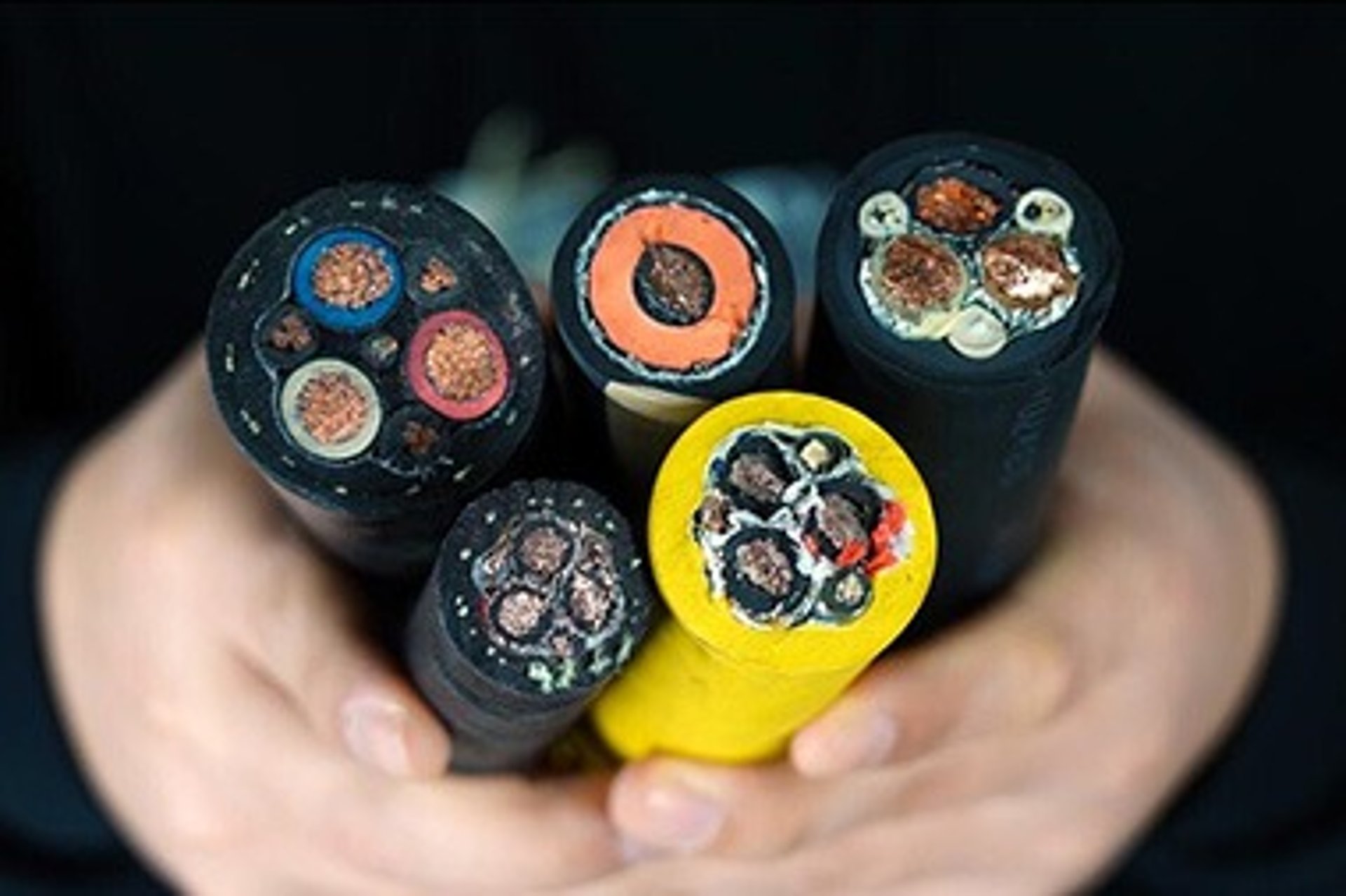
The N2XFGbY cable achieves its durability and performance through carefully engineered layers:
Conductor:
Class 2 stranded copper for optimal conductivity and flexibility.
Designed to withstand bending during installation while maintaining low electrical resistance.
Insulation:
XLPE provides heat resistance, mechanical durability, and chemical stability.
Ensures safe operation at 90°C with minimal risk of insulation degradation.
Filler:
PVC fillers maintain roundness, stabilize cores, and prevent internal abrasion.
Armour Layer 1:
SWA (galvanised flat steel wire) offers mechanical protection against crushing, pulling, and rodent attack.
Essential in underground installations and high-traffic industrial areas.
Armour Layer 2:
Galvanised steel tape for enhanced mechanical integrity.
Outer Sheath:
Robust, flame-retardant PVC, UV-resistant, and suitable for outdoor exposure.
Protects the cable from weathering, chemicals, and incidental damage.
Core Identification & Sheath Colour:
South African standard conventions:
2-core: Blue/Brown
3-core: Brown/Black/Grey
4-core: Blue/Brown/Black/Grey
5-core: Blue/Brown/Black/Grey/Black
Outer sheath: Black
Technical Specifications
Voltage and Temperature Ratings
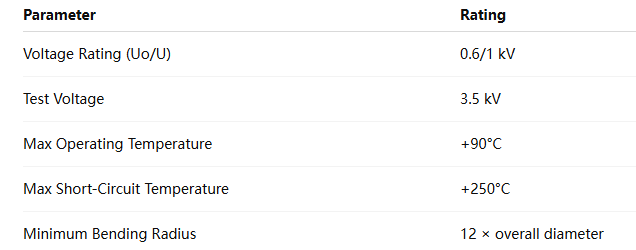
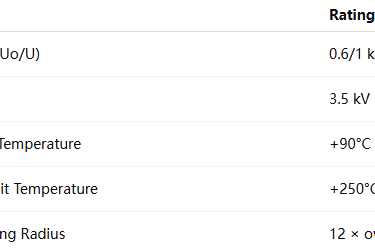
These specifications make N2XFGbY suitable for industrial, utility, and outdoor installations, including harsh South African mining environments.
Dimensions & Weights
N2XFGbY cables are manufactured in 2–5 cores and 10–300 mm² cross-sectional areas, accommodating a wide range of current ratings and installation methods. Typical outer diameters range from 19 mm to 78 mm, with corresponding weights from 922 kg/km to 17,628 kg/km. Engineers must consider trenching, cable trays, and pulling tensions during installation.
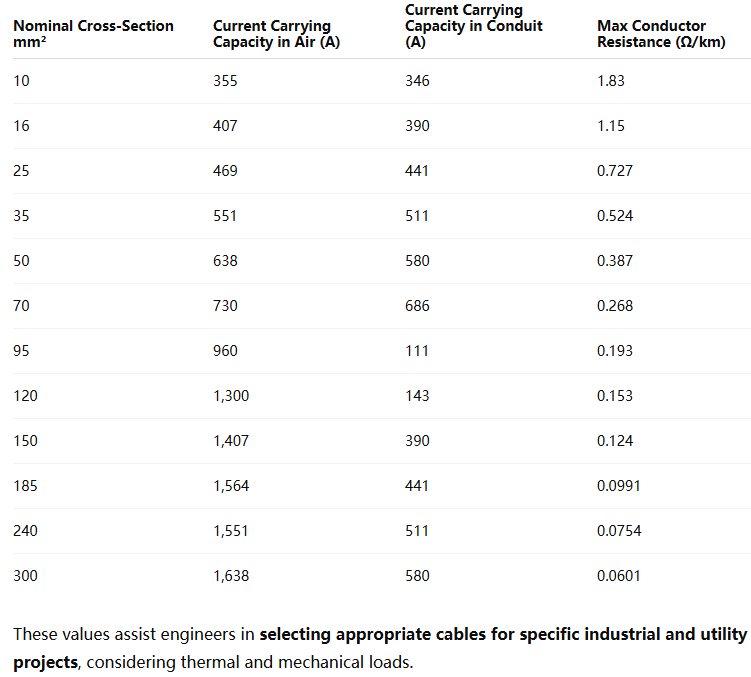
Electrical Characteristics
Standards and Compliance
N2XFGbY cables comply with:
IEC 60502-1: Low voltage power cables.
DIN VDE 0276-603: Armoured thermoset cables.
IEC 60332-1: Flame-retardant testing.
In South Africa, while the SANS equivalents may apply, compliance with international standards ensures safety, operational integrity, and acceptance in large industrial projects.
Applications in South Africa
Industrial Environments
In factories and manufacturing plants, N2XFGbY cables provide:
Durable power supply lines for heavy machinery.
Resistance to mechanical stress, such as abrasion, bending, and occasional impact.
UV-resistant protection for semi-outdoor installations in Gauteng and KwaZulu-Natal.
Utility and Power Distribution
N2XFGbY cables are ideal for:
Substations
Underground distribution networks
Connection of high-load transformers
Their thermoset insulation and armoured design provide enhanced reliability for critical infrastructure, including municipal and industrial power grids.
Outdoor and Direct Burial Installations
Roads, highways, and industrial complexes require direct-burial capable cables.
N2XFGbY withstands soil pressure, moisture ingress, and rodent attacks, making it suitable for Cape Town’s infrastructure projects.
Real South African Case Study: Platinum Mine Installation
At a major platinum mine in the North West Province:
N2XFGbY cables were used to supply power to underground operations.
The armoured layers prevented crushing damage during cable laying in narrow shafts and mechanical stress from mining equipment.
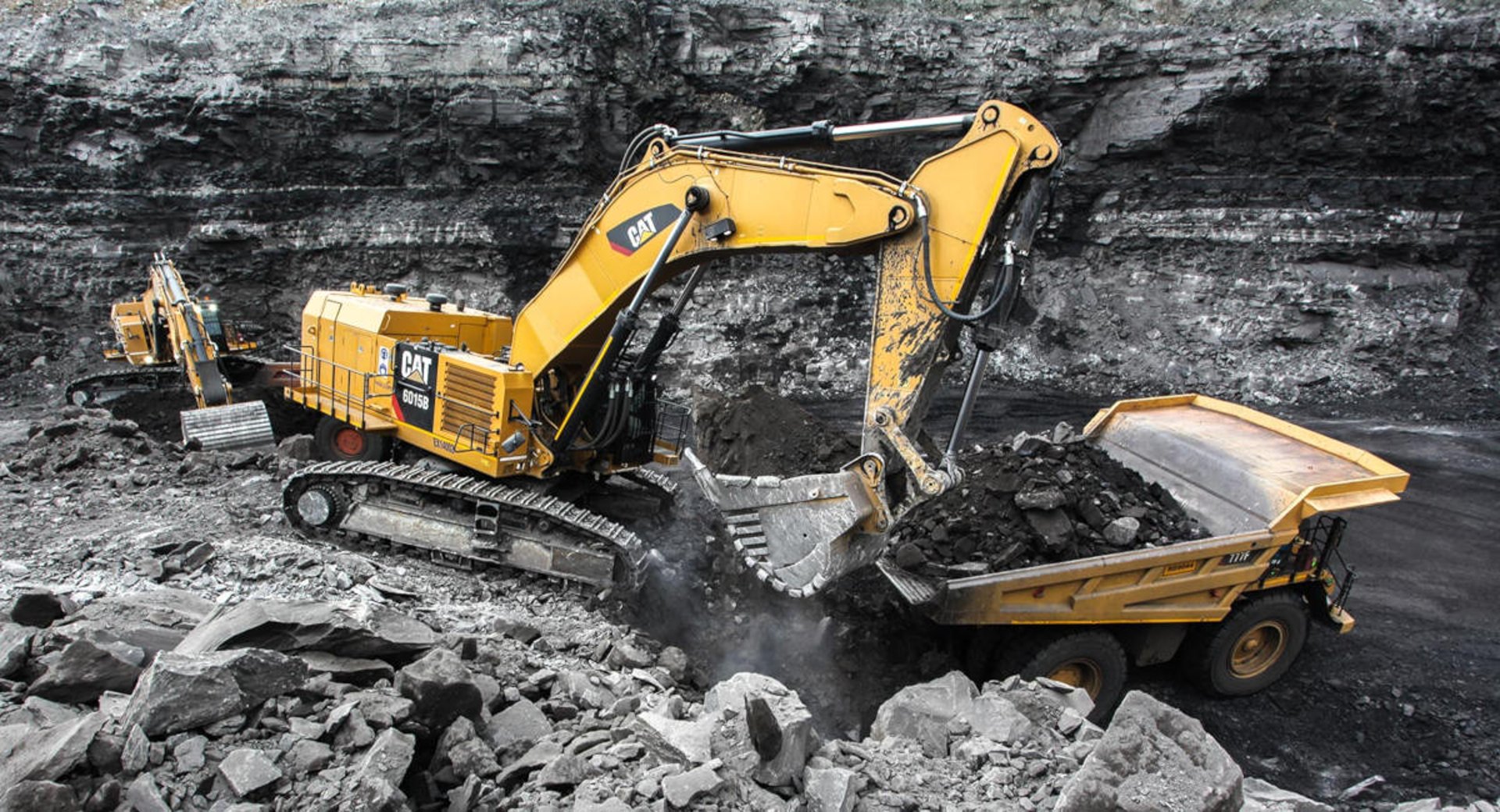
After five years, the cables showed no degradation, highlighting their long-term durability under high-load, high-temperature conditions.
Advantages and Key Characteristics
High Mechanical Protection: SWA + steel tape armour resists crushing, pulling, and rodent damage.
Flame Retardant and UV-Resistant: Suitable for outdoor and industrial exposure.
Thermoset Insulation: Handles higher temperatures than thermoplastic alternatives.
Longevity and Reliability: Minimal maintenance and robust performance in harsh environments.
Ease of Installation: Direct burial and high-stress conditions simplified by flexibility and thermal stability.
Frequently Asked Questions (FAQ)
1. Can N2XFGbY cables be installed directly underground?
Yes. The SWA and steel tape armour protect against mechanical stress, soil pressure, and rodents.
2. What is the maximum current capacity for 95 mm² N2XFGbY cable?
Typically, 96–111 A, depending on installation conditions (air or conduit). Always refer to local derating factors.
3. How does SWA + steel tape armour protect against rodents?
The combination creates a physical barrier that rodents cannot easily chew through, extending cable life in mines and outdoor areas.
4. Is the cable suitable for wet or corrosive environments?
Yes, but additional protective measures may be recommended in highly corrosive soil or submerged conditions.
5. What bending radius is recommended for installations around corners?
12 times the overall cable diameter.
6. How does N2XFGbY compare with NYFGbY or other low voltage cables?
N2XFGbY provides higher temperature tolerance, better mechanical strength, and longer operational life.
7. Can N2XFGbY be used for industrial cranes or high-tension mechanical applications?
Yes, its armoured layers and flexible copper conductor make it suitable for high-stress environments.
8. Maintenance and inspection guidelines for long-term durability:
Regular visual inspection for sheath damage, testing for insulation resistance, and checking termination points.
South African Case Studies
Mining: Platinum Mine, North West Province
Installed for underground distribution to load-intensive mining equipment.
Survived mechanical stress during installation.
Minimal maintenance over five years.
Industrial Manufacturing: Gauteng Factories
Installed in UV-exposed, high-temperature environments.
Provided reliable power to industrial motors and machinery.
Reduced downtime due to mechanical or thermal failure.
Infrastructure Projects: Cape Town Road Crossings
Used in direct burial across busy roads.
Armoured layers prevented accidental damage during civil works.
UV and flame resistance improved safety and compliance.
Lessons Learned:
Proper installation practices are critical to maximize lifespan.
Armoured layers mitigate the most common mechanical risks.
Compliance with standards ensures acceptance in municipal and industrial projects.
Conclusion
The N2XFGbY cable is a technically superior, armoured low-voltage cable engineered for South Africa’s industrial, utility, and infrastructure sectors. Its thermoset insulation, dual armour, and robust sheath make it a reliable solution for high-stress, high-temperature, and outdoor installations.
From platinum mines to manufacturing plants and road crossings, N2XFGbY provides durable, flame-retardant, and UV-resistant power distribution. Engineers, procurement teams, and industrial operators can rely on N2XFGbY cables for long-term safety, performance, and operational efficiency, making it a cornerstone of South Africa’s industrial backbone.
Email Address: Li.wang@feichuncables.com
© 2025. All rights reserved.
One-click to Quickly Contact
Products
Contact
Company
Location:
Building A Private Science and Technology Park, Hefei Economic and Technological Development Zone, Anhui Province, China
Heat Resistant Cable
WhatsApp: +86 17333223430
Social Media: