Anhui Feichun Special Cable Co.,Ltd Email: Li.wang@feichuncables.com
N2XRY and N2XRH Cables: Powering South Africa’s Toughest Environments with Safety and Strength
Discover why N2XRY and N2XRH cables—XLPE-insulated, SWA-armoured power cables—are South Africa’s go-to for safe, durable power transmission. Learn their construction, benefits, applications, and answers to FAQs tailored to SA’s unique needs, from Joburg data centres to Karoo solar farms.
Li.Wang
11/5/20257 min read
Why These Cables Matter in South Africa’s Tough Environments
Picture a bustling data centre in Johannesburg’s Sandton district, grinding to a halt during a load-shedding blackout, or a Cape Town hospital facing a fire emergency. In these high-stakes moments, the choice of power cable can mean the difference between chaos and control, safety and disaster. Enter the N2XRY and N2XRH cables—low-voltage copper conductor cables designed to deliver reliable power while tackling South Africa’s unique environmental and safety challenges. The N2XRY, with its rugged PVC sheath, is a cost-effective workhorse for general use, while the N2XRH, with its low-smoke zero-halogen (LSZH) sheath, is a lifesaver in fire-prone settings.
South Africa’s diverse landscapes and infrastructure demands—from Rustenburg’s dusty mining towns to Durban’s humid ports—require cables that can withstand harsh weather, sandy coastal soils, and heavy machinery. Add to that the strict fire safety regulations (SANS 10142-1, SANS 60332) for public buildings like schools and malls, and it’s clear why choosing the right cable is critical. This article dives deep into the construction, performance, benefits, and real-world applications of N2XRY and N2XRH cables, answering FAQs to help electricians, facility managers, and homeowners make informed choices for safer, more reliable power.
Cable Construction: Layer by Layer – What Makes Them Bulletproof
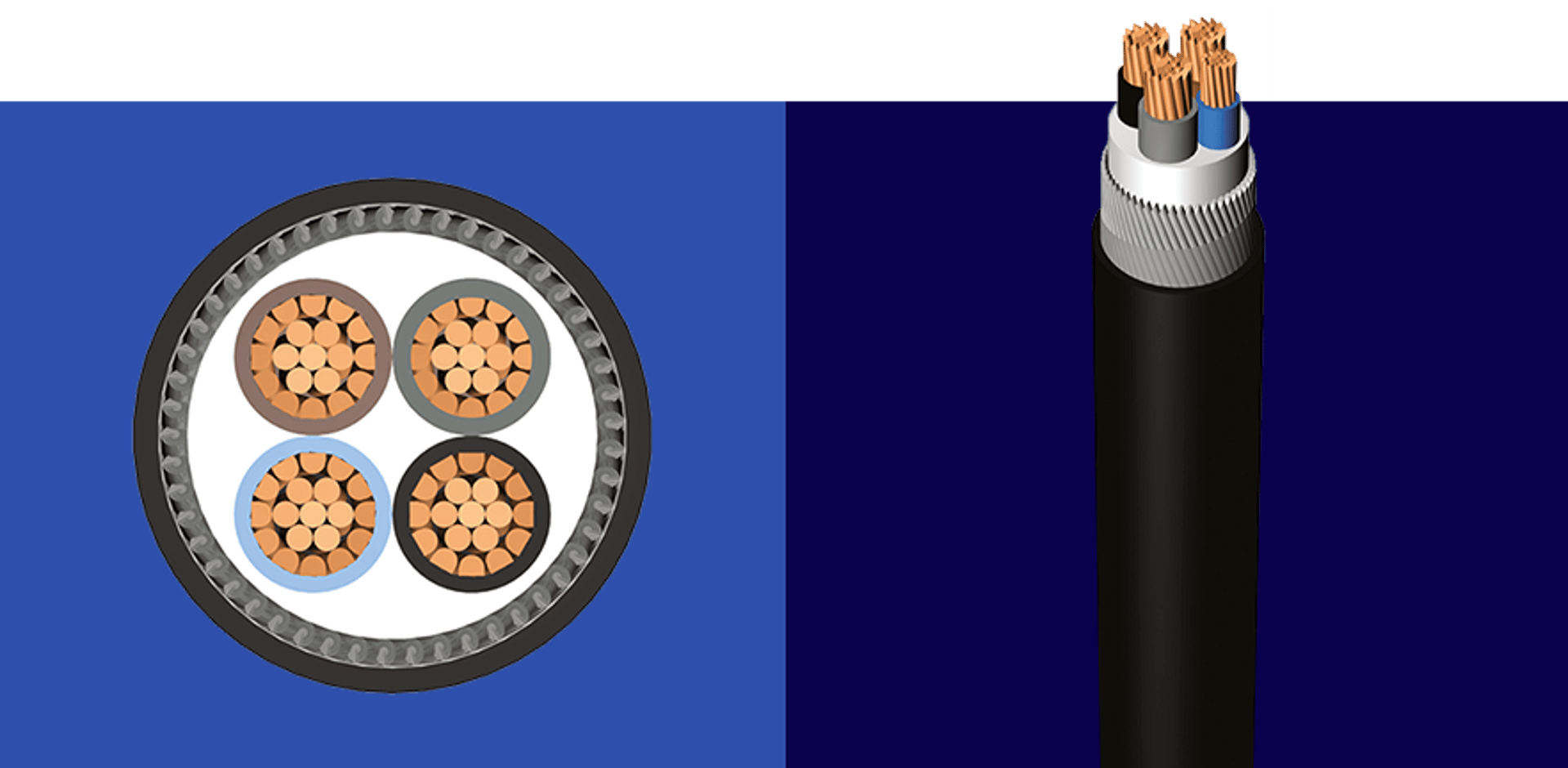
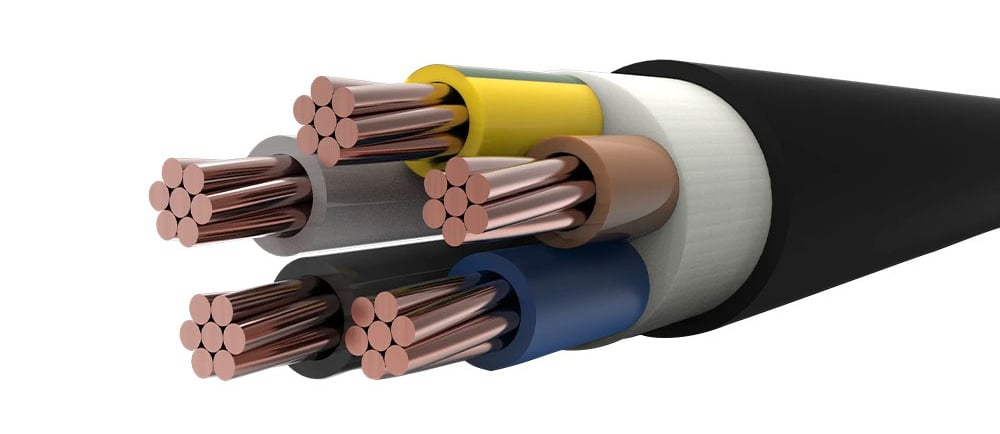
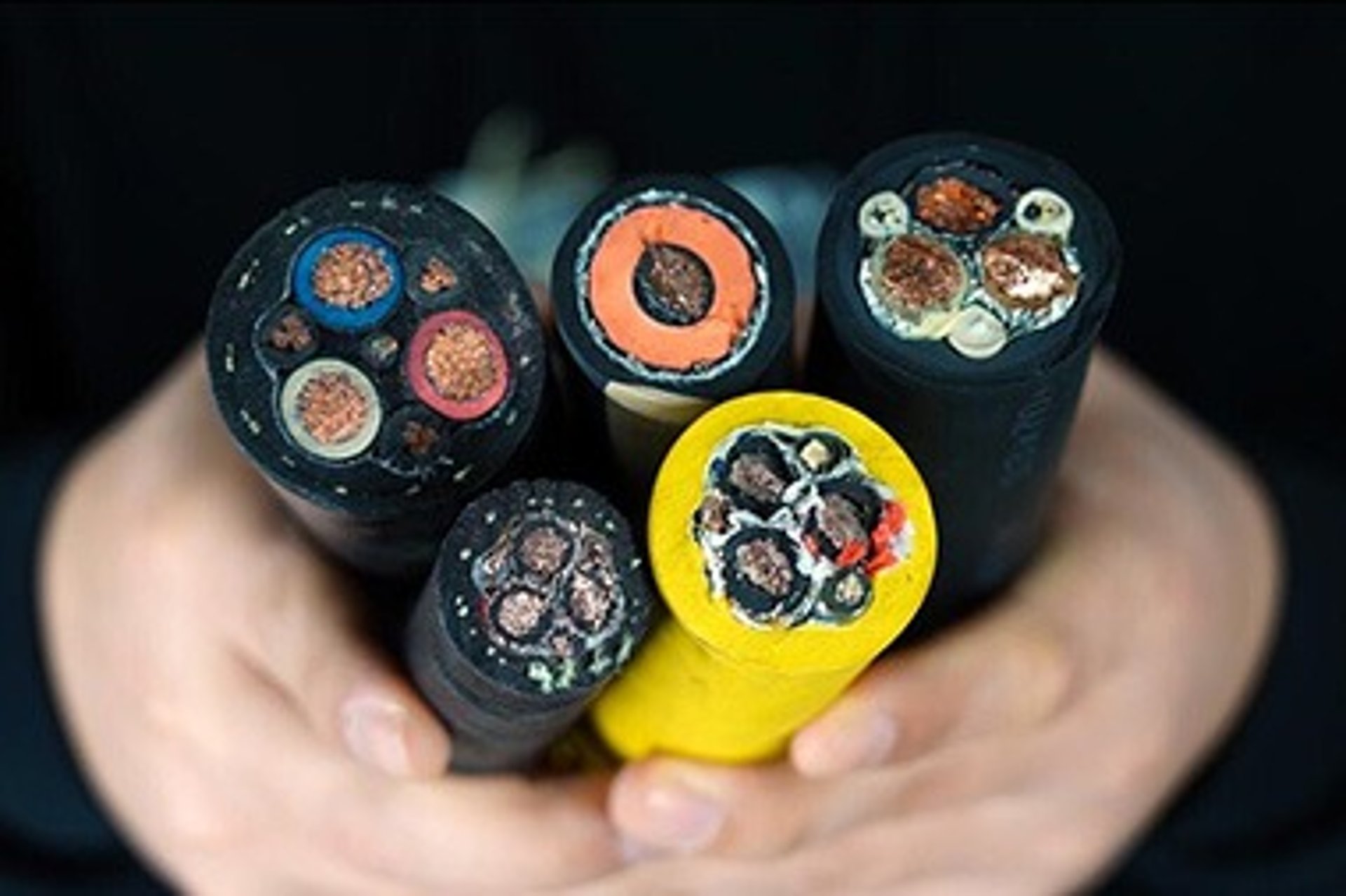
The brilliance of N2XRY and N2XRH cables lies in their layered construction, designed to balance electrical performance, mechanical strength, and safety. Let’s break it down layer by layer.
At the heart is a Class 2 stranded copper conductor, prized for its superior conductivity and flexibility. In South Africa, where power demands fluctuate due to load-shedding and industrial surges, copper outperforms aluminium by ensuring efficient current flow and adaptability to variable loads. This makes it ideal for everything from homes in Soweto to factories in Vanderbijlpark.
Next comes the XLPE (cross-linked polyethylene) insulation, a game-changer compared to standard PVC. XLPE can handle continuous temperatures from -20°C to 90°C and short-circuit peaks up to 250°C, perfect for Gauteng’s scorching summers or Northern Cape solar farms. Its low dielectric loss ensures minimal energy waste, keeping power stable even during peak loads.
The bedding or inner sheath differs between the two cables. For N2XRY, a PVC layer acts as a cost-effective barrier against moisture, ideal for budget-conscious projects like rural electrification. The N2XRH, however, uses an LSZH compound, which emits no toxic halogen gases and minimal smoke in a fire, making it a must for confined spaces like Pretoria’s metro stations or Bloemfontein hospitals.
The armour layer is where these cables earn their “bulletproof” reputation. Galvanised steel wire armour (SWA) protects multi-core cables from mechanical damage—think diggers in a Welkom mine or rodents on a KwaZulu-Natal farm. For single-core cables, aluminium wire armour (AWA) is available to prevent eddy currents, ensuring safe operation in high-current setups.
Finally, the outer sheath seals the deal. N2XRY’s black PVC sheath offers UV resistance for outdoor use in sunny Free State plains, while N2XRH’s LSZH sheath prioritises fire safety, emitting no corrosive gases. Both cables comply with international standards like IEC 60502-1, with N2XRY aligning to BS5467 and N2XRH to BS6724, ensuring global reliability tailored to South African needs.
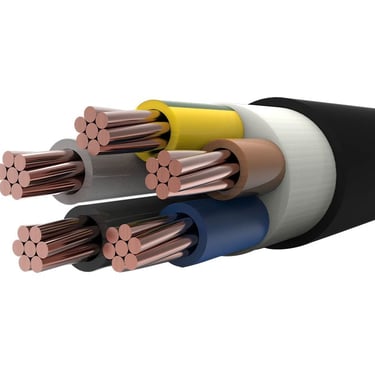
Imagine a cross-section: a copper core wrapped in XLPE, cushioned by bedding, shielded by steel wires, and encased in a tough outer sheath. This robust design ensures these cables thrive in SA’s toughest conditions.
Performance Specs and Standards: Built to Handle SA’s Demands
N2XRY and N2XRH cables are engineered for South Africa’s demanding electrical grids and environments. Rated at 0.6/1 kV, they’re perfect for low-voltage distribution in Eskom’s networks, residential estates, and industrial plants. Their temperature rating of -20°C to 90°C ensures reliability in climates from chilly Lesotho borders to blistering Karoo deserts, with short-circuit tolerance up to 250°C for emergency resilience.
The bending radius—6x overall diameter for cables up to 16 mm² and 8x for larger sizes—offers practical guidance for installers. When laying cables in trenches across sandy Cape Town soils or rocky Mpumalanga terrain, avoiding sharp bends prevents insulation damage and ensures longevity.
Fire performance is a standout feature. Both cables are flame retardant per IEC 60332-1-2, but N2XRH goes further with IEC 60332-3-24 Cat C compliance for reduced flame spread. Its LSZH properties meet IEC 60754 (no halogens) and IEC 61034 (low smoke), critical for safe evacuations in crowded Sandton malls or Durban high-rises. These standards align with South Africa’s SANS 10142-1 for electrical installations, ensuring compliance in public and commercial projects.
For environmental toughness, the SWA armour allows direct burial without conduits, ideal for suburban extensions or rural electrification in places like Soweto or the Eastern Cape. The black outer sheath resists UV rays, perfect for exposed installations in sunny regions, while the armour deters rodents and termites in bushveld areas. Conductor sizes range from 1.5 mm² to 1000 mm², with overall diameters and weights (e.g., 776 kg/km for a 50 mm² single-core N2XRH) guiding transport and installation planning.
Key Benefits: Safety, Durability, and Cost-Savings in Everyday Use
The N2XRY and N2XRH cables offer a trifecta of benefits: safety, durability, and cost-efficiency, tailored to South Africa’s needs.
Fire safety is where N2XRH shines. In a fire, its LSZH sheath emits no toxic halogens like chlorine, which can corrode equipment and harm lungs. It also produces minimal smoke, aiding visibility during evacuations. In 2019, a fire at a Johannesburg data centre highlighted the risks of toxic smoke from standard cables, underscoring why N2XRH is critical for confined spaces like hospitals or metro stations.
Mechanical protection comes from the SWA layer, which guards against crush damage from heavy machinery in Sasolburg refineries or accidental digs in construction sites. This durability is a boon in mining towns like Rustenburg, where cables face constant vibration and impact.
Thermal and electrical reliability stems from XLPE insulation, which maintains performance in heatwaves or peak loads. Its low dielectric loss ensures stable power, crucial during load-shedding surges in urban centres.
Eco-friendly design makes N2XRH a green choice, aligning with South Africa’s push for sustainable building practices under green building codes. The N2XRY, while less fire-safe, offers a budget-friendly option for low-risk settings like rural farms, balancing cost and performance.
Long-term savings are significant. With a lifespan exceeding 20 years and minimal maintenance needs, these cables reduce downtime and replacement costs. Their compliance with SANS and CPR standards ensures they meet South Africa’s regulatory demands, avoiding costly penalties.
Applications Across South Africa: From Mines to Malls
N2XRY and N2XRH cables are versatile, serving diverse applications across South Africa’s varied landscapes.
In underground and direct burial scenarios, their SWA armour eliminates the need for extra conduits, making them ideal for suburban expansions in Soweto or rural electrification in the Eastern Cape. The cables withstand moisture, sand, and rodent damage in coastal or bushveld soils.
Industrial and mining environments, like Vanderbijlpark factories or Welkom mine shafts, benefit from the cables’ ability to handle vibrations, impacts, and heavy machinery. The SWA layer ensures cables remain intact despite harsh conditions.
Public and commercial buildings—hospitals in Bloemfontein, malls in Sandton, or airports—rely on N2XRH for fire safety. Its low-smoke, halogen-free properties ensure safe evacuations and protect sensitive equipment, as mandated by SANS 10142-1.
Data centres and automation hubs, like those in Century City, Cape Town, use N2XRH to safeguard servers from fire-related downtime. The LSZH sheath minimises smoke damage, critical for costly tech infrastructure.
Marine and offshore applications in Durban’s ports or offshore platforms benefit from the cables’ corrosion resistance and LSZH safety, ensuring reliability in confined, humid environments.
High-temperature settings, such as solar farms in the Northern Cape, leverage XLPE’s 90°C continuous rating to maintain performance under intense heat, supporting South Africa’s renewable energy push.
N2XRY vs. N2XRH vs. Common Alternatives
Choosing between N2XRY, N2XRH, and other cables depends on project needs and budget. The N2XRY, with its PVC sheath, is cheaper and suited for general use, like rural farms or outdoor installations where fire risk is low. The N2XRH, though pricier, is essential for fire-prone areas like schools or data centres, where its LSZH sheath saves lives.
Compared to standard PVC-armoured cables, both offer superior heat resistance (90°C vs. 70°C continuous), thanks to XLPE insulation. Against mining cables like SHD-GC, they provide similar toughness, but N2XRH’s LSZH feature adds smoke control, critical for confined spaces.
Compared to aluminium versions (NA2XRY/NA2XRH), copper conductors in N2XRY and N2XRH ensure better conductivity for long runs, reducing energy loss in sprawling industrial setups. For budget projects, N2XRY might cost R50–R100 per metre for smaller sizes, while N2XRH could be 20–30% more, though prices vary by supplier like Aberdare or Alcon Marepha.
Installation and Maintenance Tips
Proper installation and maintenance ensure N2XRY and N2XRH cables perform reliably. Start with soil tests in acidic Mpumalanga grounds to check for corrosives, using warning tape above buried cables per SANS 10142-1. Lay cables at recommended depths (typically 600–800 mm) to avoid damage, ensuring proper gland terminations for secure connections.
Avoid sharp bends to protect insulation, especially in tight trenches. Post-installation, conduct continuity and insulation resistance tests to verify performance. For maintenance, perform visual checks for sheath damage, particularly in humid coastal areas where N2XRH’s LSZH sheath excels. In hot climates, derate current capacity to prevent overloading, using SANS guidelines.
Common pitfalls include underestimating environmental stresses or overloading cables during heatwaves. Always consult load charts and factor in voltage drop for long runs.
Frequently Asked Questions (FAQs)
What’s the main difference between N2XRY and N2XRH?
N2XRY uses a PVC sheath for cost-effective, general-purpose use, while N2XRH’s LSZH sheath minimises smoke and toxic gases, ideal for fire-prone areas like schools or malls.
Can these cables handle load-shedding surges?
Yes, XLPE insulation and copper conductors ensure robust performance during voltage spikes, common in SA’s unstable grid.
Are they SABS-approved?
They comply with IEC and SANS equivalents (e.g., SANS 10142-1). Check supplier certificates for compliance.
Suitable for solar PV installations in the Karoo?
Absolutely. Their UV-resistant sheaths and 90°C rating make them perfect for solar farms under intense heat.
How do I calculate cable size for a 100 kW factory load?
Use the formula: Current (I) = Power (P) / (Voltage × Power Factor). For 100 kW at 400 V and 0.8 PF, I ≈ 180 A. Factor in cable length, voltage drop (≤3%), and ambient temperature, then select from conductor sizes (e.g., 50 mm² for short runs).
What if I need single-core?
Use AWA-armoured versions to avoid magnetic interference, available on request.
Cost comparison in rands?
N2XRY is generally cheaper (e.g., R50–R150/m for 1.5–50 mm²); N2XRH costs more due to LSZH materials. Get quotes from suppliers like Aberdare in Johannesburg or Cape Town.
Rodent protection in rural areas?
SWA provides robust protection; some suppliers offer rodent-repellent additives for extra security.
Fire evacuation benefits in schools?
N2XRH’s low smoke improves visibility and reduces inhalation risks, critical for safe evacuations in crowded spaces.
Conclusion
In South Africa’s challenging environments—from dusty mines to bustling city centres—N2XRY and N2XRH cables deliver unmatched safety, durability, and performance. Whether you’re powering a rural farm, a Sandton mall, or a Northern Cape solar farm, these XLPE-insulated, SWA-armoured cables ensure reliable electricity while meeting strict safety standards. The N2XRY offers cost-effective toughness for general use, while the N2XRH’s LSZH properties make it a lifesaver in fire-prone settings. By understanding their construction, benefits, and applications, and following expert installation tips, you can make a smart choice for a safer, more reliable future. Choose wisely, and keep South Africa powered.
Email Address: Li.wang@feichuncables.com
© 2025. All rights reserved.

One-click to Quickly Contact
Products
Contact
Company
Location:
Building A Private Science and Technology Park, Hefei Economic and Technological Development Zone, Anhui Province, China
Heat Resistant Cable
WhatsApp: +86 17333223430
Social Media: