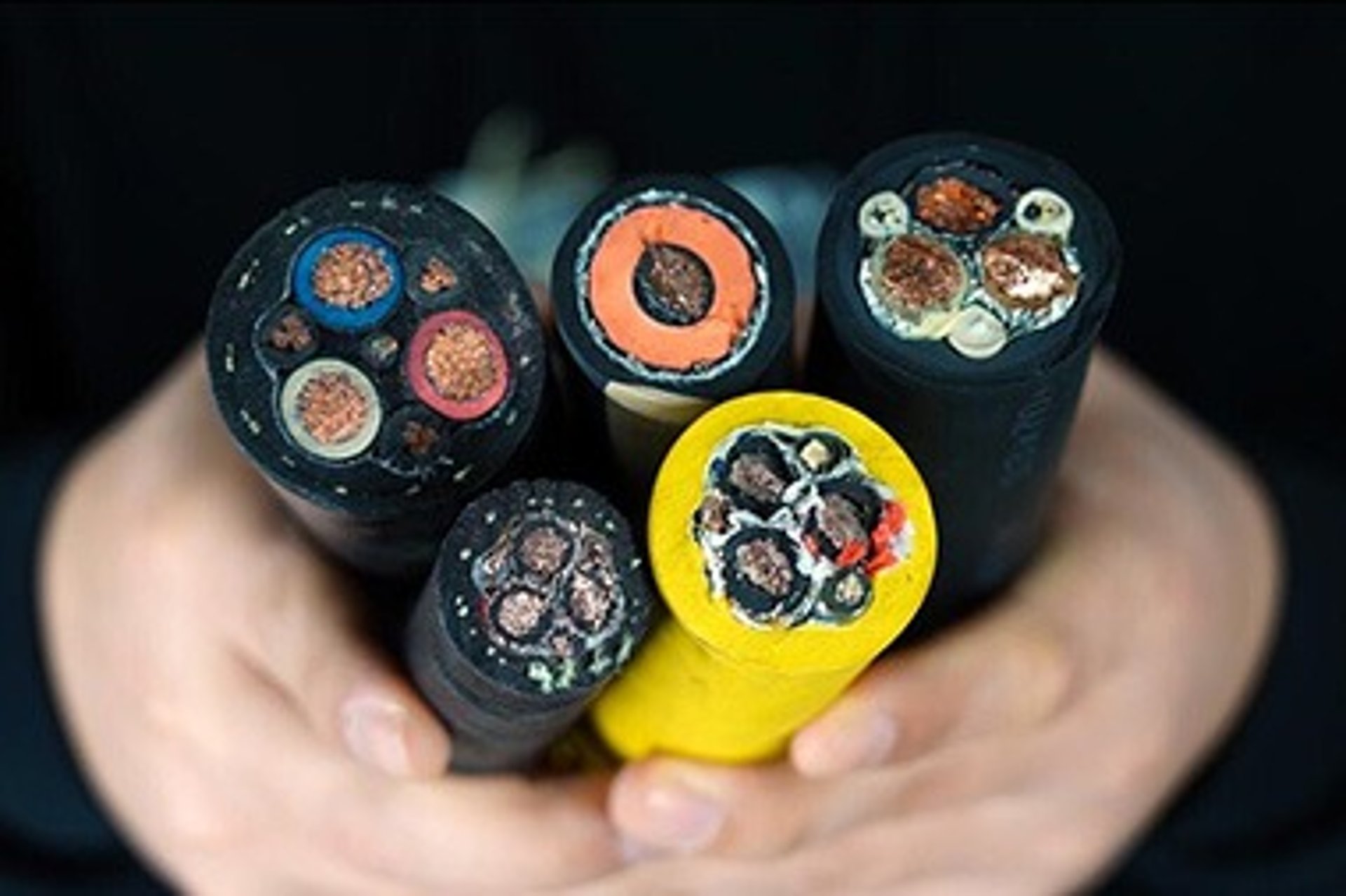

(N)SHTOU-O/J PUR 0.6/1kV Cable
(N)SHTOU-O/J PUR 0.6/1kV Cable
(N)SHTOU-O/J PUR 0.6/1kV Cable
Application | Flexible cable for power and signalling mobile connections under severe mechanical stresses (tensile strength and torsion). Used in cable winding reels for harbour cranes, container cranes, conveyors, handling machines, and mining/tunnelling equipment. Halogen-free polyurethane sheath for lightness, mechanical properties, and abrasion resistance. |
Voltage Rating Uo/U | 0.6/1kV |
Test Voltage | 4kV |
Maximum Torsional Stress | ± 25°/m |
Maximum Tensile Load | 30N/mm² |
Maximum Working Speed | 180m/min |
Temperature Rating | Flexing: -40°C to 90°C |
Minimum Bending Radius | Fixed: 4 x overall diameter |
Conductor | Class 5 Flexible Tinned Copper |
Insulation | Rubber compound |
Inner Sheath | Halogen-free PUR (Polyurethane) |
Antitwisting Element | Polyester Braid |
Outer Sheath | Halogen-free PUR (Polyurethane) |
Core Identification | 3 Core: Green/Yellow, Blue, Brown |
Outer Sheath Colour | Black |
Standards | Based on VDE 0240 Part 814, VDE 0295, IEC 60228, VDE 0250, VDE 0293, VDE 0207, VDE 0298, IEC 60811-404, IEC 60811-403, ISO 4892-2 |
Introduction
In the relentless grind of modern industry, where massive machines lift tons of cargo or carve through unyielding rock, reliability is not just a luxury—it's a lifeline. Enter the (N)SHTOU-O/J PUR 0.6/1kV cable, a halogen-free, polyurethane-sheathed flexible power and signalling cable engineered for the harshest environments. These cables, compliant with international standards like VDE 0240 Part 814 and IEC 60228, are the backbone of mobile connections in heavy-duty applications, enduring tensile stresses, torsion, abrasion, and crushing forces that would snap lesser conductors.
Picture a bustling South African port like Durban, where container cranes swing loads with precision under the African sun, or deep underground in the Witwatersrand gold mines, where shuttle cars haul ore through dust-choked tunnels. Here, (N)SHTOU-O/J PUR 0.6/1kV cables shine, powering equipment with voltages up to 1kV while maintaining flexibility down to -40°C. Their polyurethane (PUR) outer sheath isn't just tough; it's lightweight, reducing the overall system weight by up to 30% compared to traditional rubber alternatives, all while offering superior abrasion resistance.
Installation and Maintenance Recommendations
Installing (N)SHTOU-O/J PUR 0.6/1kV cables demands adherence to protocols that respect their flex-life. Begin with site assessment: evaluate tensile loads, torsion angles, and environmental hazards like chemical spills in mining. For reeling drums, mount cables with sufficient slip rings to prevent twisting, ensuring the drum's speed doesn't exceed 180m/min.
Routing follows the 5x diameter flexing radius—critical to avoid insulation cracks. Use PUR-compatible clamps, spaced every 1-2m, to secure without pinching. In fixed installs, 4x radius suffices, but incorporate strain relief at terminations. Terminate with compression glands rated for 1kV, sealing against dust (IP67 for mining). Ground the earth core meticulously, complying with VDE 0293.
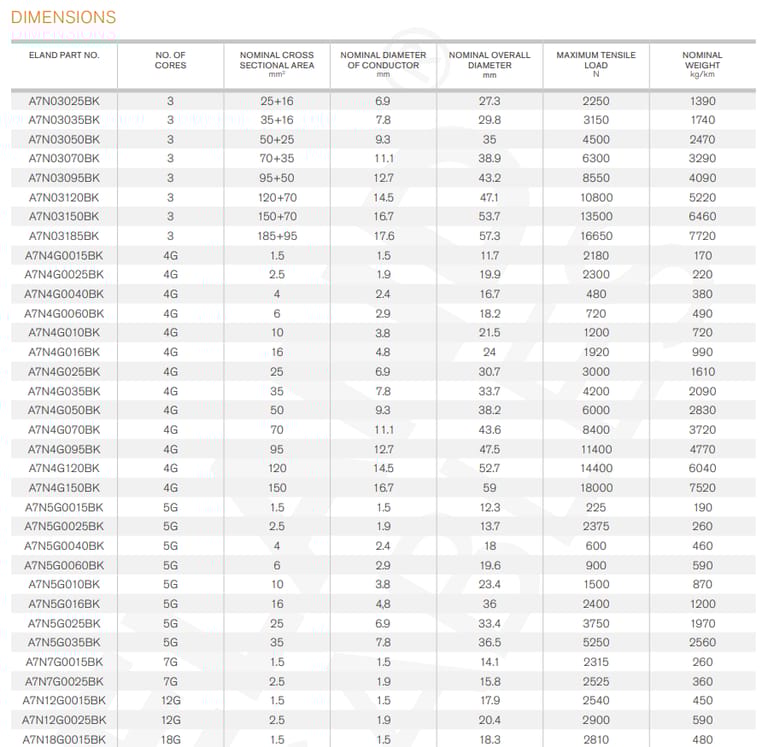
South African installers must factor in SANS 10142-1 wiring regs, incorporating surge protection for lightning-prone areas. For multi-core like A7N4G025BK (4G 25mm²), bundle with separators to prevent crosstalk in signalling lines.
Maintenance is proactive: quarterly visual inspections for sheath cuts or braid exposure, using dielectric testers for insulation integrity (per IEC 60811-403). Clean with mild solvents; avoid abrasives on PUR. In high-abrasion zones, monitor via embedded sensors if upgraded. Reeling tests simulate cycles, replacing at 80% fatigue threshold.
A key tip: lubricate with silicone-based compounds during initial wind-up to reduce friction. Neglect leads to failures; proper care yields 10+ years in ports. By prioritizing these steps, operators maximize ROI on these robust (N)SHTOU-O/J PUR 0.6/1kV flexible cables.
Usage Scenarios and Case Studies:
(N)SHTOU-O/J PUR 0.6/1kV cables excel in mobile power for cranes, conveyors, and mining gear, where abrasion and crushing are routine. In harbour cranes, they feed reel systems, enduring 360° rotations. Container handling machines use them for spreader lifts, while tunnellers rely on torsion resistance for drill feeds.
In South Africa, these cables are pivotal. Consider Transnet's Durban Container Terminal, Africa's busiest port. A 2023 retrofit integrated A7N4G070BK variants into ship-to-shore cranes, slashing downtime by 25% amid rising cargo volumes (over 2.9 million TEUs annually). The PUR sheath's lightness eased reel loads, boosting efficiency in high-speed ops up to 120m/min. Operators reported zero fire incidents, crediting halogen-free design amid salty, humid conditions.
Deeper underground, Anglo American's platinum mines in Rustenburg showcase resilience. A case study from 2022 involved deploying A7N5G035BK (5G 35mm²) in shuttle car fleets. Facing cable thefts and abrasive ore (as noted in industry reports), the tinned copper and PUR combo reduced failures by 40%, per internal audits. The cables powered 75kW motors through 500m drifts, with antitwist braids mitigating torsion from uneven tracks. This upgrade supported a 15% production hike, vital for South Africa's 80% global platinum supply.
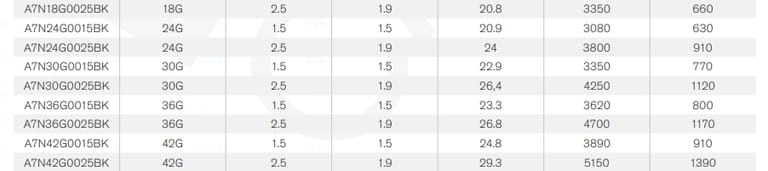
Another vignette: Kumba Iron Ore's Sishen mine integrated 7-core variants for stacker-reclaimers. Harsh dust and 50°C temps tested limits, but the -40°C flex rating and 5250N tensile strength held firm. A Powermite-supplied reeling system, using these cables, cut maintenance costs by 30%, enabling 24/7 ops in the Northern Cape's open pits. These scenarios underscore how (N)SHTOU-O/J PUR 0.6/1kV cables adapt to South Africa's unique challenges—geological volatility, theft risks, and export pressures—driving sustainable growth.