Anhui Feichun Special Cable Co.,Ltd Email: Li.wang@feichuncables.com

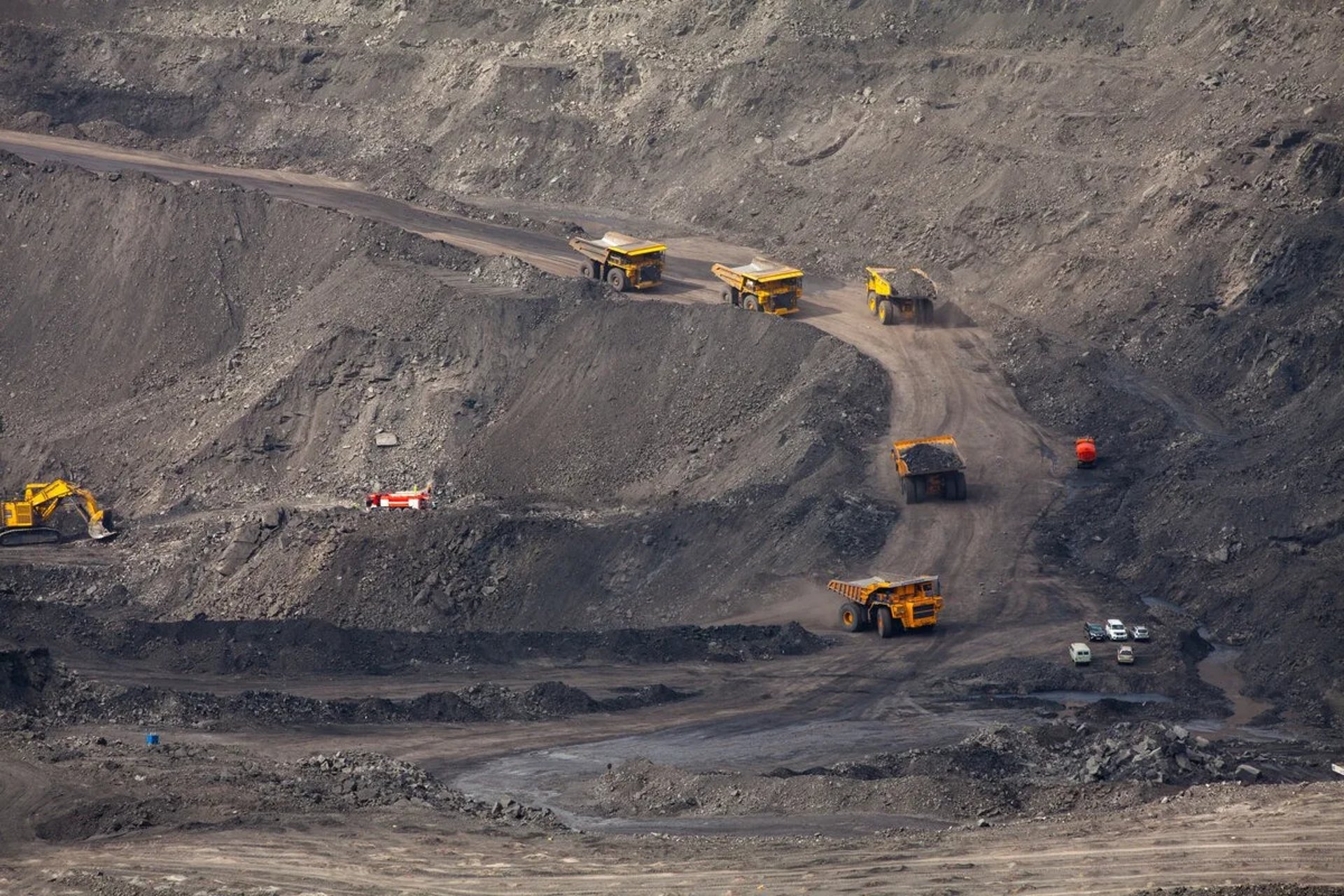
Power Beneath the Surface: Why SANS Type 611 / 611-ECC 6.35/11 kV Cables Keep South African Mines Running
Discover how SANS Type 611 / 611-ECC 6.35/11 kV mining cables deliver reliable medium-voltage power in South African mines. Learn about construction, EPR insulation, ECC safety, SANS 1520-2 compliance, electrical performance, and real platinum-mine case studies.
Li Wang
12/15/20256 min read
Medium-Voltage Power Where Mining Never Stops
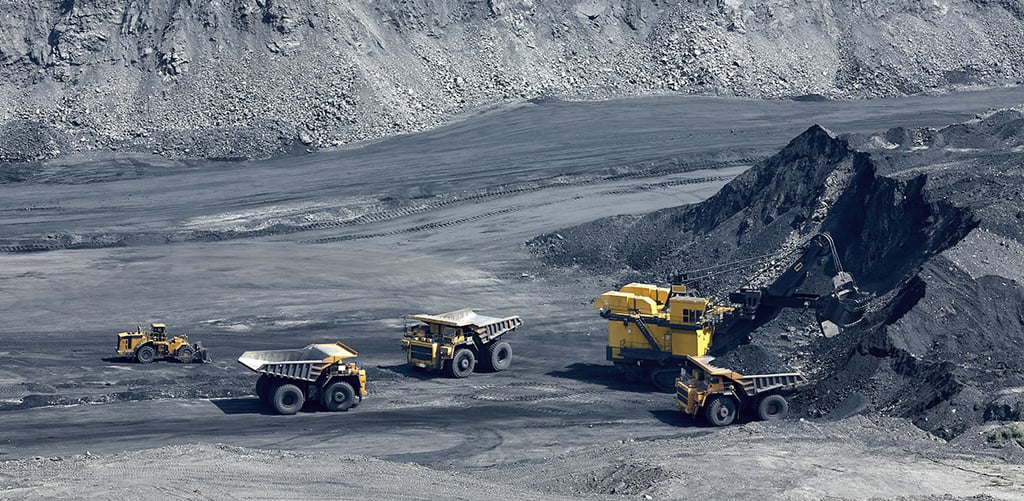
Deep beneath the surface of South Africa’s mineral-rich geology, electricity is more than a utility—it is the lifeline of mining productivity and safety. From platinum reefs in Rustenburg to deep-level gold operations in Gauteng, reliable medium-voltage (MV) power distribution is essential to keep production moving and workers protected.
Among the most widely specified MV mining cables in the country are SANS Type 611 and Type 611-ECC 6.35/11 kV cables. These cables are engineered specifically for harsh mining conditions, where long cable runs, mechanical abuse, moisture ingress, and flame-risk environments are part of daily reality.
South African mines present unique challenges:
Extensive underground reticulation networks
Frequent relocation of mobile and semi-mobile equipment
High humidity, water ingress, and corrosive atmospheres
Strict Mine Health and Safety Act (MHSA) requirements
To meet these challenges, the industry relies heavily on SANS 1520-2 compliant MV flexible mining cables, with Type 611 standing out as a proven, trusted solution. This article takes a deep technical and practical look at SANS Type 611 / 611-ECC 6.35/11 kV cables, explaining why they remain a cornerstone of South African mining power systems.
Understanding the SANS Type 611 / 611-ECC Cable Classification
What Does “Type 611” Mean?
Within the SANS 1520 mining cable family, the “Type” designation defines the cable’s voltage class, construction philosophy, and intended application. Type 611 refers to a medium-voltage flexible mining cable designed for portable and semi-portable apparatus operating at Uo/U = 6.35/11 kV.
These cables are engineered to deliver high electrical performance while maintaining flexibility, mechanical robustness, and safety functionality.
Type 611 vs Type 611-ECC
The key distinction lies in earth continuity design:
Type 611
Three power cores
Three insulated pilot cores
Earth continuity achieved through metallic screens
Type 611-ECC
One pilot core replaced by a dedicated Earth Continuity Conductor (ECC)
Enhanced earth fault monitoring and protection reliability
In modern South African mines, Type 611-ECC is increasingly specified due to its superior safety performance in hazardous environments.
Voltage Rating Explained: 6.35/11 kV
The designation Uo/U = 6.35/11 kV means:
6.35 kV phase-to-earth voltage
11 kV phase-to-phase voltage
This voltage class is ideal for section feeders and MV mining machinery, balancing efficient power transmission with manageable insulation thickness and flexibility.
Position Within the SANS MV Cable Range
Compared with other SANS MV mining cables:
Type 622 – Higher voltage and heavier construction
Type 633 – Extra-heavy duty applications
Type 611 – Optimised for flexibility, portability, and safety
This makes Type 611 a preferred solution for mobile MV distribution rather than fixed installations.
Typical Applications in South African Mining Operations
Mining Equipment Served by Type 611 Cables
SANS Type 611 / 611-ECC cables are commonly used to supply power to:
Underground section feeders
Medium-sized draglines and electric shovels
Rotary and percussive drilling machines
Portable and semi-mobile MV equipment
Their flexibility and robust construction allow frequent movement without compromising electrical integrity.
Hazardous Area Suitability
South African mines classify many working zones as flame-risk or hazardous areas, especially in underground operations. Type 611 cables are designed with safety in mind:
Pilot cores support safety interlocking systems
ECC enables continuous earth monitoring
EPR insulation resists thermal and electrical stress
CR sheathing provides flame retardance and oil resistance
These features ensure compliance with mine safety rules and reduce the risk of electrical incidents.
Cable Construction Overview: Designed for Harsh Mining Conditions
Conductor Design
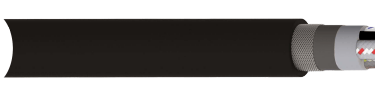
At the core of Type 611 cables is a Class 5 flexible stranded tinned annealed copper conductor.
Why tinned copper?
Improved resistance to corrosion in humid environments
Enhanced longevity in water-rich underground workings
Stable electrical performance over time
The Class 5 stranding provides an optimal balance between flexibility and current-carrying capacity.
Insulation System
Type 611 cables use EPR (Ethylene Propylene Rubber) thermosetting insulation, applied via a triple-extruded process with a strippable semi-conducting core screen.
Key advantages of EPR insulation:
Continuous operating temperature up to +90°C
Excellent resistance to moisture ingress
Superior dielectric strength under fluctuating loads
Improved tolerance to mechanical stress compared with XLPE
For South African mining conditions, EPR is widely regarded as the insulation of choice for MV flexible cables.
Screening and Braiding
Each power core is individually screened with tinned copper and textile braid, serving multiple critical functions:
Electric field control
Safe fault current return paths
Reduced electromagnetic interference (EMI)
This design supports reliable operation of protection relays and enhances overall system stability.
Pilot Cores and ECC Variant
Pilot cores are insulated with EPM (Ethylene Propylene Monomer) and play a vital role in:
Safety interlocking
Control and signalling circuits
Earth continuity monitoring
In the 611-ECC variant, one pilot core is replaced by a tinned copper ECC, providing a dedicated low-resistance earth path. This significantly improves protection system sensitivity and fault detection reliability.
Inner and Outer Sheaths
Both inner and outer sheaths are manufactured from CR (Polychloroprene Rubber), offering resistance to:
Oils and greases
UV and sunlight exposure
Abrasion and mechanical impact
The black outer sheath is standard in mining installations, offering durability and visual consistency with mine cable management practices.
Mechanical Characteristics for Mining Environments
Type 611 cables are built to survive mechanical abuse:
Operating temperature: –25°C to +90°C
Minimum bending radius: 9 × overall diameter
Reinforcement via open nylon braid (minimum 16 strings)
Flexibility is crucial for trailing cables connected to mobile equipment, reducing stress at termination points and extending service life.
Dimensions and Cable Size Selection
Available Conductor Sizes
Power core sizes range from 25 mm² to 240 mm², accommodating a wide variety of load requirements. Pilot and ECC sizes scale accordingly to ensure effective protection.
Overall Diameter and Weight Considerations
Cable weight (up to ~1500 kg/km for larger sizes) directly impacts:
Underground handling
Cable reeling systems
Installation manpower requirements
Correct size selection balances electrical performance with practical handling considerations.
Choosing the Correct Size
Engineers must consider:
Load current
Voltage drop over long distances
Short-circuit withstand capability
Undersized cables increase losses and safety risks, while oversized cables reduce flexibility and increase costs.
Electrical Characteristics Explained
Current-Carrying Capacity
Current ratings are based on 30°C ambient temperature, with values reaching up to 400 A for 240 mm² conductors when laid out straight.
Ventilation, grouping, and installation method significantly affect real-world performance.
DC Resistance and Thermal Performance
Low DC resistance at both 20°C and 90°C ensures:
Reduced power losses
Improved system efficiency
Stable voltage delivery under load
Impedance, Reactance, and Fault Behaviour
Controlled impedance and reactance values are essential for:
Accurate protection coordination
Stable MV system operation
Predictable fault current behaviour
Short-Circuit and Earth Fault Ratings
Type 611 cables offer robust fault withstand capability:
Symmetrical fault currents up to 29.3 kA for 1 second
Effective earth fault current return via screens and ECC
The combined screen and ECC resistance is critical for fast and reliable protection tripping.
Compliance with South African Standards and Regulations
Type 611 cables are manufactured to:
SANS 1520-2 – Mining cable construction and performance
SANS 1411-1 / 1411-3 – Materials and testing
NRCS LOA requirements
Compliance ensures acceptance during mine audits and regulatory inspections.
South African Mining Case
Underground Platinum Mine – Rustenburg Region
At a large underground platinum mine near Rustenburg, SANS Type 611-ECC 6.35/11 kV cables were deployed on section feeders supplying drilling and loading equipment.
Operational challenges:
High humidity and water ingress
Confined working areas
Frequent relocation of equipment
Results observed:
Improved earth continuity reliability
Faster fault detection and isolation
Reduced unplanned downtime
Enhanced operator safety confidence
Lessons Learned:
The mine’s electrical team highlighted the value of ECC integration, noting reduced nuisance trips and clearer fault diagnostics.
Installation, Handling, and Maintenance Best Practices
Store cables on drums in dry, shaded areas
Avoid exceeding bending radius during installation
Inspect regularly for sheath damage and screen continuity
Test pilot cores and ECC during scheduled maintenance
Proper handling significantly extends service life.
Common FAQs About SANS Type 611 / 611-ECC Cables
What is the difference between Type 611 and 611-ECC?
ECC provides a dedicated earth conductor for improved safety.
Can Type 611 cables be used in flame-risk areas?
Yes, when installed and protected correctly.
Why EPR instead of XLPE?
EPR offers superior flexibility and moisture resistance.
How is earth continuity monitored?
Via pilot cores or ECC integrated with protection systems.
Most common conductor size?
70 mm² to 150 mm² in many South African mines.
Typical service life?
Often 8–15 years with correct handling and maintenance.
Why Type 611 Remains a Trusted MV Mining Cable in South Africa
SANS Type 611 / 611-ECC 6.35/11 kV cables combine electrical performance, mechanical resilience, and safety-driven design. Their proven track record in South African mines makes them a cornerstone of modern MV mining power systems.
As mines continue to deepen and mechanise, the importance of compliant, reliable, and flexible MV cables will only increase—and Type 611 remains ready for the challenge.

Contact Anhui Feichun Special Cable Co., Ltd.
For comprehensive technical specifications and quotations, please contact our specialized mining cable engineering team:
Technical Engineering Support:
Sales Engineering Department:
WhatsApp Contact:
Manufacturer: Anhui Feichun Special Cable Co., Ltd. (安徽飞纯特种电缆有限公司)
Manufacturing Headquarters: Building A, Private Science and Technology Park, Hefei Economic and Technological Development Zone, Anhui Province, People’s Republic of China
+86 17333223430
Email Address: Li.wang@feichuncables.com
© 2025. All rights reserved.


One-click to Quickly Contact
Products
Contact
Company
Location:
Building A Private Science and Technology Park, Hefei Economic and Technological Development Zone, Anhui Province, China
Heat Resistant Cable
WhatsApp: +86 17333223430
Social Media: