Anhui Feichun Special Cable Co.,Ltd Email: Li.wang@feichuncables.com
Power Meets Intelligence: Why (N)TSCGEWOEU Medium Voltage Reeling Cables with Fibre Optics Are Redefining Heavy Industry in South Africa
Discover how (N)TSCGEWOEU medium voltage reeling cables with fibre optics are transforming South Africa’s mining, port, and heavy industrial operations. This in-depth technical guide covers construction, standards, applications, real South African case studies, and future-ready smart cable solutions.
Li Wang
12/25/20256 min read
Introduction
Why Medium Voltage Reeling Cables Matter in South Africa
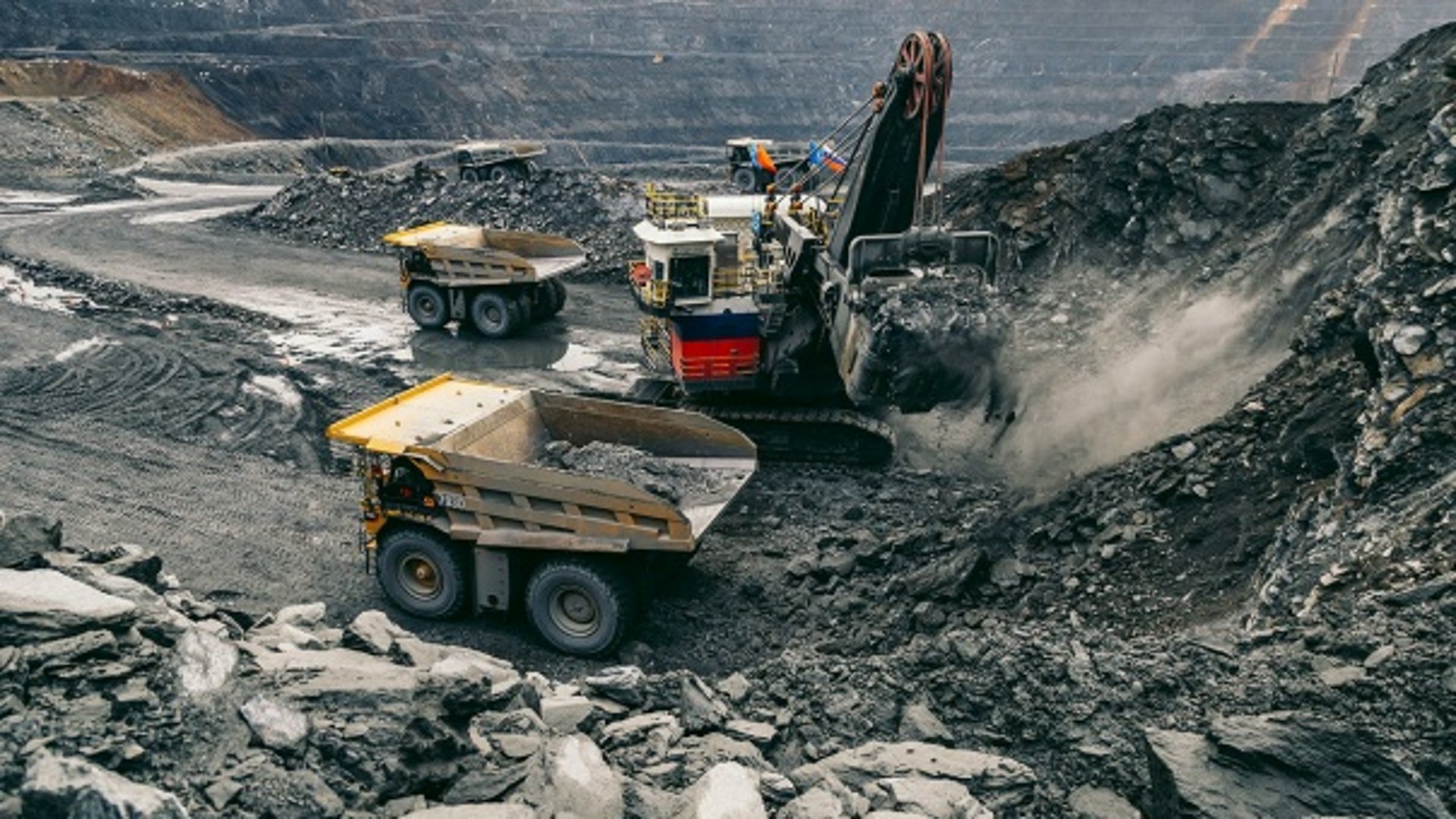
South Africa’s heavy industries operate at a scale and intensity that few regions in the world can match. From the vast open-cast coal mines of Mpumalanga, to the iron ore operations in the Northern Cape, and the high-throughput ports of Richards Bay and Saldanha Bay, mobile machinery forms the backbone of daily production.
Unlike fixed installations, these environments rely heavily on large mobile electrical equipment, including:
Bucket wheel excavators (BWEs)
Spreaders and stacker-reclaimers
Gantry cranes and ship loaders
Rail-mounted and rubber-tyred bulk handling systems
These machines demand continuous medium voltage power while moving over long distances, often under some of the harshest mechanical and environmental conditions on the planet.
This is where medium voltage reeling cables become mission-critical components rather than passive accessories.
In South Africa, reeling cables must simultaneously withstand:
Continuous reeling and unreeling cycles
High tensile and torsional stress
Abrasion from coal, iron ore, and sand
Oil, grease, chemicals, and moisture
High ambient temperatures and UV exposure
Increasing demand for real-time data transmission and automation
Traditional power-only cables are no longer sufficient. Modern operations require power, control, and data delivered through a single, robust umbilical. This demand has driven the adoption of (N)TSCGEWOEU medium voltage reeling cables with integrated fibre optics across South Africa’s most demanding applications.
What Is the (N)TSCGEWOEU Medium Voltage Reeling Cable with Fibre Optics?
The (N)TSCGEWOEU cable is a heavy-duty medium voltage reeling cable designed specifically for dynamic applications under extreme mechanical loads, where continuous movement, torsion, and high electrical performance are unavoidable.
What sets this cable apart is its hybrid design, combining:
Medium voltage power transmission
Integrated fibre optic communication
in a single, mechanically reinforced cable construction.
Typical voltage classes include:
3.6/6 kV
6/10 kV
12/20 kV
18/30 kV
This makes the (N)TSCGEWOEU suitable for both legacy mining systems and modern high-power, digitally connected equipment.
In simple terms, this cable does not just power machines—it enables smart, data-driven operations, aligning perfectly with South Africa’s gradual shift toward automation, condition monitoring, and Industry 4.0 principles.
Typical Applications
Heavy Mobile Equipment Under Extreme Mechanical Loads
The primary application domain of the (N)TSCGEWOEU medium voltage reeling cable is large mobile equipment operating under continuous dynamic stress.
Typical machines include:
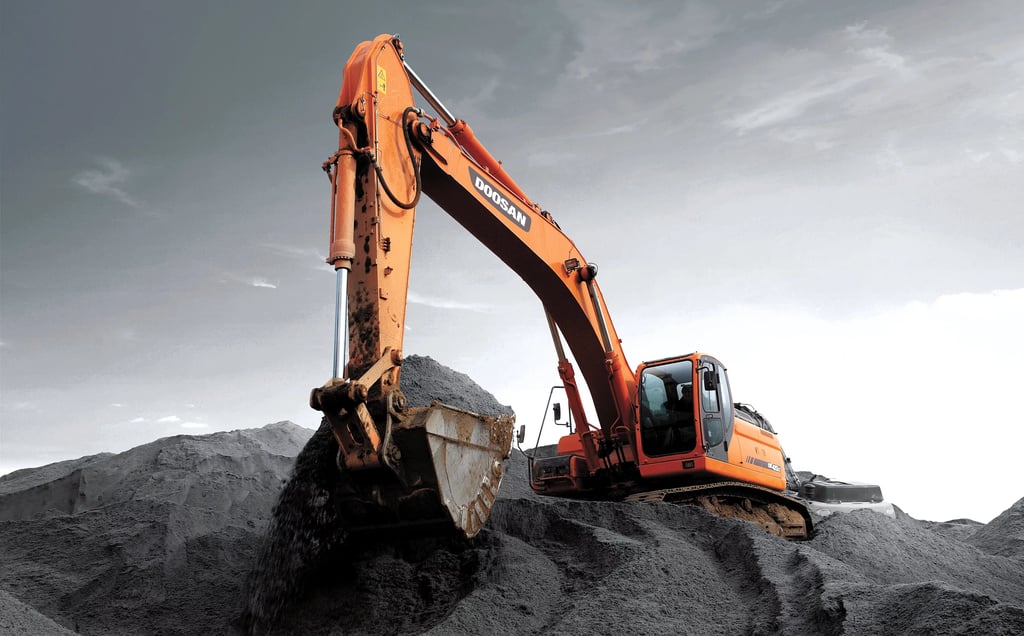
Excavators and bucket wheel excavators used in open-cast mining
Spreaders handling overburden removal
Stacker-reclaimers in coal, iron ore, and manganese stockyards
Gantry cranes and ship loaders in ports
Rail-mounted and rubber-tyred bulk handling equipment
In these applications, cables are not static assets. They are mechanically active components subjected to bending, twisting, and pulling every minute of operation.
Motorised Reeling Systems
(N)TSCGEWOEU cables are engineered specifically for motorised reeling systems, including:
Monospiral reelers
Level-wind reelers
These systems impose:
Continuous dynamic bending
Alternating torsional loads
High tensile forces during acceleration and braking
Without proper anti-torsion reinforcement and flexible conductor design, conventional cables fail prematurely through conductor fatigue, insulation cracking, or sheath damage.
South African Industry Focus
The adoption of fibre-integrated medium voltage reeling cables is particularly strong in:
Mpumalanga – open-cast coal mines with long travel distances
Northern Cape – iron ore operations requiring high power levels
Richards Bay – coal export terminals with automated stacker-reclaimers
Saldanha Bay – iron ore port operations exposed to salt air and wind
These regions represent some of the most mechanically and electrically demanding cable environments in the country.
Applicable Standards and Compliance
International Design Basis – VDE 0250 Part 813
The (N)TSCGEWOEU cable is designed based on VDE 0250 Part 813, a German standard globally recognised for heavy-duty reeling and trailing cables.
German engineering standards are widely respected in South African mining due to their emphasis on:
Mechanical endurance
Electrical reliability
Long service life under dynamic stress
This design basis ensures that the cable meets international best practice for reeling applications.
Alignment with South African Requirements
While VDE provides the design framework, practical deployment in South Africa requires alignment with:
SANS cable performance expectations
Mine Health and Safety Act (MHSA) principles
Key considerations include:
Flame retardancy in underground and surface installations
Oil and chemical resistance
Robust earthing design for fault protection
(N)TSCGEWOEU cables are widely accepted in South African operations because they meet or exceed local safety and performance expectations, even when not governed by a single mandatory national standard.
Cable Construction Overview
Conductor Design
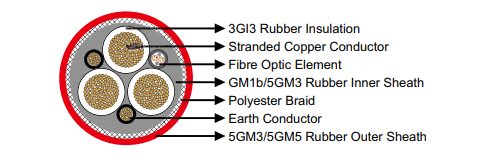
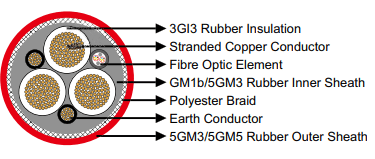
At the core of the cable are flexible stranded copper conductors, classified as Class 5 according to DIN VDE 0295.
This high strand count provides:
Superior flexibility
Reduced stress concentration during bending
Improved fatigue resistance under dynamic movement
For reeling applications, conductor flexibility is not optional—it is essential for long service life.
Inner Semiconductive Conductor Layer
Each conductor is surrounded by a semiconductive inner layer, which plays a critical role in:
Controlling the electric field
Minimising partial discharge
Ensuring uniform stress distribution
In medium voltage systems, unmanaged electric stress can dramatically shorten insulation life, especially under mechanical movement.
Insulation System – EPR Type 3GI3
The insulation material is EPR (Ethylene Propylene Rubber), Type 3GI3.
EPR is widely preferred in reeling cables because it offers:
Excellent thermal stability
High dielectric strength
Outstanding flexibility
Resistance to cracking under cyclic mechanical stress
Compared to XLPE, EPR maintains elasticity over a wider temperature range—an important advantage in South Africa’s variable climate.
Outer Semiconductive Layer
An outer semiconductive layer ensures:
Uniform electric field distribution
Improved long-term insulation reliability
Reduced risk of partial discharge at interfaces
This layered insulation system is essential for medium voltage dynamic applications.
Earth Conductor Design
The earth conductor is split into two separate conductors, positioned in the outer interstices.
This design provides:
Balanced fault current paths
Enhanced mechanical symmetry
Improved safety during earth faults
It is a proven configuration in heavy-duty mining cables.
Inner Sheath
The inner sheath is made from rubber type GM1b / 5GM3, providing:
Mechanical cushioning
Core protection against movement
A stable base for reinforcement layers
Integrated Fibre Optics System
Fibre Optic Configuration
The cable integrates 12 fibre optic elements, housed within a dedicated protective sheath.
Available fibre types include:
50/125 µm
62.5/125 µm
E9/125 µm
These fibres are mechanically isolated from the power cores, ensuring reliable performance even under continuous reeling.
Role of Fibre Optics in Modern Mining
In modern South African operations, fibre optics enable:
Real-time equipment monitoring
High-speed data transmission
Control system integration
Predictive maintenance strategies
By embedding fibres directly into the power cable, operators eliminate the need for separate data cables—reducing failure points and simplifying cable management.
Benefits for South African Operations
The integration of fibre optics delivers measurable operational benefits:
Reduced unplanned downtime
Faster fault diagnosis
Improved asset utilisation
Support for smart mining initiatives
For operations working on tight production margins, these advantages translate directly into cost savings.
Mechanical Reinforcement and Outer Sheath
Polyester Anti-Torsion Braid
A polyester anti-torsion braid is incorporated as a reinforcement layer.
Its function includes:
Absorbing torsional forces
Preventing conductor twisting
Maintaining cable geometry under load
This feature is critical for long travel distances and heavy reels.
Outer Sheath Design
The outer sheath is manufactured from rubber type 5GM3 / 5GM5, offering:
Flame retardancy
Oil and chemical resistance
High abrasion resistance
Suitability for harsh African climates
This sheath protects the cable against coal dust, iron ore fines, oils, UV radiation, and mechanical impact.
Electrical and Technical Parameters
Voltage Ratings
(N)TSCGEWOEU cables are available in:
3.6/6 kV
6/10 kV
12/20 kV
18/30 kV
This wide range supports both existing installations and future power upgrades.
Core Configurations
A typical configuration includes:
3 power cores
2 earth conductors
12 fibre optics
This structure balances electrical performance, safety, and communication capability.
Dimensional and Weight Considerations
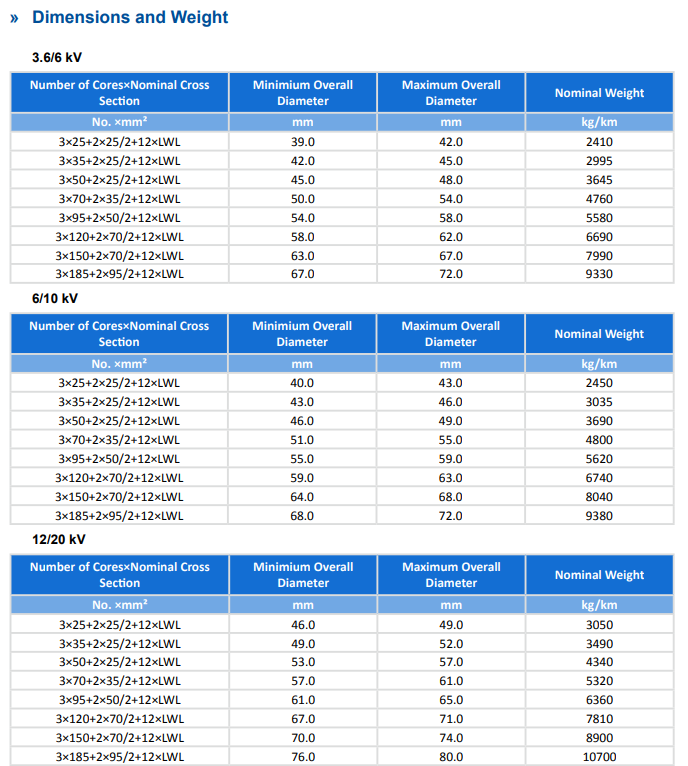
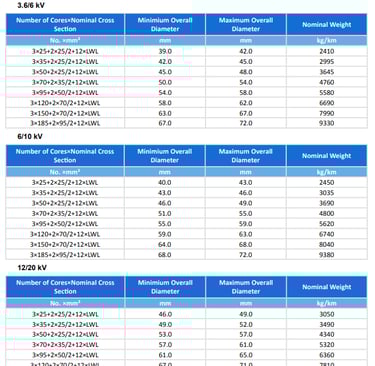
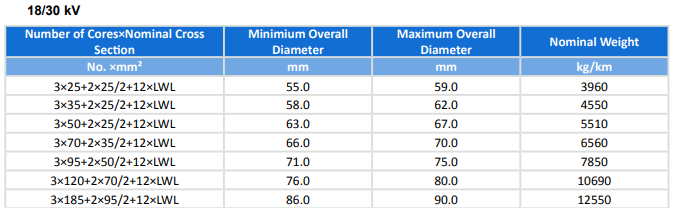
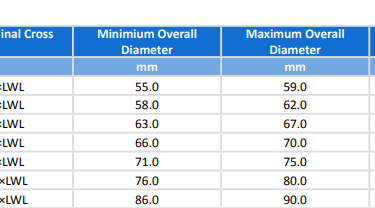
Overall diameter and weight vary with voltage class and conductor size, ranging from approximately 39 mm to 90 mm in diameter and 2,400 kg/km to over 12,500 kg/km.
Accurate dimensional data is essential for:
Reel sizing
Drive torque calculation
Mechanical system design
Installation and Operational Considerations
Reeling and Unreeling Behaviour
Correct installation practices include:
Observing minimum bending radius
Avoiding reverse torsion
Ensuring correct reel alignment
Poor installation can negate even the best cable design.
Environmental Factors in South Africa
South African conditions present unique challenges:
High ambient temperatures
Dust and abrasive materials
Oil contamination
UV exposure in open-cast mines
(N)TSCGEWOEU cables are engineered specifically to handle these factors.
South African Case
Open-Cast Coal Mine in Mpumalanga
Application: Bucket wheel excavator reeling system
Cable: 6/10 kV (N)TSCGEWOEU with fibre optics
Challenges:
Long travel distances
High torsional loads
Need for real-time machine monitoring
Performance Results
After installation:
Cable service life increased significantly
Unplanned downtime reduced
Real-time data enabled proactive maintenance
This case clearly demonstrates the value of fibre-integrated reeling cables in South African mining.
Comparison with Conventional Reeling Cables
Compared to power-only cables, fibre-integrated designs offer:
Lower total cost of ownership
Improved operational visibility
Reduced auxiliary cabling
Over the cable’s life cycle, the benefits far outweigh the initial investment.
Common Problems and Solutions
Mechanical Failures
Torsion fatigue
Sheath abrasion
Electrical Issues
Partial discharge
Insulation ageing
How (N)TSCGEWOEU Addresses These Challenges
Anti-torsion braid
EPR insulation
Semiconductive layers
Frequently Asked Questions (FAQ)
What makes (N)TSCGEWOEU suitable for heavy reeling?
Its flexible conductors, anti-torsion reinforcement, and robust insulation system.
Why EPR over XLPE?
Better flexibility and crack resistance under dynamic stress.
Can fibre optics survive reeling?
Yes, when properly protected and integrated.
Is it suitable for ports and mines?
Absolutely—this versatility is one of its key strengths.
Conclusion
In South Africa’s demanding mining, port, and industrial environments, cable selection is a strategic engineering decision, not a commodity purchase.
(N)TSCGEWOEU medium voltage reeling cables with fibre optics offer:
Proven mechanical durability
Reliable medium voltage performance
Built-in intelligence for modern operations
For operators seeking future-ready, high-reliability solutions, these cables represent a clear and compelling choice.
Email Address: Li.wang@feichuncables.com
© 2025. All rights reserved.
One-click to Quickly Contact
Products
Contact
Company
Location:
Building A Private Science and Technology Park, Hefei Economic and Technological Development Zone, Anhui Province, China
Heat Resistant Cable
WhatsApp: +86 17333223430
Social Media: