Anhui Feichun Special Cable Co.,Ltd Email: Li.wang@feichuncables.com
Powering South Africa with Rubber Cables: Why Flexibility and Durability Matter More Than Ever
Explore the benefits, applications, and real-world usage of rubber insulated cables in South Africa. Learn how they outperform PVC, withstand extreme weather, and power mining, industrial, and renewable energy sectors. Includes FAQs and South African case studies.
Li Wang
12/4/20256 min read
Introduction
Reliable electrical power is the backbone of South Africa’s economy. From the bustling streets of Johannesburg to the vast solar farms of the Northern Cape, uninterrupted electricity is critical for industrial operations, mining, infrastructure development, and emerging renewable energy projects. In this context, rubber cables have emerged as a versatile, durable, and flexible solution for powering a wide range of applications.
Unlike conventional PVC or plastic cables, rubber-insulated cables offer superior resistance to extreme weather, mechanical stress, and chemical exposure. This makes them particularly suitable for South Africa, a country characterized by diverse climates—ranging from arid inland regions to humid coastal zones—and heavy industrial activity.
In this article, we take a deep dive into rubber cables: their composition, applications, advantages, technical considerations, and real-world case studies from South Africa. By the end, you will understand why rubber cables are not just an alternative—they are increasingly the preferred choice for demanding electrical installations.
Understanding Rubber Cables
Definition and Composition
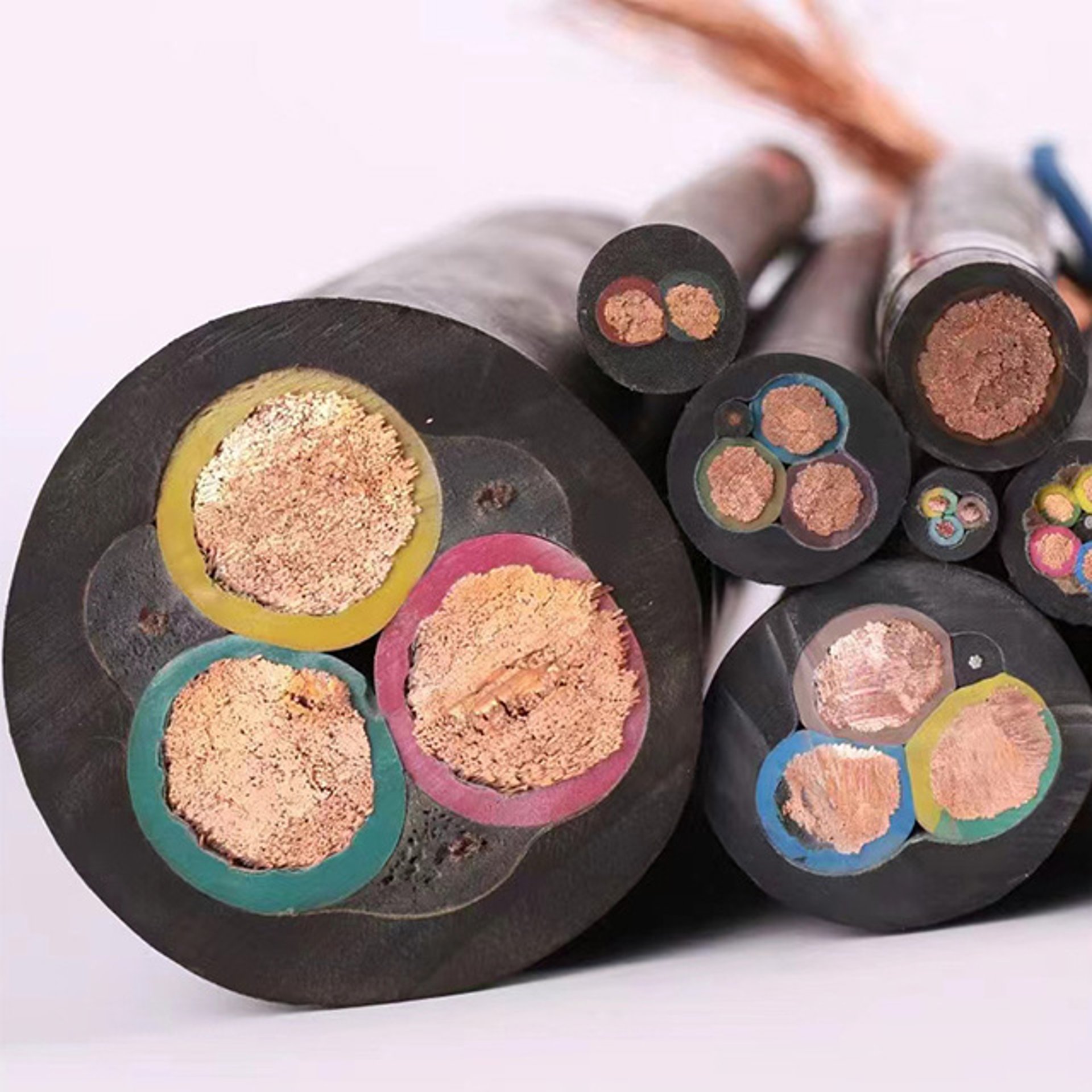
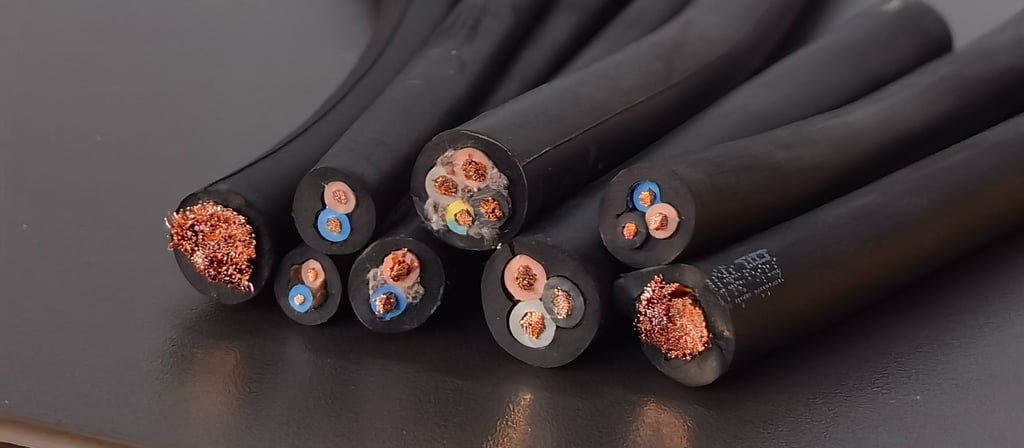
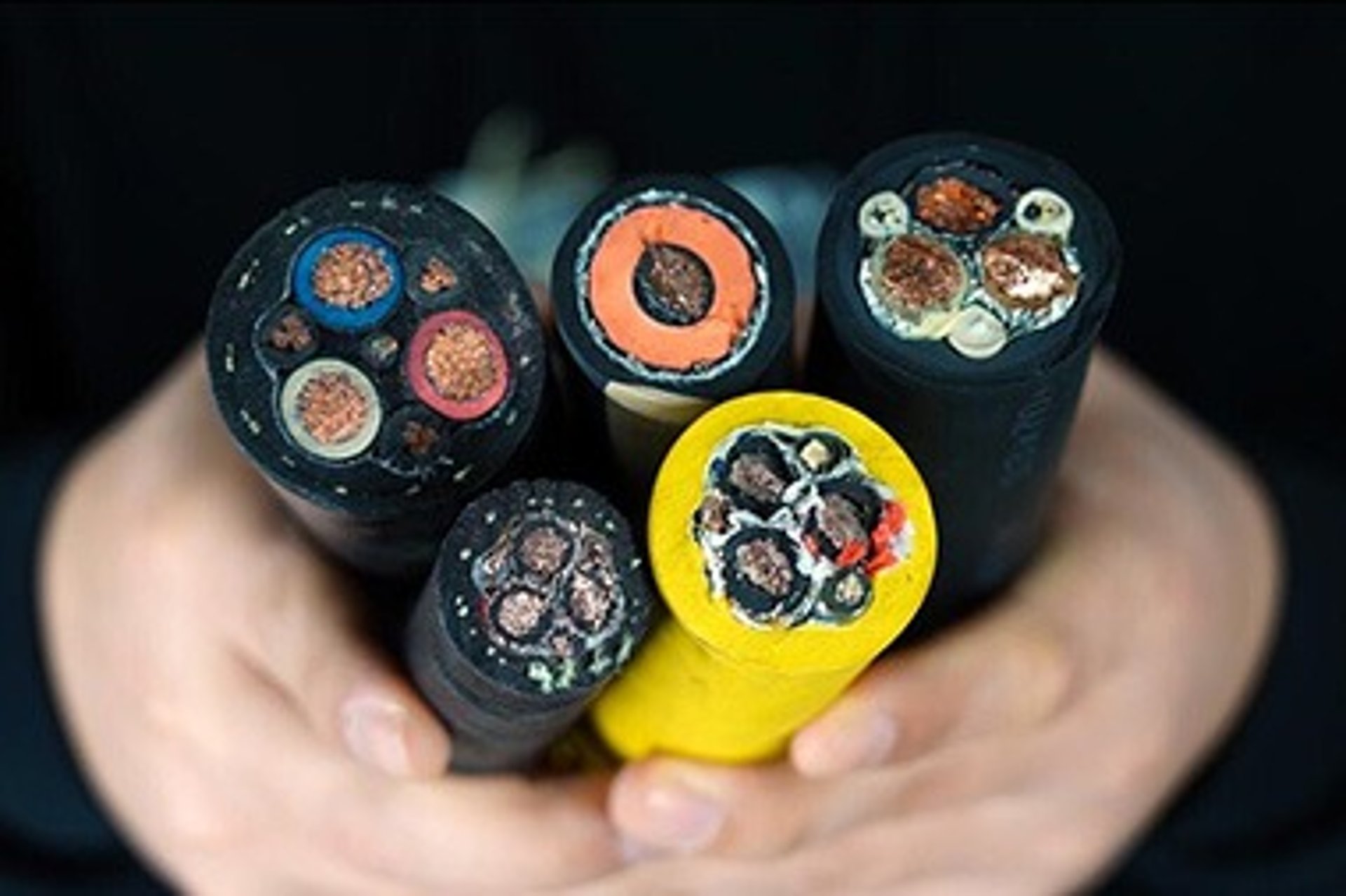
Rubber cables are electrical conductors insulated and sheathed with rubber-based materials. The core components include:
Conductors: Typically high-conductivity copper or aluminum, ensuring minimal power loss.
Insulation Layer: Made of natural or synthetic rubber compounds such as EPR (Ethylene Propylene Rubber), EPDM (Ethylene Propylene Diene Monomer), Neoprene, or Silicone.
Outer Sheath: Often rubber-based as well, providing mechanical protection, UV resistance, and chemical stability.
Additives such as antioxidants, anti-ozonants, fillers, and vulcanising agents enhance durability, temperature tolerance, and electrical performance.
Key Characteristics
Rubber cables are prized for a combination of properties that make them suitable for harsh environments:
Flexibility: High elasticity allows bending, twisting, and routing in tight spaces without damaging the insulation.
Mechanical Strength: Resistance to abrasion, impact, and vibration.
Environmental Resistance: Tolerance to moisture, oils, chemicals, UV radiation, and ozone.
Electrical Performance: Consistently high insulation resistance, low dielectric losses, and flame retardancy.
Historical Context
Before synthetic plastics like PVC and PE became widespread, natural rubber was the go-to insulation material. Rubber cables offered unmatched flexibility and water resistance, vital for industrial and household wiring. Over time, advances in synthetic rubbers and thermoset compounds improved thermal stability, chemical resistance, and mechanical strength.
In South Africa, where high summer temperatures, coastal humidity, and abrasive mining conditions are common, rubber cables have retained a strong relevance. Their ability to perform reliably under extreme conditions makes them a mainstay in industrial and energy sectors.
Applications of Rubber Cables in South Africa
Power Transmission and Distribution
Rubber cables are widely used in both underground and overhead power lines, as well as substation auxiliary systems. Their resilience against temperature fluctuations, moisture, and UV exposure ensures reliable energy distribution even during adverse weather events, such as tropical storms in KwaZulu-Natal or humid coastal conditions near Durban.
Industrial and Construction Sites
On construction sites in Johannesburg and Rustenburg, heavy machinery requires robust, flexible cabling. Rubber cables resist oils, chemicals, and physical damage, making them ideal for temporary power supply, machinery connections, and mobile equipment.
Case Study: At a major construction project in Sandton, flexible rubber cables allowed for rapid installation of high-power machinery, with minimal downtime caused by cable failures. This reliability reduced labor costs and prevented project delays.
Mining Sector
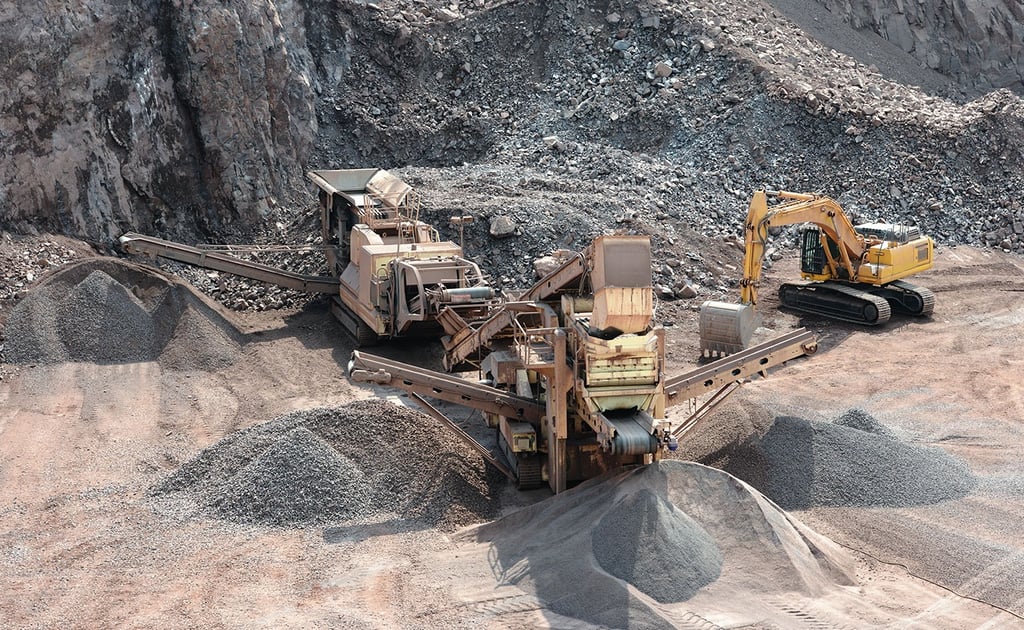
Mining operations are among the harshest environments for electrical cabling. Rubber cables are widely used in platinum mines in Limpopo and gold mines in North West Province, powering underground drills, conveyors, and lighting systems.
Challenges in Mining: Mechanical abrasion, exposure to chemicals like lubricants, and temperature extremes. Rubber insulation mitigates these risks, extending cable lifespan and ensuring worker safety.
Case Study: A platinum mine in Rustenburg switched to rubber-insulated armoured cables for underground drilling operations. Compared to PVC alternatives, these cables lasted three times longer under the same mechanical stress, significantly reducing maintenance interruptions.
Renewable Energy
South Africa’s solar and wind energy projects demand cables that withstand high temperatures, UV exposure, and outdoor installation challenges. Rubber cables are increasingly used in:
Northern Cape solar farms: Direct sunlight and high ambient temperatures can degrade PVC cables quickly, whereas rubber cables maintain insulation integrity.
Western and Eastern Cape wind farms: Flexible installation around turbines and harsh coastal conditions make rubber insulation the preferred choice.
Marine and Offshore Applications
Rubber cables are also ideal for ports, ships, and offshore rigs, resisting saltwater corrosion and ensuring reliable electrical connections in challenging marine environments.
Transportation & Automation
In industrial automation and logistics, rubber cables are used in drag chains, mobile cranes, and robotics, where repeated bending and vibration require highly flexible, durable wiring.
Advantages of Rubber Cables
Weather and Environmental Resistance
Rubber cables excel in extreme weather conditions, including:
UV exposure along South Africa’s coasts
Ozone degradation in industrial areas
Moisture in tropical and coastal regions
Chemical spills or oils in industrial settings
Flexibility and Mechanical Strength
Rubber’s elasticity allows installation in confined spaces, on moving machinery, or in environments prone to vibration. This reduces cable failure risks from mechanical stress.
Temperature Tolerance
Rubber insulation withstands high temperatures near furnaces or outdoor solar panels and low temperatures in South Africa’s highveld winters, maintaining consistent electrical performance.
Electrical Reliability
High dielectric strength and insulation resistance reduce the risk of electrical outages, ensuring reliable operation of critical infrastructure. Many rubber cables also offer flame retardant properties, enhancing safety.
Cost-Benefit Analysis
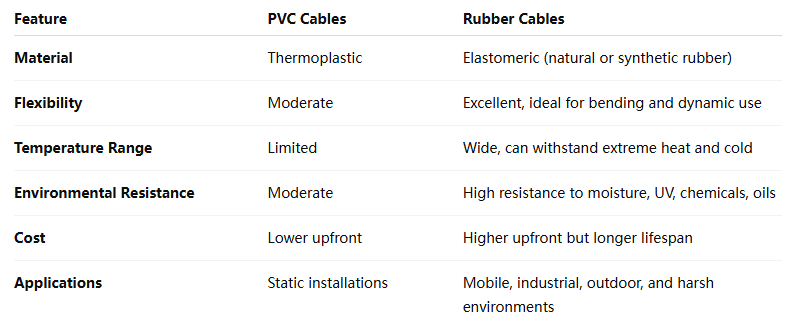
Although rubber cables have higher upfront costs than PVC, their longer service life, lower maintenance, and resilience in harsh environments make them more cost-effective over time.
Rubber Cables vs PVC Cables
Technical Insights
Conductor Materials
Copper: excellent conductivity, widely used.
Aluminum: lighter, cost-effective for medium-voltage applications.
Cross-Sectional Design
Thickness and number of strands influence flexibility and current-carrying capacity.
Multi-strand conductors increase flexibility for mobile applications.
Voltage Ratings
Low voltage: 0.6/1 kV, ideal for machinery and building power supply.
Medium voltage: 6/11 kV, suitable for substations and mining networks.
Compliance
Rubber cables in South Africa must comply with:
SANS 1507: Steel wire armoured cables
SANS 1507-1/2: Low voltage cables
IEC standards for insulation, safety, and performance
South African Case Studies
Mining Sector
At a platinum mining operation in Limpopo, rubber cables replaced PVC alternatives in underground conveyors and drilling equipment. Result:
50% reduction in cable replacements
Improved worker safety due to flame-retardant properties
Fewer operational interruptions
Renewable Energy
A solar farm in Northern Cape installed rubber cables connecting solar arrays to inverters. Benefits observed:
No insulation degradation under direct sunlight
Flexible routing around uneven terrain
Reduced maintenance costs over three years
Industrial Applications
A Johannesburg construction project utilized rubber-insulated cables for temporary power supply to cranes and heavy machinery:
Rapid deployment with minimal handling damage
Resistance to oil spills and abrasive materials on site
Extended service life compared to PVC cabling
Frequently Asked Questions (FAQ)
Why are rubber cables better than PVC for outdoor installations?
Rubber withstands UV, moisture, temperature fluctuations, and mechanical stress better than PVC.Can rubber cables handle South Africa’s coastal humidity?
Yes, synthetic rubber variants like EPDM and Neoprene are highly resistant to moisture and salt air.Are rubber cables safe for high-voltage applications?
Absolutely. Rubber cables are available in medium-voltage ratings and flame-retardant grades.How long do rubber cables last compared to PVC?
Typically 2–3 times longer under harsh environmental or mechanical conditions.What types of rubber insulation are most common?
EPR, EPDM, Neoprene, and Silicone are widely used in industrial and mining applications.Are rubber cables environmentally friendly?
Many synthetic rubber cables are recyclable, and their longer lifespan reduces waste.How to choose between natural and synthetic rubber cables?
Synthetic rubbers offer better chemical, UV, and temperature resistance. Natural rubber may be suitable for less demanding applications.Can rubber cables be used in renewable energy projects?
Yes, they are ideal for solar and wind farms exposed to sunlight and varying temperatures.What maintenance practices ensure longevity?
Regular inspections, avoiding sharp bends, and protecting from chemical spills.Are there regulatory standards for rubber cables in South Africa?
Yes, SANS standards (e.g., SANS 1507 series) and IEC regulations apply.
Conclusion
Rubber cables are more than just wiring—they are the backbone of South Africa’s critical infrastructure, mining operations, industrial plants, and renewable energy projects. Their flexibility, durability, and environmental resistance make them a preferred choice over PVC in demanding applications.
As South Africa continues its transition toward renewable energy and modern industrialization, the reliance on high-performance rubber cables will only grow. For engineers, project managers, and facility operators, investing in rubber-insulated cabling is a long-term strategy that ensures safety, reliability, and reduced operational costs.
Call to Action: When planning new installations or replacing aging cables, consider rubber cables for their unmatched performance, longevity, and resilience in South Africa’s diverse and challenging environments.
Email Address: Li.wang@feichuncables.com
© 2025. All rights reserved.
One-click to Quickly Contact
Products
Contact
Company
Location:
Building A Private Science and Technology Park, Hefei Economic and Technological Development Zone, Anhui Province, China
Heat Resistant Cable
WhatsApp: +86 17333223430
Social Media: