Anhui Feichun Special Cable Co.,Ltd Email: Li.wang@feichuncables.com
Powering South Africa’s Heavy Industries: The Ultimate Guide to AS/NZS Type 440 1.1–22kV Cables
Discover the power behind South Africa’s mines and industries with AS/NZS Type 440 1.1–22kV cables. Learn about construction, technical specs, applications, and real-life case studies from platinum, gold, and coal operations. Reliable, flexible, and NRCS-compliant.
Li Wang
12/5/20255 min read
Why Cables Matter in South Africa
When we think about mining or heavy industry, we often picture towering cranes, roaring drills, and conveyor belts stretching across underground tunnels. But the unseen lifeline connecting this machinery to power is the humble trailing or reeling cable. Among these, AS/NZS Type 440 cables, rated for 1.1kV to 22kV, have emerged as a critical standard for South Africa’s mining, industrial, and heavy machinery sectors.
South Africa’s mining landscape is vast and varied: gold mines in Gauteng, platinum operations in Rustenburg, and coal fields in Mpumalanga all rely heavily on mobile and stationary equipment. These machines demand cables that can endure extreme mechanical stress, high voltages, and harsh environmental conditions. Type 440 cables meet these demands with a combination of flexibility, robustness, and compliance with both Australian/New Zealand standards (AS/NZS) and South African NRCS regulations.
In this article, we will explore Type 440 cables from their construction and materials to technical specifications, applications, and real-world examples in South African mines and industrial plants.
Standards and Compliance: Ensuring Safety and Reliability
Safety and compliance are paramount in South African mining operations. Type 440 cables are designed to meet multiple AS/NZS standards while aligning with NRCS and SANS 1520-1 regulations locally.
Key Standards:
AS/NZS 2802:2000 – The benchmark for reeling and trailing cables, emphasizing mechanical flexibility and electrical integrity under repeated bending.
AS/NZS 1125, 3808, 5000.1 – These cover insulation, conductors, and testing procedures, ensuring cables withstand thermal, mechanical, and environmental stresses.
NRCS Compliance – South African mines require certification from the National Regulator for Compulsory Specifications (NRCS) to ensure equipment safety. Type 440 cables deployed in mines like Feichun Platinum Mine have passed rigorous NRCS testing for underground operations.
Adhering to these standards ensures that Type 440 cables provide reliable, long-term performance, minimize downtime, and reduce safety hazards.
Cable Construction and Materials
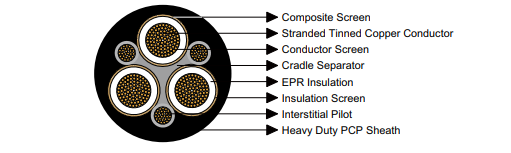
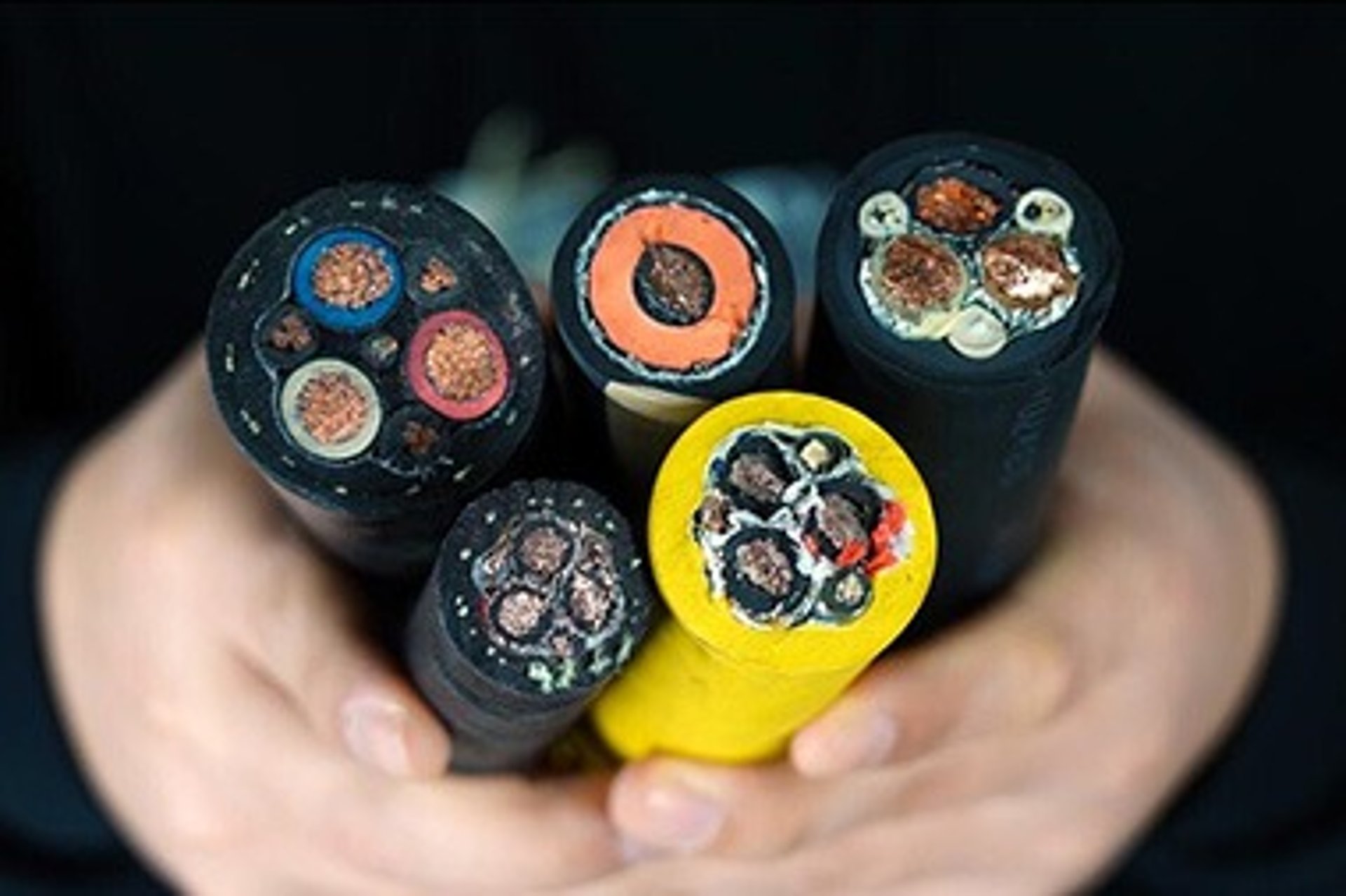
Type 440 cables are engineered for durability, flexibility, and electrical efficiency. Their construction involves multiple layers, each with a specific function.
Conductors
Material: Flexible, stranded, tinned annealed copper.
Advantages:
High mechanical strength for repeated bending.
Enhanced current-carrying capacity.
Tinning prevents oxidation in humid or chemically active environments.
Insulation
Material: EPR (Ethylene Propylene Rubber).
Benefits:
Excellent heat and chemical resistance.
Maintains flexibility at low temperatures, crucial for underground mining.
Reduces risk of electrical breakdown.
Conductor Screens
Semiconductive compounds are applied in cables rated 3.3kV and above to control electrical stress.
Insulation screens using semiconductive elastomer improve voltage distribution across the conductor.
Composite Earth and Cradle
A tinned copper braid interwoven with polyester yarn acts as the earth conductor.
A semiconductive PCP cradle supports cores, prevents physical contact, and enhances mechanical integrity.
Pilot Conductors
Flexible EPR-covered copper strands embedded in the cable provide control and signaling capabilities, critical for modern automated mining operations.
Outer Sheath
Heavy-duty PCP is standard, with CPE/CSP options for harsh environmental conditions.
Provides abrasion resistance, chemical protection, and mechanical durability for long service life.
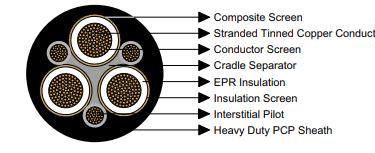
Diagram Suggestion: A cross-sectional diagram of a Type 440 cable, labeling conductor, insulation, core screen, pilot conductors, cradle, and outer sheath.
Technical Specifications and Electrical Parameters
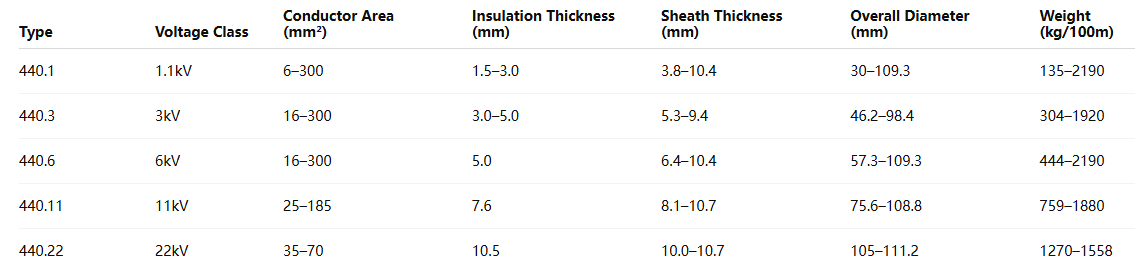
Type 440 cables are available in multiple voltage classes: 1.1kV, 3kV, 6kV, 11kV, and 22kV, with variations in conductor size, insulation thickness, and overall dimensions.
Electrical Characteristics:
Rated voltage and insulation level tailored for heavy-duty mining and industrial equipment.
Current-carrying capacity optimized for mobile machinery.
Temperature ratings typically -40°C to +90°C.
Designed to withstand continuous flexing and mechanical stress.
Applications in South Africa
Type 440 cables are widely used in mining, industrial, and heavy machinery applications. They provide a reliable lifeline for South Africa’s energy-intensive operations.
Mining Applications
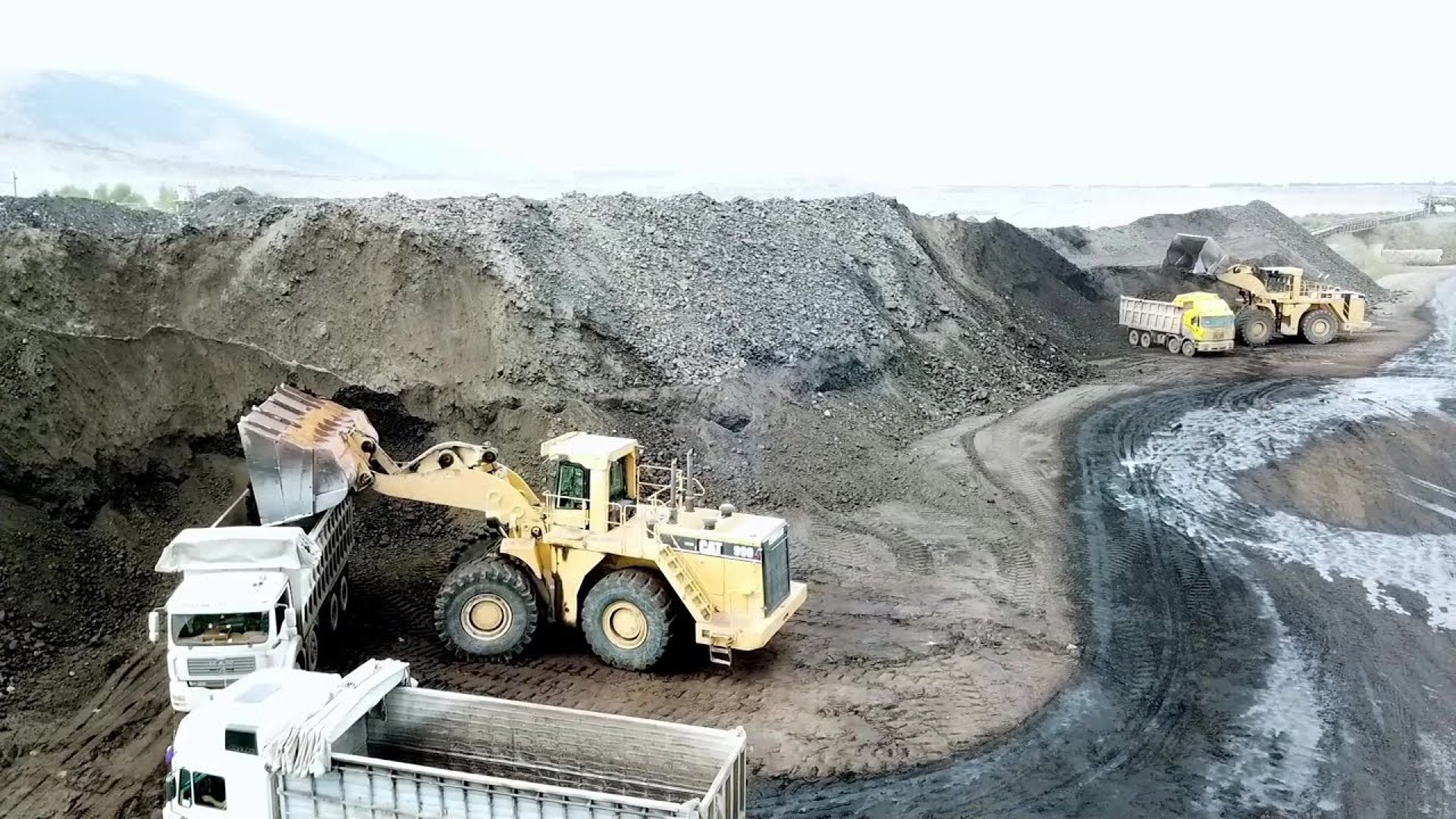
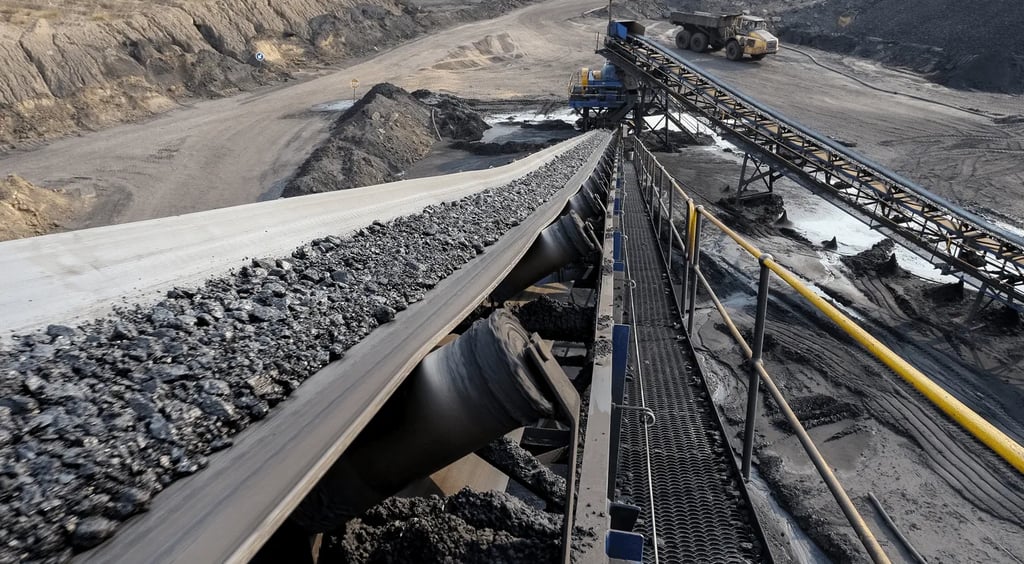
Equipment: Loaders, drills, conveyors, crushers.
Benefit: Flexible design ensures safe power supply despite repeated bending and movement.
Case Study: Feichun Platinum Mine deployed Type 440.11 for underground ore transport, improving operational safety and reducing cable failures.
Industrial and Heavy Machinery
Applications: Port operations, construction, processing plants.
Advantage: Long-lasting cables can handle repeated mechanical stresses and exposure to chemicals in industrial settings.
Reeling and Trailing Applications
Flexibility: Designed for mobile equipment that requires continuous movement.
Durability: Outer sheath protects against abrasion, chemicals, and heat.
Efficiency: Reduces downtime and maintenance costs by extending cable lifespan.
Illustration Suggestion: Depict a Type 440 cable connected to a mining loader, showing bending radius and protective sheath.
Advantages of AS/NZS Type 440 Cables
Flexibility under mechanical stress – ideal for continuous motion in mines and factories.
Robust insulation – withstands heat, chemical exposure, and abrasion.
High voltage capacity – supports machinery from 1.1kV to 22kV.
Compliance – meets AS/NZS and NRCS standards for safety and performance.
Longevity – reduced downtime and maintenance costs.
Enhanced safety – integrated earth and pilot conductors ensure proper grounding and control.
Common Issues and FAQs
Can these cables be used in extreme temperature conditions?
Yes. EPR insulation maintains flexibility from -40°C to +90°C, making Type 440 suitable for underground mines and hot industrial environments.
How often should they be inspected or replaced?
Inspection: Every 6–12 months depending on operational conditions.
Replacement: When conductor strands break, insulation shows cracks, or mechanical damage is observed.
Are there risks of conductor breakage under continuous bending?
Flexible, tinned copper strands minimize breakage.
Preventive measure: Avoid sharp bending radii and implement reeling systems.
How do Type 440 cables compare to Type 41 or Type 61A in South Africa?
Type 41: Low-voltage, standard mining cable. Less flexible for high voltage.
Type 61A: Medium-voltage, highly resistant but less flexible.
Type 440: Combines flexibility, high voltage capacity, and NRCS compliance, ideal for heavy-duty trailing and reeling.
How to ensure compliance with NRCS and SANS 1520-1 standards?
Work with NRCS-certified suppliers.
Maintain documentation of testing for voltage, insulation, and mechanical properties.
Use pilot and earth conductors for grounding and safety monitoring.
Case Studies and Real-World Examples
Platinum Mine
Deployment: Type 440.11 cables for underground loaders and conveyors.
Outcome: Reduced cable failure by 30%, improved operational efficiency, enhanced safety compliance.
Coal Processing Plant, Mpumalanga
Deployment: Type 440.6 flexible feeders for mobile coal transport.
Outcome: Improved machinery uptime, reduced abrasion-related faults, maintained NRCS compliance.
Lessons Learned:
Proper installation and handling extend cable lifespan.
Regular inspection prevents downtime.
Flexible Type 440 cables improve safety and efficiency compared to rigid alternatives.
Conclusion
Type 440 cables are the unsung heroes of South Africa’s mining and industrial sectors. From platinum mines to coal processing plants, their combination of flexibility, high-voltage capacity, and robust construction ensures machinery operates safely and efficiently. By adhering to AS/NZS standards and NRCS regulations, South African engineers and procurement teams can ensure reliable power delivery, minimize downtime, and enhance operational safety.
For anyone managing high-power machinery, investing in Type 440 cables is not just a technical choice—it’s a commitment to safety, reliability, and long-term efficiency.
Contact Anhui Feichun Special Cable Co., Ltd.
For comprehensive technical specifications and quotations, please contact our specialized mining cable engineering team:
Technical Engineering Support:
Sales Engineering Department:
WhatsApp Contact:
Manufacturer: Anhui Feichun Special Cable Co., Ltd. (安徽飞纯特种电缆有限公司)
Manufacturing Headquarters: Building A, Private Science and Technology Park, Hefei Economic and Technological Development Zone, Anhui Province, People’s Republic of China
+86 17333223430
Email Address: Li.wang@feichuncables.com
© 2025. All rights reserved.
One-click to Quickly Contact
Products
Contact
Company
Location:
Building A Private Science and Technology Park, Hefei Economic and Technological Development Zone, Anhui Province, China
Heat Resistant Cable
WhatsApp: +86 17333223430
Social Media: