Anhui Feichun Special Cable Co.,Ltd Email: Li.wang@feichuncables.com
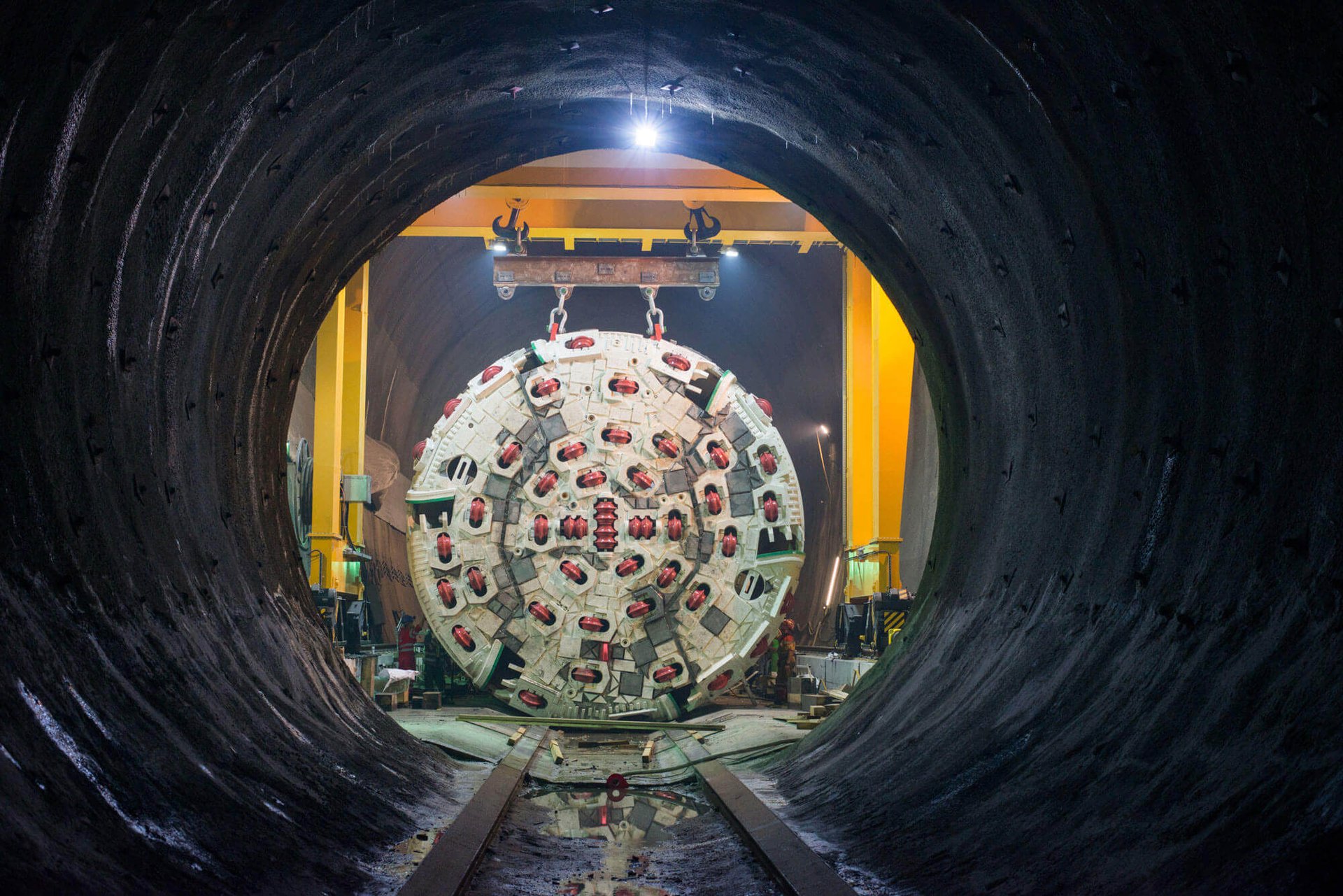
PROTOMONT TBM (N)TSCGECWHXOEU MV Halogen-Free Reeling Cables: Why This EPR & EVA Structured Cable Delivers Superior Mechanical Endurance and Fire Safety for South African Tunnels and Deep Mines
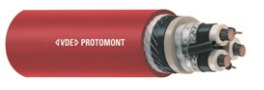
Designed for the world’s toughest underground works—South Africa’s deep-level mines and long-distance tunnels—the PROTOMONT TBM (N)TSCGECWHXOEU is a halogen-free medium-voltage reeling cable built on more than a century of Prysmian mining engineering expertise. Engineered specifically for Tunnel Boring Machines (TBM), it solves four critical operational pain points: electrical reliability, mechanical endurance, fire safety, and real-time condition monitoring. With EPR insulation, LSOH EVA outer sheath, integrated load-bearing and monitoring elements, and full compliance with VDE, IEC, GOST, and SANS standards, this cable has been field-proven to last 2–3 times longer than conventional alternatives, reducing unplanned downtime and lifecycle costs while meeting the strictest safety regulations in deep mining and tunneling operations across Southern Africa.
Li.Wang
6/26/202611 min read
Introduction
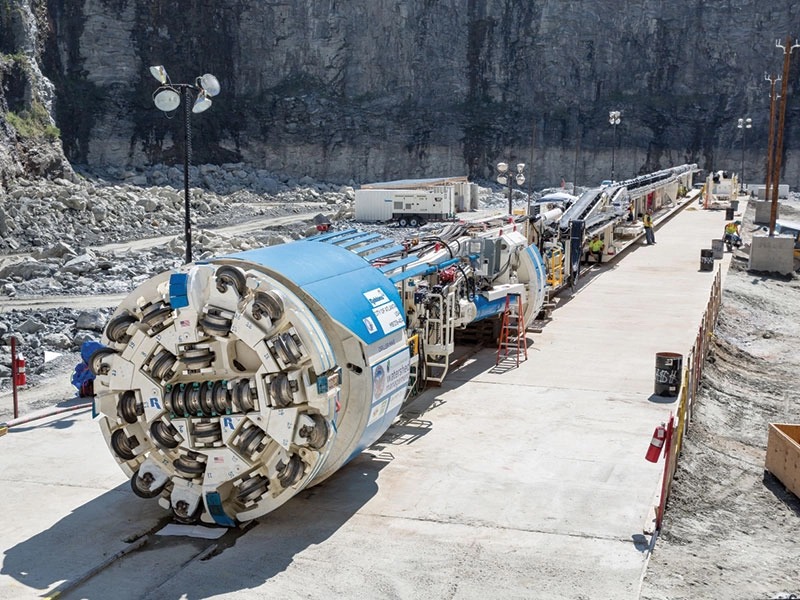
Powering Tunnel Boring Machines in deep-level mines and long-distance tunnels presents one of the most severe challenges in electrical engineering. In South Africa, where mining extends to depths of 3,500 meters or more, and water transfer and infrastructure tunnels stretch for kilometers, operating conditions push every component to its absolute limit. High humidity, constant exposure to water and oil, abrasive dust, extreme temperature swings, ozone, and the continuous mechanical stress of reeling, unreeling, bending, and torsion create an environment where standard cables often fail prematurely.
When a power cable fails in such a setting, the consequences go far beyond simple replacement costs. A single fault can stop a multi-million-rand TBM operation for hours or even days, disrupting production schedules, increasing safety risks, and leading to significant financial losses. Furthermore, in confined underground spaces, a fire involving a cable with halogenated materials releases toxic and corrosive smoke and gases, which can threaten lives and damage sensitive machinery and ventilation systems.
The PROTOMONT TBM (N)TSCGECWHXOEU range is the direct answer to these challenges. Developed by Prysmian Group—owner of Draka and General Cable brands and a leader in energy cable technology since the late 19th century—it is a medium-voltage reeling cable purpose-built for TBM and mobile mining equipment. It addresses four core requirements: delivering stable electrical performance under load, resisting repeated mechanical stress, maintaining fire safety without toxic emissions, and enabling operators to monitor insulation health in real time. This article explains its design, materials, engineering principles, performance data, and proven value in South African operations.
Technical Specifications and Standards Compliance
Understanding the PROTOMONT TBM begins with its precise engineering parameters and the international and regional standards it meets. These specifications define where and how it can be safely and effectively applied.
Electrical Ratings
The cable is available in two primary voltage classes, both suited for medium-voltage distribution in underground environments:
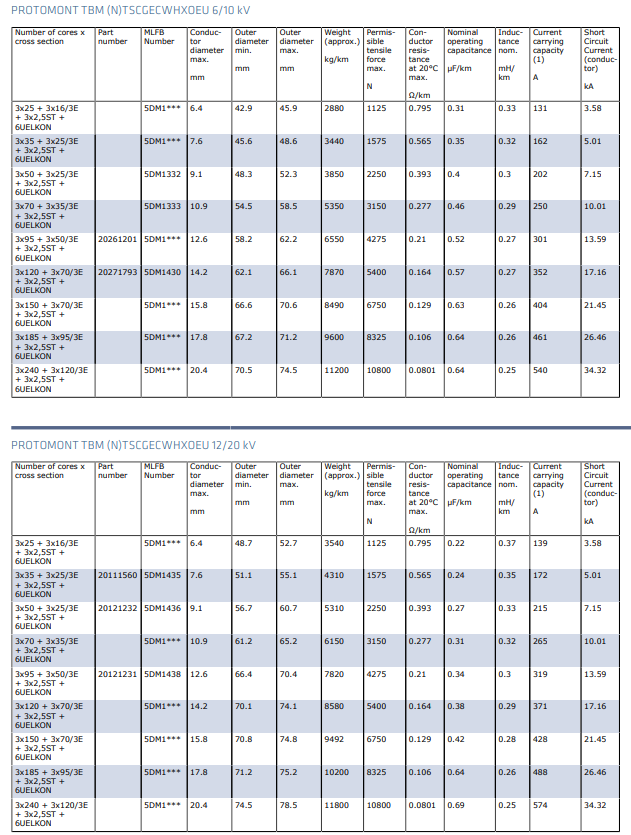
6/10 kV: Maximum continuous AC operating voltage 6.9/12 kV; maximum DC operating voltage 9/18 kV; AC withstand test voltage 17 kV; control cores tested at 2 kV.
12/20 kV: Maximum continuous AC operating voltage 13.9/24 kV; maximum DC operating voltage 18/36 kV; AC withstand test voltage 29 kV; control cores tested at 2 kV.
Thermal ratings are critical for reliability:
Maximum continuous conductor operating temperature: 90°C
Short-circuit temperature rating: 250°C for up to 5 seconds
Nominal capacitance ranges from 0.25 to 0.37 µF/km; inductance from 0.22 to 0.69 mH/km, ensuring stable impedance over long lengths.
Construction and Cross-Section Range
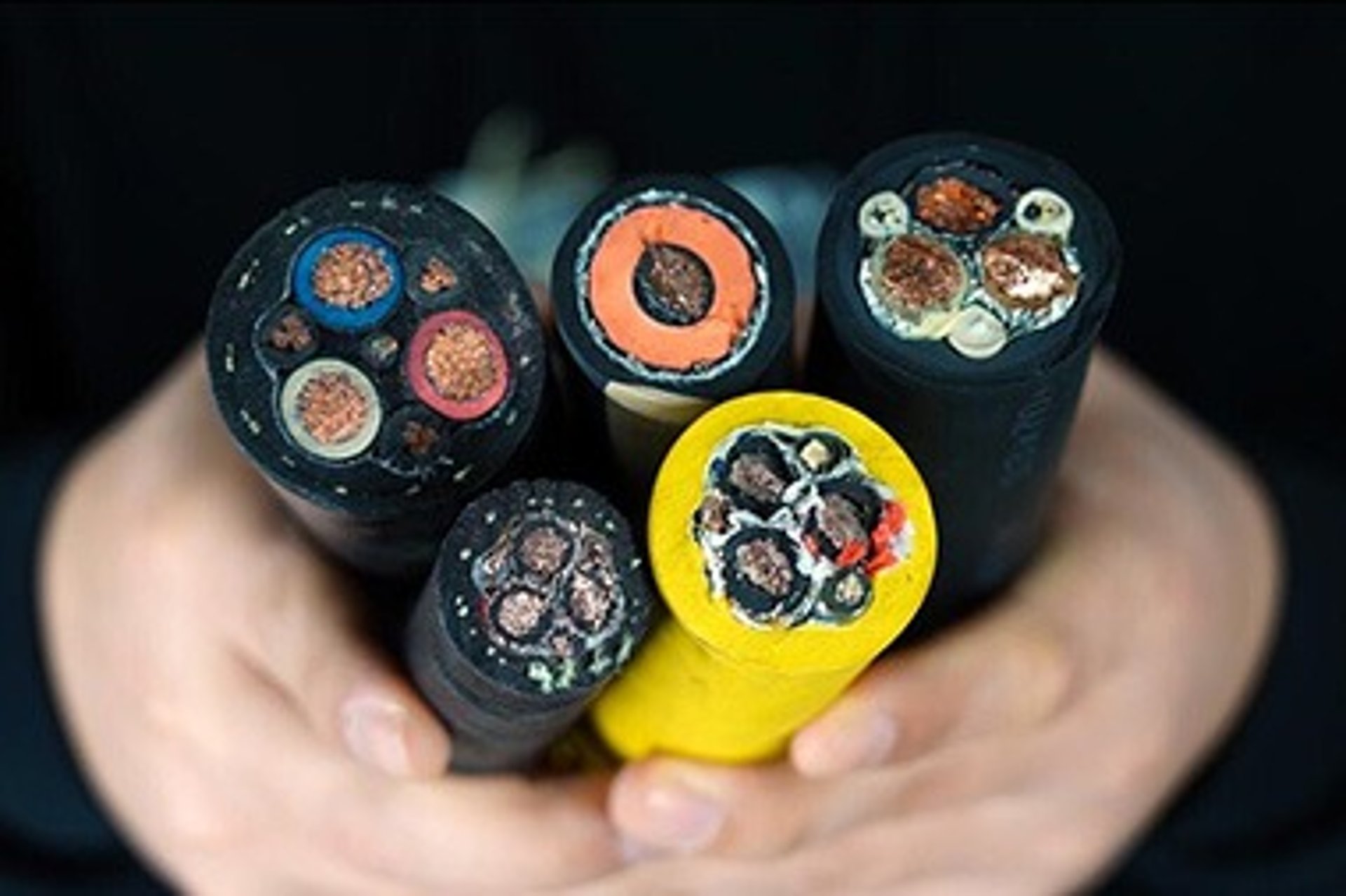
The standard configuration follows a robust multi-core layout: 3 main power conductors + 3 earth/screen cores + 3 monitoring cores + 6 auxiliary elements, identified as 3×25 to 3×240 mm² main sections. The full range includes:
3×25 + 3×16/3E + 3×2.5ST + 6UELKON
3×35 + 3×25/3E + 3×2.5ST + 6UELKON
3×50 up to 3×240 mm² with matching earth and monitoring cores
Outer diameters range from 42.9 mm to 78.5 mm, and approximate weights from 131 kg/km to 574 kg/km, allowing proper drum sizing and installation planning.
Standards and Certifications
The design is based on DIN VDE 0250-813, the leading specification for flexible rubber-insulated mining and reeling cables. It also complies with:
IEC 60228: Conductor dimensions and resistance
IEC 60502: Medium-voltage power cables
IEC 60332-1-2: Flame propagation resistance
IEC 60754-1/2: Halogen content and acidity of combustion gases
IEC 61034: Smoke density
IEC 60811-404: Resistance to mineral oils
Regional approvals include GOST-R/K/B for the CIS market, and its construction aligns fully with SANS 10198 and the South African Mine Health and Safety Act requirements for underground electrical equipment.
Layer-by-Layer Structure and Material Science
The performance of PROTOMONT TBM comes not from a single feature, but from the integration of materials and geometry at every layer. Each component is selected based on electrical theory, mechanical physics, and long-term aging behavior.
Conductor: Class 5 Tinned Copper
At the center is a finely stranded copper conductor, constructed as Class 5 per IEC 60228 and fully tinned. High-purity electrolytic copper ensures low electrical resistance—ranging from 0.795 Ω/km at 25 mm² down to 0.0801 Ω/km at 240 mm² at 20°C. The fine stranding allows extreme flexibility, while the tin plating serves three purposes: preventing oxidation in damp air, resisting sulfidation common in deep mines, and reducing galvanic corrosion between copper and other materials.
Inner Semiconductive Layer
Directly over each conductor lies a layer of vulcanized semiconductive rubber compound. This layer smooths the electric field distribution by eliminating air gaps and microscopic irregularities on the copper surface. Without it, high electric stress would concentrate at sharp points, accelerating partial discharge and eventual insulation failure. The semiconductive layer equalizes potential, extending insulation life significantly.
Insulation: PROTOLON EPR
The primary insulation is PROTOLON, a specially formulated ethylene-propylene rubber (EPR). Unlike PVC or standard rubber, EPR has a uniform dielectric strength of roughly 20 kV/mm, low dielectric loss factor, and stable electrical properties across temperatures from -40°C to 90°C. It is far more resistant to heat aging, ozone, and chemical attack than cross-linked polyethylene (XLPE) in dynamic applications. For TBM duty, EPR remains flexible even after thousands of bending cycles, avoiding the cracking that can occur with stiffer insulation materials.
Outer Semiconductive Layer
Bonded tightly to the outer surface of the EPR insulation is a second semiconductive layer. Together with the inner layer and insulation, this forms a uniform cylindrical electric field, ensuring that stress is distributed evenly rather than building up at the edges. This design is the foundation of the cable’s ability to operate reliably at medium voltage without partial discharge breakdown.
Core Shielding: Copper-Textile Mixed Braid
Each insulated core is wrapped with a concentric braid made from a blend of copper wires and textile fibers. This serves as both the earth conductor and the electrostatic shield. The textile component adds flexibility and fatigue resistance, preventing the braid from breaking when repeatedly bent or twisted. The copper portion provides a low-resistance path for fault current, meeting the requirements for earth continuity in mining standards.
Inner Sheath: GM1B Vulcanized EPR
After stranding all cores together, the assembly is wrapped with an inner sheath of GM1B-grade vulcanized EPR rubber. This layer acts as a mechanical buffer, filling voids, maintaining the round shape of the cable, and protecting the cores from abrasion by the outer load-bearing elements. It also adds further moisture resistance and electrical separation between core assembly and outer components.
Tensile and Monitoring Layer
One of the most distinctive features is the overall concentric lay of fine copper wires spirally applied over the inner sheath. This layer performs two critical functions simultaneously: it carries up to 80% of the tensile load, reducing stress on the conductors and insulation, and it provides a dedicated circuit for insulation monitoring. The maximum allowable tension is 15 N/mm² for general reeling and 30 N/mm² specifically for TBM applications, which often involve long lengths and heavy cable weight.
Outer Sheath: 5GM3 Halogen-Free EVA
The outermost protection is a thick sheath of 5GM3 compound, an ethylene-vinyl acetate (EVA) based elastomer formulated to be halogen-free, flame-retardant, and highly durable. It meets IEC 60332-1-2 for flame resistance, and unlike chloroprene or PVC, it releases no hydrochloric acid or other toxic halide gases when exposed to fire. It also offers excellent resistance to mineral oils, greases, ozone, and UV radiation, while remaining flexible at temperatures as low as -20°C during movement and down to -40°C when fixed. The standard bright red color ensures high visibility in low-light tunnel environments.
Engineering Principles Behind the Design
Every design choice follows established laws of electrical engineering, material science, and mechanical dynamics.
Electrical Engineering Principles
The cable follows the uniform field theory for medium-voltage cables. By sandwiching the insulation between two semiconductive layers and surrounding it with a conductive shield, the electric field becomes radial and evenly distributed. This minimizes partial discharge, which is the primary cause of insulation degradation over time. The EPR insulation operates under the thermal endurance rule: its continuous 90°C rating effectively doubles the insulation lifespan compared to 70°C rated cables, according to the Arrhenius aging model.
Mechanical Engineering Principles
Flexibility and fatigue resistance are achieved through optimized lay ratios and braid angles. The conductor stranding uses short pitches to allow bending without high internal stress, while the load-bearing copper layer is wound at an angle that balances tension and torsion resistance. The cable is rated for torsional stress of ±25° per meter, and a minimum bending radius of 20× the outer diameter under dynamic operation. This allows it to be reeled at speeds up to 30 meters per minute without structural damage. The design also applies load-sharing principles: the tensile members absorb most of the longitudinal force, so the copper conductors remain well below their yield strength.
Material Science Principles
The selection of halogen-free flame retardants relies on endothermic decomposition and char formation. Metal hydroxide fillers in the EVA sheath absorb heat when heated, releasing water vapor that cools the surface and dilutes oxygen, while forming a stable ceramic-like char layer that blocks further flame spread. This mechanism works without halogen elements, eliminating corrosive byproducts. The vulcanization process used for EPR and EVA ensures long-term elasticity, preventing the material from hardening or shrinking over years of service.
Operating Conditions and Application Scope
PROTOMONT TBM is engineered to perform reliably in environments where standard cables quickly degrade.
Temperature Range
Fixed installation: -40°C to +80°C
Dynamic reeling operation: -20°C to +60°C
This wide window covers the seasonal variations and geothermal gradients found in South African mines, where temperatures can rise significantly with depth
Environmental Resistance
It is resistant to:
Water and high humidity (up to 100% relative humidity)
Mineral oils, greases, and hydraulic fluids
Ozone and UV radiation
Abrasive dust and rock particles
Fungal and microbial growth in damp conditions
Primary Applications
The cable is designed specifically as reeling power supply for Tunnel Boring Machines in underground mines and tunneling sites. It is also suitable for other mobile equipment such as shaft conveyors, load-haul-dump units, and large pumps requiring medium-voltage power. Its online monitoring capability makes it ideal for installations where continuous operation is critical and maintenance access is limited.
South African Field Performance and Case Studies
South Africa’s mining and tunneling sector represents the ultimate proving ground for this type of cable. With depths exceeding 3,000 meters in some gold and platinum mines, and major infrastructure projects such as water transfer tunnels and port expansions, the operating environment is among the most demanding on the planet.
Case 1: Platinum Mine – North West Province
A major platinum operation in the Bushveld Complex deployed PROTOMONT TBM 12/20 kV cable in 3×120 mm² size on a 1,100-meter drum. The TBM was excavating a main access tunnel at a depth of 1,250 meters, where ambient temperature averaged 32°C and relative humidity often reached 95%. The cable was reeled and unreeled at up to 25 meters per minute, exposed to hydraulic oil mist and fine silica dust.
Before switching to PROTOMONT, the mine was replacing standard rubber-insulated cables every 14–16 months due to insulation cracking and sheath abrasion. After installation, the Prysmian cable operated continuously for 42 months without failure. Inspection showed minimal wear, and resistance values remained stable. The result: service life increased by 2.6 times, and maintenance and replacement costs dropped by approximately 58%. The built-in monitoring feature also alerted the electrical team three times to minor insulation changes, allowing planned adjustments before any fault could occur.
Case 2: Bulk Water Transfer Tunnel – KwaZulu-Natal
A large water authority project required a 6/10 kV reeling cable for a TBM advancing 2.1 km through hard rock. The tunnel faced high groundwater inflow and aggressive mineralized water. The PROTOMONT TBM 3×95 mm² cable was chosen for its moisture resistance and mechanical strength.
During the project, the monitoring system detected a slight increase in capacitance early in the operation, indicating minor sheath abrasion at the drum edge. The team adjusted the guide rollers and tension, avoiding a potential fault. The cable completed the entire tunnel drive without interruption, while the previous cable design had failed twice in similar sections. The contractor reported a 72% reduction in unplanned downtime related to power supply.
Case 3: Deep Gold Mine Decline – Gauteng
At a gold mine near Johannesburg, a decline shaft was being extended using a TBM operating at 20 kV. The depth reached 1,800 meters, with temperatures rising to 38°C. The PROTOMONT cable’s ability to maintain its electrical and mechanical properties at elevated temperatures allowed the machine to run at full load without de-rating. Over 36 months, no cable-related incidents were recorded, and the mine confirmed compliance with the latest SANS 10198 and MHSA regulations regarding fire safety and electrical monitoring.
Competitive Advantages Over Standard Cables
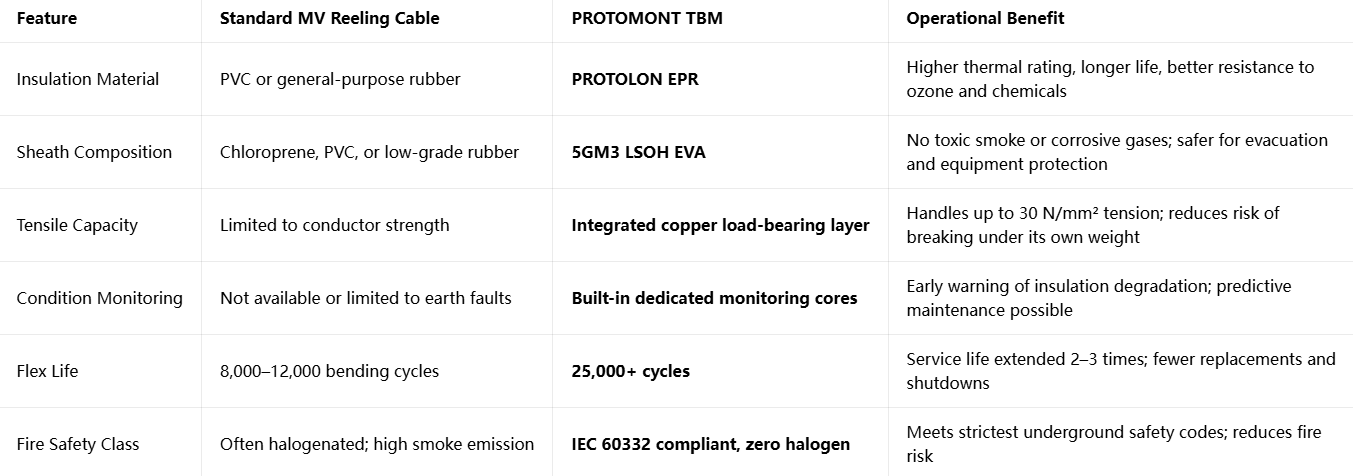
When compared to conventional trailing or reeling cables, the PROTOMONT TBM design offers clear advantages that translate directly to operational value.
Equivalent Alternative: Feichun TBM Reeling Cable
While Prysmian PROTOMONT TBM is the original design, contractors and procurement teams in Southern Africa often look for reliable alternatives that match specifications while offering better lead times and cost efficiency. The Feichun TBM reeling cable provides a direct, fully compatible replacement.
Why Feichun Is a Valid Equivalent
Feichun Cables follows the same international standards and construction principles:
Standards compliance: DIN VDE 0250-813, IEC 60228, IEC 60332, IEC 60811, matching all key parameters of the original design.
Identical construction: Class 5 tinned copper conductors, inner and outer semiconductive layers, EPR insulation, copper-textile shielding, GM1B inner sheath, concentric copper monitoring/tensile layer, and 5GM3-grade LSOH EVA outer sheath.
Same electrical and mechanical ratings: 6/10 kV and 12/20 kV voltage classes, 90°C continuous temperature, 250°C short-circuit rating, and 30 N/mm² maximum tension.
Key Advantages
Competitive pricing: Typically 15–25% lower total cost without compromising technical performance.
Shorter lead times: Production and delivery schedules tailored to African projects, reducing waiting periods.
Full documentation: Provides test reports, certificates, and data sheets acceptable for tender submissions in South Africa and neighboring countries.
Global availability: Stock and logistics support arranged for regional delivery.
Frequently Asked Questions
Q: Can this cable be used for fixed installations, or only for reeling?
A: It is fully suitable for both. The temperature range for fixed use extends from -40°C to +80°C, wider than the dynamic range, making it versatile for mixed applications.
Q: What does “zero halogen” actually mean in practice?
A: It means the sheath and insulation contain no chlorine, fluorine, bromine, or iodine compounds. In case of fire, combustion produces only water vapor, carbon dioxide, and non-corrosive smoke, protecting personnel and equipment.
Q: How does the built-in monitoring system work?
A: The dedicated monitoring cores allow continuous measurement of insulation resistance and capacitance changes using standard TDR or insulation monitoring equipment. Any drift indicates degradation before a fault occurs.
Q: What is the minimum bending radius I should follow?
A: For dynamic reeling and moving applications, maintain 20× the outer diameter. For static installation, 12× OD is sufficient.
Q: Does Feichun cable fit existing drums and connectors?
A: Yes. Outer diameters, core arrangements, and electrical dimensions are identical, so it can be installed directly as a replacement without modification.
Conclusion
The PROTOMONT TBM (N)TSCGECWHXOEU cable represents more than just a product—it is the result of decades of engineering experience in the world’s most challenging underground environments. It answers four fundamental requirements: electrical reliability under high voltage and temperature, mechanical endurance through thousands of bending cycles, fire safety without toxic emissions, and visibility into its own condition.
By combining advanced materials—EPR insulation, EVA halogen-free sheath, tinned copper, and composite shielding—with a layered design that follows electrical field theory and mechanical load distribution, it achieves a balance no standard cable can match. In South Africa’s deep mines and long-distance tunnels, it has proven to last two to three times longer, reduce downtime, and lower total cost of ownership while meeting all local and international safety regulations.
For contractors and mine operators, choosing this cable means choosing a reliable power “lifeline” that protects investment, people, and production. And where lead time or budget requires flexibility, the Feichun equivalent offers the same engineering performance, ensuring the same high standard of operation.
If you need to specify, source, or replace medium-voltage reeling cables for TBM or deep mining projects across Southern Africa, contact the Feichun team for detailed technical data sheets, pricing, and delivery schedules. Reach out directly:
We provide full compliance documentation and support for tender submissions and technical queries.
Email Address: Li.wang@feichuncables.com
© 2025. All rights reserved.
One-click to Quickly Contact
Products
Contact
Company
Location:
Building A Private Science and Technology Park, Hefei Economic and Technological Development Zone, Anhui Province, China
Heat Resistant Cable
WhatsApp: +86 17333223430
Social Media: