Anhui Feichun Special Cable Co.,Ltd Email: Li.wang@feichuncables.com
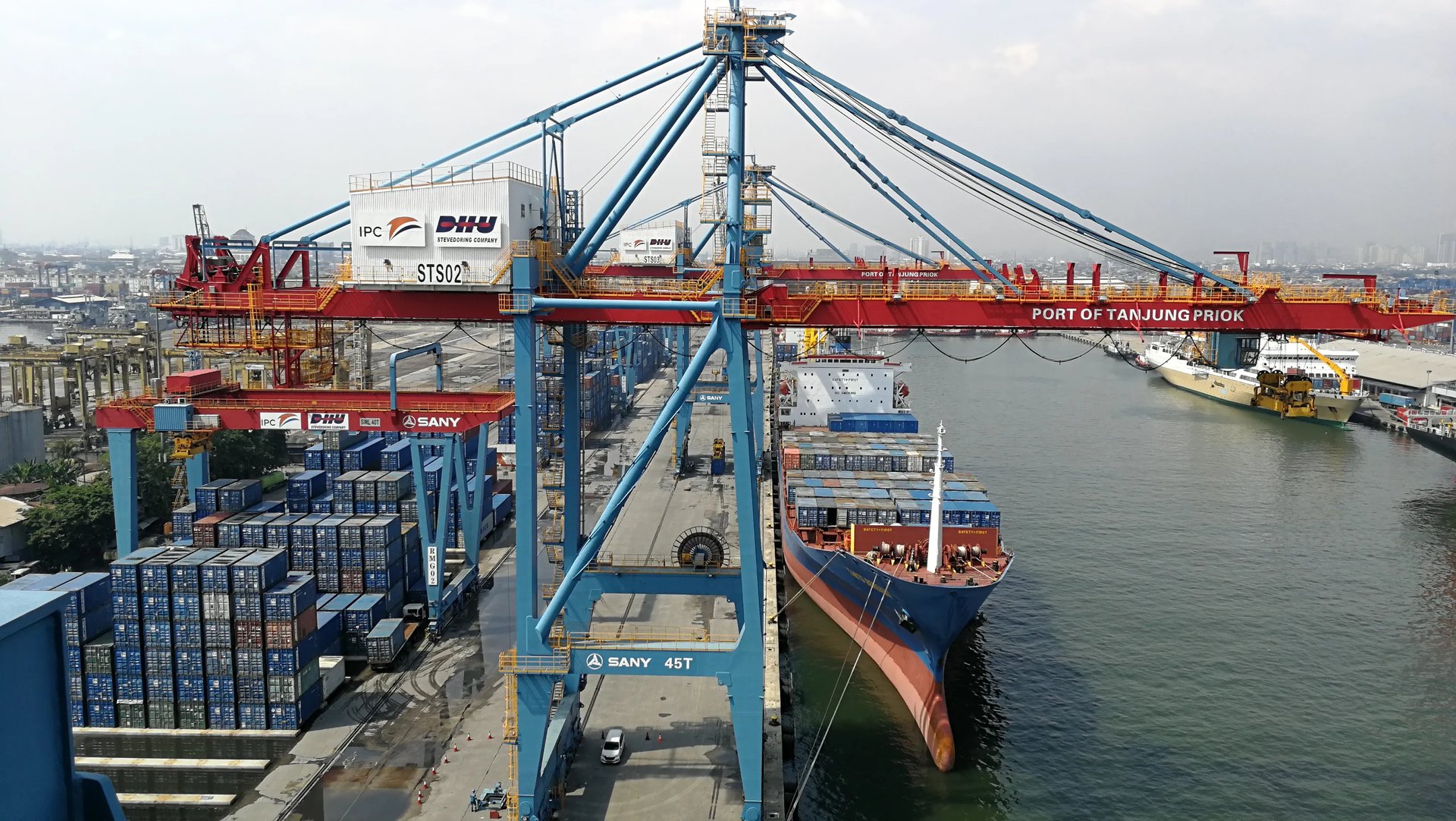
RHEYFIRM-FLAT (N)TSFLCGCWOEUS DIN VDE 0250 Medium Voltage Flat Festoon Cable: Engineering Power Delivery for Ship-to-Shore Cranes and High-Speed Container Port Systems
Discover why RHEYFIRM-FLAT cables are the ultimate solution for STS cranes and port automation. Learn how Feichun solves the engineering challenges of medium voltage flat cables, outperforming traditional round cables and European brands in durability, efficiency, and cost. Read the full technical guide now.
Li Wang
4/29/202612 min read

Introduction
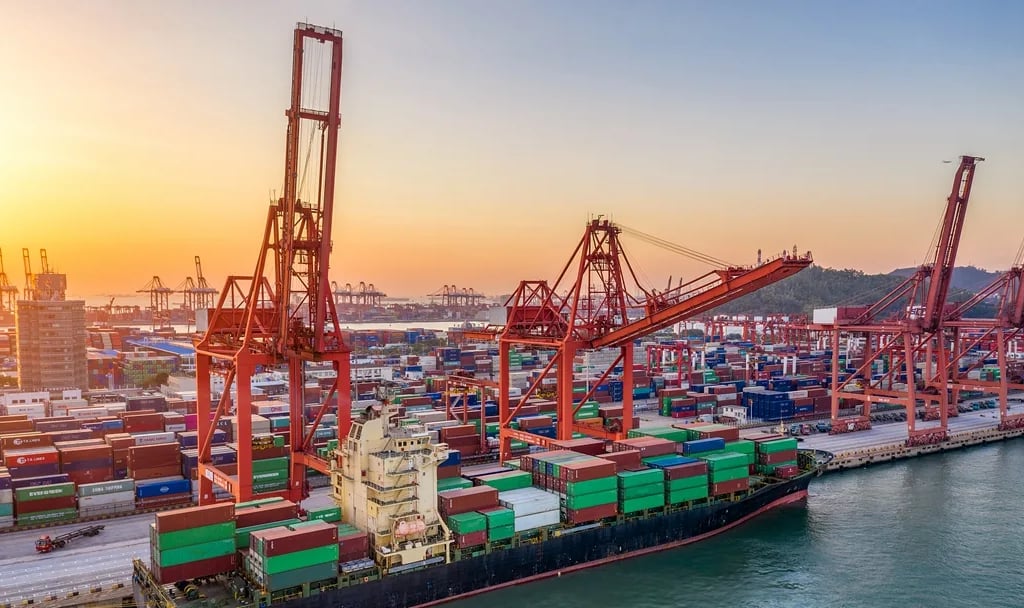
Global trade has grown at an unprecedented rate over the past few decades, and with this expansion comes the relentless demand for efficiency and speed. Container terminals are no longer simple docking stations; they have evolved into highly automated logistics hubs where every second counts. In South Africa, ports such as Durban, Cape Town, and Ngqura play a critical role in connecting the continent to global markets. These facilities rely heavily on massive Ship-to-Shore (STS) cranes and Rubber Tyred Gantry (RTG) systems to move thousands of containers daily.
While the steel structures and control systems are visible to anyone passing the docks, the true lifeline of these operations lies hidden within the cable management systems. These machines require massive amounts of electrical power to lift heavy loads and move at high speeds. This power must be delivered reliably through cables that are constantly in motion—reeling, unreeling, and flexing thousands of times a year. As the power requirements increase and the operating speeds get faster, the limitations of traditional cable designs have become impossible to ignore.
Why Traditional Round Cables Are No Longer Enough
The Evolution of Power Demand
Modern container handling equipment is far more demanding than its predecessors. Today’s STS cranes are larger, faster, and more powerful. They require medium voltage (MV) power levels to drive heavy-duty hoisting motors and trolley systems efficiently. At the same time, the push for automation means that these systems must operate with absolute consistency, often 24 hours a day, 7 days a week.
The environment in South African ports adds another layer of complexity. High temperatures, intense UV radiation, salt-laden air, and exposure to oil and chemicals mean that any component used must be incredibly robust. The cable system is the most vulnerable part of this chain because it is the only part that moves continuously.
Limitations of Conventional Round Cables
For many years, standard round cables were the only option available. However, as technology advanced, these cables began to show their weaknesses, particularly in festoon and reeling applications.
Space and Bending Constraints
Round cables require a significant amount of space, both on the cable reel and within the festoon carriage. Because they have a circular cross-section, they cannot be stacked efficiently. More importantly, round cables have a relatively large minimum bending radius. If you bend a round cable too tightly, the internal conductors are compressed on the inside radius and stretched on the outside. Over time, this mechanical stress leads to fatigue, insulation damage, and eventually, cable failure. In modern compact crane designs, there simply is not enough room to accommodate the large bending radii required by traditional round cables.
Torsion and Twisting Issues
One of the most common causes of premature failure in moving round cables is torsion or twisting. As the crane trolley moves back and forth, the cables tend to rotate around their own axis. This twisting places immense stress on the individual cores and the shielding layers. It causes the cable to "kick" or jump in the track, leading to abrasion and mechanical wear. Eliminating this twisting motion is almost impossible with a round geometry.
Thermal Management
When transmitting high currents, heat generation is inevitable. Round cables trap heat within their structure because the core is surrounded by thick insulation and other layers. The surface area relative to the volume is relatively low, making heat dissipation less efficient. This can limit the current carrying capacity (ampacity) of the cable, meaning engineers often have to oversize the cable just to manage temperature, adding unnecessary cost and weight.
Maintenance and Installation
Installing multiple round cables side-by-side is cumbersome. They can roll around, tangle, and are difficult to secure properly. Identifying phases during maintenance or repair is also more difficult compared to a flat arrangement where the cores lie in a fixed sequence.
The Engineering Marvel – Managing Electric Fields in Flat Geometry
The Physics Challenge
Switching from a round to a flat cable solves many mechanical issues, but it introduces a very complex electrical problem. To understand this, we must look at how electricity behaves. In a perfect round conductor surrounded by uniform insulation, the electric field radiates outward in concentric circles. The electrical stress is distributed evenly around the entire surface of the conductor. This is the ideal scenario for insulation integrity.
However, when you flatten the cable, the geometry changes dramatically. The electric field lines no longer remain evenly spaced. At the edges of the flat conductor, the field lines become crowded, creating areas of very high electrical stress. This phenomenon is known as "field concentration."
In low voltage applications, this is not a major concern because the voltages are low enough that the insulation can handle the stress. But in medium voltage systems, typically 6kV to 35kV, this concentration effect is dangerous. It can lead to partial discharges, where small electrical arcs occur within the insulation material. These discharges slowly erode the polymer structure, leading to premature breakdown and fire hazards.
Therefore, designing a medium voltage flat cable was long considered a difficult engineering paradox: how do you create a flexible, flat shape that can withstand the electrical stress of medium voltage without failing?
The RHEYFIRM®-FLAT Solution
Feichun Cable has successfully solved this challenge with the RHEYFIRM®-FLAT series. The solution lies in a combination of advanced material science and unique structural design.
Optimized Conductor and Shielding Design
Instead of simply flattening a standard cable, Feichun engineers designed the conductor and shielding layers specifically for flat geometry. The internal semi-conductive shield is shaped to smooth out the electrical field lines, effectively guiding them away from the sharp edges. This creates a "virtual" round field distribution even though the physical shape is flat.
Specialized Insulation Compounds
The insulation material used is a specially formulated compound that offers extremely high dielectric strength and resistance to electrical stress. It is designed to operate safely even where the electrical field gradient is higher than in standard round cables.
Why It Dominates the Market
The RHEYFIRM-FLAT range dominates the medium voltage crane cable market because it is one of the few products that truly delivers on both mechanical and electrical promises. Competitors often offer flat cables that are only suitable for low voltage, or medium voltage cables that are too stiff and heavy. By mastering the balance between these two worlds, Feichun provides a solution that increases equipment lifespan, reduces downtime, and allows for more compact and efficient crane designs.
Technical Deep Dive – Structure and Architecture
The Benefits of Flat Geometry
The physical shape of the RHEYFIRM-FLAT cable offers inherent advantages that go beyond just fitting into small spaces.
Space Optimization
A flat cable occupies significantly less vertical space than a round cable with the same electrical rating. This allows crane designers to reduce the size of cable reels, festoon arms, and drag chains. The result is lighter equipment and lower structural loads.
Stability and Tracking
Because the cable is flat, it sits naturally in the guide tracks without rolling or twisting. It maintains its orientation throughout the entire movement cycle. This stability drastically reduces mechanical wear and tear, as the cable moves smoothly rather than rubbing against itself or the sides of the track.
Thermal Efficiency
The flat profile provides a much larger surface area compared to a round cable of the same cross-sectional area. This allows heat to dissipate much more effectively into the surrounding air. Consequently, the cable runs cooler, which extends the life of the insulation and allows for higher continuous current ratings.
Medium Voltage Architecture (DIN VDE 0250)
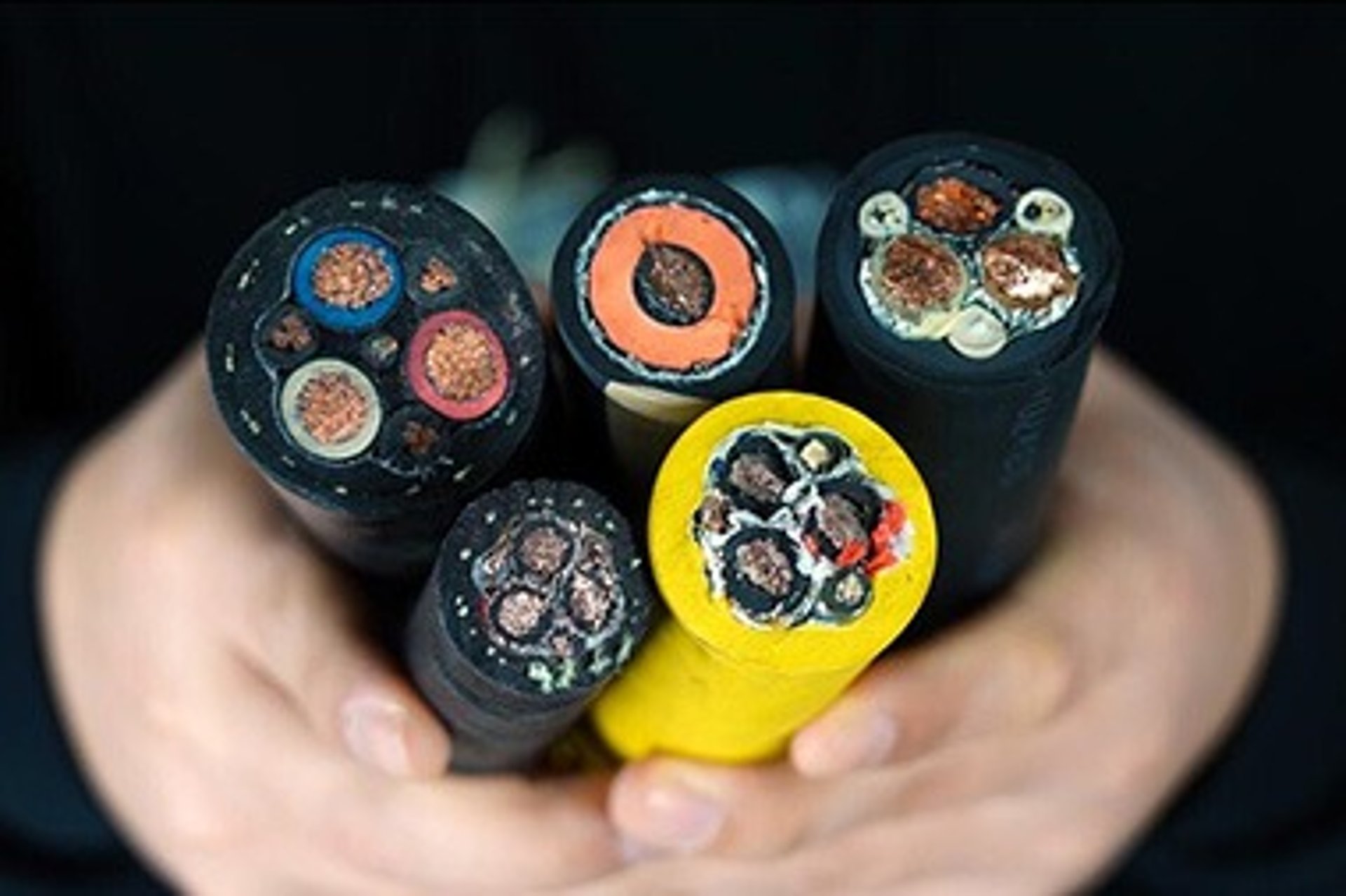
The RHEYFIRM-FLAT is manufactured according to the strict DIN VDE 0250 standard, which ensures the highest level of quality and safety. The construction involves several critical layers working together:
Conductor
High-purity electrolytic copper wires are stranded together in a specific pattern designed to maximize flexibility and conductivity. The stranding process ensures that the conductor remains smooth and uniform, avoiding sharp points that could cause electrical stress.
Conductor Shield
This is an extruded layer of semi-conductive material applied directly over the copper. Its purpose is to create a smooth interface between the metal conductor and the insulation, eliminating any air pockets or irregularities that could cause discharges.
Insulation
The core dielectric layer, typically made of cross-linked polyethylene (XLPE) or Ethylene Propylene Rubber (EPR). This material provides excellent electrical insulation properties, mechanical strength, and heat resistance.
Insulation Shield and Screen
Another semi-conductive layer is applied over the insulation, followed by a metallic tape or wire screen. This layer serves two functions: it contains the electric field within the cable, and it provides a safe path for fault currents to ground, ensuring protection systems operate correctly.
Outer Sheath
A robust outer jacket made of special rubber or thermoplastic compound. It is resistant to abrasion, oil, chemicals, UV rays, and fire, protecting the sensitive internal components from the harsh external environment.
Preventing Corona and Insulation Failure
Understanding Corona Discharge
In medium voltage applications, one of the biggest enemies of cable life is corona discharge. Corona occurs when the electric field strength at the conductor surface is high enough to ionize the surrounding air. This phenomenon creates a faint blue glow, audible noise, and most importantly, produces ozone gas.
Ozone is highly corrosive and attacks most organic materials, including rubber and plastic insulations. Over time, corona activity will eat away at the insulation, leading to tracking, treeing, and eventual breakdown of the cable. In flat cables, the risk of corona is theoretically higher because of the edge effect mentioned earlier.
Engineering Strategies for Protection
Feichun employs several advanced strategies to ensure that corona is completely eliminated in RHEYFIRM-FLAT cables.
Infinite Grading Technique
By carefully designing the thickness and permittivity of the insulation and shield layers, the electrical stress is distributed evenly across the entire insulation wall. This ensures that no single point experiences stress levels high enough to initiate ionization.
Void-Free Construction
Air gaps are the starting point for most insulation failures. Through precise manufacturing control, Feichun ensures that there are absolutely no voids between the conductor, the shield, and the insulation. Without air pockets, there is no medium for corona to start.
Material Selection
The insulation compounds used are specifically chosen for their high resistance to surface discharges. They can withstand harsh electrical environments without degrading, ensuring a service life that can span decades even under heavy use.
Manufacturing Excellence – The Triple Extrusion Process
The Concept of Triple Extrusion
The secret to the reliability of Feichun’s medium voltage cables lies in the production process. The most critical step is the "Triple Extrusion" or "Three-Layer Simultaneous Extrusion" technology.
In less sophisticated manufacturing processes, the inner shield, insulation, and outer shield might be applied in separate steps. While this is cheaper, it creates the risk of contamination or air gaps forming between the layers.
Feichun uses a specialized extrusion head where all three layers are pushed out at the exact same time. They bond together while still in a molten state, forming a single, monolithic structure.
The "Zero Gap" Principle
This manufacturing method achieves what engineers call the "Zero Gap" condition. There are no interfaces where different materials meet mechanically; instead, they merge chemically. This is vital for medium voltage cables because any tiny air pocket or speck of dust trapped between layers can act as a starting point for electrical breakdown.
By eliminating these defects, the triple extrusion process drastically reduces the risk of "infant mortality"—failures that occur early in the cable's life due to manufacturing imperfections. It ensures that every meter of cable produced has consistent electrical properties and maximum resistance to partial discharges.
Mechanical Engineering – Flexibility Without Compromise
The Mechanics of Bending
A cable for crane applications is not just an electrical component; it is a mechanical component that must behave like a spring. It must bend thousands of times without breaking.
When a cable bends, the material on the outside of the bend is stretched, while the material on the inside is compressed. If the design is poor, this movement will cause the copper wires to break or the insulation to crack.
In the RHEYFIRM-FLAT design, great attention is paid to the mechanical balance of the layers. The conductor stranding is optimized so that individual wires can move slightly relative to each other, absorbing the mechanical stress rather than resisting it. The insulation materials are chosen for their elasticity and fatigue resistance.
High-Speed Performance
Modern port automation requires cables that can keep up with high traversing speeds. At high speeds, the dynamic loads on the cable increase significantly. The cable must withstand sudden starts and stops, as well as the weight of its own mass hanging between support points.
The flat geometry helps here too. The weight is distributed evenly, and the inclusion of high-strength tensile elements—such as aramid yarns or synthetic ropes—integrated into the cable structure ensures that the electrical cores are not carrying the mechanical load. The tension is borne by the strength members, leaving the copper and insulation free to simply conduct electricity and flex smoothly.
This engineering balance means that even after millions of bending cycles, the cable remains intact and safe.
Feichun Advantage – Quality Meets Value
Direct Manufacturer Benefits
Choosing Feichun means working directly with the engineering team and the factory. This relationship offers significant advantages over buying through intermediaries or agents.
Research and Development
Feichun invests heavily in R&D. The company does not just copy existing designs; it develops new materials and structures to meet future challenges. This technical depth ensures that customers get access to the latest technology.
Customization
Every project is different. Sometimes a crane requires a specific voltage, a special number of cores, or a unique outer sheath color. As a manufacturer, Feichun has the flexibility to modify designs to suit exact project requirements, something that stockists or traders often cannot offer.
Cost Efficiency
By purchasing directly from the source, customers remove the middleman margins. This does not mean lower quality; it means getting European-standard quality at a much more competitive price point. The savings can be significant, especially for large infrastructure projects.
Comparison with European Standards & Brands
There is often a perception that only European brands can deliver high-quality industrial cables. While it is true that European manufacturers set high standards, Feichun has closed the gap completely and in some areas, pulled ahead.
Standard Compliance
RHEYFIRM-FLAT cables are designed and tested according to DIN VDE and IEC international standards. The electrical performance, mechanical properties, and safety features meet or exceed those of well-known European brands.
Technical Support
Feichun provides comprehensive technical documentation, test certificates, and support. The engineering team is available to assist with calculations, installation guidelines, and troubleshooting, ensuring that projects run smoothly from design to commissioning.
The Value Proposition
For port operators and crane builders in South Africa and around the world, the choice is clear. Feichun offers the same reliability, the same technical specifications, and often better lead times, at a price that makes economic sense. It is a smart alternative that does not compromise on safety or performance.
Application: South African Ports
South African ports operate in one of the world’s most challenging climates. The combination of high ambient temperatures, strong UV index, and corrosive marine environment puts equipment to the test.
Several major terminals in the region have already upgraded their crane fleets with RHEYFIRM-FLAT cables. The results have been impressive.
Project Requirements
The specific requirements included the need for 12kV and 33kV medium voltage power cables that could operate reliably in festoon systems. The cables had to be flexible enough for tight bending radii but strong enough to handle long travel lengths. They also needed to be fire retardant and resistant to oil spills common in port areas.
Solution Implementation
Feichun engineers worked closely with the local technical teams to select the exact NTSFLCGCWOEUS type cable that matched the existing equipment interfaces. The flat design allowed for easy retrofitting into existing cable management systems without requiring major modifications to the steelwork.
Results Achieved
Since installation, the feedback has been overwhelmingly positive. The cables run cooler and smoother than the previous round cables. Maintenance teams report fewer instances of jamming or twisting, and the overall aesthetics of the cable management system are much cleaner. Most importantly, the downtime associated with cable replacement has been drastically reduced, directly contributing to higher terminal productivity.
FAQ
What is the minimum bending radius allowed for installation and operation?
The bending radius depends on the specific cable size and voltage class. However, due to the optimized flat design, RHEYFIRM-FLAT cables typically allow much tighter radii than equivalent round cables. For installation, the radius is usually around 6 to 8 times the cable thickness, and for dynamic operation, it can be as low as 5 times the thickness. Always refer to the specific datasheet for exact values.
How do I handle the termination and earthing of the metallic shield?
Proper termination is crucial for medium voltage cables. The metallic screen must be grounded effectively to prevent induced voltages. Feichun provides detailed installation instructions showing how to strip back the layers without damaging the insulation, and how to apply the stress control cone or tape correctly. The earth connection must be secure and low resistance.
Can these cables be used in reeling applications as well as festoon systems?
Yes. While they are excellent for festoon systems, certain types within the RHEYFIRM range are specifically designed for reeling applications where the cable is wound onto a drum. The mechanical construction ensures that they can withstand the compression and tension cycles involved in reeling.
What maintenance is required during the service life?
One of the beauties of this design is the low maintenance requirement. Periodic visual inspections to check the outer sheath for damage and to ensure the cable is running straight in the tracks are usually sufficient. Because the materials are UV and ozone resistant, they do not degrade quickly even when exposed to the elements.
Are they suitable for outdoor use and UV exposure?
Absolutely. The outer sheath compound is formulated specifically to resist UV radiation and weathering. They are perfectly suited for the sunny and harsh climate conditions found in South Africa and similar regions.
Conclusion
The evolution of port technology demands a corresponding evolution in cable technology. The days when a simple round cable was sufficient are gone. Today’s high-speed, high-power STS cranes and gantry systems require a power delivery solution that is equally advanced.
The RHEYFIRM®-FLAT cable represents the pinnacle of engineering in this field. By successfully overcoming the historical challenges associated with flat geometry and medium voltage transmission, it offers a solution that is mechanically superior, electrically safe, and economically smart. It allows equipment designers to build faster, more compact machines while giving operators the peace of mind that comes with proven reliability and long service life.
As South Africa continues to upgrade its port infrastructure to meet the demands of the future, choosing the right cable technology is not just a technical decision—it is a strategic investment in efficiency, safety, and profitability. Feichun Cable stands ready to support this growth with products that meet the highest international standards and the specific needs of the local market.
📞 Contact Us
Ready to upgrade your crane power system?
For technical specifications, pricing, and custom solutions tailored to your project requirements, please contact our engineering team directly.
📧 Email: Li.wang@feichuncables.com
Email Address: Li.wang@feichuncables.com
© 2025. All rights reserved.
One-click to Quickly Contact
Products
Contact
Company
Location:
Building A Private Science and Technology Park, Hefei Economic and Technological Development Zone, Anhui Province, China
Heat Resistant Cable
WhatsApp: +86 17333223430
Social Media: