Anhui Feichun Special Cable Co.,Ltd Email: Li.wang@feichuncables.com

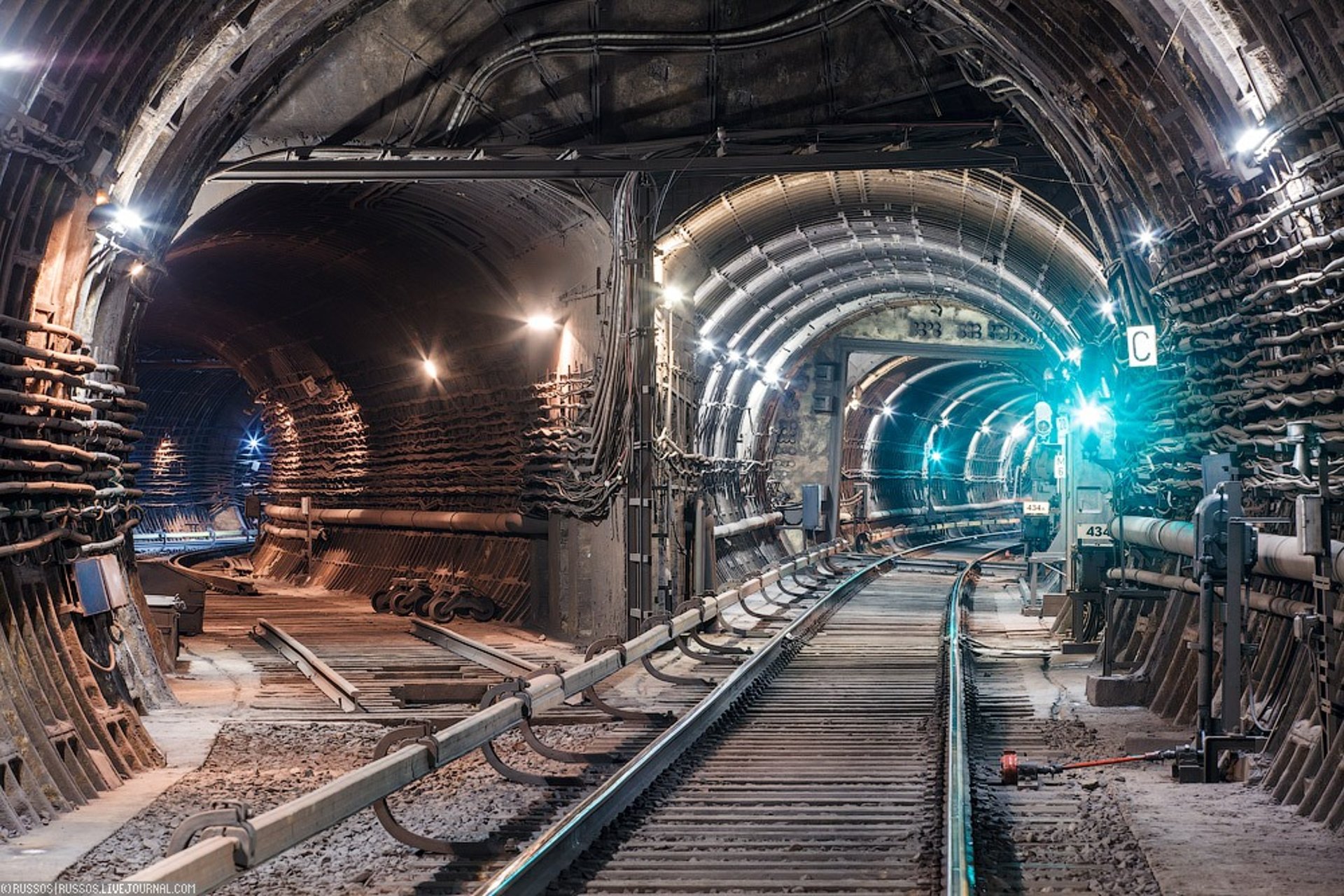
Safeguarding the Depths: Mastering Tunnel Cables for Resilient Underground Power
In the challenging world of underground mining and tunnelling, tunnel cables stand as the backbone of reliable power distribution. This comprehensive guide delves into the engineering, specifications, and practical applications of purpose-built tunnel cables, addressing common issues and featuring South African case studies to highlight their critical role in enhancing safety and efficiency.
Li. Wang
11/14/20257 min read
Introduction
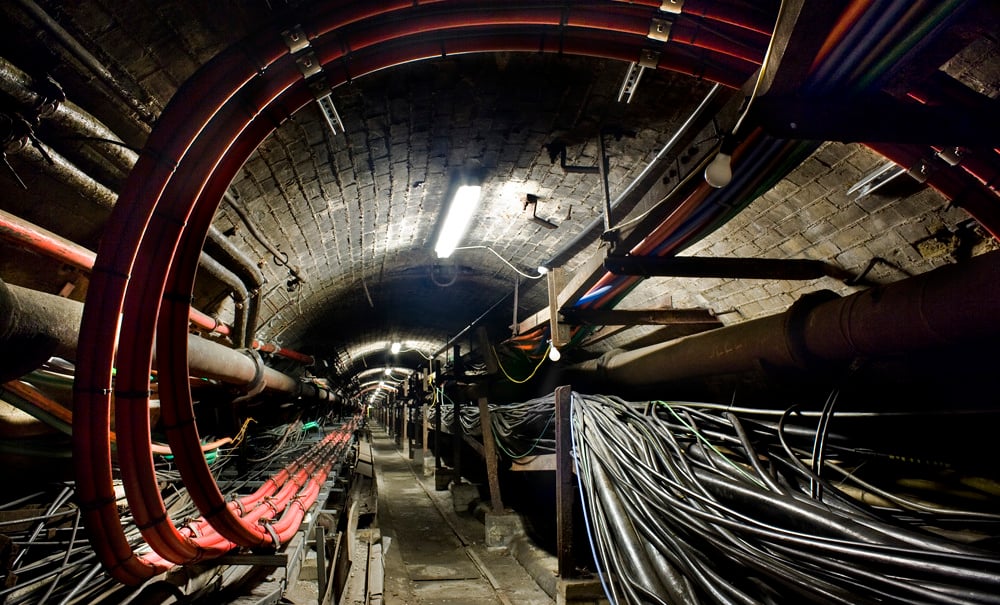
In the shadowy realms of underground mining and tunnelling, where every metre dug deeper amplifies risks, the humble tunnel cable emerges as a silent guardian of progress. Far from being just a conduit for electricity, these specialised cables are engineered lifelines that power everything from colossal drilling rigs to vital ventilation systems. In South Africa, a nation renowned for its vast mineral wealth in the Witwatersrand Basin and platinum-rich Bushveld Complex, the reliability of tunnel cables isn't merely technical—it's a matter of economic survival and human safety. With projects often spanning kilometres beneath the earth's surface, a single cable fault can cascade into halted operations, financial losses, and perilous rescue missions.
This article explores the intricacies of tunnel cables, purpose-designed for the harsh confines of tunnels and shafts. We'll unpack why they outperform general-purpose alternatives, dissect their construction elements, and navigate electrical ratings, fire safety, and mechanical protections. Drawing from real-world applications, installation tips, and maintenance strategies, we'll also address procurement essentials and common pitfalls through an FAQ section. For South African contexts, we'll incorporate case studies on copper theft plagues in mines, underscoring how robust tunnel cables can fortify against such vulnerabilities. By the end, you'll grasp how investing in quality tunnel cables builds resilience into underground networks, ensuring they endure for generations—often up to a century, as per long-term planning norms.
Why Purpose-Built Tunnel Cables Matter
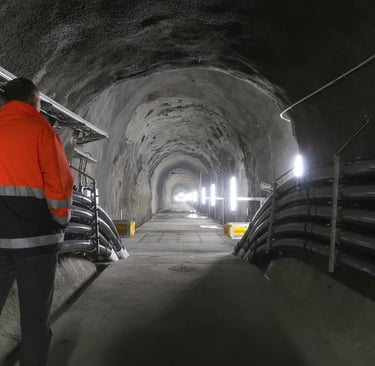
Tunnels present a gauntlet of environmental trials that generic cables simply aren't equipped to handle. Confined spaces trap heat and moisture, while exposure to water seepage, oil from machinery, and mechanical stresses during installation—such as pulling through tight ducts or navigating rocky terrains—can degrade performance swiftly. Moreover, stricter fire-safety standards are non-negotiable underground, where smoke and flames can turn escape routes into death traps.
Purpose-built tunnel cables rise to these challenges with tailored designs that minimise failure risks. Their enhanced electrical integrity, robust mechanical shielding, and superior fire-retardant properties ensure uninterrupted power, simplifying commissioning and slashing maintenance downtimes. In demanding settings like South African deep-level gold mines, where depths exceed 3 kilometres, these cables provide the reliability needed to keep operations humming without constant interventions.
Comparing tunnel laying to other methods illuminates its strengths. Direct burial, while low-cost with minimal excavation, offers poor external protection, leaving cables vulnerable to soil shifts and corrosion from harmful substances. Pipe laying reduces some mechanical damage but incurs higher current losses due to enclosed heat buildup. Cable trays, popular in industrial plants for overhead routing, avoid ground hazards but falter in tunnels' confined, steamy environments. Overhead installation, lightweight thanks to modern plastic-sheathed cables, suits open areas but exposes wires to external elements and lacks aesthetic appeal in urban or mine settings.
Tunnel laying shines with advantages like drastically reduced corridor occupation, shielding from external and mechanical damage, and elimination of soil-induced chemical corrosion. Inspections and cable replacements are straightforward, without road digs, and scalability allows adding new lines anytime. However, drawbacks include hefty initial investments, prolonged construction periods, and challenges like ventilation, fire prevention, and water leakage. In bustling urban areas, open excavations disrupt traffic and commerce, pushing costs higher for shielded methods like pipe jacking. For short-term, budget-tight projects, hybrids of pipe and trench laying might suffice for a decade or two. But for visionary, funded endeavours—like South Africa's ambitious infrastructure upgrades—tunnel laying promises century-long economic reliability, outweighing upfront costs through sustained performance.
Key Construction Elements for Reliability
At the heart of a reliable tunnel cable lies meticulous material selection and assembly, calibrated for underground rigours.
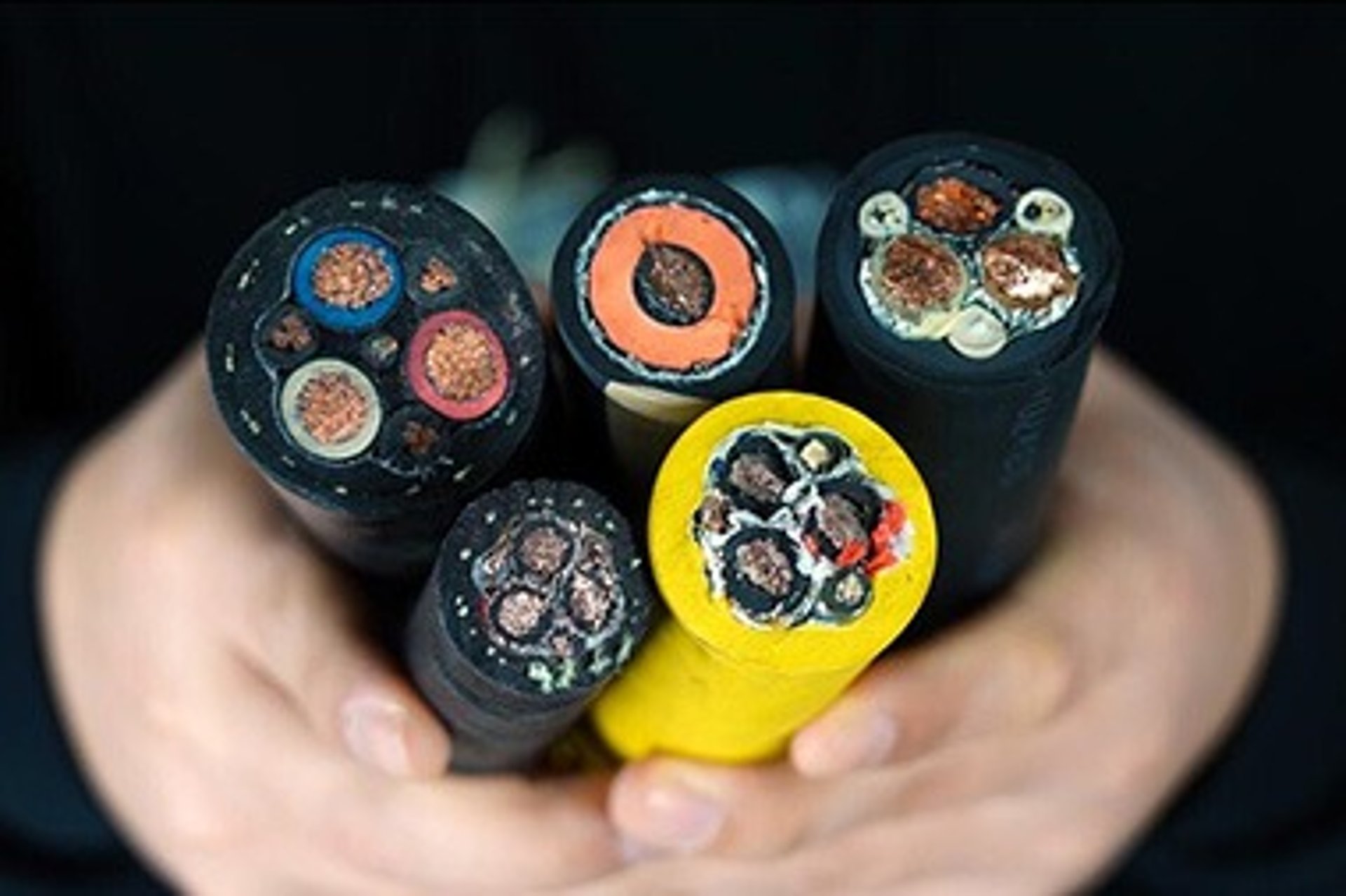
Conductor selection begins with high-quality stranded copper or specified copper alloys. Stranded designs offer flexibility and low resistance, crucial for withstanding dynamic loads from vibrations in mining operations. These conductors ensure efficient power transmission, reducing energy losses in long runs typical of tunnel networks.
Insulation materials are chosen with precision: rubber compounds provide excellent flexibility for mobile applications, while cross-linked polyethylene (XLPE) excels in high-temperature tolerance and short-circuit resilience. Cross-linked thermosets further enhance durability, maintaining integrity under thermal stresses up to 90°C continuously or 250°C during faults.
Armour types fortify against physical threats. Steel tape armour delivers superior radial crush resistance, ideal for buried or ducted segments where heavy loads loom. Wire armour, conversely, boosts tensile strength for extended pulls through shafts. Inner bedding layers and fillers cushion the cores, preventing armour-induced damage and preserving overall structural integrity.
Sheath chemistry seals the deal with abrasion-resistant, oil- and water-proof formulations. Low-smoke zero-halogen (LSZH) compounds are favoured for minimising toxic fumes in fires, aligning with safety imperatives in enclosed spaces.
Testing and documentation underpin quality. Each reel undergoes conductor resistance measurements, high-potential insulation tests, and routine dielectric assessments. Batch traceability, via mill certificates, allows tracking from factory to site, ensuring accountability and swift issue resolution.
Electrical Ratings and Specifications to Verify
Specifying tunnel cables demands scrutiny of electrical ratings to match operational demands.
Core ratings include rated voltage—such as 450/750V for low-voltage applications or higher medium-voltage classes for extensive distributions. Maximum continuous conductor temperatures (typically 70-90°C) and short-circuit allowances (up to 160-250°C briefly) prevent overheating failures.
Testing protocols encompass routine dielectric tests at elevated voltages to confirm insulation strength, conductor resistance at 20°C for each size (e.g., 0.017 Ω/m for 1.5 mm² copper), and bend radius/flexing specs for navigating tight ducts without kinking.
Ensuring compliance means demanding clear numeric datasheets from vendors. Ambiguities in procurement can lead to mismatches, so verify all figures align with installation needs, from ampacity to fault current handling, fostering seamless integration.
Fire Performance in Underground Environments
Fires in tunnels escalate rapidly due to limited ventilation and escape options, turning minor ignitions into catastrophes. Tunnel cables must counter this by maintaining circuit integrity or curbing smoke and toxins.
Fire-resistant designs endure flames, preserving power to emergency systems like lights and pumps. LSZH jacketing reduces halogen emissions, aiding visibility and safe evacuation.
Compliance standards, such as IEC 60331 for circuit integrity or IEC 61034 for smoke density, are verified through certificates. Purpose-built cables integrate with tunnel infrastructure's monitoring gear—sensors for temperature, humidity, and gases—enabling proactive fire prevention and rapid response.
Mechanical Protection and Armour Considerations
Tunnelling hazards abound: crushing from debris, abrasion against rough surfaces, and impacts from equipment during construction.
Armour selection is pivotal—steel tape for crush-prone buried runs, wire for tension-heavy vertical shafts. Proper thickness and inner protections avert core breaches.
This fortification extends service life, averting catastrophic failures that could strand workers or halt production in high-stakes environments like South African mines.
Practical Applications in Mining and Tunnelling
Tunnel cables power diverse underground roles.
In primary distribution, they feed substations and motor control centres. Fixed supplies energise conveyors, pumps, ventilation fans, and lighting, ensuring operational continuity.
Temporary connections link mobile drilling rigs and portable lights, while emergency circuits remain vital during crises.
Tailored selections include armoured low-voltage cables for general distribution, rubber-insulated flexible types for mobiles, and fire-resistant medium-voltage for critical paths.
Tunnel laying's perks—minimal corridor use, easy expansions without digs, and corrosion resistance—support 100-year durability, proving economically sound for long-haul projects despite initial outlays.
Installation Best Practices
Flawless installation preserves tunnel cable performance.
Route planning shuns sharp bends and load-bearing zones, adhering to manufacturer bend radii (e.g., 8-12 times diameter) to safeguard conductors.
Handling employs rollers for long pulls, limits tensions, and terminates armour with glands for earthing continuity.
Documentation of as-laid positions and reel batches upholds warranties and eases future diagnostics.
Maintenance and Lifecycle Management
Proactive maintenance is key in access-challenged tunnels.
Scheduled visuals target terminations; infrared thermography spots hotspots; insulation resistance tests track ageing.
Lifecycle strategies record dates and batches for predictive replacements, curbing outages and costs.
Procurement Checklist for Effective Sourcing
A robust RFQ demands: conductor cross-sections and core counts; rated voltage and temperatures; armour type/thickness; sheath chemistry (PVC, LSZH, CPE); fire performance certs; test reports and mill certificates; sample reels for testing.
This ensures vendor comparability and averts substitutions.
Case Studies and Real-World Examples
In a mid-size tunnelling project, unarmoured cables in accessways suffered repeated vehicle damage, causing stoppages. Switching to armoured tunnel cables eliminated faults, recouping costs via reduced downtime.
In South Africa, copper theft ravages platinum and gold mines in the Witwatersrand. Illicit miners strip cables in deep shafts, disrupting power and endangering lives—evidenced by 2023 incidents halting operations at major sites like Impala Platinum. Robust armoured tunnel cables, integrated with monitored tunnels and sensors, mitigate this by deterring access and enabling quick detection, bolstering security in ageing infrastructures amid the illicit copper trade.
Common Problems and FAQ Section
Tunnel cables, while resilient, face recurrent issues. Here, we address FAQs drawing from expert insights.
FAQ 1: What causes common tunnel cable failures?
Mechanical damage during installation, insufficient armour, or prolonged exposure to water and oil often culprit. Solutions involve thorough route planning to evade hazards and selecting appropriate armour—steel tape for crush resistance or wire for pulls—to bolster protection.
FAQ 2: How do I choose between fire-resistant and LSZH cables?
Fire-resistant cables prioritise circuit integrity during blazes, ideal for emergency systems; LSZH focuses on low smoke and toxins for evacuation safety. Consult standards like IEC 60331 or local SANS codes, assessing tunnel risks to decide—often combining both for comprehensive safeguarding.
FAQ 3: Are tunnel cables cost-effective long-term?
Absolutely; though upfront investments are steep, their 100-year lifespan minimises maintenance, downtime, and replacements versus direct burial's frequent digs and corrosions, yielding savings in expansive projects.
FAQ 4: What if cables need replacement in a live tunnel?
Tunnel laying facilitates access without surface disruptions; employ monitoring for early fault spotting and execute phased swaps during low-activity periods to maintain operations.
FAQ 5: How to prevent theft or damage in high-risk areas like South African mines?
Choose heavily armoured designs with anti-theft features, integrate sensors for real-time monitoring, and align with security protocols. As in Witwatersrand theft cases, this curtails disruptions from illegal stripping, preserving power integrity.
Additional FAQ: What leads to insulation degradation?
Overheating, chemical exposures, or ageing; mitigate with XLPE or thermoset materials and regular resistance tests.
Additional FAQ: Are tunnel cables compatible with mobile equipment?
Yes, via flexible rubber-insulated variants that handle vibrations and frequent moves, ensuring seamless integration.
Additional FAQ: What are the environmental impacts of tunnel construction?
Excavations can disrupt ecosystems and waterways; opt for non-excavation methods like pipe jacking in sensitive areas to lessen footprints.
Conclusion
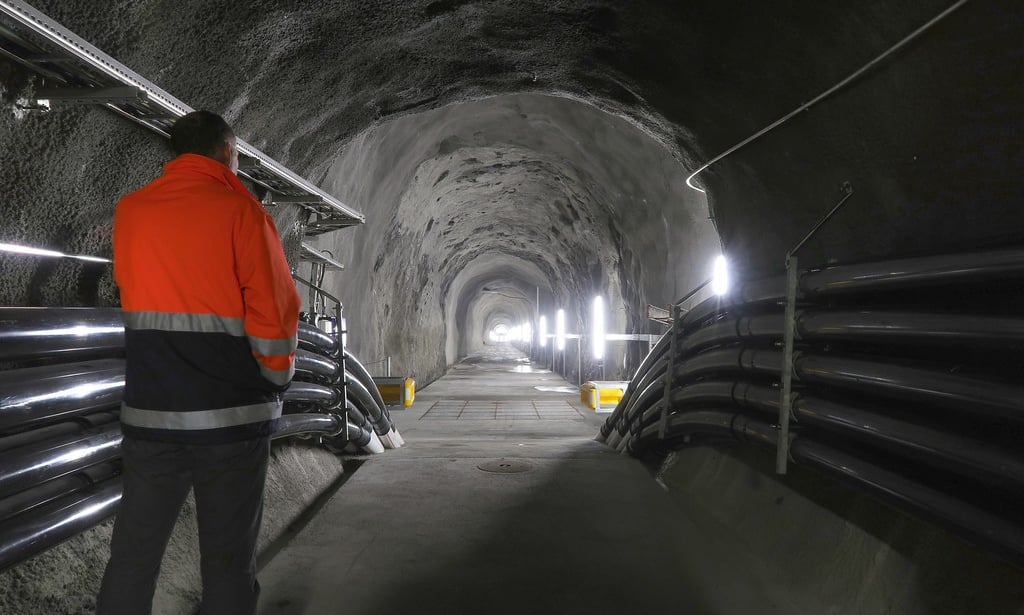
Tunnel cables embody engineering prowess, fortifying underground worlds against adversity. By embracing purpose-built designs—from conductors to sheaths—and adhering to best practices, stakeholders ensure safety, efficiency, and longevity. In South Africa's mining heartlands, where depths test limits, these cables aren't just wires; they're the pulse of progress. Invest wisely, and watch resilience unfold beneath the surface.
Email Address: Li.wang@feichuncables.com
© 2025. All rights reserved.


One-click to Quickly Contact
Products
Contact
Company
Location:
Building A Private Science and Technology Park, Hefei Economic and Technological Development Zone, Anhui Province, China
Heat Resistant Cable
WhatsApp: +86 17333223430
Social Media: