Anhui Feichun Special Cable Co.,Ltd Email: Li.wang@feichuncables.com
SANS Type 63 1.9/3.3 kV Cable: Everything You Need to Know for Safe and Efficient Mining Operations in South Africa
Explore the SANS Type 63 1.9/3.3 kV cable in-depth. Learn about its construction, technical specifications, applications in South African mines, safety compliance, installation tips, and why it is trusted for portable and reeling equipment.
Li Wang
12/12/20255 min read
Introduction
South Africa’s mining sector is globally renowned for its extensive platinum, gold, and other mineral operations. These mines demand a reliable, high-performance electrical supply to power both stationary and portable machinery. In such challenging environments, the selection of high-voltage flexible cables is crucial. Not only must these cables safely conduct electricity, but they must also withstand harsh mechanical stress, chemical exposure, and variable environmental conditions underground or on the surface.
Enter the SANS Type 63 1.9/3.3 kV cable, a cable specifically designed to meet these demanding requirements. Recognized under South African National Standards (SANS), Type 63 cables are widely employed across portable and reeling applications, particularly in mines where reliability, flexibility, and compliance are non-negotiable.
This article dives deep into the construction, technical characteristics, applications, compliance standards, and practical usage of SANS Type 63 cables, including real-world South African case studies that illustrate their effectiveness in mining operations.
Applications of SANS Type 63 Cable
SANS Type 63 cables are engineered for both reeling and non-reeling applications, making them versatile for a range of operational needs:
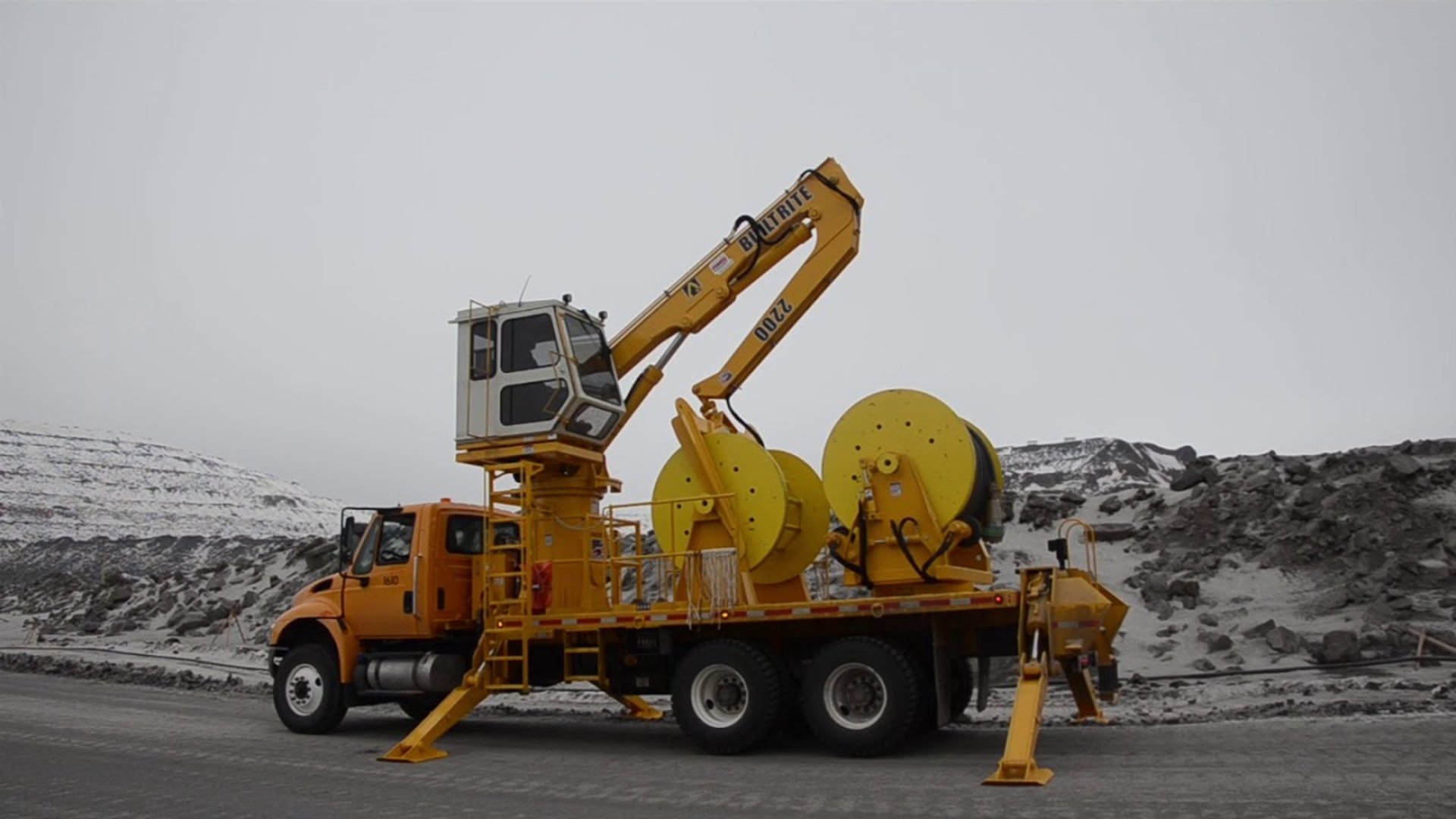
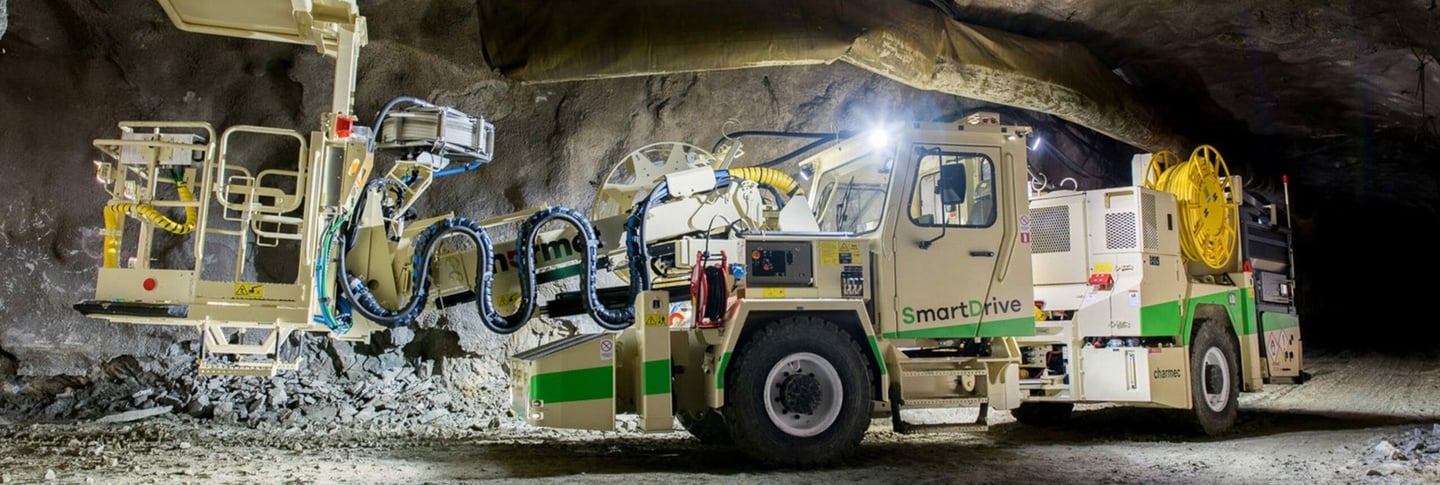
Portable Electrical Equipment: These cables are ideal for connecting machinery such as loaders, drills, and pumps that require frequent movement and flexible connections.
Reeling Applications: Designed to withstand repetitive bending and mechanical strain, the cables perform efficiently on drum or reel systems.
Hazardous Areas: Many South African mines classify certain zones as potentially explosive due to dust or gas. The SANS Type 63 cable’s construction ensures safety in such conditions.
Industrial Sites: Beyond mining, these cables are also used in heavy industry where flexible, durable power supply lines are essential.
South African Case Study – Rustenburg Platinum Mine:
In a Rustenburg platinum operation, SANS Type 63 cables were deployed to power portable drilling rigs. The cable’s flexibility and reinforced braiding allowed the equipment to be repositioned frequently without risk of damage, reducing downtime and maintenance costs. The miners reported improved operational safety due to the cable's heat and chemical resistance properties.
Standards and Compliance
Compliance with local and international standards is crucial to ensure safety, reliability, and regulatory adherence. The SANS Type 63 cable aligns with:
SANS 1520-2: Flexible cables for portable and reeling applications.
SANS 1411-1: General electrical safety and construction requirements.
SANS 1411-3: Insulation and sheathing performance specifications.
Voltage and Temperature Ratings:
Operating voltage: 1.9/3.3 kV, suitable for medium-voltage portable applications.
Temperature range: -25°C to +90°C, ensuring reliability in extreme underground or surface conditions.
Compliance ensures that the cable not only meets mechanical and electrical performance but also protects personnel and equipment, reducing the risk of short circuits, fire hazards, and operational downtime.
Cable Structure and Materials
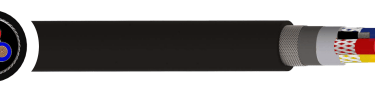
The construction of the SANS Type 63 cable is a key reason for its robustness and versatility. Let’s break down its layers:
Conductor
Material: Class 5 flexible stranded tinned annealed copper
Function: Provides excellent conductivity while allowing flexibility for portable or reeling use.
Insulation
Material: EPR (Ethylene Propylene Rubber) thermosetting compound
Benefits: High resistance to heat, moisture, and chemical exposure. EPR ensures safe electrical performance over a wide temperature range.
Braid
Material: Nylon/tinned copper wires
Function: Provides electromagnetic screening and mechanical protection.
Pilot Core
Configuration: Three screened power cores plus one unscreened pilot core
Function: Allows control signals to be carried alongside power, essential for remote monitoring or equipment feedback.
Inner and Outer Sheath
Material: CR (Polychloroprene Rubber)
Properties: Resistant to abrasion, oil, UV radiation, and chemical exposure. The black outer sheath also aids in UV protection underground.
Reinforcement Braid
Material: Open nylon braid with a minimum of 16 strings
Function: Adds mechanical strength for reeling applications and repeated flexing.
Visual Diagram Suggestion:
A cross-sectional illustration showing each layer (conductor, insulation, braid, pilot core, inner sheath, reinforcement braid, outer sheath) enhances understanding for engineering teams and technical audiences.
Technical Specifications
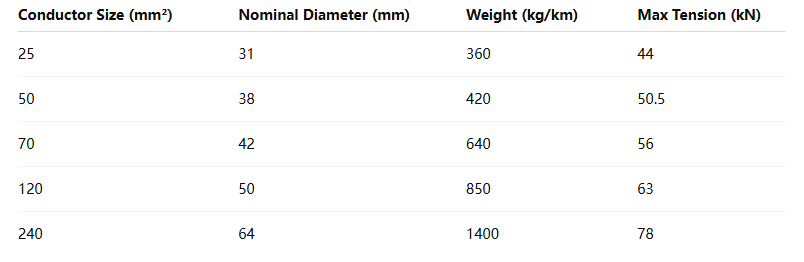
Understanding the technical parameters of SANS Type 63 is critical for safe and efficient usage:
Minimum Bending Radius: 6× overall diameter, ensuring safe reeling and handling.
Temperature Rating: -25°C to +90°C, compatible with South African mining environments.
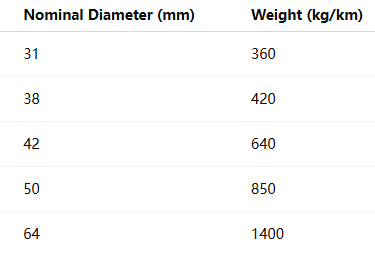
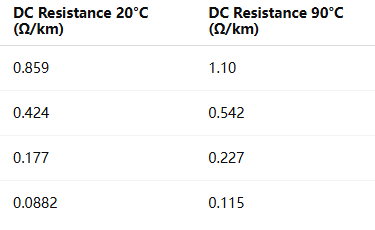
The table above is crucial for engineers selecting the correct cable for a particular machinery load and installation scenario.
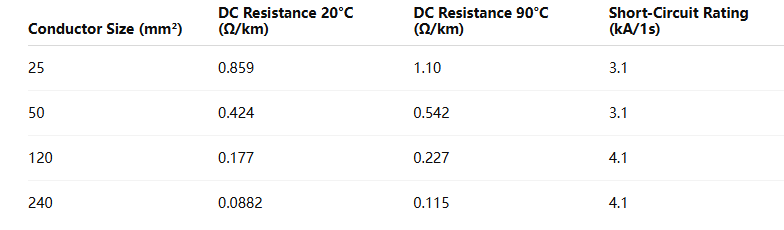
Electrical Characteristics
Electrical performance ensures operational safety and efficiency:
Current Rating at 30°C Ambient: Indicates safe continuous operation.
Impedance & Reactance: Affect voltage drop and power loss, critical for long cable runs in mining operations.
Fault Currents: Symmetrical and earth fault current ratings ensure equipment and personnel protection during abnormal conditions.
Practical Implication: Selecting cables with proper ratings minimizes energy loss, prevents overheating, and extends equipment lifespan.
Mechanical and Environmental Properties
SANS Type 63 cables are built to endure the toughest conditions:
Flexibility: Maintains performance under repeated bending, essential for portable and reeling applications.
Abrasion Resistance: Outer CR sheath protects against rough underground surfaces and mechanical wear.
Chemical and UV Resistance: Protects against oils, fuels, and sunlight in surface operations.
Underground vs Surface Suitability: The robust insulation and braid make the cable suitable for both environments, with minimal risk of degradation.
Case Studies in South Africa
Rustenburg Platinum Mine
Application: Portable drilling rigs
Outcome: Reduced cable replacement frequency, increased operational safety due to chemical and heat resistance, and flexibility allowed rapid redeployment of equipment.
Gauteng Gold Mines
Application: Reeling cable for mobile equipment
Outcome: Cables endured hundreds of bending cycles per day, maintained conductivity, and improved reliability of mobile machinery, enhancing overall mining efficiency.
Lessons Learned: Proper selection and maintenance of SANS Type 63 cables significantly extend operational lifespan, reduce downtime, and enhance worker safety.
Installation and Handling Tips
Proper handling ensures optimal performance:
Avoid sharp bends and kinks; follow minimum bending radius guidelines.
Use appropriate cable supports to reduce mechanical stress.
Inspect for abrasion, cuts, or insulation degradation before and during use.
Regular maintenance: clean, check for chemical or oil exposure, and replace worn sections immediately.
Reeling application: maintain reel tension within specified maximum limits to prevent conductor stress.
Common Problems and FAQ
Q1: Can SANS Type 63 cables be spliced?
A1: Splicing is possible but carries risks such as increased electrical resistance and potential insulation failure. Professional splice kits and methods must be used.
Q2: How to detect early mechanical damage?
A2: Look for sheath cuts, abrasions, exposed braids, or discoloration. Regular inspections are essential.
Q3: Maximum recommended pulling tension?
A3: Consult cable specification tables; exceeding tension can deform the conductor or insulation.
Q4: Differences between reeling and non-reeling applications?
A4: Reeling cables have reinforced braids and greater flexibility, whereas non-reeling cables prioritize fixed installation durability.
Q5: Environmental concerns?
A5: Heat, moisture, chemical exposure, and UV light can degrade cable performance if proper material selection and protective measures are ignored.
Advantages of SANS Type 63 Cable
Flexibility: Ideal for portable and reeling equipment.
Durability: Withstands abrasion, chemicals, UV exposure, and mechanical stress.
Compliance: Meets SANS standards ensuring safety and regulatory adherence.
Reduced Maintenance: Durable construction reduces downtime and replacement costs.
Worker Safety: Insulation and reinforcement prevent electrical hazards.
Conclusion
The SANS Type 63 1.9/3.3 kV cable represents a reliable, flexible, and durable solution for South African mining and industrial operations. Its high-quality construction, compliance with local standards, and suitability for harsh environments make it a preferred choice for portable and reeling applications.
Choosing the correct cable, installing it according to manufacturer guidelines, and maintaining regular inspections are key to maximizing safety, operational efficiency, and equipment lifespan. Whether for platinum mines in Rustenburg or gold operations in Gauteng, SANS Type 63 cables provide a trusted foundation for efficient and safe electrical distribution.

Contact Anhui Feichun Special Cable Co., Ltd.
For comprehensive technical specifications and quotations, please contact our specialized mining cable engineering team:
Technical Engineering Support:
Sales Engineering Department:
WhatsApp Contact:
Manufacturer: Anhui Feichun Special Cable Co., Ltd. (安徽飞纯特种电缆有限公司)
Manufacturing Headquarters: Building A, Private Science and Technology Park, Hefei Economic and Technological Development Zone, Anhui Province, People’s Republic of China
+86 17333223430
Email Address: Li.wang@feichuncables.com
© 2025. All rights reserved.
One-click to Quickly Contact
Products
Contact
Company
Location:
Building A Private Science and Technology Park, Hefei Economic and Technological Development Zone, Anhui Province, China
Heat Resistant Cable
WhatsApp: +86 17333223430
Social Media: