Anhui Feichun Special Cable Co.,Ltd Email: Li.wang@feichuncables.com

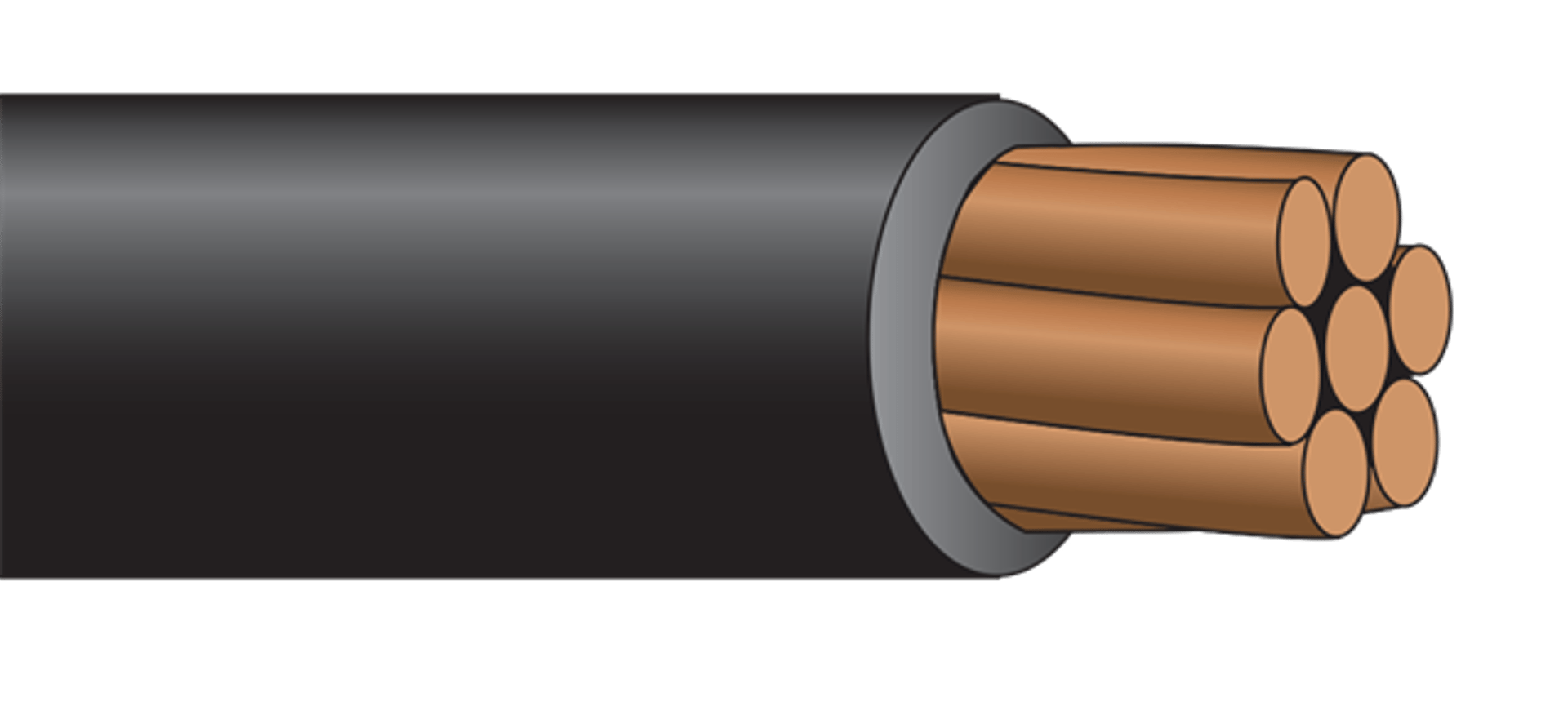
Sheathed vs Non-Sheathed Cables: How to Choose the Right Cable for South Africa’s Electrical Systems
Discover the differences between sheathed and non-sheathed cables in South Africa. Learn their structures, applications, advantages, safety considerations, and real-world case studies to choose the right cable for residential, commercial, and industrial projects.
Li Wang
12/5/20256 min read
Introduction
Electrical cables are the lifelines of modern infrastructure, silently powering homes, offices, factories, and mines. Choosing the right type of cable is far from trivial—it determines not just performance, but also safety, compliance, and longevity of electrical systems. In South Africa, where diverse climates, mining operations, and urban developments create unique challenges, the debate between sheathed cables and non-sheathed cables is more relevant than ever.
Sheathed cables provide an external protective layer, offering mechanical, chemical, and environmental resistance. Non-sheathed cables, by contrast, rely on insulation around individual conductors and are often more flexible and economical. Each has distinct advantages, limitations, and ideal applications.
This article explores these two fundamental cable categories, guiding electrical professionals, contractors, and building designers in South Africa to make informed choices. Real-world case studies, including mining installations and residential housing projects, illustrate the practical implications of cable selection.
Understanding Sheathed Cables
Definition and Structure
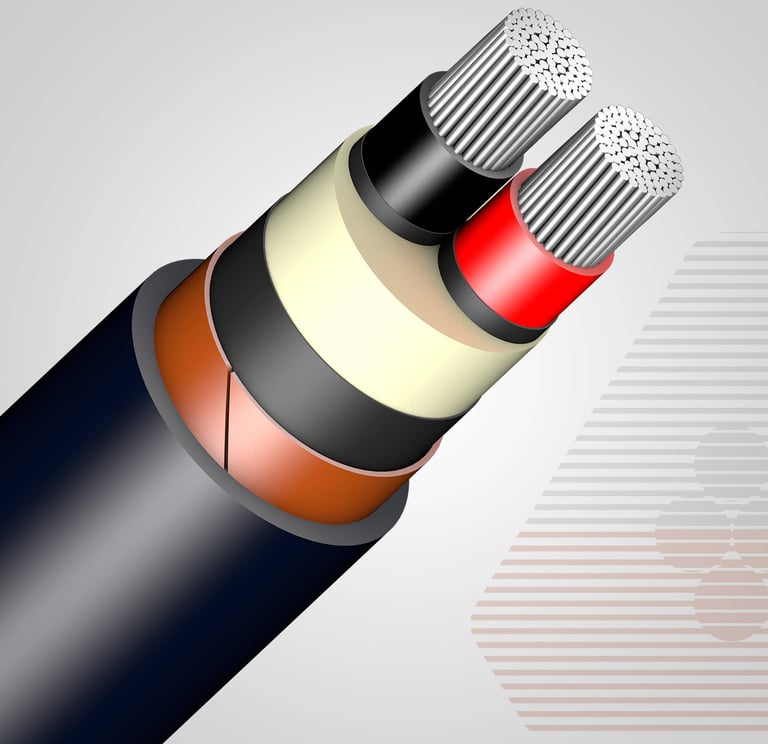
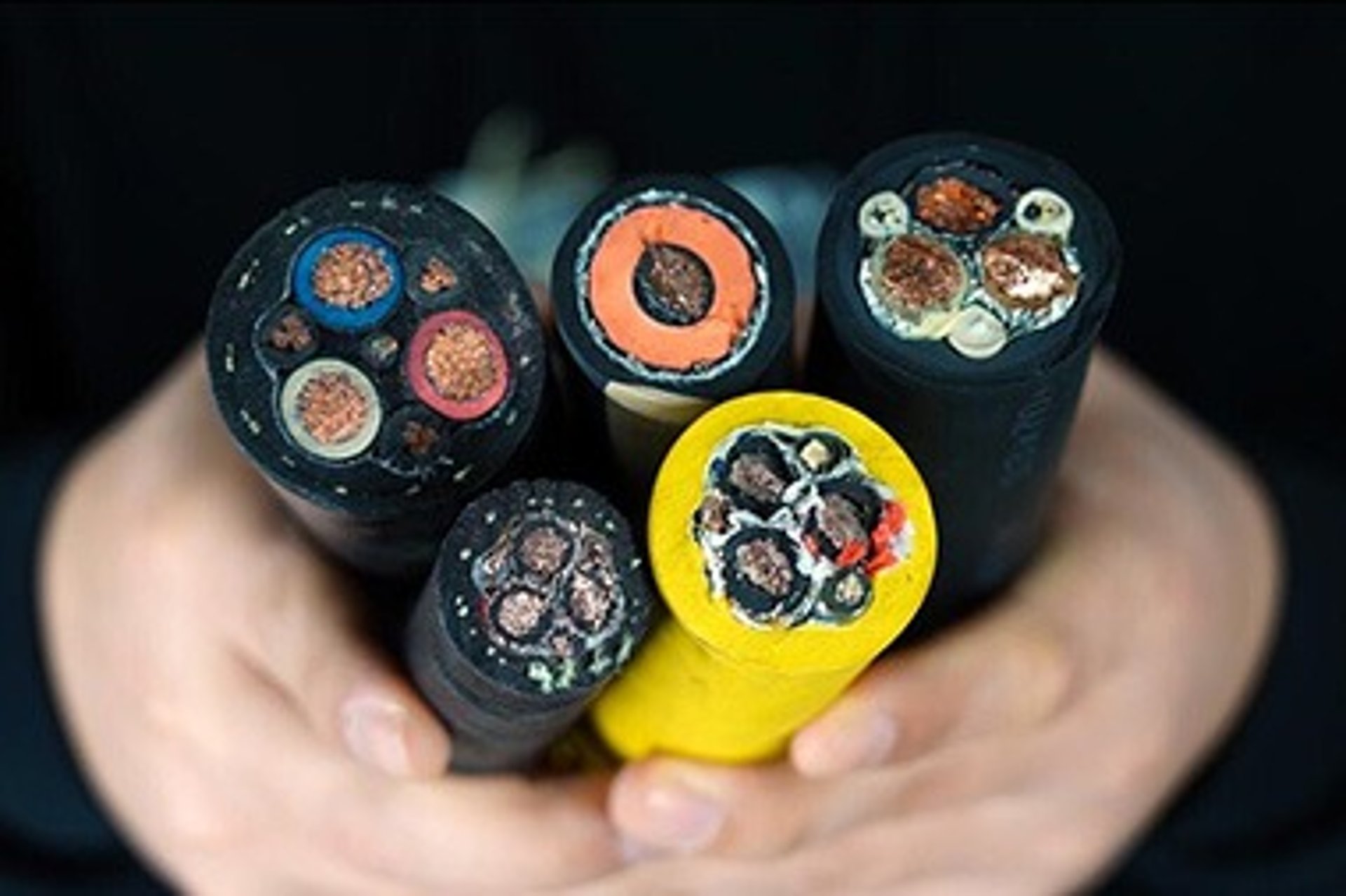
A sheathed cable is an electrical cable encased in an outer protective layer known as a sheath. This sheath safeguards the internal conductors from physical, chemical, and environmental damage.
The main components of a sheathed cable include:
Conductors: Typically copper or aluminium, these carry the electrical current.
Insulation: Surrounds each conductor to prevent short circuits. Materials can include PVC, XLPE, or rubber.
Outer Sheath: Encloses all conductors, providing protection against mechanical damage, moisture, UV radiation, chemicals, and fire. Common materials include:
PVC (Polyvinyl Chloride): Affordable and widely used for indoor applications.
PE (Polyethylene): Robust and chemically resistant, often used underground.
Rubber: Flexible, durable, and suitable for industrial environments.
LSZH (Low Smoke Zero Halogen): Fire-safe, emits minimal smoke and toxic gas.
Metallic Sheaths: Steel or aluminium for mechanical strength and EMI shielding.
Key Distinction: Sheathing is different from insulation. While insulation protects against electrical faults, the sheath protects against external environmental and mechanical threats.
Types of Sheathed Cables
Armoured Cables:
These cables feature a metal armor layer beneath the sheath for extra mechanical protection. Ideal for harsh industrial conditions or underground use.
Example: South African gold mines frequently use SWAV PVC/SWA/PVC cables for underground power distribution, withstanding rock falls, moisture, and heavy machinery vibrations.Mineral-Insulated (MI) Cables:
MI cables contain copper conductors inside a copper sheath filled with mineral insulation (typically magnesium oxide). They excel in fire resistance, maintaining circuit integrity even in extreme conditions. Often used in hospitals, tunnels, and high-rise buildings.Flexible Sheathed Cables:
Composed of stranded conductors and flexible materials, these cables suit applications requiring frequent movement, such as industrial machinery, mobile equipment, or temporary outdoor installations.
Applications in South Africa
Residential: Outdoor lighting, underground garden wiring, and high-durability feeder cables.
Industrial: Factories, workshops, and mines—where exposure to chemicals, water, and mechanical damage is common.
Commercial: Offices, schools, and hospitals requiring fire-resistant installations.
Case Study – Mining Industry: In a platinum mine in Rustenburg, South Africa, sheathed armoured rubber cables were installed for conveyor belts. The cables endured constant abrasion, moisture, and high ambient temperatures, providing reliable power without interruption for over five years.
Advantages and Disadvantages
Advantages:
High protection against mechanical damage and environmental factors.
Versatile—suitable for outdoor, underground, and industrial applications.
Reduces fire and shock hazards.
Disadvantages:
Higher cost due to additional materials.
Bulkier, requiring more space and effort during installation.
Complex termination procedures, especially for metallic-sheathed cables.
Understanding Non-Sheathed Cables
Definition and Structure
A non-sheathed cable lacks the external protective layer. It consists only of insulated conductors. These cables are lighter, more flexible, and suitable for protected environments where additional mechanical or environmental protection is not required.
Types of Non-Sheathed Cables
Twin & Earth Cables:
Commonly used in domestic fixed wiring. Two insulated conductors plus a bare earth conductor. Often installed in walls or conduits.Single-Core Wires:
Used in internal wiring of control panels, appliances, and switchboards.Busbar Cables:
Employed in electrical panels and switchgear for power distribution within a controlled environment.
Applications in South Africa
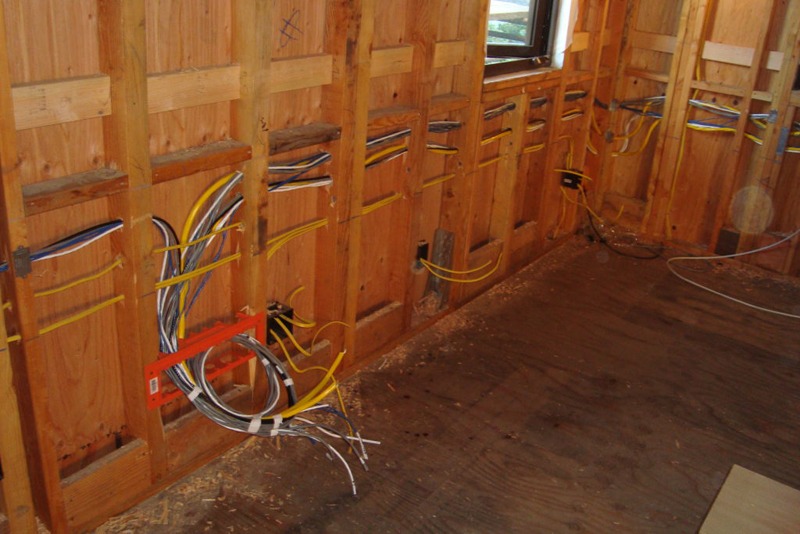
Residential: Concealed wiring in walls and ceilings using twin & earth cables.
Commercial: Internal wiring within conduits and trunking systems.
Construction Projects: South African urban housing projects frequently use non-sheathed cables for internal circuits, reducing costs while maintaining compliance with SANS 10142 standards.
Advantages and Disadvantages
Advantages:
Cost-effective and economical for large projects.
Flexible and easier to handle in tight spaces.
Simplified termination due to the absence of a sheath.
Disadvantages:
Vulnerable to mechanical and environmental damage.
Limited to indoor or protected installations.
Higher risk of electrical hazards if improperly installed.
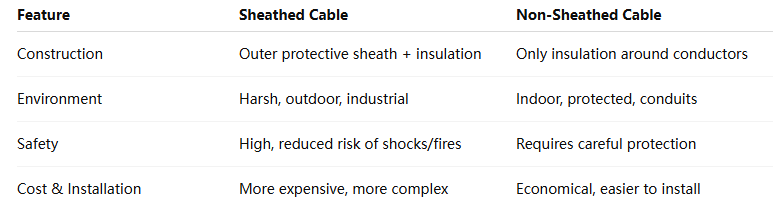
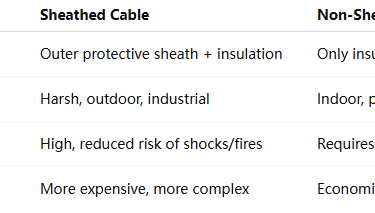
Key Differences Between Sheathed and Non-Sheathed Cables
Performance Considerations: Sheathed cables offer longer lifespan and resistance to environmental stress, making them ideal for industrial and outdoor applications. Non-sheathed cables are economical and suitable for controlled indoor environments.
South African Examples: Urban residential wiring relies heavily on non-sheathed twin & earth cables for wall installations. Conversely, mining operations in Gauteng use armoured sheathed cables for underground conveyors and pumps due to mechanical and chemical risks.
Cable Sheathing Materials and Their Uses
PVC: Cost-effective, suitable for indoor and low-risk applications.
Rubber: Flexible, resistant to abrasion and UV, ideal for industrial and outdoor installations.
LSZH: Minimises smoke and toxic gases in fire, perfect for public buildings like schools, hospitals, and office complexes.
Metal Sheaths: Provides mechanical strength, EMI shielding, and suitability for high-voltage applications.
Regulatory Note: South African installations must comply with SANS 10142 wiring standards and consider environmental factors like UV exposure and moisture in outdoor projects.
Safety, Standards, and Compliance
Compliance with IEC, NEC, and SANS standards ensures safe and reliable installations.
Sheathed cables are often mandated in hazardous or high-risk environments to meet fire and safety standards.
Non-sheathed cables must be installed within conduits or trunking to prevent exposure to hazards.
Example: South African schools often use LSZH sheathed cables for fire safety in classrooms and corridors, complying with both local and international safety standards.
Practical Considerations in Cable Selection
Environmental Factors: Moisture, UV exposure, underground vs indoor installations.
Mechanical Protection: Areas prone to impact or abrasion demand sheathed cables.
Electrical Requirements: Voltage, current, and conductor material.
Longevity and Maintenance: Durable cables reduce downtime and replacement costs.
Tip: Always match the cable type to both the physical environment and electrical load requirements for optimal performance.
Installation Best Practices
Handling and Storage: Avoid bending, crushing, or dragging cables across rough surfaces.
Conduit and Trunking Use: Essential for non-sheathed cables to prevent accidental damage.
Termination Techniques: Proper grounding of metallic sheaths; insulation integrity for non-sheathed cables.
Grounding Considerations: Ensures safety in armoured cable installations.
Case Studies and Real-World Examples
South African Mining Industry:
Rustenburg platinum mines use armoured sheathed rubber cables for underground conveyor belts. These cables resist mechanical impact, moisture, and high temperatures, ensuring uninterrupted operations.Residential Housing Projects:
In Cape Town, twin & earth non-sheathed cables are installed within wall conduits for safe and cost-effective domestic wiring.Outdoor Public Installations:
Johannesburg municipal streetlights use PVC and LSZH sheathed cables buried underground. These cables resist UV radiation, moisture, and vandalism.
Advancements in Cable Technology
Low Smoke Zero Halogen (LSZH) Sheaths: Reduce toxic emissions during fire, improving safety in public spaces.
Enhanced Insulation Materials: Improve electrical performance and mechanical resilience.
Flexible Conductors: Support industrial applications with frequent movement.
Smart Cables and IoT Monitoring: Emerging technology in South African mining and industrial plants allows real-time fault detection and predictive maintenance.
Frequently Asked Questions (FAQ)
What is the main difference between sheathed and non-sheathed cables?
Sheathed cables have an additional outer protective layer; non-sheathed cables do not.Can non-sheathed cables be used outdoors in South Africa?
Only if protected within conduits or trunking; otherwise, they are unsuitable.Why is LSZH sheathing recommended in public buildings?
It emits minimal smoke and no halogen gases, reducing health risks during fire.How do I choose the right cable for industrial vs residential projects?
Consider environmental exposure, mechanical stress, electrical load, and compliance with SANS 10142.Are armoured cables necessary in mining operations?
Yes, they withstand harsh underground conditions, abrasion, and mechanical impacts.What are the cost implications of choosing sheathed over non-sheathed cables?
Sheathed cables are more expensive but provide enhanced protection, longevity, and compliance.How do South African regulations affect cable selection?
SANS 10142 standards dictate permissible cable types, sheathing, and installation practices to ensure safety.
Conclusion
Choosing the right cable is more than a technical detail—it directly impacts safety, reliability, and compliance. Sheathed cables provide robust protection for industrial, outdoor, and high-risk applications, while non-sheathed cables offer flexibility and cost savings for indoor, controlled environments.
In South Africa, where environmental conditions, urban development, and mining operations present unique challenges, understanding these distinctions is critical. Compliance with local standards such as SANS 10142, consideration of environmental and mechanical factors, and awareness of advancements in cable technology will ensure safer, more durable, and efficient electrical installations.
Informed decisions on cable selection empower engineers, contractors, and homeowners to build electrical systems that are not only functional but also resilient, safe, and compliant with South African regulations.
Contact Anhui Feichun Special Cable Co., Ltd.
For comprehensive technical specifications and quotations, please contact our specialized mining cable engineering team:
Technical Engineering Support:
Sales Engineering Department:
WhatsApp Contact:
Manufacturer: Anhui Feichun Special Cable Co., Ltd. (安徽飞纯特种电缆有限公司)
Manufacturing Headquarters: Building A, Private Science and Technology Park, Hefei Economic and Technological Development Zone, Anhui Province, People’s Republic of China
+86 17333223430
Email Address: Li.wang@feichuncables.com
© 2025. All rights reserved.


One-click to Quickly Contact
Products
Contact
Company
Location:
Building A Private Science and Technology Park, Hefei Economic and Technological Development Zone, Anhui Province, China
Heat Resistant Cable
WhatsApp: +86 17333223430
Social Media: