Anhui Feichun Special Cable Co.,Ltd Email: Li.wang@feichuncables.com
Shocking Secrets of BS6708: A Deep Dive into Type 62, Type 63, and Type 64 Cables in South African Mines
Discover everything about BS6708 trailing cables—Type 62, Type 63, and Type 64—in South African mining. Explore construction, specs, applications, case studies, and FAQs for safe and efficient mine electrification.
Li Wang
12/10/20256 min read
Why BS6708 Trailing Cables Matter in South Africa
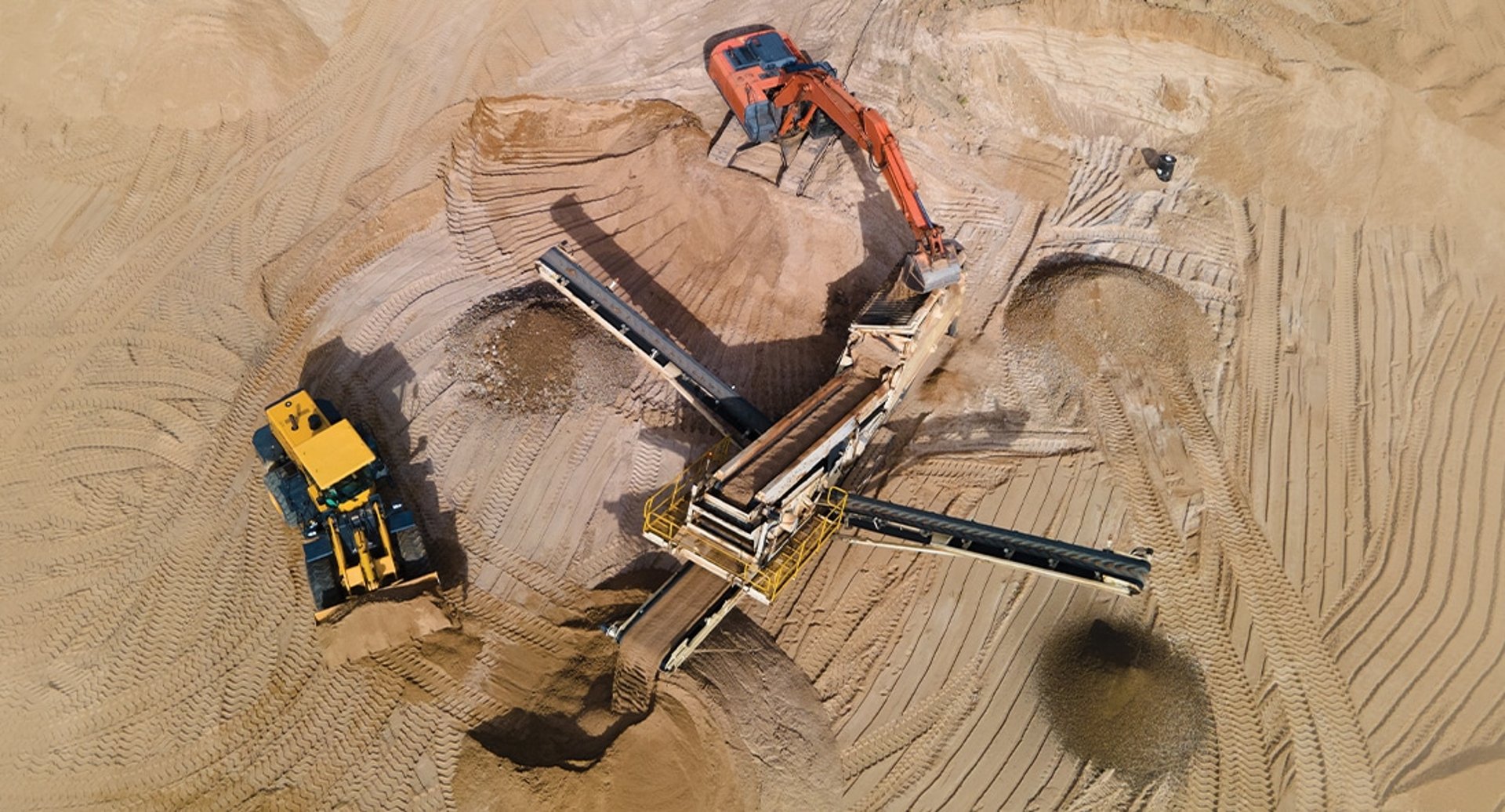
Mining operations in South Africa are some of the most challenging environments for electrical systems. From the gold-rich reefs of Gauteng to the platinum belt in Rustenburg and the coal-rich valleys of Mpumalanga, mechanised mining equipment operates under harsh conditions: high humidity, abrasive rock, corrosive dust, and intense mechanical movement. In this context, flexible trailing cables are not just a convenience—they are a lifeline.
BS6708 trailing cables are widely recognized for providing the safety, flexibility, and durability required for such demanding operations. These cables, commonly known as quarry or auxiliary cables, power everything from shuttle cars and continuous miners to shotcrete equipment and mobile conveyors. In South Africa, where underground mining is extensive and surface quarries operate under tough conditions, adherence to BS6708 ensures both compliance with safety standards and operational efficiency.
This article provides a technical and practical guide to BS6708 Type 62, Type 63, and Type 64 cables, including their construction, electrical properties, and real-life performance in South African mines.
Understanding the BS6708 Standard
What the Standard Covers
BS6708 is a British Standard specifically addressing flexible trailing and quarry cables used in industrial and mining environments. Its scope includes:
High-movement applications: Trailing cables for mobile machinery such as shuttle cars and drill rigs.
Durability requirements: Resistance to abrasion, crushing, and mechanical stress.
Electrical safety: Insulation integrity, fault detection, and continuity.
Testing protocols: Verification of voltage ratings, conductor resistance, insulation resistance, and thermal performance.
Essentially, BS6708 defines the benchmark for trailing cable performance where electrical safety and mechanical robustness are critical.
Why BS6708 Remains Important for South Africa
South African mines are subject to strict safety oversight by authorities such as the Mine Health and Safety Authority (MHSA) and are often guided by SANS electrical safety principles. BS6708 compliance ensures:
Compatibility with mechanised mining systems.
Reduced risk of electrical faults in electrically harsh environments.
Alignment with local regulatory expectations for cable installation and maintenance.
The standard also ensures that cables can survive the mechanical challenges of underground tunnels and surface quarries—conditions frequently encountered in South African mining operations.
Overview of BS6708 Cable Families (Type 62, Type 63, Type 64)
Key Differences Between the Three Types
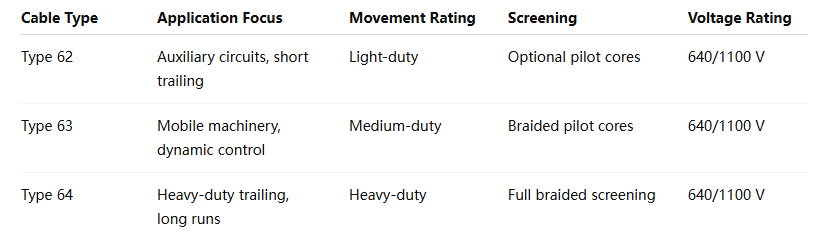
The BS6708 standard classifies cables by their construction and application. Understanding the distinction between Type 62, Type 63, and Type 64 is essential for mine engineers:
Despite differences in movement rating and screening, all three types maintain a consistent voltage rating of 640/1100 V, suitable for South African underground and surface mining applications.
Where Each Type is Typically Used
Type 62: Ideal for auxiliary circuits, short trailing distances, and low-mobility machinery. Often used in coal face lighting and small shuttle cars.
Type 63: Designed for medium-duty mobile equipment requiring screened pilot cores for signal integrity. Suitable for continuous miners and drill rigs.
Type 64: Heavy-duty trailing cable capable of withstanding long-term mechanical stress. Commonly employed in quarries, long haul conveyor belts, and high-load shuttle cars.
Cable Construction Explained
Understanding the construction of BS6708 cables reveals why they are so effective in harsh mining environments.
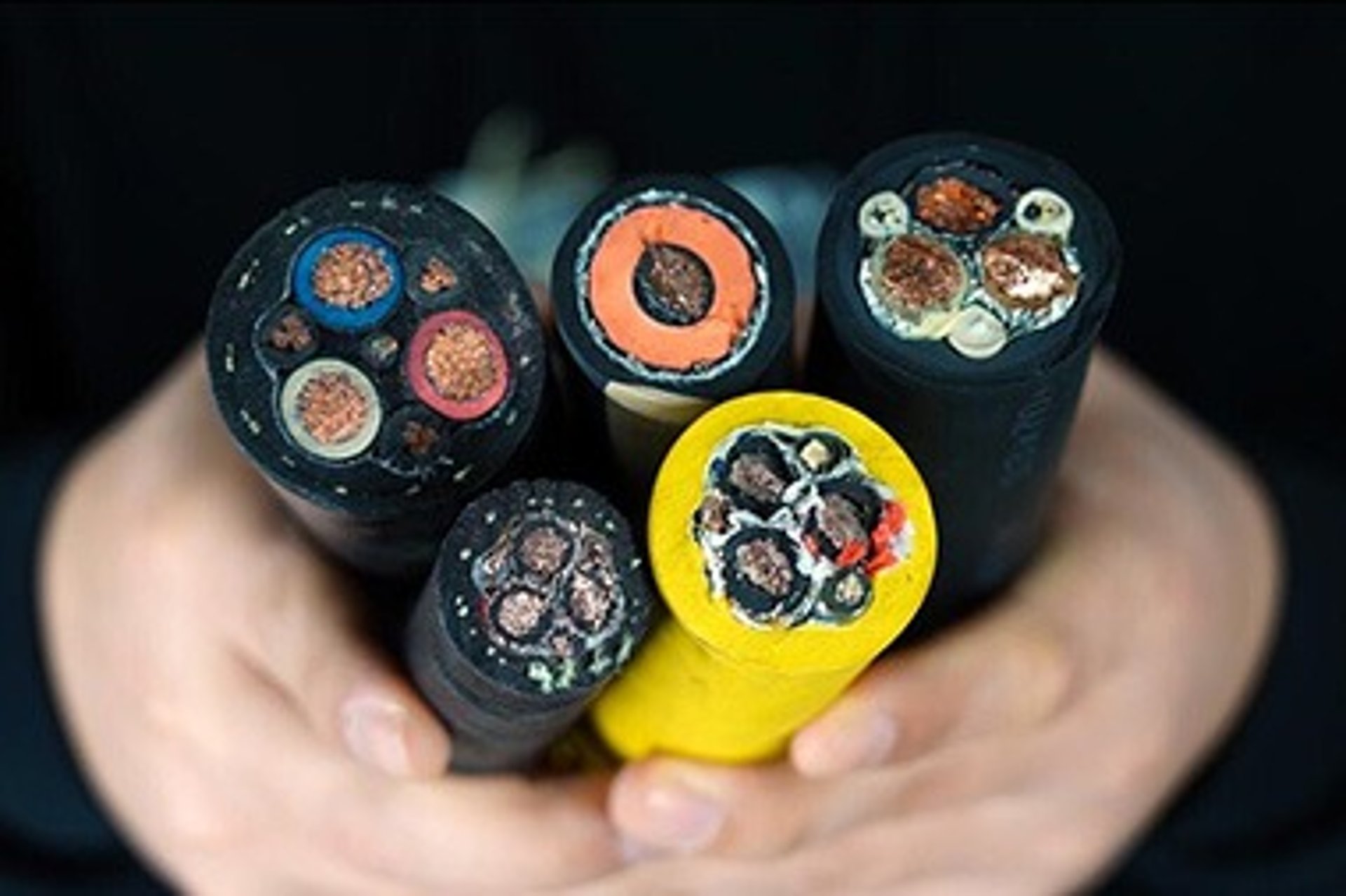
Conductor
The conductor is made from stranded tinned electrolytic copper, Class 5 per IEC 60228. Benefits include:
Corrosion resistance: Essential for humid underground shafts.
Flexibility: Stranded construction allows repeated bending without fatigue.
Electrical efficiency: Low DC resistance ensures minimal voltage drop over long trailing lengths.
Insulation
EPR (Ethylene Propylene Rubber) insulation offers:
High thermal stability for operation up to 90°C.
Excellent mechanical resilience against abrasion and impact.
Resistance to chemicals and oils commonly found in mines.
Screening
Tinned copper or nylon-braided screens cover phase and pilot cores.
Purpose: Reduce electromagnetic interference (EMI), facilitate fault detection, and enhance operational safety in electrically noisy mining environments.
Lay-Up
All cores are laid up in contact, which:
Improves flexibility for trailing and reeling.
Reduces torsion stress, prolonging cable life.
Ensures consistent cross-sectional geometry, reducing localised wear.
Bedding
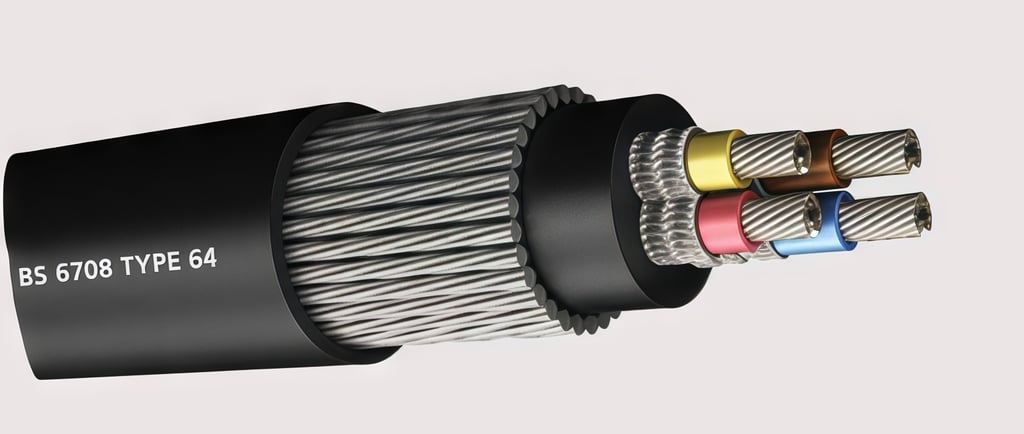
A rubber-based bedding compound cushions cores against the armour and reduces stress concentration during bending.
Armour
Galvanised steel pliable armour protects against crushing, dragging, and incidental rock impact.
Armour also serves as a mechanical ground, adding safety and durability.
Outer Sheath
Heavy-duty chloroprene (CPE/PCP) sheath.
Features include abrasion resistance, oil resistance, and flame retardancy—critical for South African mines with high mechanical stress and flammable dust.
Technical Specifications (Multi-Format Comparison)
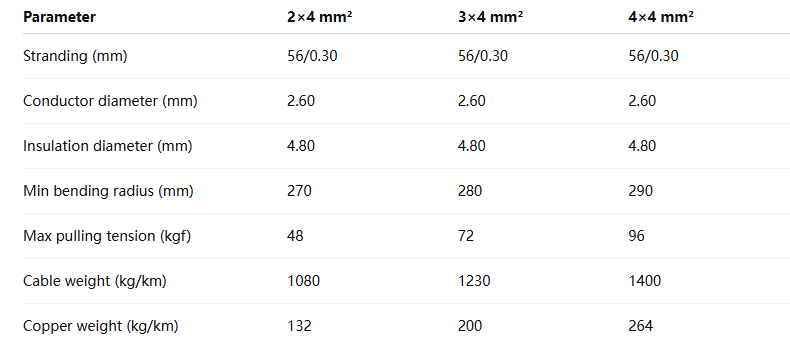
Mechanical Specifications
Electrical Parameters
Rated voltage: 640/1100 V
Test voltage: 2.5 kV
Continuous current rating: 28 A at 25°C
DC resistance: Phase conductor 5.09 Ω/km, screens 2.8–5.5 Ω/km
Armour resistance: 4.16–4.91 Ω/km
Reactance: 0.119 Ω/km @ 50 Hz, 0.143 Ω/km @ 60 Hz
Insulation resistance: ≥590 MΩ/km
Voltage drop (mV/A/m): 10.72–12.38
Performance Indicators
Thermal stability under continuous load.
High mechanical flexibility for repeated trailing/reeling cycles.
Effective EMI reduction via braided screening.
Applications in Mining and Quarry Operations
Typical Equipment Using BS6708 Trailing Cables
BS6708 cables power a variety of machinery in South African mines:
Shuttle cars and load-haul-dump vehicles
Continuous miners in gold and platinum mines
Drill rigs and bolting machines
Shotcrete spraying equipment
Conveyor systems and crushers in surface quarries
Underground vs Surface Applications
Underground mines: High humidity, sulphur-laden environments, limited space, requiring flexible, corrosion-resistant cables.
Surface quarries: Dragging over rough terrain, exposure to UV, abrasive rock, and reeling/unreeling cycles, especially in coal and manganese mines.
Advantages for South African Mines
Reduced downtime due to abrasion resistance.
Compatibility with mine monitoring systems (voltage drop and fault detection).
Longevity under high mechanical and electrical stress.
Improving Cable Life in Harsh Mining Conditions
Background
At a platinum mine in Rustenburg, the operations team faced frequent trailing cable failures. The primary causes included:
Abrasion against rock surfaces.
Conductor fatigue from repeated bending.
Electrical faults due to damaged insulation and exposed screens.
Solution
The mine switched to BS6708 Type 64 heavy-duty cables with full steel pliable armour and robust EPR insulation. Key interventions included:
Proper handling and routing to minimise sharp bends.
Installation of braided screening for pilot cores.
Regular maintenance and insulation testing.
Results
Cable lifespan increased by 40–60%.
Reduced downtime and repair costs.
Improved operational safety with better fault detection.
This case highlights how adopting the right BS6708 cable type directly impacts productivity and safety in South African mining operations.
Installation, Operation, and Maintenance Guidelines
Proper Handling Techniques
Respect minimum bending radius to prevent conductor and insulation fatigue.
Avoid excessive pulling tension during installation.
Use cable rollers or trays where possible to reduce abrasion.
Maintenance Practices
Routine insulation resistance testing.
Visual inspections for cuts, abrasions, or exposed screens.
Timely replacement when sheath or armour damage exceeds safe limits.
Common Failure Points
Armour fatigue from dragging over uneven surfaces.
Sheath tearing due to sharp rocks or machinery impact.
Conductor corrosion in humid underground shafts.
Frequently Asked Questions (FAQ)
Q1: What makes BS6708 trailing cables different from standard flexible cables?
A: BS6708 cables are specifically designed for high-movement, mechanically demanding applications in mining and quarry environments. They include armour, robust insulation, and screening for safety and durability.
Q2: Can BS6708 cables be used with cable reeling systems?
A: Yes, Types 63 and 64 are suitable for repeated reeling and unreeling cycles due to their flexible lay-up and braid-screened cores.
Q3: How do I choose between Type 62, Type 63, and Type 64?
A: Consider movement rating, equipment type, and environmental conditions. Light-duty auxiliary circuits → Type 62; mobile machinery → Type 63; heavy-duty long trailing → Type 64.
Q4: Why is braided screening important in mining operations?
A: Screening reduces EMI, allows fault detection, and provides an additional safety layer, especially in electrically noisy environments with high power equipment.
Q5: Are BS6708 cables approved for South African mines?
A: Yes, they align with MHSA regulations and SANS electrical safety standards, widely used across gold, platinum, coal, and manganese mines.
Q6: What is the typical service life of a BS6708 mining cable?
A: With proper handling and maintenance, heavy-duty Type 64 cables can last 5–8 years or longer, depending on environmental conditions.
Q7: How do I reduce mechanical damage to trailing cables?
A: Avoid sharp bends, minimise dragging over abrasive surfaces, use protective sheaths where possible, and perform regular inspections.
Why BS6708 Types 62, 63, and 64 Remain Essential for South Africa
The BS6708 standard is more than a specification—it’s a cornerstone of safe and efficient mine electrification in South Africa. By selecting the appropriate cable type, understanding technical specifications, and following rigorous installation and maintenance procedures, mines can ensure:
Safety: Minimise electrical and mechanical hazards.
Reliability: Maintain continuous operation of critical mobile equipment.
Cost Efficiency: Reduce downtime, repair costs, and cable replacement frequency.
With the advent of smart monitoring systems, BS6708 cables are poised to integrate into predictive maintenance frameworks, further extending cable life and enhancing operational safety. South African mines that adopt these best practices will not only comply with regulations but also gain a competitive advantage in productivity and safety.
Contact Anhui Feichun Special Cable Co., Ltd.
For comprehensive technical specifications and quotations, please contact our specialized mining cable engineering team:
Technical Engineering Support:
Sales Engineering Department:
WhatsApp Contact:
Manufacturer: Anhui Feichun Special Cable Co., Ltd. (安徽飞纯特种电缆有限公司)
Manufacturing Headquarters: Building A, Private Science and Technology Park, Hefei Economic and Technological Development Zone, Anhui Province, People’s Republic of China
+86 17333223430
Email Address: Li.wang@feichuncables.com
© 2025. All rights reserved.
One-click to Quickly Contact
Products
Contact
Company
Location:
Building A Private Science and Technology Park, Hefei Economic and Technological Development Zone, Anhui Province, China
Heat Resistant Cable
WhatsApp: +86 17333223430
Social Media: