Anhui Feichun Special Cable Co.,Ltd Email: Li.wang@feichuncables.com
The Low-Voltage Beast That Never Backs Down: Why PUR-HF TROMMEL LV Reeling Cables Are Transforming South Africa’s Hardest Worksites
Discover why PUR-HF TROMMEL LV Reeling Cable has become South Africa’s preferred low-voltage reeling solution for mining, industrial, and port operations. Learn about its construction, performance, technical ratings, case studies, and best-practice installation guidelines.
Li. Wang
12/1/20256 min read

Introduction
In South Africa’s toughest industries — mining, heavy manufacturing, ports, rail, and bulk material handling — large moving machines depend on one unsung hero: the reeling cable. Whether powering a stacker-reclaimer in Saldanha Bay or feeding a mobile crusher in Limpopo, reeling cables face intense stress that few electrical components can survive.
As mining operations modernise, the demand for high-performance low-voltage reeling cables has grown sharply. Machines are moving faster, loads are heavier, automation levels are rising, and equipment cycles are longer than ever before. This means torsion, tension, torque, abrasion, chemical exposure, and high travel speeds are now the daily reality for any cable installed on reeling systems.
That’s where the PUR-HF TROMMEL LV Reeling Cable enters the picture.
This cable is engineered purposely for brutal, continuous mechanical movement — both vertical and horizontal. Using a halogen-free polyurethane system, high-flex Class 5 conductors, and a textile anti-twist core, it has become a favourite among South African OEMs and maintenance teams who need reliability, safety, and long service life.
This article provides a deep, technical, practical, and industry-informed analysis of the cable. We unpack its construction, performance, use cases, standards, selection guidelines, and the real-world benefits proven in South African mines.
What Makes PUR-HF TROMMEL LV Reeling Cable Special?
Designed for High Mechanical Stress
Most conventional LV cables struggle when exposed to mechanical forces. Mining machinery, for example, imposes:
Torsional stress – the cable twists internally as the equipment turns or retracts.
Tensile stress – the cable is pulled during vertical travel or long reeling distances.
Torque load – rotational forces build up as the drum winds and unwinds.
In South African mines — especially platinum operations in Limpopo and gold mines in Gauteng — machinery such as stackers, reclaimers, rail-mounted transfer cars, and mobile crushers constantly subject cables to these combined stresses.
PUR-HF TROMMEL LV Cable is engineered specifically to survive these conditions thanks to:
Anti-twist textile braid
Central strength member
Highly elastic PUR sheaths
Class 5 stranded copper
Corrected torsion capabilities of ±25°/m
These features make it suitable for machinery that stops, starts, lifts, drops, rotates, or changes direction abruptly.
Built for Continuous Movement
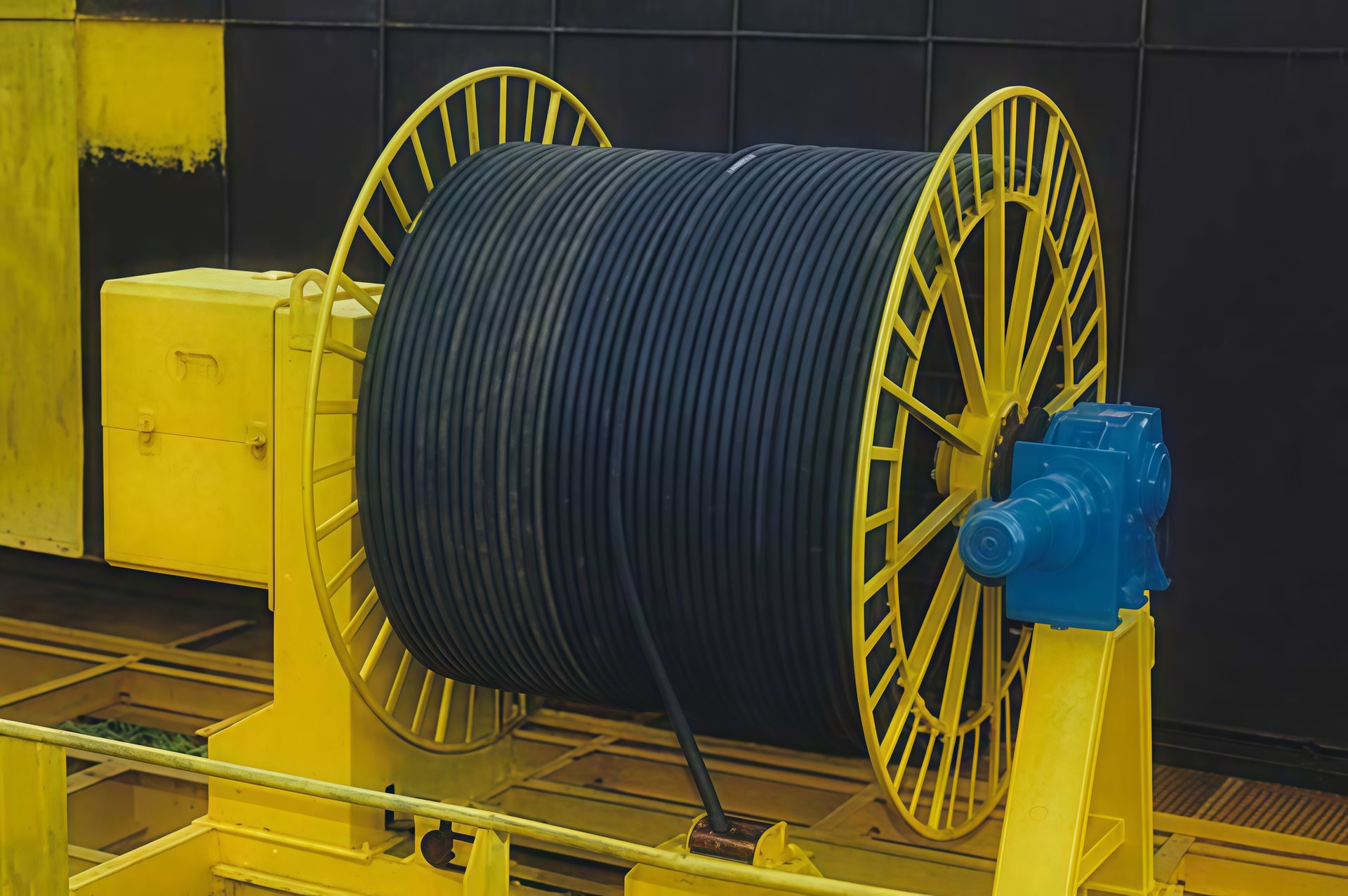
This cable is designed for dynamic operation — meaning it moves constantly, sometimes non-stop for hours.
It operates as both a vertical and horizontal drum-reeling cable, supporting:
High-speed drum reeling
Festoon systems
Automated reeling machines
Long travel distances
Compact drum geometries
The cable can operate at speeds of up to:
200 m/min (festoon and drum systems)
This makes it perfect for:
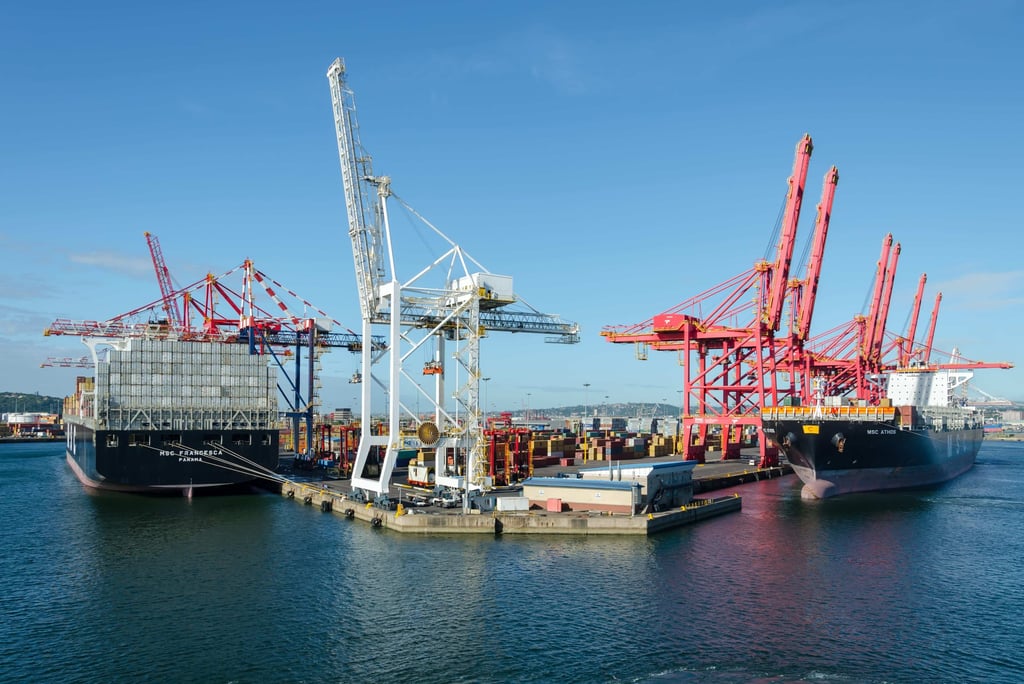
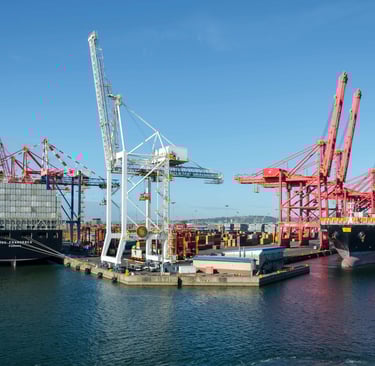
Ship loaders at Durban Harbour
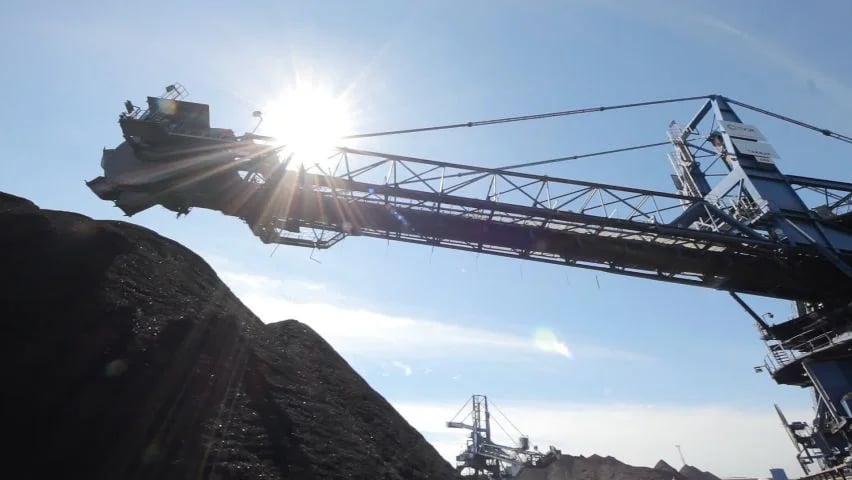
Coal stacker reclaimers in Mpumalanga
High-speed gantry cranes in industrial plants
Mobile crushers moving along conveyor lines
Enhanced Reliability for Harsh Environments
South African mining is wet, dusty, abrasive, and chemically harsh. Oils, diesel, alkalines, process water, and cleaning solvents can rapidly degrade PVC- or rubber-based cable jackets.
PUR-HF (halogen-free polyurethane) solves these issues:
Exceptional hydrolysis resistance
High chemical resistance to oils and solvents
High abrasion resistance
High elasticity withstands repeated bending
Halogen-free, flame-retardant properties
Combined with a central textile strength member, the cable’s durability is significantly higher than traditional NBR sheath reeling cables.
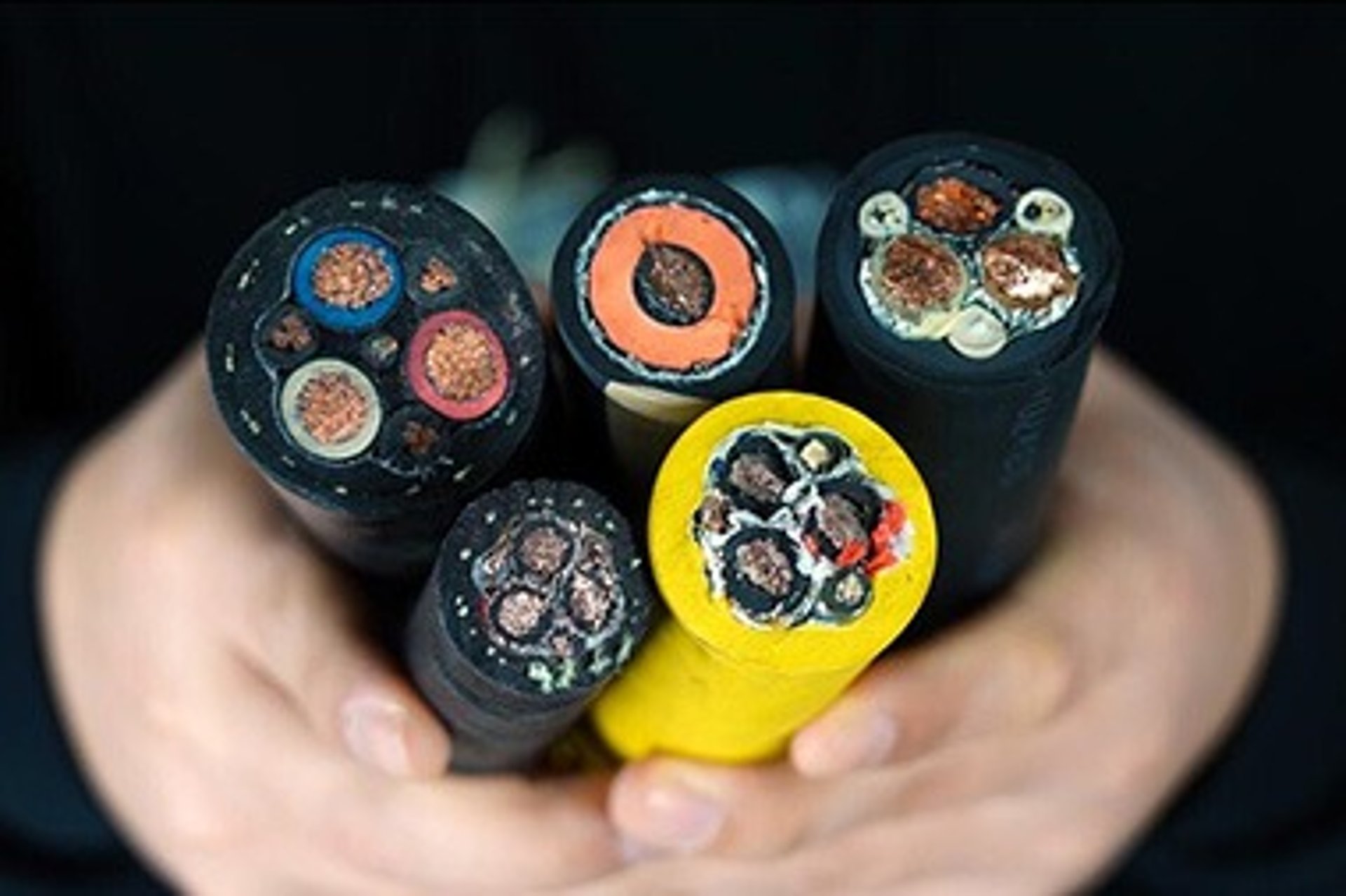
Cable Construction – Inside the PUR-HF TROMMEL LV Cable
To understand why this cable performs so well, we must analyse its internal construction.
Conductor – Class 5 Flexible Stranded Copper
The conductor uses Class 5 high-flex stranded copper, ideal for continuous movement.
Why flexibility matters:
Prevents strand breakage during bending
Reduces internal stress during torsion
Extends cable service life
Enables tighter bending radii
Comparison:
ClassFlexibilityTypical UseClass 2RigidFixed installation; not for reelingClass 5FlexibleIdeal for reeling, festoons, and drag chainsClass 6Extra flexibleRobotics; not always needed for mining
For heavy-duty mining machines, Class 5 gives the perfect balance of flexibility and strength.
Insulation – LSZH
The LSZH insulation provides:
Low smoke emission
Zero halogen content
Non-corrosive and non-toxic acids during fire
Compliance with IEC 60332-1 flame tests
This is crucial in:
Underground mines
Processing plants
Conveyor tunnels
Chemical processing areas
In fire situations, LSZH saves lives and reduces equipment damage — a major advantage over PVC insulation.
Cable Lay-Up – Stability Against Twisting
The cable cores are laid up in concentric layers around a central strength member.
Benefits:
Reduces torsional forces
Improves flexibility
Enhances cable balance
Minimises electrical stress concentration
Prevents core migration during movement
This geometry is key to the cable’s long service life.
Sheath System – Inner & Outer PUR-HF Jackets
Both the inner and outer sheaths are PUR-HF (halogen-free polyurethane).
Advantages of PUR-HF:
Exceptional tear strength
Superior abrasion resistance
High elasticity
Zero halogen toxicity
Excellent chemical and oil resistance
Better UV resistance than PVC or rubber
Compared with PVC or NBR, PUR-HF survives:
Wet conditions in Limpopo PGM mines
Coal dust abrasion in Mpumalanga
Salt spray at Richards Bay
Heavy oil exposure in factories
Anti-Twisting Textile Braid
This component prevents the cable from twisting excessively during high-speed reeling.
Benefits:
Maintains core geometry
Prevents conductor breakage
Eliminates internal friction
Extends cable service life
This is especially critical for vertical travel applications, where torsion and tension act simultaneously.
Core Identification
The cable follows:
VDE 0293-308
IEC core colour standards
Core options:
4-core: G/Y, Brown, Black, Grey
5-core: G/Y, Blue, Brown, Black, Grey
6+ cores: white cores with black numbering
Clear identification improves installation accuracy and safety.
Technical Specifications Explained in Practical Terms
Voltage Rating – 0.6/1kV
This voltage class is perfect for:
Mobile crushers
Stacker-reclaimers
Conveyors
Port cranes
Industrial machinery
Most LV mining machinery operates at 1.1 kV, making this cable compatible with South African systems.
Temperature Ratings
Fixed installation: –50°C to +90°C
Mobile operation: –40°C to +90°C
High-altitude South African mines, like those in Thabazimbi or Rustenburg, experience cold start-ups at dawn. A cable that becomes rigid in cold weather is likely to crack, tear, or fail internally.
PUR-HF remains flexible even under extreme cold.
Mechanical Limits
Tensile load: up to 20 N/mm²
Torsion: ±25° per metre
Minimum bending radius:
6× OD fixed
8× OD mobile
These parameters must be respected — exceeding them dramatically reduces cable lifespan.
Speed & Travel
The cable handles up to:
200 m/min in both festoon and reeling applications
This is essential for:
Automated cranes
Rapid reeling systems
High-speed industrial equipment
Minimum direction change distance: 20× OD to avoid excessive bending stress.
Dimensions & Current Carrying Capacities
A full technical table is provided in your outline. Below is a practice-oriented explanation.
Core Selection
4-core → general power
5-core → TN-S systems
7–42 cores → hybrid power/control systems
Weight Considerations
Cable weight affects:
Drum torque
Energy consumption
Motor strain
Acceleration/deceleration control
Lighter PUR-HF sheaths reduce power load on reeling machines.
Current Derating
Reeling cables always carry less current than fixed cables due to:
Heat build-up
Reduced cooling
Mechanical loading
Temperature Derating
High ambient temperature reduces cable current rating.
For instance, at 55°C, a derating factor of 0.76 applies.
Standards & Compliance
The cable meets:
IEC 60228 (conductors)
IEC 60502 (LV cables)
IEC 60332-1 (flame behaviour)
VDE 0250 / 0293 (mechanical tests, markings)
HD/EN/IEC 60811 (material testing)
Why this matters in South Africa
Critical for mine safety inspections
Ensures compatibility with OEM equipment
Demonstrates ESG compliance (halogen-free)
Supports insurance and HA-level approval requirements
Real South African Case Study
Case Study: Limpopo PGM Mine Reeling System Upgrade
Problem
A platinum mine in Limpopo suffered cable snapping every 6–8 months on their mobile crusher reeling system. Failures were caused by:
Internal core twisting
NBR jacket cracking
Excessive torsion during long vertical travel
Investigation Findings
Engineers identified:
Poor torsional stability
Inadequate chemical resistance to diesel and hydraulic oils
Jacket abrasion from sharp ore particles
Solution
Switch to PUR-HF TROMMEL LV Reeling Cable, equipped with:
Anti-twist textile braid
Central strength member
Dual PUR-HF sheaths
Results
Service life doubled (2×)
28–30% reduction in downtime
Reduction in maintenance costs
Safer operations
Higher machine availability
Lesson Learned
Correct torsion management and a strong PUR jacket significantly improve OPEX in demanding mining environments.
Applications Across South Africa
Mining
Used on:
Longwall equipment
Shuttle cars
Stacker-reclaimers
Mobile crushers
Heavy conveyors
LSZH and PUR-HF significantly improve underground safety.
Industrial Plants
Ideal for:
Gantry cranes
High-speed automation
Mobile robotics
Motorised platforms
Ports & Terminals
Essential for:
Durban ship loaders
Richards Bay coal terminals
Saldanha iron ore operations
These areas require extreme chemical and salt resistance.
Renewable Energy & Infrastructure
Used for:
Wind turbine servicing platforms
Rail maintenance machines
Mobile installation tools
Installation, Handling & Maintenance Best Practices
Installation
Respect minimum bending radii
Ensure correct drum winding tension
Use proper terminations
Avoid sharp edges on guide rollers
Operating Conditions
Monitor torsion levels
Avoid sudden directional changes
Ensure perfect alignment of reeling path
Preventive Maintenance
Inspect sheaths regularly
Check tension on textile strength member
Monitor operating temperature, especially at high loads
Common Problems & How PUR-HF TROMMEL LV Cable Solves Them
Traditional Problems
PVC/NBR jacket cracking
Torsion fatigue
Oil and solvent attack
Stiffness in cold weather
Core displacement
PUR-HF Solutions
Superior abrasion resistance
Halogen-free flame retardance
Chemical resistance
Flexible in sub-zero conditions
Textile braid prevents twisting
FAQ
Can PUR-HF reeling cables be used on older drum systems?
Yes, provided the drum geometry and tension control are compatible.What is the maximum reeling speed?
200 m/min.Suitable for underground mining?
Yes — LSZH + PUR makes it an excellent choice.How does halogen-free material improve safety?
It prevents toxic acid gases during fires.How to calculate derating in hot areas?
Multiply the nominal current by the derating factor (e.g., 0.76 at 55°C).What cable size for 1.1kV equipment?
Depends on current and installation — often 16–50 mm².Main cause of reeling cable failure?
Torsion fatigue + incorrect bending radius.How to prevent torsion damage?
Use anti-twist braid and correct drum alignment.Inspection frequency?
Monthly for heavy mining; weekly for high-speed cranes.Can reeling cables be repaired?
Yes, but repairs must follow OEM instructions and may reduce lifespan.
Conclusion
The PUR-HF TROMMEL LV Reeling Cable stands out as one of the most reliable and technically advanced low-voltage reeling cables available in South Africa. Engineered for mechanical endurance, chemical resistance, torsion stability, and fire safety, it delivers unmatched performance in some of the world’s harshest environments.
From mining operations in Limpopo and Mpumalanga to port cranes in Durban and Richards Bay, this cable consistently proves its value by delivering:
Longer service life
Lower total cost of ownership
Superior operational safety
Compliance with international and South African standards
Reliable performance at high speeds and harsh conditions
For operations that demand uptime, reliability, and safety, the PUR-HF TROMMEL LV Reeling Cable is not just a good choice — it is the best choice.
Email Address: Li.wang@feichuncables.com
© 2025. All rights reserved.
One-click to Quickly Contact
Products
Contact
Company
Location:
Building A Private Science and Technology Park, Hefei Economic and Technological Development Zone, Anhui Province, China
Heat Resistant Cable
WhatsApp: +86 17333223430
Social Media: