Anhui Feichun Special Cable Co.,Ltd Email: Li.wang@feichuncables.com
The Secret Behind South Africa’s High-Speed Cranes: Exploring (N)GFLCGÖU Screened Flat Festoon Cables
Discover how (N)GFLCGÖU Screened Flat Festoon Cables power South African mining, port, and industrial automation systems. Learn about structure, specifications, installation, and real-world case studies.
Li Wang
12/16/20255 min read
Introduction
In today’s fast-paced industrial environments, the efficiency and safety of lifting, transporting, and conveying systems heavily depend on one often overlooked component: festoon cables. These flexible, durable power carriers are the lifelines for cranes, lifts, floor conveyors, and automation systems, ensuring continuous power supply to moving equipment. Among them, the (N)GFLCGÖU Screened Flat Festoon Cable stands out for its unique flat design and EMI-screened construction, offering unparalleled flexibility, space efficiency, and electromagnetic interference (EMI) protection.
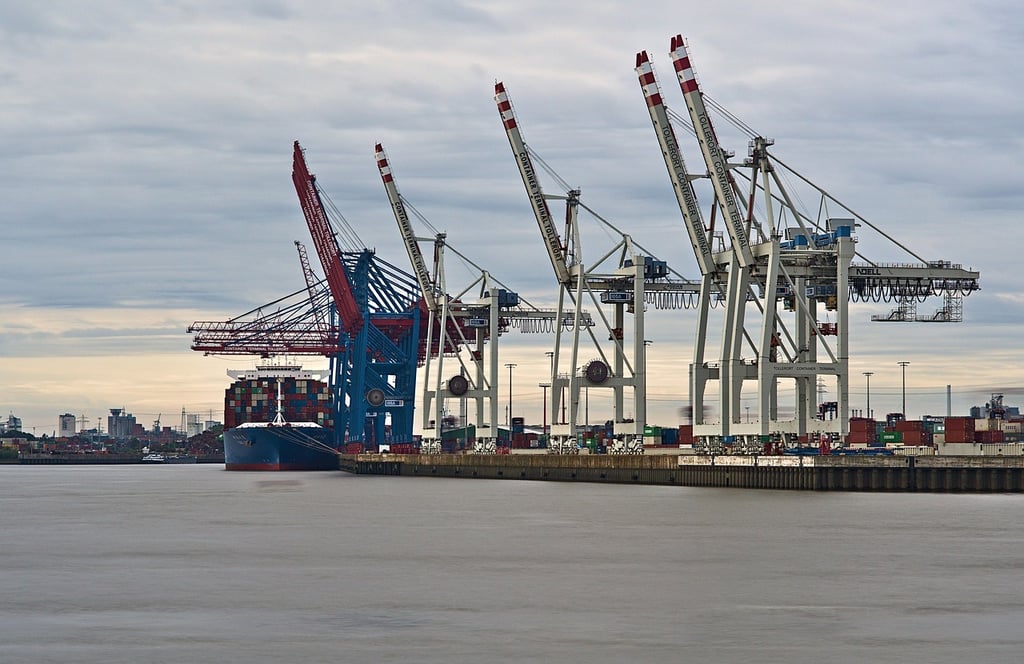
South Africa, with its thriving mining sector, bustling ports, and expanding industrial automation, increasingly relies on these high-performance cables. From the deep platinum and gold mines of Rustenburg to the high-speed container cranes at Durban and Cape Town ports, the demand for robust festoon cables is evident.
This article delves into the technical construction, specifications, applications, and maintenance of (N)GFLCGÖU Screened Flat Festoon Cables, enriched with South African case studies. Whether you are an engineer, procurement specialist, or industry enthusiast, this guide offers a comprehensive understanding of how these cables enhance operational safety and efficiency.
Structure and Construction
The strength and reliability of any festoon cable start with its construction. The (N)GFLCGÖU cable is designed to withstand the harshest industrial conditions while delivering consistent performance.
Conductor
At the heart of the cable lies its conductor, responsible for carrying electrical current efficiently. The (N)GFLCGÖU cable uses electrolytic annealed copper:
Class 6 for cross-sections ≤25mm².
Class 5 for cross-sections >25mm².
Advantages:
High conductivity: Copper minimizes energy loss.
Superior flexibility: Critical for moving applications like festoon systems, where repeated bending occurs.
South African relevance: Mining environments are notoriously demanding. Underground platinum and gold mines experience significant vibration, heavy load operations, and varying temperatures. High-conductivity, flexible copper conductors maintain reliable power flow under these conditions, reducing downtime and maintenance costs.
Insulation
The cable uses EPR (Ethylene Propylene Rubber) insulation, chosen for:
Mechanical flexibility – can bend repeatedly without cracking.
Temperature resistance – operational ranges from -50°C to +90°C (flexed) and -30°C to +90°C (mobile).
Durability in chemical exposure – resistance to oils, greases, and industrial contaminants.
EPR’s resilience makes it ideal for mobile equipment, including high-speed conveyor systems in Gauteng factories, where constant flexing occurs.
Screening
Electromagnetic interference (EMI) is a major concern in modern industrial environments, especially with motors, generators, and automation systems. To counter this, (N)GFLCGÖU cables are screened with tinned copper wire braiding (TCWB):
Shields conductors from external EMI.
Prevents power disruption and signal errors.
Essential in South African mines, where heavy-duty motors and hoists generate significant electromagnetic fields.
Example: A Rustenburg platinum mine reported frequent sensor malfunctions on conveyor systems before switching to screened festoon cables. After implementation, EMI-related faults dropped by over 70%, demonstrating tangible operational benefits.
Sheath
The outer sheath is made of Chloroprene Rubber (CR), type 5GM3, and colored black. Its features include:
High mechanical resistance – protects against abrasion, impact, and crushing.
Chemical resistance – withstands oils, acids, and alkalis common in industrial sites.
Weathering resistance – suitable for outdoor and partially exposed installations.
Case Reference: At the Johannesburg crane systems, festoon cables face high abrasion from sliding along cable trays. The 5GM3 CR sheath ensures long-term durability even under continuous movement and heavy mechanical stress.
Core Identification
Correct identification of conductors is essential for installation safety and maintenance. Core color codes:
4-core: Green/Yellow, Brown, Black, Grey
5-core: Green/Yellow, Blue, Brown, Black, Grey
7-core and above: Black with white numbering
This structured approach allows for quick troubleshooting and safer operations, crucial in South African industrial sites with large-scale equipment.
Technical Specifications
Understanding the technical specifications is key to selecting the right cable for specific applications.
Voltage and Temperature Ratings
Rated Voltage: 300/500V
Maximum Conductor Temperature: 90°C
Short-Circuit Temperature: 250°C
South African mining operations often experience temperature variations in underground tunnels and open-pit areas. The flexible EPR insulation ensures consistent performance, even in these extreme environments.
Mechanical Properties
The (N)GFLCGÖU cable’s mechanical specifications make it ideal for high-speed and repetitive motion applications:
Minimum Bending Radius:
Fixed: 5× overall diameter
Moving: 10× overall diameter
Maximum Tensile Load: 15 N/mm² (static)
Travel Speed: Up to 180 m/min for festoon systems
Case Study: Gauteng factories employ high-speed conveyor systems running at 150–180 m/min. The flat design ensures cables move smoothly without exceeding bending or tensile limits, reducing maintenance intervals.
Dimensions and Weight
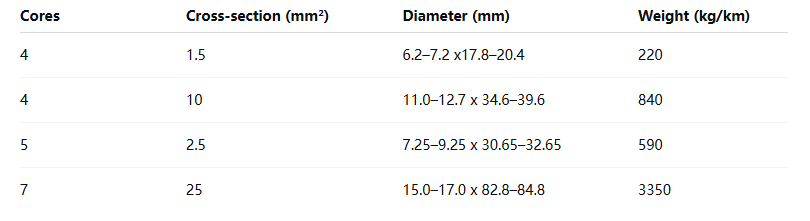
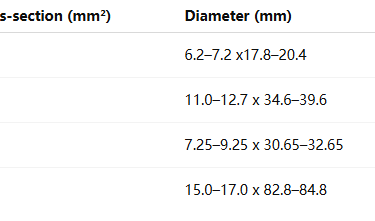
The flat design allows installation in tight spaces while carrying multiple cores. Dimensions vary according to the number of cores and cross-sectional area, e.g.:
Practical Significance: The compact flat form allows easy integration in space-constrained installations, such as underground shafts, industrial crane gantries, and automated floor conveyors.
Electrical Characteristics
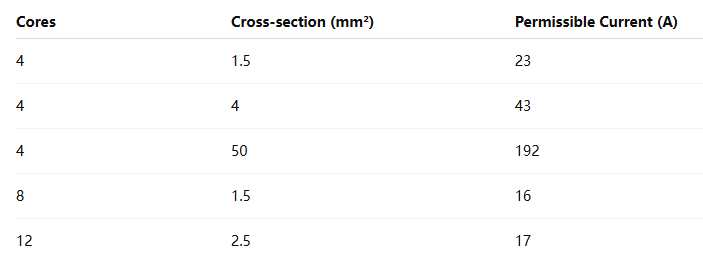
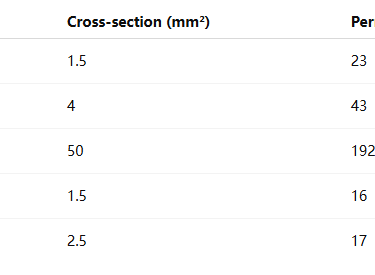
The cable is rated for continuous current loads depending on core number and cross-section:
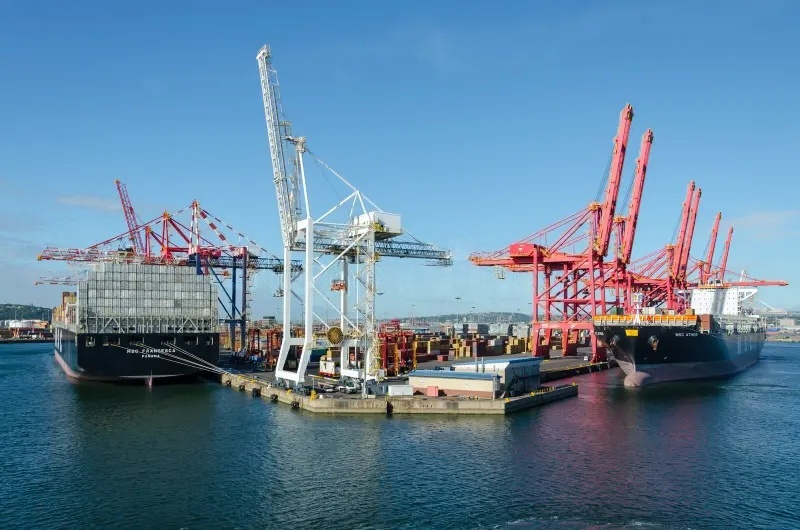
Use Case: At Durban Port, cranes lifting heavy containers rely on continuous, interference-free power. The EMI-screened copper braid ensures stable voltage, preventing motor stalls or sensor misreads.
Applications
Typical Applications
Lifts and Elevators – flexible movement in tight shafts.
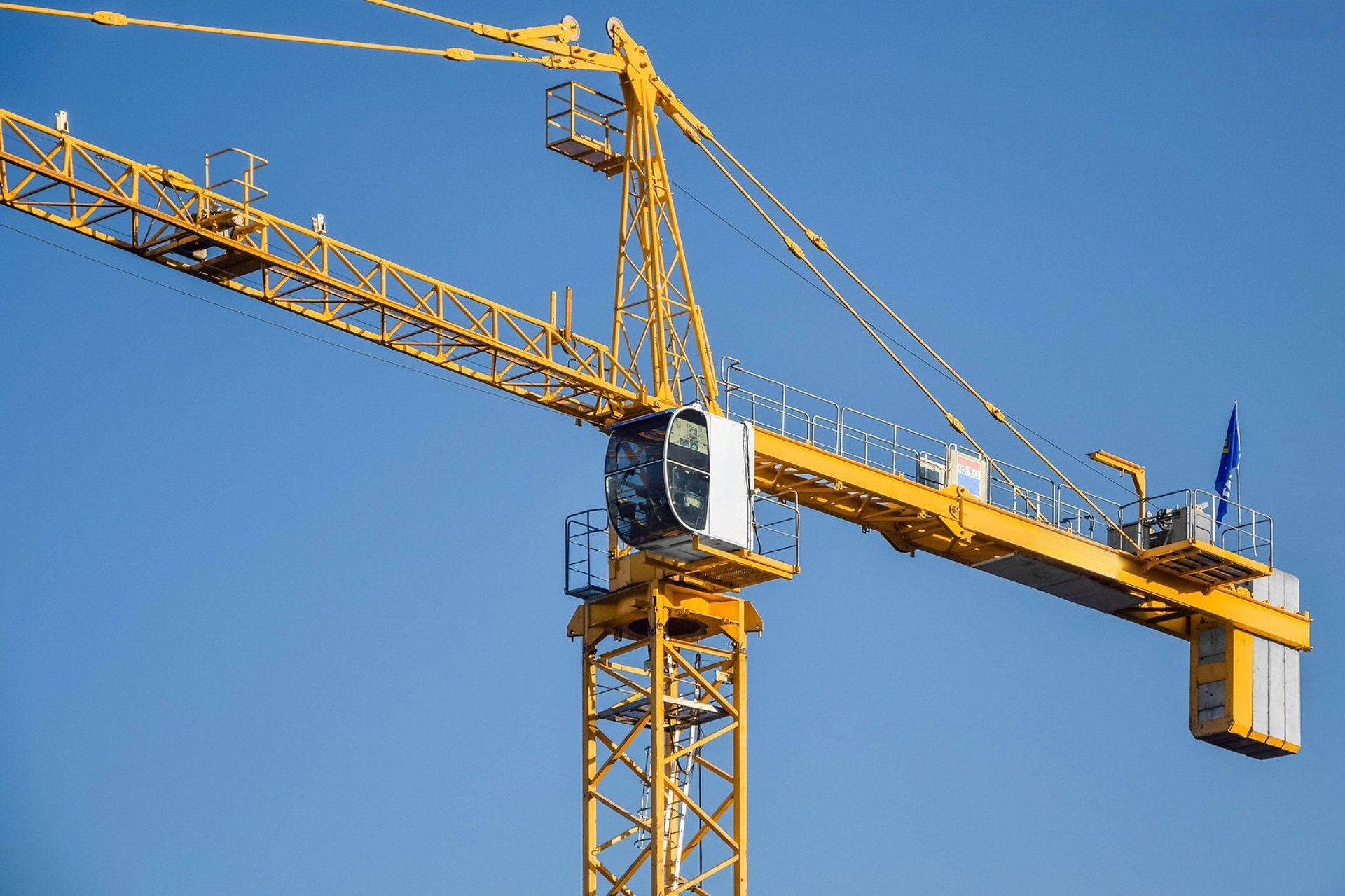
Cranes and Gantries – high-speed travel without tangling or damage.
Floor Conveyor Systems – continuous operation in factories.
Festoon Systems – ideal for compact spaces due to flat design.
Why Flat Design Matters: Traditional round cables may require larger bending radii, consume more space, and add weight to moving systems. Flat cables save space, improve mechanical performance, and reduce wear.
Limitations
Not suitable for torsional stress – twisting can damage conductors.
Proper installation is critical – exceeding bending radius or overloading can lead to early failures.
South African Case Studies
Mining: Rustenburg platinum and gold mines have integrated festoon cables into underground hoist systems. The screened design prevents EMI interference from high-voltage mining equipment.
Ports: Durban Port cranes and Cape Town Container Terminal gantries use these cables for container handling. The flat, durable design withstands daily exposure to dust, salt, and mechanical wear.
Industrial Automation: Gauteng factories with automated conveyor systems utilize high-speed festoon cables. Flat cables ensure minimal downtime and consistent throughput.
Standards and Compliance
Compliance with international and local standards ensures safety, durability, and legal adherence. The (N)GFLCGÖU cable adheres to:
VDE 0293-308, DIN VDE 0250-809, IEC 60332-1 – electrical and fire safety.
HD/EN/IEC 60811-2-1 – mechanical and thermal testing.
NRCS (South African certification) – regulatory compliance for local industrial installations.
Quality Assurance: Each cable undergoes testing for mechanical endurance, electrical continuity, insulation resistance, and EMI shielding effectiveness, ensuring consistent performance across South African industrial sites.
Installation and Maintenance Guidelines
Proper installation extends cable life:
Avoid torsion and twisting.
Maintain minimum bending radius.
Avoid over-tensioning – monitor tensile load.
Inspect for mechanical damage, abrasion, and insulation integrity.
Routine cleaning in dusty or chemical-prone environments.
Maintenance Tip: In South African mines, inspections every 3 months are recommended for high-speed festoon systems to prevent downtime and electrical hazards.
Frequently Asked Questions (FAQ)
Can (N)GFLCGÖU cables be used outdoors in South Africa’s climate?
Yes. The CR sheath resists UV, weather, and industrial contaminants.What is the maximum travel speed recommended?
Up to 180 m/min for festoon systems.How to choose the right cross-sectional area for heavy-load cranes?
Determine current requirements per load, factoring in conductor heating and voltage drop.Can these cables withstand chemical exposure in industrial plants?
Yes, the CR sheath resists oils, acids, alkalis, and other industrial chemicals.Troubleshooting EMI issues in festoon systems:
Ensure screening continuity, proper grounding, and avoid parallel routing near high-power conductors.Common mistakes in installation:
Exceeding bending radius, twisting, over-tensioning, or insufficient mechanical protection.
Conclusion
The (N)GFLCGÖU Screened Flat Festoon Cable combines flexibility, EMI protection, and durability, making it ideal for South African mining, port, and industrial automation applications. Its flat design conserves space, while high-quality copper conductors, EPR insulation, TCWB screening, and CR sheathing ensure safe and reliable operation. By adhering to international standards and implementing proper installation and maintenance, industries can minimize downtime, improve safety, and enhance operational efficiency.
Whether you are managing a Johannesburg crane system, a Durban port container terminal, or a Gauteng factory conveyor, adopting certified (N)GFLCGÖU festoon cables ensures your equipment runs smoothly, safely, and efficiently.

Contact Anhui Feichun Special Cable Co., Ltd.
For comprehensive technical specifications and quotations, please contact our specialized mining cable engineering team:
Technical Engineering Support:
Sales Engineering Department:
WhatsApp Contact:
Manufacturer: Anhui Feichun Special Cable Co., Ltd. (安徽飞纯特种电缆有限公司)
Manufacturing Headquarters: Building A, Private Science and Technology Park, Hefei Economic and Technological Development Zone, Anhui Province, People’s Republic of China
+86 17333223430
Email Address: Li.wang@feichuncables.com
© 2025. All rights reserved.
One-click to Quickly Contact
Products
Contact
Company
Location:
Building A Private Science and Technology Park, Hefei Economic and Technological Development Zone, Anhui Province, China
Heat Resistant Cable
WhatsApp: +86 17333223430
Social Media: