Anhui Feichun Special Cable Co.,Ltd Email: Li.wang@feichuncables.com

The Ultimate Guide to SANS Type 622 / 622-ECC 12.7/22 kV Mining Cables
Explore SANS Type 622 and 622-ECC 12.7/22 kV mining cables in South Africa. Learn their construction, applications, electrical parameters, installation guidelines, and real-life mining case studies for portable and medium-voltage equipment.
Li Wang
12/12/20255 min read
Introduction
South Africa’s mining industry has long been the backbone of the country’s economy, accounting for significant portions of GDP, employment, and export revenue. From platinum-rich regions in the Bushveld Complex to the gold and diamond operations scattered across Gauteng and the Free State, the efficiency and safety of mining operations rely heavily on robust power infrastructure. Among the critical components in this infrastructure are medium-voltage (MV) cables, which provide safe and reliable power to portable and movable mining equipment.
In hazardous environments, such as open-cast and underground mines, the integrity of electrical systems is non-negotiable. Equipment like shovels, drills, draglines, and portable electrical apparatus requires flexible, durable, and highly reliable power connections. This is where SANS Type 622 and 622-ECC 12.7/22 kV cables come into play.
These South African Standard (SANS) certified cables are specifically engineered for medium voltage mining applications, combining high flexibility, mechanical resilience, and electrical reliability. Recognized across mining operations, they are trusted by engineers, safety officers, and procurement teams who demand compliance with local regulations such as SANS 1520-2, SANS 1411-1, SANS 1411-3, and NRCS certification requirements.
In this article, we will explore the construction, applications, technical specifications, electrical parameters, and installation guidelines of Type 622 and 622-ECC cables, highlighting their relevance in South African mining operations with real-world case studies.
Applications
SANS Type 622 / 622-ECC cables are designed for applications that require high flexibility, medium voltage distribution, and mechanical robustness. Key applications include:
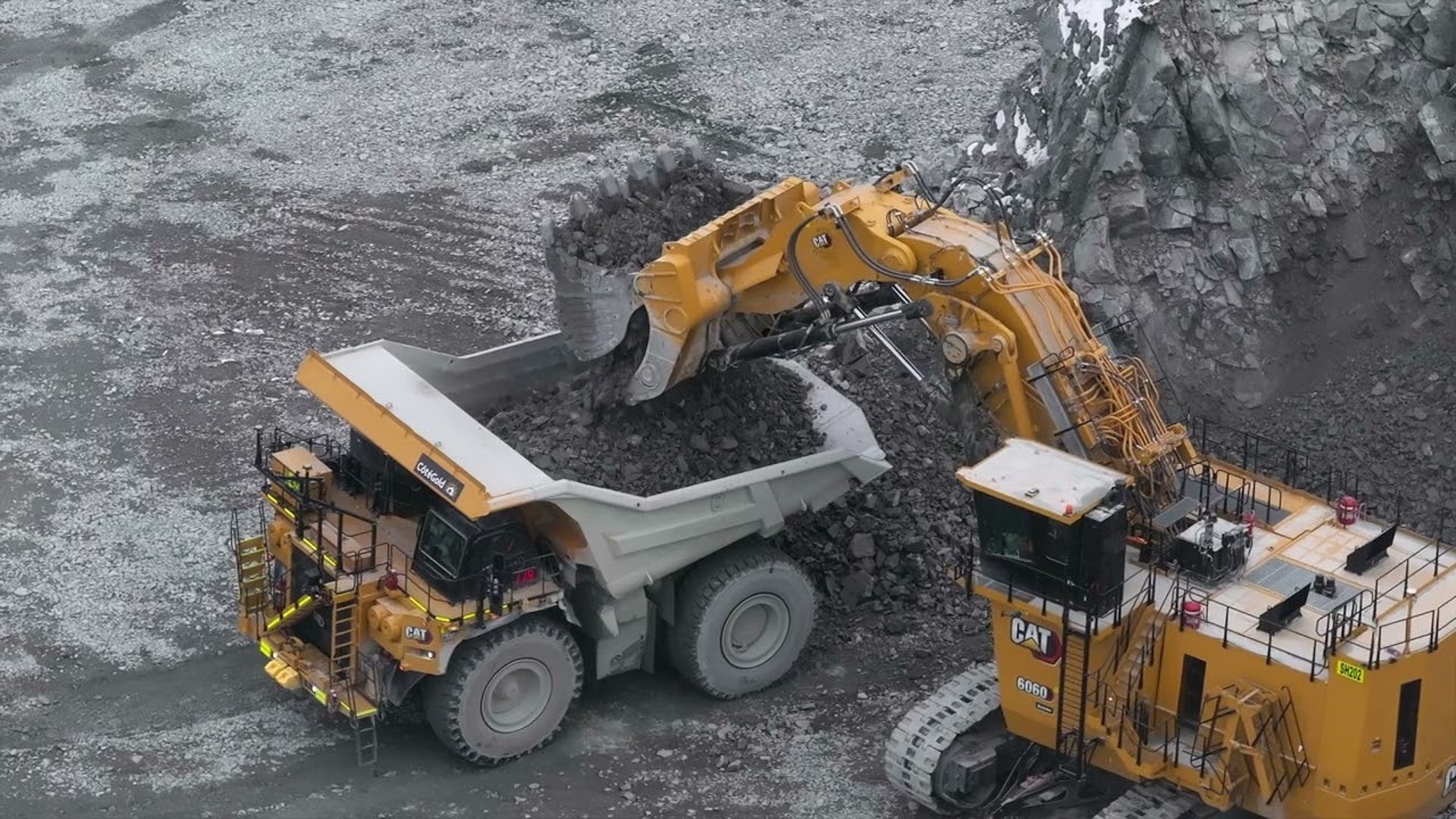
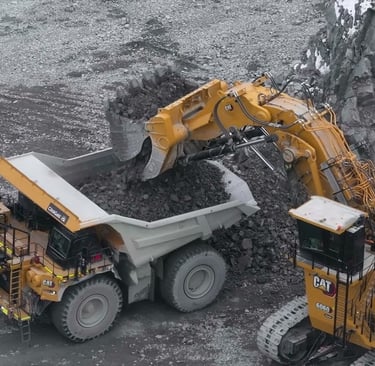
Electrically Driven Machines in Open-Cast Mining
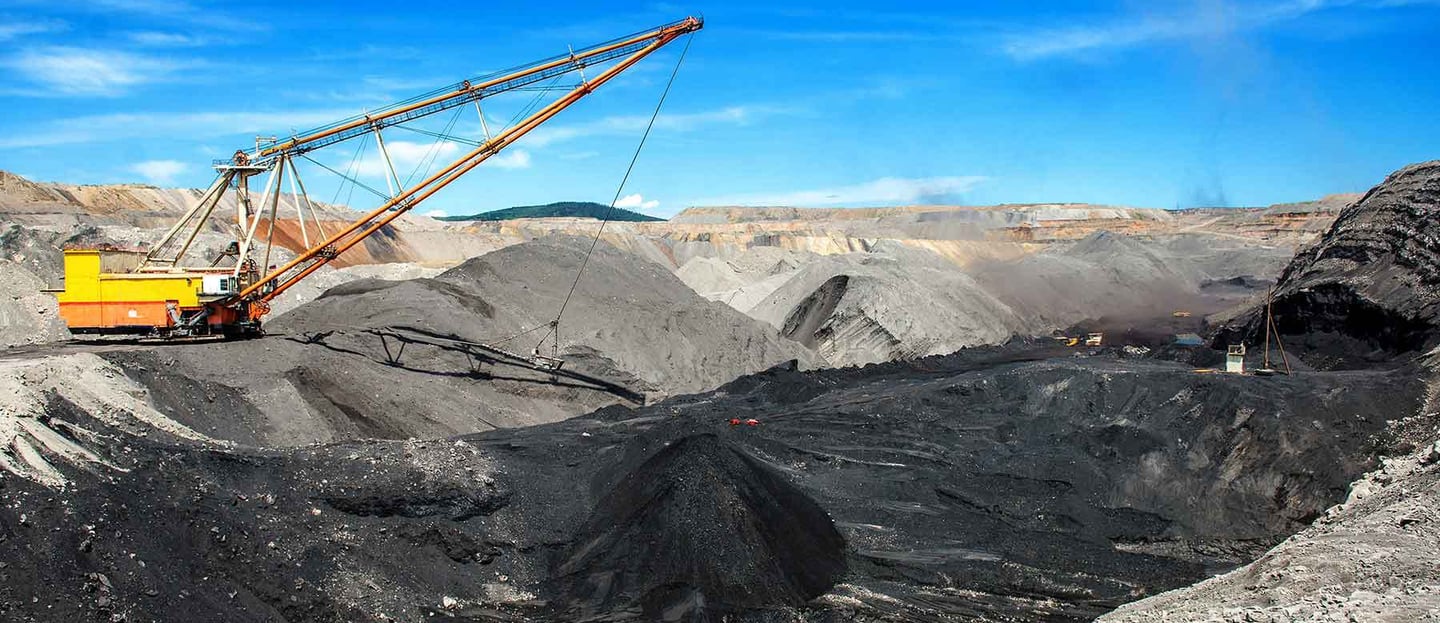
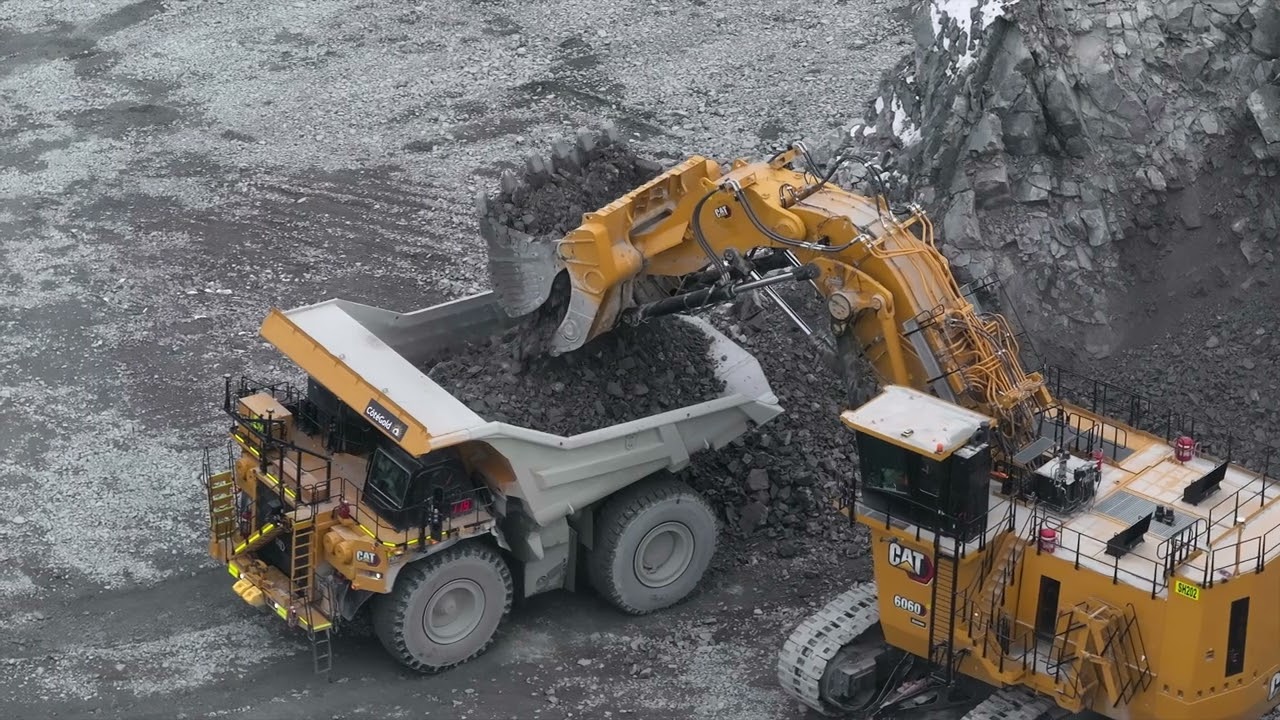
Draglines, shovels, and drills in open-cast mines demand cables that can withstand frequent movement and harsh environmental conditions.
Type 622 cables provide portable medium voltage power, enabling efficient operation of large electrically driven machines.
Portable and Movable Apparatus in Hazardous Areas
In mining operations, equipment often moves between hazardous zones.
These cables are rated for hazardous locations, providing safe power delivery to movable machinery and temporary installations.
Section Feeders and Medium Voltage Distribution Systems
Mines use section feeders to supply power to specific operational zones.
Type 622 cables ensure consistent current supply, minimizing downtime and enhancing safety.
Reeling Applications
The flexibility of Type 622 makes it ideal for reeling applications, allowing easy extension and retrieval in mobile mining equipment.
Reeling reduces cable wear and tear while enabling quick deployment in changing operational environments.
Other Industrial Use Cases
Beyond mining, these cables are suitable for construction sites, factories, and industrial plants that require high mechanical resilience and portable medium voltage power.
South African Case Study
At a platinum mine in the Bushveld Complex, Type 622 cables were deployed to power a medium-sized dragline. The cables endured UV exposure, heavy mechanical stress, and oil-contaminated environments, demonstrating remarkable durability over two years without failures. Similarly, an open-cast gold mine near Johannesburg implemented Type 622-ECC cables for section feeders and portable drills, enhancing operational safety and reducing maintenance downtime by 30%.
Construction & Materials
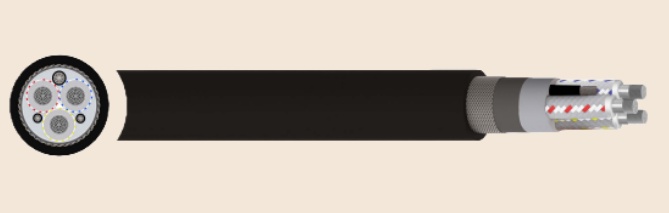
The design of Type 622 / 622-ECC cables is carefully engineered to maximize flexibility, electrical performance, and mechanical strength.
Conductor
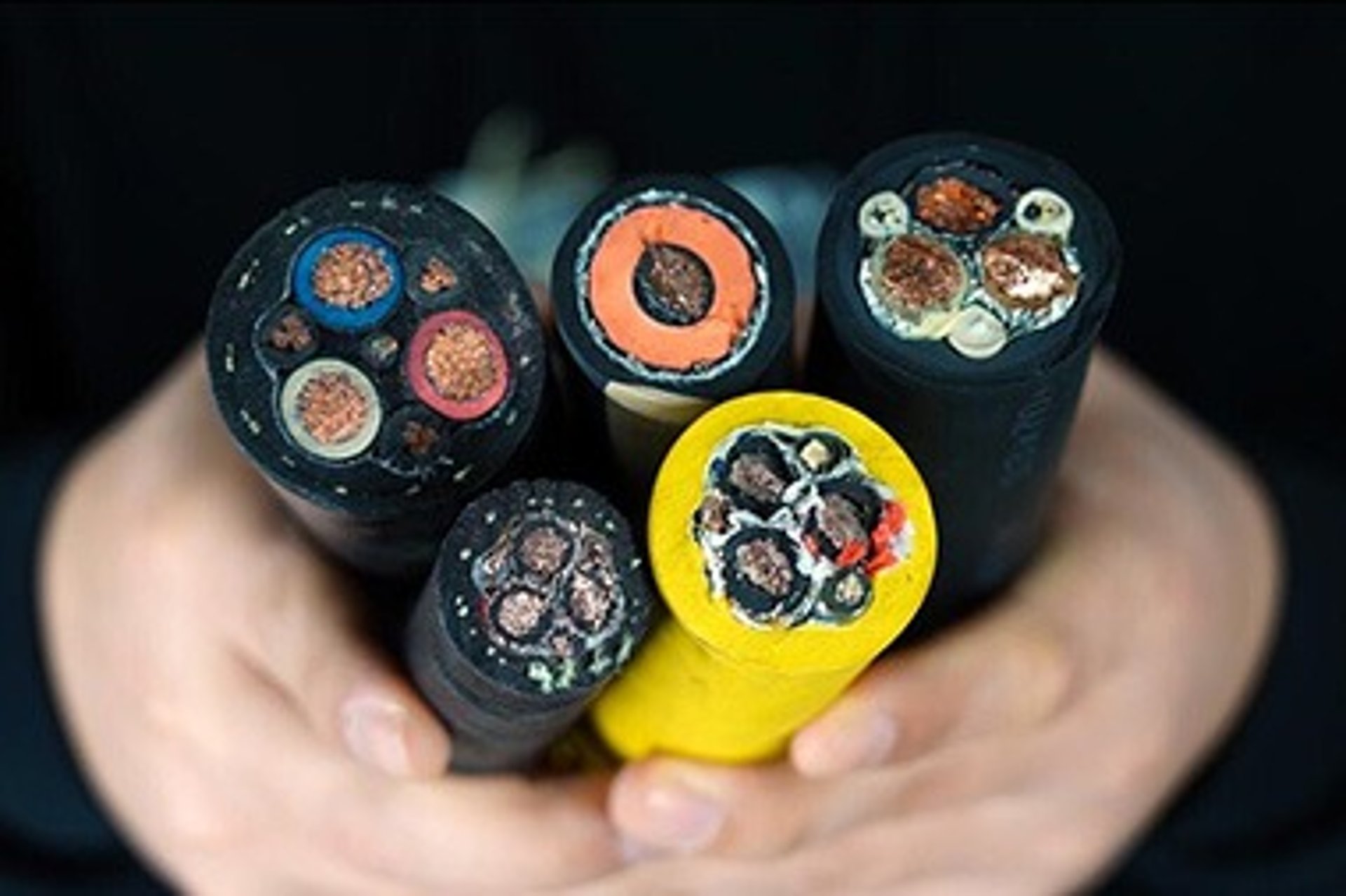
Made of Class 5 flexible stranded tinned annealed copper.
Tinning enhances corrosion resistance, essential in humid or chemically aggressive mining environments.
Flexibility is critical for reeling applications and movable machinery.
Insulation
EPR (Ethylene Propylene Rubber) thermosetting compound is used as insulation.
Offers excellent thermal stability, chemical resistance, and high dielectric strength.
A triple extruded, strippable semi-conducting core screen improves electrical stress distribution and ensures operational safety.
Pilot Cores
Insulated with EPM (Ethylene Propylene Monomer).
Facilitate control, instrumentation, and protective signaling.
ECC variant replaces one pilot core with tinned copper, providing enhanced earth continuity.
Sheathing & Reinforcement
Inner sheath: CR (Polychloroprene Rubber) for mechanical protection.
Outer sheath: CR, UV, oil, and chemical resistant, ensuring longevity in harsh mining environments.
Open nylon braid reinforcement with a minimum of 16 strings adds mechanical strength while maintaining flexibility.
Colour coding and visual identification simplify installation and maintenance.
Standards Compliance
Certified to SANS 1520-2, SANS 1411-1, SANS 1411-3.
Resistant to UV, sunlight, oils, and chemical exposure, suitable for South African environmental conditions.
Technical Specifications & Dimensions
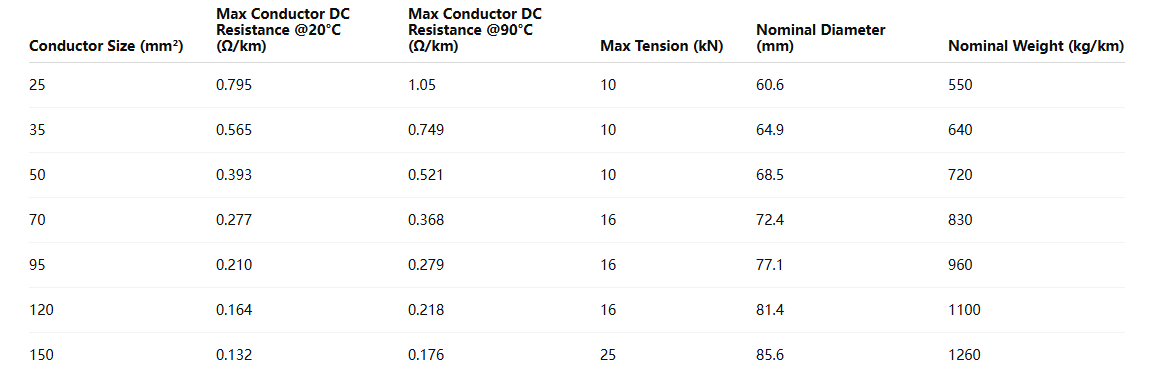
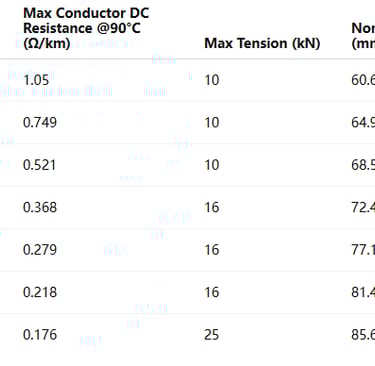
Type 622 / 622-ECC cables are available in conductor sizes from 25 mm² to 150 mm², accommodating a variety of mining equipment requirements.
ECC Variant: One pilot core is replaced with tinned copper, enhancing earth fault continuity, with nominal weight slightly higher due to the additional conductor.
Minimum bending radius: 9 × overall diameter
Temperature rating: -25°C to +90°C
Electrical Parameters
Electrical performance is vital to safe and efficient mining operations. Type 622 / 622-ECC cables exhibit:
Current ratings at 30°C ambient, ensuring proper operation under typical South African mining temperatures.
Short-circuit ratings (kA for 1 second), critical for protective device coordination.
DC resistance at 20°C and 90°C, impacting voltage drop and efficiency.
Reactance and screen resistances, influencing fault current distribution.
Earth fault and symmetrical fault current capacities, crucial for safe operation in hazardous areas.
For example, a 95 mm² conductor supports a symmetrical fault current of 230 A and earth fault current (ECC + screens) of 9 kA, demonstrating high safety margins for mining operations.
Key Features & Advantages
High Flexibility
Ideal for portable and movable equipment.
Facilitates reeling, winding, and temporary setups.
Mechanical and Thermal Durability
Resistance to mechanical stress, thermal cycles, chemical exposure, and oils.
Suitable for both underground tunnels and open-cast pits.
ECC Variant Benefits
Enhanced earth continuity improves safety in hazardous environments.
Reduced downtime due to improved fault tolerance.
Long Service Life
Reduced maintenance costs.
Proven performance in South African platinum and gold mines.
Installation Guidelines
Bending radius: Maintain at least 9 × overall diameter to avoid conductor stress.
Reeling best practices: Avoid sharp bends, maintain controlled tension.
Environmental considerations: UV exposure, chemical spills, and wet conditions require proper sheathing protection.
Safety precautions: Always follow SANS and NRCS regulations, use personal protective equipment (PPE), and ensure proper earthing.
South African Case Studies
Platinum Mine Dragline System
Location: Bushveld Complex
Application: Medium-sized dragline
Challenge: Harsh UV exposure, mechanical abrasion, chemical spills
Outcome: Type 622 cables lasted 2+ years with minimal maintenance, demonstrating mechanical and electrical robustness.
Open-Cast Gold Mine Section Feeders
Location: Gauteng
Application: Portable drills and section feeders
Challenge: Frequent reeling, high ambient temperature, occasional oil exposure
Outcome: ECC variant reduced earth fault issues, enhanced operational uptime, and simplified maintenance schedules.
Lessons Learned: Proper cable selection, installation, and reeling practices are critical for minimizing downtime and ensuring personnel safety.
Common Questions & Answers
Q1: Can Type 622 / 622-ECC cables be used underground?
A: Yes, with proper installation and bending radius maintenance, these cables perform well in both underground and open-cast mines.
Q2: What is the difference between standard and ECC variants?
A: The ECC variant replaces one pilot core with a tinned copper conductor, enhancing earth fault continuity and improving safety.
Q3: How to determine appropriate conductor size for specific equipment?
A: Select conductor size based on current rating, distance, ambient temperature, and voltage drop, following SANS 1520-2 recommendations.
Q4: Lifespan expectations under heavy reeling conditions?
A: With proper handling, Type 622 cables can last 5–10 years depending on usage frequency and environmental conditions.
Q5: How to inspect for mechanical or thermal damage?
A: Check for outer sheath cracks, conductor exposure, discoloration, or unusual hardness, and conduct regular electrical tests for insulation integrity.
Q6: Are these cables compliant with SANS and NRCS regulations?
A: Yes, both Type 622 and 622-ECC meet SANS 1520-2, SANS 1411-1, SANS 1411-3, and NRCS standards, ensuring safe operation in hazardous areas.
Conclusion
SANS Type 622 / 622-ECC 12.7/22 kV cables are engineered for South African mining operations, offering:
Reliable power supply for medium voltage equipment
Flexibility and durability for reeling and portable apparatus
Compliance with SANS and NRCS safety standards
Resistance to UV, chemical, oil, and mechanical stress
Enhanced earth continuity with the ECC variant
From powering draglines in platinum mines to section feeders in gold operations, these cables provide safe, reliable, and efficient electrical performance, reflecting the industry’s evolving demands and the high standards of South African mining.
For engineers, safety officers, and procurement professionals, choosing Type 622 or 622-ECC ensures reduced downtime, enhanced safety, and long-term cost savings, making these cables a cornerstone of modern mining electrical infrastructure.
Contact Anhui Feichun Special Cable Co., Ltd.
For comprehensive technical specifications and quotations, please contact our specialized mining cable engineering team:
Technical Engineering Support:
Sales Engineering Department:
WhatsApp Contact:
Manufacturer: Anhui Feichun Special Cable Co., Ltd. (安徽飞纯特种电缆有限公司)
Manufacturing Headquarters: Building A, Private Science and Technology Park, Hefei Economic and Technological Development Zone, Anhui Province, People’s Republic of China
+86 17333223430
Email Address: Li.wang@feichuncables.com
© 2025. All rights reserved.

One-click to Quickly Contact
Products
Contact
Company
Location:
Building A Private Science and Technology Park, Hefei Economic and Technological Development Zone, Anhui Province, China
Heat Resistant Cable
WhatsApp: +86 17333223430
Social Media: