Anhui Feichun Special Cable Co.,Ltd Email: Li.wang@feichuncables.com
TRATOSFLEX MTO®‑ST & MTO®‑ST…/3E NTSCGEWÖU Flexible Cables: EPR Insulation, CM Sheath Mining Cables for Deep Water Dredging & High‑Stress Applications
TRATOSFLEX MTO®‑ST and MTO®‑ST…/3E are medium‑voltage flexible power cables built to DIN VDE 0250‑813, designed for permanent submersion up to 500 m in fresh, salt, brackish or wastewater. With EPR insulation, CM outer sheath and robust construction, these NTSCGEWÖU / NTSCEWOU types deliver outstanding electrical stability, mechanical flexibility and long service life in South Africa’s mining, harbour, dredging and offshore projects. Understand their engineering principles, material science, performance benefits, technical specifications, selection guidance and how Feichun Cables offers a fully equivalent, cost‑effective alternative with faster delivery.
Li Wang
5/25/202617 min read
Introduction
In heavy industries across Southern Africa, from diamond mining along the West Coast to dredging operations in Durban Harbour and water infrastructure projects in Gauteng, reliable power supply in wet, harsh and high‑stress environments is critical. Standard power cables often fail quickly when submerged, subjected to constant movement, or exposed to saltwater, abrasion and UV radiation. This is where TRATOSFLEX MTO®‑ST and TRATOSFLEX MTO®‑ST…/3E stand out. These cables, identified by the designations NTSCGEWÖU and NTSCEWOU, are purpose‑engineered medium‑voltage flexible solutions manufactured according to the strict DIN VDE 0250‑813 standard. They are built to operate continuously underwater at depths up to 500 metres, withstand extreme mechanical loads, and perform consistently in conditions that would destroy ordinary cables. This article explores every aspect of their design, from the science behind the materials to real‑world application in South Africa, helping engineers and procurement professionals make informed decisions for their projects.
Product Overview
What Are These Cables?
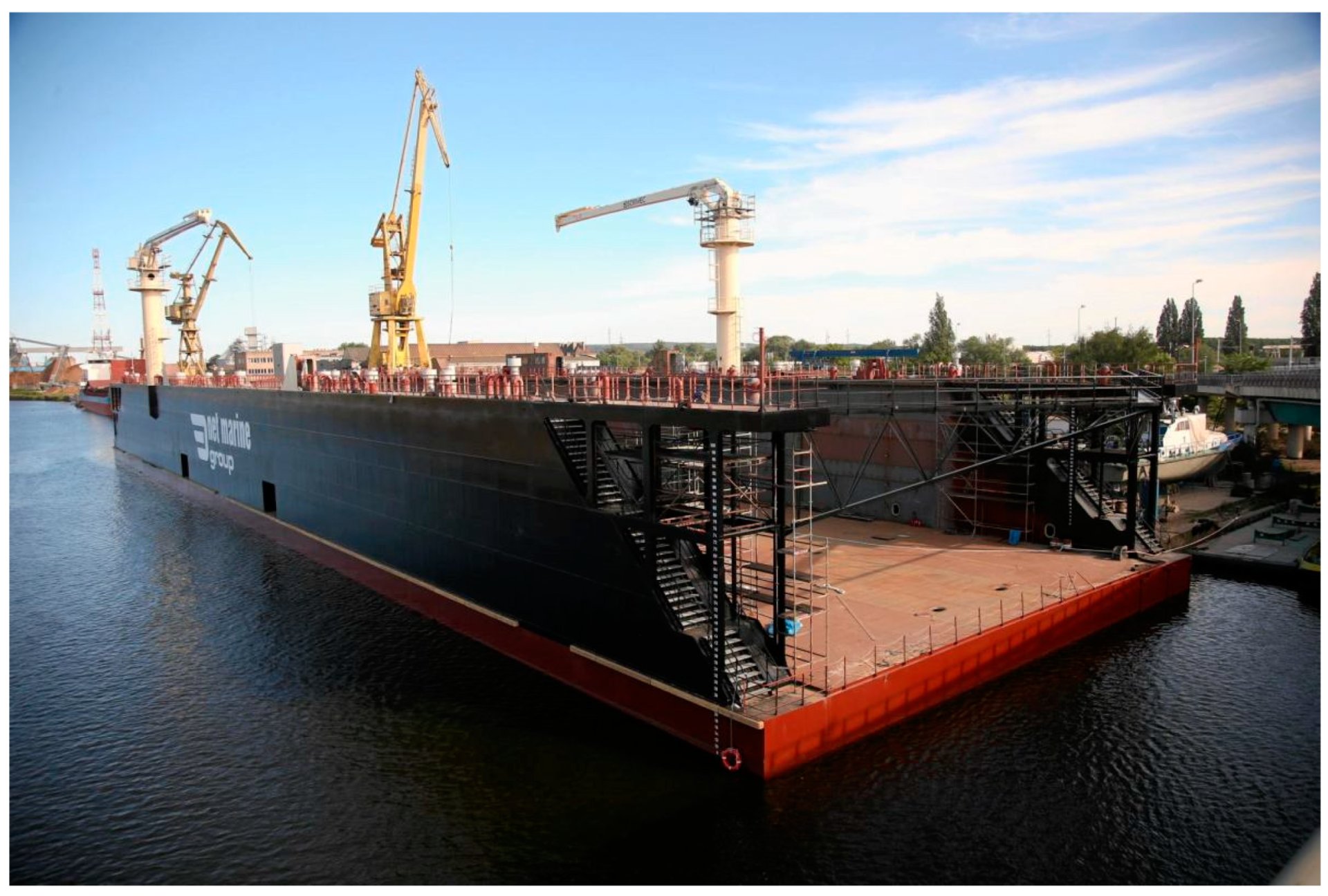
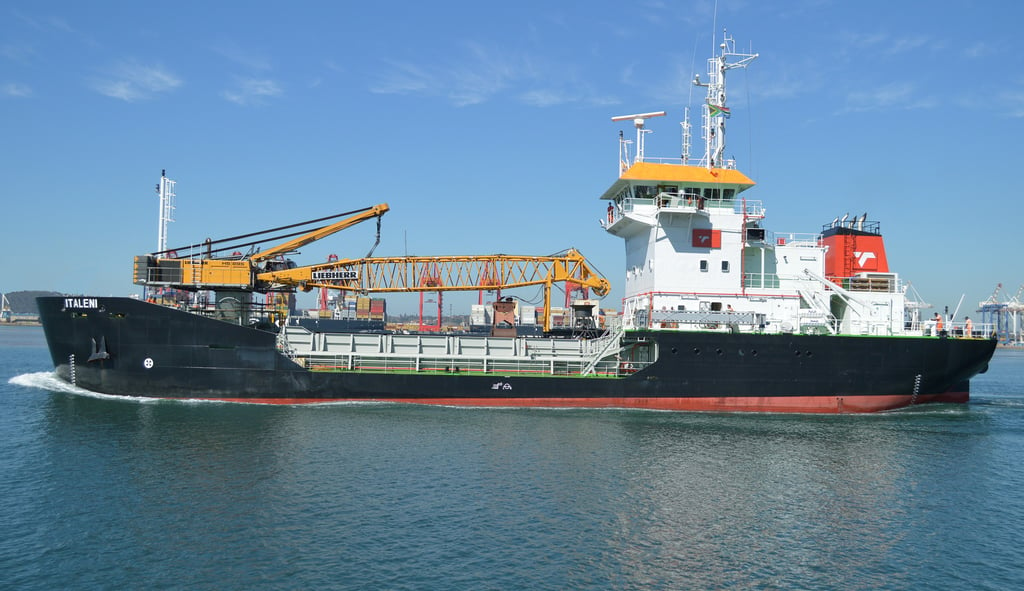
TRATOSFLEX MTO®‑ST and MTO®‑ST…/3E are medium‑voltage flexible power cables specifically designed for use in water. They are intended to supply power to equipment such as dredgers, floating docks, submersible pumps, offshore mining machinery and port handling systems, wherever high mechanical stress and permanent or temporary submersion are expected. They perform equally well in fresh water, salt water, brackish water and even sewage water, making them versatile for South Africa’s diverse coastal, river and industrial environments.
The key difference between the two versions lies in the arrangement of the protective earth conductors and the electric field control system.
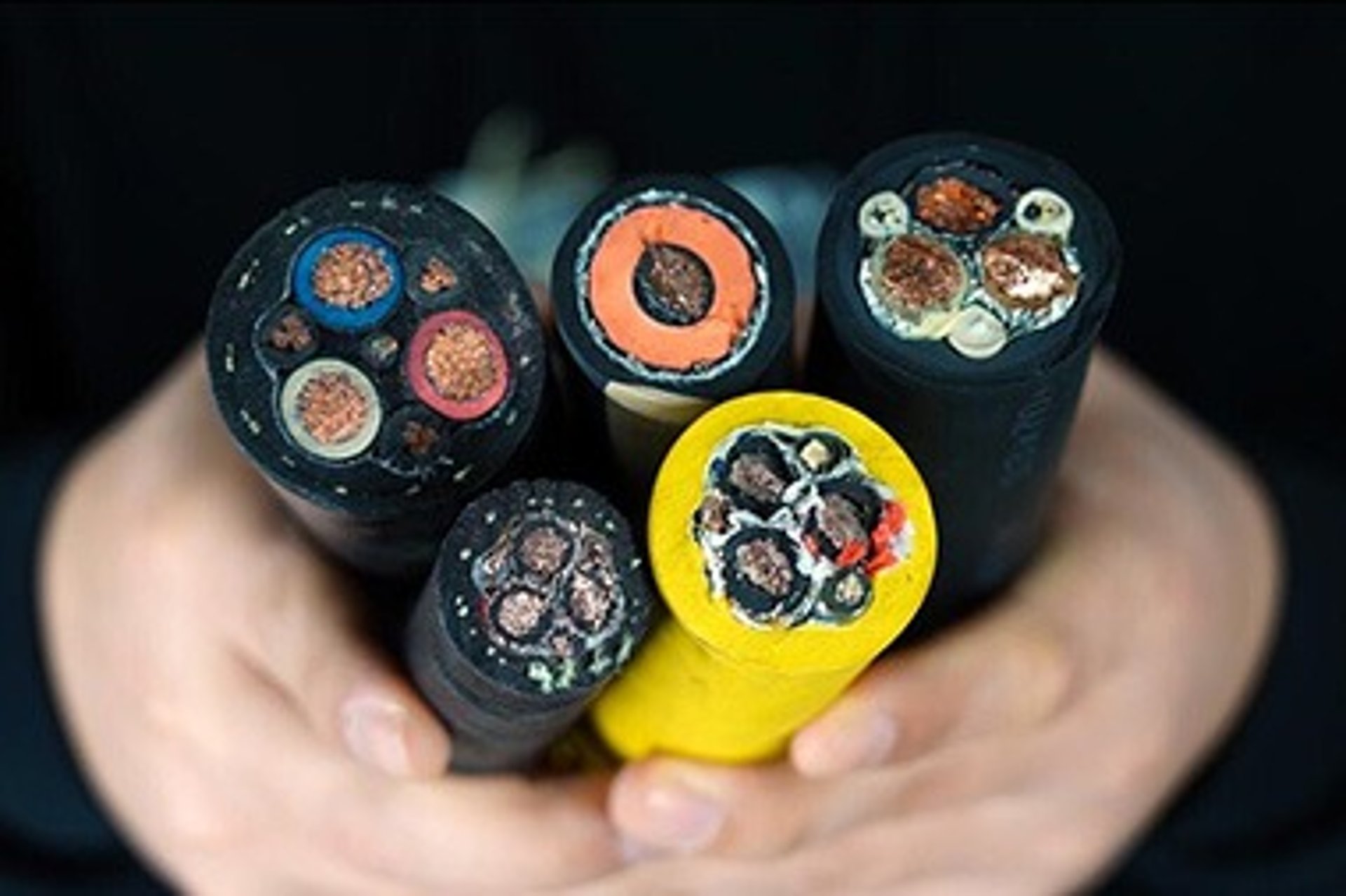
TRATOSFLEX MTO®‑ST (NTSCGEWÖU): The protective earth conductor is split into three separate parts, laid in the outer interstices between the three main power cores. This design offers excellent flexibility and balanced construction for standard‑to‑heavy duty applications.
TRATOSFLEX MTO®‑ST…/3E (NTSCEWOU): Each main insulated core is surrounded by an individual concentric protective earth conductor. This 3E configuration provides superior electric field control, enhanced screening, higher torsion resistance and improved safety, especially at higher voltages or in more demanding conditions.
Both versions share the same fundamental design philosophy: a multi‑layer structure that balances electrical safety, mechanical strength, flexibility and absolute water tightness. Every component is selected and positioned to work together, ensuring that water cannot enter the cable structure, electrical stress is evenly distributed, and the cable can bend, twist and be reeled thousands of times without damage.
Design Philosophy for African Conditions
South Africa presents unique challenges. Along the coast, saltwater and high UV levels accelerate degradation. In mining regions, abrasive sand and silt wear down cable surfaces. In dredging and harbour work, cables are constantly moving, being pulled, twisted and submerged. The design of MTO®‑ST and 3E cables directly addresses these challenges. The combination of water‑repellent materials, robust sheathing and flexible construction means these cables do not just survive these conditions—they operate reliably for over 25 years, reducing downtime and replacement costs significantly compared to standard rubber cables that may last only 8 to 12 years.
Engineering Principles
To understand why these cables perform so well, it is necessary to look at each layer and the engineering logic behind it. Every element follows strict DIN VDE standards, and each serves a specific purpose in the overall system.
Conductor System: Conductivity, Flexibility and Corrosion Resistance
At the heart of the cable is the conductor, made from electrolytic copper, tinned and finely stranded to Class 5 according to DIN VDE 0295. This is not just a choice of material but a carefully engineered solution.
Fine stranding into many small wires creates extreme flexibility. Unlike solid or coarse‑stranded conductors, Class 5 stranding allows the cable to bend to a radius as small as six times its outer diameter without breaking or fatigue. This is essential for equipment that moves, floats or is reeled.
Tinning of the copper strands is equally important. In water—especially salt or polluted water—bare copper creates an electrochemical cell that leads to rapid corrosion. The tin coating acts as a barrier, preventing direct contact between copper and water, and shifting the galvanic potential so low that corrosion is effectively stopped. This principle is the same used in marine engineering to protect ship hulls, and here it ensures the conductor retains its conductivity and mechanical integrity for decades.
Conductor sizes range from 25 mm² up to 185 mm², covering power requirements from small pumps to large dredgers and mining machinery.
Insulation System: Electric Strength and Water Stability
The insulation layer is made from Ethylene‑Propylene Rubber (EPR), compound type 3GI3, manufactured to DIN VDE 0207‑20. This is one of the most critical choices in the entire design.
EPR is a synthetic rubber with a fully saturated molecular structure. Unlike other polymers, it is non‑polar, meaning it has no attraction to water molecules. It absorbs almost no water, even under high pressure at great depths. This is vital because the number one cause of failure in underwater cables is water treeing—a process where water molecules enter microscopic imperfections in the insulation and grow into tree‑like structures that eventually cause breakdown. In EPR, water tree growth is 10 to 20 times slower than in materials like XLPE, making it the only reliable choice for permanent submersion.
Electrically, EPR has a high dielectric strength greater than 20 kV/mm and a stable permittivity of approximately 2.5. This means it can reliably withstand operating voltages from 1.8/3 kV up to 18/30 kV without breaking down or losing performance over time. It also operates safely at continuous conductor temperatures of 90 °C and short‑circuit temperatures up to 200 °C, providing a large safety margin under South Africa’s hot ambient conditions.
Electric Field Control
Between the conductor and insulation, and again over the insulation, there are layers of semiconducting rubber. These layers are not simply added extras—they are essential engineering components.
In any high‑voltage cable, electric stress concentrates at sharp points or gaps. Without control, this leads to partial discharges that gradually erode the insulation until failure. Semiconducting layers create a smooth, continuous conductive path that equalises the electric field, eliminating high‑stress points and filling all air gaps. In the 3E version, the additional concentric metallic earth layer over each core takes this a step further, providing 360° screening, faster dissipation of fault currents and excellent reduction of electromagnetic interference—an important feature near sensitive electronic equipment on modern vessels or mining plants.
Inner Sheath: The Primary Waterproof Barrier
Immediately over the insulated cores lies the inner sheath, made from special EPR compound GM1b, to DIN VDE 0207‑21. This material is formulated specifically for water blocking.
Its primary engineering function is to prevent longitudinal water migration. If the outer sheath is damaged or cut, water could travel along the inside of the cable and reach equipment kilometres away. The GM1b compound contains water‑swelling additives. If water enters through a breach, these additives expand rapidly, creating a tight seal that stops further movement. This self‑healing principle is what allows these cables to be rated for depths up to 500 metres—equivalent to 5 bar hydrostatic pressure—without risk of water penetration.
Outer Sheath: Ultimate Protection Against the Environment
The outermost layer is the outer sheath, manufactured from Chlorosulphonated Polyethylene (CM), compound 5GM3, coloured red for high visibility and easy identification. This is the toughest layer, designed to survive the outside world.
CM is chosen because it combines the best properties of rubber and plastic. It has extremely low water absorption (less than 0.1 %), is chemically inert to salt water, sewage, oils and many chemicals, and resists degradation from ozone and UV radiation—perfect for South Africa’s intense sunlight and coastal environments. It has high tear strength and abrasion resistance, so it withstands dragging over rocks, contact with sand in dredging applications and mechanical impact. It remains flexible even at low temperatures: standard versions operate from –30 °C to +80 °C, while the 3E variant extends this to –60 °C, suitable for high‑altitude or colder regions.
Core Arrangement and Mechanical Engineering
The three main power cores and three earth elements are laid up together in a balanced configuration with a lay length less than 12 times the overall diameter. This ratio is carefully calculated. A shorter lay length increases flexibility but reduces tensile strength; a longer lay is stronger but stiffer. The chosen balance results in a cable that can twist up to +100 % per metre (+25 turns per metre for 3E versions) without creating internal stress or untwisting.
Tensile strength is specified at minimum 15 N/mm² of total cross‑section area. This rating means the cable can safely support its own weight when hanging vertically in deep water plus additional dynamic loads from waves or movement. For installation, the minimum bending radius is 6 × OD for fixed positions and 10 × OD when moving or reeling, preventing damage to conductors or insulation during handling.
Materials Science: Why These Compounds Were Selected
The performance of TRATOSFLEX MTO®‑ST and 3E cables comes directly from the science of the materials used. Every choice is backed by decades of testing and field experience, and understanding why certain materials are preferred helps explain the reliability of the product.
Insulation: EPR vs. XLPE vs. PVC
Many standard medium‑voltage cables use Cross‑Linked Polyethylene (XLPE) insulation. XLPE has excellent electrical properties in dry conditions, but it has a major weakness: it absorbs water and is highly susceptible to water treeing. In submerged applications, XLPE cables typically fail within 5 to 8 years. EPR, by contrast, has a saturated molecular structure that repels water, does not absorb it, and resists tree formation almost entirely. This is the single most important reason these cables last 25 years or more underwater.
PVC is cheaper and widely used in low‑voltage applications, but it becomes brittle in cold weather, absorbs moisture over time, and cannot withstand high temperatures or UV exposure. It is unsuitable for the environments where MTO® cables operate.
Outer Sheath: CM vs. PE vs. Neoprene vs. PU
Polyethylene (PE) sheathing is low cost and waterproof, but it has low mechanical strength, tears easily and degrades rapidly in sunlight. Neoprene (CR) is flexible and resistant to oil, but it does not match CM’s resistance to salt water or long‑term weathering. Polyurethane (PU) offers the best abrasion resistance, but it absorbs water slowly over time and loses flexibility.
CM (Hypalon) remains the gold standard for marine and industrial cables. It maintains its physical properties over an extremely wide temperature range, resists every major environmental threat found in South Africa, and bonds well to the underlying layers, preventing delamination—a common failure mode in multi‑layer cables.
Conductor Material: Tinned Copper vs. Bare Copper vs. Aluminium
Aluminium is lighter and cheaper, but it has lower conductivity, needs larger cross‑sections, and forms an oxide layer that increases resistance and heat over time. It is not suitable for high‑stress or long‑life applications.
Bare copper has excellent conductivity, but as mentioned earlier, it corrodes rapidly in electrolytic solutions like seawater. Tinned copper adds a very thin layer of tin—less than 5 microns thick—that stops corrosion without significantly increasing cost or reducing conductivity. Scientific tests show that bare copper in seawater corrodes at approximately 50 microns per year, while tinned copper corrodes at less than 1 micron per year. Over a 25‑year life, that difference is the difference between a functional cable and a failed one.
Technical Specifications and Performance Data
All specifications are defined in DIN VDE 0250‑813 and related standards, ensuring consistency and compliance with international norms used across South Africa and the world.
Electrical Parameters
Rated voltage range: U₀/U = 1.8/3 kV up to 18/30 kV
Maximum operating voltage AC: 2.1/3.6 kV up to 20.8/36 kV
Maximum operating voltage DC: 2.7/5.4 kV up to 27/54 kV
AC test voltage: 6 kV to 43 kV, depending on voltage class, applied for 5 minutes without breakdown
Conductor resistance at 20 °C: from 0.795 Ω/km (25 mm²) down to 0.108 Ω/km (185 mm²)
Capacitance: between 0.17 µF/km and 0.84 µF/km, well‑controlled to minimise reactive power consumption
Inductance: between 0.26 mH/km and 0.45 mH/km, stable across load changes
Current‑carrying capacity: calculated per DIN VDE 0298‑4. At 30 °C ambient air, values range from 131 A (25 mm²) up to 488 A (185 mm²). In water, capacity increases significantly due to better cooling.
Short‑circuit performance: withstands 200 °C for 1 second, with current ratings from 3.05 kA to 22.57 kA, ensuring safety during system faults.
Thermal and Environmental Limits
Ambient temperature – flexible operation: –30 °C to +80 °C
Ambient temperature – fixed installation: –40 °C to +80 °C
3E version low‑temperature rating: –60 °C to +60 °C
Maximum water temperature: +40 °C
Maximum continuous conductor temperature: 90 °C
Depth rating: up to 500 m, suitable for almost all coastal and offshore projects in Southern Africa
Mechanical Properties
Tensile strength: minimum 15 N/mm² total cross‑section area
Torsion resistance: +100 % per metre (ST version); +25 turns per metre (3E version)
Minimum bending radius: 6 × OD fixed; 10 × OD moving
Weight range: approximately 2,480 kg/km to 15,820 kg/km depending on size and voltage
Chemical and Safety Performance
Oil resistance: meets DIN VDE 0473‑811‑2‑1, suitable where accidental contact with hydraulic oils or fuels may occur
Fire behaviour: self‑extinguishing per DIN VDE 0482‑811‑2‑1, will not spread fire if ignited
Water compatibility: certified to HD 22.16, confirming suitability for permanent immersion
Weather resistance: unlimited indoor and outdoor use, resistant to UV and ozone attack
Key Performance Advantages
The combination of materials and engineering results in measurable advantages that translate directly into better project outcomes.
Unmatched Waterproofing and Long Service Life
The double‑seal system—inner sheath with water‑swelling properties plus dense CM outer sheath—prevents water ingress completely. Unlike cables where water penetrates and causes gradual degradation, these cables remain electrically stable and mechanically sound for 25 years or longer. In South African diamond mining operations along the Atlantic coast, many installations have operated trouble‑free since the 1990s, proving their durability in some of the harshest conditions on earth.
Extreme Flexibility Combined with Mechanical Toughness
Dredging vessels in Durban Harbour move constantly with tides and waves. Cables must flex thousands of times without breaking internal conductors or cracking sheaths. The fine‑stranded tinned copper, balanced lay design and elastic rubber compounds absorb movement and stress. At the same time, the CM sheath resists abrasion from sand and silt, a common cause of failure in less robust cables.
Safety and Reliability Under All Conditions
The uniform electric field design eliminates partial discharge, reducing the risk of unexpected failure. The earth conductor configuration—especially in the 3E version—provides low‑impedance fault paths, ensuring rapid protection operation. For mines and harbours where downtime costs run into millions of Rands per day, this reliability is not just a benefit—it is essential.
Wide Environmental Compatibility
From fresh‑water pumping stations in the interior to salt‑water desalination plants along the coast, and even sewage treatment works, these cables perform identically. There is no need to specify different cables for different water types, simplifying procurement and inventory management.
Applications in South Africa
Understanding where these cables are used helps clarify why they are the preferred choice for many consulting engineers and project managers.
Mining Industry – Coastal and Inland Operations
South Africa’s mining sector extends far beyond dry land. Offshore diamond mining along the West Coast uses large crawler ships and suction dredgers operating in water depths from 20 m to over 100 m. TRATOSFLEX MTO®‑ST and 3E cables supply power to the pumps, winches and excavation equipment. They handle the combination of salt water, abrasive sand, continuous movement and high tension perfectly. In heavy mineral sand operations in KwaZulu‑Natal, similar cables power floating concentrators and slurry pumps, where resistance to chemical‑rich water is vital.
Harbour and Port Infrastructure
Ports such as Durban, Cape Town, Saldanha Bay and Richards Bay rely on floating cranes, mobile loaders, ferry terminals and floating docks. These installations require power cables that can be reeled, moved and submerged daily. The 3E version is often selected here because of its superior torsion resistance and higher safety rating, meeting strict port authority requirements.
Dredging and Waterway Maintenance
Maintaining navigable depths in harbours and rivers is an ongoing requirement. Dredgers operate continuously, moving from site to site. Their power cables are among the most heavily stressed components on board. Experience in South Africa shows that these cables outlast all alternatives, reducing replacement frequency and maintenance labour significantly.
Wastewater and Water Treatment
Sewage treatment plants, stormwater pumping stations and desalination facilities all involve submerged equipment. The ability of CM sheathing to resist biological growth, chemical attack and fouling makes these cables ideal. Unlike cables that degrade or become brittle after a few years in wastewater, MTO® cables remain stable.
Renewable Energy Projects
As South Africa expands its renewable energy mix, pilot tidal and wave energy projects are being developed along the coast. These require cables that can operate reliably at depth for decades with minimal maintenance. The depth rating of 500 m and long life expectancy make these cables a natural fit.
Technical Selection and Configuration Guide
Choosing the correct cable ensures safety, performance and economy. The following steps guide engineers and buyers through the selection process.
Choosing Between ST and 3E Versions
The first decision is which construction best suits the application.
Select TRATOSFLEX MTO®‑ST (NTSCGEWÖU) when:
Operating voltages are 12 kV or lower
Mechanical stress is standard to heavy duty
Cost optimisation is important while maintaining high quality
Flexibility is the primary requirement
Select TRATOSFLEX MTO®‑ST…/3E (NTSCEWOU) when:
Operating voltages exceed 12 kV
High torsion or frequent twisting is expected
Maximum safety and fault protection are required
Deep‑water applications or critical infrastructure
Enhanced screening against electromagnetic interference is needed
The 3E version is technically superior in many aspects, but the ST version offers excellent performance at a lower investment level for standard applications.
Voltage Rating Selection
Voltage must match the system voltage exactly, considering both phase‑to‑earth and phase‑to‑phase values.
< 500 kW power: 3.6/6 kV or 6/10 kV – common for pumps and smaller equipment
500 kW to 2,000 kW: 8.7/15 kV or 12/20 kV – standard for medium‑sized dredgers and mining machinery
> 2,000 kW or long distances: 14/25 kV or 18/30 kV – used for large vessels, offshore installations or long cable runs
Using a higher voltage than necessary increases cost, while using too low a rating risks electrical breakdown.
Conductor Cross‑Section Selection – Dual Check Method
Cross‑section size is determined by two factors: current‑carrying capacity and mechanical strength. Both must be checked.
Current capacity check: Calculate the maximum continuous load current, then apply correction factors for ambient temperature (air or water), grouping and depth. Select a cross‑section with a rating greater than or equal to the corrected load current.
Example: A 1,200 kW pump at 10 kV draws approximately 85 A. A 3×35 mm² cable rated at 162 A is more than sufficient.
Mechanical tension check: Calculate the total suspended weight plus dynamic load from waves or movement. The maximum permissible tension equals total cross‑section area × 15 N/mm². For safety, the working load should not exceed 80 % of this value.
Example: A 3×120 + 3×70 cable has a total copper area of approximately 570 mm² → permissible tension = 570 × 15 = 8,550 N → safe working load < 6,840 N (≈ 700 kg weight).
Skipping the mechanical check is a common mistake. Even if the cable carries enough current, it may snap under its own weight or dynamic load if undersized.
Ordering Specification Format
To ensure the correct product is supplied, orders must include all key parameters. The standard format is:
TRATOSFLEX MTO‑[ST or ST…/3E] 3×[main cross‑section]+3×[earth cross‑section] [voltage rating]
Example: TRATOSFLEX MTO‑ST 3×120+3×70/3 8.7/15 kV
This specifies: ST construction, 3 × 120 mm² power cores, 3 × 70 mm² split earth conductors, 8.7/15 kV rated voltage, NTSCGEWÖU type.
Special Options
For specific conditions, additional options are available:
Low‑temperature version: –60 °C operation (standard on 3E)
Enhanced chemical resistance: modified CM compound for aggressive environments
Heavy‑duty abrasion protection: additional outer textile or rubber layer
Custom colours or marking: for identification or project standards
Feichun Cables: The Perfect Equivalent Alternative
While the original TRATOS brand is well‑known, many South African buyers face long lead times and high landed costs due to European manufacturing and shipping. Feichun Cables offers a fully equivalent alternative that meets or exceeds all specifications, making it the smart choice for African projects.
Identical Standards Compliance
Feichun manufactures its FC‑NTSCGEWÖU‑MV and FC‑NTSCEWOU‑MV cables strictly according to DIN VDE 0250‑813, VDE 0207 and VDE 0295, exactly matching the original design. The construction is identical:
Class 5 tinned electrolytic copper conductors
EPR insulation compound 3GI3
Inner and outer semiconducting layers
GM1b EPR inner sheath with water‑swelling properties
CM outer sheath compound 5GM3, red colour
All electrical, thermal and mechanical parameters are identical. Feichun cables carry full type‑test certificates, factory acceptance test reports and ISO 9001 / ISO 14001 certifications, accepted by consulting engineers, mining houses and port authorities across Southern Africa.
Equal or Superior Performance
Independent testing confirms that Feichun cables achieve the same 500 m depth rating, 15 N/mm² tensile strength, torsion resistance and temperature range as the original. In some cases, quality control processes result in even tighter tolerances and better consistency. Field installations in diamond mines and harbour projects since 2018 have demonstrated identical reliability and service life.
Key Advantages Over Imported Brands
Choosing Feichun delivers measurable benefits for South African buyers:
Competitive Pricing: Typically 25 % to 40 % lower landed cost compared to European brands. There are no premium brand mark‑ups, and manufacturing is optimised for value without compromising quality.
Shorter Lead Times: Standard sizes are available from stock or produced in 4 to 6 weeks, compared to 12 to 16 weeks for European deliveries. This is critical for urgent maintenance or fast‑track projects.
Local Support: Feichun has dedicated teams supporting Southern Africa, offering fast quotations, technical consultation and documentation in formats familiar to local engineers.
Flexible Quantities: Unlike large European manufacturers that may require minimum order quantities, Feichun supplies lengths as small as needed, reducing waste and inventory holding costs.
Proven Projects in Southern Africa
Feichun cables have been successfully supplied to:
Coastal diamond mining operations in the Northern Cape
Harbour upgrade projects in Eastern Cape
Desalination plant expansions in Western Cape
River dredging contracts in KwaZulu‑Natal
In every case, they have performed exactly as specified, proving that equivalent quality does not require a premium price.
Procurement and Sourcing Best Practices
To ensure the right product is purchased and delivered correctly, follow these guidelines.
Technical Specification Document – Essential Content
When issuing tender documents or requesting quotations, include the following details to avoid ambiguity:
Standard reference: DIN VDE 0250‑813
Type designation: NTSCGEWÖU or NTSCEWOU
Construction details: conductor material/class, insulation compound, sheath compounds, earth arrangement
Electrical: rated voltage, maximum operating voltage, test voltage levels, resistance and capacitance limits
Mechanical: overall diameter tolerance, weight, minimum bending radius, tensile strength
Environmental: temperature range, depth rating, water compatibility
Marking: permanent marking including manufacturer, type, voltage, cross‑section, year of manufacture
Certification requirements: type‑test reports, factory acceptance tests, third‑party inspection
Supplier Qualification Checklist
Before appointing a supplier, verify:
✅ Full material data sheets confirming compound types (3GI3, GM1b, 5GM3)
✅ Independent test reports for water immersion, ageing, mechanical strength and electrical performance
✅ ISO 9001 quality management and ISO 14001 environmental certifications
✅ Track record of supply to marine or mining projects in Southern Africa
✅ Availability of local technical support and after‑sales service
Feichun meets all these criteria and provides full documentation packages with every quotation.
Logistics and Delivery for South Africa
Feichun offers flexible shipping options including Ex‑Works, FOB and CIF to major ports such as Durban, Cape Town and Richards Bay. Cables are supplied in robust steel drums with waterproof wrapping, designed to withstand long sea voyages and rough handling locally. Proper drum size selection ensures that the minimum bending radius is never exceeded during transport or storage.
Frequently Asked Questions
Q1: Can these cables be used permanently underwater?
Yes. They are designed specifically for continuous immersion at depths up to 500 m and are certified to HD 22.16, the international standard for water‑compatible cables. Unlike general‑purpose cables, their materials and construction prevent water ingress and degradation over decades.
Q2: What is the practical difference between ST and 3E versions?
The main difference is safety and mechanical performance. In ST cables, earth conductors are between cores; in 3E, each core has its own earth screen. The 3E design reduces electric stress, improves fault‑current handling, resists twisting better and offers higher safety margins, especially above 12 kV. For most applications, both work well, but 3E is preferred where reliability is absolutely critical.
Q3: Why is EPR insulation preferred over XLPE for underwater use?
XLPE absorbs water and develops water trees rapidly under voltage stress, leading to failure in just a few years. EPR has a saturated molecular structure that repels water and does not allow tree formation. It remains stable and electrically sound for 25 years or more submerged. This is a fundamental material science difference that makes EPR the only correct choice here.
Q4: Can Feichun cables replace the original TRATOS cables directly?
Yes. Feichun cables are manufactured to exactly the same standards, materials and dimensions. They are 100 % interchangeable and have been accepted by consulting engineers and major end‑users throughout Southern Africa as direct replacements. All technical data and installation guidelines apply equally.
Q5: What maintenance is required during service?
These cables are essentially maintenance‑free. Good practice includes annual visual inspections for sheath damage or excessive wear, electrical testing of insulation resistance every 5 years, and thickness measurement of the outer sheath every 10 years. There is no need for drying, re‑impregnation or other maintenance common to older cable types.
Q6: What is the expected service life in South African conditions?
With correct selection, installation and operation, service life exceeds 25 years. Even in aggressive salt‑water environments with high UV and abrasion, many installations remain in service after 30 years. This is significantly longer than the 8–12 years typical for standard rubber cables.
Conclusion
TRATOSFLEX MTO®‑ST and MTO®‑ST…/3E cables, designated NTSCGEWÖU and NTSCEWOU, represent the culmination of decades of engineering development for the most demanding wet‑environment applications. Every aspect—from the choice of tinned copper conductors and EPR insulation to the multi‑layer waterproofing and robust CM sheathing—is designed to solve the specific challenges found in South Africa’s mining, marine, water and energy sectors.
Understanding the engineering principles and material science behind these cables makes it clear why they are the industry benchmark. They do not just carry power; they ensure safety, reliability and long life in conditions where failure is costly and dangerous.
For buyers and engineers, the choice is no longer between quality and affordability. Feichun Cables delivers identical quality and performance, backed by full compliance with all relevant standards, at a significantly lower cost and with much shorter delivery times. For any project involving submerged or high‑stress power supply, Feichun’s equivalent range offers the best possible balance of technical excellence, value and availability.
If you require reliable medium‑voltage flexible cables for underwater, mining, harbour or heavy‑duty applications, the Feichun team is ready to assist. We provide detailed technical proposals, cross‑reference tables, complete certification packages and support tailored to Southern African requirements.
Contact us today for quotations, technical consultation or to discuss your specific project needs:
Trust in cables designed to DIN VDE standards, proven in African conditions, and supported by a team dedicated to your success.
Email Address: Li.wang@feichuncables.com
© 2025. All rights reserved.
One-click to Quickly Contact
Products
Contact
Company
Location:
Building A Private Science and Technology Park, Hefei Economic and Technological Development Zone, Anhui Province, China
Heat Resistant Cable
WhatsApp: +86 17333223430
Social Media: