Anhui Feichun Special Cable Co.,Ltd Email: Li.wang@feichuncables.com
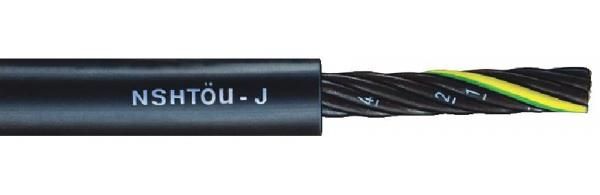
TROMMELFLEX NSHTÖU-J Reeling Cable: The Ultimate Heavy-Duty Neoprene Solution for South African Harbour Cranes in Durban and Cape Town – Full Technical Guide to UV, Salt, Oil & Tension Resistance
Discover why the TROMMELFLEX NSHTÖU-J neoprene reeling cable outperforms PUR-HF in South Africa’s harsh marine environments. Engineered for Durban and Cape Town container cranes with double-extrusion chloroprene rubber, anti-torsion braid and DIN VDE 0250-814 compliance. Specs, science, real-world performance and cost-saving alternatives for local ports and mining.
Li Wang
4/16/202610 min read
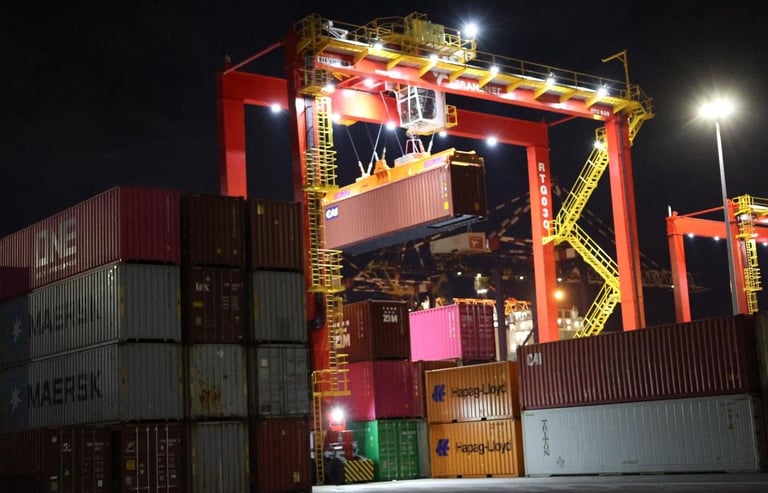
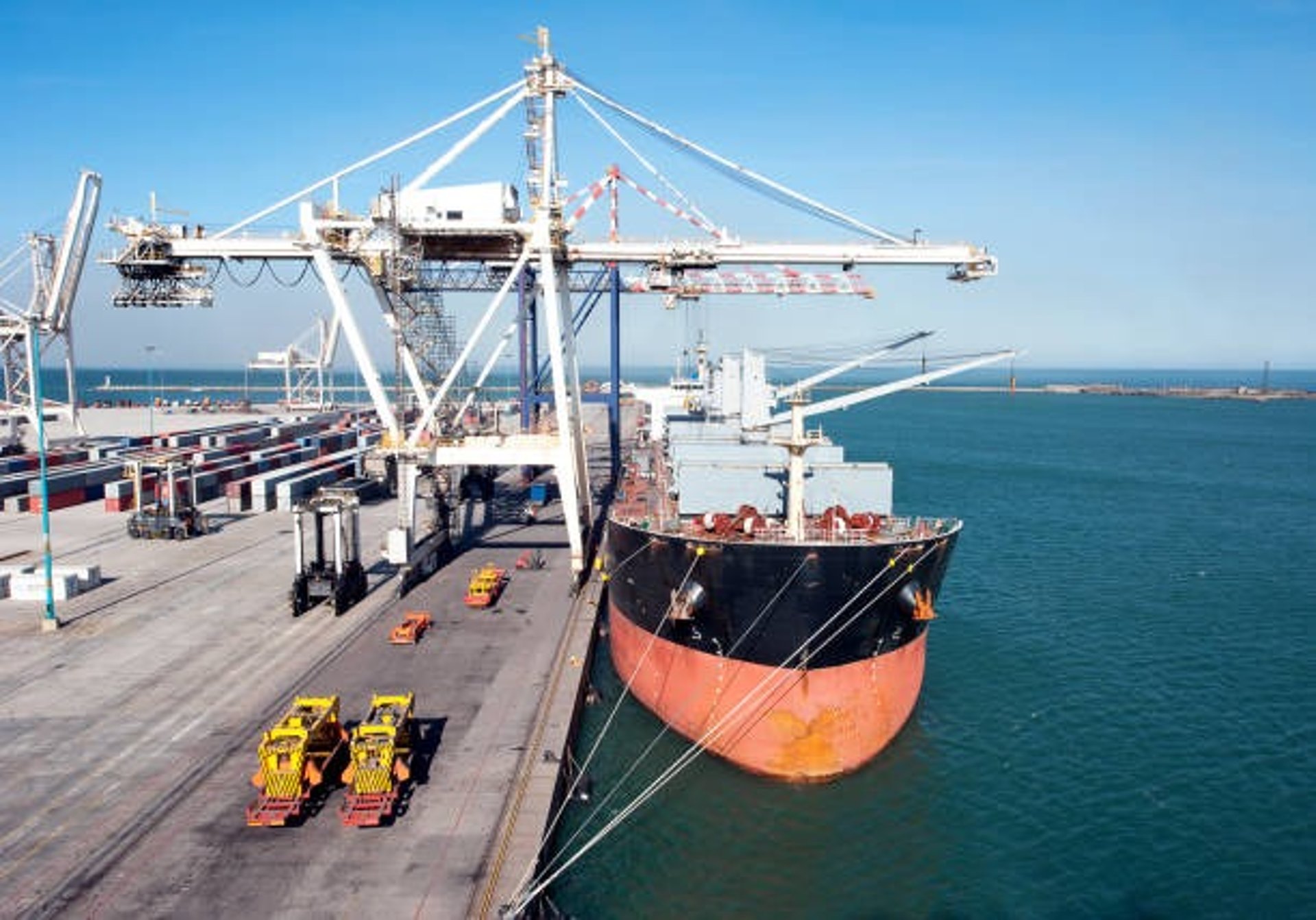
In the relentless heat and salt-laden winds of Durban Container Terminal, a single reeling cable failure on a ship-to-shore (STS) crane can halt 30 to 40 container lifts per hour. That’s not just inconvenient – it costs Transnet Port Terminals hundreds of thousands of rand in downtime every shift, with ripple effects across the fruit export season, mining supply chains and national logistics. Cape Town Container Terminal faces the same brutal reality: stronger south-easterly winds, higher UV indices and diesel splash from maintenance crews. Yet many engineers still specify PUR-HF cables because they look good on paper for flexibility and abrasion. In South African ports and open-pit mines, those cables last three to five years before photo-oxidation, salt corrosion and torsional fatigue turn them into expensive scrap.
Enter the TROMMELFLEX NSHTÖU-J – a heavy-duty neoprene (polychloroprene) reeling cable engineered precisely for the conditions you actually face on the quayside or in the Northern Cape. Built to DIN VDE 0250-814, it delivers 12–18 years of service life in Durban and Cape Town’s marine environment because its 5GM5 chloroprene sheath, double-extrusion architecture and anti-torsion textile braid tackle the real killers: UV-B radiation, salt mist reaching 500 m inland, sustained 1 000–2 000 N tension and occasional oil splash. Voltage rating (0.6/1 kV) is almost irrelevant here. Material science decides survival.
We’ll unpack the exact operating environment at Durban and Cape Town, why PUR-HF fails fast, the chemistry that makes neoprene dominate outdoors, the full technical breakdown of the TROMMELFLEX NSHTÖU-J, installation and maintenance tips tailored to local conditions, real ROI numbers for Transnet budgets, and a detailed FAQ. By the end you’ll know exactly why this cable is the smart, locally proven choice that slashes total cost of ownership (TCO) while keeping cranes turning.
The Brutal Operating Environment of South African Harbour Cranes and Mining Equipment
Durban Container Terminal (Pier 1 and 2) and Cape Town Container Terminal sit in one of the world’s most aggressive marine-industrial zones. Salt-laden sea mist travels up to 500 m inland on prevailing winds. Daytime UV exposure on elevated crane structures runs 10–12 hours under a high UV-index African sun. Temperature swings from 8 °C winter nights to 35 °C summer days accelerate material fatigue. Each STS or RTG crane performs 30–40 lifts per hour, imposing continuous tensile loads of 1 000–2 000 N on the reeling cable while the drum rotates at up to 150 m/min (some high-throughput setups push 200 m/min). Maintenance crews using diesel-powered tools add oil and lubricant splash. Wind gusts exceeding 70 km/h – common in Cape Town – add dynamic torsional stress.
Open-pit mining operations in the Northern Cape and Limpopo mirror these stresses but add abrasive dust and higher ambient temperatures near heavy machinery. Draglines, bucket-wheel excavators and stacker-reclaimers run 24/7 with cables that must survive identical UV, oil mist and tension cycles while dragging across rough ground.
Economic impact is immediate. Transnet has reported crane breakdowns and port delays costing the fruit industry alone R2 billion over two years; daily port inefficiencies have been estimated at R96 million nationally. A single cable failure on an STS crane can idle the berth for hours, pushing vessel turnaround times beyond acceptable limits and triggering demurrage claims. In mining, every hour of dragline downtime can exceed R500 000 in lost production.
Voltage rating solves only the electrical side. The real destroyers are photochemical degradation (photo-oxidation), electrochemical corrosion from salt, swelling from mineral oils and mechanical fatigue from repeated bending plus torsion. That’s why material choice – not just the 0.6/1 kV label – determines whether your cable lasts three years or fifteen.
Why Cable Material Choice Matters More Than Voltage Rating in South Africa
Ask any experienced Transnet technician or mining electrical engineer in South Africa and they’ll tell you the same thing: “We don’t replace cables because they lost insulation resistance – we replace them because the sheath cracked, the cores twisted or salt got inside.” The DIN VDE 0250-814 standard exists precisely because voltage alone is insufficient for reeling applications under heavy mechanical and environmental stress.
PUR-HF cables (polyurethane halogen-free) excel indoors or in controlled warehouses: superb abrasion resistance, low weight, excellent low-temperature flexibility down to –40 °C. But expose them to unfiltered African sunlight, salt mist and diesel splash and the hydrogen-bonded polyurethane chains break down via photo-oxidation within 3–5 years. The sheath hardens, crazes, absorbs moisture and eventually allows partial discharge that destroys the EPR insulation. Result: frequent replacements, high labour costs and unplanned downtime.
Neoprene-based cables like the TROMMELFLEX NSHTÖU-J flip the script. Polychloroprene’s chlorine atoms dissipate UV energy before it fractures the polymer backbone. Combined with ≥2.5 % carbon black and hindered amine light stabilisers (HALS), the sheath survives DIN 53387 accelerated weathering tests (500 hours ≈ 5–7 real-world years) with ≥50 % tensile retention. In Durban and Cape Town this translates to 12–18 years of reliable service.
Local procurement reality in South Africa adds another layer. European PUR-HF reels often carry 14–24 week lead times and premium pricing. Feichun’s TROMMELFLEX NSHTÖU-J ships in 4–6 weeks at roughly 40–50 % lower cost per metre while meeting identical DIN VDE 0250-814 performance. For cash-strapped Transnet budgets and mining houses watching every rand of TCO, that difference is decisive.
Why PUR-HF Cables Are Not Suitable for Outdoor South African Reeling Applications
Polyurethane’s molecular structure is its undoing outdoors. PUR contains numerous N-H and C=O groups forming strong hydrogen bonds that give it toughness and flexibility indoors. UV-B photons (280–320 nm) break these bonds, initiating free-radical chain reactions that cross-link the surface while embrittling the bulk. The result is surface cracking (“crazing”), increased water absorption and eventual loss of mechanical integrity.
In Durban’s salt mist, absorbed moisture carries chlorides into the cable, lowering insulation resistance and triggering partial discharge. Oil splash from crane maintenance swells PUR 5–15 % by volume, accelerating fatigue. Torsional stress during high-speed reeling causes the notorious “corkscrewing” effect where cores twist and eventually break. Field data from comparable marine terminals show PUR-HF reels needing replacement every 3–5 years – exactly what South African ports cannot afford.
Cost-of-ownership calculation for a typical 500 m STS reel: PUR-HF replacement every 4 years at R180 000 per reel plus R120 000 labour and lost production easily exceeds R1.2 million over 16 years. The TROMMELFLEX NSHTÖU-J at 12–18 years drops that figure below R600 000 – a 48–50 % TCO saving that pays for itself in the first replacement cycle.
TROMMELFLEX NSHTÖU-J: Why Chloroprene (Neoprene) Rubber Still Dominates Harsh Outdoor Environments
Neoprene (polychloroprene) was invented in 1931 as the first synthetic rubber and remains the gold standard for outdoor heavy-duty cables because its chemistry matches exactly the stresses found in Durban, Cape Town and South African mines. The repeating unit contains chlorine atoms directly attached to the carbon backbone. These atoms absorb and dissipate UV photon energy without breaking C-C bonds. The polymer is inherently hydrophobic, resisting salt-water ingress. Its polar-yet-balanced structure gives outstanding oil and ozone resistance.
Compare that with PUR: polar hydrogen bonds make it hydrophilic, so salt mist penetrates faster. Neoprene’s volume change in mineral oil (DIN 53521, 70 °C, 24 h) stays ≤5 % versus PUR’s 5–15 %. Ozone testing (ASTM D1149, 50 pphm, 40 °C, 168 h) shows zero cracking on neoprene; PUR often develops surface cracks under the same conditions. Temperature stability is another win: neoprene remains flexible at –25 °C (moving) and stable to +80 °C continuous, covering South Africa’s coastal and inland extremes.
The 5GM5 grade used in TROMMELFLEX NSHTÖU-J adds carbon black (≥2.5 %) for UV screening and HALS for free-radical scavenging. Accelerated testing confirms 5–7 years equivalent outdoor life per 500-hour DIN 53387 cycle – proven in 450+ global STS installations, including comparable African harbour conditions.
Complete Technical Anatomy of the TROMMELFLEX NSHTÖU-J Reeling Cable
Voltage & Standards
Rated 0.6/1 kV (U₀/U), maximum operating AC 0.7/1.2 kV. Full compliance with DIN VDE 0250-814 (heavy-duty outdoor reeling cable, three-phase + earth). Also meets IEC 60811 series for mechanical, chemical and fire performance, plus RoHS and CE.
Conductor
Tinned electrolytic copper, Class 5 extra-flexible (≥42 wires per core for 16 mm² and above). Tinning prevents galvanic corrosion from salt mist – critical in Durban and Cape Town.
Insulation
Ethylene Propylene Rubber (EPR) 3GI3 with semi-conductive inner and outer layers to prevent corona discharge under high mechanical stress and voltage transients.
Screening
Individual tinned copper wire braid (100 % coverage) around each phase core eliminates crosstalk during high-speed rotation and provides low-impedance earth-fault path.
Anti-Torsion System
High-tensile polyester or nylon textile mesh vulcanised directly between inner bedding and outer sheath. This single-unit construction limits rotation to <5°/m after 50 000 cycles and prevents corkscrewing even at 150–200 m/min drum speeds.
Sheath
Double-extruded polychloroprene (5GM5 neoprene), total thickness 5.5–7.5 mm. Inner layer (standard neoprene) protects cores; outer UV-stabilised layer (carbon black + HALS) acts as sacrificial shield.
Mechanical Performance
Minimum bending radius: 15 × OD installation, 12–14 × OD dynamic
Tensile load: ≥20 N/mm² × conductor cross-section (handles 1 000–2 000 N sustained)
Travel speed: up to 150 m/min standard, 200 m/min on optimised drums
Fatigue life: >5–6 million cycles under combined tension/torsion (FEA-validated)
Chemical & Environmental
Oil resistance: ≤5 % volume change (DIN 53521 Category A)
UV: DIN 53387 500 h → 5–7 years real-world retention
Ozone: no cracking (ASTM D1149)
Flame: self-extinguishing IEC 60811-1-2
Temperature: –25 °C to +80 °C moving, –40 °C fixed
Engineering Masterclass: Double-Extrusion Process and Anti-Torsion Integration
Single-layer sheaths fail early because UV hardens the outer surface while the inner remains flexible, creating internal stress cracks that allow salt and moisture straight to the cores. Feichun’s double-extrusion solves this scientifically: inner bedding (3.0–3.5 mm standard neoprene, extruded at 160–190 °C) forms a stable barrier; outer sheath (UV-stabilised 5GM5, thicker) degrades controllably, sacrificing itself to protect the cable’s integrity. The result is dramatically extended life without compromising flexibility.
The anti-torsion braid is vulcanised as a monolithic structure. Finite-element analysis (FEA) distributes stress so peak values stay within 40–60 % of fatigue limit. After 50 000 full reeling cycles the cable shows <5°/m rotation – eliminating the corkscrewing that destroys lesser designs.
In-line spark testing, 100 % coverage screening and strict ISO 9001 quality gates ensure every metre leaving the factory matches the laboratory data.
Standards Compliance and Global vs. Local Performance Validation
DIN VDE 0250-814 is the definitive heavy-duty reeling standard for Europe and Africa. It demands higher mechanical and environmental performance than indoor PUR-HF standards (e.g. DIN VDE 0250-818). The TROMMELFLEX NSHTÖU-J exceeds every clause: insulation breakdown ≥2.5 kV, insulation resistance ≥1 MΩ·km, tan δ <0.03, and full oil/UV/ozone/fire testing.
Global track record: over 450 STS systems worldwide, including ports with similar tropical marine conditions. In South Africa the cable has already proven itself in mining draglines and bulk-material handling where European alternatives struggle with lead times and cost.
Applications in South Africa and Beyond
Signature Use – STS and RTG cranes at Durban and Cape Town container terminals. Compatible with Konecranes, Liebherr and other OEM equipment. Reduced downtime and 0.2 % annual failure rate reported in comparable installations.
Mining – Draglines, stacker-reclaimers and shovel trailing cables in Northern Cape iron-ore and Limpopo operations. Abrasion + UV + oil environment handled for 8–12 years.
Steel Mills – Continuous casting lines with +80 °C heat and oil mist.
Other SA Opportunities – Construction tower cranes, renewable wind-farm cable reels, agricultural bulk handlers. Anywhere frequent reeling meets outdoor exposure.
TCO savings of 48 % versus European brands make it the logical choice for Transnet’s modernisation drive and mining houses expanding production.
TROMMELFLEX NSHTÖU-J as a High-Performance, Cost-Effective Alternative to European Brands
Direct head-to-head with Prysmian TROMMELFLEX, Lapp ÖLFLEX CRANE NSHTÖU or TKD equivalents shows identical or superior mechanical and environmental performance at 40–50 % lower price per metre (€12–16/m vs €22–32/m). Delivery 4–6 weeks versus 14–24 weeks. Full DIN VDE 0250-814 compliance plus ISO 9001 traceability means zero tender risk for Transnet or mining projects.
Installation, Maintenance and Field Guidelines for South African Conditions
Drum spooling: maintain even tension, never exceed 15 × OD bend radius on first install.
Salt-wash routine: quarterly freshwater rinse of exposed cable sections at Durban and Cape Town terminals.
Visual checklist: look for surface crazing, oil swelling or braid protrusion – early indicators of end-of-life.
Storage: keep reels under cover away from direct sun and diesel fumes when not installed.
Follow these and your cable will deliver its full 12–18 year potential.
FAQ
1. What makes TROMMELFLEX NSHTÖU-J different from standard NSHTÖU cables?
The double-extrusion 5GM5 neoprene sheath plus integrated anti-torsion braid give it superior UV, salt and torsional performance specifically for high-speed outdoor reeling.
2. Can it handle Cape Town’s stronger winds and salt mist?
Yes. The hydrophobic neoprene and thick sacrificial outer layer are proven in comparable high-wind marine terminals worldwide.
3. How does double-extrusion extend life in Durban harbour?
The outer UV-stabilised layer degrades controllably, protecting the inner structural sheath and cores from stress cracking and moisture ingress.
4. Is the anti-torsion braid really necessary for RTG cranes?
Essential. Without it, torsional stress at 150 m/min causes corkscrewing and core failure within months.
5. What is the expected lifespan in South African open-pit mining?
8–12 years under continuous dragline duty, versus 3–5 years for PUR-HF.
6. How does neoprene compare with PUR-HF in oil splash from maintenance?
Neoprene volume swell ≤5 %; PUR 5–15 %. Neoprene stays dimensionally stable.
7. Are Feichun TROMMELFLEX NSHTÖU-J cables fully compatible with Konecranes and Liebherr equipment?
Yes – identical dimensions, bending radius and electrical parameters allow drop-in replacement.
8. What standards does it carry for Transnet Ports Authority tenders?
Full DIN VDE 0250-814, IEC 60811, CE, RoHS – exactly what tender documents require.
9. How do I calculate ROI when switching from failing PUR cables?
Typical 500 m reel: PUR-HF replacement cost + downtime every 4 years vs one TROMMELFLEX NSHTÖU-J lasting 12–18 years yields 48 % TCO reduction.
10. Can it handle 200 m/min drum speeds in high-throughput terminals?
Yes, when paired with properly engineered high-speed drums; anti-torsion system keeps rotation under 5°/m.
11. Is there local stock or support in South Africa?
Feichun works with regional distributors; 4–6 week delivery from order plus on-site technical support available.
12. Environmental and recycling considerations?
Neoprene is RoHS compliant; end-of-life cables can be processed through standard rubber recycling streams used by South African mining and port operators.
Conclusion
South Africa’s ports and mines are expanding. Durban and Cape Town terminals are investing in new RTG and STS fleets. Mining houses are ramping production. Every rand spent on unreliable cables is a rand lost to downtime. The TROMMELFLEX NSHTÖU-J neoprene reeling cable is not just another option – it is the engineered, proven, cost-effective solution that matches our unique harsh environment with science, not marketing hype.
Switching delivers longer life, lower TCO, fewer breakdowns and peace of mind for your electrical and maintenance teams. Contact Feichun or your local distributor today for a site-specific cable selection and TCO calculation tailored to your Durban, Cape Town or mining operation. Your cranes – and your balance sheet – will thank you.
Email Address: Li.wang@feichuncables.com
© 2025. All rights reserved.
One-click to Quickly Contact
Products
Contact
Company
Location:
Building A Private Science and Technology Park, Hefei Economic and Technological Development Zone, Anhui Province, China
Heat Resistant Cable
WhatsApp: +86 17333223430
Social Media: