Anhui Feichun Special Cable Co.,Ltd Email: Li.wang@feichuncables.com
Twist-Proof Power: How Torsion Resistant Cables Are Revolutionising South Africa's Industries
Explore the essential features and applications of torsion resistant cables, also known as anti-torsion cables, in robotics, renewable energy, and mining. This in-depth guide covers market trends, performance factors, selection tips, and real-world South African case studies, highlighting their role in enduring rotational stresses for reliable, long-lasting performance.
Li. Wang
11/27/20259 min read
Introduction to Torsion Resistant Cables
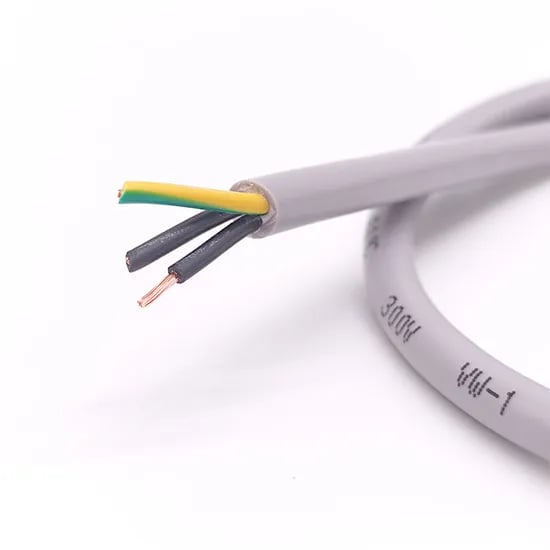
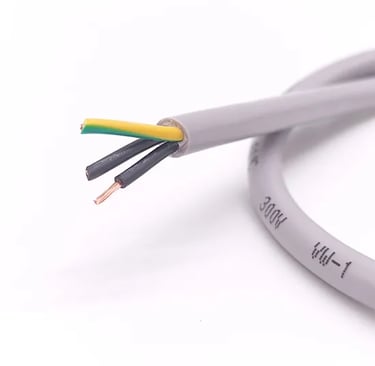
In a world where machines twist, turn, and tango through endless cycles of motion, one unsung hero keeps everything connected without missing a beat: the torsion resistant cable. Often called anti-torsion cables, these specialised marvels are engineered to withstand repeated twisting, flexing, and rotational stresses while maintaining peak performance and structural integrity. Unlike ordinary cables that might snap or fray under such demands, torsion resistant cables are built for the long haul, preventing common failures like core breakage, tears in the sheathing, or disruptions in electromagnetic compatibility (EMC).
But what exactly is torsion? It's a mechanical load that twists an object along its axis, much like wringing out a wet cloth. In cables, this arises from repetitive movements in dynamic setups, such as robotic arms pivoting or wind turbine blades adjusting to gusts. The consequences of ignoring torsion can be dire—material fatigue, signal loss, or complete system shutdowns, leading to costly downtime in industries where every second counts.
These cables aren't just technical footnotes; they're vital in high-stakes environments. Picture a bustling automotive assembly line or a towering wind farm—without torsion resistant cables, operations grind to a halt. In South Africa, where our economy thrives on robust sectors like mining and renewable energy, these cables are indispensable. In the harsh, dusty depths of Gauteng's gold mines or the windswept plains of the Northern Cape's wind farms, they ensure machinery endures extreme conditions, from scorching heat to corrosive salt air. As we push towards greener energy and smarter manufacturing, understanding torsion resistant cables isn't just informative—it's essential for staying ahead in a twisting world.
Key Characteristics and Design Features
At the heart of any torsion resistant cable lies a symphony of engineering precision, designed to absorb and dissipate rotational forces without compromise. Let's delve into the core elements that make these cables stand out.
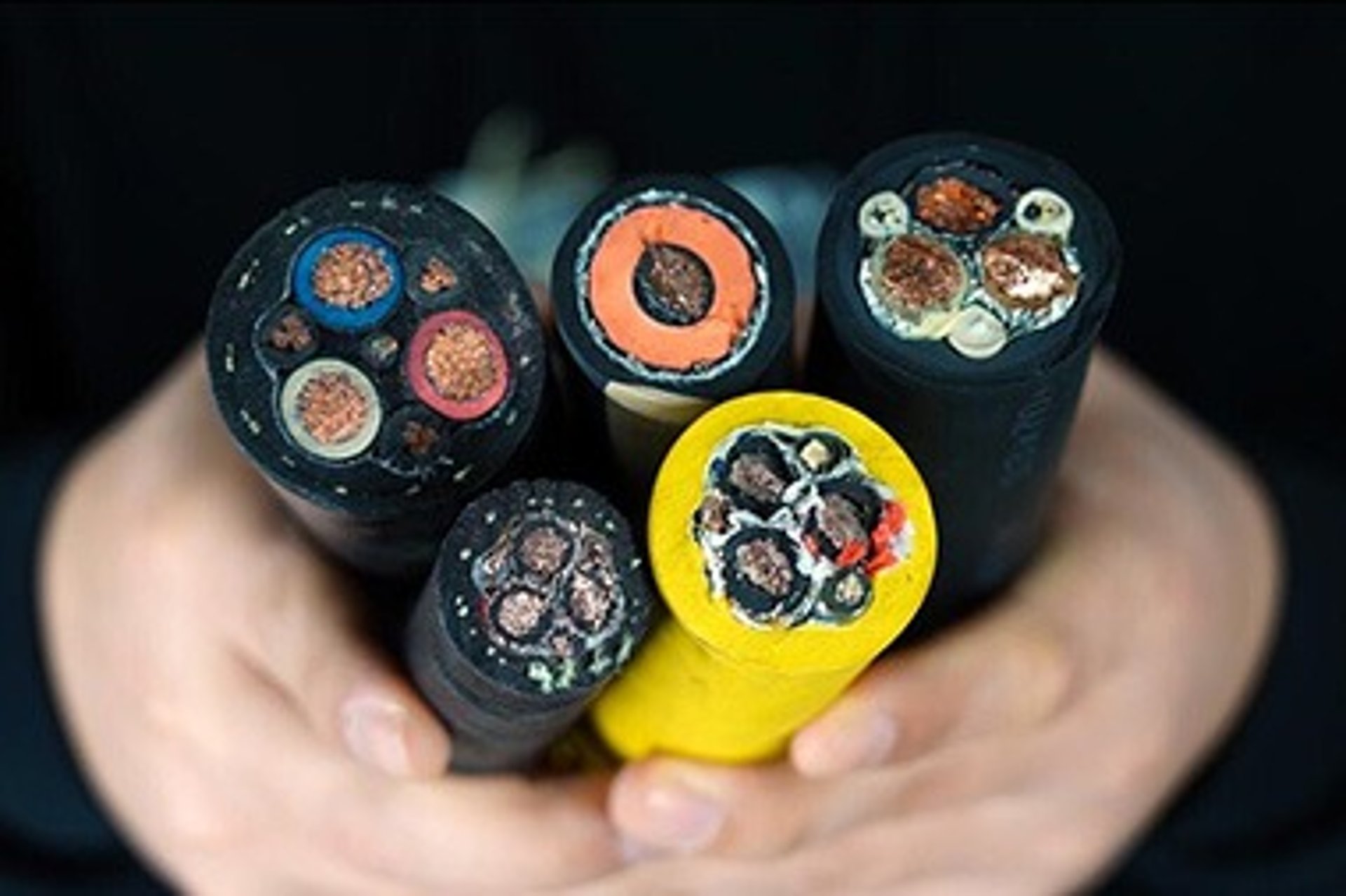
Starting with core construction, torsion resistant cables typically feature finely stranded conductors, such as tinned copper wires, twisted in multiple layers. This layered stranding—often in a helical or spiral configuration—allows the cable to flex and twist without the conductors fracturing. The tinning process adds corrosion resistance, crucial in humid or chemically aggressive environments. Unlike solid-core cables, which are rigid and prone to breakage under torsion, these stranded designs distribute stress evenly, enabling the cable to handle up to 180° of twist per revolution without signal degradation.
Insulation and sheathing form the protective armour. The inner insulation, often made from materials like ethylene tetrafluoroethylene (ETFE) or fluorinated ethylene propylene (FEP), provides electrical isolation while offering superior abrasion resistance and flexibility. This layer shields the conductors from mechanical wear and environmental hazards. The outer sheath, commonly polyurethane (PUR) or high-density polyethylene (HDPE), is the frontline defence against wear, chemicals, oils, and UV radiation. PUR, in particular, excels in dynamic applications due to its elasticity and tear resistance, maintaining integrity even after millions of cycles.
Performance metrics underscore their robustness. High-end torsion resistant cables are tested to endure over 10 million flex cycles under ISO 14579 standards, a benchmark for torsional and bending endurance. They boast torsional flexibility ratings that allow for continuous rotation without "memory" effects—meaning the cable doesn't retain twists that could lead to kinks. Additional features include braided or foil shielding to protect against electromagnetic interference (EMI), ensuring reliable data transmission in noisy industrial settings. For flame retardancy, many incorporate low smoke zero halogen (LSZH) compounds, reducing toxic emissions in confined spaces.
Material innovations are pushing boundaries further. Spiral memory-free structures prevent permanent deformation, while halogen-free options align with global sustainability goals. Advances in recyclable polymers and lower-carbon manufacturing processes are gaining traction, responding to environmental regulations. In extreme temperature ranges—from -60°C in frigid mining shafts to +180°C in overheated machinery—these materials maintain flexibility without becoming brittle or melting. Drawing from decades of industry experience, it's clear that selecting cables with these features isn't optional; it's a strategic investment in reliability, reducing operational risks and extending system lifespans in demanding South African contexts.
Common Applications Across Industries
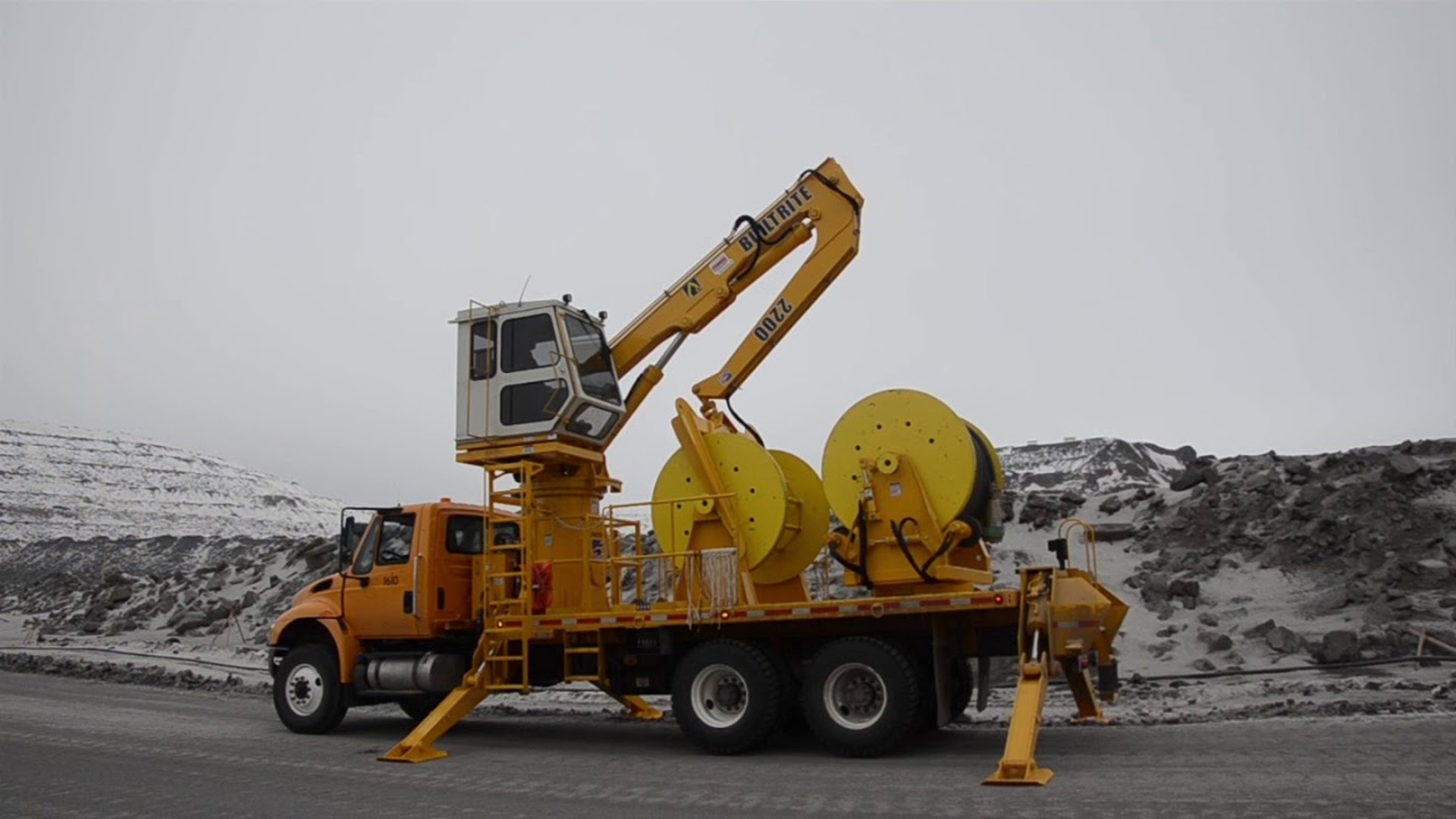
Torsion resistant cables shine in environments where motion is relentless, powering and connecting systems that demand unwavering reliability. Their versatility spans multiple sectors, each leveraging their unique ability to handle rotational stresses.
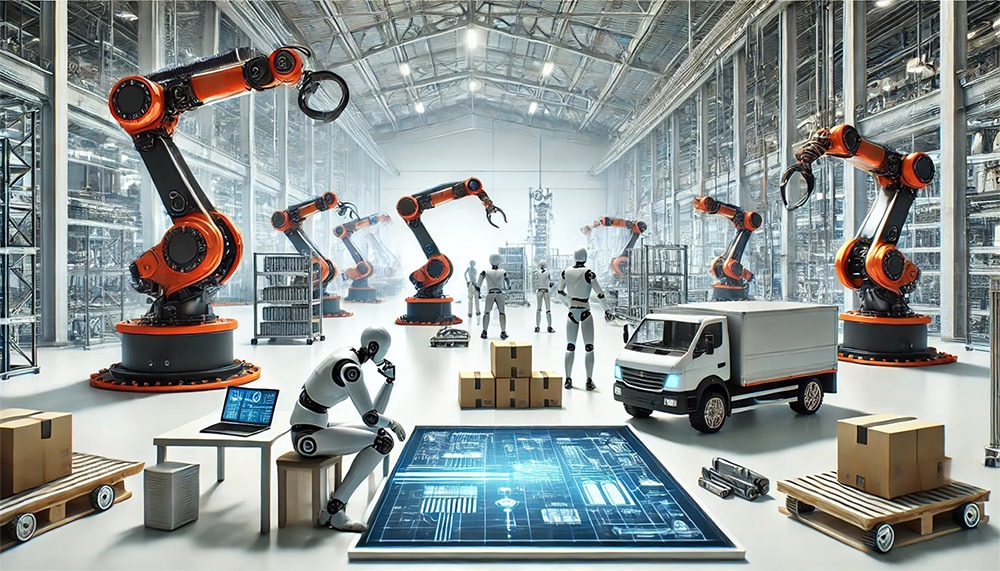
In robotics and automation, these cables are the lifeline for robotic arms, conveyor systems, and collaborative robots (cobots). In assembly lines, they transmit power and data during cyclic motions, enduring twists exceeding 90° without failure. For instance, in automated welding robots, the cables flex with each arm rotation, preventing downtime that could halt production.
The aerospace and automotive industries rely on their lightweight, high-reliability designs. In aerospace, torsion resistant cables route through control surfaces like flaps and landing gear actuators, where weight savings are critical. In automotive engineering, they're integral to electric vehicles' steering systems, door mechanisms, and suspensions, coping with constant vibrations and rotations. A remarkable fact: these cables are optimised for loads involving over 90° rotations, ensuring smooth operation in high-speed environments.
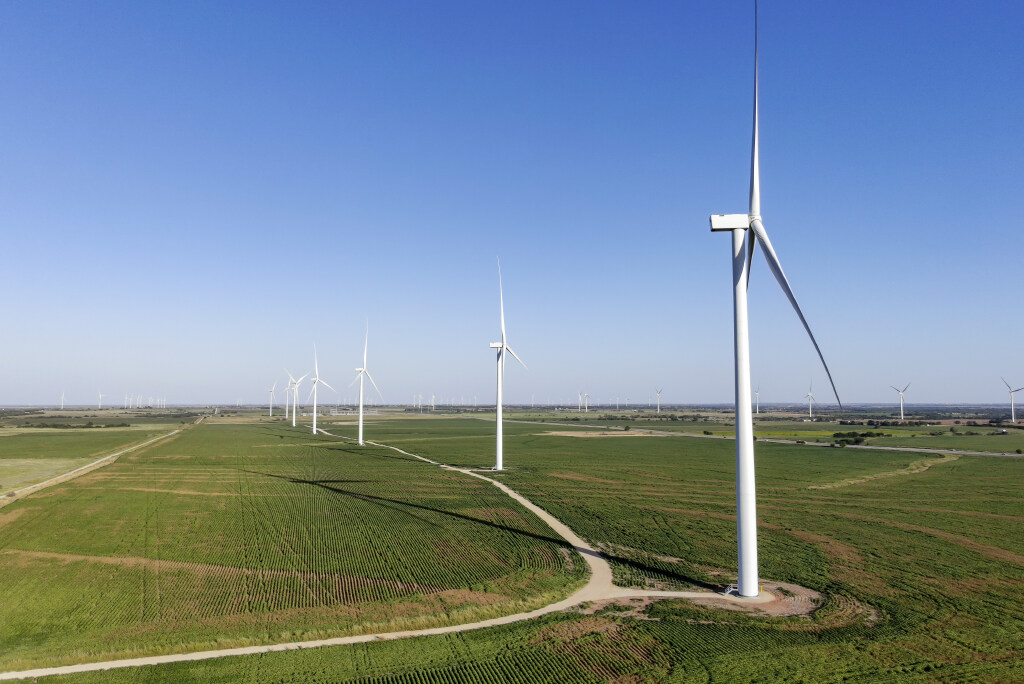
Renewable energy, particularly wind turbines, showcases their endurance. In pitch control systems, cables adjust blade angles to optimise energy yield, withstanding high winds, moisture, and torsional loads. They're highly resistant to environmental extremes, maintaining performance over extended periods.
Medical devices incorporate them for precision and compactness. In surgical robots and imaging equipment, torsion resistant cables enable intricate movements while meeting biocompatibility standards for human-contact applications, ensuring no compromise in sterile settings.
In industrial machinery, they support cranes, cable tracks, and process automation. Here, resistance to dust, heat, and tensile loads is paramount, preventing tangling in non-rotating constructions. Other sectors, like mechanical engineering and wind power systems, use them for repetitive operations, where high endurance minimises maintenance.
In South Africa, these applications align with our industrial landscape, from automotive plants in the Eastern Cape to renewable projects nationwide, underscoring their role in driving efficiency and safety.
Market Trends and Technological Advancements
The global market for torsion resistant cables is twisting towards exponential growth, propelled by the winds of automation and sustainability. According to a 2023 report by Grand View Research, the broader industrial cable market is projected to expand at a compound annual growth rate (CAGR) of 6.8% from 2023 to 2030, with anti-torsion variants spearheading this surge due to their pivotal role in robotic systems and dynamic environments.
Key drivers include the rise of robotics and Industry 4.0, where smart factories demand cables that endure continuous flexing. Material innovations, such as expanded use of PUR and ETFE for abrasion resistance, are accelerating adoption. Sustainability is another focal point, with suppliers prioritising recyclable materials and lower-carbon processes to meet environmental mandates.
However, challenges persist: high initial costs compared to standard cables, complexities in sourcing certified quality from global suppliers, and the imperative for compliance with standards like IEC 60502 for power cables, UL 758 for appliance wiring, or ISO 13849-1 for safety in machinery.
Technological advancements are transforming outcomes. Modern conductor designs, including tinned stranded copper and spiral memory-free structures, boost lifespan and cut downtime by up to 30%. Cables now standardly exceed 10 million flex cycles, reducing maintenance frequency and operational risks. In South Africa, these trends resonate amid our push for renewable energy and mining automation, where reliable, long-life solutions support economic resilience.
Factors Affecting Performance and Lifespan
The longevity of torsion resistant cables hinges on managing mechanical stress, tensile loads, and environmental influences—factors that, if unchecked, can curtail their service life.
Mechanical stress refers to forces causing strain and fatigue, such as repetitive flexing leading to microfractures in conductors. Tensile load, the pulling force from system weight or motion, exacerbates this, potentially limiting cycles to 10,000–20,000 in high-demand setups like cranes or garage doors. Research favours high-carbon spring steel or galvanised wires for their endurance, enhancing resistance to these stresses.
Environmental factors compound issues: moisture accelerates corrosion, temperature extremes cause brittleness, and dust abrades sheathing. In South Africa's diverse climates—from arid deserts to coastal humidity—protective measures like galvanised coatings or conduits are vital.
To extend lifespan, adopt proven maintenance practices. Regular inspections detect fraying, corrosion, or thinning diameters early. Proper handling avoids overbending or twisting, while environmental protection through conduits shields against extremes. Select materials matched to loads, prevent overloading, and perform routine cleaning and lubrication to reduce resistance. Industry experience shows these steps can double lifespan, ensuring safety and efficiency in demanding applications.
How to Select and Integrate Torsion Resistant Cables
Choosing the right torsion resistant cable demands a blend of technical savvy and practical foresight, ensuring seamless integration and cost-effectiveness.
Key evaluation criteria include flexibility for dynamic bending without damage, durability in abrasion-resistant jackets, temperature resistance across wide ranges, and shielding to combat EMI in noisy settings. Certifications are non-negotiable: verify compliance with IEC 60502, UL 758, ISO 13849-1, and IP67 for dust/moisture protection.
For cost-efficiency, calculate total cost of ownership (TCO), factoring in failure rates, repairs, and downtime. Bulk purchases slash prices—from $0.60 per metre for small lots to $0.20 for 10,000+ metres—yielding long-term savings through fewer replacements.
Integration requires matching connectors like M12 or XLR to existing systems, ensuring compatibility with servo drives and PLCs. Opt for modular designs facilitating upgrades without full overhauls.
When assessing suppliers, prioritise after-sales support, including free samples and technical aid. Check warranties (2–5 years), service response times, and on-time delivery rates exceeding 98%. In South African contexts, local suppliers familiar with SANS standards offer tailored advice, drawing on regional expertise for optimal performance.
Cases: South African Focus
Real-world deployments illustrate the prowess of torsion resistant cables, blending global insights with South African specifics.
Globally, in robotic manufacturing, these cables endure over 10 million cycles in automated assembly lines, slashing downtime by 30% through robust EMI shielding and flexible stranding.
In South Africa, a standout case is the Jeffreys Bay Wind Farm in the Eastern Cape. Here, torsion resistant cables were deployed in pitch control systems to manage blade angles amid fierce coastal winds. Engineered with PUR sheathing and galvanised conductors, they withstood corrosive salt air and rotational stresses up to 180° per revolution. The result? A 20% reduction in maintenance downtime, boosted energy yield by optimising blade positions, and full compliance with local environmental regulations. This project, operational since 2014, highlights how these cables enhance reliability in renewable energy, supporting South Africa's green transition.
Another local example: underground mining in Gauteng's Johannesburg gold mines. At a major site, anti-torsion cables powered robotic drills and cranes, resisting dust, heat exceeding 40°C, and tensile loads from heavy ore hauls. Featuring ETFE insulation and over 15,000 flex cycles, they extended equipment lifespan by 15,000 cycles, improving safety under SANS guidelines. By preventing core breakage and EMC issues, the cables minimised accidents, underscoring their value in our mining heritage.
These cases, informed by industry collaborations, demonstrate authoritative engineering in action.
Frequently Asked Questions (FAQ)
What makes torsion resistant cables different from standard cables?
Torsion resistant cables, or anti-torsion cables, feature specialised stranded conductors and tough sheathing to handle twisting and rotational stresses without damage. Standard cables, lacking this design, often fail under such loads, leading to core breakage or tears.
How many flex cycles can these cables typically endure?
High-quality torsion resistant cables can handle over 10 million cycles under ISO 14579 testing, though this varies with environmental conditions, materials, and usage intensity.
Are torsion resistant cables suitable for South African climates?
Absolutely—options with extreme temperature resistance (-60°C to +180°C) and moisture-proof ratings like IP67 make them ideal for our varied environments, from dry mining areas to humid coastal wind farms.
What standards should I look for when buying these cables?
Prioritise IEC 60502 for power integrity, UL 758 for wiring safety, ISO 13849-1 for machinery reliability, and IP67 for environmental protection, ensuring compliance with South African National Standards (SANS).
How can I extend the lifespan of my torsion resistant cables?
Through regular inspections for wear, avoiding overloads or excessive twisting, using protective conduits against environmental hazards, and selecting materials suited to your application's stresses and loads.
Where are these cables commonly used in South Africa?
In mining machinery for dust-resistant operations, wind energy projects for rotational endurance, and automotive assembly lines for reliable flexing, where harsh conditions demand top-tier performance.
Conclusion
Torsion resistant cables embody versatility and reliability, safeguarding modern industries against the rigours of motion and stress. From robotics to renewables, their advanced designs ensure seamless performance, reducing risks and boosting efficiency.
In South Africa, their relevance is amplified, fuelling growth in automation, mining, and green energy amid our unique challenges. As we embrace Industry 4.0, these cables are key to sustainable progress.
For tailored solutions, consult industry experts or explore suppliers—your next twist-proof innovation awaits.
At Feichun, we supply a wide variety of cables and associated items that are completely reliable, premium-grade, and built to endure. Our standout offerings include versatile trailing and reeling cables, crane-specific cables, photovoltaic cables, fire-retardant and fire-proof cables, rubber-sheathed cables, plus numerous others. We invite you to explore our site for additional details on our cable solutions. Reach out at: Li.wang@feichuncables.com
Email Address: Li.wang@feichuncables.com
© 2025. All rights reserved.
One-click to Quickly Contact
Products
Contact
Company
Location:
Building A Private Science and Technology Park, Hefei Economic and Technological Development Zone, Anhui Province, China
Heat Resistant Cable
WhatsApp: +86 17333223430
Social Media: