Anhui Feichun Special Cable Co.,Ltd Email: Li.wang@feichuncables.com
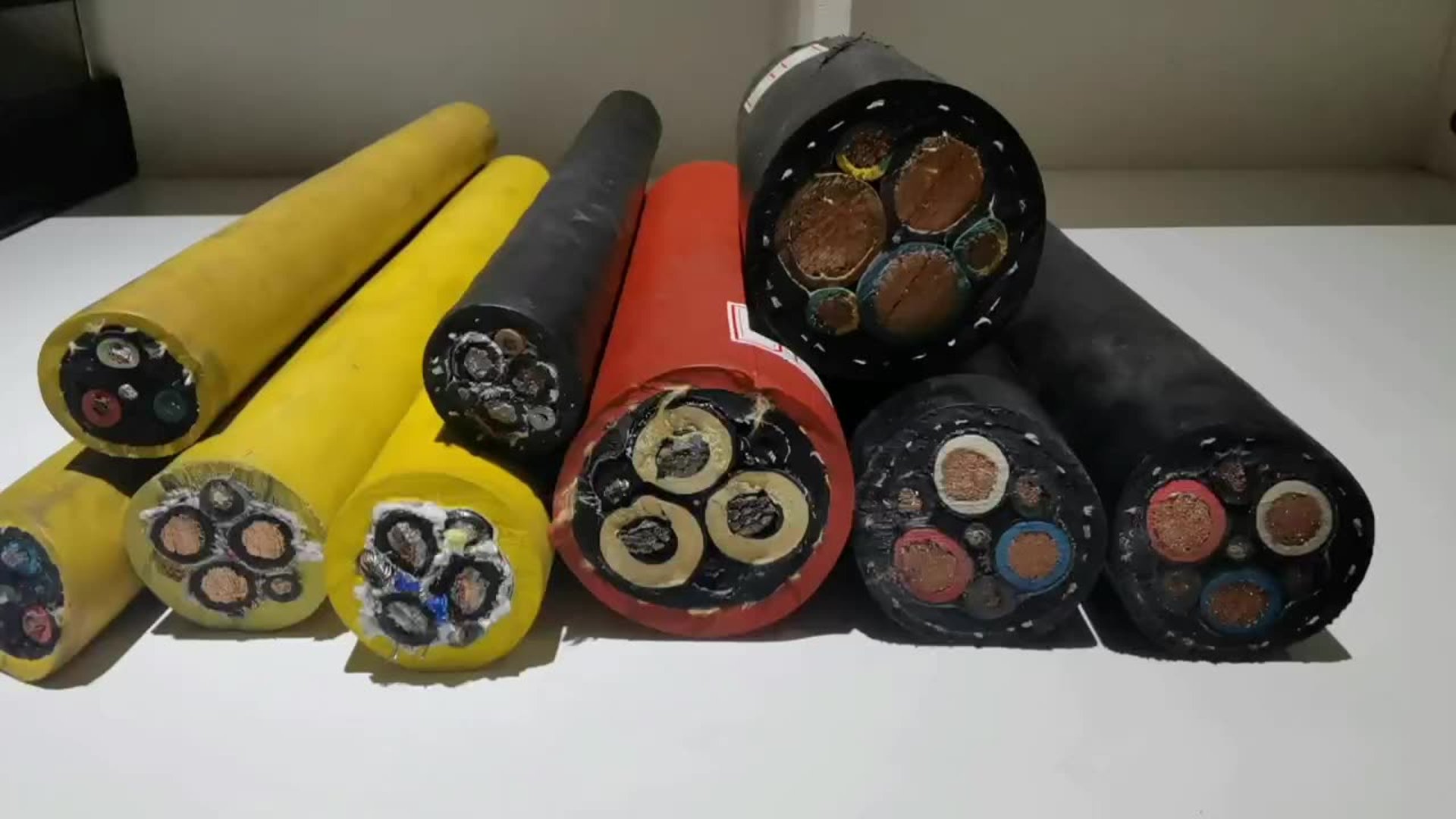
Uncoiling the Secrets: How Trailing and Reeling Cables Power South Africa's Underground Giants
Dive into the world of trailing cables and reeling cables, essential for South Africa's mining industry. Explore their designs, materials, South African models like SANS Type 41 and Type 66, and real-life case studies from platinum shafts and collieries, ensuring safety and efficiency in harsh environments.
Li.Wang
11/27/20259 min read

Introduction
Imagine descending thousands of metres into the earth's crust, where massive electric shovels and draglines chew through rock in pursuit of gold, platinum, and coal. In South Africa's mining heartlands—from the Witwatersrand Basin to Mpumalanga's coal fields—these operations hinge on unsung heroes: trailing cables and reeling cables. These robust lifelines deliver uninterrupted power and signals to mobile machinery amid dust, moisture, and relentless mechanical strain. Without them, the country's resource-driven economy, which contributes over 7% to GDP and employs hundreds of thousands, would grind to a halt.
Trailing cables are flexible power conductors designed to be dragged behind equipment, enduring abrasion and flexing in extreme conditions. Reeling cables, often called drum cables, are engineered for repeated winding and unwinding on reels, handling torsional stresses in dynamic applications like cranes and hoists. Both types are pivotal in industries where mobility meets harsh realities, but their distinctions lie in design and stress tolerance.
This article aims to unpack the intricacies of trailing and reeling cables, drawing on professional insights from industrial engineering and mining practices. We'll delve into their definitions, constructions, materials, and applications, with a spotlight on South African models compliant with local standards like those from the South African National Standards (SANS) and South African Bureau of Standards (SABS). Tailored for South African readers—whether you're an engineer in Johannesburg, a mine manager in Rustenburg, or a student in Pretoria—we'll incorporate case studies from local operations, highlighting how these cables bolster safety and productivity in our unique environments.
South Africa's mining sector, facing challenges like deep-level excavations and variable climates, relies on these cables to meet stringent regulations from the National Regulator for Compulsory Specifications (NRCS). By aligning with international benchmarks such as IEC standards, they ensure reliability in operations that power our nation's exports. As we explore, you'll gain authoritative knowledge grounded in industry experience, empowering you to make informed decisions in this vital field.
What Are Trailing Cables?
Trailing cables represent a cornerstone of industrial mobility, providing flexible power and signal transmission to equipment that must move while remaining energised. In essence, these are specialised cables engineered for dragging behind machinery in demanding settings, such as mining pits or construction sites. Their key features include exceptional durability, flexibility, and resistance to mechanical and environmental stresses, ensuring they don't fail under the rigours of continuous operation.
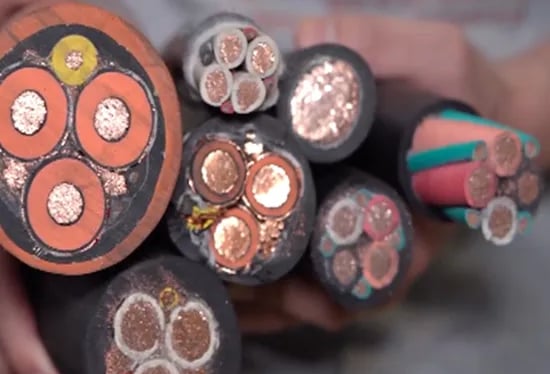
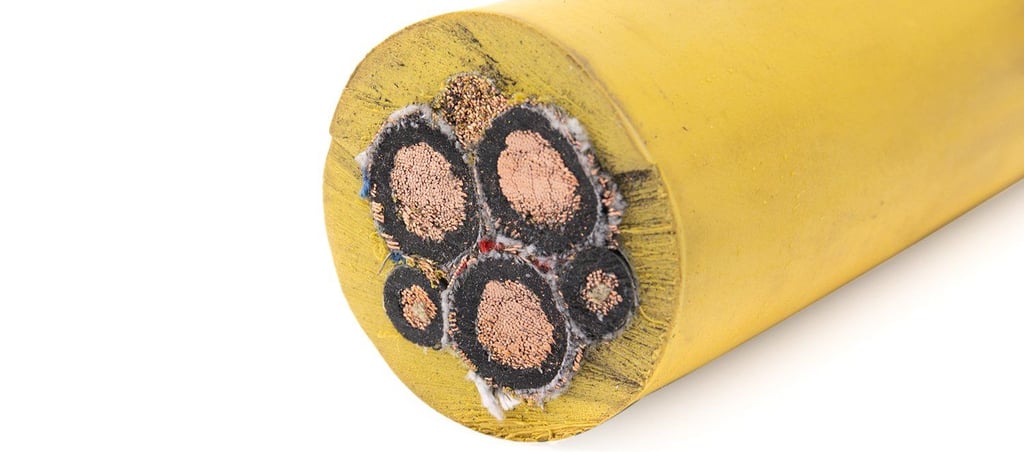
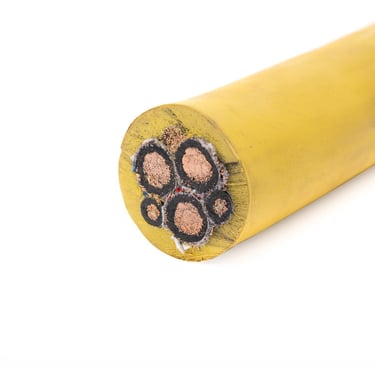
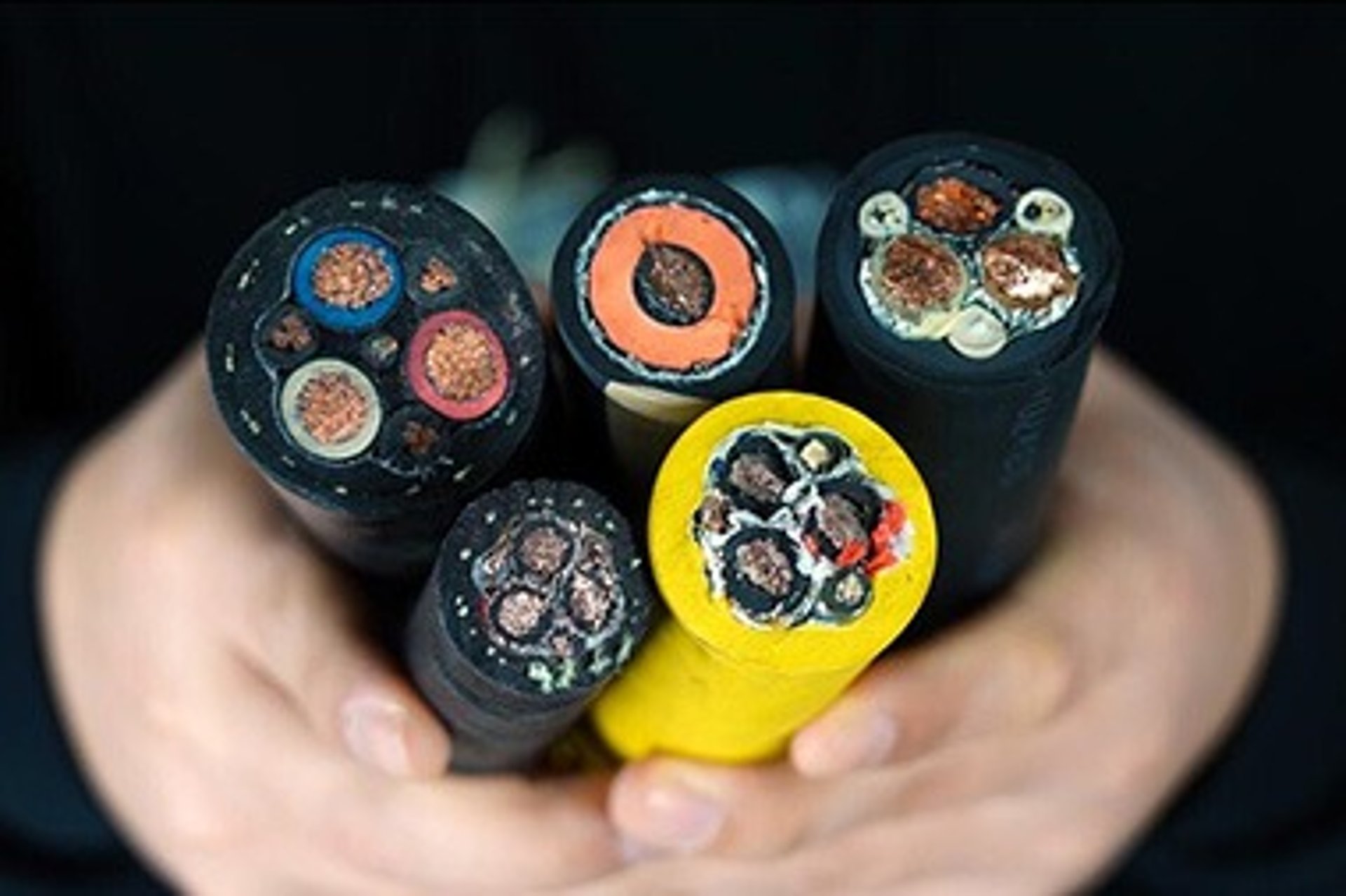
The design principles of trailing cables emphasise a multi-layered construction to balance conductivity, insulation, and protection. At the core are high-conductivity stranded copper conductors, often finely bunched for enhanced flexibility—think Class 5 or Class 6 stranding per IEC 60228 standards. This allows the cable to bend repeatedly without conductor fatigue. Surrounding the conductors is insulation, typically cross-linked polyethylene (XLPE) or ethylene propylene rubber (EPR), which offers superior thermal and electrical properties, withstanding voltages up to 6.6 kV and temperatures from -40°C to +90°C.
Protective sheaths form the outer barrier, crafted from materials like polychloroprene rubber (PCP) or polyurethane (PUR), renowned for abrasion, chemical, and moisture resistance. These sheaths are often reinforced with braided layers of steel or aramid fibres (e.g., Kevlar) to boost tensile strength, preventing twists and pulls from causing damage. The overall design adheres to principles of mechanical endurance, with minimum bending radii as low as six times the cable diameter, allowing for tight manoeuvres in confined spaces.
Materials selection is critical for trailing cables' performance in harsh environments. Conductors favour stranded copper for its excellent conductivity (up to 58 MS/m) and flexibility, outperforming aluminium in high-flex applications. Insulation materials like XLPE provide dielectric strength exceeding 20 kV/mm, while EPR excels in oil-resistant scenarios common in mining. Sheaths incorporate high-strength polymers or rubber compounds, with additives for UV stability and flame retardancy, meeting standards like IEC 60332 for fire resistance. Reinforcements such as steel braids add mechanical fortitude, enabling the cable to endure tensile loads over 15 N/mm².
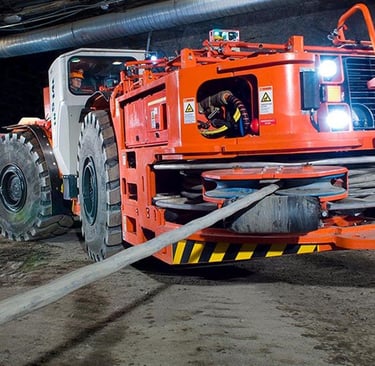
In applications, trailing cables shine in South Africa's mining industry, powering electric shovels, drills, and haul trucks. For instance, in open-pit operations, they trail behind loaders, resisting dust and rock abrasion while delivering consistent power. In construction, they support excavators and cranes, and in material handling, they energise conveyor systems. Their ability to handle continuous motion—up to millions of flex cycles—prevents downtime, a costly issue in industries where every minute counts. Drawing from decades of industry experience, proper selection based on load, environment, and voltage ensures these cables deliver reliability, reducing operational risks in our resource-intensive landscapes.
Exploring Reeling Cables
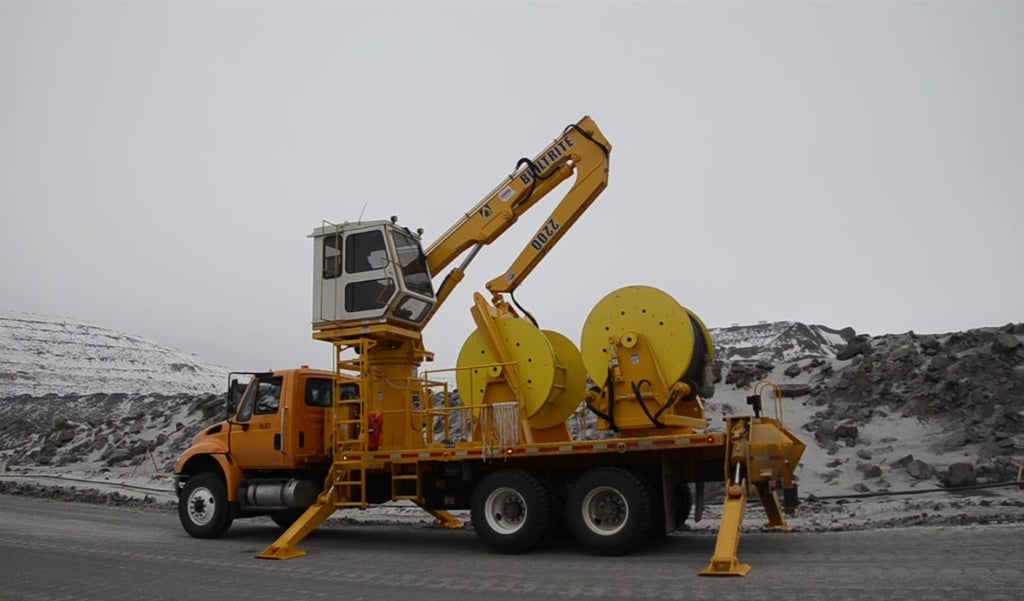
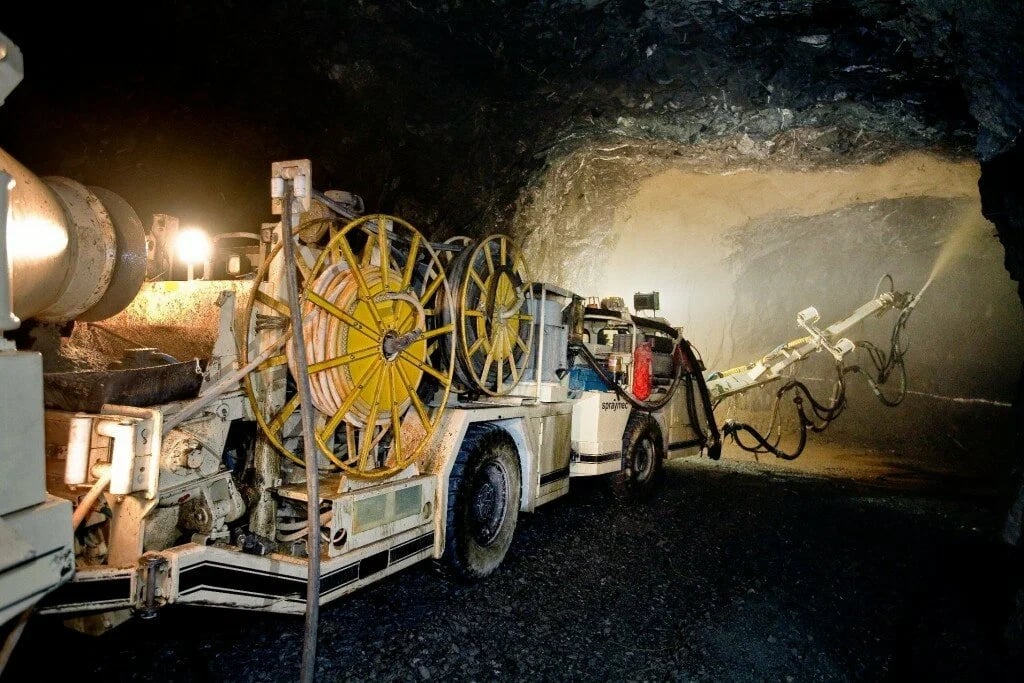
Reeling cables, also termed drum or festoon cables, are precision-engineered for applications demanding repeated extension and retraction, distinguishing them from trailing cables by their emphasis on coiling dynamics. While trailing cables focus on drag resistance, reeling cables prioritise handling torsional stress, high tensile loads, and winding onto drums without compromising integrity. This makes them indispensable for equipment like overhead cranes and mining draglines, where cables must uncoil smoothly under load.
Their construction incorporates unique traits for dynamic performance. Conductors are typically finely stranded copper or tinned copper for corrosion resistance, arranged in a helical layout to minimise stress during bending. Insulation layers use flexible materials like thermoplastic elastomer (TPE) or EPR, ensuring electrical properties remain intact through millions of cycles. The outer sheath, often polyurethane or neoprene rubber, provides abrasion resistance, with embedded torsion protection braids—textile or plastic threads—between inner and outer layers to counter twisting forces.
Challenges in reeling cables include mechanical stresses like abrasion from drum friction, tension in vertical lifts (up to thousands of Newtons), and torsion from rotational movements. Environmental factors compound this: exposure to oils, acids, UV rays, and temperature extremes from -50°C to +100°C. Engineering solutions draw on advanced materials—aramid fibres for internal strain relief, flexible steel ropes for external support—and design innovations like optimised lay lengths to prevent corkscrewing. Electrical integrity is maintained through high-flex conductors and shielding against electromagnetic interference, crucial for signal transmission in automated systems.
In South African contexts, reeling cables find prime applications in mining, where they power draglines and bucket wheel excavators in open pits, or stacker-reclaimers in coal handling. For cranes and hoists in ports like Durban, they enable precise movements, while in conveyors, they support repetitive operations. Industry expertise underscores that selecting cables with proven endurance—such as those tested to 5 million flex cycles—mitigates failures, enhancing safety in our high-stakes environments. By addressing these challenges head-on, reeling cables ensure seamless power delivery, embodying the resilience needed for South Africa's industrial backbone.
South African Standards and Models for Trailing and Reeling Cables
South Africa's regulatory framework for trailing and reeling cables is robust, governed by SANS and SABS, with oversight from NRCS to enforce safety in high-risk sectors like mining. These standards align with IEC norms, such as IEC 60502 for power cables, but incorporate local adaptations for extreme conditions—dusty savannas, humid coastal areas, and deep-mine heat. Compliance ensures flame retardancy (SANS 10108), mechanical durability, and electrical safety, mandatory under the Mine Health and Safety Act.
For trailing cables, popular South African models include SANS Type 41 (640/1100 V), ideal for low-medium voltage in underground coal mines with its polychloroprene sheath resisting oils and flames. Type 61 features heavy-duty PCP sheathing for general mining, while Type 63 (1.9/3.3 kV) and Type 66 (3.8/6.6 kV) cater to higher voltages in platinum shafts, offering flexible constructions with Kevlar reinforcements for drag resistance. These models prioritise polychloroprene for its elasticity and suitability in confined, abrasive spaces.
Reeling cable models in South Africa, such as R-(N)TSCGEWTOEUS, are designed for high mechanical stress in cranes, with voltage ratings up to 35 kV and automatic reeling compatibility. Texoprene TRSSzue suits coal cutters with individually screened conductors (ICM) for signal integrity, while TRM models excel in shaft sinking, featuring TPE sheaths for torsion resistance. These often include high-voltage capabilities and temperature tolerance from -40°C to +90°C, tailored for our variable climates.
Comparing to global standards, South African models outshine Australian Type 241.1 (high-temperature focus) by emphasising dust and moisture resistance, as per SABS 1574 for mining cables. This localisation ensures better performance in local pits, where extreme aridity or monsoon-like rains prevail. Authoritative sources like SABS testing labs confirm these models' superiority in endurance, underscoring South Africa's engineering prowess in adapting global tech to regional needs.
Cases from the South African Mining Industry
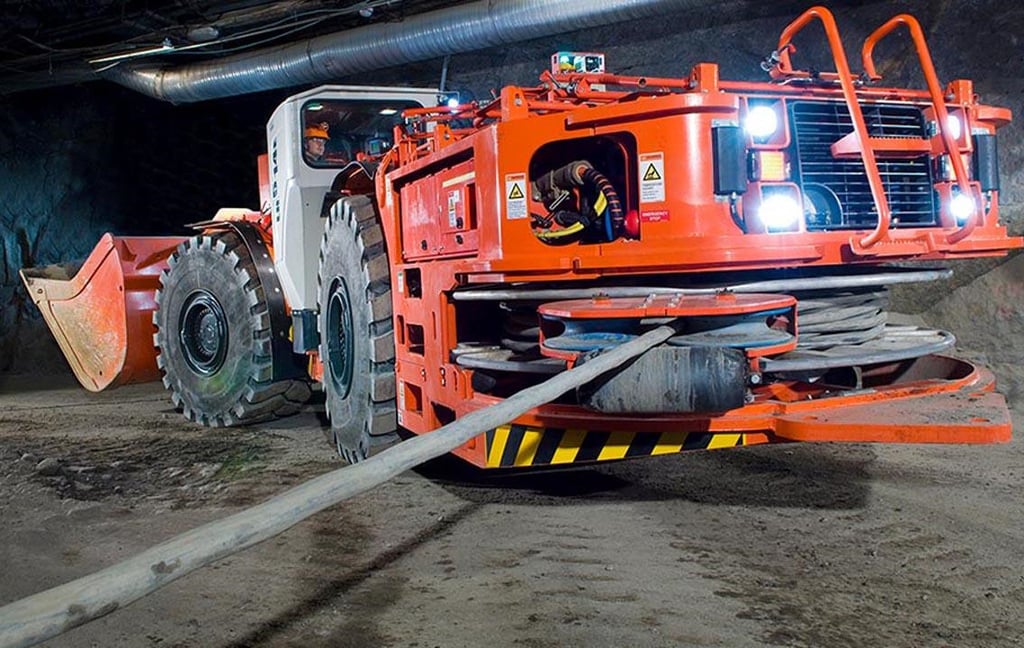
In South Africa's mining sector, trailing and reeling cables' reliability is tested daily. A study on Load Haul Dump (LHD) systems in underground gold mines, published in the Journal of the Southern African Institute of Mining and Metallurgy, examined operations at a Witwatersrand site. Here, trailing cables (4 x 35 mm², 150 m long, SANS Type 63) paired with automatic reeling devices minimised downtime. The research found that optimised cable flexing reduced failures by 40%, enhancing productivity in confined tunnels where poor visibility heightens risks.
Repair techniques for damaged trailing cables highlight practical challenges. In platinum mines like those in the Bushveld Complex, mobile equipment often damages cables due to operator errors in low-light conditions. A case from Impala Platinum's Rustenburg operations involved on-site vulcanisation repairs on Type 66 cables, restoring integrity without full replacement. This approach, compliant with SANS standards, cut costs by 30% and maintained safety, preventing electrical hazards in humid, methane-rich environments.
Cable theft poses a growing threat, as seen in Gauteng and North West provinces. Gangs target copper-rich trailing cables in deep-level shafts, disrupting operations at Anglo American Platinum sites. A 2023 incident at a North West mine halted production for days, costing millions in rand. Countermeasures include reinforced designs with steel braids and integrated GPS tracking, reducing theft by 25% in piloted areas, per industry reports.
At Anglo American's Zibulo Colliery in Mpumalanga, optimised reeling cables like PROTOMONT Festoon NTSKCGEWOEU (3.6/6 kV) transformed shuttle car operations. A case study revealed that these cables, with torsion-resistant braids, extended lifespan to over 5 million cycles, slashing maintenance by 35% and boosting coal output by 15%. This underscores how tailored South African models drive efficiency in our coal-rich regions, blending global innovation with local resilience.
Safety Considerations and Best Practices
Safety in trailing and reeling cables begins with fire resistance, using flame-retardant materials like halogen-free PCP to inhibit flame propagation per SANS 10108. Insulation integrity, via XLPE or EPR, prevents leaks and shocks, with shielding reducing electromagnetic risks in signal-carrying cables.
Durability against hazards is paramount: abrasion-resistant sheaths combat wear, while chemical and moisture barriers protect in acidic mine waters. Mechanical loads demand tensile strengths over 15 N/mm², with regular inspections spotting wear early.
Best practices include selecting based on bending radii (e.g., 6x diameter for dynamic use) and endurance testing. Collaborate with SABS-certified manufacturers for custom solutions, ensuring compliance and minimising downtime through proactive maintenance.
Frequently Asked Questions (FAQ)
Q1: What distinguishes trailing cables from reeling cables in South African mining applications?
Trailing cables are dragged behind equipment like haul trucks, focusing on abrasion resistance, while reeling cables handle winding on drums for draglines, emphasising torsion protection—vital in our deep mines.
Q2: How do SANS Type 63 and Type 66 cables perform in high-voltage mining operations?
Type 63 (1.9/3.3 kV) suits medium-voltage drills with flexible PCP sheaths, while Type 66 (3.8/6.6 kV) excels in shovels, offering enhanced tensile strength for South Africa's platinum operations.
Q3: What materials ensure reeling cables withstand torsional stress in cranes and hoists?
Torsion braids from textile fibres, combined with PUR sheaths and aramid strain relief, provide resilience, as seen in local crane applications.
Q4: Why is cable theft a major issue in South African mines, and how can it be mitigated?
High copper value drives theft in provinces like North West; mitigate with reinforced designs and security like patrols and trackers.
Q5: How should one select the right trailing or reeling cable for underground coal mining under SABS 1574?
Evaluate voltage, flex cycles, and environmental resistance; consult SABS for compliance in methane-prone areas.
Q6: What are the temperature ranges and flex cycles for typical South African reeling cables?
Ranges from -40°C to +90°C, with up to 5 million cycles for models like R-(N)TSCGEWTOEUS.
Q7: Can custom reeling cables be sourced from South African manufacturers for specific industrial needs?
Yes, local firms offer bespoke solutions meeting SANS, tailored for unique stresses.
Q8: How do environmental factors like dust and moisture affect cable longevity in open-pit mines?
They accelerate wear; PCP sheaths and seals extend life, per SABS guidelines.
Conclusion
Trailing and reeling cables are indispensable for South Africa's industrial might, from their layered designs and durable materials to specialised models like SANS Type 66. Case studies from LHD systems to Zibulo Colliery illustrate their real-world impact, enhancing safety and efficiency.
Looking ahead, advancements in fire-retardant tech and automation will further support mining growth. Consult SANS-compliant suppliers and assess site needs to optimise performance—your operations depend on it.
At Feichun, we supply a wide variety of cables and associated items that are completely reliable, premium-grade, and built to endure. Our standout offerings include versatile trailing and reeling cables, crane-specific cables, photovoltaic cables, fire-retardant and fire-proof cables, rubber-sheathed cables, plus numerous others. We invite you to explore our site for additional details on our cable solutions. Reach out at: Li.wang@feichuncables.com
Email Address: Li.wang@feichuncables.com
© 2025. All rights reserved.
One-click to Quickly Contact
Products
Contact
Company
Location:
Building A Private Science and Technology Park, Hefei Economic and Technological Development Zone, Anhui Province, China
Heat Resistant Cable
WhatsApp: +86 17333223430
Social Media: