Anhui Feichun Special Cable Co.,Ltd Email: Li.wang@feichuncables.com
What Are Flexible Cables and Why Do They Keep South Africa's Toughest Industries Running Smoothly?
Explore flexible cables – the durable, high-flex solutions powering South Africa's mines, renewable energy farms, and automation lines. Learn about flexible cable types, construction, applications, and FAQs for reliable performance in harsh conditions.
Li. Wang
11/18/20257 min read
Why Flexible Cables Matter in South Africa
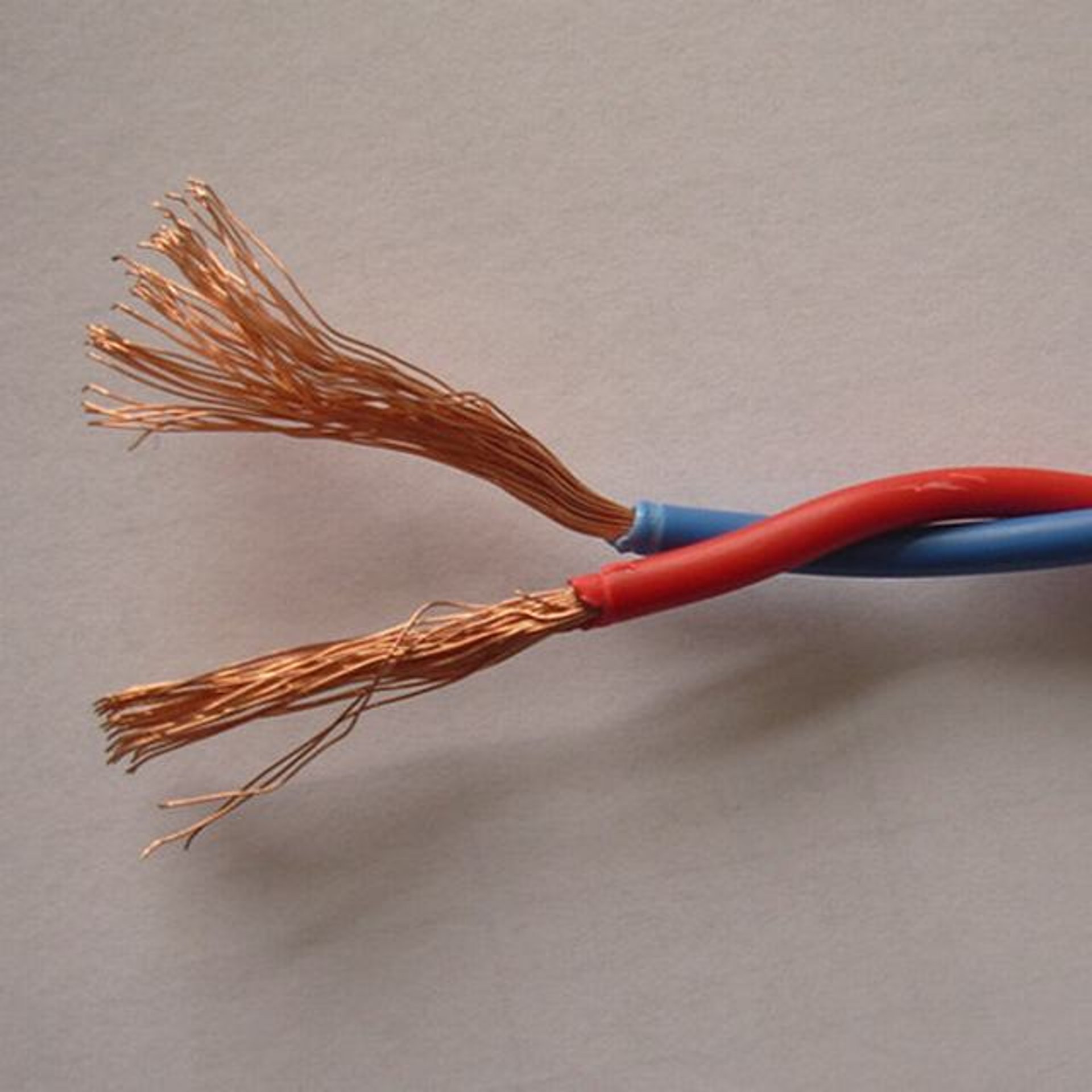
In the heart of South Africa's bustling industrial landscape, where machinery hums relentlessly and innovation drives economic growth, flexible cables play a pivotal role that often goes unnoticed. But what exactly is a flexible cable? At its core, a flexible cable—sometimes called a continuous-flex cable or flex cable—is an electrical conductor engineered specifically for environments involving constant movement, bending, twisting, or vibration. Unlike ordinary fixed-installation cables, which are rigid and suited for static setups like building wiring, flexible cables are designed with finely stranded or braided conductors that allow them to endure millions of flex cycles without losing integrity or conductivity.
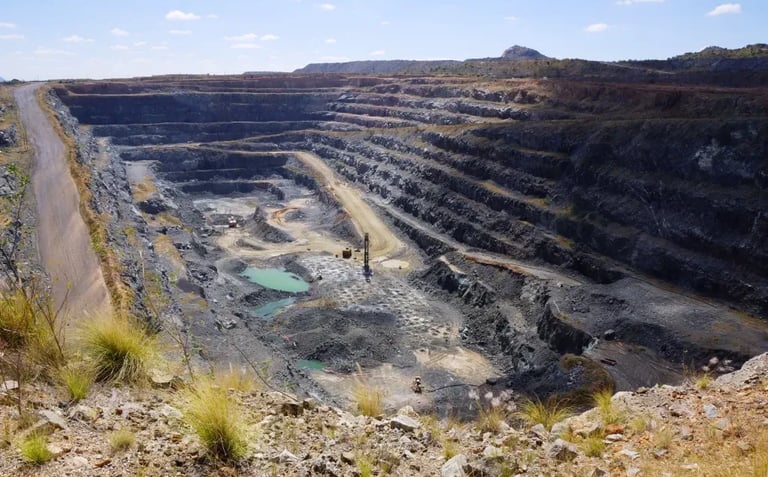
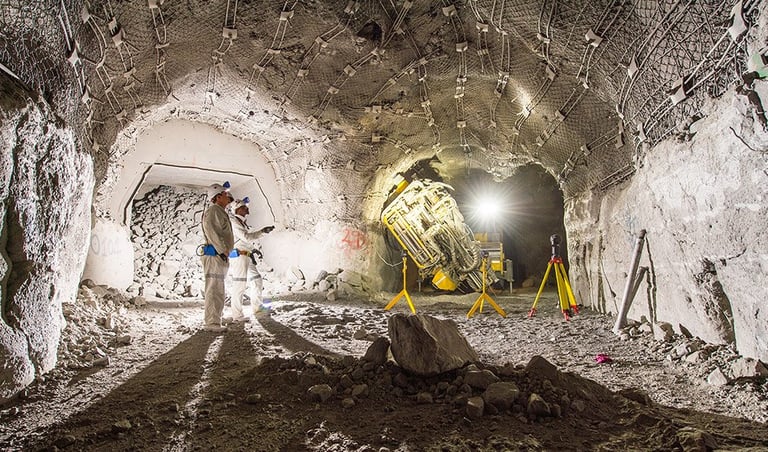
This distinction is crucial in a country like South Africa, where operating conditions can be unforgiving. Imagine the deep-level gold mines in Gauteng, where dust-laden air, extreme heat up to 40°C underground, and relentless vibrations from drilling equipment test every component. Or consider the wind-swept renewable energy farms in the Eastern Cape, battered by coastal gales and temperature swings from freezing nights to scorching days. Add to that the ongoing challenge of load-shedding, which stresses electrical systems with frequent power fluctuations, and you see why standard cables simply won't cut it. Flexible cables are built to flex, twist, and endure, preventing failures that could halt operations.
The statistics paint a stark picture. South Africa's mining sector alone consumes thousands of kilometres of specialised flexible cables annually, supporting everything from shuttle cars to continuous miners. Meanwhile, the Renewable Energy Independent Power Producer Procurement Programme (REIPPPP) has spurred massive growth in high-flex applications, with over 100 wind and solar projects demanding cables that can handle torsional stresses and UV exposure. According to industry reports, the local cable market for renewables is projected to grow by 15% yearly through 2030, driven by these needs.
The hook is simple yet compelling: one flexible cable failure in a deep mine or atop a wind turbine can lead to millions in downtime costs, lost production, and even safety risks. In South Africa, where industries like mining contribute over 7% to GDP and renewables are key to energy security, flexible cables aren't just components—they're the unsung heroes keeping the nation moving. This article delves deep into their engineering, types, applications, and more, with a focus on South African contexts, to equip you with the knowledge to choose and use them effectively.
How Flexible Cables Are Built – The Engineering Behind the Flex
To appreciate why flexible cables outperform their rigid counterparts, we must unpack their sophisticated construction. At the heart lies the conductor design, which sets true flexible cables apart from cheaper alternatives. Traditional cables often use layered stranding, where conductors are wound in concentric layers around a central core. This method is cost-effective and simple to manufacture, but it has a fatal flaw in dynamic applications: during repeated bending, the inner layers compress while the outer ones stretch, leading to material fatigue. Over time, this causes the infamous "corkscrew" deformation, where the cable twists unnaturally, resulting in core ruptures and electrical failures.
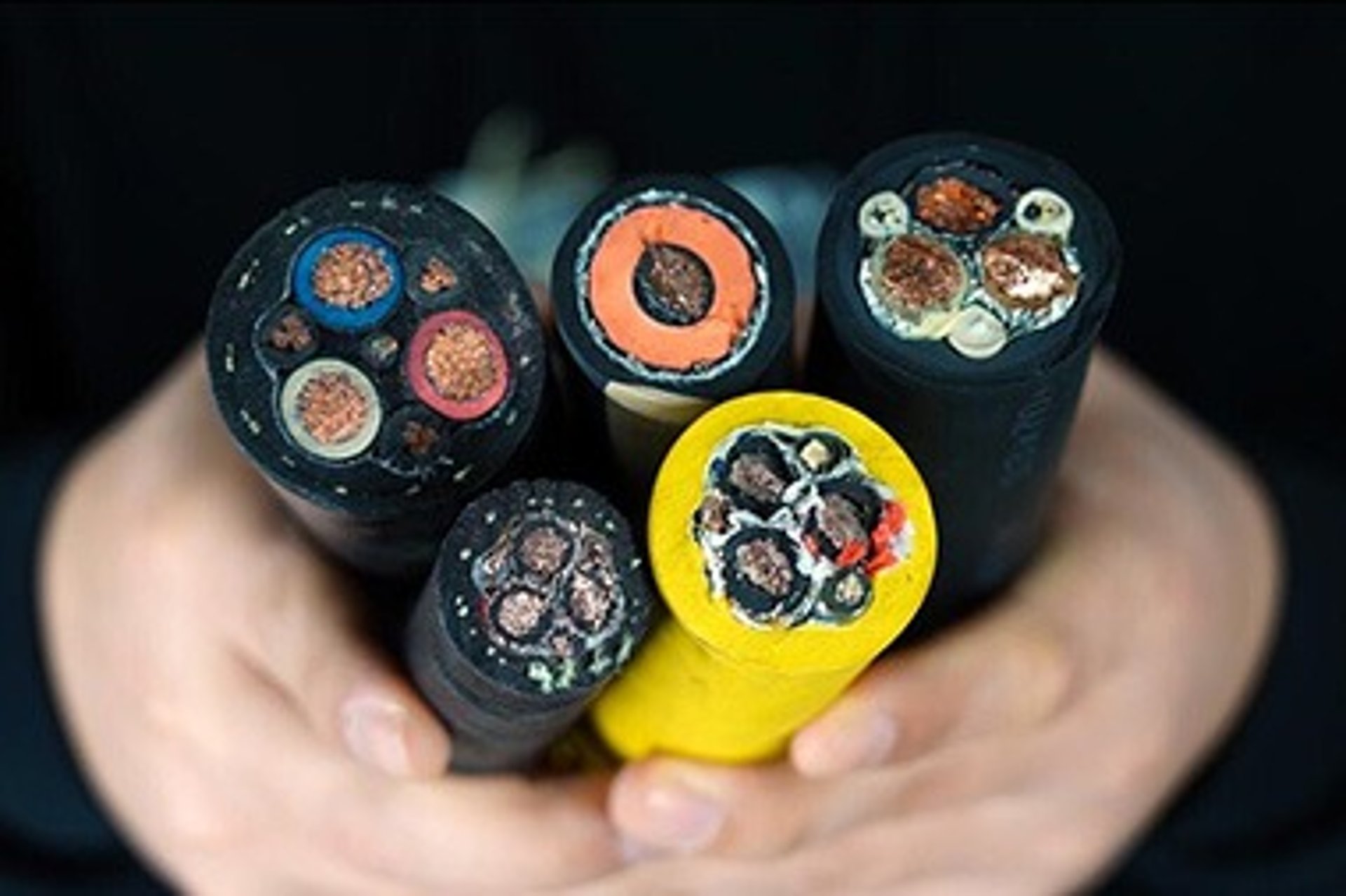
In contrast, high-quality flexible cables employ bundled or braided conductors. Here, fine copper strands—often numbering in the hundreds per core—are braided around a tension-proof central element, ensuring even distribution of stress. This design eliminates uneven compression and stretching; as the cable flexes, each strand transitions smoothly from inner to outer positions, minimising wear. For South African applications, where cables might face abrasive dust or corrosive mine water, these conductors are typically made from high-purity copper to maintain conductivity.
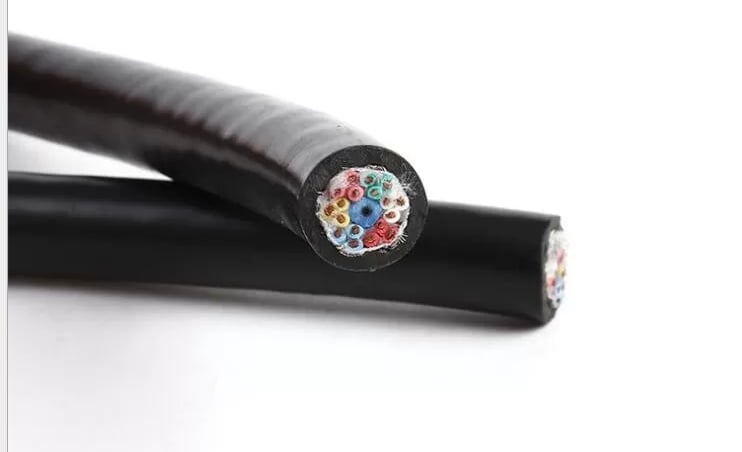
Insulation and sheathing are equally critical. In SA-spec cables, materials like Ethylene Propylene Rubber (EPR) or Chlorosulphonated Polyethylene (CSP) are common for their resilience against heat, chemicals, and abrasion—think SANS 1520-compliant rubber sheaths used in mining. Polyurethane (PUR) and Thermoplastic Elastomer (TPE) jackets provide superior flexibility and oil resistance, ideal for oily manufacturing floors or outdoor renewables. These layers not only insulate individual conductors to prevent short circuits but also incorporate fillers and separators to maintain shape and avoid tangling during motion.
Shielding adds another layer of protection, especially in noisy industrial environments. Braided metallic shields or foil wraps guard against electromagnetic interference (EMI), crucial for control signals in automation. Anti-torsion features, such as aramid yarns or special braiding patterns, prevent twisting-induced failures in rotational applications like robot arms.
Flex ratings quantify this durability. A standard cable might survive 50,000 cycles—adequate for occasional movement—but continuous-flex variants handle 1 to 10 million cycles or more, tested under standards like VDE 0250-814. In South Africa, where extreme conditions amplify stress, opting for higher ratings is non-negotiable.
For a visual comparison, imagine layered stranding as a rigid onion: each peel shifts unevenly under pressure, leading to cracks. Bundled braiding, however, resembles a flexible rope, where fibres share the load equally, extending lifespan dramatically. This engineering isn't just theoretical; it's what keeps South African operations running smoothly.
Types of Movement Flexible Cables Must Handle
Flexible cables aren't one-size-fits-all; they're tailored to specific motion types, each presenting unique stresses. Rolling flex involves back-and-forth motion, like cables in drag chains on conveyor systems. Here, the cable glides along a track, enduring constant sliding and minor bends—common in South African factories where chains protect against snags.
Bending flex, or "tic-toc" motion, mimics a hinge: repeated folding in one plane, as seen in robotic arms on assembly lines. The cable must resist fatigue from these cycles without cracking.
Torsional flex adds rotation along the axis, twisting the cable like a robot wrist or wind turbine yaw mechanism. This demands anti-torsion designs to prevent unravelling.
Multi-axis or random motion combines all these, with unpredictable directions—think advanced automation in car plants, where cables twist, bend, and roll simultaneously.
South Africa adds its own challenges: extreme temperatures from -20°C in highveld winters to +50°C in Northern Cape summers, plus dust ingress in mines, accelerate wear. Flexible cables here incorporate dust-seals and wider temperature-rated materials, ensuring they handle these "extras" without compromise.
Common Types of Flexible Cables Used
South Africa's diverse industries demand a variety of flexible cable types, each compliant with local standards. Flexible trailing and reeling cables, like Type 61, 63, and 611 under SANS 1520, are mining staples. These rubber-sheathed power cables reel onto drums for shuttle cars, offering high abrasion resistance in wet, dusty tunnels.
Drag-chain or continuous-flex control and power cables, such as ÖLFLEX® CHAIN or HELUCHAIN equivalents, feature PUR jackets for oil-heavy factories. They carry signals and power in automation, with millions of cycle ratings.
Robotic cables prioritise torsion, with braided conductors and flexible sheaths for twisting joints in automotive plants.
Solar PV and wind-turbine cables, like SOLARFLEX® variants, are UV-resistant and torsion-rated for nacelle movements, surviving harsh outdoor conditions.
Flat festoon cables suit overhead cranes in ports, while medium-voltage reeling cables power opencast excavators. Specialised cords include welding cables for arc-resistant flexibility, Ethernet for data in motion, and coiled types for extendable tools.
Applications in South African Industry
In deep-level mining, flexible cables power shuttle cars and continuous miners, enduring vibrations in gold reefs. Opencast operations use them on draglines and excavators.
Manufacturing relies on them for robotic welding and conveyors, as in BMW's Rosslyn plant.
Renewables see them in wind farms for yaw control and solar arrays for tracker movements.
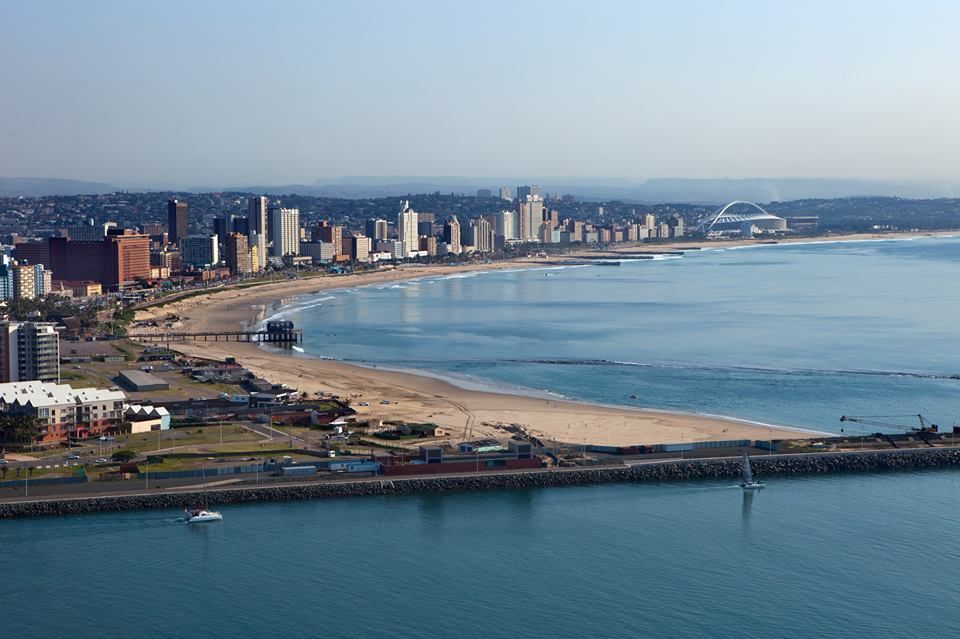
Ports use them on cranes and stacker-reclaimers at Durban, while automotive assembly at Toyota in Prospecton employs them for dynamic lines.
South African Case Studies
Real-world successes underscore flexible cables' value. At Anglo American Platinum mines in the Bushveld Complex, switching to continuous-flex reeling cables slashed failures by over 70%. Previously, layered cables corkscrewed under reeling stress, causing R2 million in monthly downtime. The upgrade, with bundled conductors, extended life to millions of cycles, boosting output.
In the Northern Cape's Finsch Diamond Mine, an automation revamp installed high-flex drag-chain cables on robotic drilling rigs and autonomous haul trucks. These endured multi-axis motion in dusty heat, reducing maintenance by 50% and enhancing safety.
The Jeffreys Bay Wind Farm in the Eastern Cape uses torsion-rated flexible cables in nacelles, withstanding millions of yaw twists amid salty winds. This prevented failures that plagued early installations, maintaining 98% uptime.
Kathu Solar Park, a REIPPPP flagship, employs UV-resistant flexible cables in trackers, keeping losses under 1% despite 50°C heat. Similar setups in other projects highlight their role in energy efficiency.
At Durban and Richards Bay ports, retrofitting festoon systems with continuous-flex drag-chain cables cut call-outs by 60%, as bundled designs resisted crane motions better than old PVC types.
Standards & Compliance Every South African Buyer Must Know
Compliance is non-negotiable. SANS 1520 governs mining trailing cables, ensuring flame-retardance and durability. IEC 60228 and VDE 0250-814 rate conductors and flex life.
NRCS Letters of Authority (LOA), SABS marks, RoHS, and REACH ensure safety and eco-friendliness. Cheap imports often lack these, failing quickly underground due to poor materials.
Buying & Specifying Tips for the South African Market
Match flex ratings to cycles—don't underspec for mines or overspend for light use. Local suppliers like CBI Electric offer quick lead times and rand pricing versus imports.
Test drag-chain compatibility. Prioritise -25°C to +90°C ranges, oil/UV/flame resistance. Genuine cables carry 5–10 million cycle warranties.
Frequently Asked Questions (FAQ)
What is the difference between “flexible” and “continuous-flex” cable?
Flexible cables handle occasional movement, while continuous-flex variants, with braided conductors, endure millions of cycles in constant motion.
Can I use normal PVC house wire in a drag chain or on a reel?
No; it lacks the stranding and sheathing for flex, leading to quick failures like corkscrews.
How many flex cycles can a good mining trailing cable survive?
SANS 1520-compliant ones handle 1–5 million cycles, depending on type.
Why do cables still fail even when installed in a drag chain?
Improper sizing, mismatched ratings, or dust ingress can cause issues; always match to motion type.
Are solar cables on farms really “flexible” – they look stiff?
Yes; their stiffness comes from UV-resistant sheaths, but internal stranding allows tracker bending.
Is it cheaper to buy non-SANS-approved cable for surface applications?
Short-term yes, but failures cost more; compliance ensures longevity.
What is the typical lifespan of robotic cable on a car-plant robot in SA conditions?
2–5 years or 5–10 million cycles, with proper maintenance.
Do I need special cables for variable-speed drives (VSDs) in flex applications?
Yes; shielded types prevent EMI interference.
How do I calculate the right cable size when it is constantly moving?
Factor in current, voltage drop, and derating for flex heat; use IEC tables.
Where can I get proper flex-life testing done in South Africa?
Labs like SABS or university facilities in Johannesburg offer it.
Conclusion
Flexible cables are indispensable for South Africa's progress, from mines to renewables. By understanding their build, types, and applications, you ensure reliability. Invest wisely—your operations depend on it.
Email Address: Li.wang@feichuncables.com
© 2025. All rights reserved.
One-click to Quickly Contact
Products
Contact
Company
Location:
Building A Private Science and Technology Park, Hefei Economic and Technological Development Zone, Anhui Province, China
Heat Resistant Cable
WhatsApp: +86 17333223430
Social Media: