Anhui Feichun Special Cable Co.,Ltd Email: Li.wang@feichuncables.com
What Are Trailing Cables and Why Are They Crucial for South Africa's Heavy Industries?
Dive into the essentials of trailing cables, specialised flexible power solutions vital for South Africa's mining and construction sectors. This in-depth article explores trailing cable design, materials, applications, safety features, benefits, limitations, real-world South African case studies, and answers common FAQs to enhance understanding of these robust electrical cables in demanding environments.
Li.Wang
11/19/20258 min read
Introduction
Imagine the vast, dusty expanses of a Witwatersrand gold mine, where massive excavators rumble across the rugged terrain, unearthing precious metals that fuel South Africa's economy. These behemoths don't run on thin air; they rely on a lifeline of power that snakes behind them, enduring the relentless drag over sharp rocks and through abrasive soil. Enter trailing cables – those unsung heroes of heavy industry that keep the wheels turning in some of the harshest conditions imaginable.
In South Africa, where mining contributes significantly to the GDP and employs thousands, trailing cables are more than just wires; they're essential flexible power solutions designed for mobile equipment in extreme environments. From the platinum-rich Bushveld Complex to the iron ore fields of the Northern Cape, these cables ensure uninterrupted energy supply to draglines, shovels, and haul trucks, all while battling mechanical stress, moisture, and dust. But what exactly makes them tick? This article aims to provide a comprehensive, in-depth exploration of trailing cables, shedding light on their role in heavy industry with a particular focus on South African contexts like mining operations.
We'll delve into their definition, design principles, materials, applications, safety considerations, benefits, and limitations. Drawing from real-world examples, including case studies from prominent South African mines, we'll illustrate how these cables enhance efficiency and safety. Additionally, a dedicated FAQ section will address common queries, helping operators, engineers, and stakeholders navigate the complexities of trailing cables. By the end, you'll appreciate why these specialised cables are indispensable for sustainable industrial operations in our rainbow nation, where reliability can mean the difference between productivity and perilous downtime.
South Africa's mining heritage, from the gold rushes of the late 19th century to modern platinum extraction, underscores the need for such innovations. With the sector facing challenges like fluctuating commodity prices and stringent safety regulations under the Mine Health and Safety Act (MHSA), understanding trailing cables isn't just academic – it's practical. Whether you're a mine manager in Mpumalanga or a construction foreman in Gauteng, this guide equips you with the knowledge to make informed decisions, ensuring your operations run smoothly and safely.
What Are Trailing Cables?
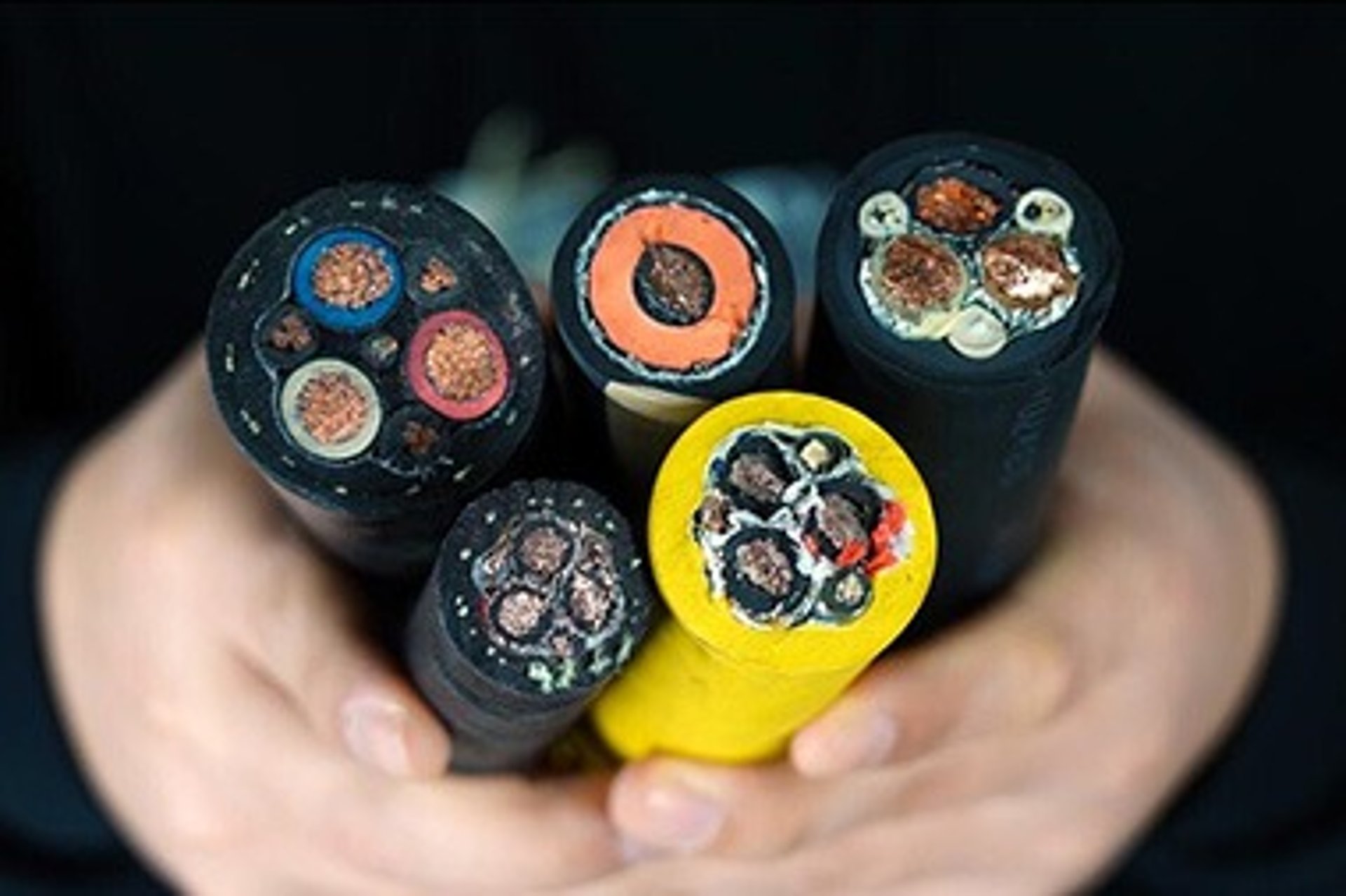
Trailing cables, often referred to as reeling cables or mining trailing cables, are specialised flexible electrical cables engineered specifically for dynamic applications where equipment must move while remaining powered. Unlike static cables that sit fixed in conduits or trays, trailing cables are built to be dragged, reeled, bent, twisted, and stretched repeatedly without compromising performance. This makes them ideal for powering mobile machinery in demanding industrial settings, such as South Africa's bustling mines and construction sites.
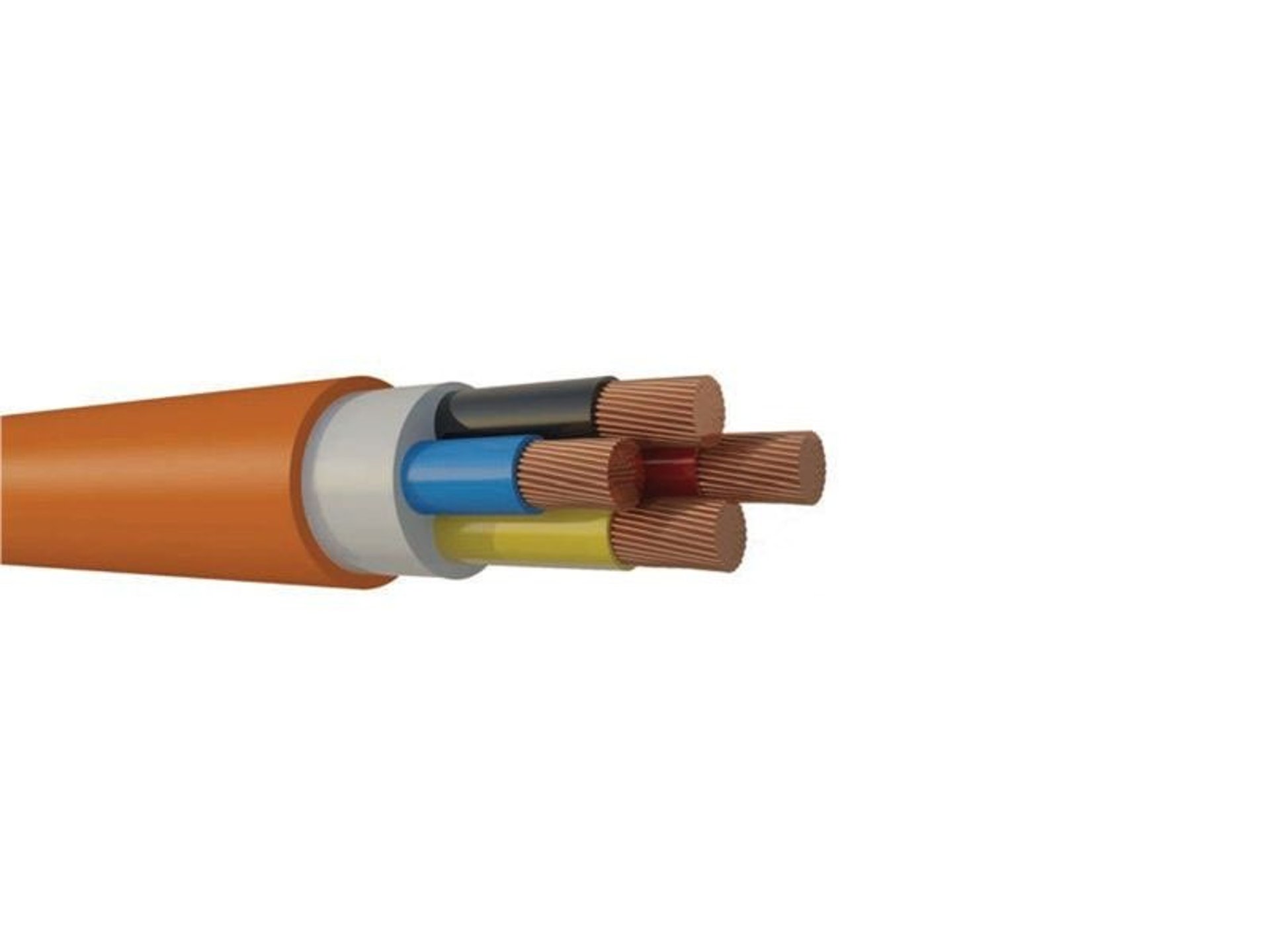
At their core, trailing cables provide a reliable conduit for electrical power, control signals, and sometimes data transmission to equipment that operates in motion. Their high flexibility stems from a design that accommodates constant mechanical stress – think of a haul truck traversing uneven ground in a Limpopo coal mine, with the cable trailing behind, enduring abrasion from debris and flexing with every turn. Key characteristics include exceptional durability against environmental hazards like moisture, chemicals, extreme temperatures, and physical wear. They typically feature voltage ratings from 415V to 22kV, making them suitable for heavy-duty applications.
What sets trailing cables apart from standard cables, such as THHN (thermoplastic high heat-resistant nylon-coated) or PVC (polyvinyl chloride) types used in fixed installations? For starters, standard cables often employ solid or coarsely stranded conductors that prioritise cost and simplicity but falter under repeated flexing, leading to fatigue and breakage. Trailing cables, however, use finely stranded copper conductors, which enhance flexibility and resistance to mechanical fatigue. Their outer sheaths are far more robust, crafted from materials that resist tearing and puncturing, unlike the thinner jackets on everyday PVC cables.
In South African contexts, trailing cables must comply with local standards like SANS 1574, which governs mining cables, ensuring they withstand the unique challenges of our arid, dusty landscapes and underground operations. They're not just about power delivery; they incorporate safety features like pilot cores – small conductors that monitor cable integrity and trigger automatic shutdowns if damage occurs, preventing shocks or fires in high-risk environments. This differentiation is crucial in industries where downtime can cost millions in lost production, as seen in our platinum and gold sectors.
Moreover, trailing cables evolve with technology. Modern variants integrate fibre optics for data alongside power, supporting automation in smart mining initiatives. In essence, they're the backbone of mobile industrial power, bridging the gap between stationary sources and moving machinery, and proving indispensable in South Africa's resource-driven economy.
Design Principles and Construction
The design of trailing cables revolves around three pillars: flexibility, durability, and safety. These principles ensure the cables perform reliably in dynamic environments, where standard designs would fail. Engineers prioritise a construction that allows for repeated bending (with bend radii as low as six times the cable diameter) while maintaining electrical integrity and resisting external forces.
Starting with the core components, trailing cables feature finely stranded copper or copper-clad steel conductors. These strands – often numbering in the hundreds per core – provide high conductivity (up to 59.6 MS/m for copper) and exceptional fatigue resistance. Unlike solid conductors in fixed cables, this stranding prevents breakage from flexing, crucial for applications like reeling systems in South African ports or draglines in open-pit mines. Conductors are sized from 10mm² to 120mm² to handle high currents, with multiple cores bundled for power, earth, and control functions.
Insulation layers form the next critical element. Materials like ethylene propylene rubber (EPR) or cross-linked polyethylene (XLPE) encase each conductor, offering superior electrical isolation, thermal resilience (up to 90°C continuous operation), and resistance to chemicals and oils. EPR, for instance, excels in flexibility at low temperatures, vital for South Africa's variable climates, from freezing winters in the Highveld to scorching summers in the Kalahari. These insulators prevent short circuits and maintain performance under mechanical stress.
Protective elements elevate the design further. The outer sheath, often polyurethane (PUR), neoprene, or chlorinated polyethylene (CPE), acts as the first line of defence against abrasion, UV radiation, moisture, and chemicals. In mining scenarios, where cables are dragged over sharp aggregates, this sheath's thickness and composition are engineered for tensile strength up to 15 N/mm². Optional shielding, such as tinned copper braids, mitigates electromagnetic interference (EMI), ensuring clean signals for automated equipment like remote-controlled drills.
Additional features enhance functionality. Non-hygroscopic fillers maintain cable roundness and distribute stress evenly, while central strength members like Kevlar yarns provide anti-twist properties, preventing kinking during reeling. Pilot cores, a hallmark of advanced designs, run parallel to main conductors; if the cable stretches or tears, the pilot circuit breaks, triggering relays to cut power instantly – a lifesaver in underground tunnels.
All this adheres to engineering standards. Internationally, IEC 60245 outlines rubber-insulated cables for voltages up to 450/750V, while South Africa's SANS 1574 specifies requirements for mining, including flame retardancy per IEC 60332. High-voltage variants comply with SANS 1520 for reeling cables. This rigorous construction ensures trailing cables not only survive but thrive in harsh settings, reducing failures and extending lifespans to 5-10 years with proper care.
Materials Used in Trailing Cable Construction
The materials in trailing cables are selected for their synergy in delivering flexibility, conductivity, and resilience. Conductors form the foundation, typically finely stranded high-purity copper for its excellent electrical conductivity and malleability. Copper-clad steel (CCS) alternatives offer added strength for high-tensile applications, balancing cost and performance in South African quarries where cables endure heavy loads.
Insulation materials are pivotal for safety and longevity. Ethylene propylene rubber (EPR) provides outstanding dielectric strength, flexibility across temperatures from -40°C to 90°C, and resistance to ozone, water, and acids – ideal for the corrosive atmospheres in coal mines. Cross-linked polyethylene (XLPE) complements this with superior thermal stability and low dielectric loss, making it suitable for high-voltage trailing cables in platinum operations.
The outer sheath and reinforcements define durability. Polyurethane (PUR) sheaths excel in abrasion resistance and elasticity, rebounding from impacts without cracking, as needed in dusty Northern Cape iron ore sites. Neoprene offers oil and flame resistance, while chlorinated polyethylene (CPE) withstands extreme weather. For added tensile strength, braided steel or Kevlar reinforcements are embedded, preventing elongation under drag forces and minimising twist-induced failures.
Specialised additions address safety concerns. Flame-retardant compounds, often low-smoke zero-halogen (LSOH), reduce toxic emissions in fires, complying with South African MHSA requirements for confined spaces. Thermoplastic elastomers enhance overall flexibility, while anti-twist cores – helical windings – maintain structural integrity during reeling.
These materials work in concert to elevate trailing cable performance, ensuring they meet the demands of South Africa's diverse industrial landscapes, from humid coastal ports to arid inland mines.
Common Applications of Trailing Cables
Trailing cables shine in sectors demanding mobile power, particularly in South Africa's mining-dominated economy. In mining, they power draglines, electric shovels, drills, and haul trucks, trailing behind as equipment navigates rough terrain. For instance, in Mpumalanga's coal fields, these cables supply up to 22kV to continuous miners, enduring constant dragging without failure.
Construction sites utilise them for cranes, excavators, and portable generators, where flexibility allows setup in temporary layouts. In ports like Durban, reeling variants – a subset of trailing cables – wind and unwind on drums for container handlers, supporting speeds up to 200m/min.
Quarrying mirrors mining, powering crushers and conveyors amid abrasive aggregates. In heavy industry, they're integral to festoon systems in factories, delivering power and signals to robotic arms.
South African relevance is profound; the platinum belt in Limpopo and North West provinces relies on them for underground operations, where LSOH features prevent smoke hazards. Oil and gas rigs offshore Cape Town use chemical-resistant sheaths, while automation in smart mines integrates data fibres for remote monitoring, boosting efficiency in our resource sector.
Safety Considerations for Trailing Cables
Safety is non-negotiable in trailing cable use, given risks like electrical shocks, fires, and mechanical failures in high-stakes environments. Key risks include insulation breaches leading to arcs or ground faults, especially in wet mines.
Essential features mitigate these: fire-resistant materials per IEC 60332 prevent flame propagation, while insulation integrity via EPR/XLPE reduces leakage. Grounding conductors ensure fault paths, complying with MHSA.
Best practices involve regular inspections for sheath damage, using reels to avoid twists and trip hazards. Correct sizing prevents overheating, and management systems like trays minimise risks.
Maintenance tips: weekly visual checks, annual electrical testing, and prompt replacements extend life and safety, aligning with South African regulations for zero-harm operations.
Benefits and Limitations of Trailing Cables
Trailing cables offer myriad benefits: unparalleled flexibility for dynamic use, durability against stressors, EMI protection via shielding, and safety through pilot cores, reducing risks and downtime.
However, limitations exist: higher costs from specialised materials, weight (e.g., 15kg/m for high-voltage types) necessitating handling aids, and maintenance demands. They're overkill for static setups, echoing trade-offs with THHN or NM cables – robustness versus affordability.
Real-World Examples with South African Focus
Globally, trailing cables have transformed mining; in Australia, advanced reeling systems cut downtime by 25% in iron ore pits.
In South Africa, Anglo American's Kumba Iron Ore mines in the Northern Cape exemplify success. Amid dusty, high-stress conditions at Sishen Mine – one of the world's largest open-pit operations – abrasion-resistant PUR-sheathed trailing cables were implemented for haul truck fleets. These cables, compliant with SANS 1574, reduced failures from debris drag, slashing downtime by 30% and boosting productivity in 2023-2024, as per reliability studies.
Sibanye-Stillwater's platinum mines in Rustenburg provide another case. Reeling cables with pilot cores prevented electrical incidents in deep shafts, aligning with MHSA. Integrating automation for remote monitoring, these cables averted shocks during a 2023 high-potential incident, enhancing safety and cutting maintenance costs by 20%.
Frequently Asked Questions (FAQ)
What makes trailing cables different from ordinary power cables?
Trailing cables feature finely stranded conductors and robust sheaths for flexibility and durability, unlike rigid PVC or THHN types.
How do I choose the right trailing cable for my mining setup in South Africa?
Assess voltage, environmental resistance, and SANS compliance; consult experts for custom fits.
What are the common causes of trailing cable failure?
Abrasion, overstretching, and poor maintenance lead to breakdowns.
Are trailing cables flame-retardant?
Yes, many comply with IEC 60332, with LSOH options for safety.
How often should trailing cables be inspected in a high-risk environment like a South African quarry?
Weekly visuals and annual tests are recommended.
Can trailing cables handle extreme temperatures?
Absolutely, from -40°C to 90°C, suiting our climates.
Conclusion
Trailing cables are vital for safe, efficient mobile power in South Africa's industries. Consult local experts for tailored solutions, adhering to MHSA for sustainable success.
Email Address: Li.wang@feichuncables.com
© 2025. All rights reserved.

One-click to Quickly Contact
Products
Contact
Company
Location:
Building A Private Science and Technology Park, Hefei Economic and Technological Development Zone, Anhui Province, China
Heat Resistant Cable
WhatsApp: +86 17333223430
Social Media: