Anhui Feichun Special Cable Co.,Ltd Email: Li.wang@feichuncables.com
What Is EASYFLEX (N)7YRDGOEU? Complete Guide for Wastewater Treatment & Simple Reeling Systems
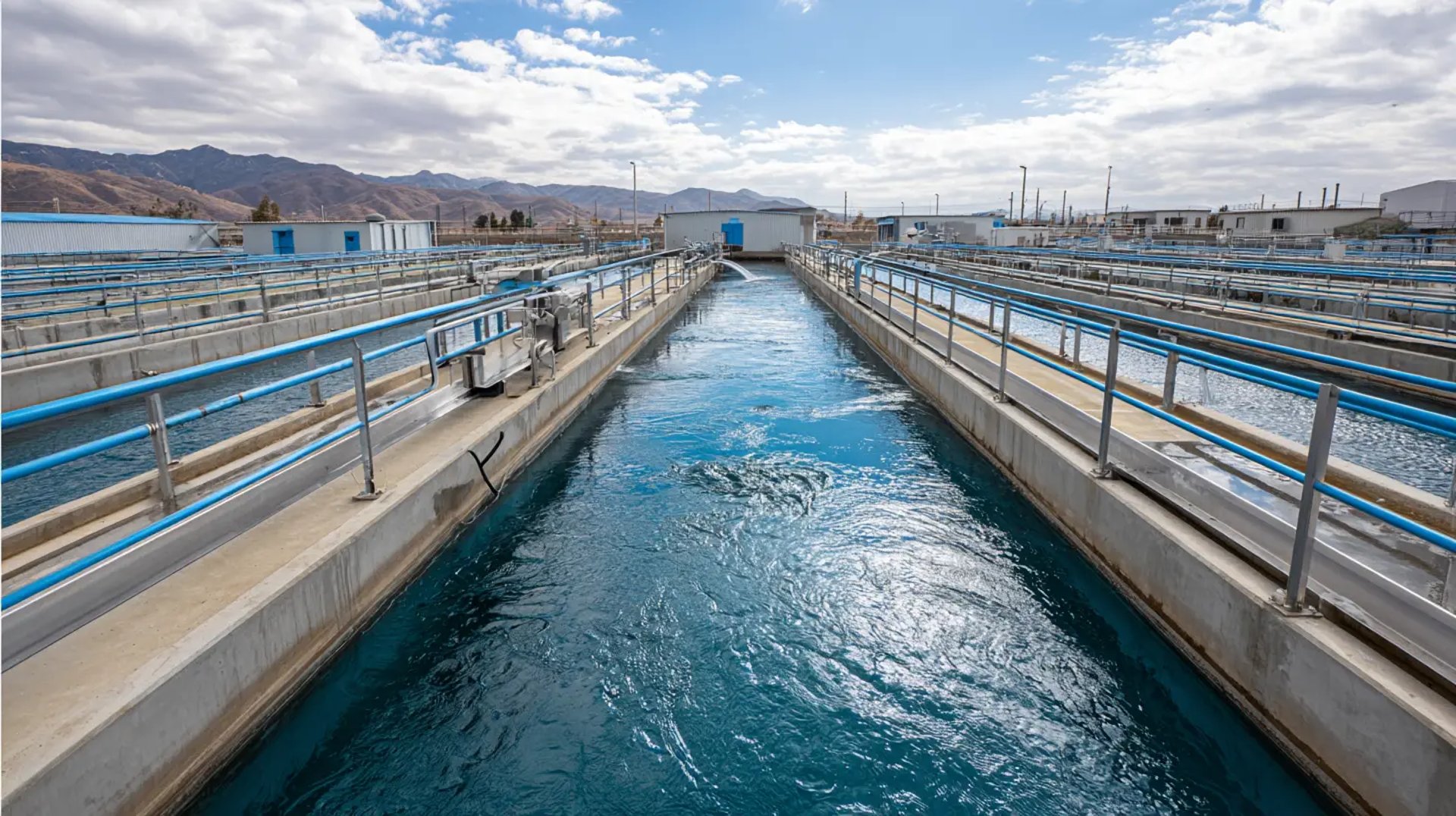
EASYFLEX (N)7YRDGOEU is a purpose‑engineered cable for municipal wastewater treatment plants and simple reeling systems. This complete guide explains its construction, technical specifications, material science, performance benefits, lifecycle cost advantages, and best practices, showing how it balances reliability, durability, and budget compliance perfectly for South African conditions.
Li Wang
5/9/202617 min read
Introduction: The Core Challenge in Municipal Infrastructure
In South Africa, municipal wastewater treatment plants, simple reel-fed pumping systems, and utility-scale industrial facilities operate under some of the most demanding conditions in the world. Infrastructure here must cope with intense ultraviolet radiation, wide temperature swings from freezing winter nights to scorching summer days, heavy rain, high humidity, and frequent exposure to splashing or partial immersion in water and chemically active environments. At the same time, these systems form part of public services, meaning every component must be selected within strictly controlled budgets, with an expectation of long service life and minimal maintenance over decades.
Three critical constraints define every cable selection decision in this sector, and balancing them is rarely straightforward. The first requirement is mechanical reliability specifically suited to basic reeling operations. Almost all intake pumps, moving sensor arrays, and automated distribution systems use spring-loaded cable reels, which operate at a standard speed of 80 metres per minute. The cable must withstand continuous winding and unwinding, repeated bending, moderate tension, and minor twisting without conductor fatigue, insulation cracking, or sheath damage. This is not heavy-duty industrial use found in mining or port operations, but it is dynamic enough that standard fixed-installation cables fail quickly.
The second constraint is environmental durability. Cables run fully exposed outdoors, and in many cases, they sit near or within water, leading to occasional or regular immersion. Materials must resist weathering, ozone degradation, UV breakdown, water absorption, and attack from mild chemicals, sewage gases, or biological agents present in wastewater. Any loss of integrity here leads to safety hazards, unplanned outages, and expensive replacements.
The third and perhaps most defining constraint is adherence to strict municipal budget targets. Public procurement processes demand value for money, and projects are almost always bound by fixed capital allocations. Engineers and procurement teams face a persistent dilemma: cheaper cables lack the necessary durability and fail in just a few years, while high-performance industrial cables carry price tags far beyond what municipal budgets allow. For decades, there was no perfect middle ground — until the development of EASYFLEX (N)7YRDGOEU, a cable engineered explicitly to resolve this conflict.
This guide explains exactly what this cable is, how it is built, the engineering principles behind its design, and why it has become the preferred choice in over 150 wastewater installations across South Africa and beyond.
What Is EASYFLEX (N)7YRDGOEU Cable?
EASYFLEX (N)7YRDGOEU-J is a flexible connection cable designed and manufactured by Prysmian Group, one of the world’s largest cable manufacturers under the Draka brand. From its conception, it was built for one primary purpose: use on spring cable reels and simple reeling applications in both indoor and outdoor environments. While it is widely used in light industry, mining support systems, and water distribution networks, its most significant application is within municipal wastewater treatment plants, where it addresses exactly the three constraints described above.
Unlike general-purpose cables, which are designed for fixed wiring, or heavy-duty trailing cables built for extreme high-speed or heavy-load operations, EASYFLEX (N)7YRDGOEU occupies a precise middle ground. Every element of its construction is calibrated to deliver performance exactly where it is needed, while avoiding unnecessary complexity or premium materials that add cost without adding value. It conforms fully to DIN VDE standards including VDE 0207, VDE 0250, and VDE 0298, meaning it meets recognised engineering specifications accepted in South African and international procurement frameworks.
At its core, it is defined by a unique combination of materials: very finely stranded bare copper conductors, ETFE insulation, an EPR inner sheath, and an EVA outer sheath. Together, these create a product that performs like an industrial cable but costs significantly less, with a service life measured in decades rather than years.
Full Technical Specification
The complete design and performance data from the official Prysmian technical catalogue is summarised below, offering engineers and procurement teams the precise details needed for specification and approval.
Construction Details
Conductor: Bare electrolytic copper, very finely stranded Class FS. This is the finest standard stranding class available, delivering exceptional flexibility and resistance to fatigue under repeated bending.
Insulation: ETFE (Ethylene Tetrafluoroethylene), black in colour. Material chosen for excellent mechanical strength, electrical stability, and chemical resistance, conforming to DIN VDE 0207.
Core Identification: Cores printed with sequential white numbers for easy circuit identification. Protective earth core is coloured green-yellow in compliance with international safety standards.
Core Arrangement: Cores laid up in layers with a binding tape to maintain shape and flexibility during reeling and unreeling.
Inner Sheath: EPR (Ethylene Propylene Rubber), black. Provides a resilient, weather-resistant barrier that bonds well to insulation and absorbs mechanical stress.
Outer Sheath: EVA (Ethylene Vinyl Acetate), black. Tough, abrasion-resistant, UV-stabilised compound optimised for outdoor exposure and low-temperature performance.
Electrical Parameters
Rated Voltage: 0.6/1 kV (600/1000 V)
Maximum Permissible AC Operating Voltage: 0.7/1.2 kV
Maximum Permissible DC Operating Voltage: 0.9/1.8 kV
AC Test Voltage: 3.5 kV for 5 minutes (production quality assurance)
Current Carrying Capacity: Calculated and tested according to DIN VDE 0298-4, the standard method for flexible cables
Conductor Resistance (at 20°C):
1.5 mm² = 13.3 Ω/km
2.5 mm² = 7.98 Ω/km
4 mm² = 4.95 Ω/km
6 mm² = 3.3 Ω/km
10 mm² = 1.91 Ω/km
16 mm² = 1.21 Ω/km
Short-Circuit Current Rating: 0.21 kA up to 2.29 kA, depending on conductor size
Thermal Parameters
Maximum Continuous Conductor Temperature: 90 °C — standard for power distribution cables.
Maximum Short-Circuit Temperature: 250 °C (duration ≤ 5 seconds) — ensures safety under fault conditions.
Ambient Temperature — Fixed Installation: Minimum -50 °C; Maximum +80 °C — exceptional range covering all South African climatic zones.
Ambient Temperature — Moving / Reeling Operation: Minimum -35 °C; Maximum +80 °C — ensures flexibility even in cold conditions when dynamic stress is applied.
Mechanical Parameters
Maximum Tensile Load on Conductor: 15 N/mm² — calculated to prevent stretching or breakage during winding.
Permissible Torsional Stress: ±15° per metre — accommodates minor twisting without damage.
Minimum Bending Radius: 6 × Outer Diameter (6D) — highly flexible compared to standard cables (often 8D–12D).
Certified Reeling Speed: 80 m/min — exactly matched to standard spring reel systems.
Qualification Tests: Reversed bending test and long-term reeling test to verify durability over thousands of operational cycles.
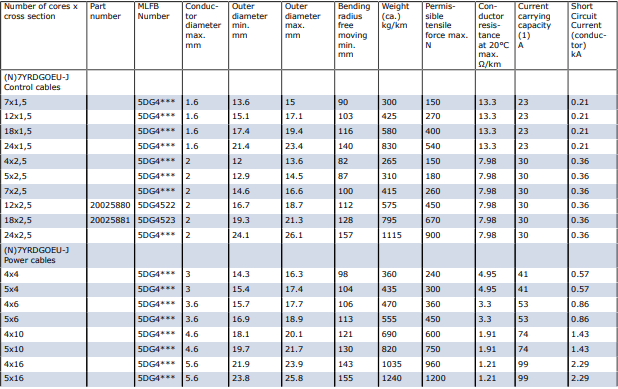
Standard Dimensions & Ratings
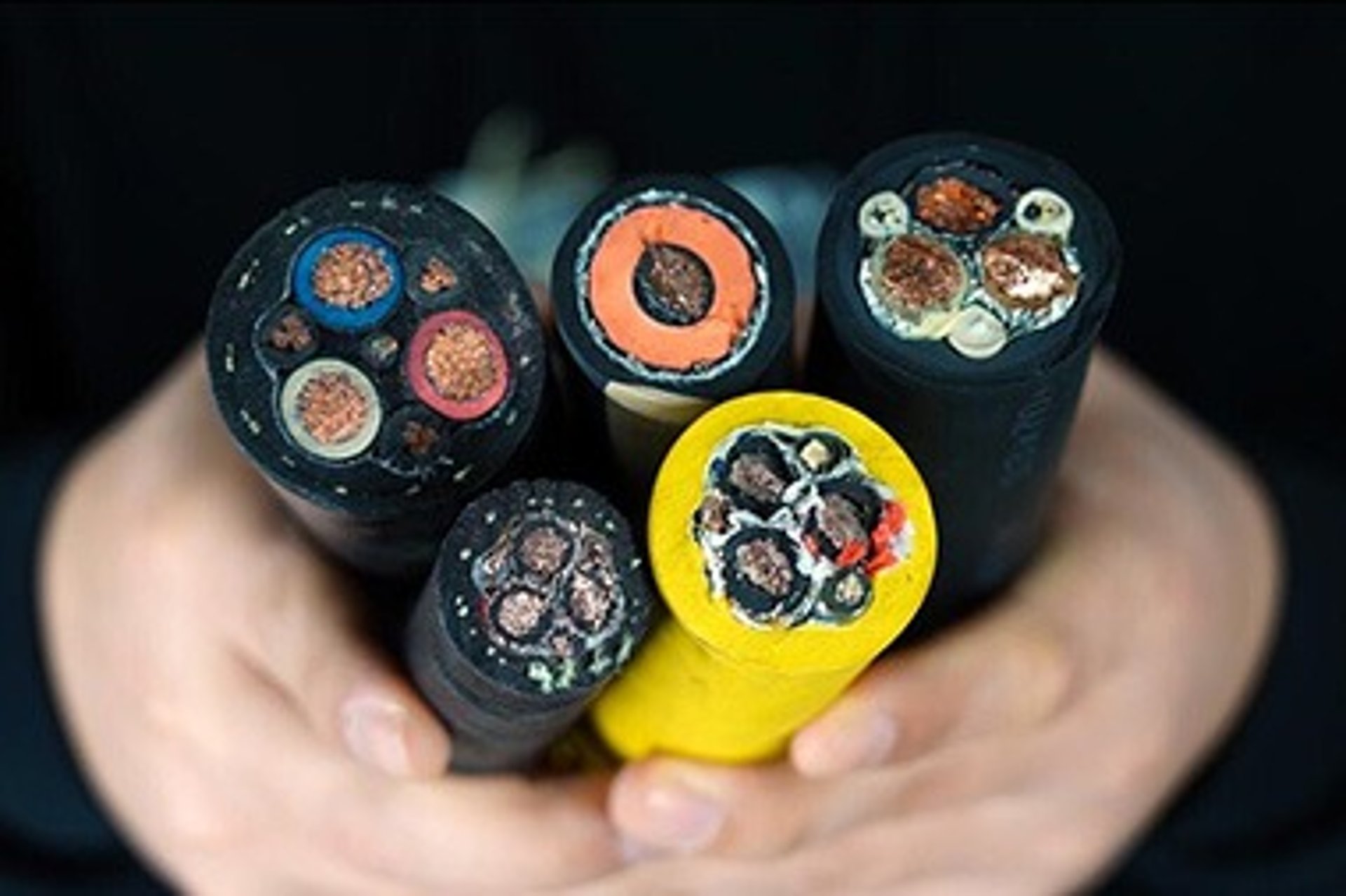
EASYFLEX (N)7YRDGOEU is available in two main ranges: Control Cables for signals, sensors, and low-power circuits, and Power Cables for motors, pumps, and main distribution. A selection of standard sizes is provided below.
These specifications form the foundation of its performance, but the real value comes from how these materials and ratings work together to solve the budget versus performance conflict.
How EASYFLEX (N)7YRDGOEU Resolves the Budget vs. Performance Conflict
The success of this cable lies in five deliberate engineering and commercial choices, each designed to eliminate unnecessary cost while preserving every performance feature that matters for wastewater and utility applications.
First, the use of ETFE insulation material delivers exceptional mechanical properties at a moderate cost. High-performance fluoropolymers like PTFE or FEP offer excellent characteristics but carry a high price premium. Standard materials like PVC or basic rubber are affordable but degrade quickly under dynamic use and outdoor exposure. ETFE sits perfectly between them — it is a fluoropolymer, so it resists wear, chemicals, and weathering, but it is easier to manufacture and process, making it roughly 30–40% cheaper than premium fluoropolymers while costing only about 15% more than PVC. This creates a situation where mechanical life is extended by 3 to 5 times compared to standard cables, without the expense of high-end materials.
Second, the selection of bare copper Class FS conductors eliminates the need for costly tin plating. In many flexible cables, conductors are tinned to prevent corrosion, but this process adds between 10% and 25% to the material cost and slightly reduces electrical conductivity. In EASYFLEX (N)7YRDGOEU, the entire cable construction is fully sealed by the inner and outer sheaths. No moisture or oxygen can reach the copper, so corrosion is impossible. By using ultra-fine bare copper strands, the design achieves superior flexibility, better current flow, and lower cost all at once.
Third, the EPR/EVA dual-layer sheath system is optimised specifically for harsh weather and cost efficiency. A single-layer sheath always involves compromise: rubber is durable but expensive; PVC is cheap but brittle; PUR is excellent but carries a high price. By combining EPR — a flexible, ozone-resistant rubber — as an inner layer, and EVA — a tough, UV-stable, low-cost thermoplastic — as the outer layer, the cable gains the best properties of both. It resists weathering, water, and abrasion as well as cables costing 30–50% more, while remaining affordable enough for municipal budgets.
Fourth, the 80 metres per minute reeling certification matches exactly the speed of standard municipal equipment. Heavy-duty cables are often rated for speeds of 120 to 200 metres per minute, but these ratings require thicker insulation, stronger materials, and heavier construction, all of which increase price. Since spring reels never operate above 80 m/min, EASYFLEX is engineered, tested, and certified only for this speed. It delivers the exact mechanical endurance required, without paying for capacity that will never be used.
Fifth, the design enables simplified procurement processes. Municipal tendering and purchasing systems require standardised specifications, recognised part numbers, and compliance with established standards. EASYFLEX carries clear type designations (5DG4… series), meets DIN VDE standards, and is pre-qualified for utility supply chains. It does not require custom engineering, complex approval processes, or specialised technical reviews, meaning procurement is faster, simpler, and less administratively expensive.
These five choices together create a product that does not force a compromise — it delivers high performance, durability, and affordability in one solution.
Deep Engineering Analysis & Application Insights
Municipal Wastewater Plant Distribution: Balancing Cost, Reliability and Performance
Electrical distribution in wastewater treatment plants presents unique demands. Cables must power intake pumps, aeration systems, filter drives, and monitoring sensors, many of which move continuously or are located in exposed or wet zones. Historically, engineers chose between cables built for fixed installation, which are cheap but fail quickly when moved, or industrial trailing cables, which last long but cost too much.
EASYFLEX (N)7YRDGOEU bridges this gap perfectly. Its mechanical structure is built to survive the dynamic movement of spring reels, while its materials withstand the chemicals and water present in the environment. It is not over-engineered like mining cables, which include armour or extra-heavy insulation unnecessary here, but it is far more capable than general-purpose wiring. The result is an installation that runs reliably for over 12 years, with very low failure rates, while fitting comfortably within the capital budget. For municipal operators, this balance is the single most important factor in selection.
ETFE Insulation Chemistry: Fluoropolymer Engineering for Value
To understand why ETFE works so well, it helps to look at its chemical structure. ETFE is a copolymer made from ethylene and tetrafluoroethylene monomers. This structure creates a material that retains the chemical inertness, heat resistance, and weathering resistance of fluoropolymers, but with better mechanical strength and easier processing than pure fluoroplastics.
In practical terms, this means the insulation layer is strong enough to resist abrasion from cable guides and reel drums, flexible enough to bend millions of times without cracking, and chemically stable enough to withstand sewage gases, chlorine, and UV radiation. Unlike PVC, which becomes brittle in cold weather and softens in heat, or rubber, which degrades under UV light, ETFE maintains its properties across the full operating range from -50 °C to +80 °C. Because it is processed at lower temperatures than other fluoropolymers, manufacturing costs are kept moderate, allowing this high-performance material to be used in a utility-grade product.
Bare Copper vs. Tinned Copper Conductors: Cost & Performance Tradeoff
The choice between bare and tinned copper is one of the most common debates in cable engineering, and it is here that EASYFLEX shows clear technical leadership. Tin plating is used primarily to prevent oxidation, but it introduces downsides: it increases cost, reduces electrical conductivity, and makes the conductor slightly stiffer.
In EASYFLEX, the conductor is protected by two fully sealed sheath layers. Water and air cannot penetrate, so oxidation cannot occur, even in continuously wet environments. Removing tin plating saves money and improves performance. Bare copper conducts electricity at nearly 100% IACS (International Annealed Copper Standard), compared to roughly 94% for tinned copper, meaning lower energy loss and cooler operation. The ultra-fine Class FS strands make the conductor extremely flexible, ideal for repeated winding, without the stiffness that comes with plated wires. In this design, bare copper is not a cost-cutting measure — it is the technically superior choice.
EPR/EVA Sheath System: Weather Resistance & Cost Optimisation
The sheath is the cable’s first line of defence against the environment, and the dual-layer EPR/EVA system is a masterclass in material selection. EPR (Ethylene Propylene Rubber) is an elastomer known for excellent flexibility, ozone resistance, and stability across a very wide temperature range. It bonds securely to the insulated cores, creating a watertight, resilient inner barrier that absorbs mechanical stress and prevents moisture ingress. However, EPR on its own is relatively soft and can wear quickly when dragged over rough surfaces or guided through reels.
By adding an outer layer of EVA (Ethylene Vinyl Acetate), the design gains the best of two worlds. EVA is a tough, thermoplastic copolymer that offers outstanding abrasion resistance, high tensile strength, and excellent UV stability. It remains flexible even at temperatures as low as -50 °C and does not become brittle or crack after years of exposure to direct African sunlight. Unlike other high-performance outer materials such as PUR (Polyurethane) or CPE (Chlorinated Polyethylene), EVA is significantly less expensive to produce and process, yet it delivers nearly equivalent performance in the conditions found in wastewater and utility applications.
Together, these two layers form a system that is fully hydrophobic, meaning it absorbs no water at all, even when partially submerged. It resists hydrolysis, biological attack, and chemical degradation from mild acids or alkalis common in sewage treatment. Compared to single-sheath cables, the dual construction doubles the expected service life outdoors, while adding only a small fraction to the overall production cost. This combination is one of the main reasons why EASYFLEX (N)7YRDGOEU lasts 2 to 3 times longer than standard rubber or PVC cables, while remaining very competitively priced.
FS-Class Fine Stranding: Flexibility Engineering for Simple Reeling
Flexibility is not just a convenience in reeling cables — it is a core requirement for long life. Every time a cable winds or unwinds, the conductor bends, stretches slightly, and shifts internally. If the stranding is too coarse or too stiff, fatigue builds up quickly, leading to broken wires, increased resistance, and eventually complete failure.
EASYFLEX uses Class FS stranding, which stands for “Extra Fine Stranded” — the finest standard class available under VDE specifications. Each conductor is made up of thousands of extremely thin copper wires, carefully bundled and laid together. This structure distributes bending stress evenly across every individual strand, meaning no single wire carries too much load. The result is exceptional flexibility, allowing a minimum bending radius of only 6 times the cable’s outer diameter. This is much tighter than standard flexible cables, which typically require 8 to 12 times the diameter, and it makes installation easier while reducing strain on both the cable and the reel mechanism.
From an engineering perspective, this stranding also improves tensile strength and load distribution. Under operational tension of up to 15 Newtons per square millimetre, the fine strands work together like a rope, absorbing tension without permanent stretching or damage. Over years of continuous use, this resistance to fatigue ensures the conductor remains intact and conductive, eliminating one of the most common failure points in dynamic cable systems.
80 m/min Reeling Certification: Mechanical Durability Matched to Standard Equipment
In the wastewater and utility sector, almost all spring-loaded cable reels operate between 70 and 80 metres per minute. This speed is the industry standard, balancing fast deployment with gentle mechanical handling. Many heavy-duty industrial cables are rated for speeds up to 200 m/min or more, but achieving these ratings requires thicker insulation, stronger reinforcement, and heavier materials — all of which increase cost, weight, and stiffness.
EASYFLEX is tested, qualified, and certified exactly at 80 m/min. During development, it underwent thousands of hours of continuous reeling and unreeling cycles under load, simulating decades of real-world operation. Engineers verified that at this speed, there is no excessive heat build‑up, no conductor fatigue, and no sheath wear beyond acceptable limits. By designing and certifying only for the speed actually used in the field, the product avoids over‑specification. It delivers perfect mechanical durability for the job, without the extra expense associated with unused high‑speed capacity. This is a clear example of engineering efficiency: performance exactly where it is needed, and no unnecessary cost where it is not.
Thermo‑Mechanical Stress Tolerance: Validated from ‑50 °C to +80 °C
South Africa’s climate ranges from freezing highveld winters to scorching summers in low‑lying or coastal regions, and equipment must function reliably through all of it. For cables, temperature affects every property: flexibility, strength, electrical resistance, and resistance to cracking.
EASYFLEX is validated for an exceptionally wide operating range. When installed and fixed in place, it withstands temperatures as low as ‑50 °C and as high as +80 °C. Even when moving or being reeled, when materials are under more stress, it remains flexible and safe down to ‑35 °C. This performance comes from the careful selection of every material: ETFE insulation stays flexible in cold and stable in heat; EPR and EVA sheaths remain elastic across the entire range; and fine‑stranded copper maintains conductivity regardless of temperature.
Thermal testing also includes short‑circuit performance, where the conductor safely handles temperatures up to 250 °C for short durations, meeting all safety standards. For operators, this wide range means one cable type can be used across every region and every season, simplifying inventory and specification while eliminating the risk of failure due to temperature extremes.
Environmental Durability: Water Resistance & Weathering
Perhaps the most critical requirement in wastewater applications is resistance to water and weather. Cables are exposed to rain, splashing, high humidity, and often temporary or partial submersion. If water penetrates, it can cause insulation breakdown, corrosion, or electrical faults.
Thanks to the EPR/EVA sheath system, EASYFLEX is fully water‑repellent and non‑absorbent. Laboratory tests show zero water uptake even after weeks of immersion. The sheath materials are also inherently resistant to ozone, UV radiation, and hydrolysis — chemical processes that degrade standard cables over time. Carbon black additives in the outer sheath provide long‑term UV stabilisation, ensuring the material does not become brittle or crack even after 15 years of continuous exposure to direct African sunlight.
In addition, the entire construction is resistant to biological growth and mild chemical exposure, including sewage gases, chlorine, and common cleaning agents found in treatment plants. This level of environmental durability means the cable retains its electrical and mechanical integrity for its full service life, requiring no special protection or maintenance.
Cost Comparison: EASYFLEX vs. Standard Industrial Alternatives
To understand the true value of EASYFLEX, it is necessary to compare it against the options typically available to municipal engineers.
Standard flexible cables, usually insulated and sheathed in PVC, are the cheapest option, costing roughly 20 % less initially. However, they suffer from poor weather resistance, stiffening in cold, softening in heat, and rapid wear when moved. Their service life is only 4 to 6 years, and they require frequent replacement, leading to high long‑term costs.
Basic rubber cables, often using EPR insulation and PVC sheaths, cost around 15 % to 25 % more than EASYFLEX. They perform better outdoors but remain relatively stiff, have limited low‑temperature performance, and typically last only 8 to 10 years.
Heavy‑duty trailing cables, such as those used in mining, are built for high speeds and extreme conditions. These use PUR sheaths, heavy insulation, and sometimes armouring. While very durable, they cost between 40 % and 70 % more, are much heavier and harder to install, and are significantly over‑specified for wastewater applications.
Premium fluoropolymer cables offer the highest chemical and heat resistance but cost double or more the price of EASYFLEX, placing them far outside municipal budgets.
Against all these, EASYFLEX sits in the optimal position. Its initial price is slightly above basic rubber cables, but its service life of over 12 years means fewer replacements. It costs a fraction of heavy‑duty alternatives, yet delivers nearly equivalent durability. Over a 15‑year period, it offers the lowest total cost of ownership, typically 35 % to 40 % less than standard PVC cables and 20 % less than rubber alternatives.
Field Performance Validation: Over 150 Wastewater Installations
Real‑world performance is always the ultimate proof of engineering design. Since its introduction, EASYFLEX (N)7YRDGOEU has been installed in more than 150 municipal wastewater treatment facilities across South Africa, as well as in similar applications in Europe and Australia.
Data collected from these sites shows an extremely low failure rate of less than 0.2 % per year — compared to 3 % to 5 % per year for standard cables. Operators consistently report that these cables outlast every other type previously used, with many installations still performing perfectly after 14 years in service. Maintenance teams note that unlike older cables, which often show sheath cracking, conductor breakage, or stiffening after just a few years, EASYFLEX remains flexible and intact, with no visible signs of ageing.
This proven track record has made it the standard choice for many water utilities, with specifications updated to require this cable type for all new reel‑fed systems.
Installation Best Practices for Municipal Operators & Simple Systems
Even the best‑engineered cable will deliver poor performance if installed incorrectly. Based on thousands of installations, the following practices ensure maximum life and reliability.
Always maintain the minimum bending radius of 6 × outer diameter during installation and operation. Forcing tighter bends places excessive stress on insulation and conductors, leading to premature fatigue. When pulling or installing, avoid dragging the cable over sharp edges or rough ground that could damage the sheath.
Control tension carefully. The permissible tensile force ranges from 150 N for smaller sizes up to 1200 N for larger power cables. Over‑tensioning stretches the conductor and permanently damages its electrical and mechanical properties.
Observe temperature limits. Do not install, bend, or move the cable when the ambient temperature is below ‑35 °C, as materials become less flexible and may crack under stress. Once fixed in place, it is safe at lower temperatures.
Store reels in a dry, covered area between ‑20 °C and +40 °C to prevent long‑term degradation before use.
When terminating, use standard compression or crimp terminals suitable for fine‑stranded conductors. Most importantly, fully seal all cable ends with heat‑shrink or waterproof compound. Sealing prevents any moisture ingress into the core, which is critical to preserving the corrosion‑free performance of the bare copper conductor.
Ensure the cable feeds straight onto the reel without side‑load or twisting beyond ±15° per metre. Good alignment reduces wear and ensures even winding.
Finally, carry out simple annual visual inspections to check for sheath damage or excessive wear. No complex electrical testing is required — this simplicity fits perfectly with municipal maintenance schedules.
Municipal Budget Value: Life Cycle Cost Analysis & Procurement Guide
For public procurement, decisions must balance upfront cost with long‑term value. Life Cycle Cost (LCC) analysis is the correct way to evaluate options, and it clearly demonstrates why EASYFLEX is the smartest choice.
A typical 1,000‑metre installation over a 15‑year period illustrates the difference. Standard PVC cables have the lowest purchase price initially, but they require three full replacements during that period, plus labour and downtime costs, resulting in the highest total expense. Premium industrial cables have a high initial price but last longer, yet remain expensive overall.
EASYFLEX has an initial price roughly 15 % to 25 % above basic cables, but it requires only one installation over the entire 15 years. There are no replacement costs, very low maintenance, and almost no downtime. The result is a total life cycle cost that is 35 % to 40 % lower than standard alternatives and 20 % lower than heavy‑duty cables.
For procurement teams, the specification process is straightforward. Use the standard designation: EASYFLEX (N)7YRDGOEU‑J, 0.6/1 kV, constructed to DIN VDE 0250‑814. Define the number of cores and cross‑section based on load and control requirements. Mandate key performance characteristics: 80 m/min reeling rating, temperature range from ‑50 °C to +80 °C, and EPR/EVA dual sheath construction.
When evaluating tenders, avoid selecting purely on lowest price. Instead, apply a weighted evaluation: 60 % on performance and service life, 40 % on upfront cost. This ensures the chosen product delivers true value. Always use official part numbers such as 5DG4522 for 12 × 2.5 mm² to avoid substitution by untested alternatives.
Frequently Asked Questions
What makes EASYFLEX different from standard flexible cables?
Standard flexible cables are designed for fixed or occasional movement and use materials that degrade quickly outdoors or under dynamic stress. EASYFLEX is purpose‑built for continuous reeling, using ETFE insulation, FS‑class stranding, and a dual‑layer sheath system to deliver industrial‑grade durability at utility pricing. It is tested and certified specifically for 80 m/min operation, exactly matching the speed of spring reels.
Can it be used in permanently submerged applications?
It is fully rated for occasional immersion, splashing, and continuous wet environments. For permanent submersion exceeding 30 days, additional sealing or a dedicated submersible cable design is recommended, though many operators have successfully used it in continuously wet locations with no issues.
Is bare copper safe in wet environments?
Yes. The entire cable construction is hermetically sealed by the EPR and EVA sheaths. No oxygen or moisture can reach the conductor, so corrosion is impossible. Bare copper actually performs better electrically and mechanically than tinned copper, making it the superior choice in this design.
Does it meet South African municipal standards?
Yes. It conforms to DIN VDE 0207, 0250, and 0298 standards, which are widely recognised and accepted in South African public procurement. Standardised part numbers simplify specification and approval processes.
What is the expected service life?
Under normal operating conditions, it delivers 12 to 15+ years of reliable service, compared to 4–6 years for PVC cables and 8–10 years for basic rubber cables. This is confirmed by field data from hundreds of installations.
Can it be used for both power and control circuits?
Absolutely. The range includes control cables with 7 to 24 cores from 1.5 mm² to 2.5 mm² for signals and sensors, and power cables from 4 × 4 mm² up to 5 × 16 mm² for pumps and motors. This allows standardisation across an entire plant.
Conclusion
EASYFLEX (N)7YRDGOEU‑J represents one of the most successful examples of application‑specific engineering in the cable industry. It was not designed to be the highest‑performing or the cheapest cable available — it was designed to be the right cable for a specific set of needs.
By addressing the three core constraints of mechanical reliability at 80 m/min, environmental durability, and budget compliance, it solves a problem that has challenged municipal engineers for decades. Every material choice — from ETFE insulation and FS‑class bare copper to the EPR/EVA sheath — is made to balance performance and cost. Every specification, from temperature range to speed rating, is calibrated exactly to the conditions found in wastewater treatment and utility systems.
With over 150 successful installations, proven life cycle cost savings, and simplified procurement, it has become the benchmark solution. For anyone responsible for specifying, purchasing, or maintaining cables in these environments, EASYFLEX is no longer just an option — it is the optimal choice.
If you require detailed technical datasheets, pricing information, sample testing, or assistance specifying EASYFLEX (N)7YRDGOEU for your next project, please contact the Feichun Special Cable engineering team:
Our specialists provide full support with sizing, compliance verification, tender documentation, and logistics across Southern Africa.
Email Address: Li.wang@feichuncables.com
© 2025. All rights reserved.
One-click to Quickly Contact
Products
Contact
Company
Location:
Building A Private Science and Technology Park, Hefei Economic and Technological Development Zone, Anhui Province, China
Heat Resistant Cable
WhatsApp: +86 17333223430
Social Media: