Anhui Feichun Special Cable Co.,Ltd Email: Li.wang@feichuncables.com
What Is (N)TSCGEWOEU Medium Voltage Fixed Installation Cable with Fiber Optics — and Why Is It Powering the Future of South African Mining?
What is (N)TSCGEWOEU medium voltage fixed installation cable with fiber optics? Learn its structure, voltage ratings, applications, and why South African mines use it for power and monitoring.
Li Wang
12/26/20256 min read
Introduction
Why Are Medium Voltage Power + Fiber Optic Hybrid Cables Becoming Critical in South Africa’s Mining Operations?
Across South Africa’s mining sector, power distribution is no longer just about delivering electricity safely from point A to point B. As mines become deeper, conveyor routes longer, and operations increasingly automated, power infrastructure is now inseparable from data, monitoring, and control systems.
In platinum, coal, iron ore, and manganese mines, medium voltage (MV) networks supply energy to long conveyor belt systems, crusher stations, pump installations, and materials handling equipment. At the same time, these assets are expected to communicate continuously with control rooms — transmitting signals for condition monitoring, fault detection, load optimisation, and predictive maintenance.
This is where (N)TSCGEWOEU Medium Voltage Fixed Installation Cable with Fiber Optics plays a crucial role.
Instead of installing separate power cables and communication cables, South African mining engineers are increasingly turning to hybrid MV cables that integrate electrical power conductors, earth conductors, and fiber optic cores into one robust cable system. The result is a cleaner installation, improved reliability, and a future-ready platform for digital mining.
What Does the (N)TSCGEWOEU Cable Design Look Like, and Why Is It Suitable for Fixed Installation?
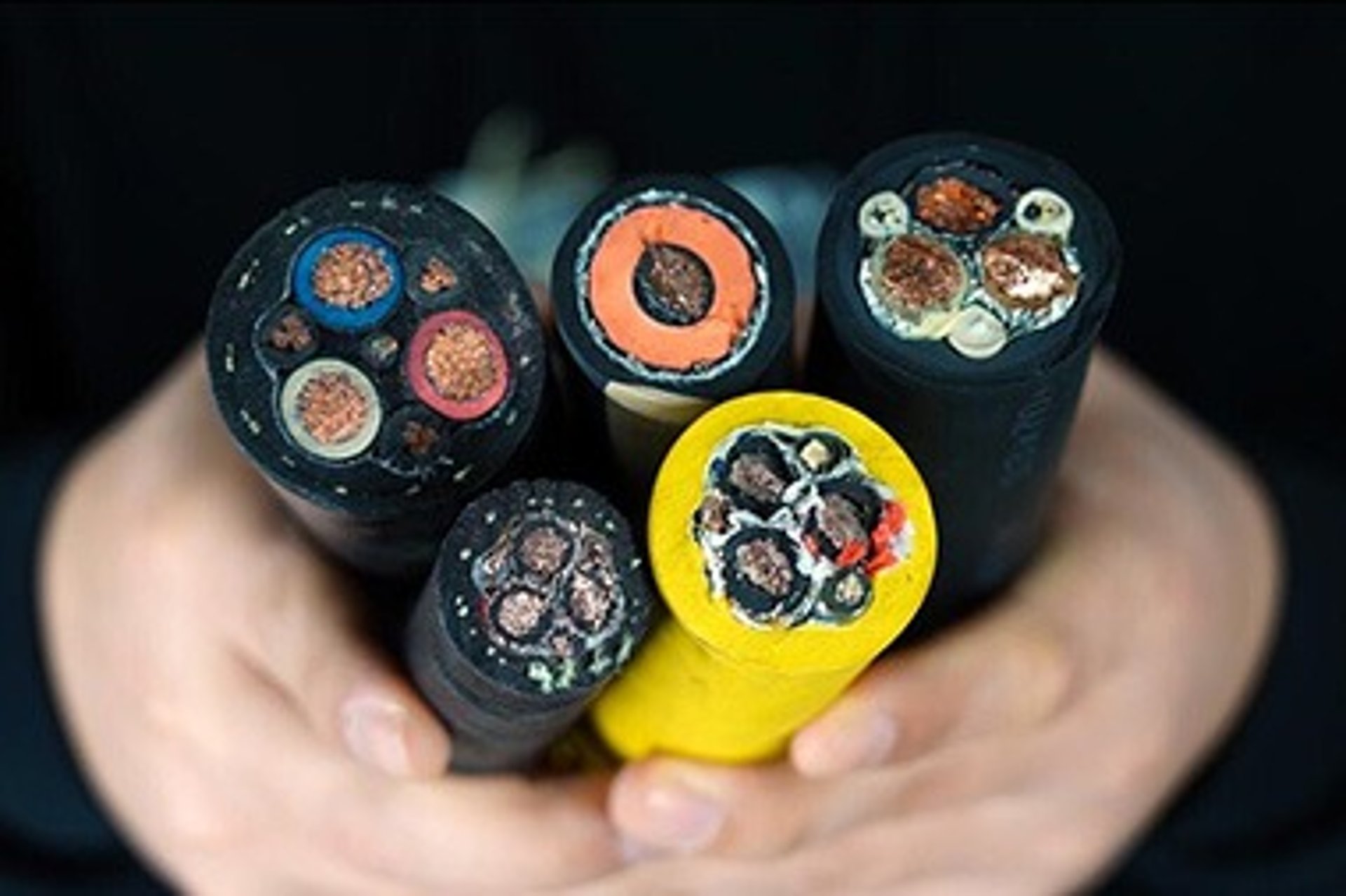
At first glance, (N)TSCGEWOEU may appear similar to other medium voltage mining cables. However, its internal design reflects decades of European and international mining experience — adapted for harsh environments, long service life, and stable fixed installations.
How Are the Conductors Designed, and Why Is Class 5 Stranded Copper Used?
The power conductors in (N)TSCGEWOEU cables are made of flexible stranded copper, Class 5 according to DIN VDE 0295.
This conductor class offers a carefully engineered balance:
Lower DC resistance for efficient power transmission over long distances
Sufficient flexibility to absorb vibration, thermal expansion, and minor movement
High mechanical stability for permanent installations along conveyors or structures
In South African mines, cables are rarely installed in laboratory conditions. Even “fixed” cables experience:
Structural vibration from conveyor drives
Temperature fluctuations between day and night
Minor shifts in supports or cable trays
Class 5 stranded copper ensures the cable can tolerate these realities without conductor fatigue.
What Is the Function of the Semiconductive Layers in Medium Voltage Cables?
A defining feature of professional medium voltage cable design is the presence of inner and outer semiconductive layers.
In (N)TSCGEWOEU cables, these layers serve critical electrical functions:
Inner semiconductive layer
Ensures a smooth electrical interface between conductor and insulation, eliminating air gaps and reducing electrical stress.Outer semiconductive layer
Creates a uniform electric field around the insulation and allows controlled earthing of the system.
Together, these layers significantly reduce partial discharge, one of the most common hidden causes of MV cable failure in mining environments.
For deep-level South African mines operating at 6 kV, 11 kV, or higher, partial discharge control is not optional — it is essential for long-term reliability.
Why Is EPR Insulation Preferred for Medium Voltage Mining Applications?
The insulation material used in (N)TSCGEWOEU cables is EPR (Ethylene Propylene Rubber), a proven choice for mining-grade medium voltage applications.
EPR insulation offers several advantages particularly relevant to South Africa:
Excellent thermal stability under continuous load
High resistance to moisture ingress, crucial in wet shafts and pump stations
Resistance to oils, chemicals, and mining contaminants
Superior ageing performance, even at elevated operating temperatures
Unlike some thermoplastic insulations, EPR maintains flexibility over time and does not become brittle — a key requirement for long service life in mines expected to operate for decades.
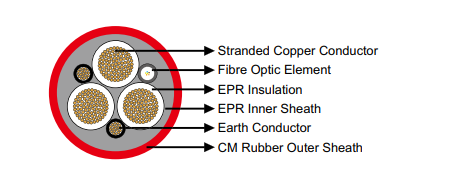
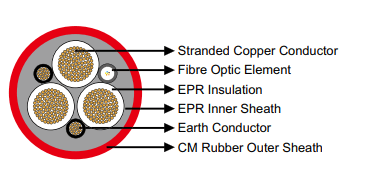
How Are Earth Conductors and Fiber Optics Integrated into One Cable?
One of the defining characteristics of the (N)TSCGEWOEU design is its multi-functional integration.
Earth conductors are split into two conductors located in the outer interstices, providing:
Reliable fault current return paths
Redundancy for improved safety
Compliance with typical mining earthing philosophies
Fiber optic cores (50/125 μm, 62.5/125 μm, or E9/125 μm) are housed within a dedicated protective sheath, mechanically isolated from the power cores.
This design allows power transmission, communication, and monitoring signals to coexist within a single cable — without electromagnetic interference.
What Technical Standards Does the (N)TSCGEWOEU Cable Comply With, and Why Do They Matter in South Africa?
How Does VDE 0250 Part 813 Influence Cable Performance and Safety?
(N)TSCGEWOEU cables are based on VDE 0250 Part 813, a well-established German standard for mining and heavy-duty industrial cables.
This standard influences:
Electrical design margins
Insulation thickness and stress control
Mechanical robustness
Long-term operational safety
Although VDE is a European standard, its engineering philosophy aligns closely with South African mining requirements, particularly where reliability and risk management are critical.
Is (N)TSCGEWOEU Suitable for South African Mining and Industrial Compliance?
In practice, (N)TSCGEWOEU cables are widely accepted in South African operations because they:
Match typical mine engineering specifications
Integrate seamlessly with conveyor, pump, and materials handling systems
Support modern automation and monitoring architectures
For mining houses pursuing digitalisation and smart mining initiatives, the inclusion of fiber optics is increasingly seen as a strategic advantage rather than a luxury.
What Voltage Ratings and Conductor Sizes Are Available for (N)TSCGEWOEU Cables?
Which Voltage Classes Are Commonly Used in South African Installations?
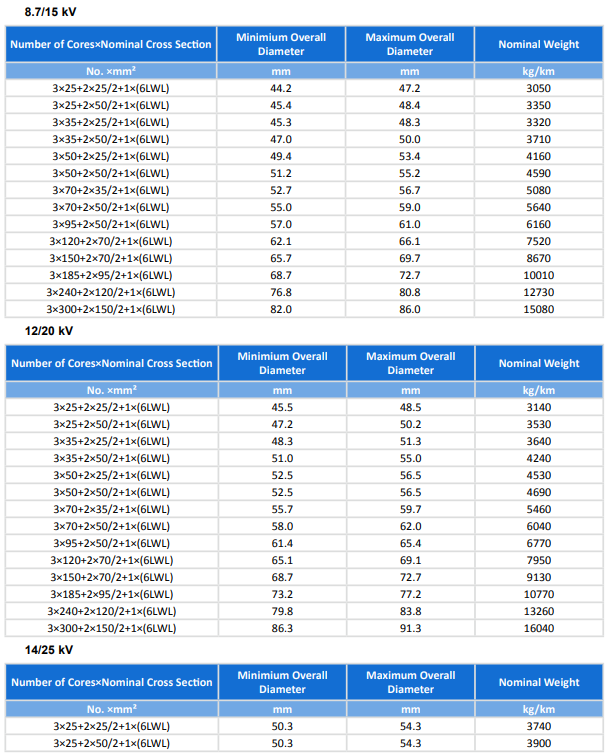
(N)TSCGEWOEU cables are available across a wide range of medium voltage classes, including:
3.6/6 kV
6/10 kV
8.7/15 kV
12/20 kV
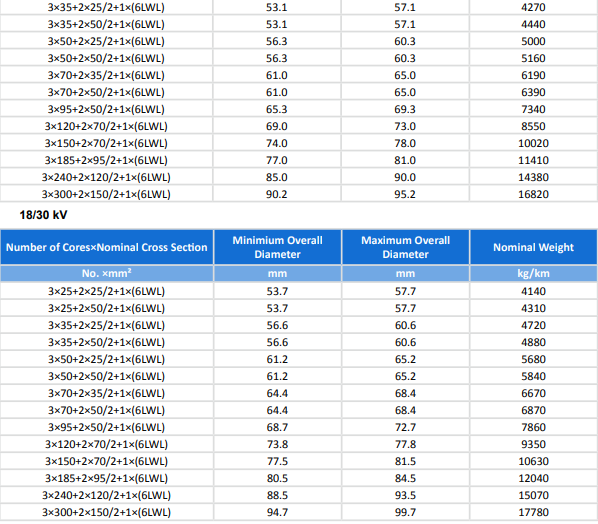
14/25 kV
18/30 kV
This range covers most fixed installation requirements in South African mining — from conveyor drives to large pump stations and materials handling infrastructure.
How Do Conductor Cross-Sections Affect Current Capacity and Mechanical Strength?
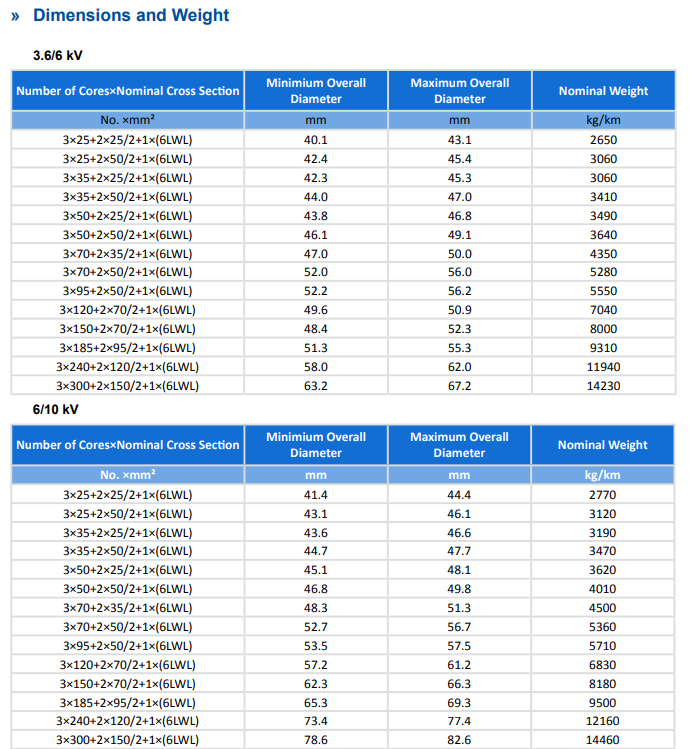
Conductor sizes typically range from 25 mm² up to 300 mm², allowing engineers to optimise cable selection based on:
Load current
Route length and voltage drop
Ambient temperature
Installation method and thermal dissipation
Larger cross-sections provide higher current-carrying capacity but also increase cable diameter and weight — factors that must be considered during installation planni
Where Is (N)TSCGEWOEU Cable Commonly Used in South Africa?
Why Is It Ideal for Conveyor Belt Systems and Shiftable Units?
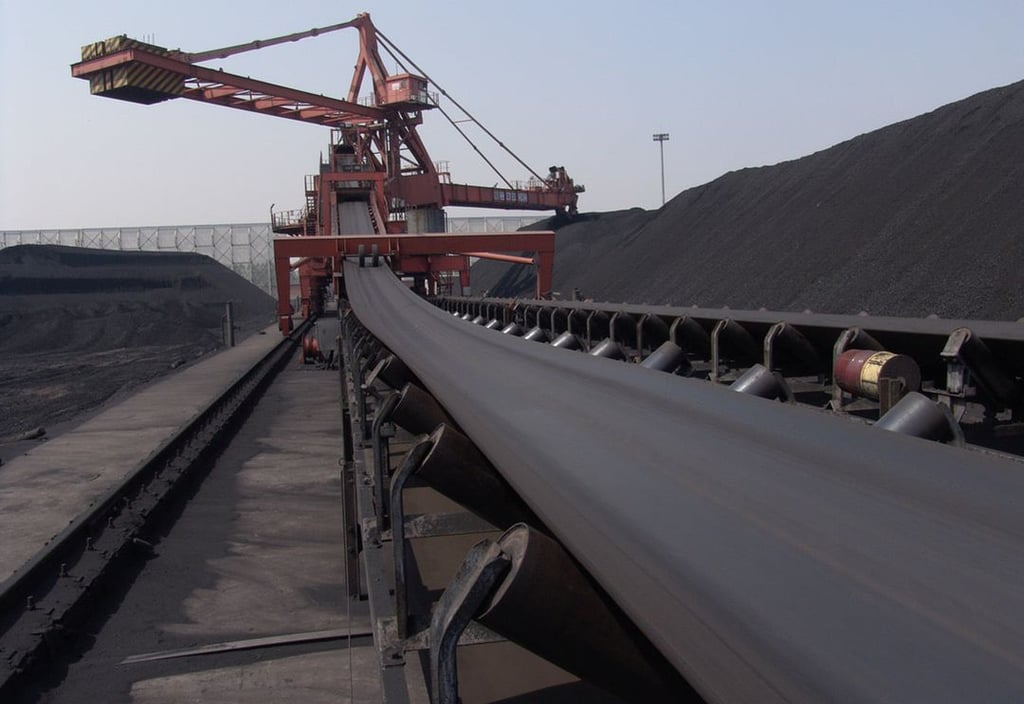
One of the most common applications is fixed installation alongside conveyor belt systems.
These cables:
Run parallel to long conveyor routes
Tolerate vibration from drives and idlers
Support limited movement in shiftable units
By integrating fiber optics, the same cable can support belt monitoring, misalignment detection, and drive diagnostics.
How Is It Used in Material Handling Equipment with Continuous Movement?
Although classified as a fixed installation cable, (N)TSCGEWOEU can accommodate controlled, low-stress movement, such as:
Cable booms
Connections between upper and lower cars
Its flexible conductor design and robust sheath materials make it suitable for these hybrid applications.
Can (N)TSCGEWOEU Be Used for Submersible Pump Power and Monitoring?
Yes — this is one of its most valuable applications.
In pump stations, a single (N)TSCGEWOEU cable can:
Supply medium voltage power
Provide earth continuity
Transmit fiber-based monitoring data (temperature, vibration, water ingress)
How Does (N)TSCGEWOEU Compare with Other Medium Voltage Mining Cables?
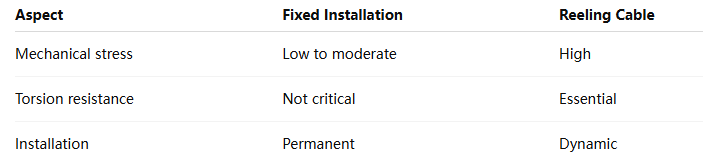
What Is the Difference Between Fixed Installation and Reeling MV Cables?
(N)TSCGEWOEU is optimised for stability and longevity, not continuous reeling.
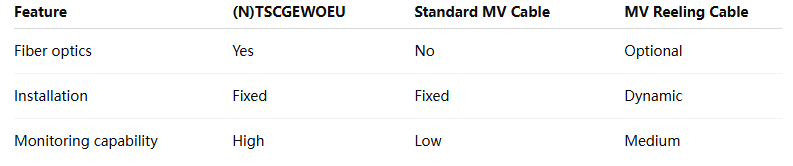
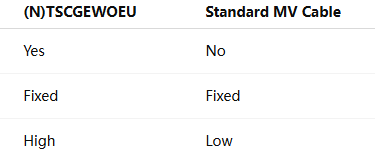
When Should You Choose (N)TSCGEWOEU Over Standard MV Power Cables Without Fiber?
Choose (N)TSCGEWOEU when:
Data transmission is required
Predictive maintenance is planned
Future automation is anticipated
📊 Comparison Table
What Should Engineers Consider When Installing (N)TSCGEWOEU Cables?
Best Practices for Fixed Installation
Correct support spacing
Protection against mechanical damage
Proper earthing continuity
Fiber Optic Handling
Respect minimum bending radius
Plan termination points in advance
Common Installation Mistakes
Over-tensioning during pulling
Poor earthing practices
Ignoring thermal expansion
Frequently Asked Questions About (N)TSCGEWOEU Medium Voltage Cable
What Does (N)TSCGEWOEU Stand For?
It is a VDE-based designation describing conductor type, insulation, sheath, earthing, and integrated fiber optics.
Is (N)TSCGEWOEU Suitable for Continuous Movement?
It is designed for fixed installation with limited movement, not constant reeling.
Can the Fiber Optics Be Used for Real-Time Monitoring?
Yes, including temperature, vibration, and condition monitoring systems.
What Is the Expected Service Life?
With correct installation, 20–30 years is achievable in mining environments.
How Do I Choose the Correct Voltage and Cross-Section?
Based on load, distance, ambient temperature, and future expansion plans.
Is (N)TSCGEWOEU the Right Medium Voltage Cable for Your Operation?
When Is This Cable the Best Technical and Economic Choice?
Fixed installations
Long conveyor routes
Smart mining strategies
Call to Action
Need Help Selecting the Right (N)TSCGEWOEU Cable for Your Mining Project?
Request engineering consultation
Download technical datasheets
Speak with a mining cable specialist

Email Address: Li.wang@feichuncables.com
© 2025. All rights reserved.
One-click to Quickly Contact
Products
Contact
Company
Location:
Building A Private Science and Technology Park, Hefei Economic and Technological Development Zone, Anhui Province, China
Heat Resistant Cable
WhatsApp: +86 17333223430
Social Media: