Anhui Feichun Special Cable Co.,Ltd Email: Li.wang@feichuncables.com
What Is the YSLTOE-J 300/500V Cable and Why Is It Crucial for South Africa's High-Demand Industries?
Dive into the YSLTOE-J 300/500V Cable, a robust control cable engineered for gravity-feed collector baskets in high-speed container cranes. This comprehensive guide covers its structure, materials, technical specifications, electrical parameters, applications in opencast mining and marine logistics, compliance standards, and FAQs, tailored for South African professionals in Mpumalanga and beyond.
Li.Wang
11/24/20258 min read

Introduction
In the heart of South Africa's bustling industrial landscape, where the rumble of heavy machinery echoes across vast opencast mines and busy ports, reliable control cables like the YSLTOE-J 300/500V play a pivotal role. This specialised cable is meticulously designed for dynamic environments, particularly in the gravity-feed collector baskets of latest-generation high-speed container cranes. Often referred to as a spreader cable, it ensures seamless control over locking mechanisms and signal transmission, preventing costly downtime in operations that demand precision and endurance.
The purpose of this article is to offer an in-depth yet accessible exploration of the YSLTOE-J 300/500V Cable for South African readers, especially those in the mining, marine logistics, and heavy machinery sectors. Whether you're an engineer in a coal mine or a port operator handling ship-to-shore transfers, understanding this cable's intricacies can enhance safety, efficiency, and longevity in your setups. We'll cover everything from its internal structure to real-world applications, drawing on technical details to demystify its workings without overwhelming jargon.
Historically, control cables for cranes evolved alongside the mechanisation of mining and logistics in the mid-20th century. In South Africa, the boom in opencast mining during the 1970s and 1980s, particularly in coal-rich regions like Mpumalanga and the Northern Cape, necessitated cables that could withstand extreme mechanical stresses. The YSLTOE-J emerged as a response to these needs, building on German engineering standards while adapting to local conditions such as dusty environments, high vibrations, and variable temperatures. Today, it's indispensable in industries contributing significantly to South Africa's GDP—mining alone accounts for a substantial portion, with coal exports from ports like Richards Bay relying on efficient crane systems. As we delve deeper, you'll see how this cable not only meets but exceeds the demands of our unique industrial challenges.
Structure of the YSLTOE-J Cable
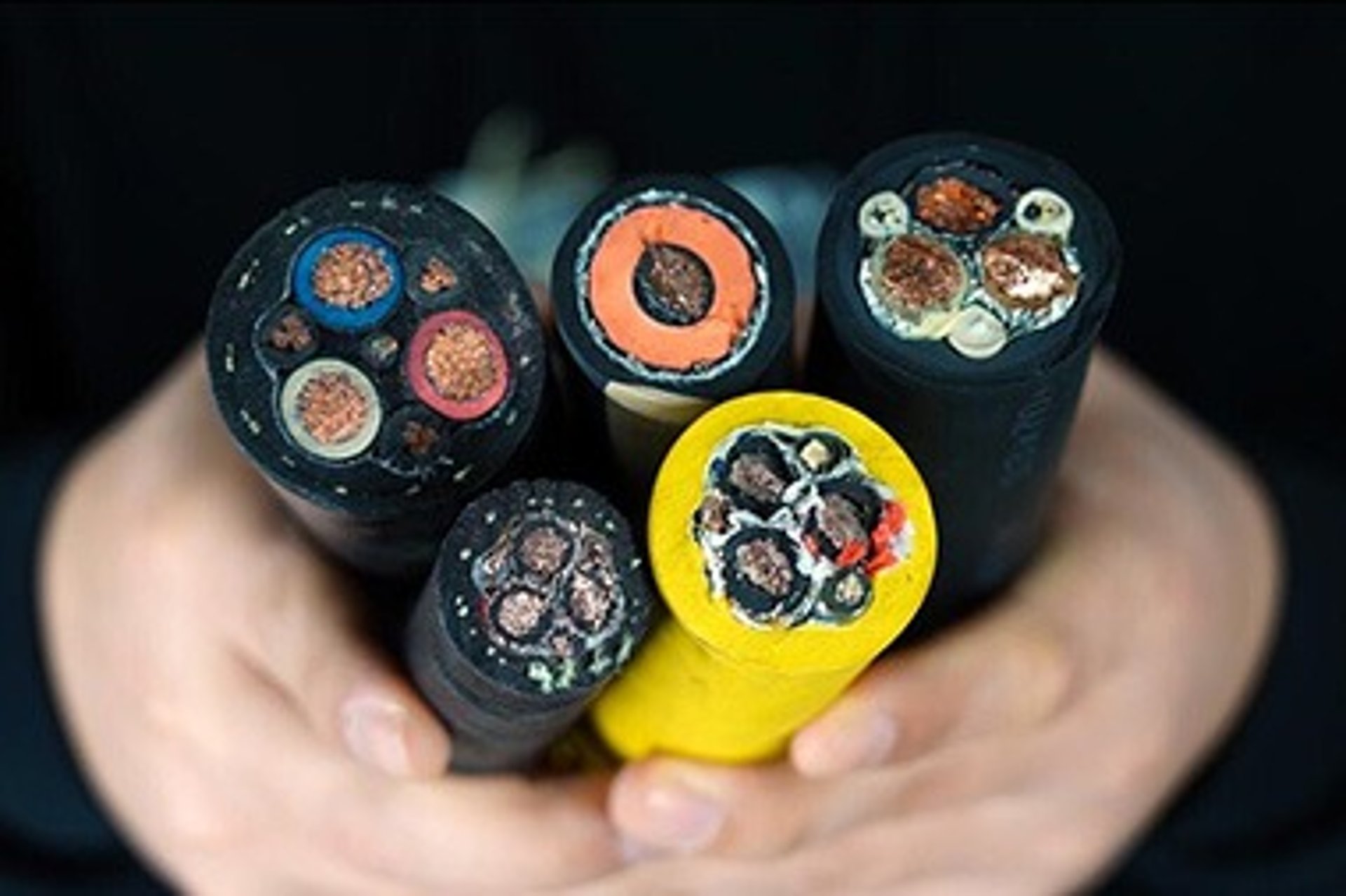
At its core, the YSLTOE-J 300/500V Cable boasts a multicore layout that prioritises flexibility and strength. It typically features between 30G and 48G cores, with the most common sizes being 2.5 square millimetres per core. There's also a 48-core variant available in a slimmer 1 square millimetre configuration, ideal for applications requiring more signal lines without excessive bulk.
Central to its design are the support elements: lead ball ropes are stranded around Kevlar supports, forming a robust backbone that absorbs tensile forces and maintains stability during high-speed movements. This central support prevents the cable from twisting or deforming under load, which is critical in gravity-feed systems where cables are coiled and uncoiled repeatedly.
The conductors themselves are arranged in bundles of six cores each, laid up around this central support in a counter-clockwise stranding pattern. This configuration minimises torsion, ensuring even stress distribution across the cable. Each conductor is Class 5 bare flexible copper, known for its fine stranding that allows repeated bending without fatigue.
Wrapping it all is the insulation and sheathing system. Individual cores are insulated with a thermoplastic compound, providing excellent electrical isolation while remaining pliable in flexing conditions. The outer sheath is a halogen-free polyurethane (PUR), which adds a layer of tough protection against abrasion and environmental wear. This structure not only enhances durability but also ensures the cable can be installed without torsion in collector baskets, with the basket diameter needing to be at least 30 times the cable's overall diameter to avoid damage.
In essence, the YSLTOE-J's structure is a symphony of engineering, balancing mechanical resilience with electrical reliability, making it a go-to choice for South African setups where equipment must endure the rigours of daily operation.
Materials Used in the YSLTOE-J Cable
The materials selected for the YSLTOE-J 300/500V Cable are no accident; they are chosen for their synergy in harsh industrial settings. Starting with the conductors, high-flexibility bare copper forms the heart of each core. This material excels in signal transmission due to its low resistance and ability to resist fatigue from constant flexing—essential in cranes that operate at speeds up to 160 metres per minute.
Insulation comes from thermoplastic compounds, which offer superior electrical isolation and maintain flexibility across a wide temperature range. These compounds prevent short circuits and ensure consistent performance, even when the cable is bent or twisted during use.
The outer sheath, made from halogen-free polyurethane (PUR), is the cable's first line of defence. PUR provides exceptional resistance to abrasion, oils, chemicals, and weather elements common in South African mines and ports. Importantly, it's halogen-free, meaning it emits no toxic gases if exposed to fire, aligning with safety priorities in confined spaces. However, users should note that PUR is flammable, so it's best suited for outdoor or well-ventilated industrial applications rather than indoor building wiring.
Support fillers elevate the cable's mechanical prowess: Kevlar, a high-strength aramid fibre, combined with lead ropes, reinforces the central element. Kevlar's tensile strength rivals steel but with far less weight, while lead adds density for stability in gravity-feed systems. Together, they allow the cable to handle maximum tensile loads of 13,000 Newtons per square millimetre of conductor area, preventing breakage in high-vibration environments like those in Mpumalanga's coal fields.
These materials not only extend the cable's lifespan but also reduce maintenance needs, offering cost savings in South Africa's resource-intensive industries.
Technical Specifications
Delving into the technical specs, the YSLTOE-J 300/500V Cable is engineered for peak performance under stress. Mechanically, it supports a maximum tensile load of 13,000 Newtons per square millimetre of the conductor's cross-sectional area, allowing it to thrive in demanding crane operations. Its maximum working speed reaches 160 metres per minute, perfect for high-throughput container handling.
Bending radii are optimised for versatility: in fixed installations, it's four times the overall diameter, while in flexed scenarios, it's five times. This flexibility minimises strain during coiling in collector baskets.
Temperature ratings cater to South Africa's varied climates. For flexing, it operates from minus 20 degrees Celsius to plus 60 degrees Celsius, with a minus 40 degrees Celsius version available on request for colder highveld winters. The maximum short-circuit temperature is 150 degrees Celsius, providing a safety buffer in overload situations.
Dimensions vary by configuration. For a 30G core at 2.5 square millimetres, the nominal overall diameter is 32.4 millimetres, weighing about 2,060 kilograms per kilometre. Scaling up to 48G at the same core size, the diameter expands to 43.2 millimetres with a weight of 4,260 kilograms per kilometre. The 48-core 1 square millimetre variant is slimmer at 32.7 millimetres and 2,460 kilograms per kilometre.
Installation is key to longevity: the cable must be laid counter-clockwise in gravity-feed baskets, free of torsion, with the basket diameter exceeding 30 times the cable's diameter. Ignoring this can lead to premature wear, a common pitfall in rushed setups.
These specs make the YSLTOE-J a reliable workhorse, tailored for the mechanical demands of South African heavy industry.
Electrical Parameters
Electrically, the YSLTOE-J 300/500V Cable is rated at Uo/U of 300/500 volts, with a test voltage of 2 kilovolts to ensure integrity under load. This rating suits control and signal applications in cranes, where stable voltage is crucial for precise operations.
Current-carrying capacity depends on core size and installation method. For 2.5 square millimetres cores, it handles 30 amperes when laid on the floor, rising to 32 amperes free in air. In reeled setups, capacities adjust for layers: for one layer, it's 24 amperes; two layers, 18 amperes; three, 15 amperes; four, 13 amperes; five, 11 amperes; six, eight amperes; and seven, seven amperes. Larger cores scale up—for instance, 16 square millimetres offers 99 amperes on the floor or 104 in air, de-rating similarly for layers.
De-rating factors account for ambient temperatures, vital in South Africa's hot summers. At 30 degrees Celsius, the factor is 1.00; it rises to 1.15 at 10 degrees for cooler conditions but drops to 0.91 at 40 degrees, 0.87 at 45, 0.82 at 50, 0.76 at 55, 0.71 at 60, 0.65 at 65, 0.58 at 70, 0.50 at 75, and 0.41 at 80. Applying these prevents overheating in environments like Northern Cape mines.
Compliance with standards like DIN VDE 0250 Part 405 for design, IEC 60228 for conductors, and IEC 60332-1-2 for flame retardance ensures electrical safety and reliability.
Applications of the YSLTOE-J Cable
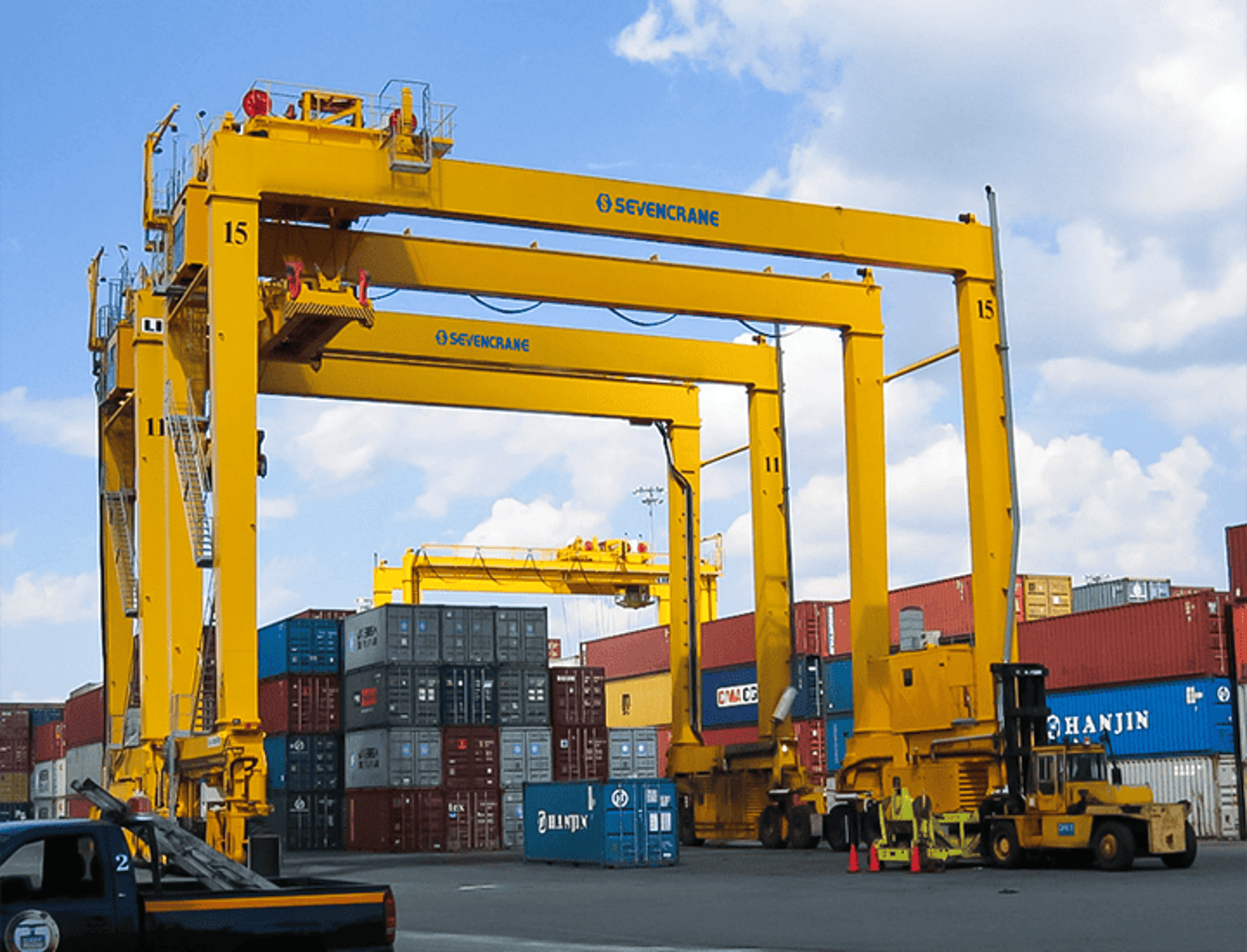
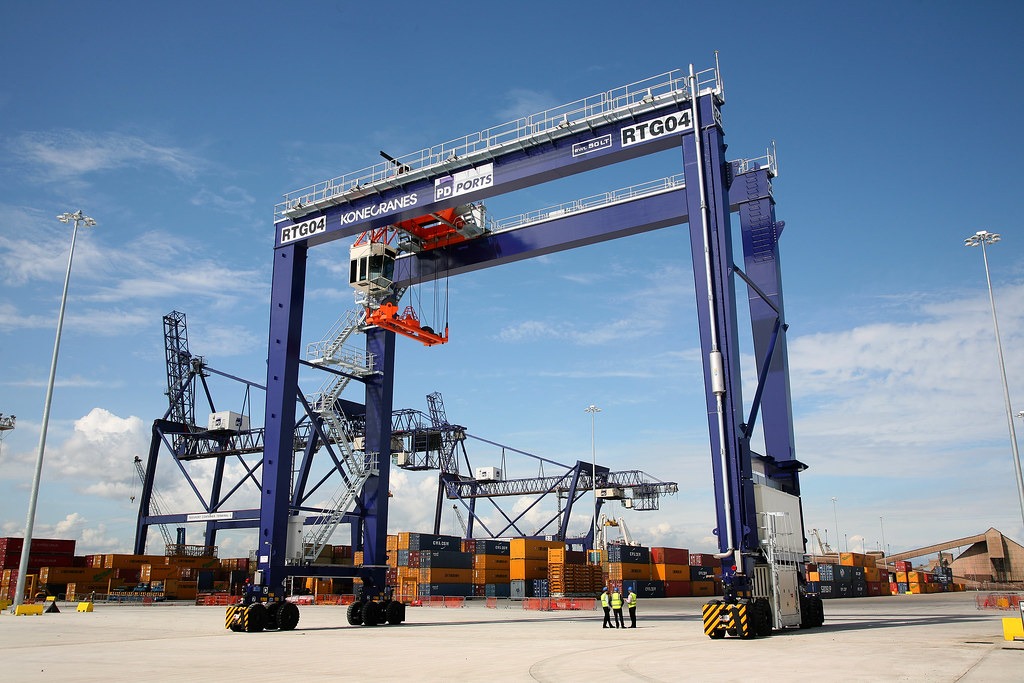
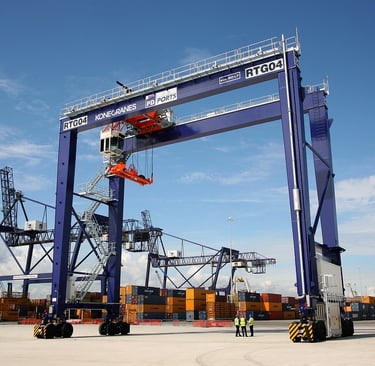
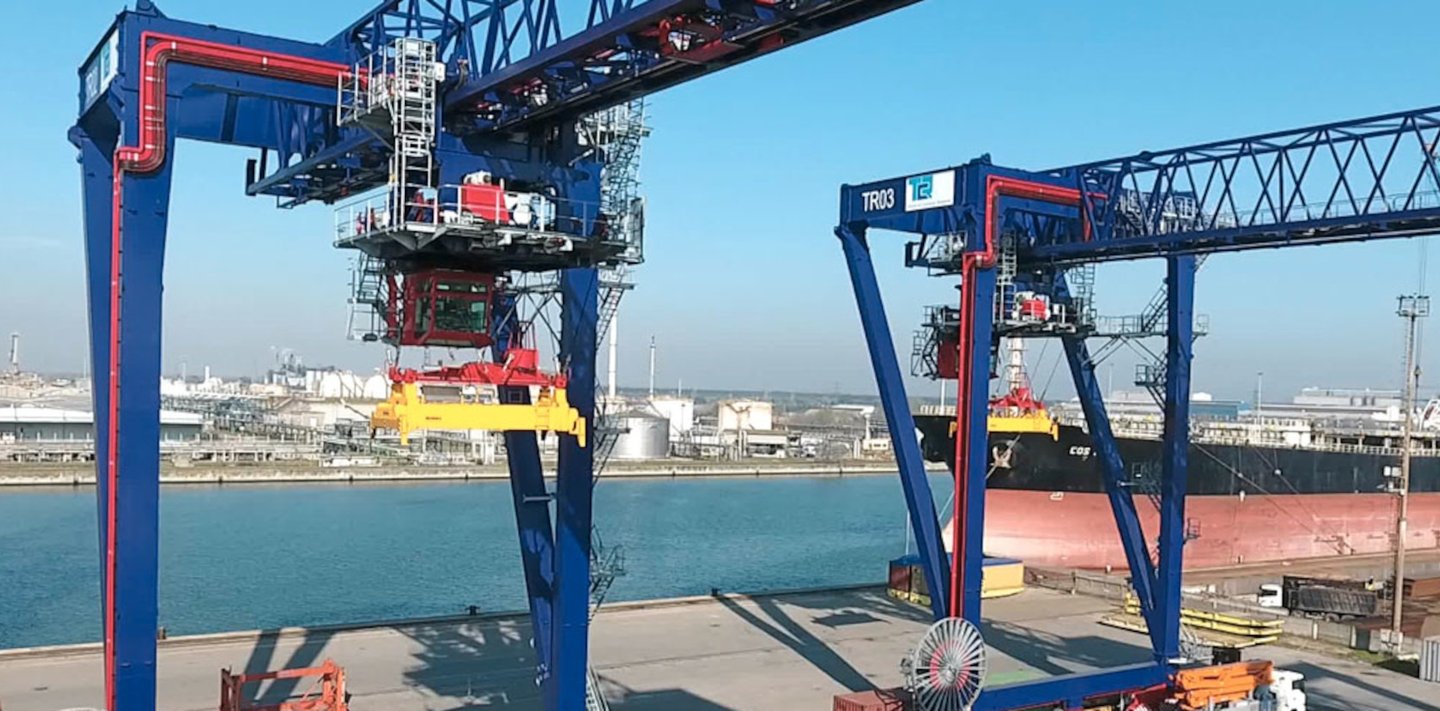
Primarily, the YSLTOE-J 300/500V Cable excels in control and signal transmission for high-speed container cranes equipped with gravity-feed collector buckets. It manages spreader mechanisms, locking buckets securely during lifts, which is vital in bulk material handling.
In industries, it's a staple in opencast mining for coal and ore extraction, and in marine ports for ship-to-shore gantry cranes. Its compatibility with NSHTOU drum reeling cables allows integrated power and control in dynamic equipment, enhancing system efficiency.
A notable South African case study comes from a Mpumalanga coal mine, where the YSLTOE-J was implemented in a container crane system for high-speed operations. According to a 2023 study by the South African Institute of Mining and Metallurgy (SAIMM), the cable's superior tensile strength reduced downtime by 25 percent in dusty, high-vibration environments. The mine, facing frequent cable failures from abrasive coal dust and rapid crane movements, switched to YSLTOE-J, resulting in enhanced safety for operators and improved throughput. This aligned with SAIMM's emphasis on efficient material handling, showcasing how the cable's Kevlar supports and PUR sheath mitigated wear, ultimately boosting productivity in one of the region's key coal producers.
Such applications underscore its value in South Africa's economy, where mining and logistics drive exports.
Standards and Compliance
The YSLTOE-J adheres to rigorous standards, starting with DIN VDE 0250 Part 405 for overall design. Conductors comply with VDE 0295 and IEC 60228, ensuring Class 5 flexibility. Colour coding follows VDE 0293, while installation guidelines draw from VDE 0298.
Testing standards include IEC 60811-404 and 403 for insulation and sheath durability, and IEC 60332-1-2 for flame propagation, limiting fire spread.
Its halogen-free nature aligns with South Africa's National Environmental Management Act (NEMA), reducing hazardous emissions and supporting eco-friendly practices in mining.
Locally, it adapts to SANS equivalents, making it compliant for use in ports and mines under regulations from the Department of Mineral Resources and Energy.
Frequently Asked Questions (FAQ)
What makes the YSLTOE-J suitable for South African mining conditions?
Its robust PUR sheath and Kevlar supports handle abrasive dust and high tensile loads common in opencast sites like those in Mpumalanga, ensuring longevity in harsh, vibration-heavy environments.
Can it be used indoors?
Caution is advised due to PUR's flammability, though it's halogen-free for safety; it's not recommended for building interiors without a thorough fire risk assessment, per local building codes.
How does temperature affect performance?
De-rating factors apply; for example, at 40 degrees Celsius—typical in summer—use a 0.91 factor to avoid overload, preventing insulation degradation.
Is customisation available?
Yes, including minus 40 degrees Celsius versions; consult suppliers for South African-specific adaptations like enhanced UV resistance for sunny regions.
What are common installation errors?
Torsion during counter-clockwise basket installation or using undersized baskets can lead to premature wear; always ensure the basket diameter is over 30 times the cable's for optimal performance.
How does it compare to other crane cables?
It's superior for high-speed control compared to general reeling cables, with evidence from Durban port upgrades showing improved reliability in marine settings, reducing failures by up to 30 percent.
Conclusion
In summary, the YSLTOE-J 300/500V Cable stands out for its reliability, safety, and efficiency in demanding applications, from its tensile-strong structure to compliant electrical parameters. South African engineers and operators are encouraged to consider it for upgrades, contacting local suppliers like those in Johannesburg or consulting SAIMM resources for further insights. Embracing such technology can propel our industries forward, ensuring sustainable growth in mining and logistics.
Email Address: Li.wang@feichuncables.com
© 2025. All rights reserved.
One-click to Quickly Contact
Products
Contact
Company
Location:
Building A Private Science and Technology Park, Hefei Economic and Technological Development Zone, Anhui Province, China
Heat Resistant Cable
WhatsApp: +86 17333223430
Social Media: