Anhui Feichun Special Cable Co.,Ltd Email: Li.wang@feichuncables.com
What Makes BS 7835 Armoured Cables Essential for Safe Power Distribution in South Africa?
Discover the BS7835 standard for medium voltage armoured cables with LSZH sheathing, offering low smoke zero halogen fire safety, mechanical protection, and suitability for South African infrastructure like mining and renewable energy projects. Learn about construction, benefits, applications, and FAQs for reliable power solutions.
Li.Wang
11/25/20259 min read
Introduction
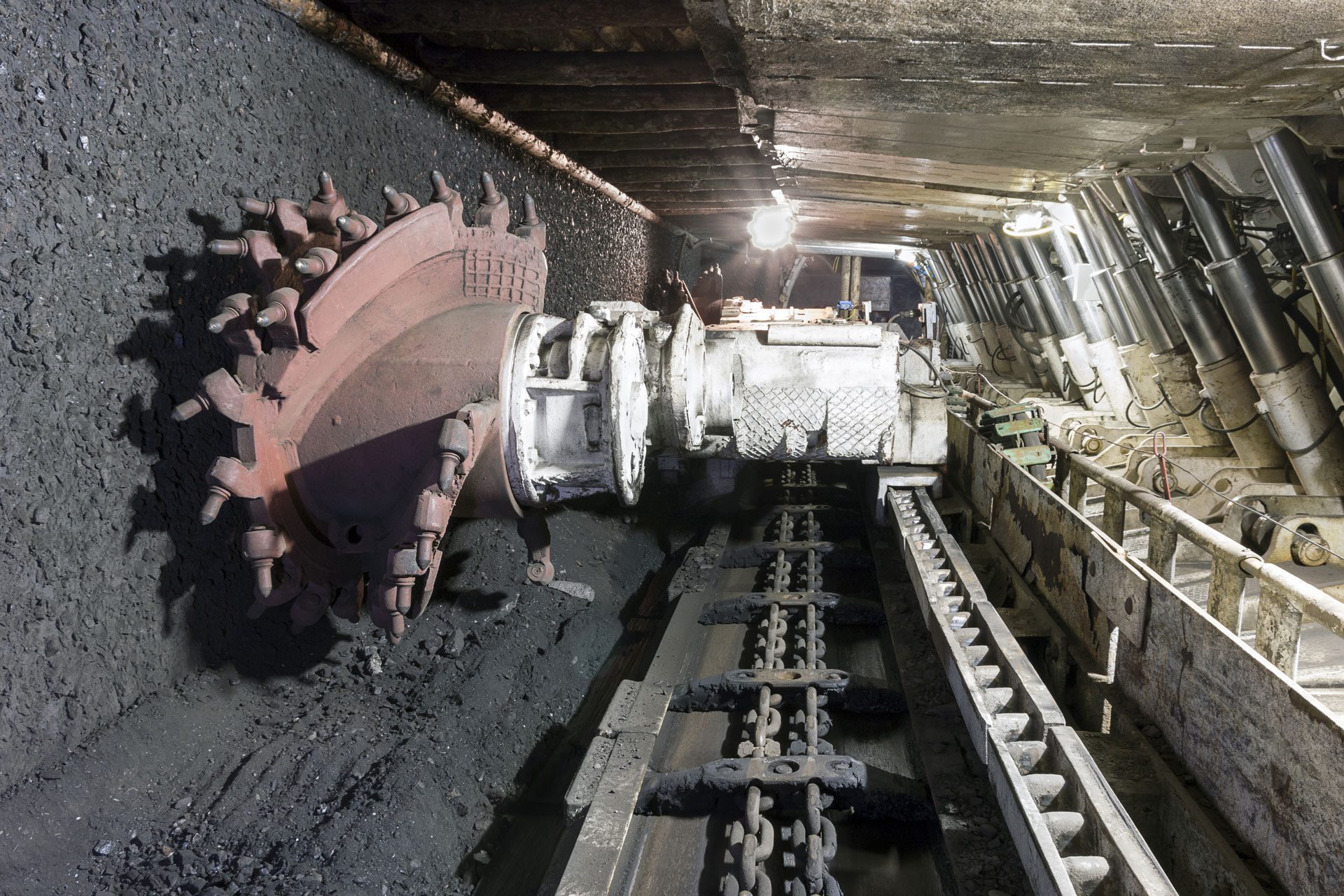
In the heart of South Africa's dynamic landscape, where the hum of Johannesburg's skyscrapers meets the rugged demands of remote mining sites in Limpopo or the Free State, reliable power distribution is the backbone of progress. Imagine a scenario where a fire breaks out in a crowded underground shaft or a bustling public building – the last thing you need is cables that spew thick smoke and corrosive gases, turning a manageable incident into a catastrophe. This is where specialised power cables step in, designed not just to carry electricity but to safeguard lives and assets in the face of adversity.
South Africa's infrastructure is expanding rapidly, fuelled by urban growth, industrial expansion, and a push towards renewable energy. Yet, with this comes heightened risks, particularly in fire-prone environments like factories, tunnels, and high-occupancy structures. Fires in confined spaces can escalate quickly, and traditional cables often exacerbate the danger by releasing harmful fumes. Enter the BS 7835 standard – a British Standard that sets the benchmark for medium voltage armoured cables with thermosetting insulation, emphasising low emission of smoke and corrosive gases when exposed to fire. These cables, often featuring low smoke zero halogen (LSZH) sheathing, represent a leap forward in safety-conscious engineering.
BS 7835 isn't just a set of guidelines; it's a response to real-world needs, building on earlier standards to prioritise fire performance without compromising electrical reliability. In South Africa, where local regulations like SANS 1339 govern cable specifications for similar voltage ranges, BS 7835-compliant cables offer a complementary solution, often adopted in projects requiring international-grade safety. They ensure that power flows steadily to everything from wind farms in the Western Cape to heavy machinery in Gauteng's industrial hubs, all while minimising risks in our diverse and often harsh climates. This article delves deep into the BS 7835 standard, exploring its technical intricacies, benefits, applications, and real-world impacts, with a focus on South African contexts to help you understand why these cables are indispensable for a safer, more resilient future.
Overview of the BS 7835 Standard
The BS 7835 standard emerged from a growing awareness of fire safety in electrical installations, particularly in the late 20th century when incidents highlighted the dangers of traditional cable materials. Developed by the British Standards Institution, it was introduced as an advancement over predecessors like BS 6622, which focused on general medium voltage cables but lacked stringent fire performance criteria. BS 7835 specifically addresses the need for cables that perform better under fire conditions, reducing the release of smoke and acidic gases that can impair visibility, corrode equipment, and endanger human health.
At its core, the standard outlines requirements and test methods for armoured cables with thermosetting insulation, rated for voltages from 3.8 kV/6.6 kV (with a maximum voltage of 7.2 kV) up to 19 kV/33 kV (with a maximum of 36 kV). These cables are engineered for fixed installations in power networks or industrial settings, where they must handle a maximum continuous conductor operating temperature of 90°C and a short-circuit conductor temperature of up to 250°C. This thermal resilience ensures they can withstand overloads without degrading, making them suitable for demanding applications.
Key requirements cover construction, dimensions, and both mechanical and electrical properties. For instance, the standard mandates precise tolerances for conductor sizes, insulation thickness, and armour coverage to guarantee consistent performance. Electrically, cables must meet criteria for partial discharge, voltage withstand, and insulation resistance, ensuring reliable power transmission over long distances. Mechanically, they are tested for tensile strength, elongation, and impact resistance, vital for enduring installation stresses or external forces.
What sets BS 7835 apart is its emphasis on fire safety. Test methods include assessing smoke density using chambers that simulate fire exposure, measuring the acidity of combustion gases to ensure low corrosivity, and evaluating flame propagation to prevent fire spread along cable runs. These protocols, often aligned with international benchmarks like IEC 60332 for flame retardancy, confirm that BS 7835 cables emit significantly less smoke and halogens than PVC-based alternatives. In South Africa, where bushfires and industrial accidents are not uncommon, this standard's focus resonates deeply, offering a framework that dovetails with local SANS standards to enhance overall electrical safety in our infrastructure.
Cable Construction and Technical Specifications
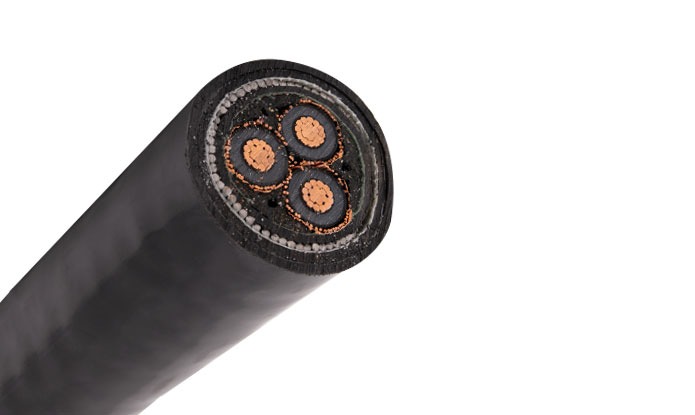
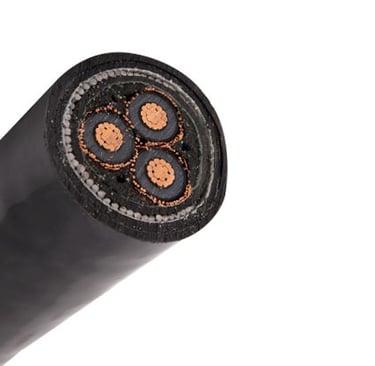
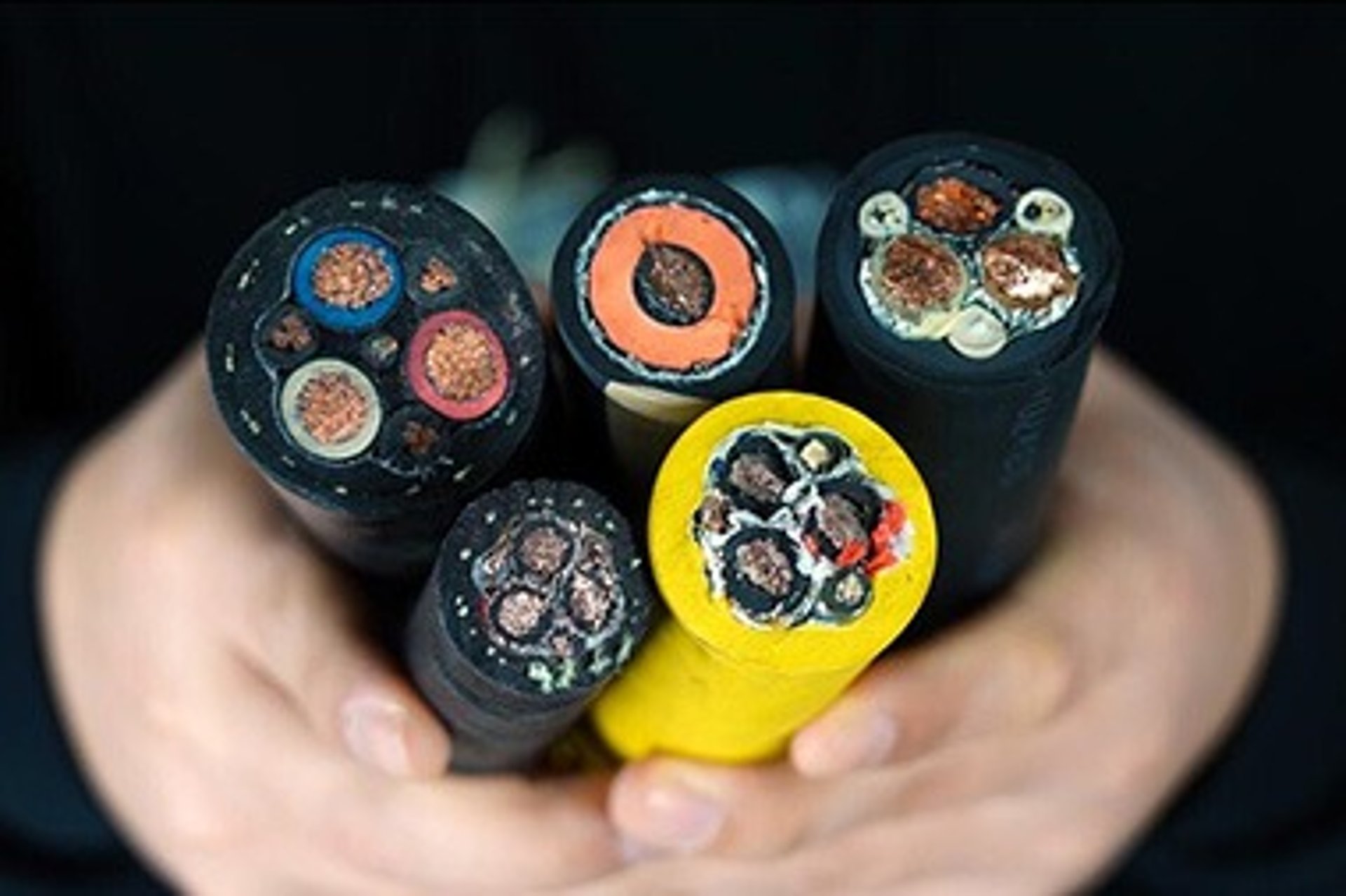
Diving into the anatomy of BS 7835 cables reveals a meticulously layered design optimised for durability, efficiency, and safety. Starting from the inside, the conductor forms the cable's core, responsible for carrying electrical current. Options include Class 2 stranded copper for high conductivity and flexibility, stranded aluminium for lighter weight and cost-effectiveness in long runs, or solid aluminium for specific applications where rigidity is preferred. These conductors are shaped to minimise resistance and heat buildup, ensuring efficient power delivery in medium voltage systems.
Surrounding the conductor is the insulation, a critical barrier that prevents electrical leakage and withstands voltage stresses. BS 7835 specifies cross-linked polyethylene (XLPE) type GP8 or cross-linked ethylene propylene rubber (EPR) type GP7. XLPE offers excellent dielectric properties and thermal stability, while EPR provides superior flexibility and resistance to water treeing – a degradation phenomenon in moist environments. Both are thermosetting, meaning they cure into a solid form that doesn't melt under heat, maintaining integrity up to 90°C continuously. A semi-conductive insulation screen, typically made of XLPE compound, is extruded over the insulation to evenly distribute electrical stress and reduce the risk of partial discharges that could lead to breakdowns.
Next comes the metallic screening layer, comprising copper wires or copper tape helically applied. This screen serves dual purposes: providing a path for fault currents during short circuits and shielding against electromagnetic interference, which is crucial in industrial settings with nearby machinery. It also equalises the electric field, enhancing the cable's overall voltage rating.
The bedding layer follows, consisting of a low smoke zero halogen (LSZH) compound that cushions the underlying components and facilitates smooth application of the armour. The armour itself is a hallmark of BS 7835 cables, offering robust mechanical protection. For three-core cables, galvanised steel wire armour (SWA) is used, providing tensile strength against pulling forces and resistance to impacts, rodents, or crushing in underground installations. Single-core cables employ aluminium wire armour (AWA) or aluminium alloy to avoid magnetic hysteresis losses that could occur with ferromagnetic materials like steel in AC systems.
Finally, the oversheath encapsulates everything in a thermoplastic LSZH material. This outer layer is UV-resistant, halogen-free, and compliant with Construction Products Regulation (CPR) classifications for fire performance, making it suitable for both indoor and outdoor use. Common international designations for these cables include MV armoured XLPE/LSZH/SWA/LSZH for multicore variants or XLPE/LSZH/AWA/LSZH for single-core, reflecting their layered construction. In technical terms, dimensions vary by voltage rating – for example, a 6.35/11 kV three-core cable might have conductor cross-sections from 25 mm² to 300 mm², with insulation thicknesses around 3.4 mm and armour wire diameters of 1.6 mm to 2.5 mm, all precisely specified to meet performance thresholds.
Key Features and Benefits
The standout feature of BS 7835 cables is their fire safety profile, achieved through LSZH sheathing that minimises smoke opacity and halogen emissions during combustion. Unlike PVC-sheathed cables in BS 6622, which can release hydrogen chloride gas that forms hydrochloric acid in moisture, LSZH materials produce non-toxic fumes, preserving visibility for evacuation and reducing corrosion on sensitive equipment like electronics in control rooms. This is particularly beneficial in confined spaces, where smoke inhalation accounts for many fire-related fatalities.
Mechanically, the armour layer imparts exceptional resilience, protecting against abrasion, cuts, and compressive forces during installation or operation. In South Africa's varied terrains, from rocky mine sites to urban trenches, this means cables can be directly buried in free-draining soil without additional conduits, saving on costs while withstanding vibrations or soil shifts. Environmentally, the halogen-free composition aligns with sustainability goals, as it lowers the ecological footprint of fires by avoiding persistent pollutants.
Under extreme conditions, these cables excel with high thermal ratings – the 90°C operating limit allows for higher current capacities compared to lower-rated alternatives, optimising network efficiency. Their improved fire performance in air, as tested per BS 7835 protocols, ensures they don't contribute to flame spread, a critical factor in tunnels or high-rise buildings. In South African climates, resistance to moisture ingress (thanks to water-blocking options in some designs) and UV degradation makes them ideal for exposed installations in sunny regions like the Northern Cape.
Compliance-wise, BS 7835 cables meet rigorous international regulations, facilitating exports and imports, while contributing to greener practices by enabling safer, longer-lasting installations that reduce waste from frequent replacements. Overall, these features translate to lower total ownership costs through enhanced reliability and safety, making them a smart choice for forward-thinking projects.
Applications and Installation Considerations
BS 7835 cables find their niche in mains power distribution across utility networks, where they link substations to end-users, ensuring stable voltage supply. In industrial plants, they power heavy machinery, while in renewable energy setups like wind or solar farms, they handle intermittent loads with ease. Public facilities, such as hospitals or airports, benefit from their fire-safe properties, minimising risks in high-traffic areas.
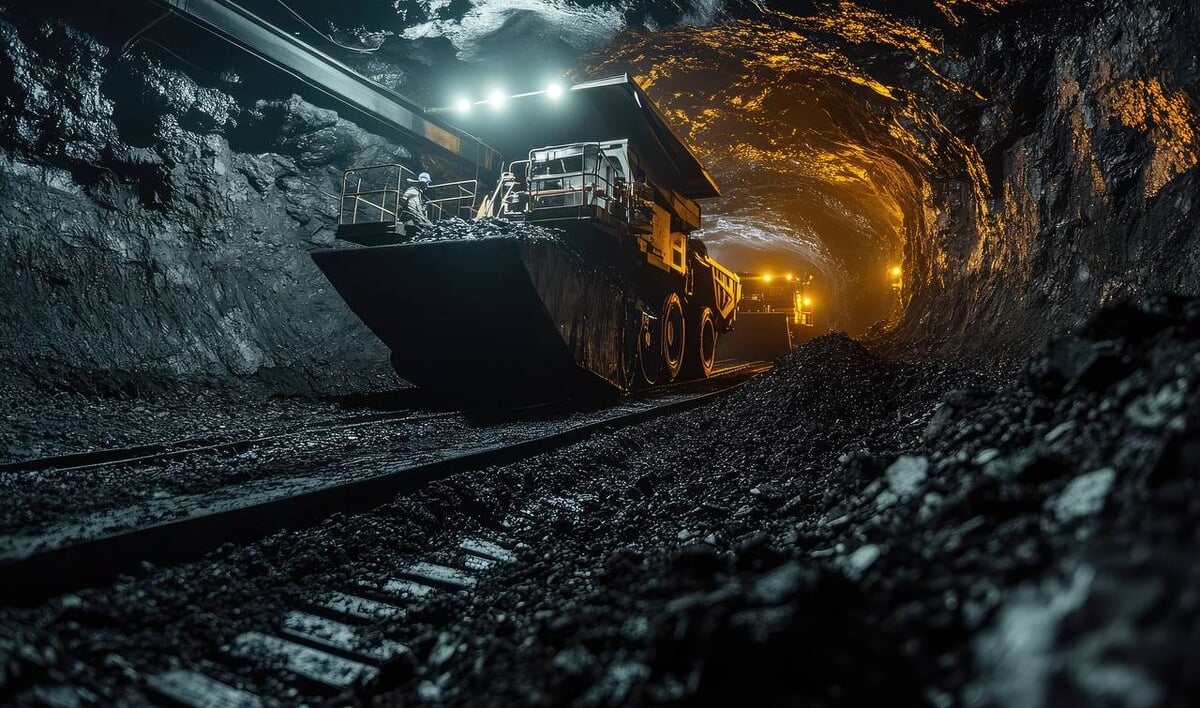
In South African contexts, these cables are indispensable in mining, where underground operations face mechanical stresses from rockfalls and fire hazards in shafts. Heavy industry in provinces like Mpumalanga relies on them for corrosive environments, and urban developments in Cape Town use them for reliable grid extensions. Their adaptability to harsh conditions – high ambient temperatures up to 40°C or more – makes them a go-to for our subtropical and arid zones.
Installation demands careful planning: adhere to minimum bending radii (typically 12 times the cable diameter for armoured types) to avoid damaging insulation. Jointing involves specialised techniques like heat-shrink or cold-applied kits for watertight seals, and earthing the armour and screen is essential for safety, following guidelines from the Electrical Contractors' Association of South Africa (ECASA). Local regulations require compliance with SANS 10142 for wiring codes, and professional installers should conduct pre-commissioning tests like insulation resistance measurements.
Compared to BS 6622, BS 7835 offers superior fire safety via LSZH, making it preferable in fire-risk zones, while interoperating seamlessly with IEC 60502 or SANS 1339 equivalents in hybrid systems, allowing flexible upgrades in existing networks.
Case Studies
Internationally, BS 7835 cables have proven their worth in European power grids, such as in London's underground systems, where LSZH properties reduced smoke during a minor fire incident, enabling swift evacuation and minimal equipment damage, as reported in industry journals.
In South Africa, a notable case unfolded in a Gauteng mining operation near Johannesburg. Here, three-core BS 7835-compliant cables with XLPE insulation and SWA were deployed to power ventilation and extraction equipment in deep shafts. The site faced chronic challenges: mechanical stress from occasional rockfalls and heightened fire risks due to combustible dust in confined spaces. By integrating these cables, the mine achieved full compliance with local safety standards, including SANS 1339 equivalents. Over two years, as per reports from South African mining cable suppliers like Aberdare Cables, there were zero fire-related incidents, with the armour preventing damage from debris and LSZH sheathing ensuring low smoke in drills simulating emergencies. This not only boosted worker safety but also cut downtime, saving an estimated R500,000 in maintenance.
Another compelling example comes from a heavy industry project in KwaZulu-Natal, involving a manufacturing plant expansion in Durban's industrial zone. Single-core AWA armoured cables per BS 7835 were used for direct burial in corrosive coastal soils, addressing issues like salt-induced degradation and rodent infestations. The plant, producing chemicals, required cables resilient to moisture and mechanical abuse. Post-installation, the setup aligned with fire safety mandates from the Department of Labour, leading to enhanced operational efficiency. Benefits included 20% cost savings on repairs over 18 months and improved uptime, as documented in case studies by local ECASA members, highlighting how the UV-resistant oversheath withstood humid conditions without cracking.
Frequently Asked Questions (FAQ)
What does LSZH mean, and why is it important for BS 7835 cables?
LSZH stands for Low Smoke Zero Halogen, referring to materials that emit minimal smoke and no halogen gases when burning. In BS 7835 cables, this is crucial as it reduces visibility obstruction and respiratory hazards during fires, protecting people in enclosed spaces like South African mines or buildings, and preventing corrosion on nearby gear.
How does BS 7835 differ from BS 6622?
BS 7835 builds on BS 6622 by incorporating LSZH sheathing instead of PVC, resulting in superior fire performance with lower smoke and gas emissions. While both cover similar voltage ranges, BS 7835 is tailored for environments where fire safety is paramount, offering better compliance for modern regulations.
Are BS 7835 cables suitable for direct burial in South African soil conditions?
Yes, their armour provides excellent protection against mechanical damage and rodents, making them ideal for burial in free-draining soils common in drier regions like the Karoo. However, avoid waterlogged areas to prevent corrosion; always consult soil surveys and use additional protection if needed.
Can these cables be used in renewable energy setups like solar farms in the Northern Cape?
Absolutely, their UV-resistant LSZH oversheath and high voltage handling make them perfect for connecting inverters to grids in sunny, arid areas. They endure temperature fluctuations and provide reliable power transmission for sustainable projects.
What maintenance is required for BS 7835 armoured cables?
Regular visual inspections for sheath damage or armour corrosion are key, alongside periodic insulation integrity tests using megger devices. Follow manufacturer guidelines, and in South Africa, schedule ECASA-certified checks every 12-24 months to ensure longevity.
How do I ensure compliance with South African standards when using BS 7835 cables?
Cross-reference with SANS 1339 for local certification, which mirrors BS 7835 in many aspects. Engage ECASA-approved installers for verification, and obtain third-party testing reports to meet regulatory bodies like the National Regulator for Compulsory Specifications.
Conclusion
The BS 7835 standard represents a pinnacle in cable technology, delivering armoured solutions that prioritise fire safety, mechanical robustness, and electrical efficiency for medium voltage applications. By integrating LSZH materials and rigorous testing, it addresses the vulnerabilities of older designs, ensuring safer power distribution in diverse settings.
Looking ahead, as South Africa advances towards smart grids and sustainable energy, BS 7835 cables will play a pivotal role, supporting integrations in electric vehicle charging networks or off-grid renewables. Their adoption fosters a resilient infrastructure, resilient against our unique challenges like load shedding or environmental extremes.
For your next project, whether in mining or urban expansion, consult electrical experts or suppliers versed in these standards. Embracing BS 7835 isn't just about compliance – it's about building a safer tomorrow for all South Africans.
Email Address: Li.wang@feichuncables.com
© 2025. All rights reserved.
One-click to Quickly Contact
Products
Contact
Company
Location:
Building A Private Science and Technology Park, Hefei Economic and Technological Development Zone, Anhui Province, China
Heat Resistant Cable
WhatsApp: +86 17333223430
Social Media: