Anhui Feichun Special Cable Co.,Ltd Email: Li.wang@feichuncables.com


What Makes N2XBH Cables the Ultimate Choice for Fire-Resistant Power Distribution in South Africa?
Explore the N2XBH cable, a robust low-voltage armoured power cable featuring halogen-free flame retardant sheathing, ideal for South African applications in data centres, refineries, hospitals, and mining operations. Delve into its structure, materials, technical specifications, electrical parameters, standards, real-world uses, and FAQs for comprehensive insights on safe, reliable installations.
Li.Wang
11/24/20259 min read

Introduction
In the realm of electrical infrastructure, where safety and reliability are paramount, the N2XBH cable stands out as a beacon of innovation. But what exactly makes this low-voltage armoured power cable a go-to solution for environments prone to fire hazards? Designed specifically for enhanced fire safety, the N2XBH cable is engineered to minimise risks in high-stakes settings, ensuring the protection of people, property, and critical equipment. At its core, this cable combines mechanical robustness with advanced flame-retardant properties, making it indispensable in scenarios where traditional cables might falter under duress.
The N2XBH cable operates at a voltage rating of 0.6/1kV, featuring a halogen-free flame retardant outer sheath that significantly reduces smoke and toxic emissions during fires. This is particularly crucial in densely populated or sensitive areas, where even a minor incident could escalate into a catastrophe. In South Africa, a nation grappling with rapid urbanisation, industrial expansion, and the ever-present threat of fire in sectors like mining and public infrastructure, the N2XBH cable addresses these challenges head-on. From bustling Johannesburg high-rises to remote mining operations in the Northern Cape, its deployment helps safeguard against the devastating impacts of electrical faults or external fires.
South Africa's industries demand cables that not only transmit power efficiently but also comply with stringent safety norms. The N2XBH's armouring provides mechanical protection against impacts, while its low-smoke zero-halogen (LSZH) characteristics align with global best practices, reducing the risk of secondary hazards like smoke inhalation. As the country pushes towards sustainable energy solutions and digital transformation, understanding the N2XBH cable's role becomes essential for engineers, facility managers, and policymakers alike. This guide will unpack its intricacies, from structural design to real-world applications, offering a deep dive into why it's a staple in fire-critical installations across the Rainbow Nation.
Structure of the N2XBH Cable
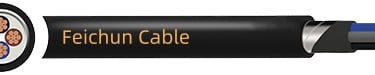
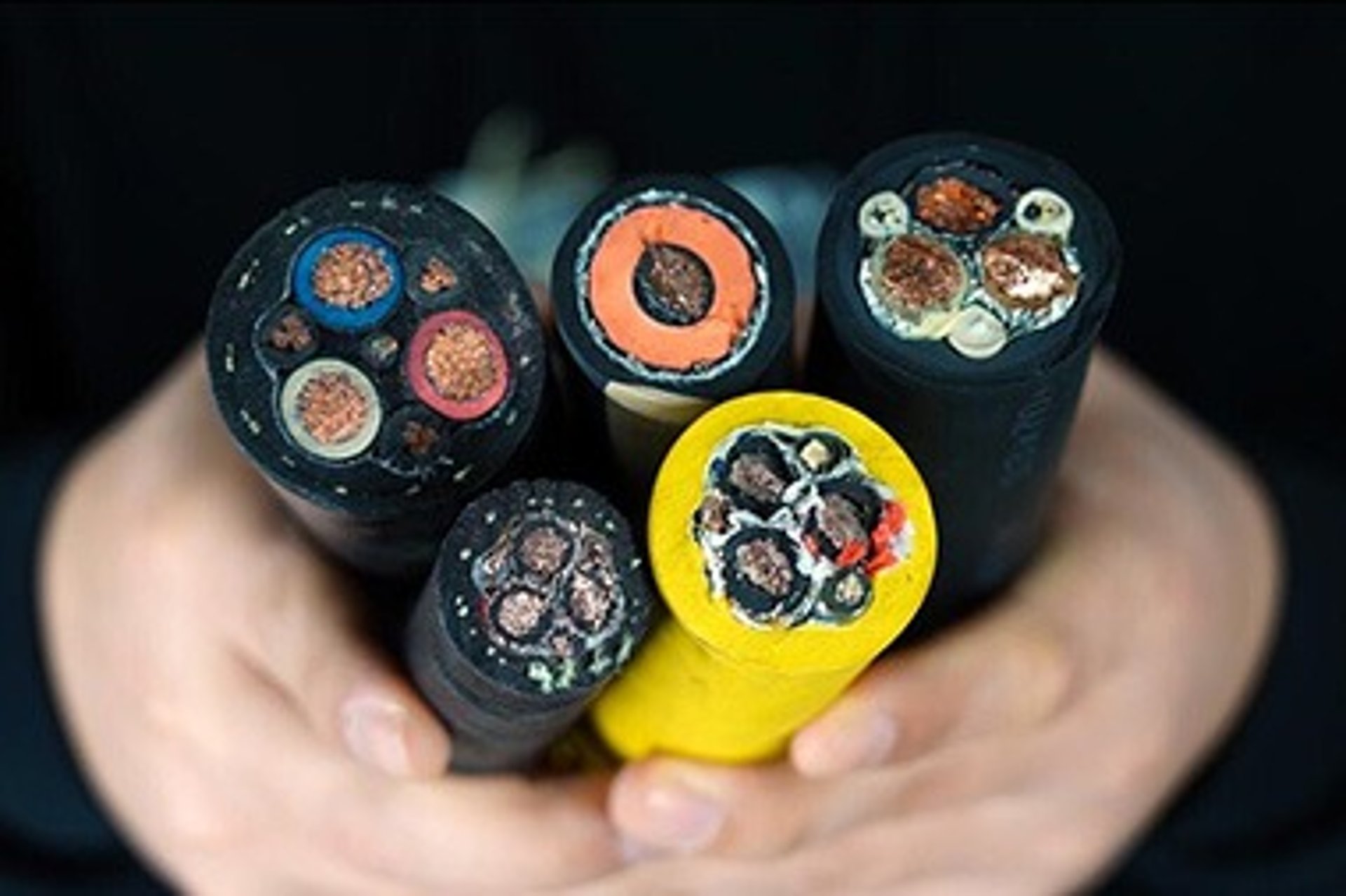
To truly appreciate the N2XBH cable's prowess, one must start with its meticulously engineered structure. This multi-core armoured cable is built layer by layer to optimise performance, durability, and safety. At the heart of the N2XBH are its conductors, which come in either Class 1 solid copper or Class 2 stranded copper configurations. The choice between solid and stranded depends on the application: solid conductors offer lower resistance for fixed installations, while stranded ones provide greater flexibility for areas with minor vibrations or movements.
Surrounding each conductor is a layer of insulation made from cross-linked polyethylene (XLPE). This insulation not only ensures excellent dielectric strength but also maintains integrity under high temperatures. The cores are then bundled together, with the number varying from two to five, each identified by distinct colours for easy installation—blue and brown for two-core setups, progressing to brown, black, grey, and additional black for five-core variants.
Filling the spaces between the cores is a halogen-free flame retardant (HFFR) compound, which serves dual purposes: it provides structural stability and enhances the cable's fire resistance by limiting the spread of flames. What sets the N2XBH apart is its armouring—a double layer of galvanised steel tape (GSTA). Unlike the steel wire armour found in British standard cables like BS 6724, this tape armour offers superior mechanical protection against crushing, impacts, and rodent damage, all while maintaining a slimmer profile for easier handling.
Encasing everything is the outer sheath, also crafted from HFFR material, available in black or green for visibility in different environments. This sheath not only shields against environmental factors like moisture and chemicals but also ensures the cable remains halogen-free, preventing the release of corrosive gases in fire situations. The overall design results in a cable that's robust yet installable in confined spaces, with a minimum bending radius of 12 times its overall diameter to prevent stress on internal components.
In practical terms, this structure allows the N2XBH to withstand harsh conditions common in South African settings, such as the dusty mines of Limpopo or the humid coastal refineries in Durban. The double tape armour, in particular, provides an edge over wire-armoured alternatives by offering better resistance to longitudinal stresses, making it ideal for buried or ducted installations where soil movement or external pressures are concerns.
Materials Used in N2XBH Cables
The efficacy of the N2XBH cable hinges on its carefully selected materials, each chosen for specific properties that enhance overall performance. Starting with the conductors, high-conductivity copper is the material of choice due to its excellent electrical properties and resistance to corrosion. Copper's low resistivity ensures minimal energy loss during transmission, which is vital for efficient power distribution in energy-conscious South Africa, where load shedding remains a challenge.
The insulation layer employs cross-linked polyethylene (XLPE), a thermoset polymer renowned for its thermal stability. XLPE can handle continuous operating temperatures up to 90°C without degrading, and it offers superior dielectric strength compared to traditional PVC, reducing the risk of electrical breakdowns. This material's cross-linking process—achieved through chemical or radiation methods—creates a three-dimensional network that improves mechanical strength and resistance to environmental stressors like heat and moisture.
For the filler and outer sheath, halogen-free flame retardant (HFFR) compounds are utilised. These are typically polyolefin-based materials infused with flame-retardant additives like metal hydroxides, which release water vapour when heated to suppress flames. Unlike halogenated materials, HFFR does not produce toxic hydrogen halides or dense smoke, making it safer for enclosed spaces. In South Africa, where building codes increasingly emphasise occupant safety, this material choice aligns with efforts to mitigate fire-related fatalities.
The armour consists of galvanised steel tape, where the galvanisation process—coating steel with zinc—provides exceptional corrosion resistance. This is particularly beneficial in South Africa's diverse climates, from the arid Karoo to the salty coastal regions, preventing rust that could compromise the cable's integrity over time. The double-layer configuration amplifies protection, distributing mechanical loads evenly and enhancing the cable's tensile strength.
Collectively, these materials ensure the N2XBH cable is not only durable but also environmentally friendly, with a reduced ecological footprint during manufacturing and disposal. Engineers in South Africa appreciate how these choices translate to longer service life, lower maintenance costs, and compliance with green building initiatives.
Technical Specifications
Diving into the technical nitty-gritty, the N2XBH cable's specifications reveal its versatility for a wide array of low-voltage applications. Rated at 0.6/1kV, it is optimised for power distribution systems where voltages do not exceed 1,000 volts, making it suitable for everything from residential complexes to industrial plants. The test voltage stands at 3.5kV, ensuring the cable can withstand surges without failure.
Temperature ratings are impressive: a maximum operating temperature of +90°C allows for sustained performance in hot environments, while the short-circuit tolerance reaches +250°C for brief periods, protecting against overloads. The minimum bending radius, set at 12 times the overall diameter, facilitates installation without risking internal damage.
Dimensionally, the cable varies by core count and cross-sectional area. For instance, a two-core version with a 2.5 mm² nominal cross-sectional area has a conductor diameter of about 1.76 mm, insulation thickness of 0.7 mm, outer sheath thickness of 1.24 mm, an overall diameter of 13 mm, and weighs approximately 276 kg per km. Scaling up, a two-core 95 mm² variant boasts a conductor diameter of 11.4 mm, the same insulation thickness of 1.1 mm, a sheath of 1.64 mm, an overall diameter of 35 mm, and a weight of 2482 kg per km.
Three-core configurations follow suit: a 1.5 mm² model measures 12 mm in overall diameter and 265 kg/km, while a hefty 240 mm² version reaches 58 mm in diameter and 9961 kg/km. Notably, some three-core cables include a reduced neutral, like the 16+10 mm² at 21 mm diameter and 1073 kg/km, or the 240+120 mm² at 59 mm and 10679 kg/km.
Four-core options start small—a 1.5 mm² at 13 mm diameter and 309 kg/km—and extend to 240 mm² at 63 mm and 12585 kg/km. Five-core cables, ideal for complex control systems, range from 1.5 mm² (14 mm, 368 kg/km) to 95 mm² (44 mm, 6038 kg/km).
These specs ensure the N2XBH can be tailored to specific needs, with sheath colours in black or green for identification. In South African contexts, where cable routing through concrete or ducts is common, these dimensions aid in planning, preventing overcrowding and ensuring compliance with installation guidelines.
Electrical Parameters
The electrical prowess of the N2XBH cable is defined by parameters that guarantee efficient and safe operation. Current-carrying capacity varies by installation method and cross-section. For a 1.5 mm² cable, it handles 31 amps in conduit or 24 amps in air. A 2.5 mm² version manages 40 amps in conduit and 31 in air, while 4 mm² reaches 52 and 41 amps respectively.
Larger sections excel: 6 mm² at 65/53 amps, 10 mm² at 87/72, 16 mm² at 113/96, 25 mm² at 146/130, 35 mm² at 176/160, 50 mm² at 208/195, 70 mm² at 256/247, 95 mm² at 307/305, 120 mm² at 349/355, 150 mm² at 391/407, 185 mm² at 442/469, and 240 mm² at 509/551 amps.
Conductor resistance at 20°C is equally critical: 12.1 Ω/km for 1.5 mm², dropping to 7.41 for 2.5, 4.61 for 4, 3.08 for 6, 1.83 for 10, 1.15 for 16, 0.727 for 25, 0.524 for 35, 0.387 for 50, 0.268 for 70, 0.193 for 95, 0.153 for 120, 0.124 for 150, 0.0991 for 185, and 0.0754 for 240 mm².
These figures are influenced by factors like ambient temperature, grouping, and ventilation. In South Africa's warmer climates, derating may be necessary, but the XLPE insulation helps maintain efficiency. Overall, these parameters ensure low losses, making the N2XBH economical for long runs in utility networks.
Standards and Compliance
Adherence to rigorous standards underpins the N2XBH's reliability. Manufactured to DIN VDE 0276-604, TS HD 604.S1, IS 1516.1, and IEC 60502-1, it meets European and international benchmarks for low-voltage power cables. Fire safety is certified under IEC 60332-3-24 Category C for flame retardancy, and IEC/EN 60754-1/2 plus IEC/EN 61034-1/2 for low smoke zero halogen properties.
In South Africa, these align with SANS standards, particularly for imported cables in fire-critical setups. Local regulations, like those from the National Regulator for Compulsory Specifications (NRCS), emphasise halogen-free materials in public buildings, ensuring the N2XBH fits seamlessly into national electrical codes and promotes safer infrastructure.
Applications
The N2XBH cable's versatility shines in diverse applications, especially where fire risks loom large. Primarily used for power distribution, it's a fixture in refineries, power plants, data processing centres, hospitals, schools, hotels, tunnels, and high-rise constructions. Its HFFR sheath makes it perfect for populated areas, minimising hazards in events of fire.
Installation-wise, it's suited for dry and damp environments, embedded in plaster, walls, concrete, or buried in ducts. In South Africa, this adaptability serves mining operations, where cables must endure moisture and mechanical stress, and urban infrastructure like Johannesburg's Gautrain tunnels. Benefits include reduced downtime in data centres and enhanced safety in hospitals, aligning with the country's focus on resilient energy systems.
Case Studies
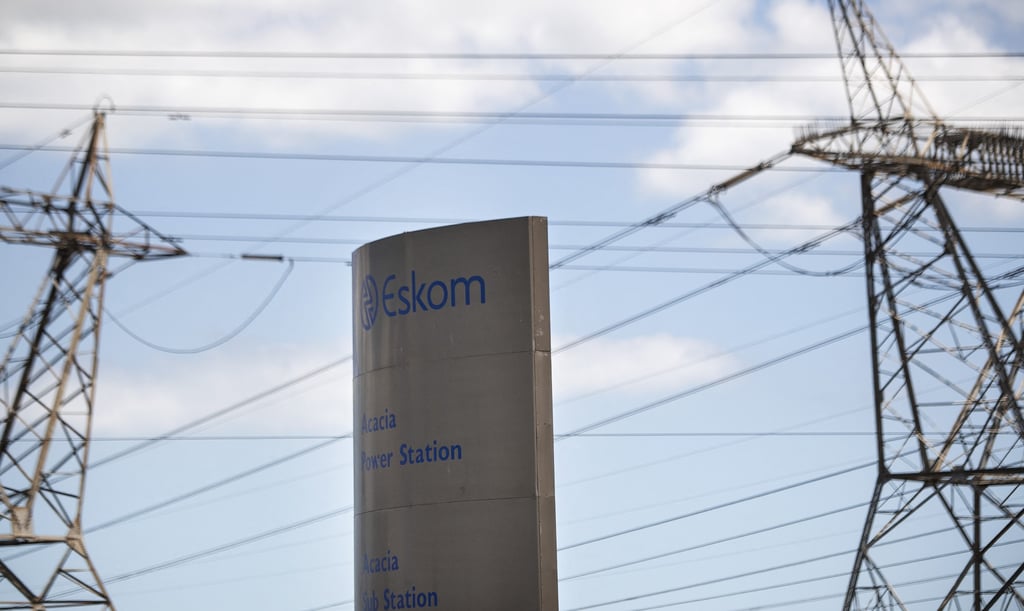
Globally, the N2XBH has proven its mettle in European data centres, where its fire-retardant properties protected IT assets during simulated fires. In South Africa, Eskom's fibre optic network projects exemplify similar armoured cables' use. Eskom, the national utility, employs robust cables in substation upgrades and transmission lines, such as the Umfolozi-Mbewu 765kV project, to ensure reliable power amid cable theft and harsh terrains. These cables safeguard optical ground wires (OPGW) and earthing systems, maintaining grid stability across provinces.
Another compelling case is Saipem's construction of the Scarabeo 7 semi-submersible drilling rig in South Africa. Undertaken at DCD Marine in Cape Town, the project involved extensive upgrades, including piping, mechanical renewals, and control systems. Armoured cables like the N2XBH were integral to mitigate fire and mechanical risks in this offshore environment, ensuring safe power distribution amid salty, high-vibration conditions. This highlights the cable's role in South Africa's burgeoning oil and gas sector.
Frequently Asked Questions (FAQ)
What distinguishes N2XBH from other armoured cables like BS 6724?
The N2XBH uses double galvanised steel tape armour for better impact resistance, versus steel wire in BS 6724, and emphasises halogen-free properties for superior fire safety.
How does the HFFR sheath contribute to safety in public buildings?
It limits smoke and toxic emissions, aiding evacuation and reducing corrosion on equipment, crucial in South African schools and hospitals.
Can N2XBH cables be used outdoors or underground in South African climates?
Yes, its corrosion-resistant armour and HFFR sheath handle arid, humid, or coastal conditions, suitable for buried ducts.
What maintenance is required for long-term performance?
Regular visual inspections for damage, ensuring no overloads, and periodic testing per SANS standards suffice, given its durable materials.
How to select the right core count and cross-section for a specific load?
Assess current requirements—e.g., 95 mm² for high loads—and core needs (e.g., five-core for controls), consulting load calculations and ambient factors.
Conclusion
In summary, the N2XBH cable's blend of safety, reliability, and versatility makes it indispensable for modern power distribution. Looking ahead, as South Africa expands renewables and data infrastructure, adaptations like enhanced armour could further its utility. For tailored solutions, consult certified suppliers to integrate this powerhouse into your projects.
Email Address: Li.wang@feichuncables.com
© 2025. All rights reserved.


One-click to Quickly Contact
Products
Contact
Company
Location:
Building A Private Science and Technology Park, Hefei Economic and Technological Development Zone, Anhui Province, China
Heat Resistant Cable
WhatsApp: +86 17333223430
Social Media: