Anhui Feichun Special Cable Co.,Ltd Email: Li.wang@feichuncables.com
What Makes the Right Welding Cable for Tough South African Job Sites?
Discover what welding cable is, how to choose the best gauge, ampacity, and insulation for South African mining, construction, and manufacturing. Expert FAQ, troubleshooting, and local case studies inside.
Li. Wang
10/29/20255 min read
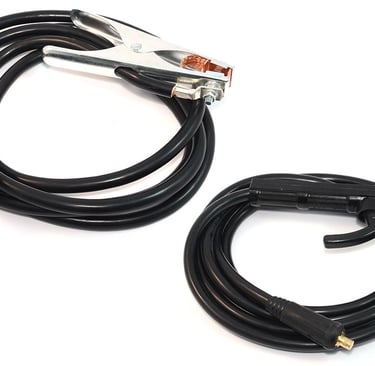
Introduction to Welding Cable
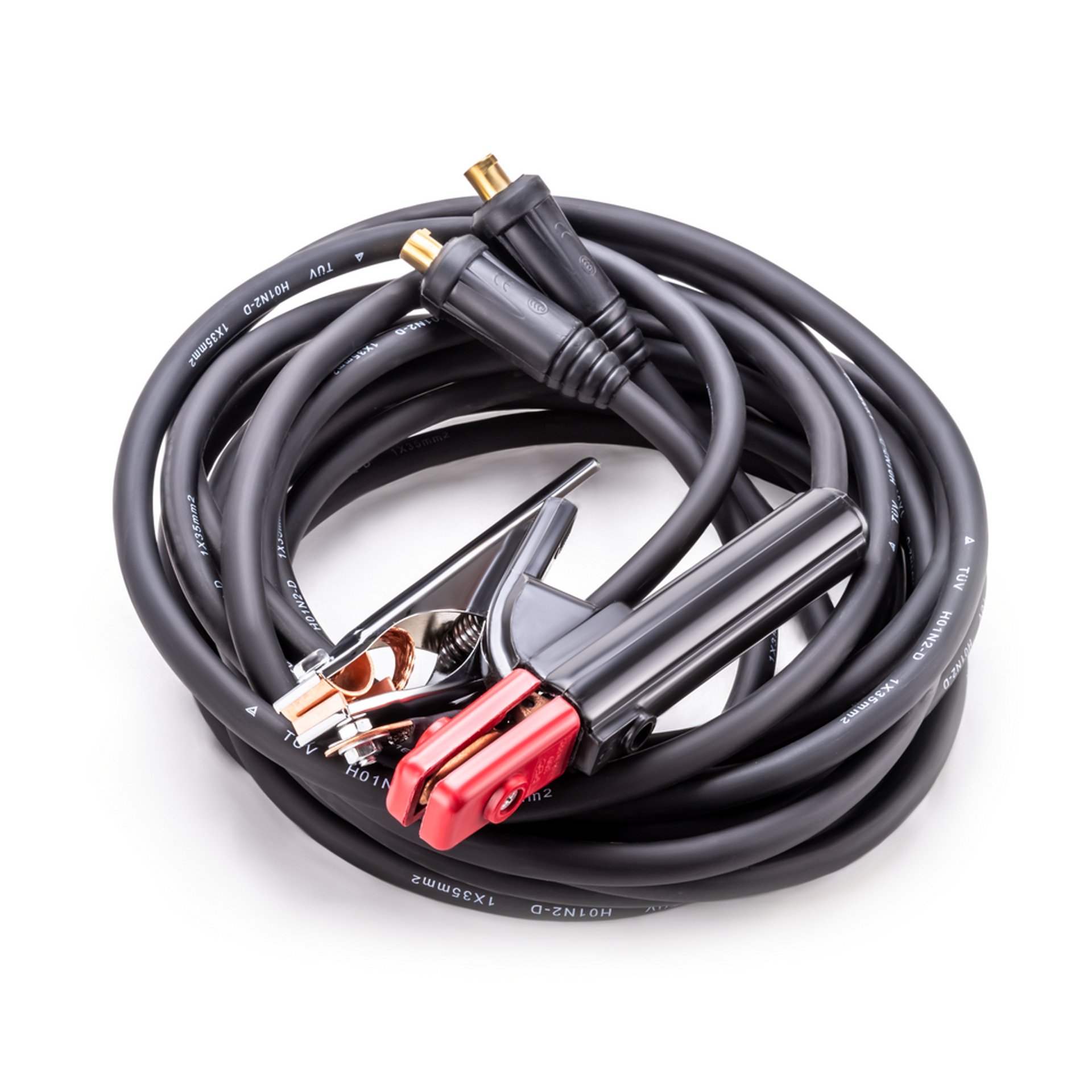
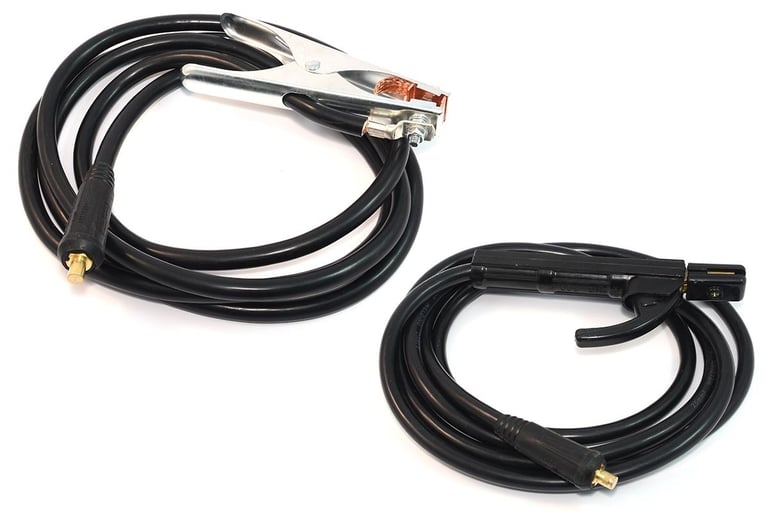
What exactly is a welding cable, and why should every welder in South Africa—from the dusty gold mines of Gauteng to the windy shipyards of Cape Town—care about getting it right? In simple terms, welding cable is a highly specialised, ultra-flexible power conductor that carries massive currents from the welding machine to the electrode and back through the work clamp. It is the unsung hero that turns electrical energy into the blazing arc that fuses metal.
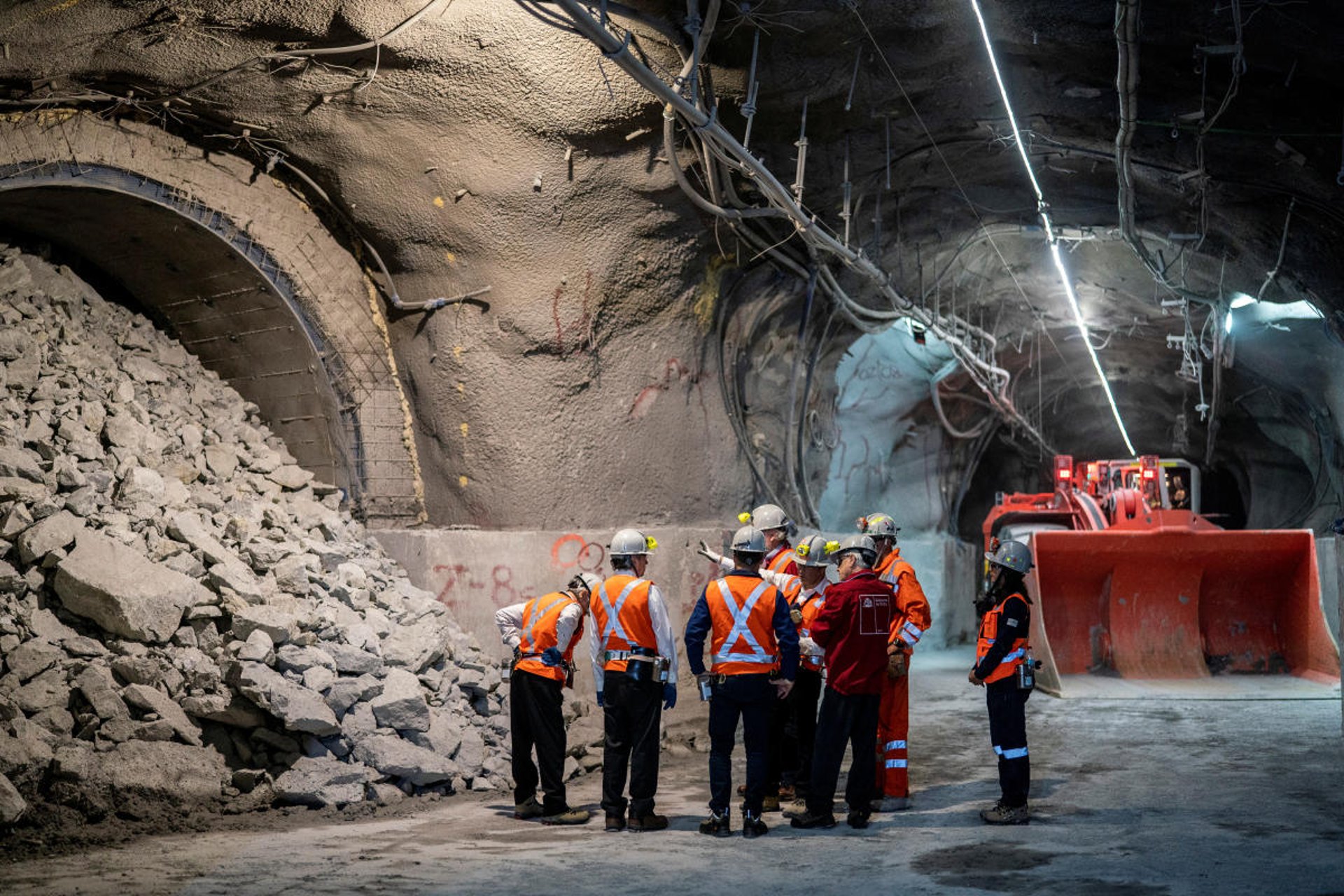
In South Africa, where industries like platinum mining, petrochemical plants, and heavy fabrication demand uninterrupted uptime under extreme heat, abrasive grit, and occasional monsoon-like rains, a sub-standard cable can spell disaster: arc instability, premature failures, or even electrocution risks. According to the Department of Mineral Resources and Energy’s 2024 safety bulletin, 14% of welding-related incidents in the mining sector traced back to degraded or incorrectly sized welding leads. Choosing the correct welding cable is not just good practice—it is a non-negotiable safety and productivity imperative.
The core purpose of any welding cable is threefold: extreme flexibility for constant repositioning, durability against sparks, oil, and dragging, and high amperage handling without excessive voltage drop or overheating. Miss any one of these, and your weld quality suffers, your machine trips, or your crew faces downtime.
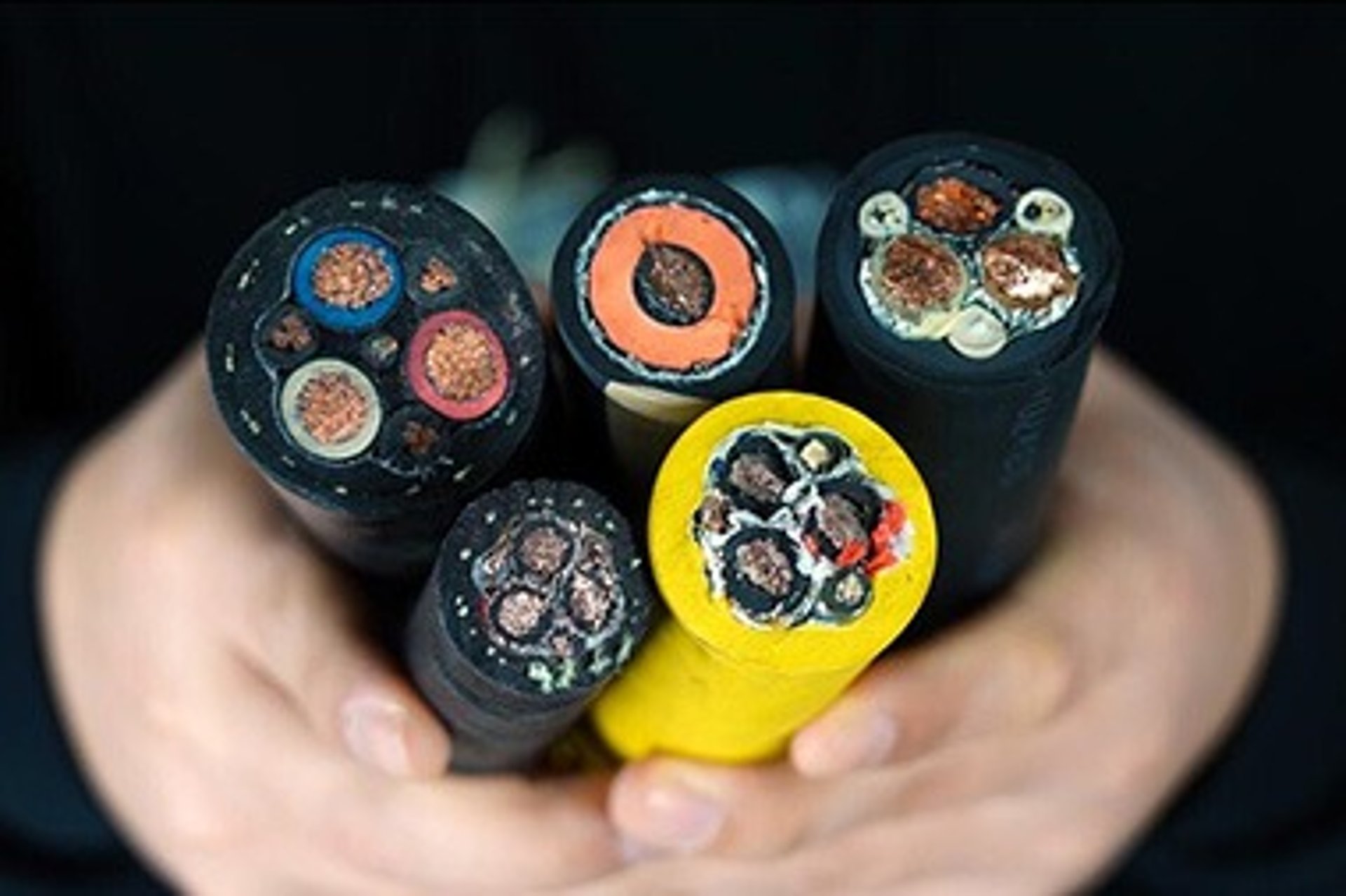
Construction and Materials
A welding cable is not just “thick wire in a rubber sleeve.” Its engineering is precise.
Conductor
At the heart lies bare, electrolytic copper—South African welders swear by oxygen-free copper for its low resistivity. The copper is drawn into fine strands, typically Class K (30 AWG strands) or the premium Class M (34 AWG strands). These strands are concentrically bundled, meaning each layer twists in the opposite direction to the one below. This counter-helical lay dramatically improves bend radius and fatigue life—critical when you’re snaking 50 m of cable around a dragline excavator in Carletonville.
Higher strand counts reduce skin effect losses at high frequencies (common in inverter welders) and allow the cable to be coiled tightly without kinking. A 2/0 AWG Class M cable, for instance, contains over 1 300 individual 34 AWG strands—each thinner than a human hair—yet collectively carries 300 A without breaking a sweat.
Insulation and Jacketing
The copper bundle is wrapped in a thermoset compound, most commonly EPDM (Ethylene Propylene Diene Monomer) or Neoprene (Chloroprene rubber). These materials are far superior to PVC, which hardens and cracks under UV and ozone—problems aplenty on the Highveld.
EPDM: Rated to 90 °C continuous, excellent ozone and moisture resistance; the go-to for outdoor structural steel jobs in Durban’s humid climate.
Neoprene: Slightly better oil resistance, softer feel; favoured in petrochemical refineries like Sasolburg.
Both are flame-retardant (passing SANS 1574 vertical flame tests) and resist spark burns that would melt lesser jackets. Premium lines like Super Vu-Tron add a tougher CPE (Chlorinated Polyethylene) outer layer for drag-and-crush scenarios on mine haul roads.
Voltage Rating
Standard welding cable is rated 600 V for both AC and DC secondary circuits. This covers 99% of stick, MIG, and TIG machines sold in South Africa. The insulation thickness meets SANS 1574 Type R-S requirements, ensuring no flash-over even when the cable is coiled hot.
Key Selection Criteria
Picking the wrong cable is like fitting a bakkie with bicycle tyres—disastrous on a gravel pass.
Ampacity and Duty Cycle
Ampacity is the maximum safe current. A 2 AWG cable, for example, handles 205 A at 60% duty cycle (6 minutes welding in every 10). Push it to 100% duty and the rating drops to 145 A. Always check your welder’s nameplate: a 400 A inverter at 35% duty needs a cable rated for at least 250 A continuous to avoid meltdown during long root passes.
Gauge (AWG) Sizing
Thicker = lower resistance = less voltage drop. Common sizes in SA:
AWGMax Amps (60% duty)Typical Use695 ALight repair4125 AGeneral fab2170 AMedium MIG1/0220 AHeavy stick4/0315 AMining draglines
For a 30 m total circuit (15 m electrode + 15 m work lead), stay under 3% voltage drop—critical for stable arc on stainless. Use the formula: Drop (%) = (2 × Length × Amps × Resistance per metre) / Voltage × 100
Length Optimisation
Every extra metre steals power. In a 2023 Anglo American Platinum case study at Mogalakwena, replacing 80 m of undersized 1 AWG with 50 m of 2/0 AWG slashed voltage drop from 9 V to 2.1 V, boosting deposition rates by 18% and saving R60 000 monthly in electrode costs.
Environmental Resistances
Oil & diesel: CPE jacket mandatory in fuel-bay repairs.
UV & ozone: EPDM for rooftop solar frame welding in Northern Cape.
Abrasion: Double-extruded jackets for gold-mine rock passes.
Certifications
Look for SANS 1574, MSHA (for underground), RoHS (no lead), and UL/CSA if exporting components. Local suppliers like Aberdare and CBI-electric stamp cables accordingly.
Accessories and Best Practices
No cable survives alone.
Connectors
Use camlock or lug-type connectors sized to the cable OD. A 4/0 cable needs a 400 A camlock—anything smaller creates hot joints. Apply NO-OX-ID grease to prevent corrosion in coastal Saldanha steel works.
Electrode Holders (Stingers)
Fully insulated, twist-lock, 400 A rated. The Tweco-style holders dominate SA workshops for their spring strength.
Ground Clamps
C-clamps with serrated jaws bite through rust and mill scale. Magnetic clamps speed up pipe jobs but must be 500 A rated to avoid arcing.
Protection
Kevlar cable sleeves over high-wear zones.
Spring reels mounted on bakkies prevent run-overs.
Drag mats under cables on concrete floors.
Maintenance
Weekly: run your fingers along the length feeling for soft spots or cracks. Monthly: megger test insulation (>100 MΩ at 500 V). Store coiled in figure-8 on a drum—never “doughnut” coils that trap heat.
Common Problems and Troubleshooting
Voltage Drop / Unstable Arc
Symptoms: Erratic arc, excessive spatter, machine cutting out. Diagnosis: Measure from welder output to electrode tip—anything over 4 V drop is excessive. Fix: Shorten total circuit or upsize one AWG for every extra 15 m.
Cable Overheating
Symptoms: Jacket soft or blistered, copper discoloured. Cause: Exceeding duty cycle or ampacity. Fix: Install a thermal cut-out or switch to Class M stranding which runs 10–15 °C cooler.
Loss of Flexibility
Symptoms: Cable kinks, strands poke through jacket. Cause: Repeated bending below minimum radius (8 × OD). Fix: Replace with Class M; train operators to avoid “S-bends” over sharp edges.
Jacket Failure
Symptoms: Cracks, oil swelling, spark pinholes. Fix: Immediate replacement. In Sasol Secunda’s 2024 audit, 42 cracked Neoprene jackets were swapped for CPE, eliminating three flash fires in six months.
Frequently Asked Questions (FAQ)
Q: Can welding cable carry both AC and DC?
A: Absolutely—up to 600 V. The cable itself is agnostic; your electrode and process (e.g., E7018 for DC, E6013 for AC) dictate polarity.
Q: Class K vs Class M—what’s the real difference on site?
A: Class M’s 34 AWG strands survive 30% more flex cycles. In a Durban shipyard trial, Class M 2/0 leads lasted 14 months vs 9 months for Class K under daily 50 m drags.
Q: Can I use battery cable instead?
A: Never. Battery cable’s coarse strands and PVC jacket stiffen, crack, and overheat. A Welkom garage learnt this the hard way—R18 000 welder destroyed in one afternoon.
Q: How do I calculate the exact gauge?
A: Example: 250 A welder, 40 m total circuit, <3% drop on 28 V output. Step 1: Max allowable drop = 0.84 V. Step 2: Resistance budget = 0.84 / (2 × 250) = 0.00168 Ω. Step 3: For 40 m, max resistance = 0.00168 / 40 = 0.000042 Ω/m → 3/0 AWG (0.000038 Ω/m) is safe.
Q: Can I repair a cut jacket?
A: Minor surface nicks: clean, apply 3M 130C vulcanising tape, wrap tightly. Exposed copper or >3 mm cut: cut out damaged section, crimp new lug, heat-shrink. Never splice mid-run—resistance hotspots form.
Q: What if I need >600 V?
A: Switch to DLO cable (2 kV rated). Eskom substations use 535 kcmil DLO for transformer lead repairs—less flexible but necessary.
Q: Why are premium cables orange?
A: High-visibility Super Vu-Tron jackets reduce trip hazards on busy mine decks and signal “industrial-grade” to inspectors.
Conclusion
The right welding cable is the silent partner that turns raw amperage into perfect beads, day after grinding day. From the platinum reefs of Rustenburg to the wind-sculpted steel of Coega, South African welders rely on cables that flex like rope, shrug off sparks, and deliver every watt without complaint.
Match ampacity to duty cycle, size gauge to circuit length, choose EPDM or CPE for your environment, and maintain religiously. Consult SANS 1574, your welder manual, and trusted local suppliers like Aberdare or Voltex. Invest once in quality—your welds, your safety, and your bottom line will thank you.
Email Address: Li.wang@feichuncables.com
© 2025. All rights reserved.
One-click to Quickly Contact
Products
Contact
Company
Location:
Building A Private Science and Technology Park, Hefei Economic and Technological Development Zone, Anhui Province, China
Heat Resistant Cable
WhatsApp: +86 17333223430
Social Media: