Anhui Feichun Special Cable Co.,Ltd Email: Li.wang@feichuncables.com

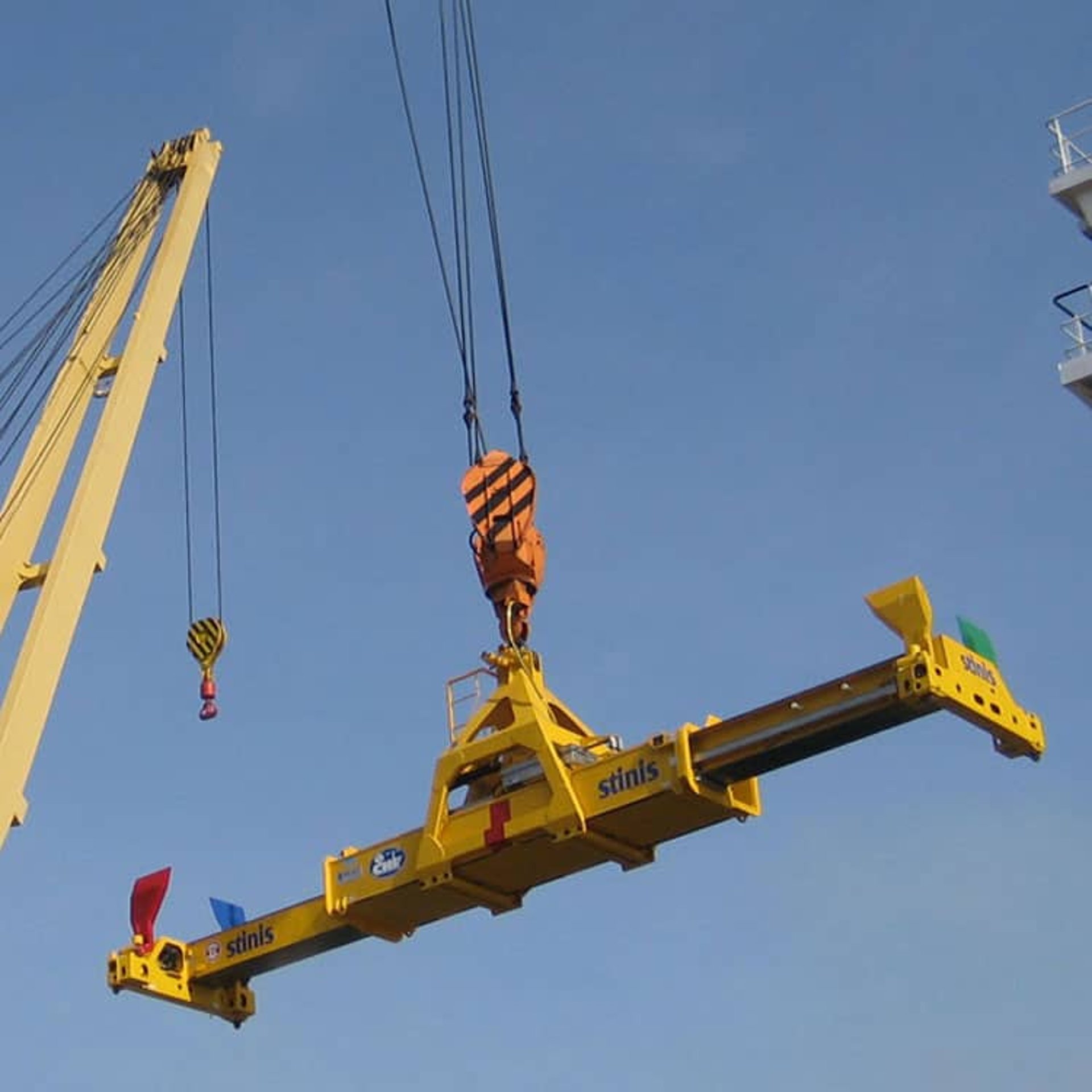
What Makes the SPREADERFLEX 3GSLTOE 0.6/1kV Spreader Cable the Go-To Choice for Demanding Lifting Operations in Harsh Environments?
Dive into the SPREADERFLEX 3GSLTOE 0.6/1kV spreader cable – a robust solution for high-stress feeder applications in load-lifting equipment. Explore its structure, materials, technical specs, electrical parameters, real-world applications, standards compliance, and FAQs, with a focus on South African mining and port scenarios where durability meets extreme conditions.
Li.Wang
11/24/20257 min read
Structure and Design Features
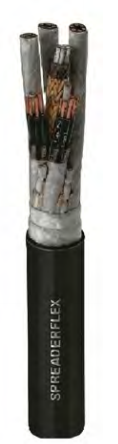
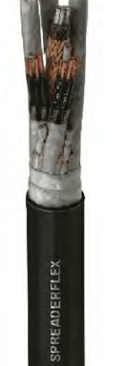
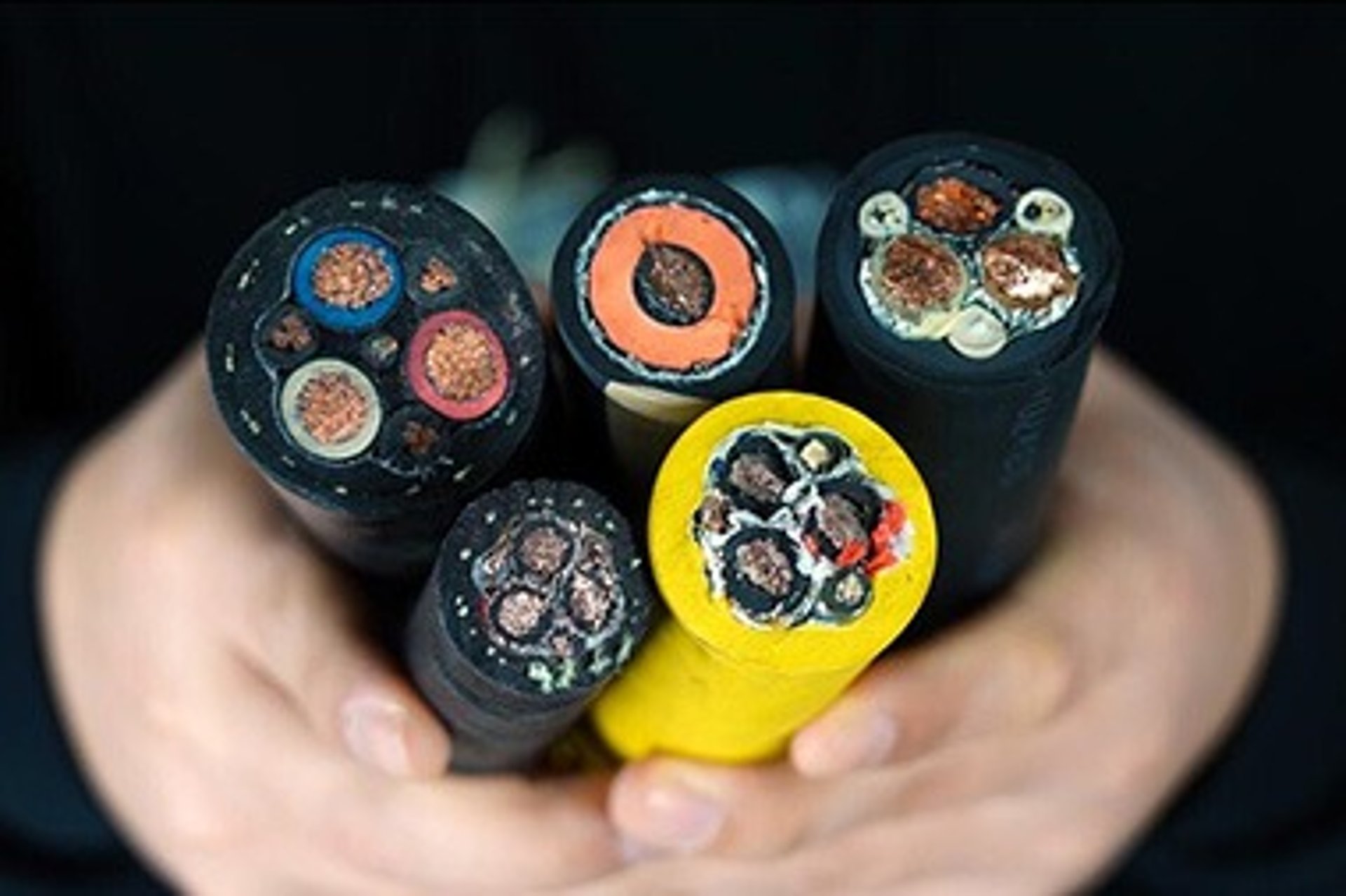
At the heart of the SPREADERFLEX 3GSLTOE 0.6/1kV spreader cable lies a meticulously engineered structure that prioritises flexibility, durability, and functionality. Starting with the conductors, these are made from bare electrolytic copper, finely stranded to class FS standards. This extreme fineness allows the cable to bend and twist without compromising integrity, essential for the dynamic movements in basket operations where cables are constantly coiling and uncoiling.
The insulation wraps around these conductors using a special ethylene propylene rubber (EPR) compound, based on type 3GI3 according to DIN VDE 0207. This material not only provides excellent electrical isolation but also maintains flexibility in ambient temperatures as low as -40°C. For easy identification during installation and maintenance, the cores feature light-coloured insulation with black-printed numbers, while the protective earth conductor is distinctly green and yellow. This optimal marking reduces errors in complex setups, a boon for technicians in fast-paced environments like South African ports.
Shielding is another critical layer, achieved through braid screens of tinned copper wires. These screens are optimised for transfer impedance at 30 MHz, with coverage of at least 60% for shielded cores and 80% for twisted pairs. This design minimises electromagnetic interference, ensuring stable signal transmission even in noisy industrial settings filled with motors and electronics.
The core arrangement is thoughtfully organised: individual cores are laid up into bundles, which are then assembled around a central support element. This support is a standout feature – aramide threads woven around lead ball cords, positioned centrally. For larger cross-sections or higher core counts, it transitions to a round rubber filler reinforced with aramide. This setup provides a breaking load with a safety factor of 5 when suspended vertically for 50 metres, crucial for preventing snaps in high-lift applications.
Encasing everything is the outer sheath, crafted from a special polyurethane (PUR) compound in black. This sheath offers robust mechanical protection against abrasion and impacts, while the cable's marking – "SPREADERFLEX 3GSLTOE-J (number of cores) x (cross-section)" – ensures clear identification.
The cable comes in various configurations to suit diverse needs. Standard control cables might feature 48 cores of 1 mm² or 24 cores of 2.5 mm², but variants integrate bus elements like ASI-Bus or Profibus for data alongside power. Others incorporate fibre optics (FO), such as 24x2.5 + 6x(1G62.5), enabling trouble-free data transmission in automated systems. AWG versions, like 20x12AWG with integrated FO, cater to international specifications, broadening its appeal in global markets including South Africa.
This layered design isn't accidental; it's the result of engineering focused on torsional stress optimisation, making the SPREADERFLEX 3GSLTOE perfect for the twisting motions in spreader baskets.
Materials and Their Properties
The excellence of the SPREADERFLEX 3GSLTOE 0.6/1kV spreader cable stems from its carefully selected materials, each chosen for specific properties that enhance overall performance.
The conductors are high-purity bare electrolytic copper, renowned for its superior conductivity – minimising resistance and heat buildup. With maximum resistance values like 19.5 Ω/km for 1 mm² cores at 20°C, this material resists fatigue from repeated flexing, a common failure point in lesser cables. In South African mining contexts, where cables endure constant vibration, this fatigue resistance translates to longer service life.
Insulation relies on an EPR compound, type 3GI3, which excels in thermal stability. It handles conductor temperatures up to 90°C continuously and 250°C during short circuits. Its flexibility at low temperatures down to -40°C prevents cracking in cold snaps, common in high-altitude South African regions. EPR also offers excellent dielectric strength, ensuring safe operation at the cable's rated voltages.
The outer sheath's PUR compound is a powerhouse of protection. Polyurethane provides exceptional abrasion resistance, vital for cables dragging in baskets or exposed to rough surfaces in ports. It meets oil resistance standards per DIN EN 60811-404 and DIN VDE 0473-811-404, paragraph 10, shrugging off lubricants and chemicals prevalent in industrial sites. Weather resistance is unrestricted – PUR stands up to ozone, UV rays, and moisture, making it suitable for outdoor use in South Africa's variable climates, from coastal humidity to inland dryness.
Support elements incorporate aramide fibres, synthetic threads with immense tensile strength. Woven around lead ball cords or embedded in rubber fillers, they boost the cable's load-bearing capacity without adding excessive weight. This is key for vertical suspensions, offering that safety factor of 5 over 50 metres.
Screening uses tinned copper braids, where tinning prevents corrosion in humid or salty environments, like those near Durban's shores. The optimised coverage ensures low transfer impedance, protecting against EMI in data-integrated variants.
Special additives in the compounds enhance low-temperature performance and chemical resistance, allowing unrestricted indoor and outdoor deployment. These materials collectively make the SPREADERFLEX 3GSLTOE a resilient choice, tailored for the rigours of heavy-duty applications.
Technical Specifications
The technical prowess of the SPREADERFLEX 3GSLTOE 0.6/1kV spreader cable is evident in its mechanical, thermal, and chemical specifications, all optimised for basket operations.
Mechanically, the cable handles increased tensile loads thanks to its aramide support elements, designed to support vertical drops with a high safety margin. Torsional stress is managed through best-in-class properties, allowing smooth twisting in counter-clockwise basket layouts – a key installation note, with detailed guides available on request. The minimum bending radius follows DIN VDE 0298 Part 3, typically around 5-6 times the outer diameter for free movement, preventing kinks. Travel speeds reach up to 160 m/min for hoists, accommodating fast-paced port operations.
Thermally, it operates in ambient temperatures from -50°C to +80°C when fixed and -40°C to +80°C in flexible use. Conductor limits are 90°C ongoing and 250°C for short circuits, ensuring safety under overloads.
Chemically, it's oil-resistant and weatherproof, resisting UV, ozone, and moisture for reliable performance in exposed settings. This is particularly valuable in South Africa's dusty mines or windy coasts.
For basket design, recommendations include a minimum diameter of 30 times the cable's outer diameter (D) and height around 45 times D. Factors like hoisting height, speed, and wind load influence this – in high-wind areas like Cape Town ports, larger baskets might be needed to prevent whipping.
Installation requires counter-clockwise laying to align with torsional design, avoiding premature wear. These specs ensure the cable performs optimally, reducing risks in critical infrastructure.
Electrical Parameters
Electrically, the SPREADERFLEX 3GSLTOE shines with parameters that guarantee safe and efficient power delivery.
Rated at 0.6/1 kV (600/1000V), it supports maximum AC operating voltages of 0.7/1.2 kV and DC of 0.9/1.8 kV. Testing involves an AC voltage of 3.5 kV for 5 minutes, verifying insulation integrity.
Current-carrying capacity, per DIN VDE 0298 Part 4, varies by core size – for instance, 2.5 mm² cores handle 30A at 30°C ambient when laid on surfaces. Conductor resistance is capped, like 7.98 Ω/km for 2.5 mm² at 20°C, minimising losses.
Short-circuit currents are rated accordingly, e.g., 0.36 kA for 2.5 mm², allowing brief surges without damage.
For data transmission, variants integrate bus elements (ASI-Bus, Profibus) or fibre optics, ensuring interference-free signals via optimised screening. This hybrid capability is ideal for modern automated lifting systems, blending power and control seamlessly.
Applications and Use Cases
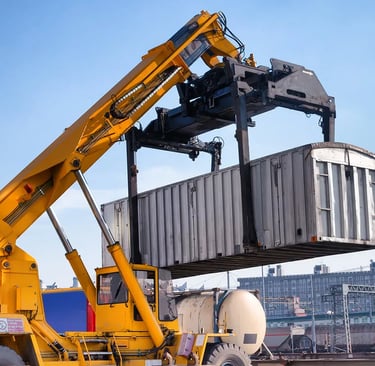
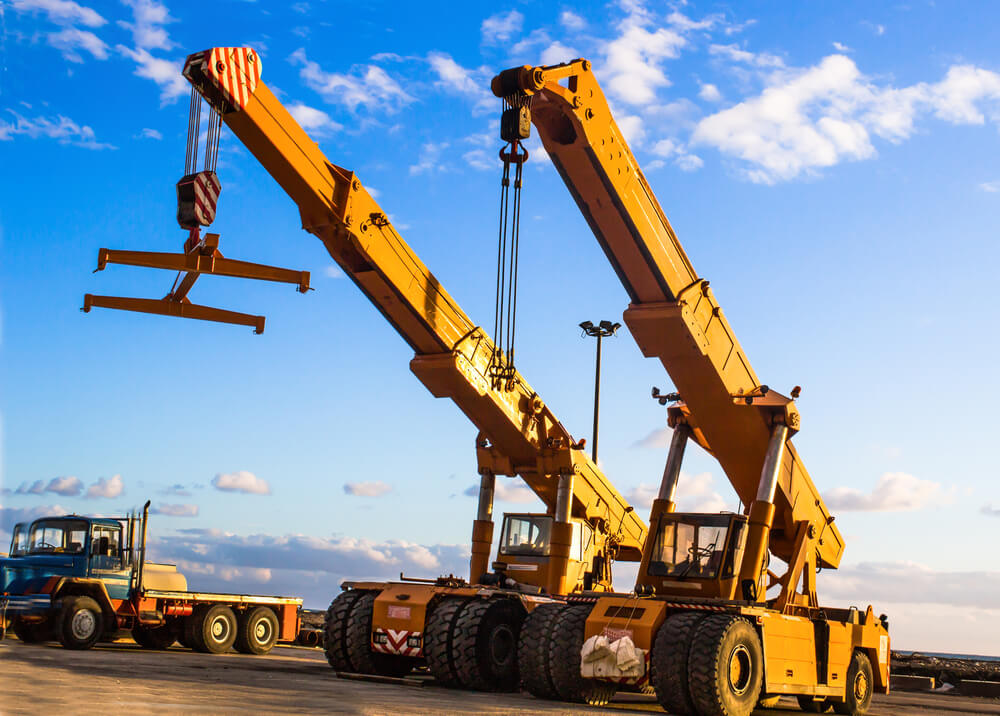
The SPREADERFLEX 3GSLTOE excels as a feeder for load-lifting gear in ports, cranes, and mines, thriving in gravity-fed baskets under high stress and cold conditions.
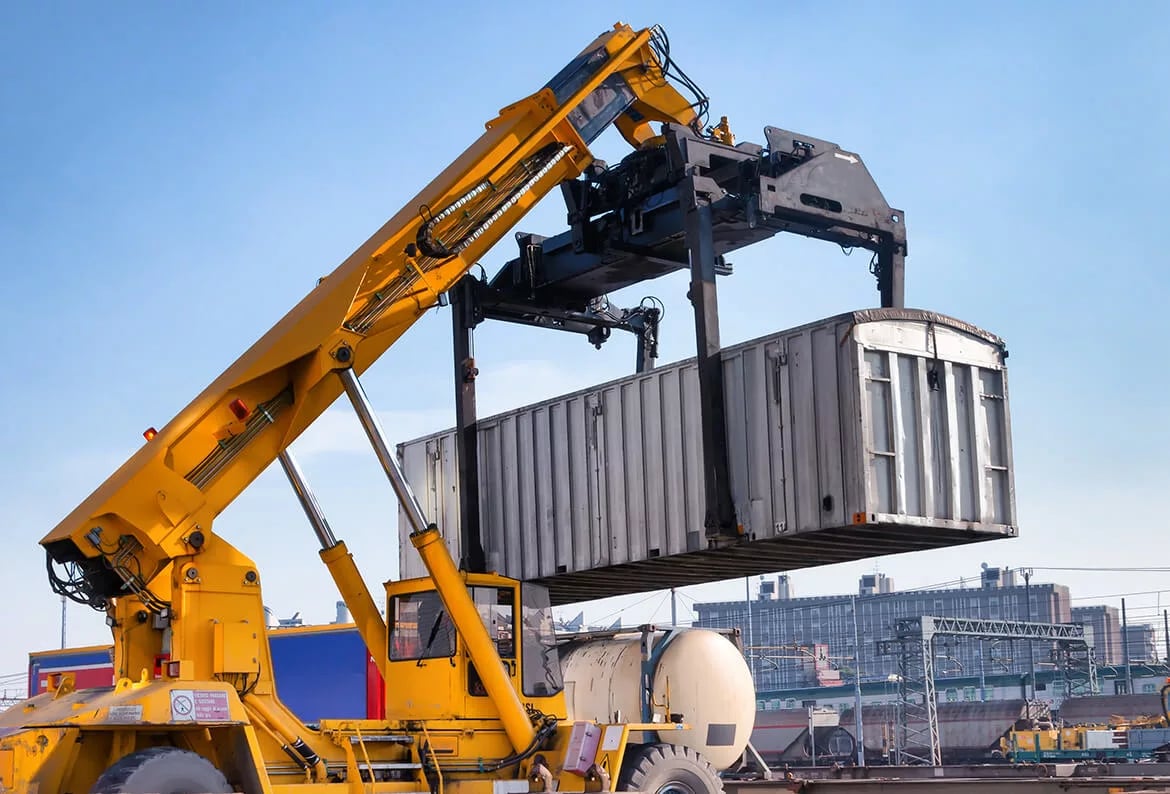
Its versatility shines in container handling and bulk transport, where variants with FO or bus elements enable data alongside power for smart automation.
In industries facing variable weather, its resistance ensures uptime. In South Africa, it aligns with mining and port needs, potentially complying with SANS standards for local adaptations, enduring dust, vibration, and loads in operations like Richards Bay coal terminals.
Frequently Asked Questions (FAQ)
What makes this cable suitable for South African climates?
Its UV, moisture, and ozone resistance, plus flexibility down to -40°C, handles everything from coastal humidity to inland cold snaps.
How do I calculate the appropriate basket size?
Aim for a diameter of at least 30 times the cable's D and height around 45 times D; factor in wind for sites like Durban.
Can it handle data alongside power?
Yes, variants with bus elements or FO integrate Profibus or optics for seamless transmission.
What are common installation pitfalls?
Laying clockwise can cause torsion damage; always go counter-clockwise.
How does it compare to standard cables in tensile load?
The aramide support offers a safety factor of 5 over 50m, far surpassing basics.
Conclusion
The SPREADERFLEX 3GSLTOE 0.6/1kV spreader cable embodies strength in structure, materials, and specs for harsh lifting tasks. South African engineers, consult specs or request customs for your projects – it's built to last where it matters most.
Introduction to SPREADERFLEX 3GSLTOE 0.6/1kV Spreader Cable
In the world of industrial lifting and material handling, where equipment faces relentless mechanical stress and environmental challenges, the right cable can mean the difference between seamless operations and costly downtime. Enter the SPREADERFLEX 3GSLTOE 0.6/1kV spreader cable, a specialised feeder cable designed specifically for load-lifting equipment such as spreaders in gravity-fed collector basket operations. This cable is engineered to withstand high mechanical stresses while operating at voltages up to 0.6/1 kV, making it an indispensable component in scenarios where reliability is paramount.
What sets the SPREADERFLEX 3GSLTOE apart is its adaptability to harsh environments, including cold climates where temperatures can plummet to -40°C. Based on the rigorous standards of DIN VDE 0250, this cable ensures consistent performance even in the most demanding conditions. It holds certifications like GOST-R, underscoring its quality and safety for global use. For industries in regions like South Africa, where mining and port operations dominate the landscape, this cable proves ideal. In places such as Durban's bustling ports or Gauteng's deep mines, equipment must endure dust, vibration, wind, and temperature swings. The SPREADERFLEX 3GSLTOE addresses these challenges head-on, supporting efficient container handling and ore extraction without faltering.
This article delves deep into the cable's intricacies, from its intricate structure and premium materials to its technical specifications, electrical parameters, and practical applications. We'll also explore real-world case studies, particularly in South Africa, and tackle common questions in an FAQ section. By the end, you'll understand why this cable isn't just a wire – it's a lifeline for high-stakes operations.
Email Address: Li.wang@feichuncables.com
© 2025. All rights reserved.


One-click to Quickly Contact
Products
Contact
Company
Location:
Building A Private Science and Technology Park, Hefei Economic and Technological Development Zone, Anhui Province, China
Heat Resistant Cable
WhatsApp: +86 17333223430
Social Media: