Anhui Feichun Special Cable Co.,Ltd Email: Li.wang@feichuncables.com


What Powers Your Ride? A Deep Dive into Automotive Cables for South African Drivers
Explore the world of automotive cables, essential for powering modern vehicles from headlights to ADAS systems. This comprehensive guide covers types, standards, market trends, and FAQs on automotive cables, with insights tailored to South Africa's challenging roads and growing EV sector.
Li. Wang
11/21/20258 min read
Introduction
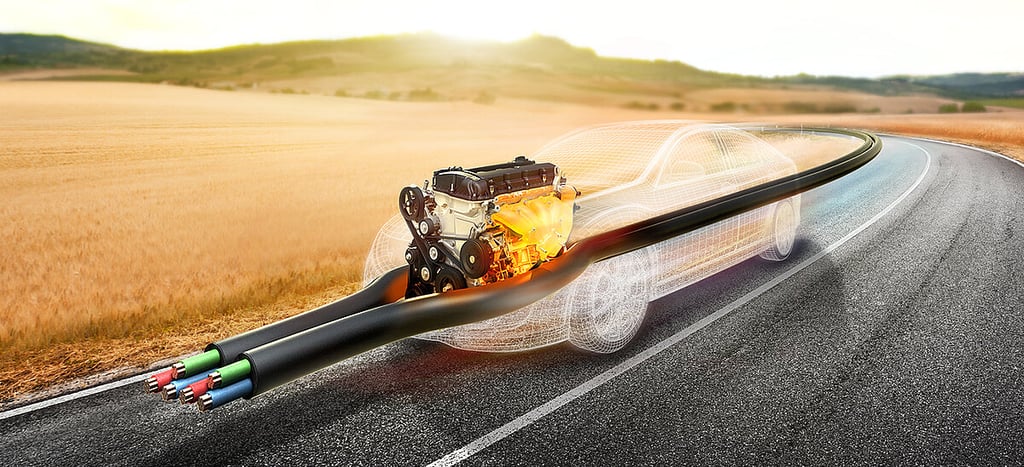
Have you ever wondered what keeps your bakkie humming along the dusty roads of the Karoo or your sedan navigating the bustling streets of Johannesburg? It's not just the engine or the fuel—it's the intricate network of automotive cables working tirelessly behind the scenes. In today's vehicles, these cables power everything from your headlights and radio to sophisticated advanced driver-assistance systems (ADAS) that help avoid potholes or sudden stops in heavy traffic. In South Africa, where our automotive sector is booming—think of the manufacturing hubs in Gauteng like Rosslyn and the Eastern Cape's bustling ports exporting vehicles worldwide—these cables are more crucial than ever. With over 600,000 vehicles produced annually, as reported by the National Association of Automobile Manufacturers of South Africa (NAAMSA), understanding automotive cables can make the difference between a smooth drive and a breakdown on the N1.
This article aims to provide a thorough, in-depth overview of automotive cables, demystifying their types, standards, and real-world applications. Tailored for South African drivers, mechanics, and enthusiasts, we'll tackle local challenges like extreme heat in the Lowveld, corrosive coastal humidity in Durban, and the rough, vibration-heavy roads that test every component. Whether you're maintaining an older Toyota Hilux or eyeing a new electric vehicle (EV) import, this guide will equip you with the knowledge to choose, install, and maintain automotive cables effectively. We'll cover the basics, delve into materials and innovations, share case studies—including a South African one—and wrap up with a handy FAQ section to address your burning questions.
Understanding Automotive Cables: Basics and Importance
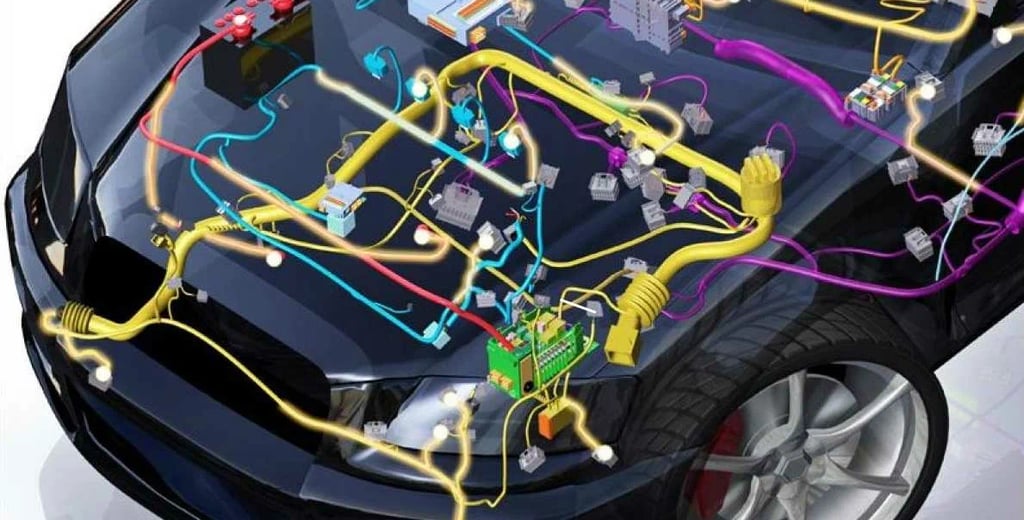
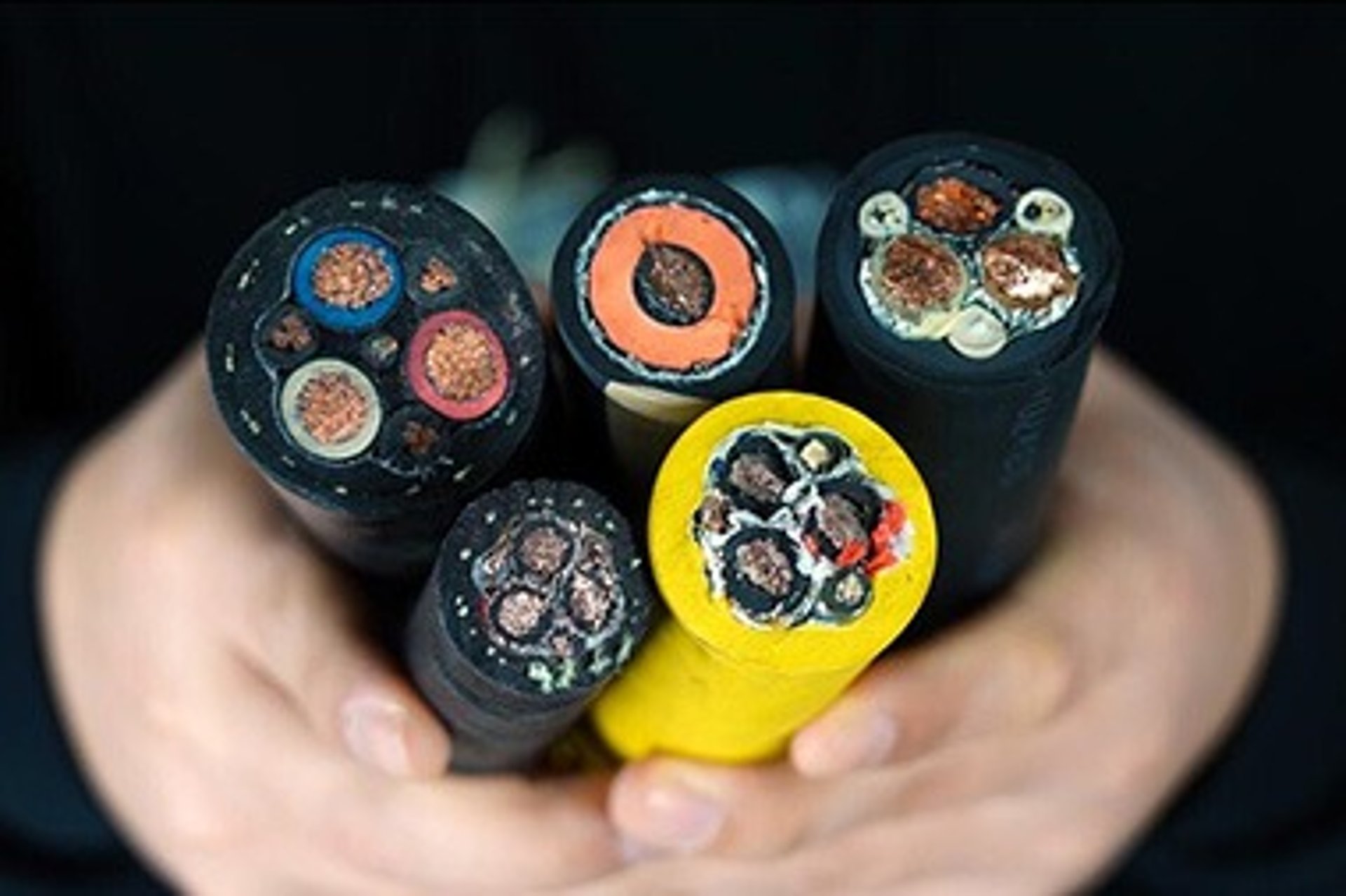
At their core, automotive cables are specialised electrical conductors designed to transmit power and signals within a vehicle's electrical system. Unlike household wiring, these cables are engineered for the confined spaces and harsh conditions of cars, trucks, and bakkies. They typically feature thin-walled insulation to save space and weight, handling low-voltage systems (around 12V to 48V for traditional internal combustion engine vehicles) or high-voltage setups (200V to 800V in EVs and hybrids). Made from materials like copper or aluminium conductors wrapped in protective sheaths, they connect components such as batteries, sensors, and control units.
Why do automotive cables matter so much? In a nutshell, they're the unsung heroes ensuring your vehicle's safety, performance, and comfort. Substandard cables can lead to electrical shorts, where wires touch and cause sparks or failures in critical systems like brakes or airbags. Electromagnetic interference (EMI) from poorly shielded cables might disrupt your engine control unit (ECU), leading to erratic behaviour on the road—imagine your ABS failing during a sudden storm on the Garden Route. Worse still, faulty cables have been linked to fire hazards, a real concern in South Africa's dry, fire-prone regions like the Western Cape. According to industry data, using the wrong cable type can reduce vehicle efficiency by up to 20%, increasing fuel consumption or battery drain in our already high-petrol-price economy.
The evolution of automotive cables mirrors the transformation of vehicles themselves. Thirty years ago, a typical car might have had just a few hundred metres of wiring. Today, that figure stretches to 3-4 kilometres, thanks to the rise of electrification, automation, and creature comforts. Features like infotainment systems, electronic parking brakes, and autonomous parking sensors all demand more robust cabling. In South Africa, where we're seeing a surge in imported hybrids and EVs—NAAMSA predicts a 15% growth in EV sales by 2030—this means our mechanics and drivers need to stay ahead of the curve to handle these complex systems.
Types of Automotive Cables and Their Applications
Automotive cables come in various types, each tailored to specific functions within a vehicle. Let's break them down, starting with the most basic.
Primary wires form the backbone of low-voltage applications, powering everyday essentials like lighting, dashboard controls, and climate systems. Models such as FLY and FLRYW, often insulated with polyvinyl chloride (PVC) or Teflon, use copper or aluminium conductors for their flexibility and heat resistance. In a South African context, these are ideal for general wiring in vehicles tackling long hauls on the N4, where space efficiency matters in compact engine bays.
Battery cables, on the other hand, are the heavy lifters. These thick, durable cables—think GXL, TXL, or AVSS—connect the battery to the starter and main electrical system, handling high currents to crank the engine. Their corrosion-resistant construction, often with thick rubber or cross-linked polyethylene (XLPE) insulation, withstands the heat and vibrations of engine bays. For South African drivers in rural areas with unreliable electricity for jump-starts, reliable battery cables are a must to avoid being stranded.
Shielded cables address the growing issue of EMI in modern vehicles. Cables like FLRYCY feature a metal braid or foil shield around the inner conductors, protecting sensitive systems such as anti-lock braking systems (ABS), airbags, and ECUs from interference. In high-tech cars with ADAS, these ensure signals remain clear, which is vital on South Africa's unpredictable roads where quick responses save lives.
Grounding wires complete the electrical circuit by providing a return path to the battery. Using models like GXL or AVSS, they're essential for preventing malfunctions—poor grounding can cause flickering lights or starting issues. In our humid coastal climates, where corrosion is rampant, proper grounding wires help maintain system integrity.
Coaxial cables are specialised for high-frequency signals, such as in radios, GPS, or communication systems. Their structure—a central conductor surrounded by insulation, a metallic shield, and an outer jacket—minimises signal loss. While not as common in basic vehicles, they're increasingly used in connected cars, helping South African drivers navigate via apps in areas with spotty cell coverage.
Multi-core cables bundle several insulated wires into one jacket, simplifying complex setups like infotainment or ADAS. Examples include FLRYY or multi-core FLRYCY configurations, which reduce wiring clutter and enhance reliability—perfect for the wiring harnesses in locally assembled vehicles from Ford's Silverton plant.
Finally, power cables are the stars in EVs and hybrids, transmitting high voltages for motors and chargers. Often made with XLPE-insulated copper, they ensure efficient energy transfer. With South Africa's push towards greener transport, these cables will become more prevalent, handling the demands of battery packs in models like the upcoming electric bakkies.
Materials and Construction of Automotive Cables
The performance of automotive cables hinges on their materials and build. Conductors are primarily copper, commanding about 70% of the global market due to its superior conductivity—ideal for high-voltage and data transmission in sensors and vision systems. An average internal combustion engine (ICE) vehicle uses around 23 kg of copper, while EVs require three to four times more for wiring looms, motors, and batteries.
Aluminium follows with a 20% share, prized for being 70% lighter and cheaper than copper. This aids lightweighting, improving fuel efficiency—a boon for South African fleets facing high diesel costs. However, aluminium's lower conductivity (about 64% less than copper) means it's better for less demanding applications, though innovations are closing the gap.
Insulation and sheathing protect against heat, abrasion, moisture, and chemicals. Common materials include PVC for basic protection, XLPE for high-temperature resistance (up to 150°C), XLPO for flexibility in cold snaps, and silicone for extreme engine environments. In South Africa's varied climates—from scorching summers in Limpopo to frosty winters in the Drakensberg—these materials ensure cables endure.
Key construction features include gauge size: lower numbers mean thicker wires for higher currents, preventing voltage drops over long runs. Flexibility allows routing through tight spaces, while temperature and voltage ratings ensure safety. For instance, high-voltage cables in EVs must handle 800V without breakdown, incorporating shielding for EMI control.
International and Regional Standards for Automotive Cables
Standards ensure automotive cables meet safety and performance benchmarks. Globally, ISO 6722 defines dimensions, testing, and resistance to environmental factors. In the US, SAE J1128 covers low-voltage primary wires, while SAE J1127 handles heavy-duty battery cables.
National variations abound: Germany's DIN 72551 for primary wires and DIN 72553 for battery cables emphasise durability. Japan's JASO D611 and D608 focus on flexibility and temperature resistance, common in Toyota models assembled locally. American UL 1007/1569 ensures flame resistance, and emerging Chinese standards like JYJ125/JYJ150 cater to cost-effective imports flooding South African markets.
In South Africa, we align with the South African Bureau of Standards (SABS), which adopts ISO and SAE equivalents. For imported vehicles and local assembly at plants like Toyota in Durban or Ford in Pretoria, SABS compliance is mandatory, ensuring cables withstand our unique conditions like UV exposure and dust.
Market Trends and Innovations in Automotive Cables
The global automotive wires and cables market hit USD 55 billion in 2024, with power cables alone projected to reach USD 27.1 billion by 2026 at a 6.6% CAGR. This growth is fuelled by EVs, with 395 million electric and hybrid vehicles expected by 2030, each requiring nearly twice the wiring of ICE models—about 4.2 km versus 3.8 km.
Specialised cables like Ethernet, optical fibre (in Mercedes), coaxial (Audi), and shielded twisted pair (Tesla) are trickling into mass-market brands. Innovations include lightweight composites to counter declining copper intensity (from 99 kg per vehicle in 2015 to 62 kg by 2030), better insulation for EVs, and sustainable materials amid resource concerns.
In South Africa, NAAMSA data shows vehicle production at 632,000 units in 2023, with exports driving demand. EV adoption lags due to infrastructure gaps in rural areas, but trends point to more high-voltage cables. Local manufacturers like Danyang Winpower offer models compliant with German, Japanese, and American standards, helping bridge the gap.
Applications and Lessons
Globally, Tesla's use of shielded twisted pair cables exemplifies innovation, enabling high-speed data for autonomous features while minimising EMI in EVs—a lesson in integrating cabling for efficiency.
Closer to home, consider BMW's Rosslyn plant in Pretoria. In 2023, they upgraded wiring harnesses for hybrid models to high-voltage automotive power cables compliant with SABS and ISO 6722 standards. Facing South Africa's hot summers (temperatures often exceeding 35°C), the plant addressed voltage drop issues by switching to XLPE-insulated copper cables with enhanced thermal ratings. This upgrade, as detailed in a NAAMSA report, improved energy efficiency by 15%, reducing battery drain during idling in traffic. For local mechanics, the case highlights retrofitting older vehicles—like common Volkswagen Polos—with modern cables to handle pothole vibrations, preventing failures and extending lifespan on our rugged roads.
How to Choose and Maintain Automotive Cables
Selecting the right cable starts with assessing needs: gauge for current load (thicker for high amps), insulation for environment (heat-resistant in engine bays), and durability for vibrations. Look for certifications like ISO or SAE, and factor in length to avoid voltage drops.
Maintenance involves regular checks for corrosion—especially in salty coastal areas—proper routing to minimise wear, and upgrades for EVs. Avoid pitfalls like cheap imports that fail in our diverse climates or mismatched standards that void warranties.
Frequently Asked Questions (FAQ)
What is the difference between primary wires and battery cables?
Primary wires handle low-voltage tasks like lighting, while battery cables manage high-current engine starting.
How do I know if my vehicle's cables need replacing?
Watch for dim lights, hard starts, or frayed insulation—common in South Africa's harsh conditions.
Are aluminium cables suitable for South African conditions?
Yes, for lightweighting in fuel-conscious fleets, but copper excels in hot, dusty environments needing high conductivity.
What standards should I look for in SA?
Prioritise ISO 6722, SAE J1128, and SABS compliance for safety and reliability.
How will EV trends affect cable choices here?
They'll boost demand for high-voltage cables; prepare for imports from China or Germany amid infrastructure growth.
Can I use household wires in my car?
Absolutely not—they lack the insulation, flexibility, and resistance needed for automotive stresses.
Conclusion
Automotive cables are the vital threads weaving together modern vehicle functionality, and in South Africa, mastering them ensures safer, more efficient drives amid our unique challenges. From basics to innovations, this guide underscores their importance—stay informed, choose wisely, and keep your ride powered for the road ahead.
Email Address: Li.wang@feichuncables.com
© 2025. All rights reserved.


One-click to Quickly Contact
Products
Contact
Company
Location:
Building A Private Science and Technology Park, Hefei Economic and Technological Development Zone, Anhui Province, China
Heat Resistant Cable
WhatsApp: +86 17333223430
Social Media: