Anhui Feichun Special Cable Co.,Ltd Email: Li.wang@feichuncables.com
Whatever Happened to BS6500 Cables? The Complete South African Guide to the Standard, Its Replacement & Today’s Flexible Cables
This comprehensive South African guide explains what happened to BS6500 cables, how BS EN 50525 replaced the old standard, and how modern flexible cables such as 218-Y, 2192Y, 318-Y, 309-Y and 318-TRS are used today across Johannesburg, Cape Town, Durban, and local industries. Includes engineering details, safety tips, selection guides and real South African case studies.
Li Wang
12/8/20255 min read

Why BS6500 Still Matters in South Africa
Walk into almost any electrical store in Johannesburg, Cape Town or Durban, and you will still hear installers asking for “BS6500 cable.”
Even though the BS6500 Standard was officially withdrawn, it remains one of the most recognised names in South Africa’s domestic and commercial electrical sector.
Why does it matter?
Because thousands of South African buildings—from Soweto homes to Durban beachfront apartments to Sandton offices—were originally wired with flexible cords defined under BS6500. These cables powered:
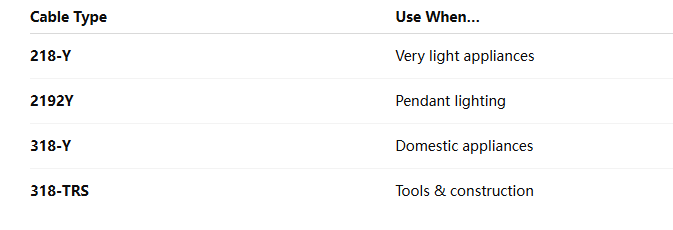
✔ domestic appliances
✔ pendant lighting
✔ office electronics
✔ commercial retail displays
And even today, the labels 218-Y, 2192Y, 318-Y, and 318-TRS remain widely used in SA retail and installation work, even though their modern equivalents now fall under BS EN 50525.
Understanding BS6500 helps South African electricians:
correctly identify older cables
choose the right modern equivalent
avoid counterfeit or non-compliant cords
ensure safe upgrades and replacements
In a country where high temperatures, fluctuating voltage, and counterfeit products are common issues, knowing how BS6500 transitioned to BS EN 50525 is more valuable than ever.
What Was BS6500? Origin, Purpose and Scope
BS6500 was the British Standard for flexible cords up to 300/500 V used in:
domestic appliances
office equipment
commercial buildings
pendant and lighting drops
The standard became extremely popular in South Africa from the 1990s to the early 2010s. Many South African retailers imported European and British electrical products, so BS6500-coded cables were everywhere—from Pretoria office blocks to Cape Town restaurants.
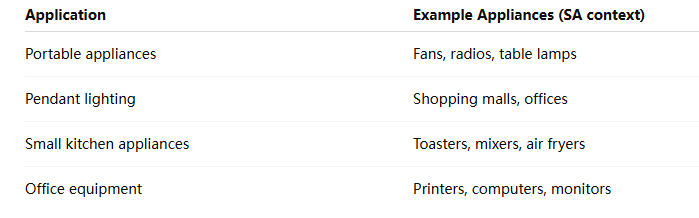
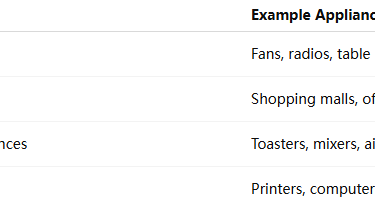
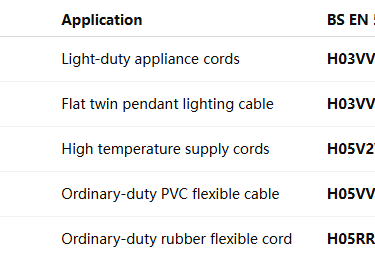
Typical BS6500 Applications
The cables were simple, flexible, reliable, and readily available, which helped them dominate the South African flexible cable market for two decades.
Why Was BS6500 Withdrawn? The Move to BS EN 50525
The BS6500 standard was officially withdrawn and replaced by:
BS EN 50525-1 (General requirements)
+
BS EN 50525-2-11, 12, 21, 71 (Specific cable families)
Why did Europe replace BS6500?
1. Harmonisation across Europe
EN 50525 standardised cable types across the EU, improving cross-border manufacturing.
2. Improved test methods
Stricter flame tests (IEC/EN 60332-1-2)
Better insulation ageing tests
Mechanical performance improvements
3. Better alignment with modern insulation and sheath materials
Especially for newer PVC formulas and eco-friendly materials.
Understanding BS EN 50525 — The New Harmonised Standard
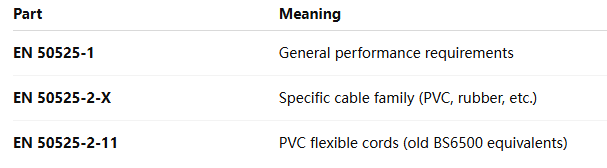
Structure of EN 50525
Why EN 50525 Improved Safety & Performance
The new standard introduced:
Enhanced insulation heat resistance
Better mechanical strength
Clearer flame-retardance requirements
More detailed construction tolerances
For South Africa—where ambient temperatures can reach 45–50°C in provinces like Northern Cape—these improvements significantly increase safety and performance.
Local compliance is smoother with NRCS, SABS, and municipal electrical codes.
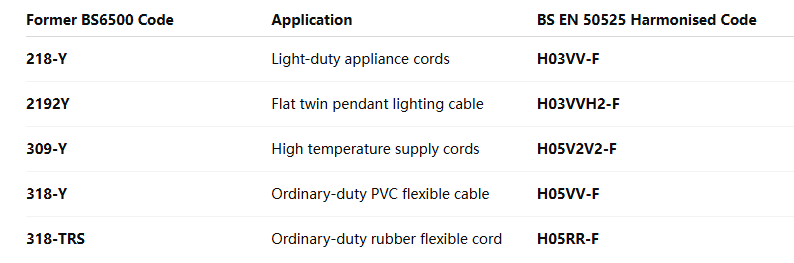
BS6500 vs BS EN 50525 — Conversion Table
This table is the single most important reference for South African electricians upgrading older installations.
Deep Technical Breakdown of Key Flexible Cables
Now we examine each major cable type in engineering-level detail.
218-Y (H03VV-F) — Light Duty PVC Flexible Cable
Applications
Radios
Table lamps
Fans
Small office electronics
Retail extension leads (very common in South Africa)
Construction
Class 5 fine-stranded copper
PVC insulation
PVC sheath
Voltage rating: 300/300 V
Typical cores: Blue/Brown (2-core) or with G/Y (3-core)
Electrical Characteristics
Low current-carrying capacity (acceptable for small loads)
Not suitable for heaters or high-power appliances
Voltage drop becomes significant over long runs
Derating required for 40–45°C ambient temperatures (common in provinces like Limpopo and North West)
2192Y (H03VVH2-F) — Flat Twin PVC Cable
Applications
Pendant lighting drops
Commercial lighting in malls
Light supply leads
Used widely in Sandton City, Canal Walk, and Gateway Durban for lighting installations.
Construction
Flat cable with:
PVC insulated cores
PVC outer sheath
Available in 0.5 mm² and 0.75 mm²
White or black sheath
Electrical Performance
Voltage rating: 300/300 V
Bending radius: 8 × OD
Flame retardant to IEC/EN 60332-1-2
0.75 mm² recommended for long pendant drops to reduce voltage drop
309-Y (H05V2V2-F) — High Temperature PVC Cable
Applications
Ovens
Commercial kitchens
Lighting fixtures exposed to heat
HVAC equipment
Rating: 300/500 V, up to 90°C
Engineering Specifications
Class 5 stranded copper
Heat-resistant PVC
Suitable for continuous heat zones
Ideal for Durban and coastal areas where kitchens run hot and humid
318-Y (H05VV-F) — Ordinary Duty PVC Flexible Cord
Applications
Heavier domestic appliances
Office equipment
Portable tools
Kettles (lower power ones), toasters, air coolers, printers
In South African homes, 318-Y is the most widely used flexible cable.
Technical Characteristics
Voltage: 300/500 V
Thick sheath for improved durability
Available in 2–5 cores
Excellent flame performance for indoor use
318-TRS (H05RR-F) — Ordinary Duty Rubber Flex
Applications
Handheld tools
Construction sites
Kitchens
Heavy mechanical environments
Material Advantages
Rubber insulation
Rubber outer sheath
Better abrasion resistance
Excellent cold flexibility
Ideal for Cape winter construction sites
Electrical Performance Summary Tables
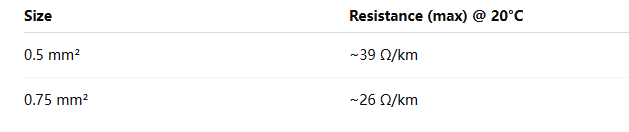
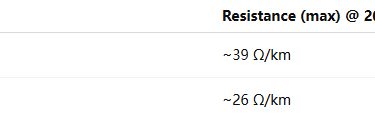
Conductor Resistance
Lower resistance means:
✔ Less heating
✔ Better current efficiency
✔ Lower voltage drop
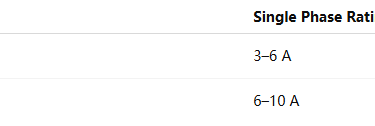
Current Carrying Capacity (Typical)
Voltage Drop
This is a serious issue in large South African homes with long cord runs.
0.5 mm² suffers rapid voltage drop
0.75 mm² is safer for pendant lights and long cords
Rubber cables have slightly better performance due to better heat dissipation
Ambient Temperature Derating in SA Climate
South Africa often exceeds 40°C in many industrial provinces.
Rule of thumb:
Above 40°C → apply derating
Above 45°C → consider rubber flex instead of PVC
South African Case Studies
Case 1: Sandton City Retail Lighting Install
A lighting contractor installed hundreds of pendant lights in a high-end store.
Original plan: 0.5 mm² 2192Y
Problem: Long drops caused voltage drop & dimming
Solution: Switched to 0.75 mm² H03VVH2-F
Result: Stable brightness + compliance with EN 50525-2-11
Case 2: Durban Commercial Kitchen Retrofit
A restaurant near uShaka Marine World was facing cable hardening.
Cause: Standard PVC flex was too close to ovens.
Solution: Replace with 309-Y (H05V2V2-F) high-temperature cable
Outcome: Zero failures after 18 months
Case 3: Cape Town Office Appliance Upgrade
Technicians found old printers and computers using “BS6500” labelled cords.
Modern replacement: 318-Y / H05VV-F
Benefit: Increased safety, reduced heat, compliant with EN 50525
Cable Selection Guide for South African Installers
Light Duty vs Ordinary Duty
PVC vs Rubber
PVC → indoor, low mechanical stress, cheaper
Rubber → durable, flexible, suitable for rough use
Avoiding Counterfeit Cables
Checklist:
✔ Proper EN 50525 marking
✔ Correct core colours
✔ Consistent diameter
✔ No “China Flex” generic labels
Common Mistakes in South Africa
Using 0.5 mm² where 0.75 mm² is required
Using light-duty cords for kettles or heaters
Not accounting for temperature derating
Poor termination
Installing non-flame-retardant cords in commercial spaces
Frequently Asked Questions (FAQ)
Q1: Is BS6500 still valid?
No, but names are still commonly used.
Q2: Can I install a cable labelled “BS6500”?
Yes, but ensure it also meets modern EN performance.
Q3: 218-Y vs 318-Y?
218-Y = light duty
318-Y = ordinary duty
Q4: Why does 0.75 mm² carry more current?
Lower conductor resistance = less heating.
Q5: Best cable for pendant lights?
2192Y / H03VVH2-F
Q6: Best cable for hot zones?
309-Y / H05V2V2-F
Q7: Rubber better than PVC?
Better flexibility, better abrasion resistance.
Q8: Why do SA electricians still use BS6500 names?
Legacy habit + consistent product identification.
Why Understanding BS6500 Still Matters
Even though BS6500 is no longer a current standard, its legacy shapes South Africa’s flexible cable market today.
The modern BS EN 50525 series delivers:
✔ safer materials
✔ better flame performance
✔ clearer construction requirements
✔ improved durability in SA’s hot climate
By understanding both systems, South African installers can confidently:
upgrade old equipment
select the right modern cable
avoid counterfeit cords
comply with NRCS, SABS and European safety standards
BS6500 may be retired—but its influence is stronger than ever across South Africa.

Contact Anhui Feichun Special Cable Co., Ltd.
For comprehensive technical specifications and quotations, please contact our specialized mining cable engineering team:
Technical Engineering Support:
Sales Engineering Department:
WhatsApp Contact:
Manufacturer: Anhui Feichun Special Cable Co., Ltd. (安徽飞纯特种电缆有限公司)
Manufacturing Headquarters: Building A, Private Science and Technology Park, Hefei Economic and Technological Development Zone, Anhui Province, People’s Republic of China
+86 17333223430
Email Address: Li.wang@feichuncables.com
© 2025. All rights reserved.

One-click to Quickly Contact
Products
Contact
Company
Location:
Building A Private Science and Technology Park, Hefei Economic and Technological Development Zone, Anhui Province, China
Heat Resistant Cable
WhatsApp: +86 17333223430
Social Media: