Anhui Feichun Special Cable Co.,Ltd Email: Li.wang@feichuncables.com
When Tough Meets Flexible: How NSSHOEU .../3E + ST 0.6/1kV Cables Keep South African Mines Moving
Discover why NSSHOEU .../3E + ST 0.6/1kV heavy-duty flexible cables are essential in South Africa’s mining and industrial sectors. Explore technical specs, real case studies, safety compliance, and practical tips for durable, high-performance cable solutions.
Li Wang
12/23/20256 min read
Introduction
In the harsh, demanding environments of South Africa’s mines, quarries, and industrial sites, the equipment that keeps operations running depends on one unsung hero: the flexible power cable. While attention often focuses on machines, loaders, or conveyor systems, the cables delivering energy to these machines are the lifelines that endure extreme mechanical, thermal, and environmental stresses.
Among these, the NSSHOEU .../3E + ST 0.6/1kV heavy-duty flexible cable stands out. Built to handle high mechanical loads, outdoor exposure, and even explosive atmospheres, it has become a benchmark in durability and safety. From powering underground platinum loaders to moving cranes on construction sites, these cables combine flexibility, resilience, and compliance with international standards—a necessity in South Africa’s resource-rich but challenging environments.
This article explores what makes a cable “heavy duty flexible,” delves into construction, materials, and standards, and provides practical insights through South African case studies, offering professionals a complete guide to choosing and handling these critical industrial components.
What Makes a Cable ‘Heavy Duty Flexible’?
In industrial and mining operations, cables face a combination of stresses that ordinary wiring simply cannot endure. Heavy-duty flexible cables must resist:
Mechanical load: Constant bending, twisting, or dragging along rough surfaces.
Abrasion and tearing: Contact with sharp edges, conveyor chains, or underground rocks.
Environmental stress: Exposure to moisture, oils, chemicals, UV radiation, and extreme temperatures.
Thermal stress: Operation in high-temperature machinery or proximity to heat sources.
Flexibility is crucial because mobile equipment like continuous miners, loaders, and conveyors require cables that can bend and twist without damage. Equally important is durability, ensuring minimal downtime and maintenance.
Key terminology in this context includes:
Mechanical load: The stress a cable undergoes due to motion and weight.
Abrasion resistance: The cable’s ability to withstand surface wear.
Tear resistance: The capacity to resist splitting under tension.
Oil resistance: Prevents degradation from oils and lubricants used in machinery.
Flame retardant: Slows or resists the spread of fire, crucial in hazardous zones.
These properties define a cable’s suitability for South African mines and industrial sites, where equipment often operates 24/7 in rough terrain and extreme conditions.
Standards and Certification
When selecting cables for high-risk industrial operations, compliance with standards is non-negotiable. For NSSHOEU .../3E + ST cables, this includes:
VDE 0250 Part 812: Ensures the cable meets stringent German standards for mechanical, thermal, and electrical performance in heavy-duty applications.
NRCS Certification (South Africa): The National Regulator for Compulsory Specifications ensures compliance with safety regulations relevant to mining, industrial, and hazardous-area installations.
Adhering to these standards is essential not only for safety but also for legal compliance and operational reliability. South African mines rely on VDE and NRCS-compliant cables to avoid costly downtime, accidents, and regulatory penalties.
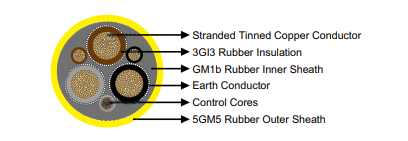
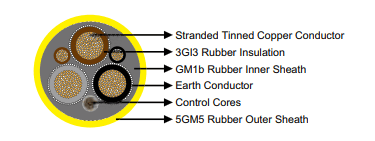
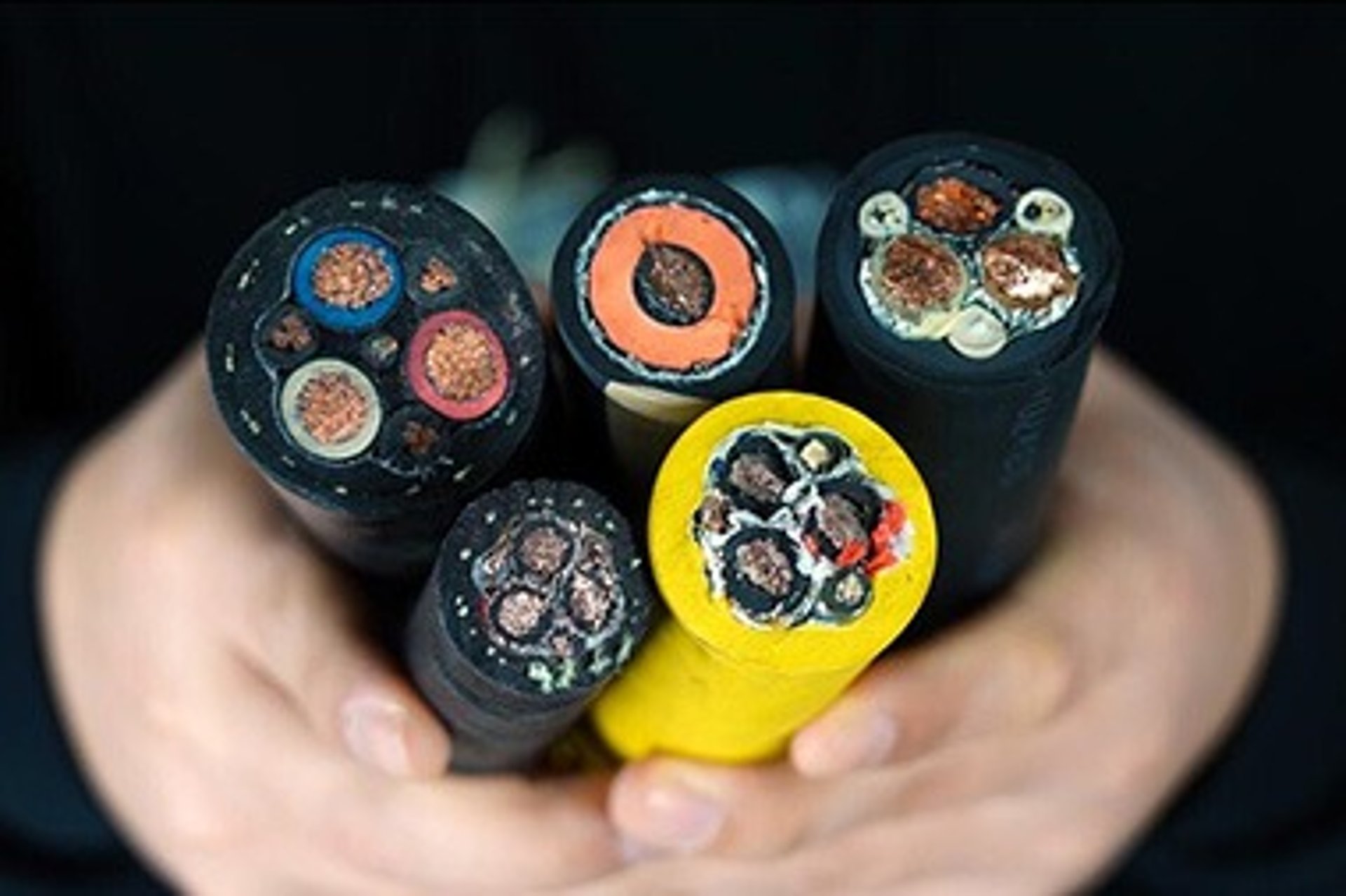
Cable Construction and Materials
The secret to heavy-duty flexibility lies in meticulous construction and the careful selection of materials.
Conductors
Material: Flexible stranded tinned copper (Class 5, DIN VDE 0295)
Advantages:
Excellent conductivity ensures efficient power transmission.
Tinning prevents corrosion in damp underground conditions.
High flexibility supports repeated bending and movement without fatigue.
Insulation
Material: Heat-resistant EPR type 3GI3
Properties:
Can tolerate elevated temperatures from machinery or electrical loads.
Resists mechanical stress during handling and operation.
Earth Conductor
Configuration: Spiral (…/3E) or concentric (…kon)
Purpose:
Provides effective grounding for equipment.
Ensures safety by rapidly directing fault currents to earth.
Control Cores
Placed in interstices between power cores.
Wrapped with a film for additional insulation and mechanical stability.
Supports signaling or control functions for mobile or automated equipment.
Sheathing
Inner Sheath: Rubber GM1b
Outer Sheath: Chlorinated rubber 5GM5
Abrasion and tear-resistant
Oil-resistant
Flame-retardant
Critical for outdoor, damp, or hazardous environments, providing protection against mechanical and chemical hazards.
By combining these materials, NSSHOEU cables achieve both flexibility and resilience, allowing them to endure demanding conditions without compromising electrical performance.
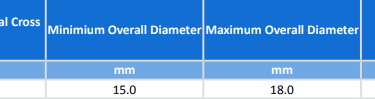
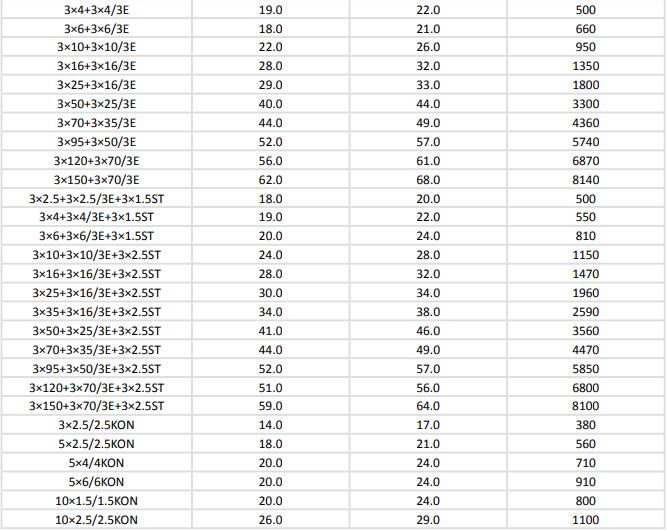
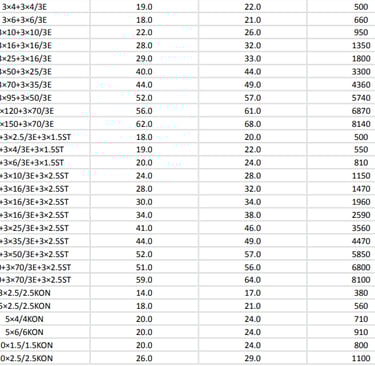
Dimensions, Weight, and Technical Specifications
Cables come in a variety of sizes to meet specific load and mobility requirements. Below is a summary:
Practical implications:
Larger cables carry more current but require careful handling and larger bending radii.
Weight affects mobility; underground haulage equipment requires optimized sizes like 3×50+3×25/3E to power loaders efficiently.
Engineers select cross-sections based on electrical load, distance, and mechanical stress.
Electrical Parameters
Rated Voltage: 0.6/1 kV
Current Carrying Capacity: Determined by conductor size, insulation type, and ambient temperature.
Flexibility: Maintains performance under continuous motion or intermittent operation.
Importance for mobile equipment: Prevents overheating, ensures consistent operation, and avoids downtime in mines, quarries, and industrial plants.
Applications in South Africa
Mining Sector
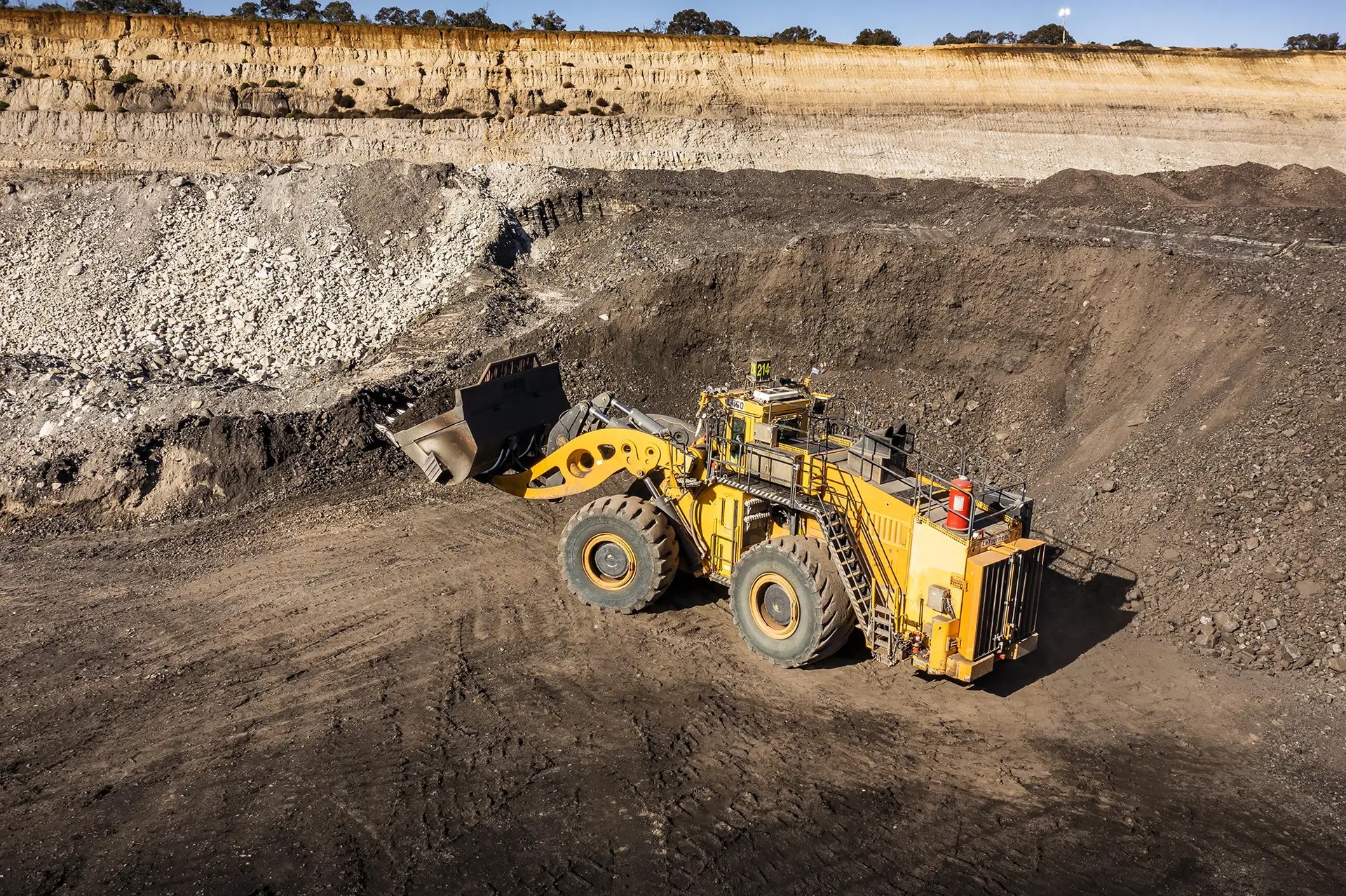
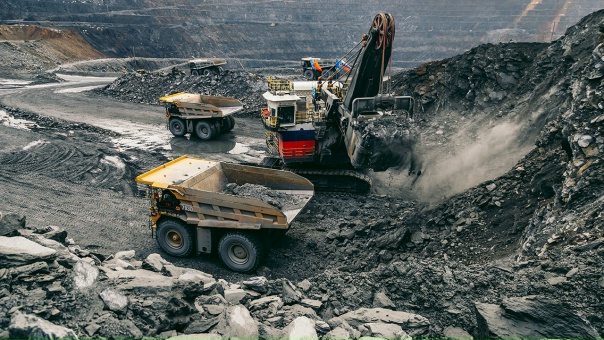
In South African gold and platinum mines, trackless mobile machinery such as loaders and conveyors require cables that withstand rough handling, sharp edges, and high abrasion.
Case Study:
A platinum mine in Rustenburg deployed 3×50+3×25/3E cables for mobile loaders. Over five years, the cables endured continuous mechanical stress without failure, enabling uninterrupted production and reducing maintenance costs.
Industrial and Construction Sites
Equipment: Cranes, hoists, concrete mixers, mobile generators
Example: Northern Cape quarry operations use 3×16+3×16/3E+3×2.5ST cables for multiple machines operating in wet conditions. These cables ensure mobility without compromising safety or operational efficiency.
Hazardous Areas
Environments: Chemical plants, gas extraction sites, areas with explosive dust
Benefit: Flame-retardant and oil-resistant outer sheaths mitigate risks of fire or accidents, safeguarding both personnel and equipment.
Advantages and Practical Benefits
High mechanical strength: Reduces wear and downtime.
Flexibility: Supports complex machine movements without damage.
Durability: Long service life even under harsh environmental conditions.
Safety Compliance: Meets VDE and NRCS standards, ensuring legal compliance and operational safety.
In practical terms, mines and industrial sites report fewer cable-related shutdowns and lower replacement costs when using NSSHOEU cables.
Maintenance and Handling Guidelines
Bending radius: Follow manufacturer recommendations to avoid internal conductor damage.
Inspection frequency: Check for abrasion, cuts, or oil damage weekly in high-load applications.
Storage: Keep in dry, shaded areas; avoid prolonged exposure to UV or chemicals.
Transport: Coil carefully to prevent kinking; use rollers or trolleys for heavy cables.
Correct handling significantly extends cable lifespan and ensures uninterrupted operation.
Frequently Asked Questions (FAQ)
Q1: Can NSSHOEU cables be spliced safely?
A: Yes, but only with certified connectors and trained technicians. Improper splicing can compromise insulation and mechanical strength.
Q2: What is the maximum load and distance for these cables in South African mines?
A: Depends on cross-section; for example, 3×50+3×25/3E can handle loaders over several hundred meters. Always consult ampacity charts.
Q3: How do 3E and KON coding differ in practical use?
A: 3E uses a spiral earth conductor; KON has concentric earth. Spiral offers more flexibility, ideal for mobile equipment.
Q4: Are these cables suitable for outdoor exposure in South Africa’s climate?
A: Yes, the outer sheath is UV, abrasion, oil, and flame-resistant, suitable for harsh sunlight, rain, and dust.
Q5: What is the expected lifespan under continuous mining operations?
A: Typically 5–7 years, depending on handling, load, and environmental conditions. Correct maintenance can extend life beyond this range.
South African Case
Platinum Mine, Rustenburg:
Mobile loader powered by 3×50+3×25/3E
Operated 24/7 for 5 years with zero cable failures
Resulted in uninterrupted production and minimal maintenance
Gold Mine, Witwatersrand:
Cables with abrasion-resistant 5GM5 sheaths reduced downtime by 20%
Supported multiple haulage and conveyor machines in damp tunnels
Construction Site, Gauteng:
Multi-machine operation using 3×16+3×16/3E+3×2.5ST
Wet and damp conditions tested durability
Improved operational efficiency and reduced replacement costs
These case studies highlight the practical reliability and cost-effectiveness of NSSHOEU cables under real South African conditions.
Conclusion
Choosing the right heavy-duty flexible cable is critical for South African mining, industrial, and construction operations. The NSSHOEU .../3E + ST 0.6/1kV cable combines superior flexibility, mechanical resilience, and compliance with both international (VDE) and local (NRCS) standards.
By understanding construction, materials, and electrical parameters, and by following proper handling and maintenance practices, operators can ensure safety, reliability, and long-term cost savings. Real-world case studies from platinum and gold mines, as well as construction sites, demonstrate that investing in high-quality flexible cables translates directly to uninterrupted operations, enhanced safety, and lower total cost of ownership.
For professionals in South Africa’s demanding industrial sectors, NSSHOEU .../3E + ST 0.6/1kV is not just a cable—it’s a cornerstone of operational efficiency and safety.

Contact Anhui Feichun Special Cable Co., Ltd.
For comprehensive technical specifications and quotations, please contact our specialized mining cable engineering team:
Technical Engineering Support:
Sales Engineering Department:
WhatsApp Contact:
Manufacturer: Anhui Feichun Special Cable Co., Ltd. (安徽飞纯特种电缆有限公司)
Manufacturing Headquarters: Building A, Private Science and Technology Park, Hefei Economic and Technological Development Zone, Anhui Province, People’s Republic of China
+86 17333223430
Email Address: Li.wang@feichuncables.com
© 2025. All rights reserved.
One-click to Quickly Contact
Products
Contact
Company
Location:
Building A Private Science and Technology Park, Hefei Economic and Technological Development Zone, Anhui Province, China
Heat Resistant Cable
WhatsApp: +86 17333223430
Social Media: